
Diving at Punta Quepos (Costa Rica)
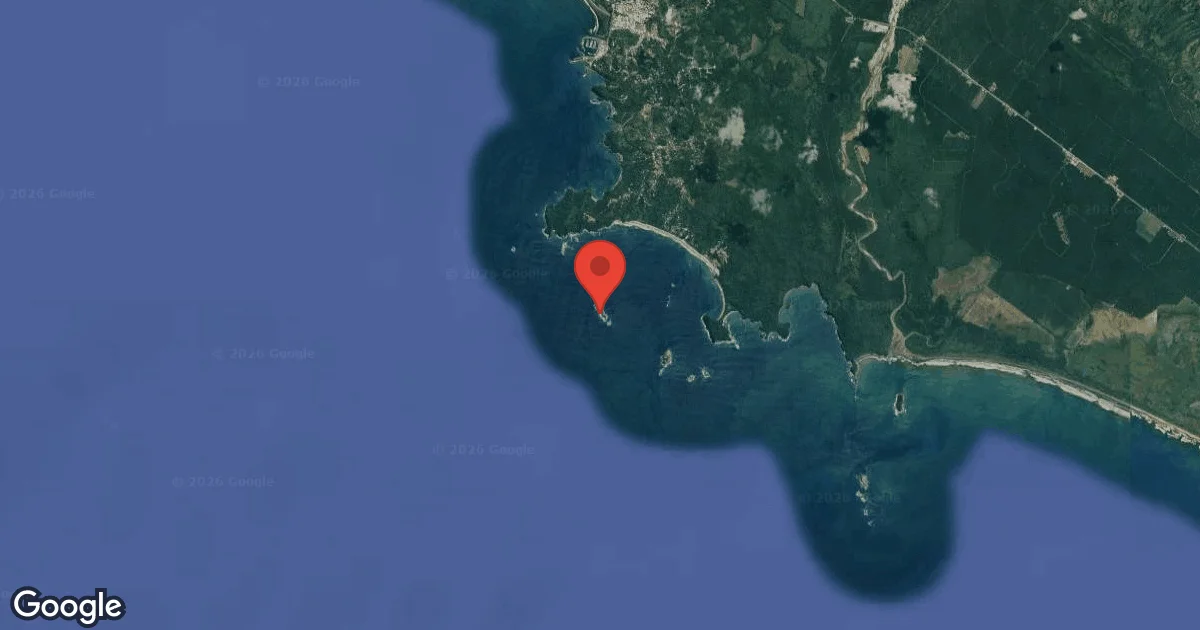
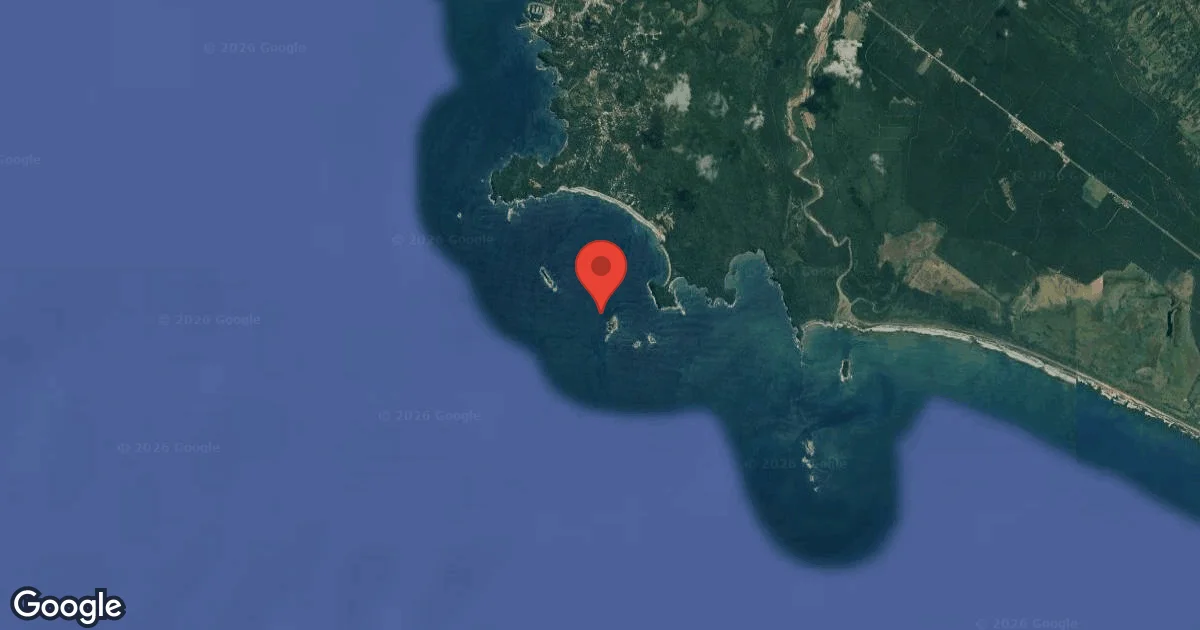
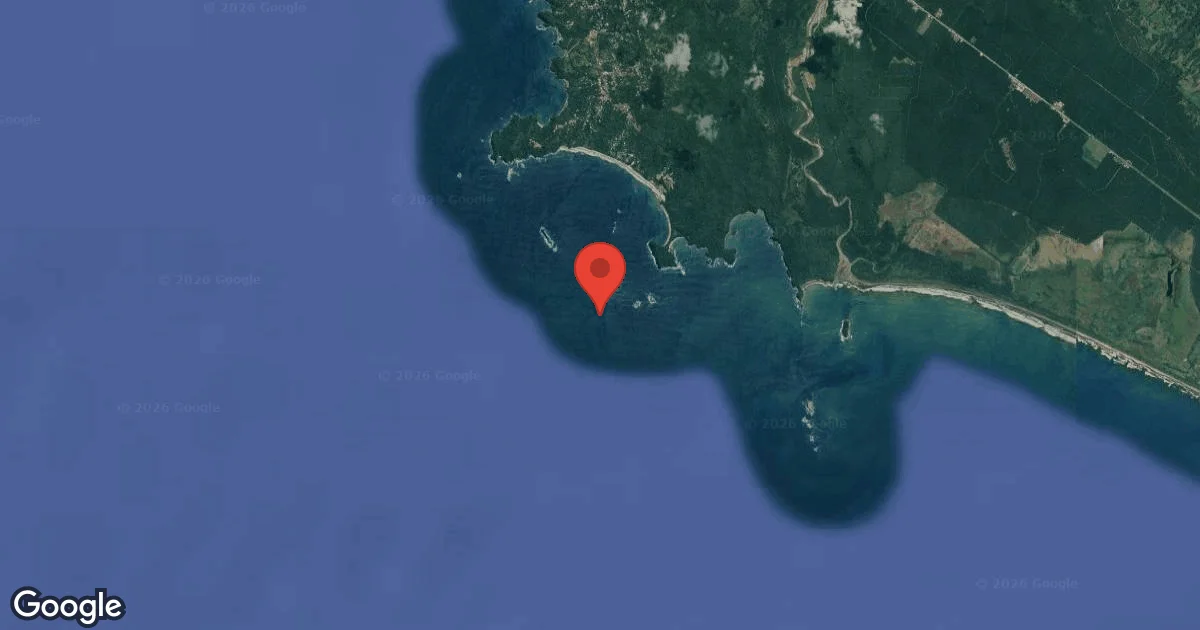
Punta Quepos stands as a prominent pinnacle, distinctively rising from the ocean floor off Costa Rica's central Pacific coast. Its structure offers a striking contrast to the surrounding open water. Divers approach a submerged reef and wall system, exploring the formations and deep crevices that characterize this site. It serves as a natural anchor point for diverse marine life in the region.
As evening covers Punta Quepos, the local air temperature is measured at 26.5°C. The current wave height at the surface is recorded at 1.1 m. These late-day readings characterize the surface conditions for the night.
Dive Site Location & Key Facts
Dive Site Overview
This site reveals itself as a distinctive pinnacle, ascending from the ocean's depths, which presents both reef and wall diving opportunities. Its structure is composed of numerous soft corals and intricate rock formations, creating a complex underwater landscape.
Divers often experience currents here, which play a crucial role in attracting schools of larger pelagic species, including jacks and barracudas, closer to the site. A notable feature is a regularly inhabited shark cave, offering a glimpse into the local marine ecosystem. The varied topography provides shelter and hunting grounds, making each descent an exploration of dynamic activity.
While a maximum recreational depth isn't explicitly defined for the entire site, its pinnacle and wall characteristics suggest depths suitable for certified divers, typically within common recreational limits, where visibility can range from 5 m (15 ft) to 20 m (70 ft) depending on conditions.
Conditions are Good
Optimal conditions expected
Current conditions near Punta Quepos show 27° air, 31° sea temperature, 1.1 m waves, and 15 km/h wind. Forecast data is refreshed regularly to ensure accuracy.
Best Time to Dive
Planning your visit to Punta Quepos should consider the significant variations in conditions throughout the year, with visibility being a primary factor. The months from December to May generally offer the clearest water, aligning with the dry season when very little rain falls along the Pacific coast. During this period, the air temperature averages range from 25°C (77°F) to 27.5°C (82°F), and rainfall is minimal, typically under 5 mm (0.2 inches) per month, contributing to better underwater clarity. For divers seeking encounters with larger pelagic species, the low season, particularly from May to November, presents unique opportunities, despite potentially reduced visibility. Nutrient-rich swells during these months attract species like giant manta rays and sharks closer to shore. Whale sightings are also possible, with seasons generally observed between December to February and July to November.
PEAK SEASON SCORE
Scores combine air & water temps, waves, wind & rainfall for overall conditions.
BEST MONTHS TO DIVE
Monthly records compiled from satellite and marine observation nodes over the last 3 years. Data provided by Open-Meteo and MET Norway.
Dive Experience & Conditions
As divers begin their descent at Punta Quepos, the presence of currents often becomes immediately apparent. These currents can be a significant element of the dive, sweeping in large schools of fish and creating a dynamic environment around the pinnacle. The site features extensive soft corals and distinct rock formations, which come into view as you get deeper. A highlight for many is the shark cave, a space within the rock where sharks are regularly observed. Exploring the walls and reefs, divers navigate a topography that provides varied habitats for marine life. While specific water temperature data for the site isn't consistently reported, conditions are typically tropical, varying depending on the season and depth. Expect to encounter varied visibility, anywhere from 5 m (15 ft) to 20 m (70 ft), shaped by local weather and oceanic patterns.
Dive Difficulty & Safety Guidelines
The primary condition to anticipate at Punta Quepos is the potential for currents. These can range from mild to strong, and divers should be prepared to manage them effectively throughout their dive. Always check local dive conditions and briefings before entering the water; understanding the prevailing currents is crucial for safe navigation and energy conservation.
Given the site's wall and reef topography, maintaining proper buoyancy control is vital to protect the delicate soft corals and rock formations. While no specific hazards are reported, general safe diving practices apply: dive within your certification limits, always dive with a buddy, and carry appropriate safety equipment, such as a surface marker buoy. Planning your dive with experienced local operators can greatly enhance safety and enjoyment.
Recommended Equipment
- Dive Computer
This gear list is based on verified equipment signals for Punta Quepos, Costa Rica. Always confirm final gear choices with your dive operator, guide, or liveaboard.
Recommended Dive Suit
For dives of average duration, dive skin or rash guard usually provides sufficient protection from heat loss.
Divers entering the water at Punta Quepos today can expect temperatures near 31°C (87°F) beneath the surface. Surface air temperatures are resting at 27°C (80°F).
Weather projections show fairly stable environmental conditions ahead.
Emergency & Medical Support
Essential information to help you plan your dive trip to Punta Quepos.

Hyperbaric chambers are a critical part of dive safety infrastructure. Availability varies significantly by region, and not all dive areas have immediate access.
Before diving, it's recommended to:
- confirm nearest medical facilities
- check emergency procedures with local dive operators
- ensure dive insurance covers evacuation if required
Divers Alert Network
Diving emergency assistance available through DAN World.
+1-919-684-9111- 24/7 emergency hotline
- Diving medical assistance
- Evacuation coordination
Emergency contacts are provided for reference. Always verify local emergency services before diving.
Marine Life at Punta Quepos
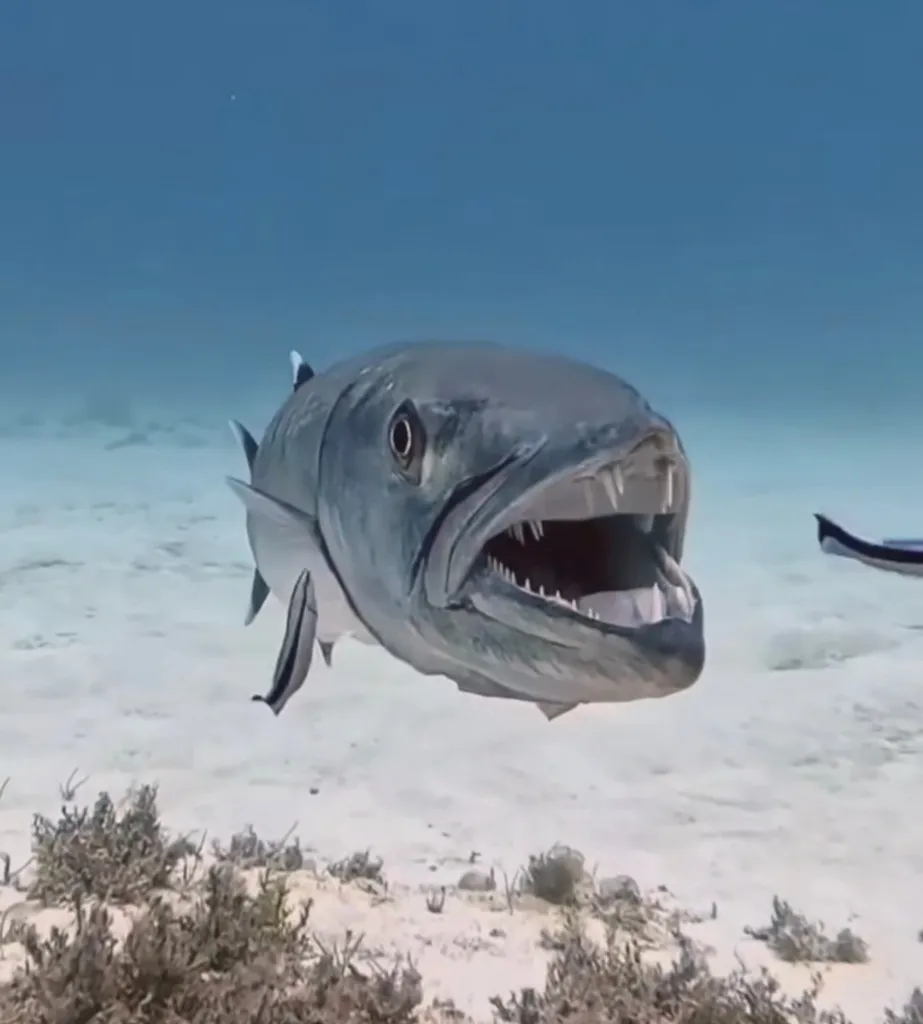
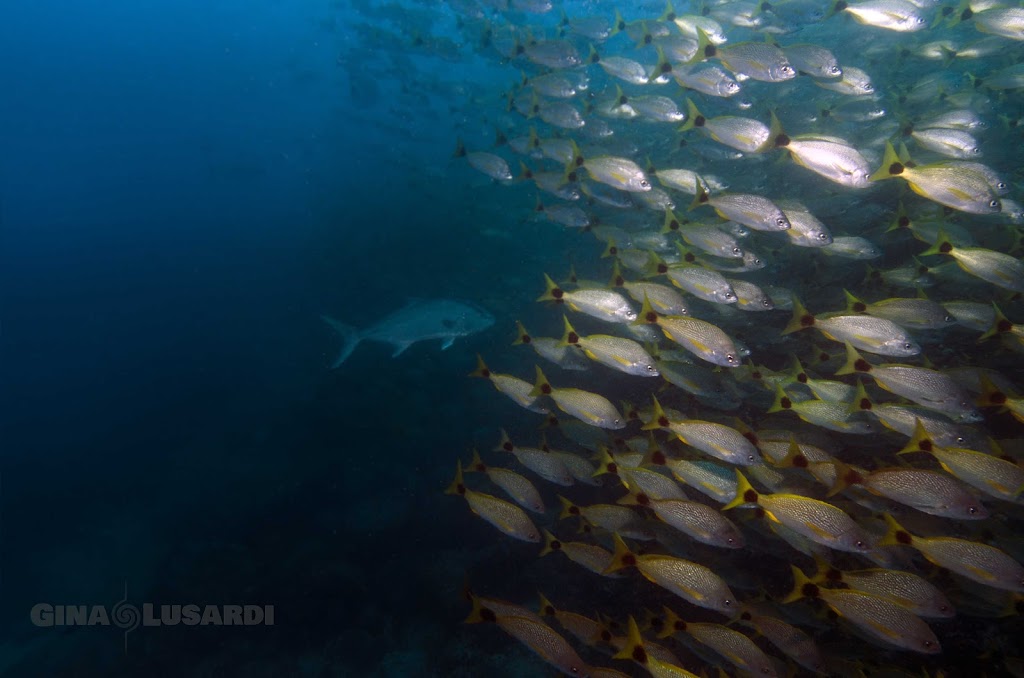
Entering the waters of Punta Quepos, divers will immediately notice the impressive schools of fish that frequent the pinnacle. Jacks and barracudas are commonly seen moving through the currents, creating a sense of constant activity.
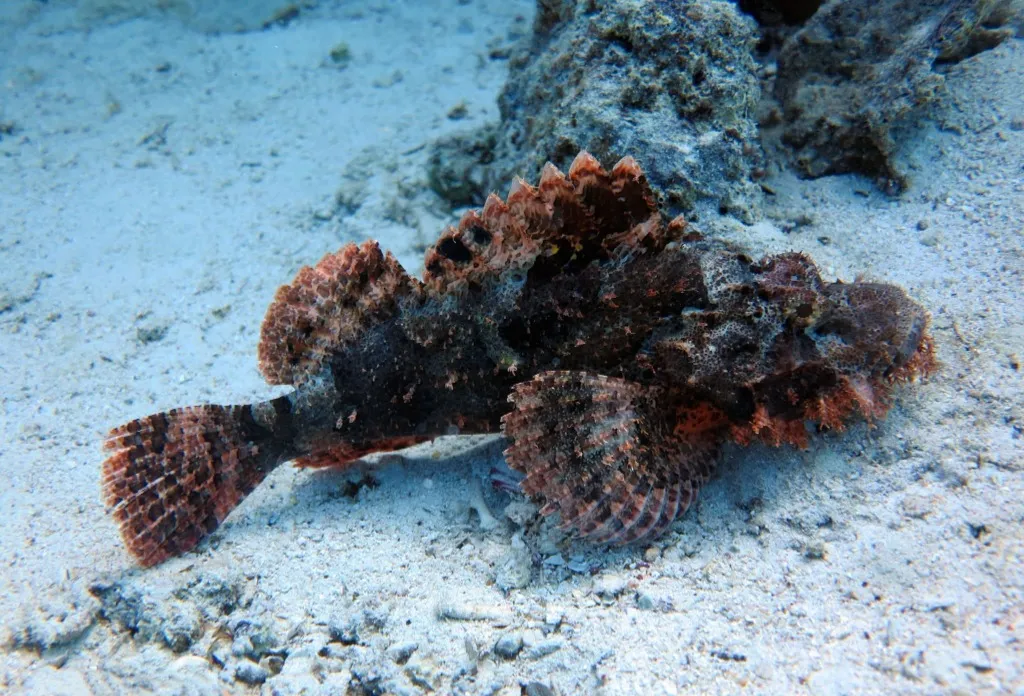
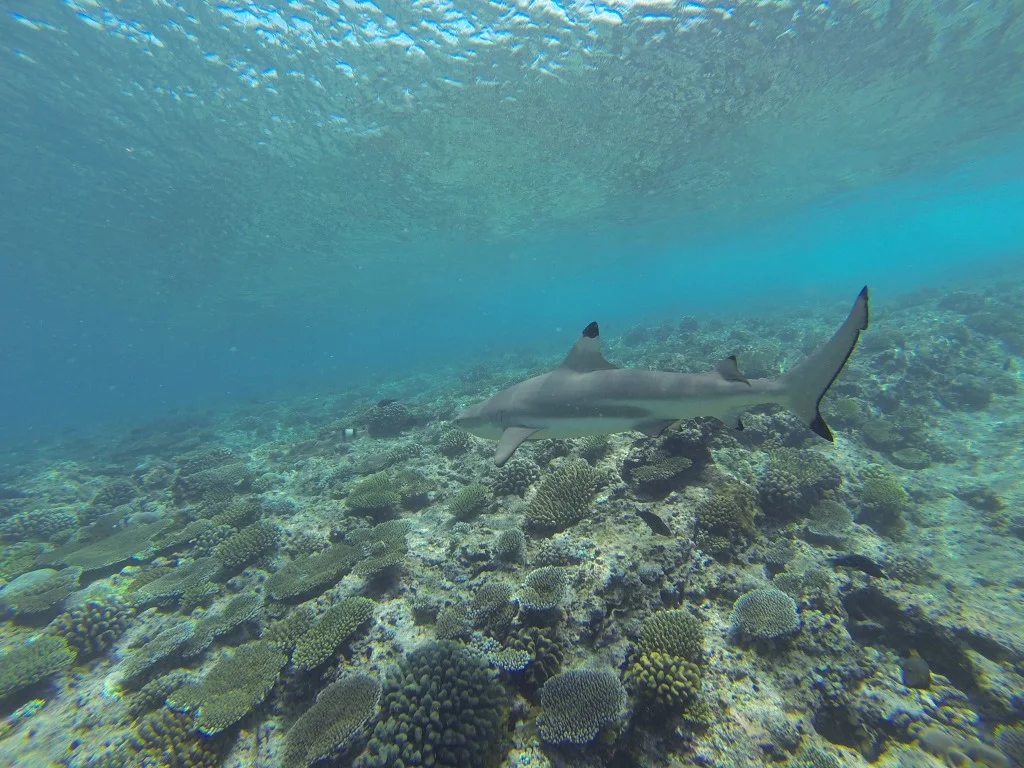
A distinctive shark cave provides an excellent opportunity to observe these apex predators in their natural habitat. Beyond the larger pelagics, a close inspection of the soft corals and rock formations reveals a vibrant array of reef fish, including puffer fish, scorpion fish, parrot fish, and various angelfish.
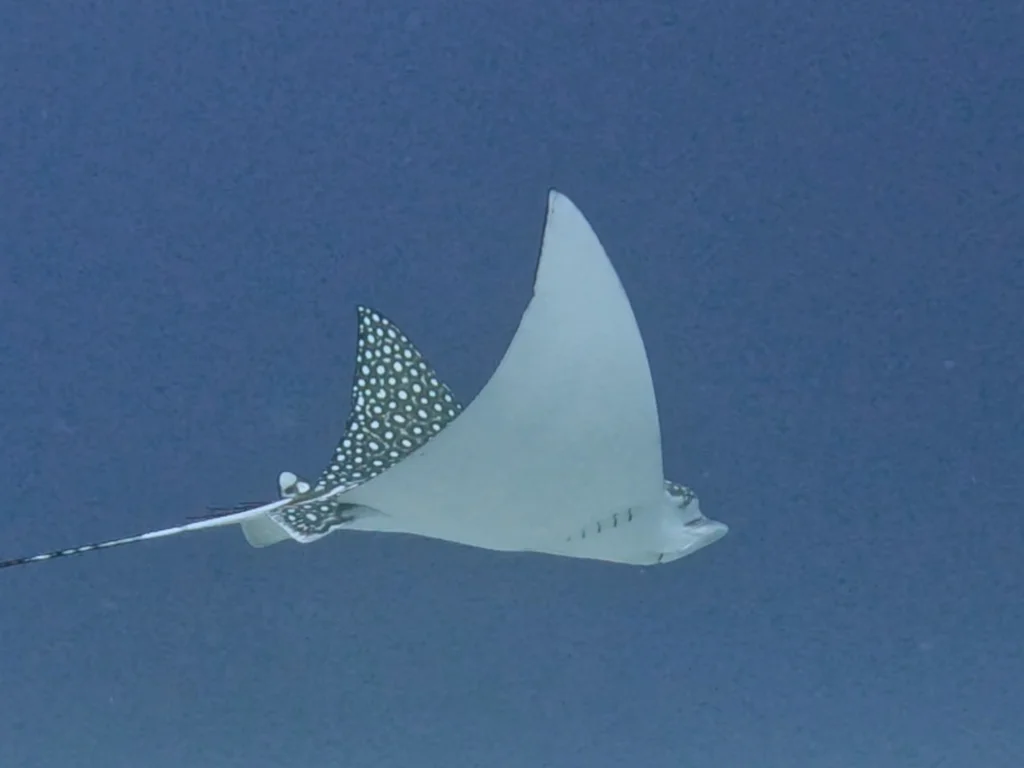
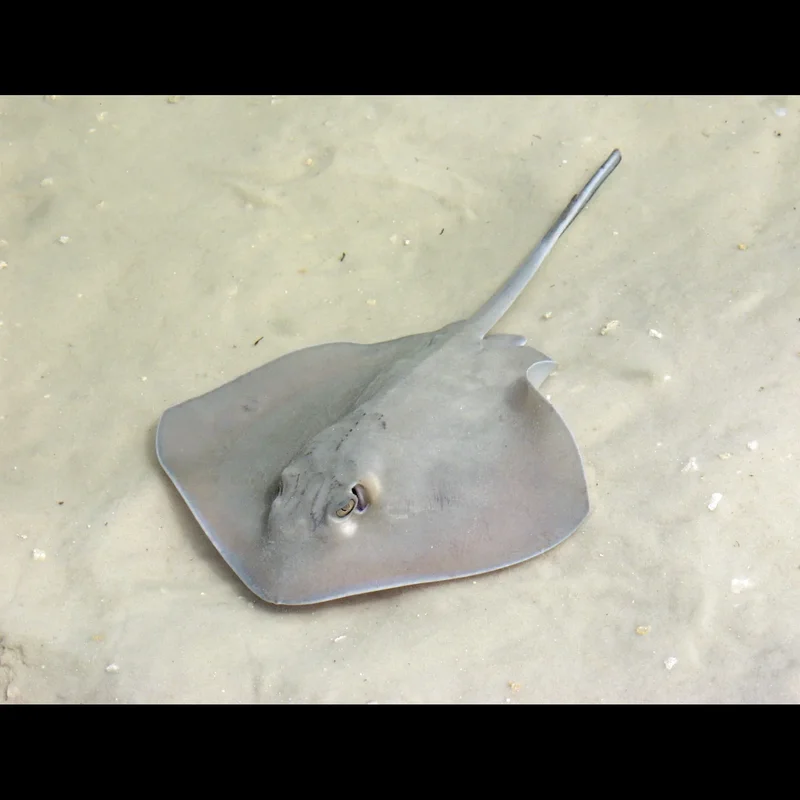
Keep an eye out for camouflaged octopus curled in crevices, or stingrays and spotted eagle rays resting on sandy patches. Seasonal visitors like giant manta rays from December to May, and humpback whales or large pods of dolphins during surface intervals, add to the site's allure.
Dive Sites Near Punta Quepos
View all dive sites in Costa RicaDiscover more underwater gems in this area.
Dive Centers Near Punta Quepos
Today: 07:30 - 18:00
Nearest Airports
Nearest airports to help plan travel to this dive area.
Search Flights
Check available flights and routes on Expedia, using the nearby airports listed in this section.
Search Flights on ExpediaFrequently Asked Questions
What kind of dive site is Punta Quepos?
Punta Quepos is primarily a reef and wall dive, centered around a pinnacle that rises from the ocean. It features extensive soft corals and rock formations, providing diverse underwater topography.
Are there strong currents at Punta Quepos?
Currents can be present at Punta Quepos, sometimes bringing in schools of larger fish. Divers should be prepared for varying current strengths and consult local dive operators for daily conditions.
What is the typical visibility range at this dive site?
Visibility at Punta Quepos can vary significantly depending on the time of year and conditions, ranging from approximately 5 m (15 ft) up to 20 m (70 ft). The best visibility is generally experienced from December to May.
When is the best time to see large marine life like manta rays and whales?
Giant manta rays are often spotted from December to May. Whale seasons are typically between December to February and July to November. Low season (May-November) can be excellent for advanced divers seeking pelagic action due to nutrient swells.
What type of marine life can I expect to see at Punta Quepos?
Divers commonly encounter schools of jacks and barracudas, white-tip reef sharks, stingrays, and spotted eagle rays. The site also hosts a variety of reef fish, including puffer fish, parrot fish, angel fish, and sometimes octopus and nudibranchs. A shark cave is regularly inhabited.
Is Punta Quepos suitable for all diver levels?
Given the potential for currents and the nature of the dive (pinnacle, wall), it may be more suitable for experienced or advanced divers. Consulting with a local dive professional is recommended to match your skill level with the day's conditions.
Planning to dive Punta Quepos?
Send one inquiry and receive offers directly from the best verified local dive operators.
Conditions are Good
Optimal conditions expected
Current conditions near Punta Quepos show 27° air, 31° sea temperature, 1.1 m waves, and 15 km/h wind. Forecast data is refreshed regularly to ensure accuracy.