Loading...

Diving at Saplun Roman Wreck (Croatia)
Published
Set off the white-sand island of Saplun in the outer Lastovnjaci archipelago, the Saplun Roman Wreck showcases a 2nd-century BC cargo of Greco-Italic and Lamboglia 2 amphorae glowing against bright sand in 30-meter visibility.
Starting the day at Saplun Roman Wreck, the ambient air temperature is recorded at 19°C. Ongoing monitoring shows wave heights measuring 1.6 m. This data represents the current surface conditions for early activities.
Dive Site Location & Key Facts
Site Characteristics
Max Depth30m / 98ft
Entry Typeboat
Water Typesalt
Dive Types
ArchaeologicalWreck
Dive Site Overview
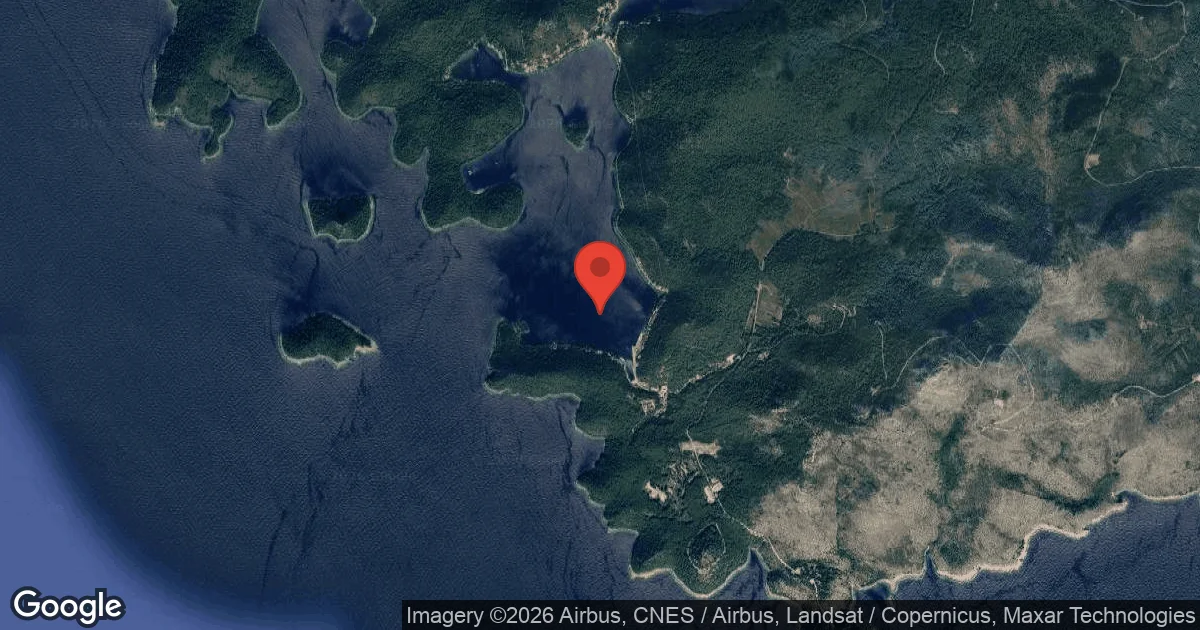
Saplun—named after the Latin word sabulum for its rare turquoise sandy lagoon—anchors the eastern edge of the Lastovnjaci islets inside Lastovo Islands Nature Park. Centuries before modern yachts discovered its sheltered cove, treacherous reefs and sudden channel squalls claimed a 2nd-century BC Roman merchantman off the island's northeastern shore.
Archaeologically registered under national code Z-33, the Saplun wreck is prized by maritime historians for its transitional ceramic cargo: side by side lie slender-shouldered late Greco-Italic amphorae and heavier-rimmed early Lamboglia 2 jars, capturing the exact decades when Roman Adriatic wine production standardized its export containers.
In 1997, Croatian heritage authorities enclosed the main concentration of amphorae at 25 to 30 meters beneath a reinforced, wide-grid welded steel cage. Because the cage sits over luminous pale sand washed by open southern Adriatic currents, divers can spot the geometric silhouette and ancient pottery mound from 20 meters above during descent.
Surrounded by vibrant seagrass meadows, rocky outcrops, and fish-rich Lastovnjaci reefs, Saplun delivers an unforgettable blend of remote island scenery, crystal clarity, and classical maritime heritage.
Saplun Roman Wreck
Conditions are Poor
4/10
Confidence: 8/10
Indicates meteorological model agreement and data availability.
DIVE WARNING
High Wind Advisory (55km/h). Unsafe surface.
06:12
18:45
H: 10:45
L: 16:20
Air / Sea Temp
19° / 19°
Wave Height
1.9 m
Wind Speed
55 km/h NNW
Rain Chance
50%
Current conditions near Saplun Roman Wreck show 19° air, 19° sea temperature, 1.9 m waves, and 55 km/h wind. Forecast data is refreshed regularly to ensure accuracy.
Radius: ~12km
Updated: Nov 22, 2026, 22:35 local timeMARINE: OPEN-METEOWEATHER: YR.NO
Best Time to Dive
May through October is the ideal season for boat excursions out to the eastern Lastovnjaci islets. June, July, August, and September offer calm crossings from Lastovo and exceptional 30-meter visibility over Saplun's pale sand.
While summer surface water warms to 24°C–26°C, the 25-to-30-meter seabed stays around 17°C–19°C below the thermocline. Settled mornings with light winds are preferred, as northeastern Saplun is exposed when brisk bura or strong channel winds blow.
PEAK SEASON SCORE
88/100
Very GoodScores combine air & water temps, waves, wind & rainfall for overall conditions.
BEST MONTHS TO DIVE
JUN
JUL
AUG
DIVE SCORE GUIDE (0–100)
Excellent (90–100)
Very Good (80–89)
Good (70–79)
Moderate (50–69)
Poor (30–49)
Not Recommended (0–29)
Monthly records compiled from satellite and marine observation nodes over the last 3 years. Data provided by Open-Meteo and MET Norway.
Dive Experience & Conditions
Reached by a scenic 20-to-30-minute boat run across the Lastovnjaci islets from Zaklopatica or Pasadur, divers descend a line into brilliant blue water where the steel cage stands starkly against white sand and Posidonia patches at 25 to 30 meters.
Divers circle slowly outside the wide cage bars, peering down onto neatly layered Greco-Italic and Lamboglia 2 amphorae before ascending gradually along the sloping island reef edge toward Saplun's shallow sunlit boulders for a relaxed safety stop.
Dive Difficulty & Safety Guidelines
Protected under both Ministry of Culture registry Z-33 and Lastovo Islands Nature Park regulations, Saplun may only be dived with an authorized dive center guide; independent diving or anchoring over the archaeological zone is strictly illegal.
Monitor no-decompression limits closely at 28 to 30 meters—nitrox EAN32 works superbly here—and maintain clean horizontal trim without touching the cage or scattered ceramic fragments.
Recommended Equipment
Overhead / entanglement risk. Wreck penetration requires proper training.
- Dive Computer
- DSMB
- Primary & Backup Lights
- Wreck Reel
- Cutting Tool
This gear list is based on verified equipment signals for Saplun Roman Wreck, Croatia. Always confirm final gear choices with your dive operator, guide, or liveaboard.
Recommended Dive Suit
5mm wetsuit is widely used for recreational dives in waters of this temperature. Strong winds are present; please take strong precautions against rapid cooling during surface intervals. Surface intervals may feel cooler. Water conditions at Saplun Roman Wreck are currently measured at approximately 19°C (66°F). Surface air temperatures are resting at 19°C (66°F).
The coming days appear slightly cooler according to the latest forecast. Cooler days are ahead; you might want a warmer option for later in the week. Some divers bring an extra layer for surface intervals between dives.
Water temperatures can occasionally shift throughout the day depending on currents and depth layers.
Saplun Roman Wreck conditions last reviewed: 22:35 local time (UTC+1), Nov 22, 2026
Emergency & Medical Support
Essential information to help you plan your dive trip to Saplun Roman Wreck.

Hyperbaric chambers are a critical part of dive safety infrastructure. Availability varies significantly by region, and not all dive areas have immediate access.
Before diving, it's recommended to:
- confirm nearest medical facilities
- check emergency procedures with local dive operators
- ensure dive insurance covers evacuation if required
24/7 Available
Divers Alert Network
Diving emergency assistance available through DAN Europe.
+39 0642115685- 24/7 emergency hotline
- Diving medical assistance
- Evacuation coordination
Emergency contacts are provided for reference. Always verify local emergency services before diving.
Closest Listed Hyperbaric Chambers (≤ 200 km)
Approximate straight-line distances from this dive site — emergency travel times may vary.
92 km92 kmZavod za pomorsku medicinu Split – Odjel za podvodnu i hiperbaričnu medicinu
Split, Croatia24/7ICU194Details92 kmZavod za pomorsku medicinu Split – Odjel za podvodnu i hiperbaričnu medicinu
24/7 ListedICU CapableSplit, Croatia · Multiplace
24/7 Emergency194CollapseHours: 24/7 EmergencyFacility: Zavod za pomorsku medicinu / KBC Split (Križine)ICU On-Site: YesSource: KBC Rijeka / Poliklinika OXY
92 km
Zavod za pomorsku medicinu Split – Odjel za podvodnu i hiperbaričnu medicinu
Split, Croatia24/7ICU194Details
92 km
Zavod za pomorsku medicinu Split – Odjel za podvodnu i hiperbaričnu medicinu
24/7 ListedICU CapableSplit, Croatia · Multiplace
24/7 Emergency194
CollapseHours: 24/7 Emergency
Facility: Zavod za pomorsku medicinu / KBC Split (Križine)
ICU On-Site: Yes
Source: KBC Rijeka / Poliklinika OXY
Chamber data is sourced from official Croatian hospital and baromedicine facility records and has not been independently verified by Dive Navigator. Always contact local emergency services, DAN, your dive operator, or the facility directly before travelling.
Reference onlyMarine Life at Saplun Roman Wreck
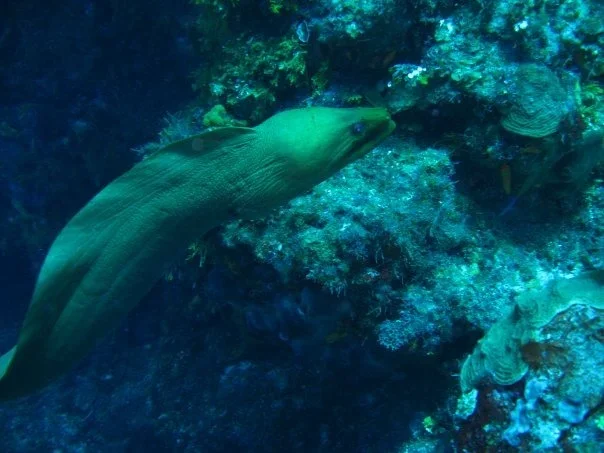
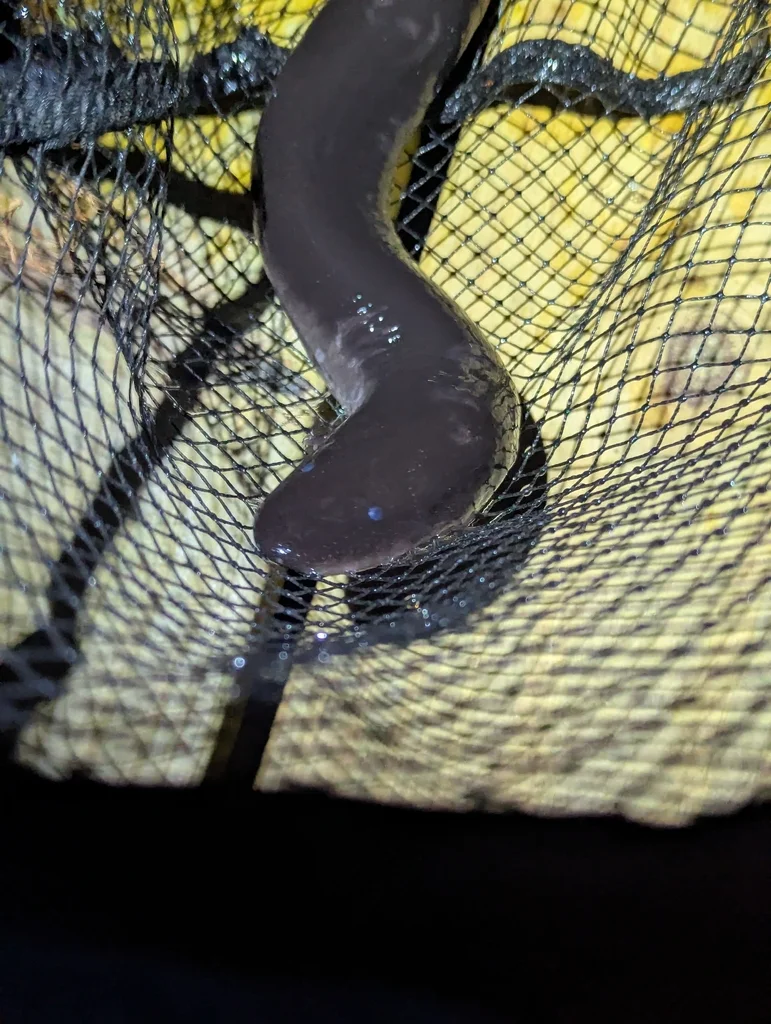
Nearly three decades of marine growth have turned the 1997 steel cage and ancient amphora pile into a bustling refuge on the open sand plain. Moray eels, European conger eels, and octopuses peer directly out of intact 2,200-year-old amphora necks.
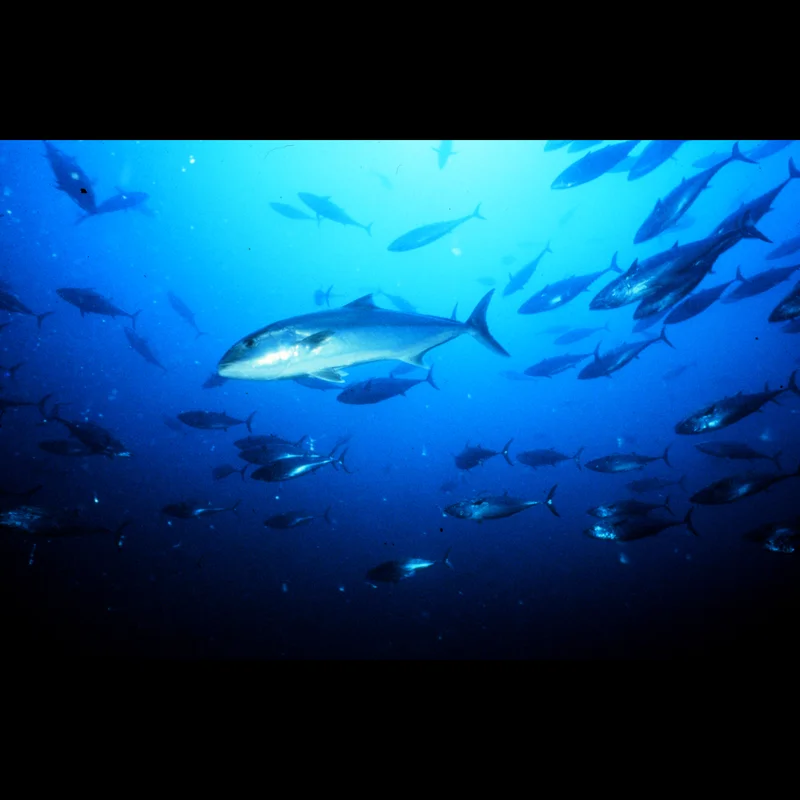
Large giant tun shells plow across the surrounding sand, red scorpionfish rest on encrusted cage beams, and dusky groupers plus passing greater amberjack cruise the adjacent Lastovnjaci reef drop-offs.


1 / 2
Image contributors:Diego Delso, laszlo-photo + 1 more
Want to contribute photos or local dive knowledge? Learn how to contributeDive Sites Near Saplun Roman Wreck
View all dive sites in CroatiaDiscover more underwater gems in this area.
Dive Centers Near Saplun Roman Wreck
Working Hours
Sun08:30 - 19:00
Mon08:30 - 19:00
Tue08:30 - 19:30
Wed08:30 - 19:00
Thu08:30 - 19:30
Fri08:30 - 19:30
Sat08:30 - 19:00
Today: 08:30 - 19:00
Sun08:30 - 19:00
Mon08:30 - 19:00
Tue08:30 - 19:30
Wed08:30 - 19:00
Thu08:30 - 19:30
Fri08:30 - 19:30
Sat08:30 - 19:00
5| 341 reviews
66.8 km
4.9| 214 reviews
64 km
4.9| 206 reviews
64.5 km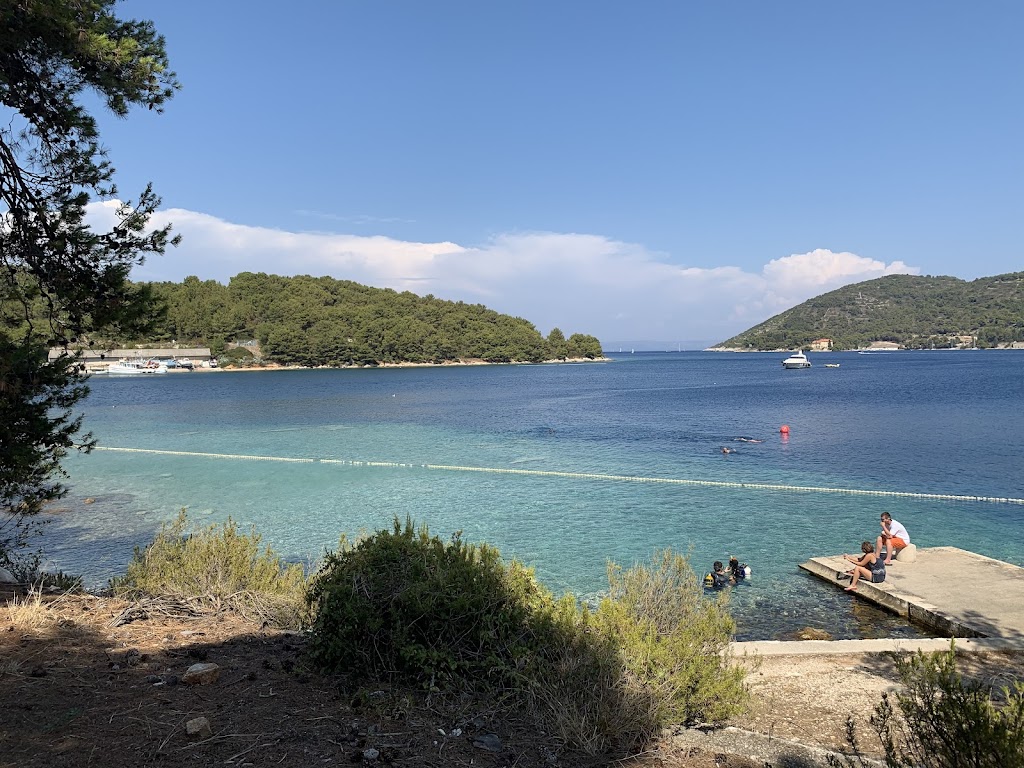
Nautica Vis Diving Center
4.9(174)• 73.3 km
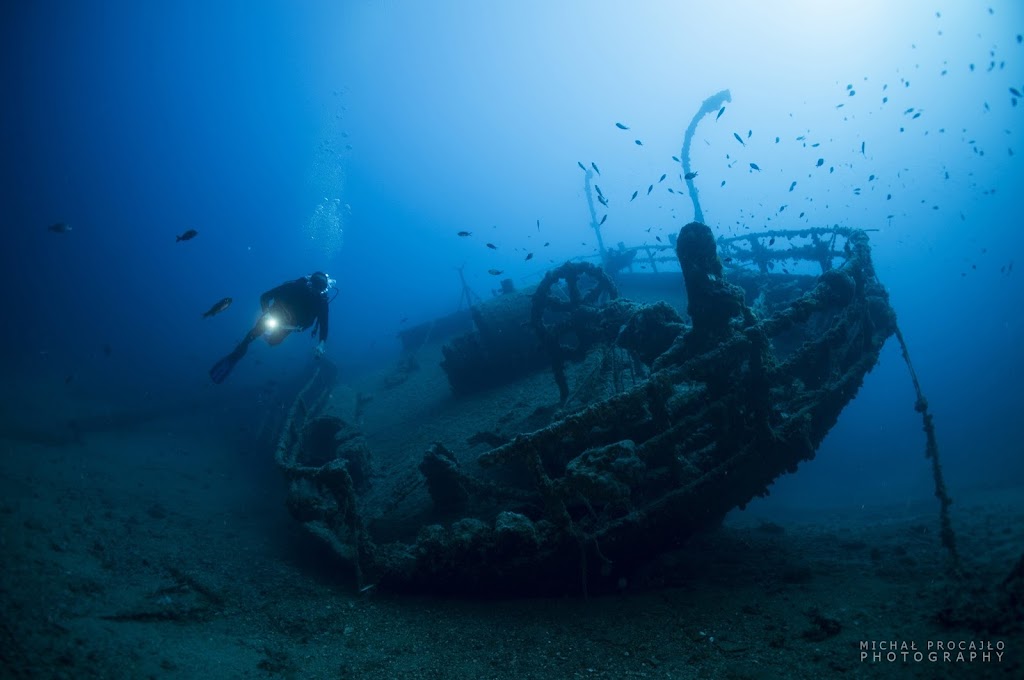
B-24 Diving Center
4.9(312)• 79.8 km
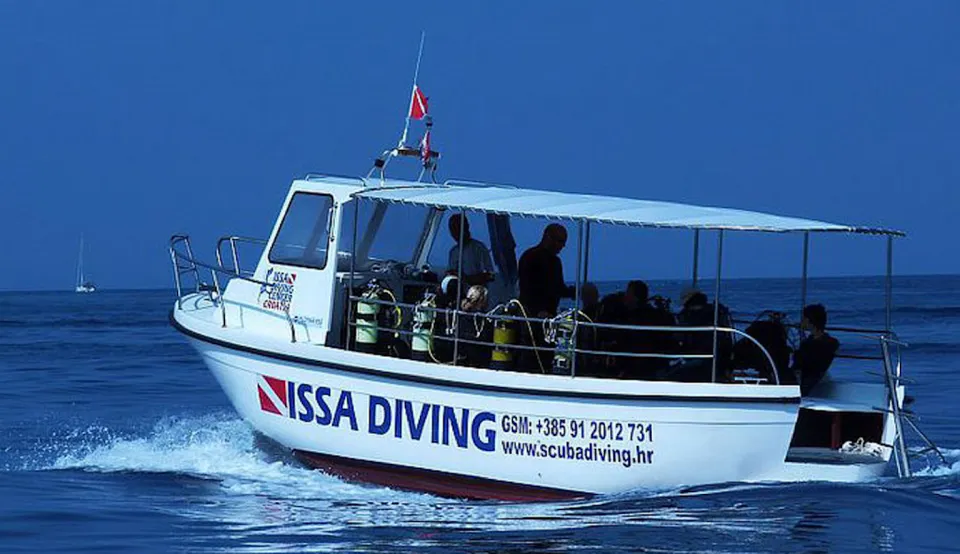
Issa Diving Center
4.9(240)• 79.7 km
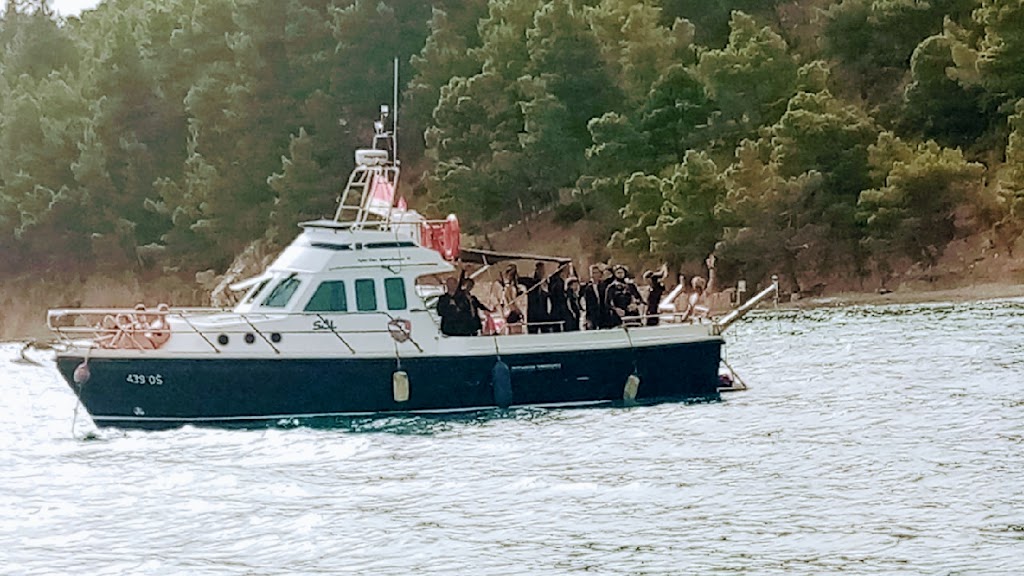
Calypso Scuba Diving
4.8(153)• 78 km
Nearest Airports
Nearest airports to help plan travel to this dive area.
Brač Airport BWK
62 km
Split Saint Jerome Airport SPU
102 km
Dubrovnik Ruđer Bošković Airport DBV
107 km
💵 Currency: EUR
Search Flights
Check available flights and routes on Expedia, using the nearby airports listed in this section.
Search Flights on ExpediaAffiliate link · Dive Navigator may earn a commission at no extra cost to you.
Frequently Asked Questions
How old is the Saplun Roman Wreck?
The shipwreck dates to the 2nd century BC during the Roman Republic, preserved with a transitional cargo of late Greco-Italic and early Lamboglia 2 wine amphorae.
What is the depth of the amphora cage off Saplun Island?
The protective steel cage rests on a sandy and rocky seabed between 25 and 30 meters off the northeastern side of Saplun Island.
When was the protective cage installed at Saplun?
Croatian underwater archaeologists installed the reinforced welded steel cage in 1997 to protect the cargo in situ for supervised diving visitors.
Are independent divers allowed to visit Saplun Roman Wreck?
No. Saplun is a legally protected cultural monument (Z-33) inside Lastovo Islands Nature Park, accessible solely through Ministry-licensed dive centers.
What certification is required to dive Saplun?
An advanced open-water certification with at least 25 logged dives is recommended for the 25-to-30-meter offshore profile.
What makes Saplun Island famous above water as well?
Located in the eastern Lastovnjaci archipelago, Saplun is renowned for its pine woods and rare natural white-sand lagoon, making surface intervals exceptionally scenic.
Trip Inquiry
Planning to dive Saplun Roman Wreck?
Tell us your dates and diving needs. We'll review your request and seek offers from relevant local dive centers.
Request Dive Offers Free request for offers • No booking obligation
Saplun Roman Wreck
Conditions are Poor
4/10
Confidence: 8/10
Indicates meteorological model agreement and data availability.
DIVE WARNING
High Wind Advisory (55km/h). Unsafe surface.
06:12
18:45
H: 10:45
L: 16:20
Air / Sea Temp
19° / 19°
Wave Height
1.9 m
Wind Speed
55 km/h NNW
Rain Chance
50%
Current conditions near Saplun Roman Wreck show 19° air, 19° sea temperature, 1.9 m waves, and 55 km/h wind. Forecast data is refreshed regularly to ensure accuracy.
Radius: ~12km
Updated: Nov 22, 2026, 22:35 local timeMARINE: OPEN-METEOWEATHER: YR.NO


