Loading...

Diving at HMS Coriolanus (Croatia)
Published
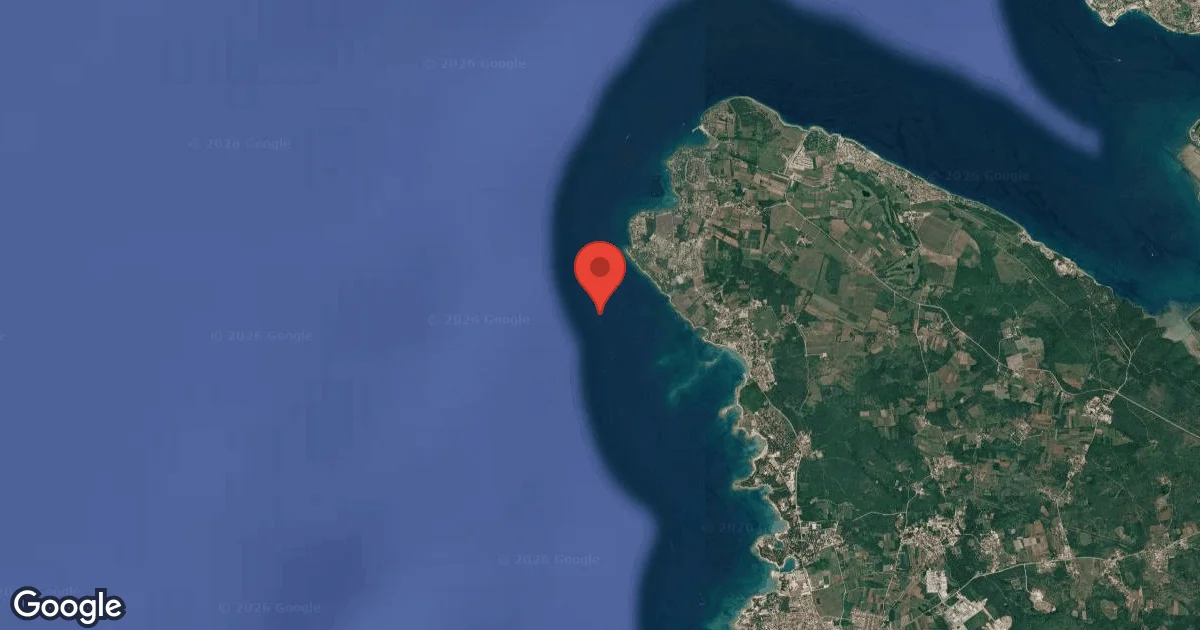
Resting upright in just 30 meters of water off northwestern Istria, HMS Coriolanus combines poignant late-Second World War naval history with generous recreational bottom times. Her compact 46-meter warship hull, encrusted anti-aircraft mounts, and sponge-wrapped bridge rise high into the sunlit water column as Northern Istria's signature wreck dive.
Early observations for HMS Coriolanus report a surface air temperature of 14°C. The water surface is currently presenting wave heights of 0.6 m. Consider these environmental metrics before beginning your descent.
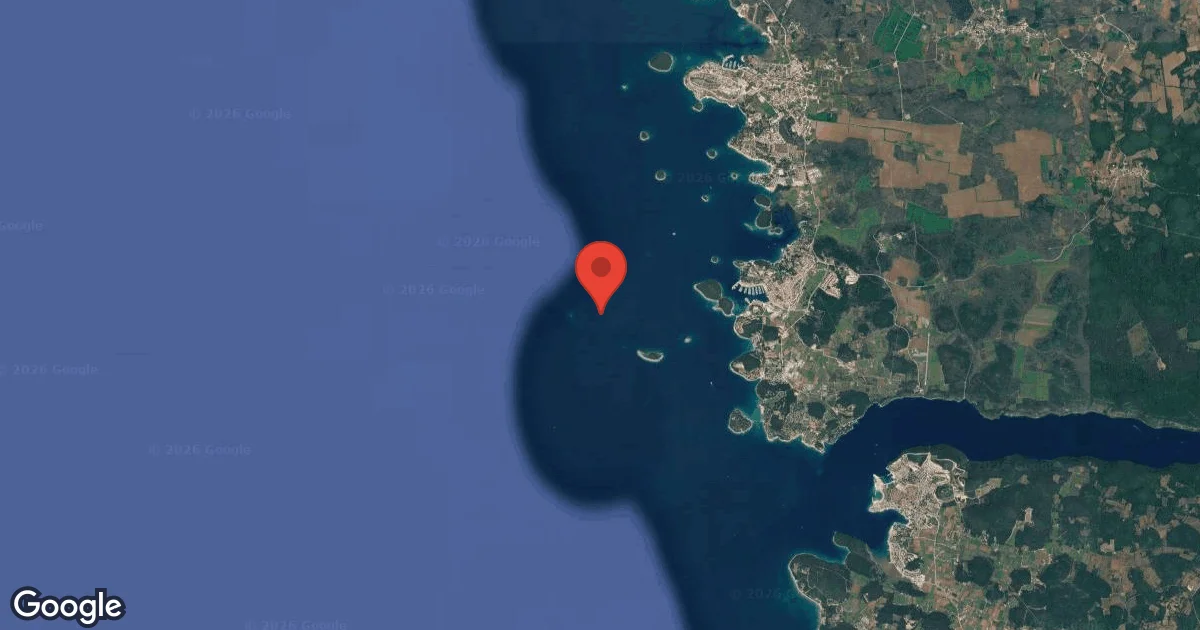
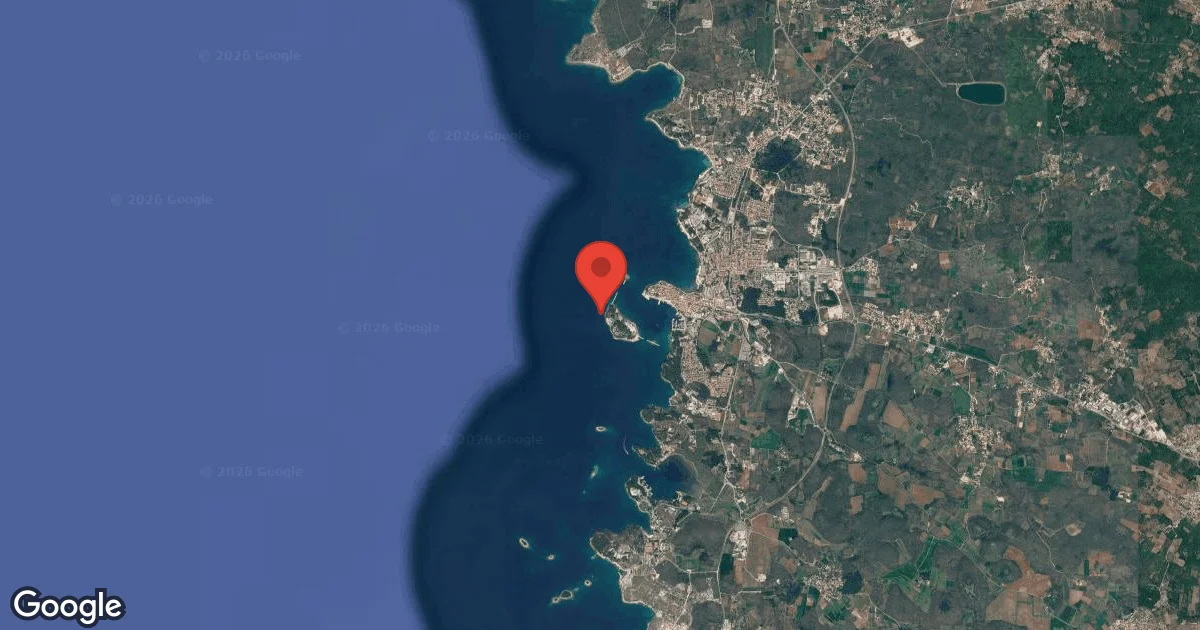
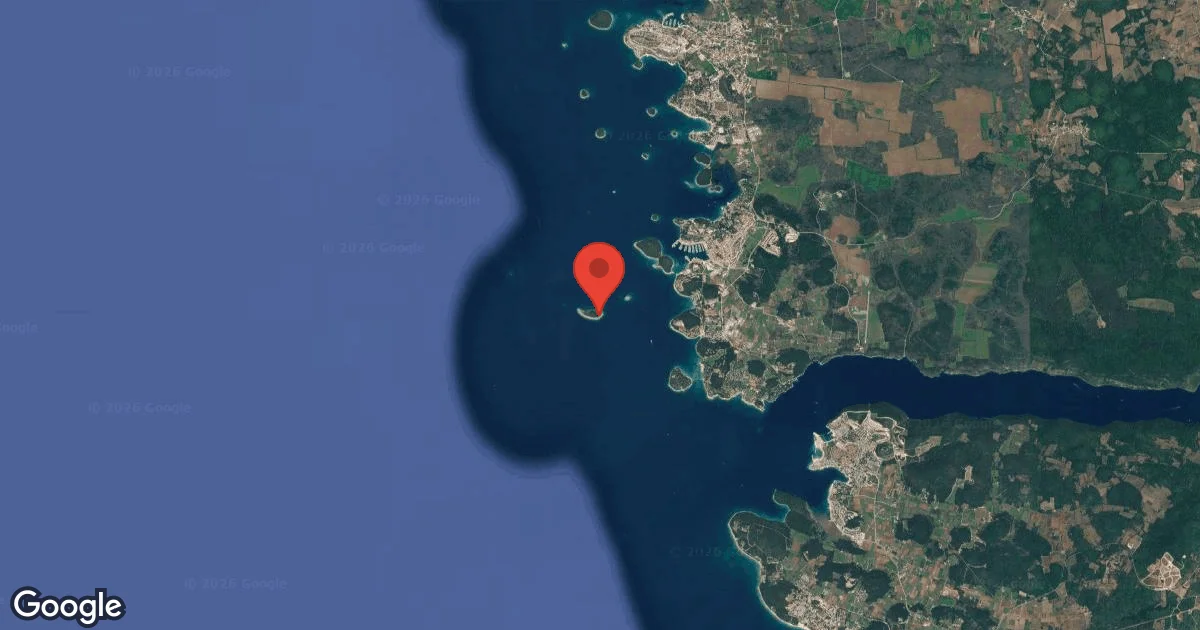
Dive Site Location & Key Facts
Site Characteristics
Max Depth30m / 98ft
Entry Typeboat
Water Typesalt
Dive Types
ArchaeologicalRecreationalWreck
Dive Site Overview
Launched in Great Britain in 1940 as a Royal Navy Shakespeare-class armed naval trawler, HMS Coriolanus measured 46 meters in length with an 8.5-meter beam and displaced 554 tons. Built to endure rugged offshore patrol and minesweeping duty, she carried twin and single 20 mm anti-aircraft cannons, heavy machine guns forward, and racks for 30 depth charges. During the closing campaign in the northern Adriatic, the vessel was also outfitted with specialized signals-intelligence equipment to monitor military radio traffic along the Istrian and Gulf of Trieste coastlines.
On May 5, 1945—just days before the formal end of hostilities in Europe—HMS Coriolanus was sweeping German minefields roughly six nautical miles west of Novigrad when a contact mine detonated beneath her hull. She sank rapidly onto a level sandy seabed at 30 meters, coming to rest upright on her keel.
Unlike Istria's deeper 40-meter wrecks, HMS Coriolanus rises prominently into shallower water: her main weather deck sits at 22 meters, the heavily encrusted bridge structure reaches 17 meters, and her forward mast extends upward toward 15 meters (having originally reached 11 meters prior to natural corrosion). This shallow vertical relief allows intermediate and advanced wreck divers to circle the entire warship unhurriedly on a single cylinder.
HMS Coriolanus
Conditions are Good
7/10
Confidence: 8/10
Indicates meteorological model agreement and data availability.
Best Dive Window
Optimal conditions expected
06:12
18:45
H: 10:45
L: 16:20
Air / Sea Temp
14° / 17°
Wave Height
1.1 m
Wind Speed
31 km/h ENE
Rain Chance
0%
Current conditions near HMS Coriolanus show 14° air, 17° sea temperature, 1.1 m waves, and 31 km/h wind. Forecast data is refreshed regularly to ensure accuracy.
Radius: ~12km
Updated: Nov 22, 2026, 14:14 local timeMARINE: OPEN-METEOWEATHER: YR.NO
Best Time to Dive
HMS Coriolanus is best dived between May and October, when dive boats from Novigrad, Umag, Poreč, and Vrsar make smooth 30-to-45-minute offshore runs across the northern Adriatic basin. Because northwestern Istria sits closer to the shallow Gulf of Trieste and the Mirna River outflow, underwater visibility averages 10 to 15 meters and peaks during dry late-spring and early-autumn high-pressure spells.
Water temperatures on the 30-meter seabed warm gradually from 14 degrees Celsius in May to 18 or 19 degrees Celsius by late August and September, while surface layers reach 25 degrees Celsius in midsummer. Avoiding periods immediately after heavy rainfall or strong southerly winds ensures minimal suspended plankton and crisp views across the compact gun decks.
PEAK SEASON SCORE
94/100
ExcellentScores combine air & water temps, waves, wind & rainfall for overall conditions.
BEST MONTHS TO DIVE
JUN
JUL
AUG
DIVE SCORE GUIDE (0–100)
Excellent (90–100)
Very Good (80–89)
Good (70–79)
Moderate (50–69)
Poor (30–49)
Not Recommended (0–29)
Monthly records compiled from satellite and marine observation nodes over the last 3 years. Data provided by Open-Meteo and MET Norway.
Dive Experience & Conditions
Charter boats tie into a permanent mooring line secured near the wreck, providing a straightforward visual reference from surface to superstructure. Descending past 15 meters, divers first encounter the sponge-covered mast and open wheelhouse at 17 to 20 meters before dropping alongside the sheer steel hull to examine the mine blast damage and sandy keel line at 29 to 30 meters.
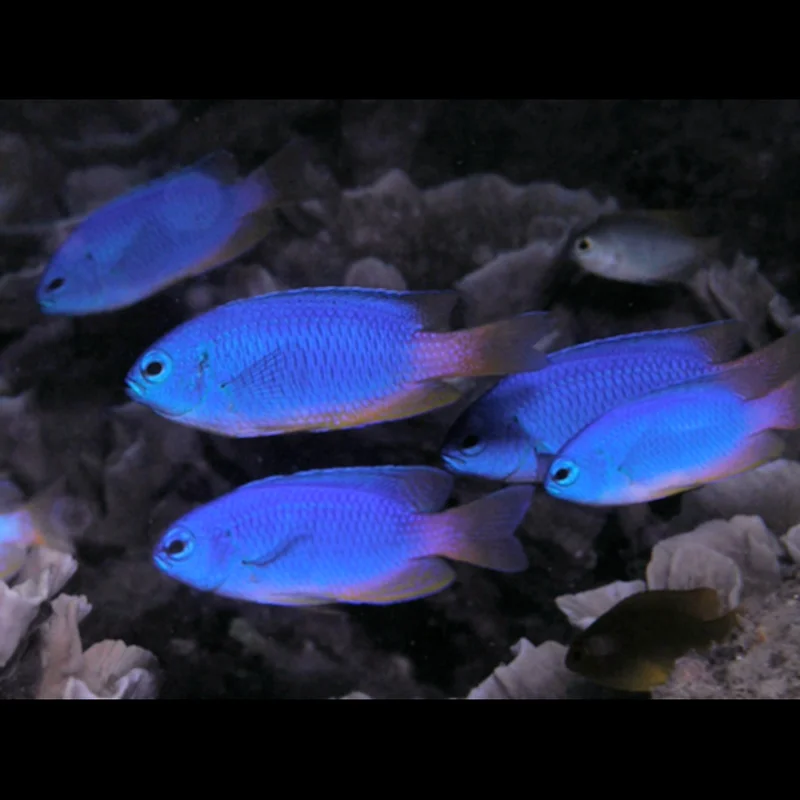
At only 46 meters long, the entire vessel can be circumnavigated twice during a relaxed 40-minute nitrox profile. Key focal points include the preserved 20 mm anti-aircraft gun mounts on the stern and bow platforms, ammunition lockers, deck winches, portholes, and the dramatic silhouette of the bridge framed against shimmering schools of damselfish.
Currents off Novigrad are typically mild to moderate, making station-keeping comfortable around the hull. However, large sections of lost trawl and gill netting drape parts of the superstructure and railings, requiring attentive situational awareness and streamlined hose routing throughout the dive.
Dive Difficulty & Safety Guidelines
HMS Coriolanus is designated as a protected underwater cultural monument by the Croatian Ministry of Culture, meaning access is legally restricted to dive centers holding valid ministerial permits. Touching artifacts, disturbing wartime munitions remnants, or anchoring independently on the site is strictly forbidden.
Interior penetration is prohibited because the trawler's companionways and crew corridors are extremely narrow, silted, and obstructed by collapsed plating with no room to turn around in scuba gear. Divers must keep exploration strictly external, peering into open hatches and bridge windows with a dive torch from outside the overhead envelope.
Carry a dedicated line cutter or titanium dive knife at all times due to the ghost fishing nets snagged across the upper deck and gunwale. Maintain at least one arm's length of clearance from netted sections, verify streamlined gauge and octo attachment before descending, and ascend cleanly up the mooring line for a three-minute safety stop.
Recommended Equipment
Overhead / entanglement risk. Wreck penetration requires proper training.
- Dive Computer
- DSMB
- Primary & Backup Lights
- Wreck Reel
- Cutting Tool
This gear list is based on verified equipment signals for HMS Coriolanus, Croatia. Always confirm final gear choices with your dive operator, guide, or liveaboard.
Recommended Dive Suit
With water temperatures around 17°C (63°F), many divers find a 5-7mm wetsuit provides comfortable protection.
Local dive briefings can provide the most accurate guidance.
The forecast outlook suggests that temperatures will stay close to current levels.
HMS Coriolanus conditions last reviewed: 14:14 local time (UTC+1), Nov 22, 2026
Emergency & Medical Support
Essential information to help you plan your dive trip to HMS Coriolanus.

Hyperbaric chambers are a critical part of dive safety infrastructure. Availability varies significantly by region, and not all dive areas have immediate access.
Before diving, it's recommended to:
- confirm nearest medical facilities
- check emergency procedures with local dive operators
- ensure dive insurance covers evacuation if required
24/7 Available
Divers Alert Network
Diving emergency assistance available through DAN Europe.
+39 0642115685- 24/7 emergency hotline
- Diving medical assistance
- Evacuation coordination
Emergency contacts are provided for reference. Always verify local emergency services before diving.
Closest Listed Hyperbaric Chambers (≤ 200 km)
Approximate straight-line distances from this dive site — emergency travel times may vary.
61 km61 kmPoliklinika za baromedicinu OXY – Podružnica Pula
Pula, Croatia+385 52 215 663Details61 kmPoliklinika za baromedicinu OXY – Podružnica Pula
Pula, Croatia · Multiplace
Hours: Mon–Fri 07:30–15:30Facility: Opća bolnica PulaICU On-Site: Not reportedSource: KBC Rijeka / Poliklinika OXYOfficial website
61 km
Poliklinika za baromedicinu OXY – Podružnica Pula
Pula, Croatia+385 52 215 663Details
61 km
Poliklinika za baromedicinu OXY – Podružnica Pula
Pula, Croatia · Multiplace
Hours: Mon–Fri 07:30–15:30
Facility: Opća bolnica Pula
ICU On-Site: Not reported
Source: KBC Rijeka / Poliklinika OXY
Official website82 km82 kmZavod za podvodnu i hiperbaričnu medicinu – KBC Rijeka
Rijeka, Croatia24/7ICU+385 51 407 435Details82 kmZavod za podvodnu i hiperbaričnu medicinu – KBC Rijeka
24/7 ListedICU CapableRijeka, Croatia · Multiplace (8 seated / 2 stretcher ICU)
Hours: 24/7 EmergencyFacility: Klinički bolnički centar Rijeka (Lokalitet Sušak)ICU On-Site: YesSource: KBC Rijeka / Poliklinika OXYOfficial website
82 km
Zavod za podvodnu i hiperbaričnu medicinu – KBC Rijeka
Rijeka, Croatia24/7ICU+385 51 407 435Details
82 km
Zavod za podvodnu i hiperbaričnu medicinu – KBC Rijeka
24/7 ListedICU CapableRijeka, Croatia · Multiplace (8 seated / 2 stretcher ICU)
Hours: 24/7 Emergency
Facility: Klinički bolnički centar Rijeka (Lokalitet Sušak)
ICU On-Site: Yes
Source: KBC Rijeka / Poliklinika OXY
Official website99 km99 kmPoliklinika za baromedicinu OXY – Poslovna jedinica Crikvenica
Crikvenica, Croatia+385 51 785 229Details99 kmPoliklinika za baromedicinu OXY – Poslovna jedinica Crikvenica
Crikvenica, Croatia · Multiplace
Hours: Mon–Fri 07:30–15:30Facility: Thalassotherapia CrikvenicaICU On-Site: Not reportedSource: KBC Rijeka / Poliklinika OXYOfficial website
99 km
Poliklinika za baromedicinu OXY – Poslovna jedinica Crikvenica
Crikvenica, Croatia+385 51 785 229Details
99 km
Poliklinika za baromedicinu OXY – Poslovna jedinica Crikvenica
Crikvenica, Croatia · Multiplace
Hours: Mon–Fri 07:30–15:30
Facility: Thalassotherapia Crikvenica
ICU On-Site: Not reported
Source: KBC Rijeka / Poliklinika OXY
Official websiteChamber data is sourced from official Croatian hospital and baromedicine facility records and has not been independently verified by Dive Navigator. Always contact local emergency services, DAN, your dive operator, or the facility directly before travelling.
Reference onlyMarine Life at HMS Coriolanus
Rising 13 to 15 meters above an otherwise flat expanse of northern Adriatic sand, HMS Coriolanus functions as a concentrated biological magnet. Every square decimeter of steel plating, gun barrel, and mast rigging is colonized by multicolored sponges, sea squirts, oysters, and delicate violet-and-white nudibranchs grazing on hydroids.
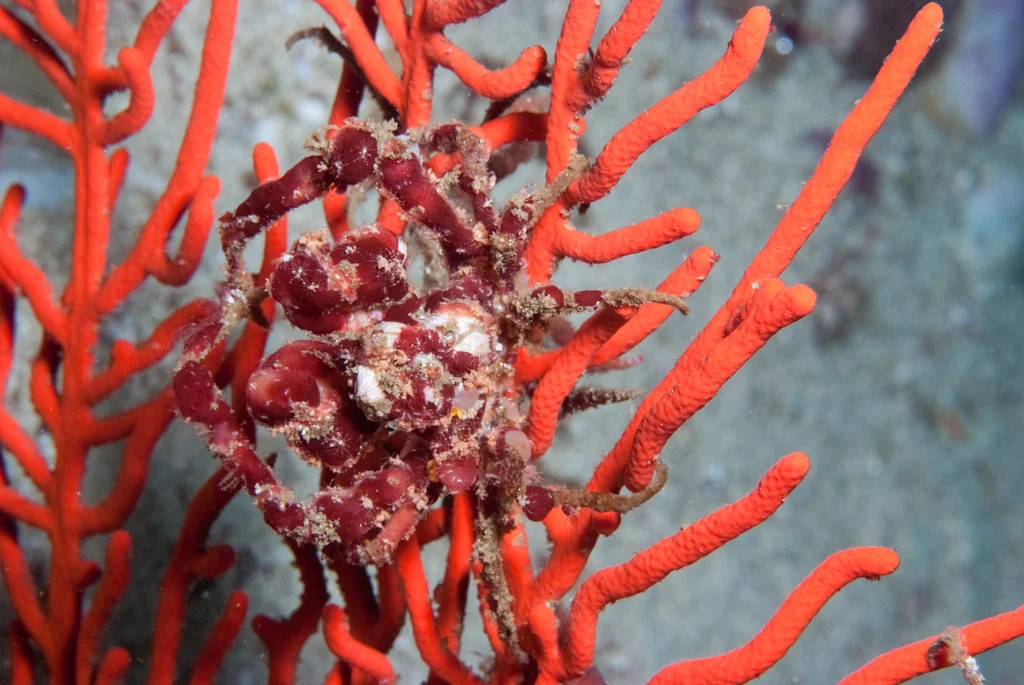
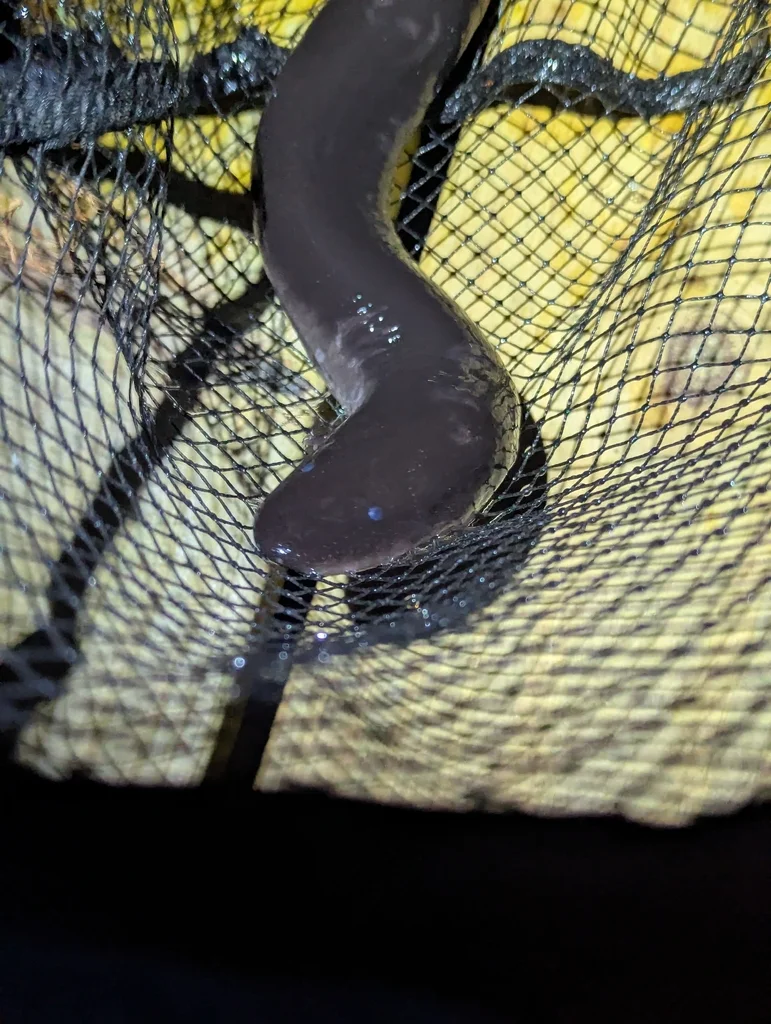
Massive European conger eels peer out from torpedoed hull fractures, ventilation pipes, and under-deck recesses, sharing shelter with hefty European lobsters and spiny spider crabs. Red scorpionfish blend seamlessly into sponge-covered gun mounts, while clouds of damselfish, two-banded sea bream, and juvenile porgies swirl continuously around the bridge wings.


1 / 2
Image contributors:Diego Delso, laszlo-photo + 3 more
Want to contribute photos or local dive knowledge? Learn how to contributeDive Sites Near HMS Coriolanus
View all dive sites in CroatiaDiscover more underwater gems in this area.
Dive Centers Near HMS Coriolanus
Working Hours
Sun09:00 - 19:00
Mon09:00 - 19:00
Tue09:00 - 19:00
Wed09:00 - 19:00
Thu09:00 - 19:00
Fri09:00 - 19:00
Sat09:00 - 19:00
Today: 09:00 - 19:00
Sun09:00 - 19:00
Mon09:00 - 19:00
Tue09:00 - 19:00
Wed09:00 - 19:00
Thu09:00 - 19:00
Fri09:00 - 19:00
Sat09:00 - 19:00
4.8| 132 reviews
23.2 km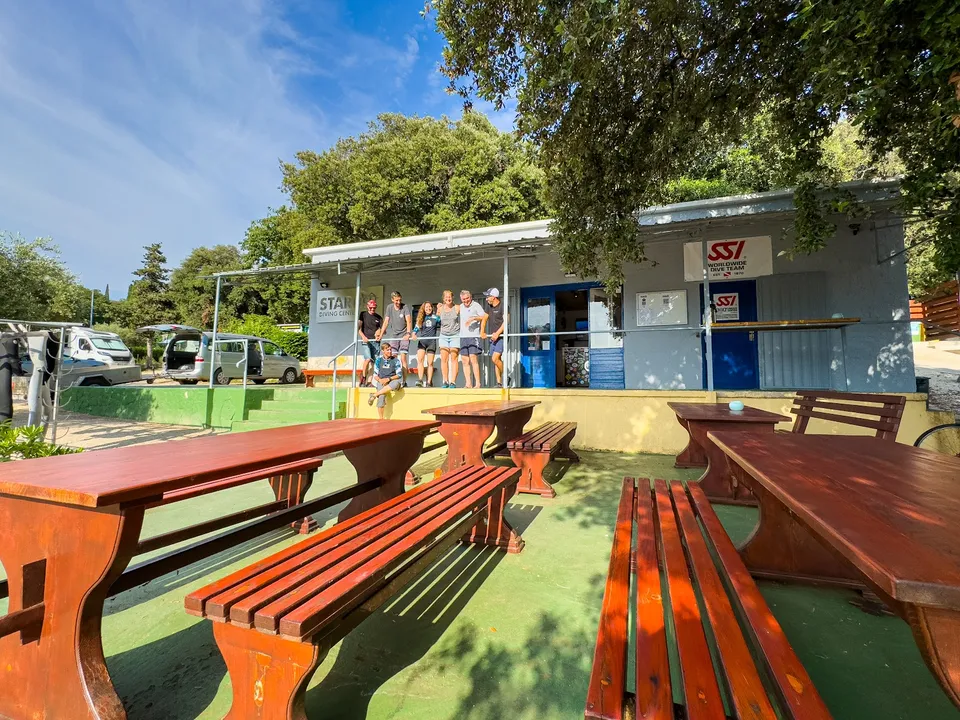
4.7| 240 reviews
24 km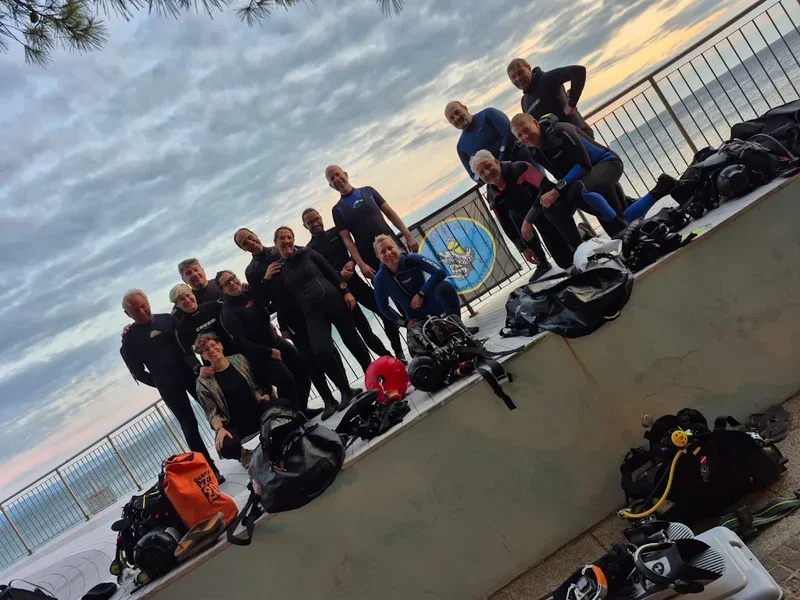
4.9| 23 reviews
47.4 kmNearest Airports
Nearest airports to help plan travel to this dive area.
Trieste Airport TRS
57 km
Pula Airport PUY
62 km
Venice Marco Polo Airport VCE
86 km
💵 Currency: EUR
Search Flights
Check available flights and routes on Expedia, using the nearby airports listed in this section.
Search Flights on ExpediaAffiliate link · Dive Navigator may earn a commission at no extra cost to you.
Frequently Asked Questions
Can newly certified advanced divers visit HMS Coriolanus?
Yes. With its bridge at 17 meters, main deck at 22 meters, and sandy seabed at 30 meters, HMS Coriolanus sits squarely within standard advanced recreational depth limits and offers a calmer, shallower profile than Istria's 40-meter wrecks.
Is a permit required to dive HMS Coriolanus?
Yes. The Croatian Ministry of Culture protects HMS Coriolanus as an underwater cultural heritage site, so divers must book through an authorized Istrian dive center holding an active concession permit.
What role did HMS Coriolanus play during the Second World War?
Built in 1940 as a British Royal Navy Shakespeare-class armed minesweeping trawler, she combined mine-clearance operations with signals-intelligence interception in the northern Adriatic before striking a naval mine off Novigrad on May 5, 1945.
Can divers swim inside the hull of HMS Coriolanus?
No. Interior penetration is disallowed because the vessel's wartime corridors are tight, partially collapsed, and silted, whereas all major highlights—including anti-aircraft guns, bridgework, and marine life—are fully visible from the exterior.
What is the main underwater hazard on HMS Coriolanus?
Abandoned fishing nets drape portions of the hull and superstructure, making good buoyancy control, tucked-in hoses, and carrying a reliable cutting tool essential.
Why is nitrox 32 percent ideal for diving HMS Coriolanus?
At a maximum seabed depth of 30 meters and an average touring depth around 20 to 24 meters, enriched air 32 percent maximizes no-decompression bottom time without exceeding a 1.4 bar oxygen partial pressure limit.
Trip Inquiry
Planning to dive HMS Coriolanus?
Tell us your dates and diving needs. We'll review your request and seek offers from relevant local dive centers.
Request Dive Offers Free request for offers • No booking obligation
HMS Coriolanus
Conditions are Good
7/10
Confidence: 8/10
Indicates meteorological model agreement and data availability.
Best Dive Window
Optimal conditions expected
06:12
18:45
H: 10:45
L: 16:20
Air / Sea Temp
14° / 17°
Wave Height
1.1 m
Wind Speed
31 km/h ENE
Rain Chance
0%
Current conditions near HMS Coriolanus show 14° air, 17° sea temperature, 1.1 m waves, and 31 km/h wind. Forecast data is refreshed regularly to ensure accuracy.
Radius: ~12km
Updated: Nov 22, 2026, 14:14 local timeMARINE: OPEN-METEOWEATHER: YR.NO


