Loading...

Diving at Buje Shallows Roman Wreck (Croatia)
Published
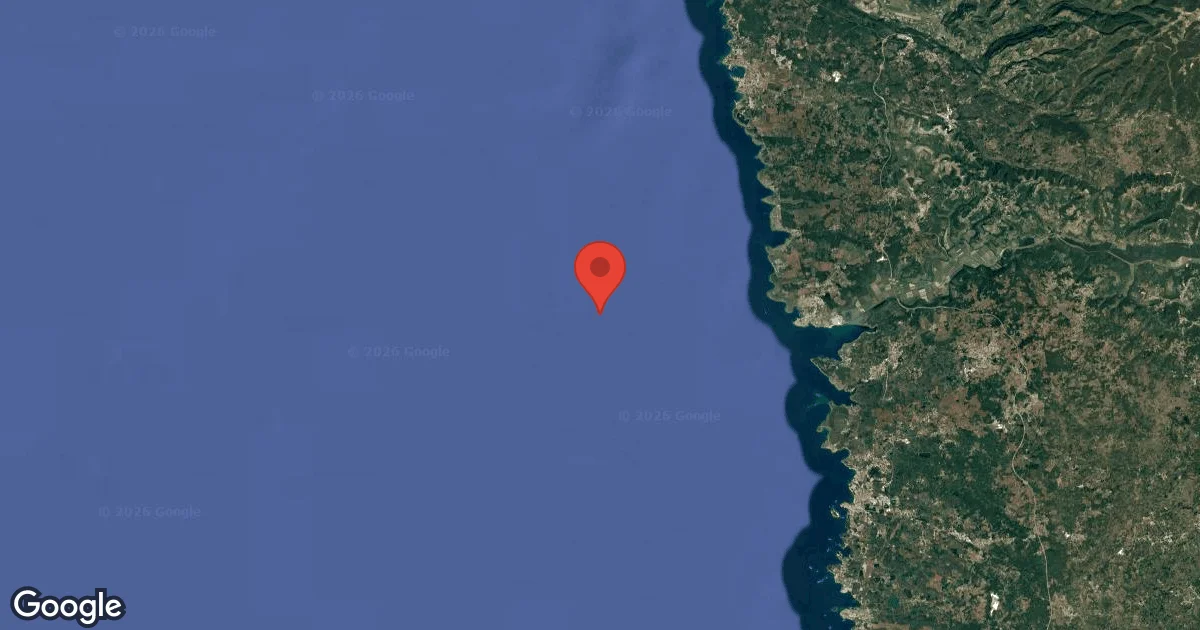
Northern Istria's signature caged ancient shipwreck, preserving a 2nd-century BC Greco-Italic amphora cargo at accessible shallow depths on the rocky shoal of Pličina Buje off Umag.
Early observations for Buje Shallows Roman Wreck report a surface air temperature of 12°C. The water surface is currently presenting wave heights of 1 m. Consider these environmental metrics before beginning your descent.
Dive Site Location & Key Facts
Site Characteristics
Max Depth16m / 52ft
Entry Typeboat
Water Typesalt
Dive Types
ArchaeologicalReefWreck
Dive Site Overview
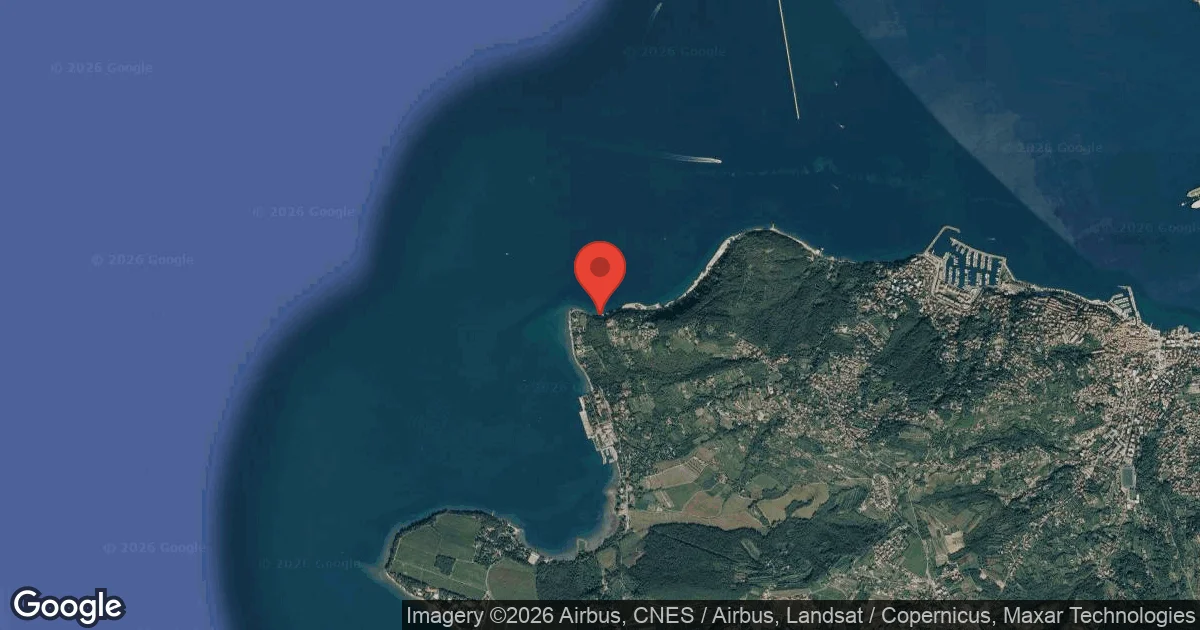
Roughly one nautical mile off the northern Istrian coast between Umag, Katoro, and Zambratija, the submerged limestone rise of Pličina Buje (Buje Shallows) has snared unwary vessels since classical antiquity. In the 2nd century BC, a Roman Republican merchantman bound along the eastern Adriatic coastal highway toward the northern Italic ports of Aquileia and Trieste struck these offshore shallows and spilled its cargo of Greco-Italic amphorae across the rocky-sandy seafloor.
To halt decades of souvenir looting while keeping the wreck accessible to heritage tourism in accordance with international in-situ conservation principles, Croatian underwater archaeologists installed a welded galvanized-steel protective cage over the amphora deposit in 2006. Engineered as a self-supporting mesh enclosure anchored around the perimeter, the cage transforms the wreck into an open-water archaeological showcase.
Resting in just 13 to 16 meters at the base of the 8-to-14-meter rocky shoal, Buje Shallows is uniquely approachable compared to deeper Adriatic amphora cages. Divers gain unhurried bottom time to examine the characteristic flaring rims and elongated handles of 2,100-year-old Greco-Italic jars before exploring the vibrant reef ledges of the surrounding shoal.
Buje Shallows Roman Wreck
Conditions are Good
8/10
Confidence: 8/10
Indicates meteorological model agreement and data availability.
Best Dive Window
Optimal conditions expected
06:12
18:45
H: 10:45
L: 16:20
Air / Sea Temp
12° / 17°
Wave Height
0.9 m
Wind Speed
33 km/h ENE
Rain Chance
0%
Current conditions near Buje Shallows Roman Wreck show 12° air, 17° sea temperature, 0.9 m waves, and 33 km/h wind. Forecast data is refreshed regularly to ensure accuracy.
Radius: ~12km
Updated: Nov 22, 2026, 22:07 local timeMARINE: OPEN-METEOWEATHER: YR.NO
Best Time to Dive
May through October delivers the most dependable boat runs out to Pličina Buje, with June, September, and early October typically providing the cleanest 12-to-18-meter visibility across the Gulf of Trieste approach. Water temperatures reach a comfortable 22–25°C through summer, with minimal vertical thermal stratification across this shallow 16-meter profile.
Because Pličina Buje sits on an open offshore bank near the Savudrija headland, strong Bora winds from the northeast or Jugo swells from the south can kick up surface chop and temporarily reduce northern Adriatic visibility due to fine suspended sediment. Calm, settled weather spells of two or more days produce crystal-clear light over the cage.
PEAK SEASON SCORE
94/100
ExcellentScores combine air & water temps, waves, wind & rainfall for overall conditions.
BEST MONTHS TO DIVE
JUN
JUL
AUG
DIVE SCORE GUIDE (0–100)
Excellent (90–100)
Very Good (80–89)
Good (70–79)
Moderate (50–69)
Poor (30–49)
Not Recommended (0–29)
Monthly records compiled from satellite and marine observation nodes over the last 3 years. Data provided by Open-Meteo and MET Norway.
Dive Experience & Conditions
Authorized dive boats from Umag or Savudrija reach the shoal in 10 to 15 minutes and moor clear of the protected archaeological perimeter. Descending down the line onto the rocky crest of Pličina Buje, divers follow the natural reef edge down to 14–16 meters where the galvanized steel cage rises over the amphora mound.
Because the mesh grids allow unobstructed visual inspection from every side and overhead without entering the enclosure, photographers and heritage enthusiasts can circle the cage slowly while observing concreted Greco-Italic amphora necks, shoulders, and toes bedded in sand and rock. Mild currents and generous ambient daylight make buoyancy control relaxed throughout a 45-to-55-minute dive.
Dive Difficulty & Safety Guidelines
Under Croatia's Law on the Protection and Preservation of Cultural Goods, the Buje Shallows Roman Wreck is a registered underwater monument where individual diving and private boat anchoring are strictly prohibited. Visits are legal solely within organized groups led by a local dive center holding an active Ministry of Culture concession.
Divers must never attempt to enter the cage, reach through the steel mesh, or disturb any ceramic sherds lying outside the perimeter on the surrounding shoal. Maintain clean horizontal trim above the grid so fins do not scrape the marine-encrusted steel bars, and deploy a surface marker buoy only if ascending away from the moored dive boat.
Recommended Equipment
Overhead / entanglement risk. Wreck penetration requires proper training.
- Dive Computer
- DSMB
- Primary & Backup Lights
- Wreck Reel
- Cutting Tool
This gear list is based on verified equipment signals for Buje Shallows Roman Wreck, Croatia. Always confirm final gear choices with your dive operator, guide, or liveaboard.
Recommended Dive Suit
5-7mm wetsuit is widely used for recreational dives in waters of this temperature. A hood or vest is suggested for sensitive divers due to surface winds. Strong cold advisory: dress warmly immediately after exiting the water. For divers entering the water at Buje Shallows Roman Wreck, temperatures are currently hovering around 17°C (62°F). Surface air temperatures are resting at 12°C (53°F).
Forecast models show minimal temperature variation in the coming days.
Water temperatures can occasionally shift throughout the day depending on currents and depth layers.
Buje Shallows Roman Wreck conditions last reviewed: 22:07 local time (UTC+1), Nov 22, 2026
Emergency & Medical Support
Essential information to help you plan your dive trip to Buje Shallows Roman Wreck.

Hyperbaric chambers are a critical part of dive safety infrastructure. Availability varies significantly by region, and not all dive areas have immediate access.
Before diving, it's recommended to:
- confirm nearest medical facilities
- check emergency procedures with local dive operators
- ensure dive insurance covers evacuation if required
24/7 Available
Divers Alert Network
Diving emergency assistance available through DAN Europe.
+39 0642115685- 24/7 emergency hotline
- Diving medical assistance
- Evacuation coordination
Emergency contacts are provided for reference. Always verify local emergency services before diving.
Closest Listed Hyperbaric Chambers (≤ 200 km)
Approximate straight-line distances from this dive site — emergency travel times may vary.
74 km74 kmPoliklinika za baromedicinu OXY – Podružnica Pula
Pula, Croatia+385 52 215 663Details74 kmPoliklinika za baromedicinu OXY – Podružnica Pula
Pula, Croatia · Multiplace
Hours: Mon–Fri 07:30–15:30Facility: Opća bolnica PulaICU On-Site: Not reportedSource: KBC Rijeka / Poliklinika OXYOfficial website
74 km
Poliklinika za baromedicinu OXY – Podružnica Pula
Pula, Croatia+385 52 215 663Details
74 km
Poliklinika za baromedicinu OXY – Podružnica Pula
Pula, Croatia · Multiplace
Hours: Mon–Fri 07:30–15:30
Facility: Opća bolnica Pula
ICU On-Site: Not reported
Source: KBC Rijeka / Poliklinika OXY
Official website79 km79 kmZavod za podvodnu i hiperbaričnu medicinu – KBC Rijeka
Rijeka, Croatia24/7ICU+385 51 407 435Details79 kmZavod za podvodnu i hiperbaričnu medicinu – KBC Rijeka
24/7 ListedICU CapableRijeka, Croatia · Multiplace (8 seated / 2 stretcher ICU)
Hours: 24/7 EmergencyFacility: Klinički bolnički centar Rijeka (Lokalitet Sušak)ICU On-Site: YesSource: KBC Rijeka / Poliklinika OXYOfficial website
79 km
Zavod za podvodnu i hiperbaričnu medicinu – KBC Rijeka
Rijeka, Croatia24/7ICU+385 51 407 435Details
79 km
Zavod za podvodnu i hiperbaričnu medicinu – KBC Rijeka
24/7 ListedICU CapableRijeka, Croatia · Multiplace (8 seated / 2 stretcher ICU)
Hours: 24/7 Emergency
Facility: Klinički bolnički centar Rijeka (Lokalitet Sušak)
ICU On-Site: Yes
Source: KBC Rijeka / Poliklinika OXY
Official website99 km99 kmPoliklinika za baromedicinu OXY – Poslovna jedinica Crikvenica
Crikvenica, Croatia+385 51 785 229Details99 kmPoliklinika za baromedicinu OXY – Poslovna jedinica Crikvenica
Crikvenica, Croatia · Multiplace
Hours: Mon–Fri 07:30–15:30Facility: Thalassotherapia CrikvenicaICU On-Site: Not reportedSource: KBC Rijeka / Poliklinika OXYOfficial website
99 km
Poliklinika za baromedicinu OXY – Poslovna jedinica Crikvenica
Crikvenica, Croatia+385 51 785 229Details
99 km
Poliklinika za baromedicinu OXY – Poslovna jedinica Crikvenica
Crikvenica, Croatia · Multiplace
Hours: Mon–Fri 07:30–15:30
Facility: Thalassotherapia Crikvenica
ICU On-Site: Not reported
Source: KBC Rijeka / Poliklinika OXY
Official websiteChamber data is sourced from official Croatian hospital and baromedicine facility records and has not been independently verified by Dive Navigator. Always contact local emergency services, DAN, your dive operator, or the facility directly before travelling.
Reference onlyMarine Life at Buje Shallows Roman Wreck
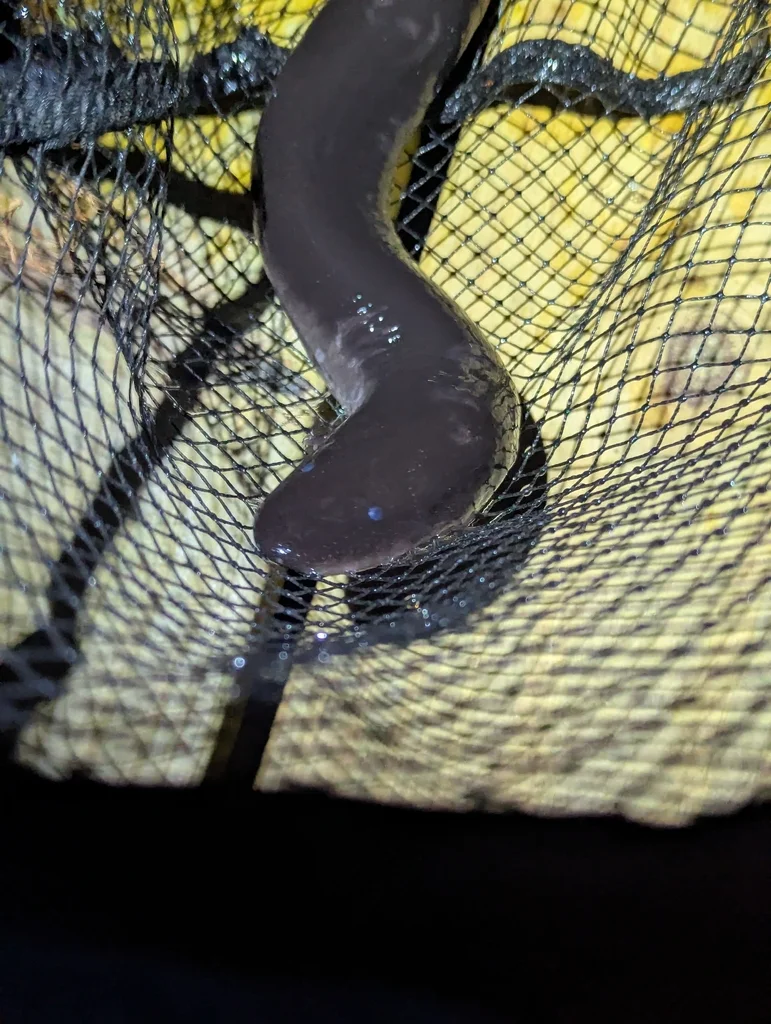
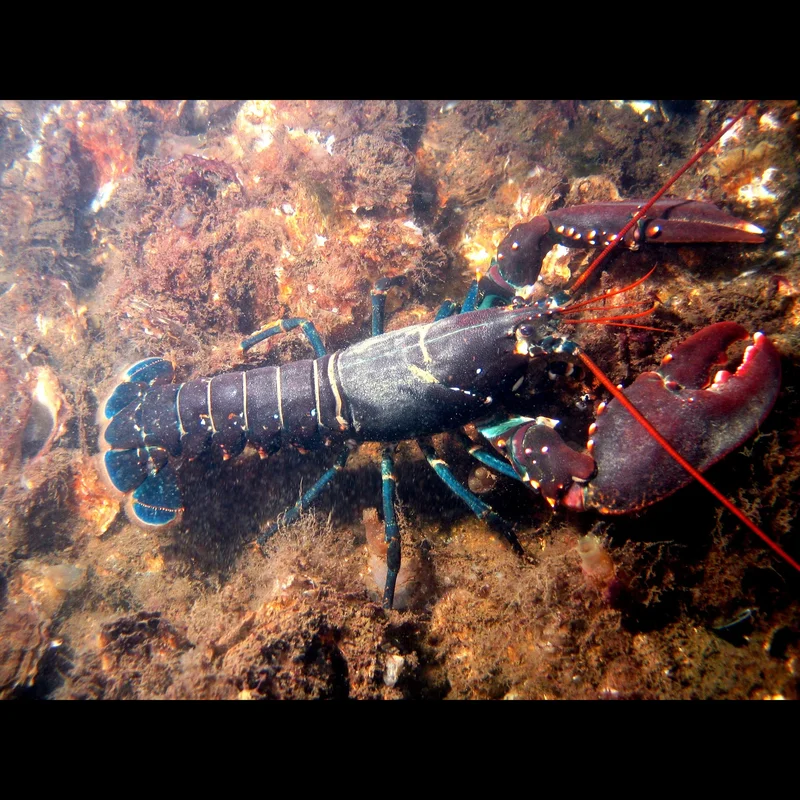
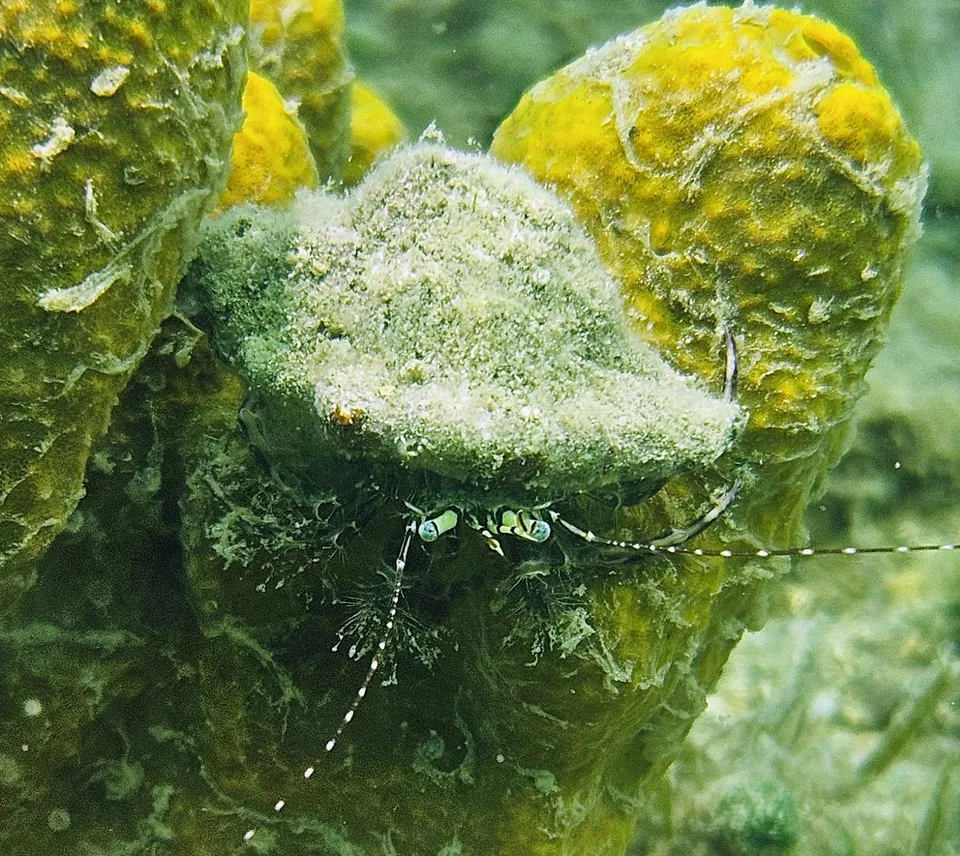
Over the past two decades, both the rocky shoal of Pličina Buje and the galvanized cage framework itself have evolved into a magnet for northern Adriatic reef life. Sponges, ascidians, oysters, and lacy bryozoans coat the steel bars, while European conger eels (Conger conger), European lobsters (Homarus gammarus), and common octopuses shelter in rock undercuts and beneath concreted amphora clusters.
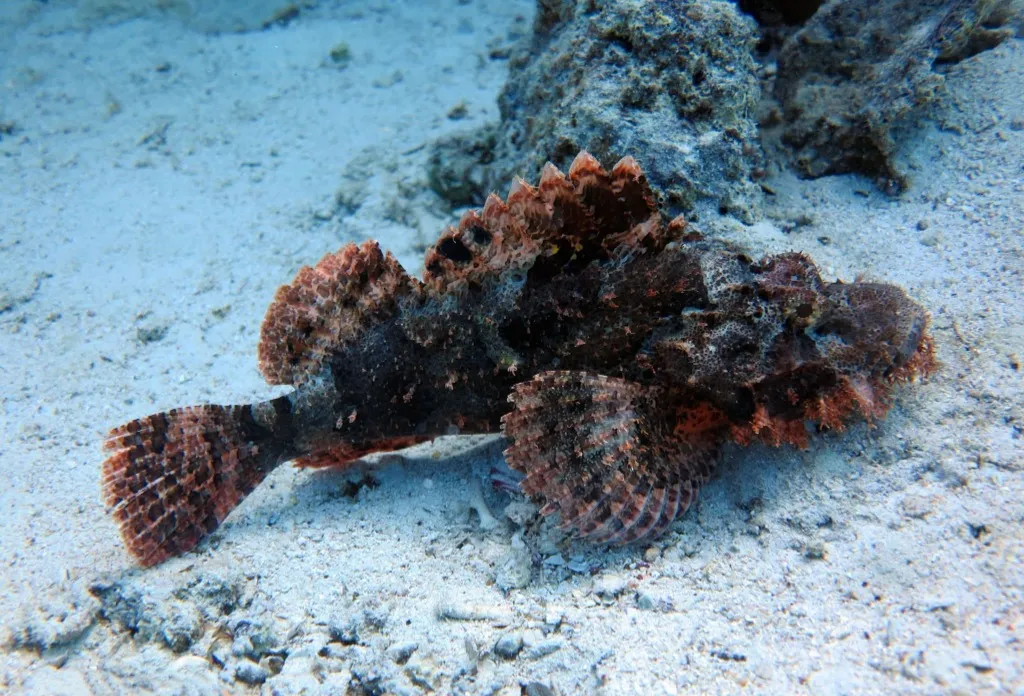
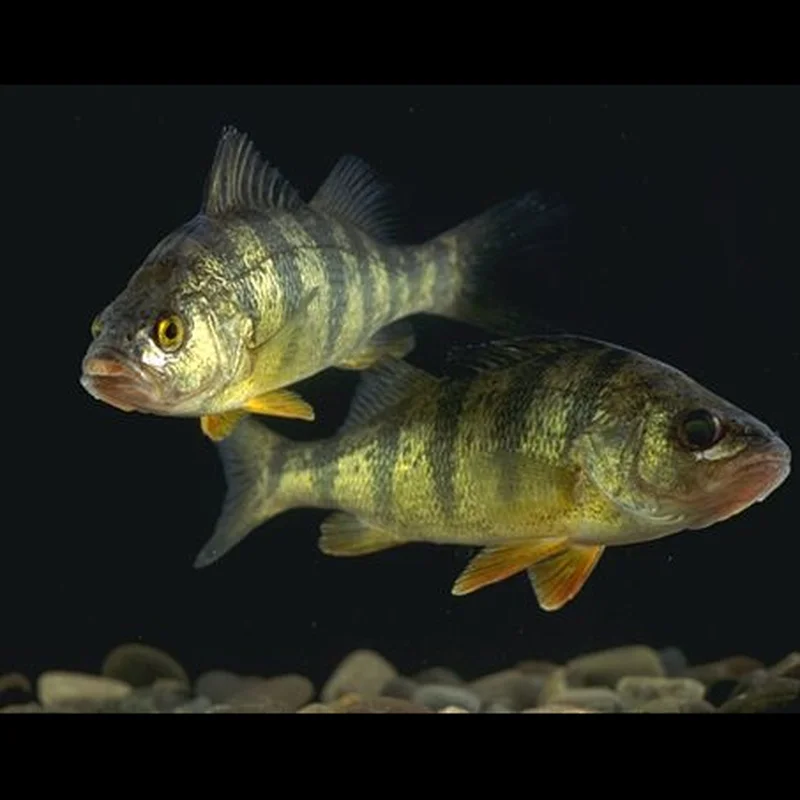
Schools of gilthead seabream (Sparus aurata), saddled and two-banded seabream, painted combers, striped red mullet, and black scorpionfish patrol the rocky-sandy interface around the shoal, giving divers an engaging blend of ancient maritime history and coastal biology.

1 / 2
Image contributors:laszlo-photo, Hadal + 3 more
Want to contribute photos or local dive knowledge? Learn how to contributeDive Sites Near Buje Shallows Roman Wreck
View all dive sites in CroatiaDiscover more underwater gems in this area.
Dive Centers Near Buje Shallows Roman Wreck
Working Hours
Sun09:00 - 19:00
Mon09:00 - 19:00
Tue09:00 - 19:00
Wed09:00 - 19:00
Thu09:00 - 19:00
Fri09:00 - 19:00
Sat09:00 - 19:00
Today: 09:00 - 19:00
Sun09:00 - 19:00
Mon09:00 - 19:00
Tue09:00 - 19:00
Wed09:00 - 19:00
Thu09:00 - 19:00
Fri09:00 - 19:00
Sat09:00 - 19:00
4.9| 23 reviews
31.9 km
4.8| 132 reviews
37.2 km
4.7| 240 reviews
38.4 kmNearest Airports
Nearest airports to help plan travel to this dive area.
Trieste Airport TRS
39 km
Pula Airport PUY
74 km
Venice Marco Polo Airport VCE
89 km
💵 Currency: EUR
Search Flights
Check available flights and routes on Expedia, using the nearby airports listed in this section.
Search Flights on ExpediaAffiliate link · Dive Navigator may earn a commission at no extra cost to you.
Frequently Asked Questions
Can Open Water divers visit the Buje Shallows Roman Wreck?
Yes. Lying between 13 and 16 meters on a shoal that rises to 8–10 meters, it is one of the shallowest caged ancient shipwrecks in Croatia and well within open-water depth limits when booked through a licensed center.
How old are the amphorae inside the Buje Shallows cage?
The shipwreck dates to the 2nd century BC during the Roman Republican era and carried Greco-Italic transport amphorae used primarily for wine.
Why is the wreck covered by a steel cage?
Installed by conservation archaeologists in 2006, the welded galvanized-steel cage protects the 2,100-year-old amphorae in situ on the original seabed against illegal artifact looting and anchor damage.
Do divers swim inside the protective cage?
No. Recreational divers observe and photograph the amphora cargo from outside and above the wide steel mesh panels without entering the cage.
How do I arrange a legal dive on Pličina Buje?
Book directly with an authorized dive center in the Umag area holding a valid Ministry of Culture permit for protected underwater heritage zones; independent diving is forbidden.
How is underwater visibility on Pličina Buje?
Thanks to the rocky seabed of the shoal, visibility averages 12 to 16 meters in settled weather—significantly clearer than silty offshore bottoms elsewhere in the northernmost Adriatic.
Trip Inquiry
Planning to dive Buje Shallows Roman Wreck?
Tell us your dates and diving needs. We'll review your request and seek offers from relevant local dive centers.
Request Dive Offers Free request for offers • No booking obligation
Buje Shallows Roman Wreck
Conditions are Good
8/10
Confidence: 8/10
Indicates meteorological model agreement and data availability.
Best Dive Window
Optimal conditions expected
06:12
18:45
H: 10:45
L: 16:20
Air / Sea Temp
12° / 17°
Wave Height
0.9 m
Wind Speed
33 km/h ENE
Rain Chance
0%
Current conditions near Buje Shallows Roman Wreck show 12° air, 17° sea temperature, 0.9 m waves, and 33 km/h wind. Forecast data is refreshed regularly to ensure accuracy.
Radius: ~12km
Updated: Nov 22, 2026, 22:07 local timeMARINE: OPEN-METEOWEATHER: YR.NO


