Loading...

Diving at Wreck Tihany (Croatia)
Published
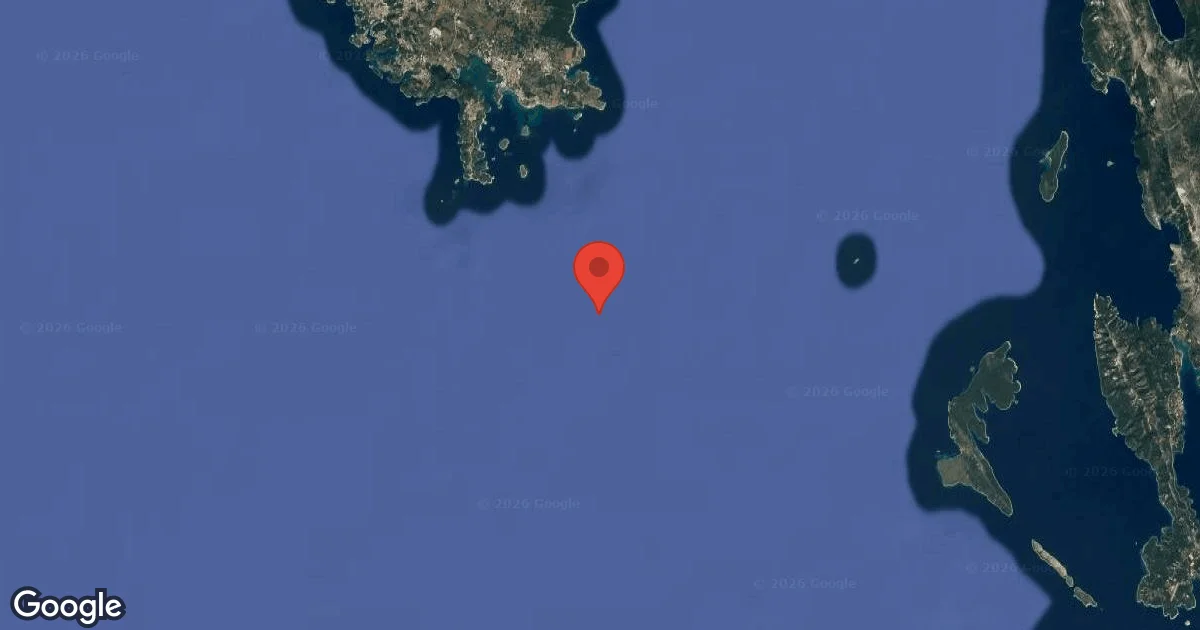
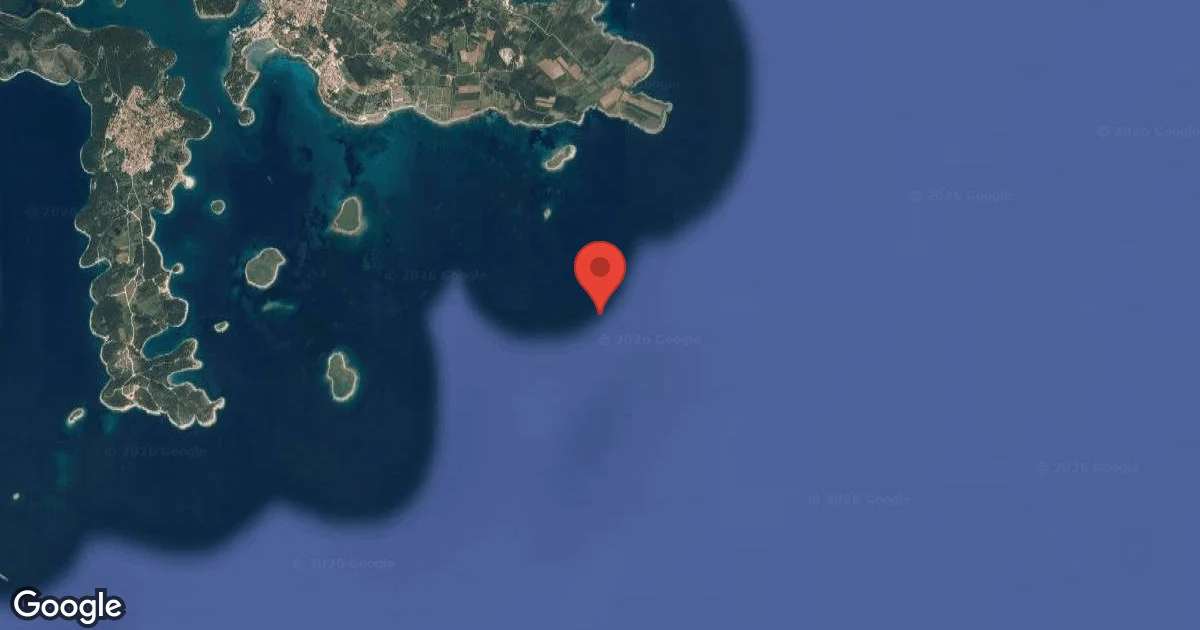
An accessible outer-island Austro-Hungarian coal steamer lying in crystal-clear Lošinj archipelago water off Školjić islet, where 1917 iron ribs meet ancient classical amphora shards.
Current morning readings from Wreck Tihany indicate an air temperature of 11°C. Surface wave heights are averaging around 1.2 m at this time. These local measurements provide a baseline for your daily dive planning.
Dive Site Location & Key Facts
Site Characteristics
Max Depth39m / 128ft
Entry Typeboat
Water Typesalt
Dive Types
ArchaeologicalDeepWreck
Dive Site Overview
Constructed in Trieste in 1908 for the Hungarian-Croatian Steamship Company (Ungaro-Croata), which linked Rijeka, Istria, Cres, and the Lošinj archipelago before the First World War, the 60-meter, 7-meter-beam steel steamer Tihany served wartime coastal supply routes across the northern Adriatic. On February 12, 1917, while approaching the western harbor of Unije Island laden with a cargo of coal in poor winter weather, she struck the low limestone rocks of uninhabited Školjić islet guarding the port entrance.
Although the hull initially held fast on the shallow reef shelf, subsequent wartime salvage efforts to pull her free caused the flooded vessel to slip down the steep underwater rock slope, coming to rest at the sand-and-rubble transition between 33 and 39 meters depth.
Today Tihany lies gracefully along the foot of Školjić islet's submarine reef in the clear, outer-island waters of the Cres-Lošinj archipelago. Because her wooden deck planks rotted away long ago, the spacious forward and aft cargo holds stand completely open from above, revealing iron hull frames, winch machinery, scattered lumps of century-old coal cargo, and engine-room structures bathed in bright ambient light.
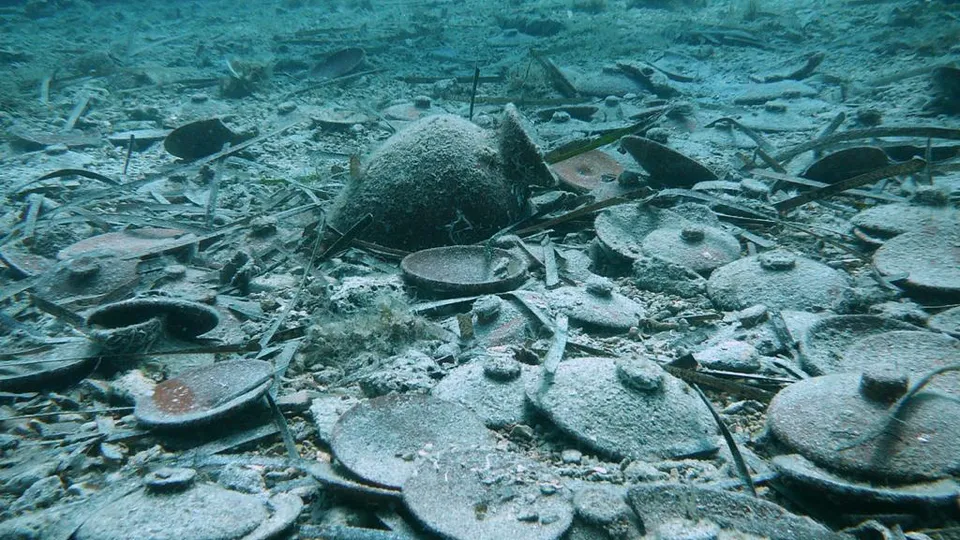
Adding a second layer of maritime history, the surrounding seabed around Školjić—a natural harbor shelter used since antiquity—contains weathered ancient amphora shards that must be admired strictly in situ without disturbance.
Wreck Tihany
Conditions are Moderate
6/10
Confidence: 8/10
Indicates meteorological model agreement and data availability.
DIVE WARNING
High Wind Advisory (51km/h). Unsafe surface.
06:12
18:45
H: 10:45
L: 16:20
Air / Sea Temp
11° / 17°
Wave Height
1.3 m
Wind Speed
51 km/h NE
Rain Chance
0%
Current conditions near Wreck Tihany show 11° air, 17° sea temperature, 1.3 m waves, and 51 km/h wind. Forecast data is refreshed regularly to ensure accuracy.
Radius: ~12km
Updated: Nov 23, 2026, 06:35 local timeMARINE: OPEN-METEOWEATHER: YR.NO
Best Time to Dive
Dive centers based in Mali Lošinj, Cres, and southern Istria visit Wreck Tihany from May through October, when calm mornings make the scenic outer-archipelago boat run to Unije smooth and enjoyable. Anchoring in the shallow 5-to-8-meter lee of Školjić islet provides comfortable shelter during gentle easterly or northeasterly breezes, though strong westerly swells or Jugo winds expose the western harbor approach.
Situated far from mainland river mouths, the waters off Unije routinely deliver 18 to 25 meters of visibility throughout late spring, summer, and early autumn, illuminating the wreck clearly from 15 meters down the reef slope.
Surface temperatures climb to 24 to 26 degrees Celsius in July and August while bottom water at 33 to 39 meters hovers around 16 to 18 degrees Celsius—slightly milder than the deep Kvarner channels further north.
PEAK SEASON SCORE
90/100
ExcellentScores combine air & water temps, waves, wind & rainfall for overall conditions.
BEST MONTHS TO DIVE
JUN
JUL
AUG
DIVE SCORE GUIDE (0–100)
Excellent (90–100)
Very Good (80–89)
Good (70–79)
Moderate (50–69)
Poor (30–49)
Not Recommended (0–29)
Monthly records compiled from satellite and marine observation nodes over the last 3 years. Data provided by Open-Meteo and MET Norway.
Dive Experience & Conditions
One of the pleasures of diving Tihany is its natural reef-to-wreck topography: dive boats anchor on the shallow 5-to-8-meter shelf beside Školjić islet, allowing teams to descend gradually down a vibrant rocky slope rather than dropping blindly through open blue water. At the base of the reef around 33 meters, the iron hull of Tihany stretches across the white sand down to 39 meters.
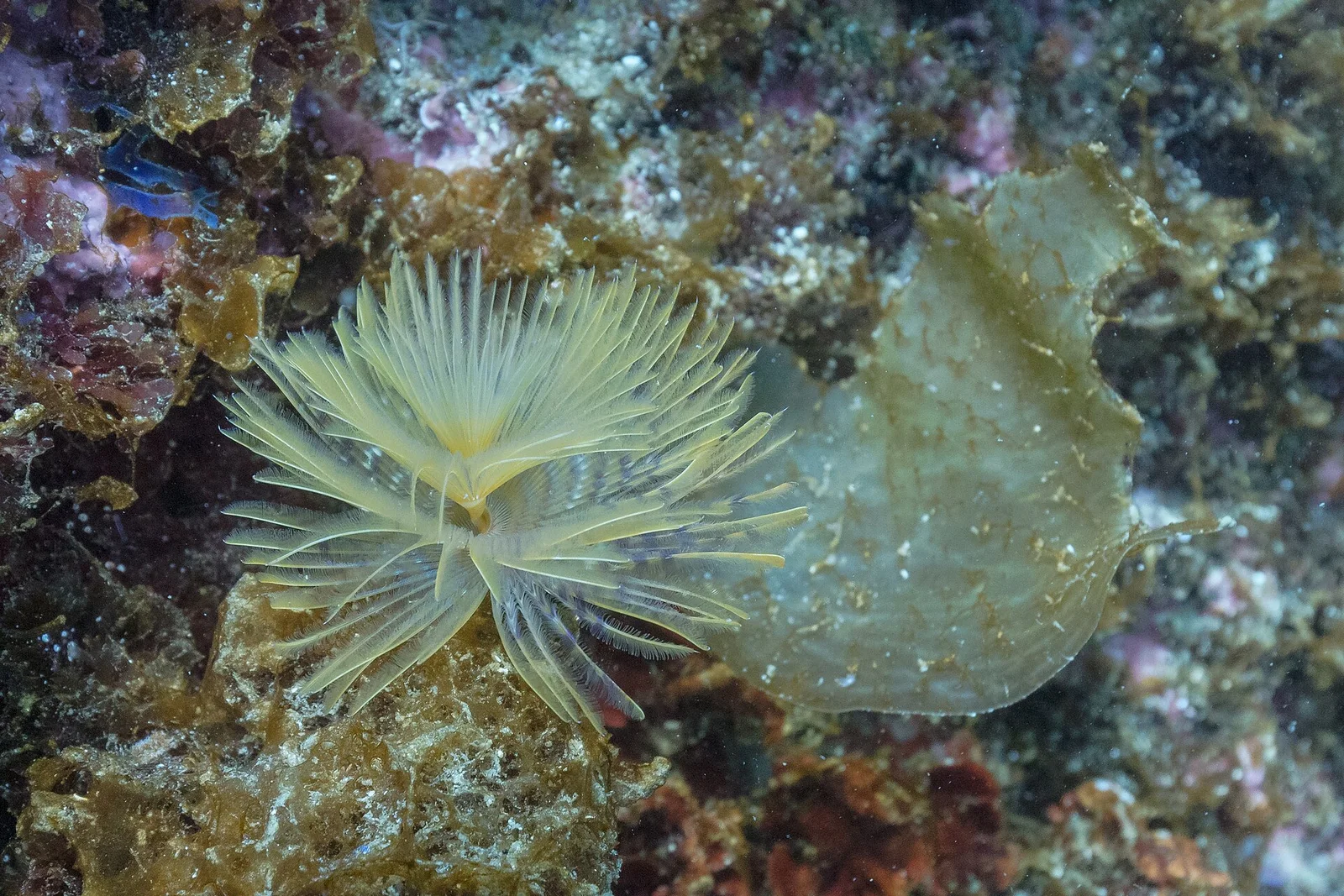
Approaching from the sand-buried bow and working along the hull at 33 to 36 meters, divers can swim effortlessly above or through the wide, unroofed cargo hold, illuminating clusters of sabellid fanworms, coal remnants, and central steam machinery before rounding the stern at 39 meters.
Once bottom time on enriched air concludes, instead of hanging on a bare mid-water line, divers ascend naturally back up the terraced limestone reef of Školjić from 28 meters up to 5 meters, extending the dive with sunny Mediterranean reef exploration during safety stops.
Dive Difficulty & Safety Guidelines
Sitting between 33 and 39 meters maximum depth, Wreck Tihany fits within the 40-meter recreational deep-diving envelope for Advanced Open Water divers holding Deep Diver training. Because Tihany is registered as Cultural Good Z-50 within Unije Protection Zone 12 of the Croatian Ministry of Culture and Media 2024–2029 Program, all visits must be conducted through authorized concessionaire dive centers.
While the unroofed cargo holds are spacious and illuminated by daylight, Ministry of Culture Zone 12 rules strictly prohibit entering any hull section without a direct source of natural light, and divers must avoid stirring fine sand pockets or contacting corroded iron frames.
All ancient amphora fragments (Zone 12, Z-36) and historical ship fittings around Školjić islet are protected cultural heritage under Croatian law—observe ceramic shards and coal cargo without touching them, and carry a surface marker buoy for open-water ascents.
Recommended Equipment
Deep dive hazard. Increased narcosis and gas consumption risk.
Overhead / entanglement risk. Wreck penetration requires proper training.
- Dive Computer
- DSMB
- Primary & Backup Lights
- Wreck Reel
- Cutting Tool
This gear list is based on verified equipment signals for Wreck Tihany, Croatia. Always confirm final gear choices with your dive operator, guide, or liveaboard.
Recommended Dive Suit
Divers planning relaxed exploration may appreciate the warmth of 5-7mm wetsuit. Strong winds are present; please take strong precautions against rapid cooling during surface intervals. Strong cold advisory: dress warmly immediately after exiting the water. Divers often notice that perceived temperature can feel cooler during deeper or longer dives.
The waters surrounding Wreck Tihany are currently maintaining temperatures close to 17°C (62°F). Surface air temperatures are resting at 11°C (52°F).
Conditions are expected to stay fairly consistent in the days ahead.
Wreck Tihany conditions last reviewed: 06:35 local time (UTC+1), Nov 23, 2026
Emergency & Medical Support
Essential information to help you plan your dive trip to Wreck Tihany.

Hyperbaric chambers are a critical part of dive safety infrastructure. Availability varies significantly by region, and not all dive areas have immediate access.
Before diving, it's recommended to:
- confirm nearest medical facilities
- check emergency procedures with local dive operators
- ensure dive insurance covers evacuation if required
24/7 Available
Divers Alert Network
Diving emergency assistance available through DAN Europe.
+39 0642115685- 24/7 emergency hotline
- Diving medical assistance
- Evacuation coordination
Emergency contacts are provided for reference. Always verify local emergency services before diving.
Closest Listed Hyperbaric Chambers (≤ 200 km)
Approximate straight-line distances from this dive site — emergency travel times may vary.
39 km39 kmPoliklinika za baromedicinu OXY – Podružnica Pula
Pula, Croatia+385 52 215 663Details39 kmPoliklinika za baromedicinu OXY – Podružnica Pula
Pula, Croatia · Multiplace
Hours: Mon–Fri 07:30–15:30Facility: Opća bolnica PulaICU On-Site: Not reportedSource: KBC Rijeka / Poliklinika OXYOfficial website
39 km
Poliklinika za baromedicinu OXY – Podružnica Pula
Pula, Croatia+385 52 215 663Details
39 km
Poliklinika za baromedicinu OXY – Podružnica Pula
Pula, Croatia · Multiplace
Hours: Mon–Fri 07:30–15:30
Facility: Opća bolnica Pula
ICU On-Site: Not reported
Source: KBC Rijeka / Poliklinika OXY
Official website71 km71 kmPoliklinika za baromedicinu OXY – Poslovna jedinica Crikvenica
Crikvenica, Croatia+385 51 785 229Details71 kmPoliklinika za baromedicinu OXY – Poslovna jedinica Crikvenica
Crikvenica, Croatia · Multiplace
Hours: Mon–Fri 07:30–15:30Facility: Thalassotherapia CrikvenicaICU On-Site: Not reportedSource: KBC Rijeka / Poliklinika OXYOfficial website
71 km
Poliklinika za baromedicinu OXY – Poslovna jedinica Crikvenica
Crikvenica, Croatia+385 51 785 229Details
71 km
Poliklinika za baromedicinu OXY – Poslovna jedinica Crikvenica
Crikvenica, Croatia · Multiplace
Hours: Mon–Fri 07:30–15:30
Facility: Thalassotherapia Crikvenica
ICU On-Site: Not reported
Source: KBC Rijeka / Poliklinika OXY
Official website79 km79 kmZavod za podvodnu i hiperbaričnu medicinu – KBC Rijeka
Rijeka, Croatia24/7ICU+385 51 407 435Details79 kmZavod za podvodnu i hiperbaričnu medicinu – KBC Rijeka
24/7 ListedICU CapableRijeka, Croatia · Multiplace (8 seated / 2 stretcher ICU)
Hours: 24/7 EmergencyFacility: Klinički bolnički centar Rijeka (Lokalitet Sušak)ICU On-Site: YesSource: KBC Rijeka / Poliklinika OXYOfficial website
79 km
Zavod za podvodnu i hiperbaričnu medicinu – KBC Rijeka
Rijeka, Croatia24/7ICU+385 51 407 435Details
79 km
Zavod za podvodnu i hiperbaričnu medicinu – KBC Rijeka
24/7 ListedICU CapableRijeka, Croatia · Multiplace (8 seated / 2 stretcher ICU)
Hours: 24/7 Emergency
Facility: Klinički bolnički centar Rijeka (Lokalitet Sušak)
ICU On-Site: Yes
Source: KBC Rijeka / Poliklinika OXY
Official websiteChamber data is sourced from official Croatian hospital and baromedicine facility records and has not been independently verified by Dive Navigator. Always contact local emergency services, DAN, your dive operator, or the facility directly before travelling.
Reference onlyMarine Life at Wreck Tihany
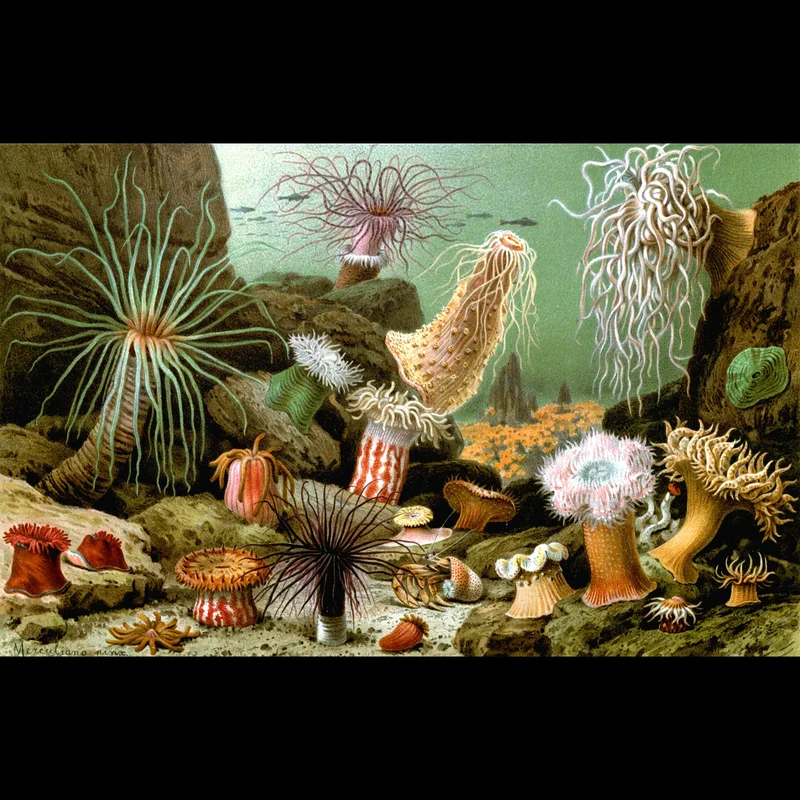
Where outer-archipelago sand meets Školjić's rocky drop-off and Tihany's iron ribs, marine life flourishes at every depth tier. Inside the shaded interior overhangs of the hull and along the 39-meter sand-to-metal seam, large European lobsters and European conger eels occupy permanent dens alongside delicate, feather-crowned sabellid tubeworms.
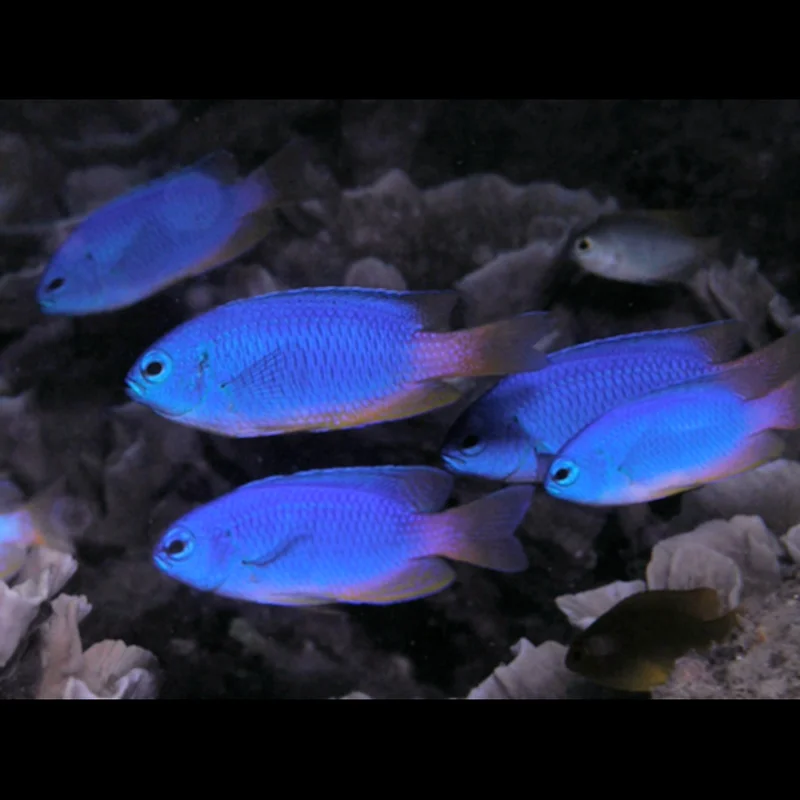
Swirling clouds of damselfish, two-banded seabream, saddled seabream, and sheepshead bream patrol the open cargo hold and follow divers up the adjacent reef slope.
Camouflaged red scorpionfish and bright yellow cluster anemones dot the rusted bulwarks, while common octopuses, moray eels, and colorful wrasse populate the sunlit 5-to-15-meter limestone boulders during the safety-stop ascent.


1 / 2
Image contributors:Diego Delso, laszlo-photo + 3 more
Want to contribute photos or local dive knowledge? Learn how to contributeDive Sites Near Wreck Tihany
View all dive sites in CroatiaDiscover more underwater gems in this area.
Dive Centers Near Wreck Tihany
Working Hours
Sun09:30 - 19:00
Mon09:30 - 19:00
Tue09:30 - 19:00
Wed09:30 - 19:00
Thu09:30 - 19:00
Fri09:30 - 19:00
Sat09:30 - 19:00
Today: 09:30 - 19:00
Sun09:30 - 19:00
Mon09:30 - 19:00
Tue09:30 - 19:00
Wed09:30 - 19:00
Thu09:30 - 19:00
Fri09:30 - 19:00
Sat09:30 - 19:00
4.6| 244 reviews
30.6 km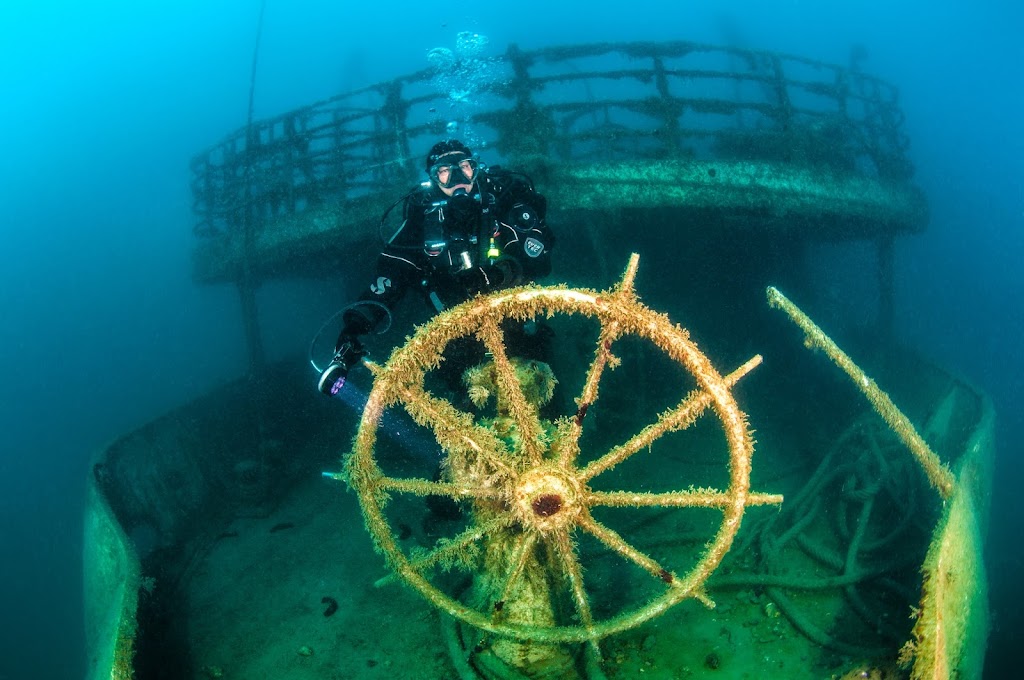
4.7| 211 reviews
37 km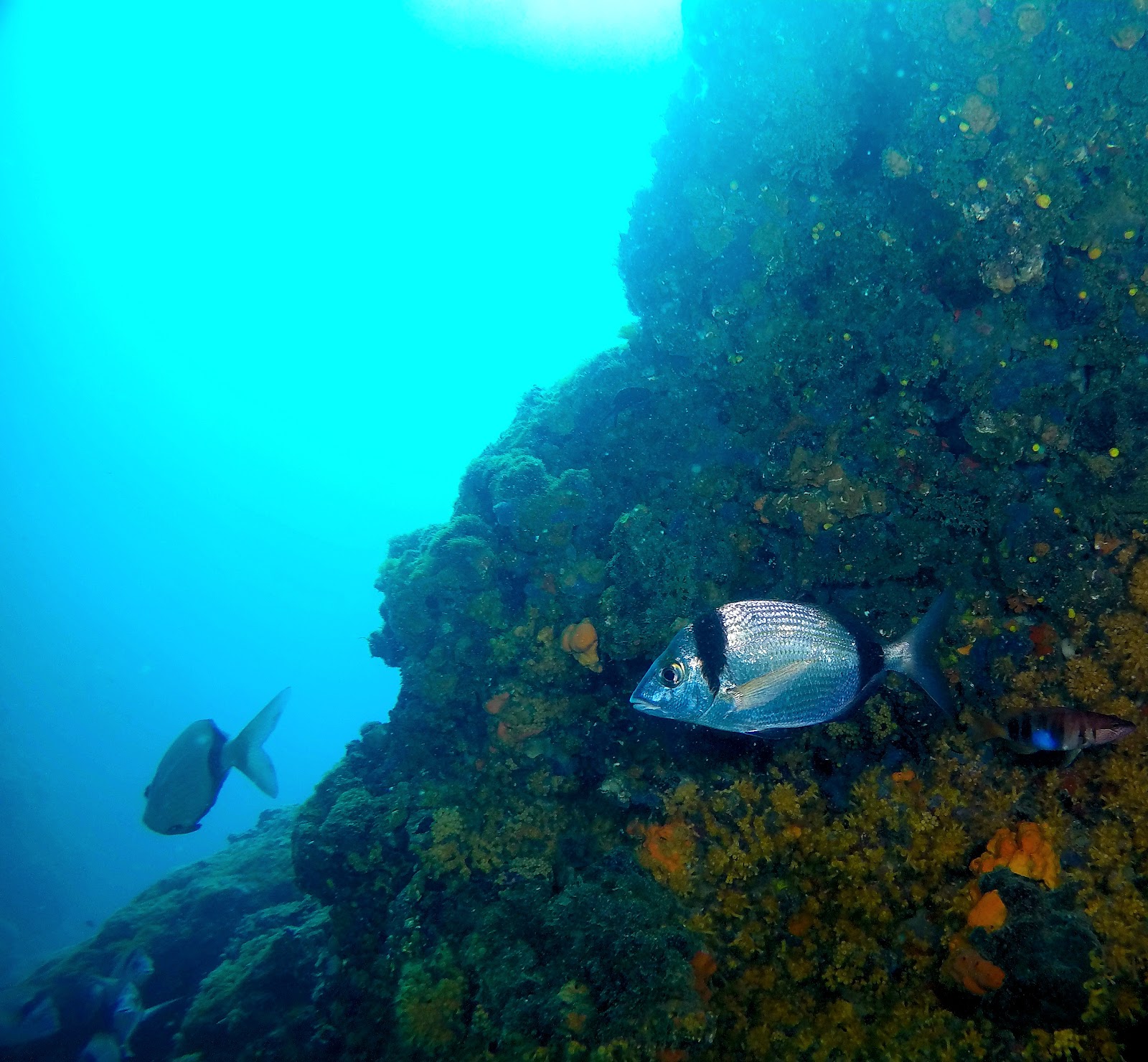
4.7| 129 reviews
38 km
Girandella Diving Centre
4.8(231)• 49.5 km
Mirko Diving Center
4.5(51)• 47.4 km
Nearest Airports
Nearest airports to help plan travel to this dive area.
Pula Airport PUY
38 km
Rijeka Airport RJK
70 km
Zadar Airport ZAD
108 km
💵 Currency: EUR
Search Flights
Check available flights and routes on Expedia, using the nearby airports listed in this section.
Search Flights on ExpediaAffiliate link · Dive Navigator may earn a commission at no extra cost to you.
Frequently Asked Questions
How did the steamship Tihany sink off Unije Island?
While carrying coal on February 12, 1917 in bad winter weather, the Austro-Hungarian coastal steamer ran aground on rocky Školjić islet at the entrance to Unije harbor and slid to 33 to 39 meters during salvage attempts.
Why is Wreck Tihany easier to ascend from than open-sea Istrian wrecks?
Because Tihany rests right at the foot of Školjić islet's submarine slope, divers anchor in 5 meters and ascend gradually up a scenic, sunlit rocky reef rather than hanging in open mid-water.
Can recreational divers explore Tihany without technical decompression gear?
Yes. With a maximum seabed depth of 39 meters and open hold decks around 33 to 35 meters, qualified Deep Divers using Enriched Air Nitrox can explore the wreck comfortably within no-decompression limits.
Are ancient amphora shards really visible near the 1917 wreck?
Yes. Školjić islet sheltered vessels entering Unije Bay since classical antiquity, leaving scattered ancient amphora fragments on the seabed nearby that must be observed without touching.
Why do some local dive guides also mention the name Etnea at Unije?
Both historical names appear in Kvarner diving literature around Školjić islet at Unije harbor entrance, with Croatian maritime heritage catalogs documenting this 33-to-39-meter Školjić coal wreck under Tihany.
Which harbors serve as the main departure bases for diving Tihany?
Dive centers in Mali Lošinj run regular day boats to Unije, while safari vessels and long-range day boats from Cres and southern Istria also include Školjić on archipelago itineraries.
Trip Inquiry
Planning to dive Wreck Tihany?
Tell us your dates and diving needs. We'll review your request and seek offers from relevant local dive centers.
Request Dive Offers Free request for offers • No booking obligation
Wreck Tihany
Conditions are Moderate
6/10
Confidence: 8/10
Indicates meteorological model agreement and data availability.
DIVE WARNING
High Wind Advisory (51km/h). Unsafe surface.
06:12
18:45
H: 10:45
L: 16:20
Air / Sea Temp
11° / 17°
Wave Height
1.3 m
Wind Speed
51 km/h NE
Rain Chance
0%
Current conditions near Wreck Tihany show 11° air, 17° sea temperature, 1.3 m waves, and 51 km/h wind. Forecast data is refreshed regularly to ensure accuracy.
Radius: ~12km
Updated: Nov 23, 2026, 06:35 local timeMARINE: OPEN-METEOWEATHER: YR.NO