Loading...

Diving at Wreck Luana (Croatia)
Published
An upright post-war bauxite steamer seven nautical miles offshore in open Adriatic blue, famed for crystalline water exchange, dramatic mine damage forward, and prolific deep-reef fauna.
Early observations for Wreck Luana report a surface air temperature of 13°C. The water surface is currently presenting wave heights of 1.2 m. Consider these environmental metrics before beginning your descent.
Dive Site Location & Key Facts
Site Characteristics
Max Depth48m / 157ft
Entry Typeboat
Water Typesalt
Dive Types
DeepTechnicalWreck
Dive Site Overview
Constructed in 1892 at the S.P. Austin & Sons shipyard in Sunderland as Majorca and later sailing as Leopold De Wael before joining Neapolitan merchant service as Luana, this 68.6-meter, 1,140-gross-ton steel freighter survived two global conflicts only to fall victim to their aftermath. Driven by a 700-horsepower triple-expansion steam engine, she featured four cargo holds, two masts, and a central bridge superstructure.
On March 3, 1947, while steaming northward from Manfredonia to Venice with a heavy bulk cargo of bauxite ore, navigational error carried Luana into an unswept wartime minefield roughly seven nautical miles off the Medulin and Kamenjak headlands. A mine exploded beneath Hold 1, nearly severing the bow and sending the vessel to the seabed within minutes before lifeboats could be swung clear, claiming 12 crew members.
Sitting upright on a bright, open-sea sandy bottom at 48 meters, Luana rewards deep divers with remarkably consistent offshore visibility because open-sea currents continually flush the water column. At the forward blast zone, the partially detached forecastle leans at roughly 45 degrees onto its starboard side, while fallen masts rest across the aft cargo hold coaming and alongside the hull.
Midships around 40 to 42 meters, the circular funnel opening yawns above the triple-expansion boiler space and metal remnants of the collapsed bridge frame, flanked by upright lifeboat davits frozen in their stowed positions. Working aft toward the stern at 45 to 48 meters reveals the preserved steering pedestal and wheel above a classic single-screw propeller and rudder assembly.
Wreck Luana
Conditions are Moderate
5/10
Confidence: 8/10
Indicates meteorological model agreement and data availability.
DIVE WARNING
High Wind Advisory (49km/h). Unsafe surface.
06:12
18:45
H: 10:45
L: 16:20
Air / Sea Temp
13° / 17°
Wave Height
1.3 m
Wind Speed
49 km/h NE
Rain Chance
50%
Current conditions near Wreck Luana show 13° air, 17° sea temperature, 1.3 m waves, and 49 km/h wind. Forecast data is refreshed regularly to ensure accuracy.
Radius: ~12km
Updated: Nov 23, 2026, 01:45 local timeMARINE: OPEN-METEOWEATHER: YR.NO
Best Time to Dive
May through October provides the most dependable sea states for the exposed seven-nautical-mile boat crossing from Medulin, Premantura, or Ližnjan into the open northern Adriatic. Because the site enjoys zero coastal shelter from Jugo swells or Bora gusts, operators schedule trips on settled high-pressure mornings with light winds.
Unlike nearshore Istrian wrecks resting on fine estuarine mud, Luana benefits from constant open-water circulation over clean offshore sand, delivering 15 to 25 meters of visibility throughout late spring, summer, and autumn. On clear summer mornings, shoals of baitfish hovering above the hull become visible halfway down the descent line.
Water temperatures on the 40-to-48-meter deck and seabed remain cool all year, hovering between 13 and 16 degrees Celsius beneath the summer thermocline while surface waters warm to 24 degrees Celsius in July and August, making late spring and early autumn especially comfortable for drysuit decompression teams.
PEAK SEASON SCORE
92/100
ExcellentScores combine air & water temps, waves, wind & rainfall for overall conditions.
BEST MONTHS TO DIVE
JUN
JUL
AUG
DIVE SCORE GUIDE (0–100)
Excellent (90–100)
Very Good (80–89)
Good (70–79)
Moderate (50–69)
Poor (30–49)
Not Recommended (0–29)
Monthly records compiled from satellite and marine observation nodes over the last 3 years. Data provided by Open-Meteo and MET Norway.
Dive Experience & Conditions
Every dive on Luana begins with a blue-water descent down a mooring or shot line, where moderate open-ocean currents often require maintaining light contact with the line until the upright hull resolves below 25 meters. Touching down near midships at 40 meters places divers beside the open funnel ring, skeletal bridge girders, and cargo hold coamings.
Heading forward, divers inspect the dramatic mine fracture behind the bow, where twisted steel frames connect the upright hull to the starboard-tilted forecastle and bauxite remnants still tint pockets of the forward hold. Qualified wreck divers with proper lighting and overhead protocols can peer or glide through spacious, open cargo holds, though careful finning is required around rusting crossbeams.
Turning aft along the port or starboard bulwarks toward 45 meters, divers pass stowed boat davits and the fallen aft mast resting across the rear hold before dropping briefly to 48 meters under the counter to photograph the rudder, propeller, and steering gear, taking care around snagged trawl nets draped near the stern.
Dive Difficulty & Safety Guidelines
Because Luana lies seven nautical miles from shore in exposed open sea at 40 to 48 meters depth, dives here sit firmly in decompression territory and demand advanced deep or normoxic trimix training. Conservative gas management using the rule of thirds or rock-bottom calculations is mandatory, particularly when moderate mid-water currents increase exertion during descent and ascent.
Abandoned commercial trawl nets drape sections of the aft hull and stern railings, creating genuine entanglement hazards if divers swim too closely in dim light or stir up sediment inside machinery spaces. Every team member should carry at least two accessible line cutters or trauma shears and maintain clean horizontal trim above snagged netting.
If ascending off the main shot line due to current, deploy a high-visibility delayed surface marker buoy well before leaving the 21-meter decompression zone so the surface support boat can track the team across open swells.
Recommended Equipment
Technical depth range. Advanced planning, gas management, and appropriate certification required.
Overhead / entanglement risk. Wreck penetration requires proper training.
- Dive Computer
- DSMB
- Primary & Backup Lights
- Wreck Reel
- Cutting Tool
This gear list is based on verified equipment signals for Wreck Luana, Croatia. Always confirm final gear choices with your dive operator, guide, or liveaboard.
Recommended Dive Suit
Experienced divers often bring flexible gear options.
Environmental readings suggest that the waters surrounding Wreck Luana are about 17°C (62°F) at the moment. Surface air temperatures are resting at 13°C (55°F). Divers who spend longer periods underwater often choose 5-7mm wetsuit. Consider warmer surface protection (like a boat coat) due to brisk winds. A thermal robe or jacket is recommended between dives.
Current forecasts indicate relatively stable conditions for the coming days.
Wreck Luana conditions last reviewed: 01:45 local time (UTC+1), Nov 23, 2026
Emergency & Medical Support
Essential information to help you plan your dive trip to Wreck Luana.

Hyperbaric chambers are a critical part of dive safety infrastructure. Availability varies significantly by region, and not all dive areas have immediate access.
Before diving, it's recommended to:
- confirm nearest medical facilities
- check emergency procedures with local dive operators
- ensure dive insurance covers evacuation if required
24/7 Available
Divers Alert Network
Diving emergency assistance available through DAN Europe.
+39 0642115685- 24/7 emergency hotline
- Diving medical assistance
- Evacuation coordination
Emergency contacts are provided for reference. Always verify local emergency services before diving.
Closest Listed Hyperbaric Chambers (≤ 200 km)
Approximate straight-line distances from this dive site — emergency travel times may vary.
21 km21 kmPoliklinika za baromedicinu OXY – Podružnica Pula
Pula, Croatia+385 52 215 663Details21 kmPoliklinika za baromedicinu OXY – Podružnica Pula
Pula, Croatia · Multiplace
Hours: Mon–Fri 07:30–15:30Facility: Opća bolnica PulaICU On-Site: Not reportedSource: KBC Rijeka / Poliklinika OXYOfficial website
21 km
Poliklinika za baromedicinu OXY – Podružnica Pula
Pula, Croatia+385 52 215 663Details
21 km
Poliklinika za baromedicinu OXY – Podružnica Pula
Pula, Croatia · Multiplace
Hours: Mon–Fri 07:30–15:30
Facility: Opća bolnica Pula
ICU On-Site: Not reported
Source: KBC Rijeka / Poliklinika OXY
Official website76 km76 kmPoliklinika za baromedicinu OXY – Poslovna jedinica Crikvenica
Crikvenica, Croatia+385 51 785 229Details76 kmPoliklinika za baromedicinu OXY – Poslovna jedinica Crikvenica
Crikvenica, Croatia · Multiplace
Hours: Mon–Fri 07:30–15:30Facility: Thalassotherapia CrikvenicaICU On-Site: Not reportedSource: KBC Rijeka / Poliklinika OXYOfficial website
76 km
Poliklinika za baromedicinu OXY – Poslovna jedinica Crikvenica
Crikvenica, Croatia+385 51 785 229Details
76 km
Poliklinika za baromedicinu OXY – Poslovna jedinica Crikvenica
Crikvenica, Croatia · Multiplace
Hours: Mon–Fri 07:30–15:30
Facility: Thalassotherapia Crikvenica
ICU On-Site: Not reported
Source: KBC Rijeka / Poliklinika OXY
Official website79 km79 kmZavod za podvodnu i hiperbaričnu medicinu – KBC Rijeka
Rijeka, Croatia24/7ICU+385 51 407 435Details79 kmZavod za podvodnu i hiperbaričnu medicinu – KBC Rijeka
24/7 ListedICU CapableRijeka, Croatia · Multiplace (8 seated / 2 stretcher ICU)
Hours: 24/7 EmergencyFacility: Klinički bolnički centar Rijeka (Lokalitet Sušak)ICU On-Site: YesSource: KBC Rijeka / Poliklinika OXYOfficial website
79 km
Zavod za podvodnu i hiperbaričnu medicinu – KBC Rijeka
Rijeka, Croatia24/7ICU+385 51 407 435Details
79 km
Zavod za podvodnu i hiperbaričnu medicinu – KBC Rijeka
24/7 ListedICU CapableRijeka, Croatia · Multiplace (8 seated / 2 stretcher ICU)
Hours: 24/7 Emergency
Facility: Klinički bolnički centar Rijeka (Lokalitet Sušak)
ICU On-Site: Yes
Source: KBC Rijeka / Poliklinika OXY
Official websiteChamber data is sourced from official Croatian hospital and baromedicine facility records and has not been independently verified by Dive Navigator. Always contact local emergency services, DAN, your dive operator, or the facility directly before travelling.
Reference onlyMarine Life at Wreck Luana
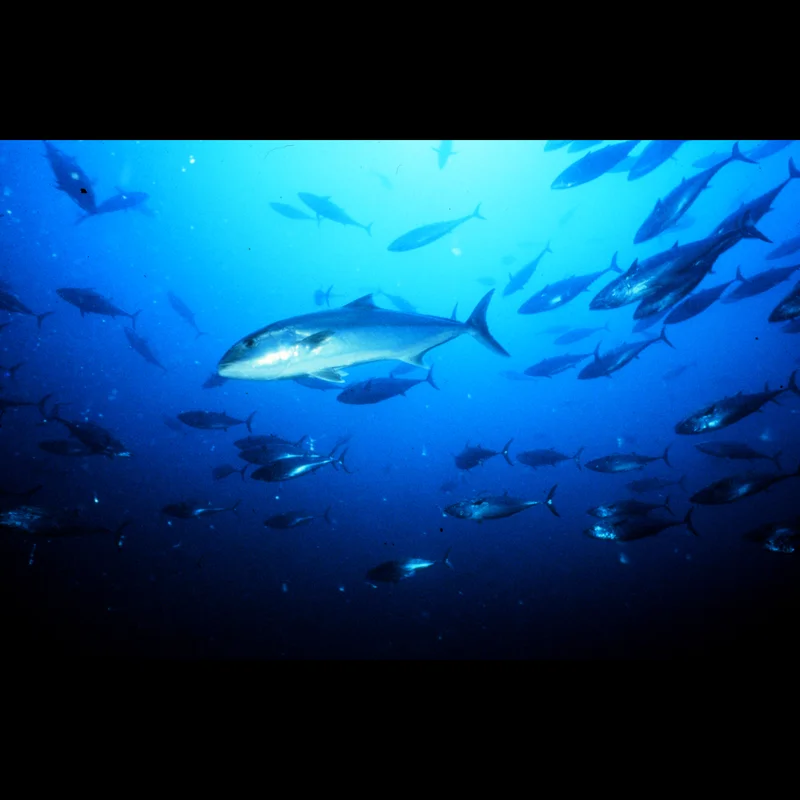
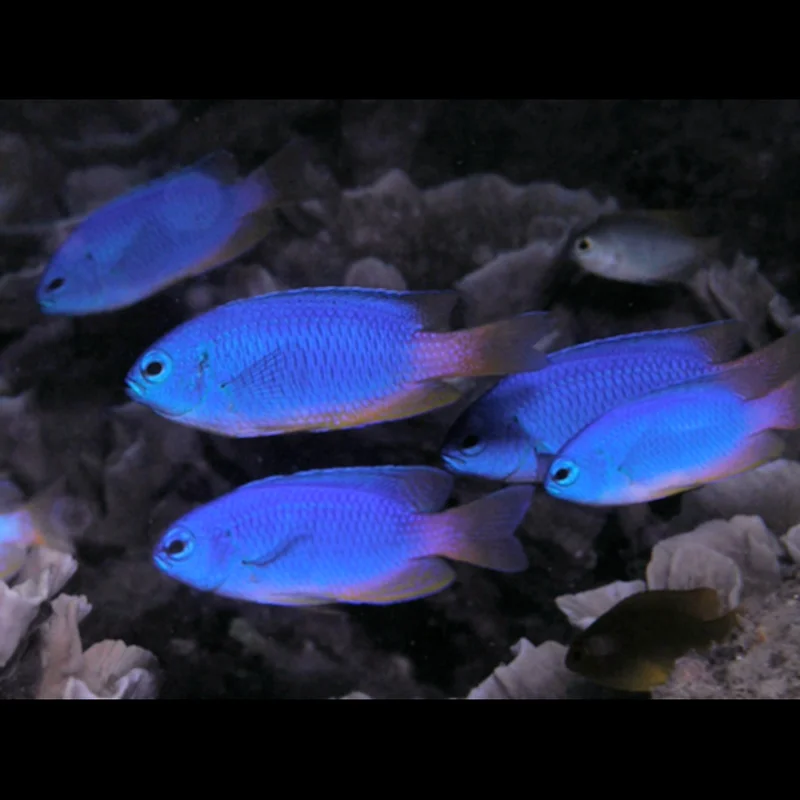
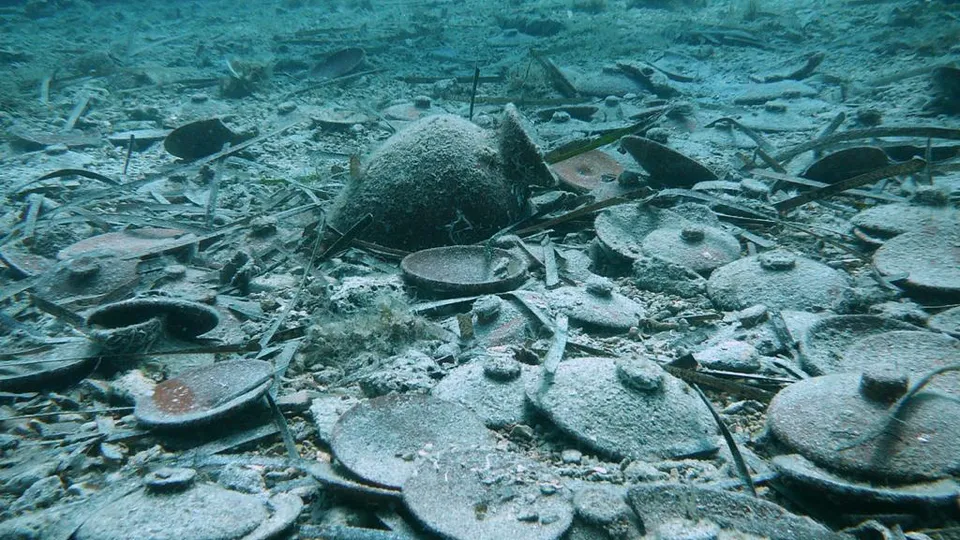
Isolated miles from rocky reefs across an open sandy plain, Luana functions as a magnet for Northern Adriatic marine life. Thick shoals of damselfish, anthias, Bogue, and picarel form shimmering curtains above the midships superstructure, regularly attracting hunting greater amberjack, dentex, and solitary John Dory.
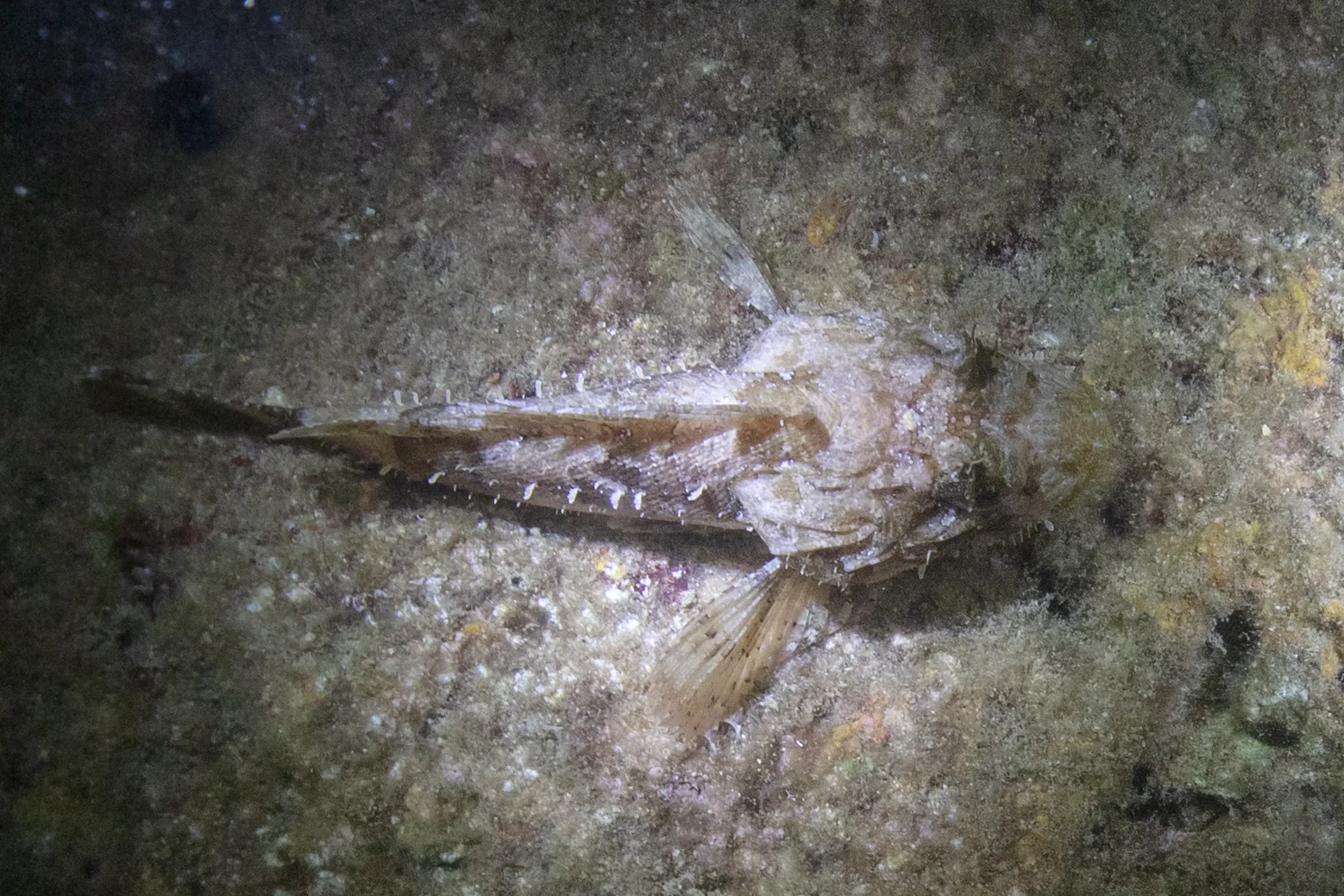
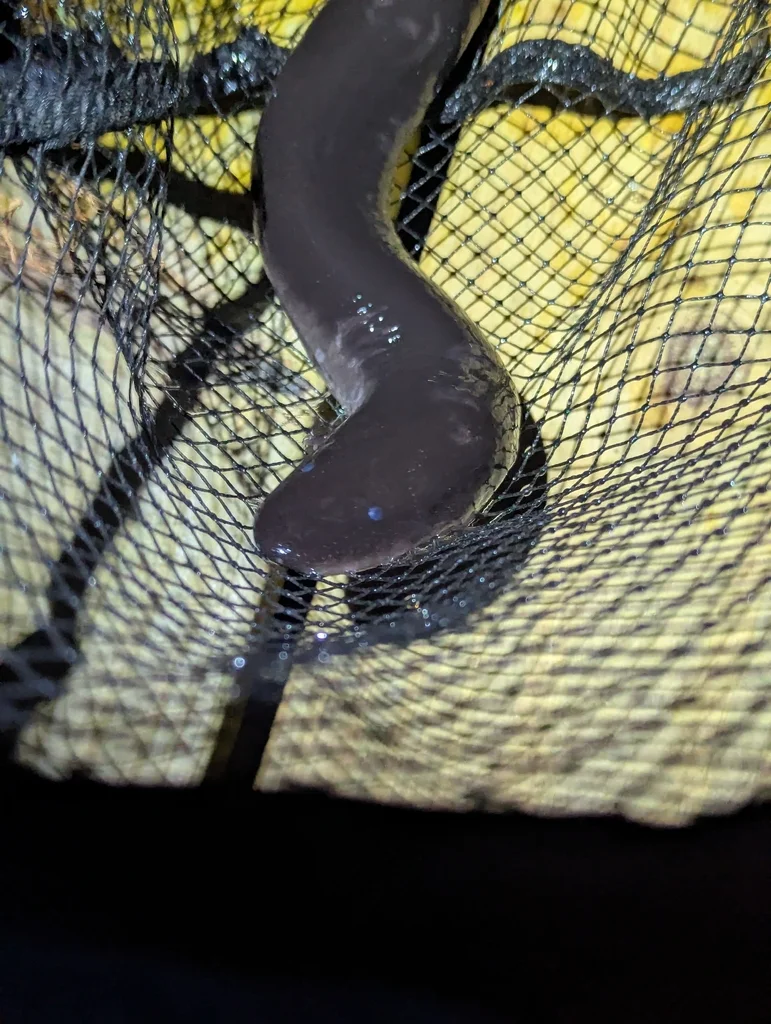
Inside the dark recesses of the engine room, boiler casing, and twisted bow plates, impressive European conger eels share crevices with nocturnal forkbeards (Phycis phycis) whose pale pelvic fin filaments probe the shadows. Heavy European lobsters tuck beneath bottom hull plates along the 48-meter sand line.
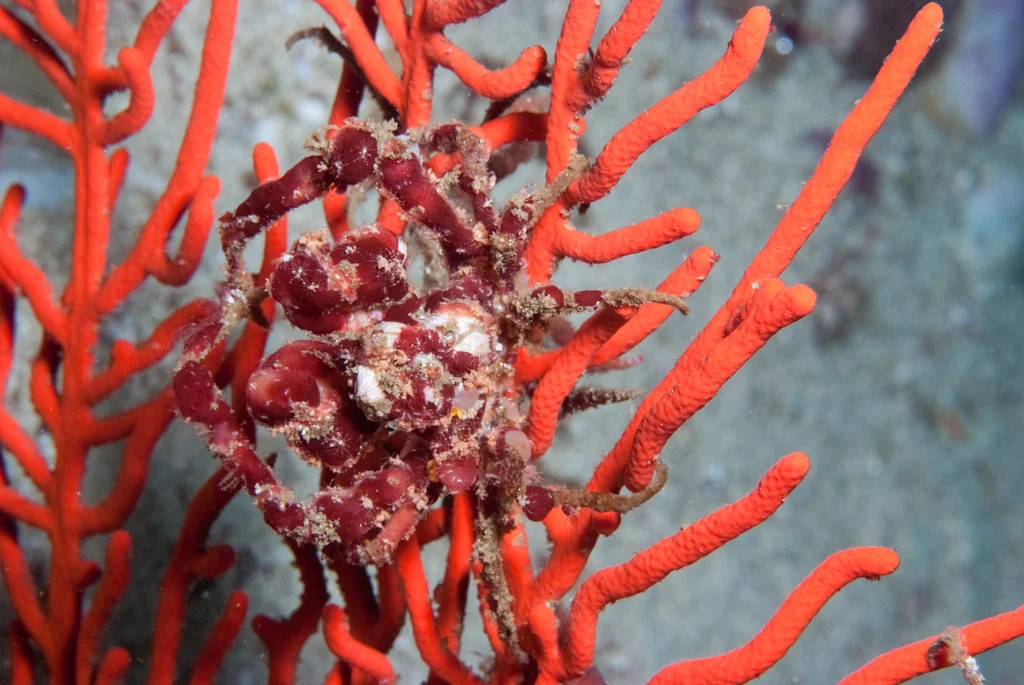
Bright red scorpionfish rest motionless across sponge-encrusted winches, fallen mast spars, and lifeboat davits, blending seamlessly into orange and yellow encrusting sponges, bryozoans, and cluster anemones.
1 / 2
Image contributors:Diego Delso, Georgina Jones + 3 more
Want to contribute photos or local dive knowledge? Learn how to contributeDive Sites Near Wreck Luana
View all dive sites in CroatiaDiscover more underwater gems in this area.
Max 50 m
14.3 km
advancedCesare Rossarol
ArchaeologicalBoat
Max 45 m
15 km
advancedTB 26 Flamingo
ArchaeologicalBoat
Max 42 m
11.2 km
advancedSubmarine U-81
ArchaeologicalBoat
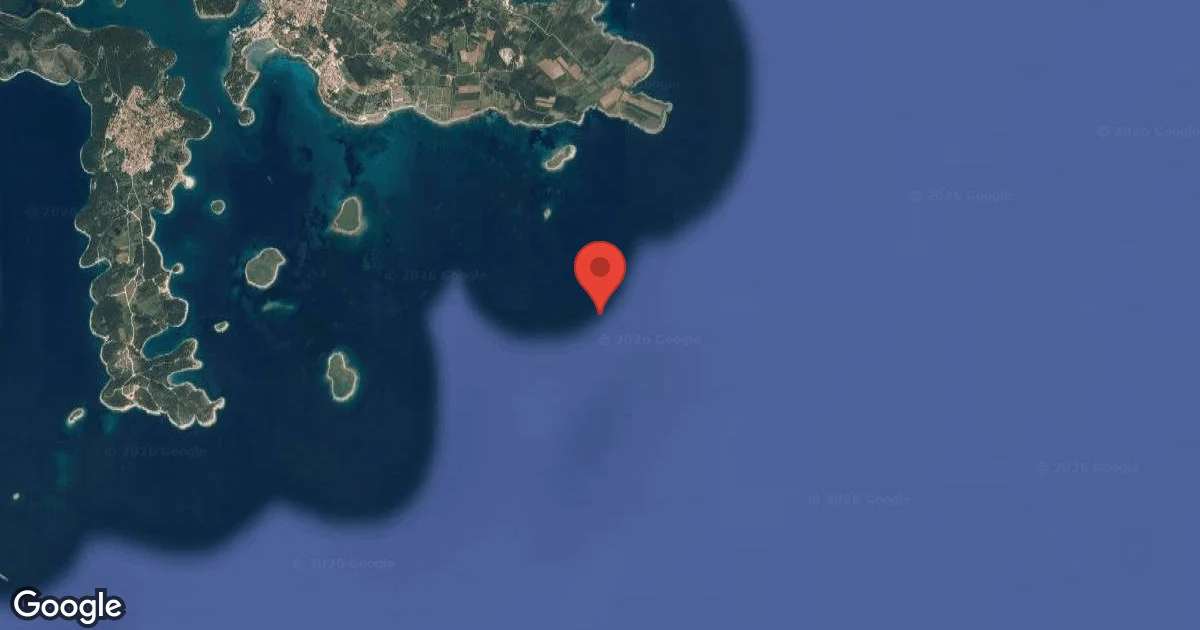
Max 38 m
8.7 km
advancedŠeka Levanić
BoatDown Line
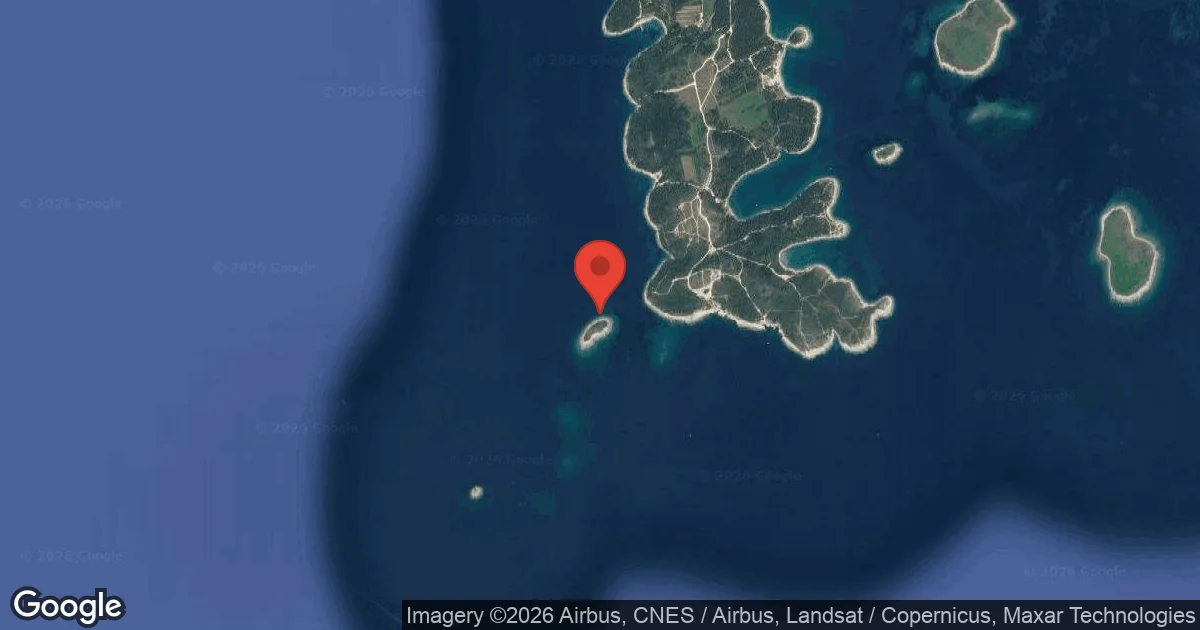
Max 30 m
10.7 km
advancedFenoliga Island
ArchaeologicalBoat
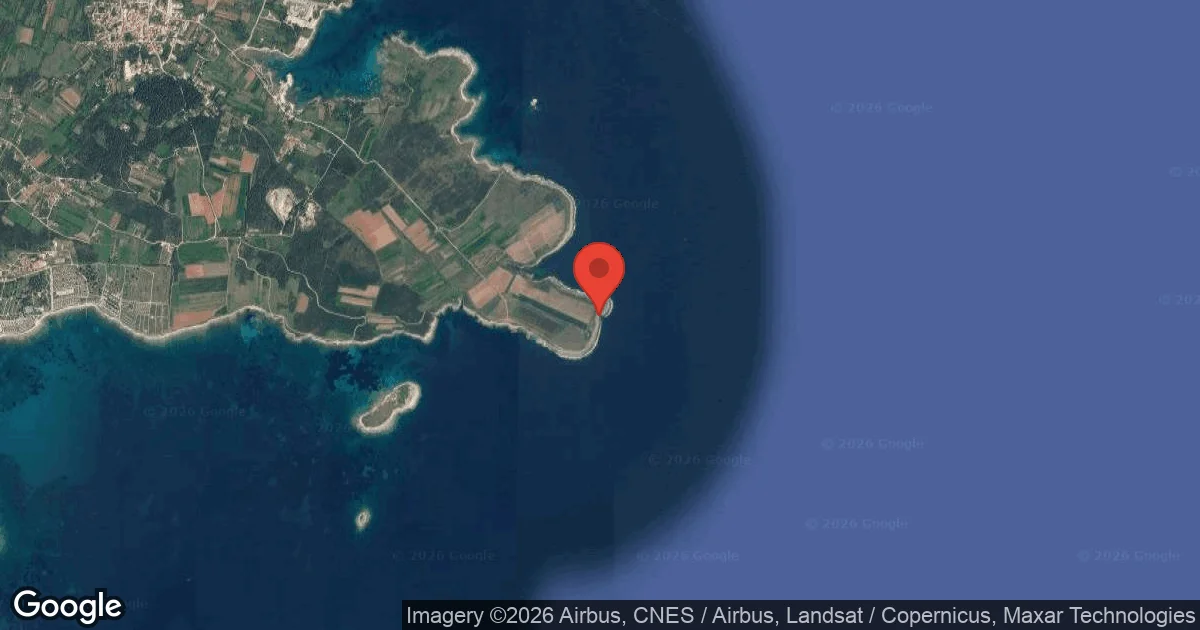
Max 40 m
11.4 km
360°intermediateCape Marlera
BoatOcean
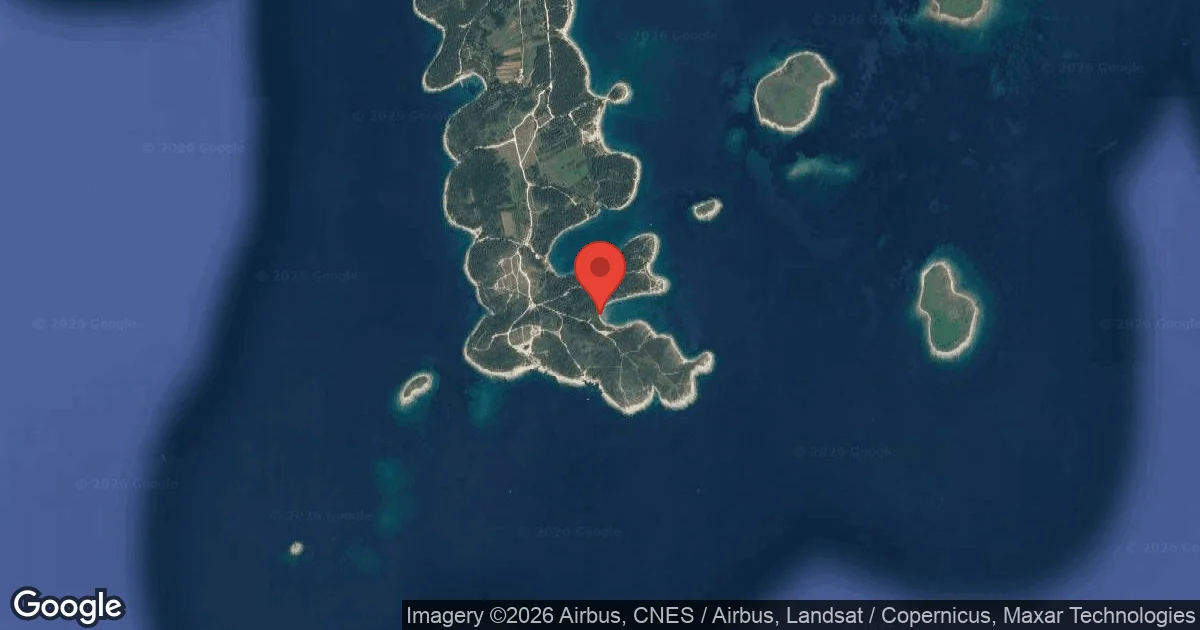
Max 16 m
10.1 km
360°beginnerDebeljak Cove
BeachBoat
Max 20 m
10.6 km
beginnerBodulaš Island
Anchor DiveBoat
Max 50 m
14.3 km
advancedCesare Rossarol
ArchaeologicalBoat
Max 45 m
15 km
advancedTB 26 Flamingo
ArchaeologicalBoat
Max 42 m
11.2 km
advancedSubmarine U-81
ArchaeologicalBoat
Max 38 m
8.7 km
advancedŠeka Levanić
BoatDown Line
Max 30 m
10.7 km
advancedFenoliga Island
ArchaeologicalBoat
Max 40 m
11.4 km
360°intermediateCape Marlera
BoatOcean
Max 16 m
10.1 km
360°beginnerDebeljak Cove
BeachBoat
Max 20 m
10.6 km
beginnerBodulaš Island
Anchor DiveBoat
Max 14 m
11 km
beginnerLokvica Cove
BeachBoat
Max 38 m
12 km
360°intermediatePolje Cove
BoatOcean
1 / 2
Dive Centers Near Wreck Luana
Working Hours
Sun09:30 - 19:00
Mon09:30 - 19:00
Tue09:30 - 19:00
Wed09:30 - 19:00
Thu09:30 - 19:00
Fri09:30 - 19:00
Sat09:30 - 19:00
Today: 09:30 - 19:00
Sun09:30 - 19:00
Mon09:30 - 19:00
Tue09:30 - 19:00
Wed09:30 - 19:00
Thu09:30 - 19:00
Fri09:30 - 19:00
Sat09:30 - 19:00
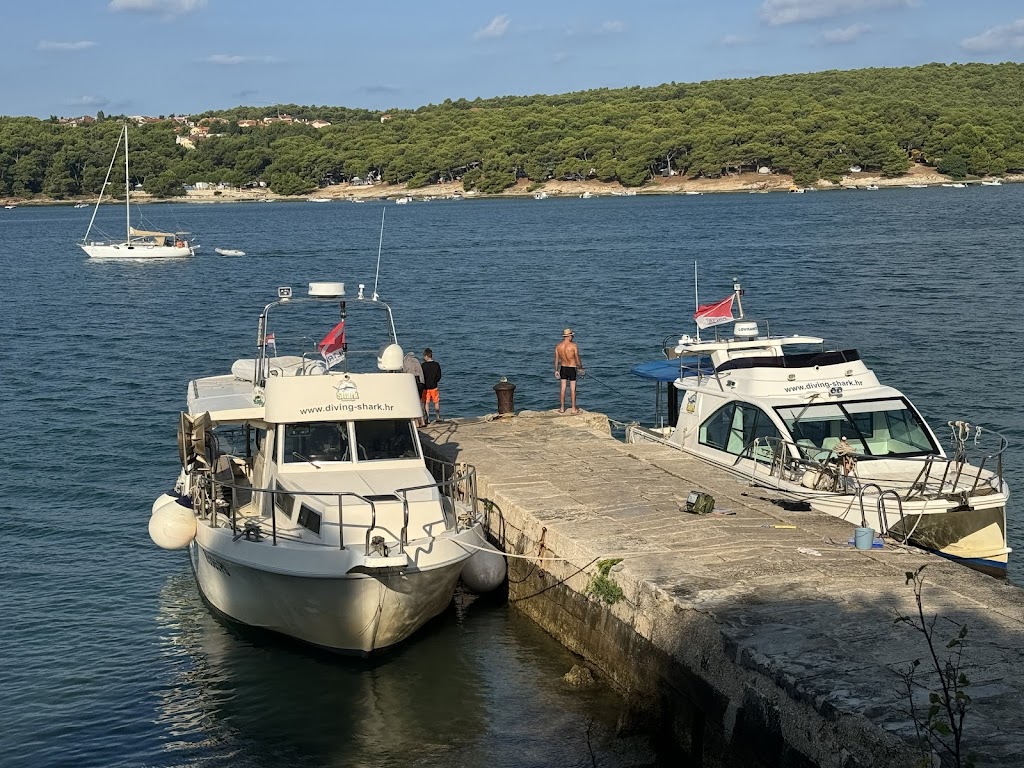
4.6| 244 reviews
13 km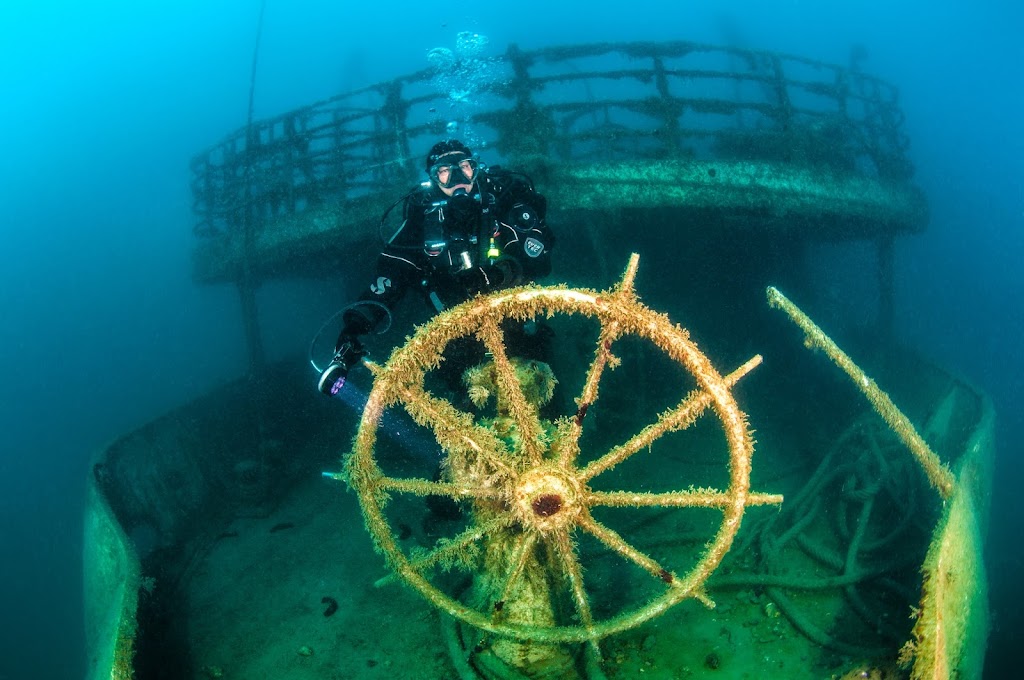
4.7| 211 reviews
18.4 km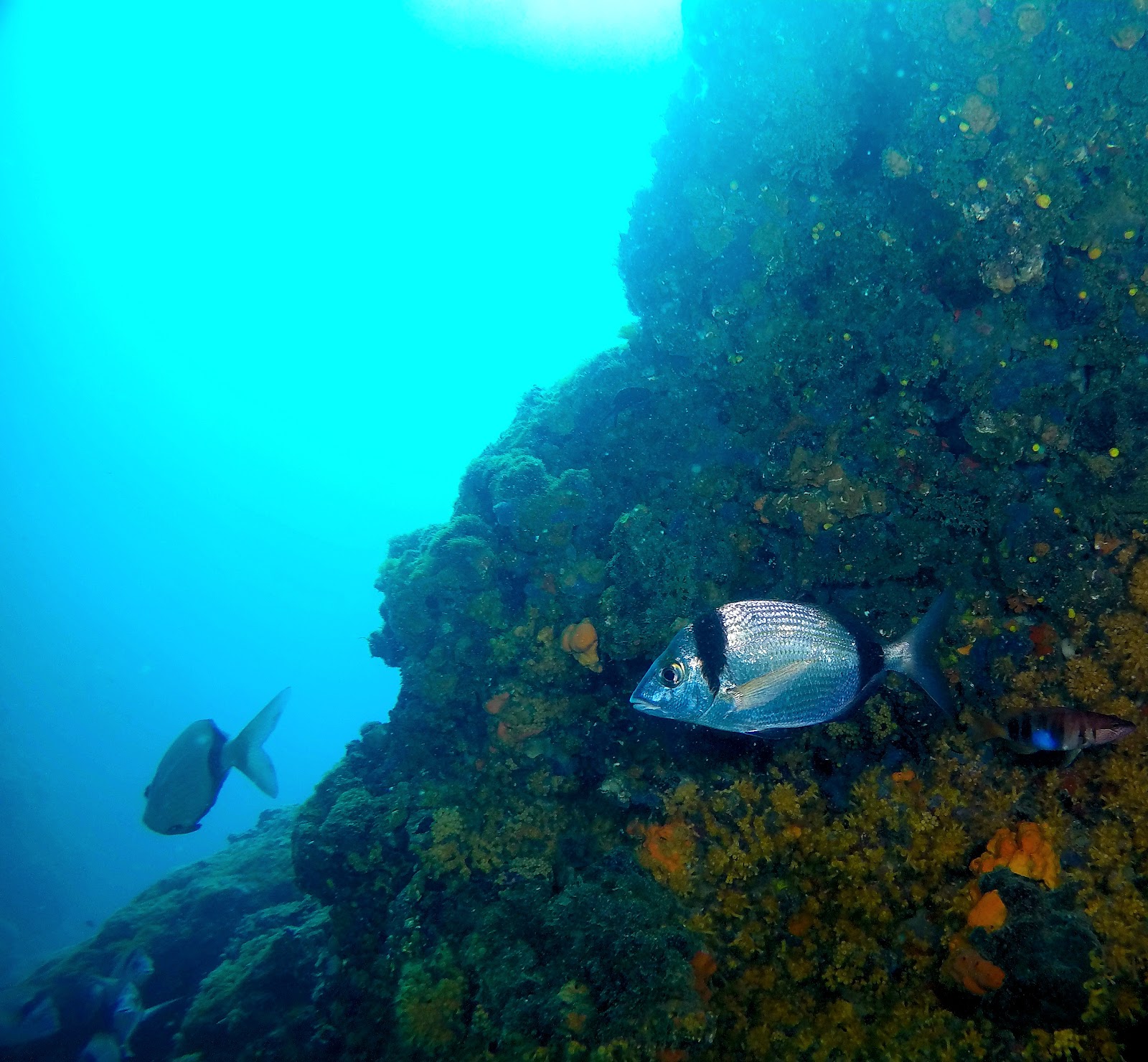
4.7| 129 reviews
19.5 km
Girandella Diving Centre
4.8(231)• 44.2 km
Nearest Airports
Nearest airports to help plan travel to this dive area.
Pula Airport PUY
22 km
Rijeka Airport RJK
73 km
Zadar Airport ZAD
127 km
💵 Currency: EUR
Search Flights
Check available flights and routes on Expedia, using the nearby airports listed in this section.
Search Flights on ExpediaAffiliate link · Dive Navigator may earn a commission at no extra cost to you.
Frequently Asked Questions
How did the steamship Luana sink off Medulin?
On March 3, 1947, while transporting bauxite ore from Manfredonia to Venice, Luana strayed into an uncleared World War II minefield off southern Istria and struck a naval mine under her forward hold.
Why is visibility on Wreck Luana usually clearer than on nearshore Pula wrecks?
Luana rests on a clean sandy seabed seven nautical miles offshore where steady open-sea currents flush the water column, regularly maintaining 15 to 25 meters of visibility.
Is a special cultural heritage permit needed to dive Wreck Luana?
No special individual heritage permit is required beyond diving with a licensed Croatian dive operator, as the wreck has open access status.
Can divers enter the interior of Wreck Luana?
Experienced, properly equipped wreck divers can explore the wide-open cargo holds, though caution is required around collapsed bridge framing and snagged fishing nets toward the stern.
What marine species are signature sightings on Luana?
Divers consistently encounter large European conger eels, forkbeards sheltering inside dark crevices, European lobsters under the hull, red scorpionfish on deck, and passing amberjack.
How long is the boat ride to Wreck Luana?
Depending on the vessel and departure harbor around Medulin, Premantura, or Ližnjan, the offshore run covers roughly seven nautical miles and takes 30 to 45 minutes in calm seas.
Trip Inquiry
Planning to dive Wreck Luana?
Tell us your dates and diving needs. We'll review your request and seek offers from relevant local dive centers.
Request Dive Offers Free request for offers • No booking obligation
Wreck Luana
Conditions are Moderate
5/10
Confidence: 8/10
Indicates meteorological model agreement and data availability.
DIVE WARNING
High Wind Advisory (49km/h). Unsafe surface.
06:12
18:45
H: 10:45
L: 16:20
Air / Sea Temp
13° / 17°
Wave Height
1.3 m
Wind Speed
49 km/h NE
Rain Chance
50%
Current conditions near Wreck Luana show 13° air, 17° sea temperature, 1.3 m waves, and 49 km/h wind. Forecast data is refreshed regularly to ensure accuracy.
Radius: ~12km
Updated: Nov 23, 2026, 01:45 local timeMARINE: OPEN-METEOWEATHER: YR.NO


