Loading...

Diving at Šeka Levanić (Croatia)
Published
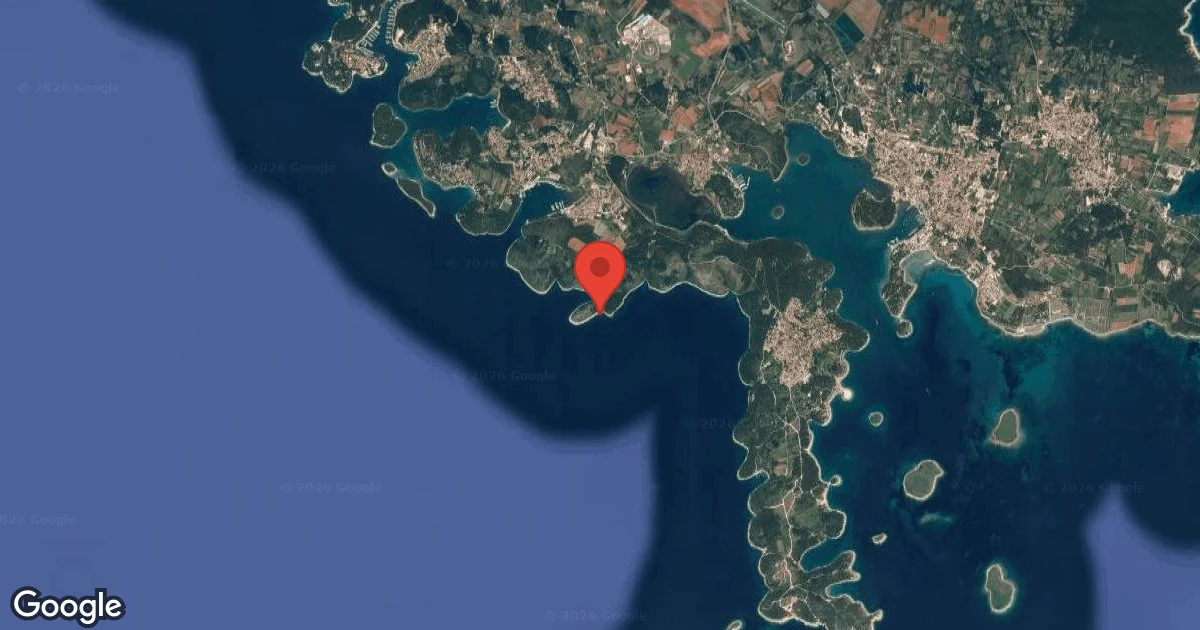
An exposed offshore shoal 3.3 nautical miles off Medulin where a 22-meter summit plateau gives way to a lobster- and conger-lined limestone wall down to 38 meters.
Early observations for Šeka Levanić report a surface air temperature of 13.5°C. The water surface is currently presenting wave heights of 0.6 m. Consider these environmental metrics before beginning your descent.
Dive Site Location & Key Facts
Site Characteristics
Max Depth38m / 125ft
Entry Typeboat
Water Typesalt
Dive Types
DeepPinnacleWall
Dive Site Overview
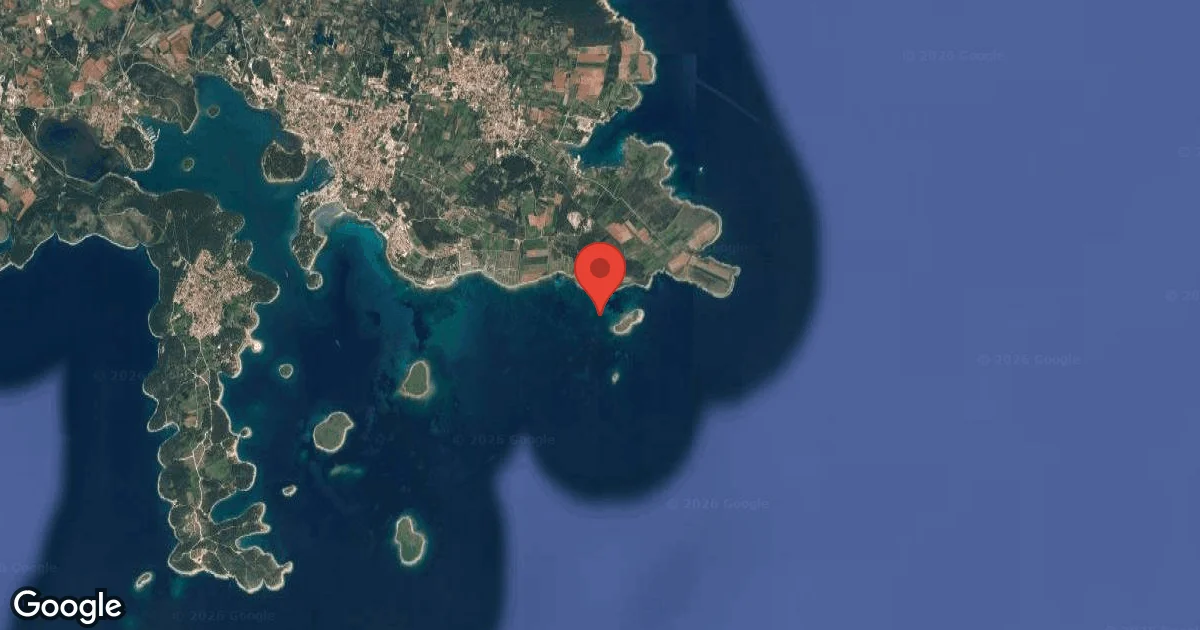
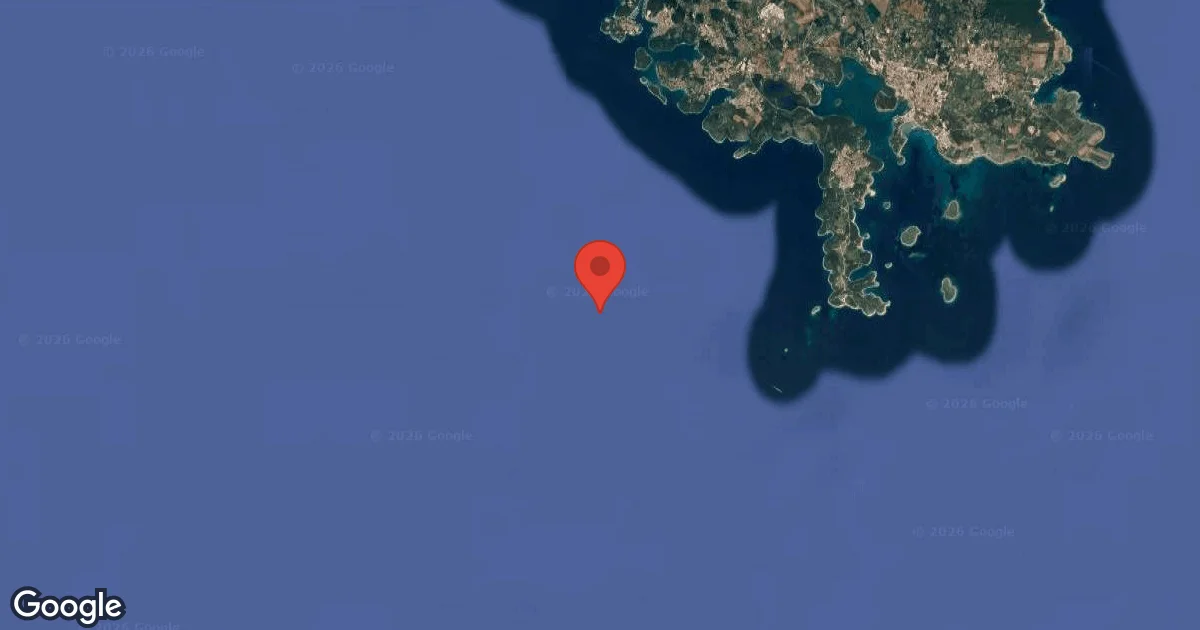
Located 3.3 nautical miles out from Medulin in the open waters south of Cape Marlera, Šeka Levanić ('Levanić Shoal') offers true offshore pinnacle diving in southern Istria. Unlike nearshore coves where divers can ascend gradually along a beach slope, this submerged limestone bank never breaks the surface—its shallowest crown sits 22 meters down in clear Adriatic water.
Boat skippers locate the formation by sonar and drop a weighted shotline onto the flat rocky plateau at 22 meters. After descending straight down the line through open blue water, divers fan out across the sponge-carpeted summit to the rim of an undercut vertical wall that drops 7 to 8 meters in sheer relief before sloping further across boulders and detrital sand to 38 meters.
Because of its offshore isolation, minimum plateau depth of 22 meters, and exposure to open-channel currents, Šeka Levanić is run exclusively for experienced advanced divers. Those with solid buoyancy and gas management are rewarded with pristine coralligenous wall growth and encounters with large crustaceans rarely seen in shallow coastal bays.
Šeka Levanić
Conditions are Poor
4/10
Confidence: 8/10
Indicates meteorological model agreement and data availability.
DIVE WARNING
High Wind Advisory (57km/h). Unsafe surface.
06:12
18:45
H: 10:45
L: 16:20
Air / Sea Temp
13° / 17°
Wave Height
1.6 m
Wind Speed
57 km/h NE
Rain Chance
50%
Current conditions near Šeka Levanić show 13° air, 17° sea temperature, 1.6 m waves, and 57 km/h wind. Forecast data is refreshed regularly to ensure accuracy.
Radius: ~12km
Updated: Nov 21, 2026, 05:10 local timeMARINE: OPEN-METEOWEATHER: YR.NO
Best Time to Dive
The reliable offshore season spans late May through early October, when stable summer high-pressure systems calm the open Kvarner approaches. September and June frequently deliver 20-to-25-meter visibility over the shoal and active pelagic fish movement around the plateau edge.
Because Šeka Levanić lies completely unprotected from wind fetch in every direction, trips depend strictly on low-wind marine forecasts. Even moderate Bora or Jugo winds raise choppy offshore seas that complicate boat anchoring and shotline ascents, making calm morning departures essential.
PEAK SEASON SCORE
92/100
ExcellentScores combine air & water temps, waves, wind & rainfall for overall conditions.
BEST MONTHS TO DIVE
JUN
JUL
AUG
DIVE SCORE GUIDE (0–100)
Excellent (90–100)
Very Good (80–89)
Good (70–79)
Moderate (50–69)
Poor (30–49)
Not Recommended (0–29)
Monthly records compiled from satellite and marine observation nodes over the last 3 years. Data provided by Open-Meteo and MET Norway.
Dive Experience & Conditions
Every dive starts and finishes on the down-line. Keep steady visual contact with the line during the initial 22-meter blue-water drop to equalize smoothly and check for any mid-water current before stepping off onto the summit plateau. Below the summer thermocline—which typically sits between 16 and 20 meters, just above the shoal top—water temperatures remain a brisk 14 to 16°C even in August.
Tracing the 7-to-8-meter vertical wall between 24 and 35 meters is the centerpiece of the dive. Bring a bright primary torch to restore the rich reds, oranges, and yellows of encrusting sponges and bryozoans, then ascend back to the 22-meter shotline with ample reserve gas to complete a controlled mid-water ascent and 5-meter safety stop on the line.
Dive Difficulty & Safety Guidelines
With no reef shallower than 22 meters, disciplined no-decompression tracking and conservative gas planning (such as applying the rule of thirds or diving enriched air nitrox within certified maximum operating depths) are mandatory. Never extend bottom time at 35–38 meters to the point where you risk unexpected decompression obligations in open water.
Every diver—not just the dive leader—should carry a delayed surface marker buoy and finger spool in case current pulls the team off the shotline during ascent. Wear adequate thermal protection including a hood so sub-thermocline chill does not accelerate air consumption.
Recommended Equipment
Deep dive hazard. Increased narcosis and gas consumption risk.
- Dive Computer
- DSMB
- Primary & Backup Lights
This gear list is based on verified equipment signals for Šeka Levanić, Croatia. Always confirm final gear choices with your dive operator, guide, or liveaboard.
Recommended Dive Suit
With water temperatures around 17°C (62°F), many divers find a 5-7mm wetsuit provides comfortable protection.
Local dive briefings can provide the most accurate guidance.
Weather models indicate a small drop in surface temperatures later this week. Cooler days are ahead; you might want a warmer option for later in the week. A warmer option can provide additional comfort if conditions shift.
Šeka Levanić conditions last reviewed: 05:10 local time (UTC+1), Nov 21, 2026
Due to technical issues with our weather providers, data hasn't been fetched for over 48 hours. The data above reflects the conditions at the time of the last successful fetch.
Emergency & Medical Support
Essential information to help you plan your dive trip to Šeka Levanić.

Hyperbaric chambers are a critical part of dive safety infrastructure. Availability varies significantly by region, and not all dive areas have immediate access.
Before diving, it's recommended to:
- confirm nearest medical facilities
- check emergency procedures with local dive operators
- ensure dive insurance covers evacuation if required
24/7 Available
Divers Alert Network
Diving emergency assistance available through DAN Europe.
+39 0642115685- 24/7 emergency hotline
- Diving medical assistance
- Evacuation coordination
Emergency contacts are provided for reference. Always verify local emergency services before diving.
Closest Listed Hyperbaric Chambers (≤ 200 km)
Approximate straight-line distances from this dive site — emergency travel times may vary.
14 km14 kmPoliklinika za baromedicinu OXY – Podružnica Pula
Pula, Croatia+385 52 215 663Details14 kmPoliklinika za baromedicinu OXY – Podružnica Pula
Pula, Croatia · Multiplace
Hours: Mon–Fri 07:30–15:30Facility: Opća bolnica PulaICU On-Site: Not reportedSource: KBC Rijeka / Poliklinika OXYOfficial website
14 km
Poliklinika za baromedicinu OXY – Podružnica Pula
Pula, Croatia+385 52 215 663Details
14 km
Poliklinika za baromedicinu OXY – Podružnica Pula
Pula, Croatia · Multiplace
Hours: Mon–Fri 07:30–15:30
Facility: Opća bolnica Pula
ICU On-Site: Not reported
Source: KBC Rijeka / Poliklinika OXY
Official website70 km70 kmPoliklinika za baromedicinu OXY – Poslovna jedinica Crikvenica
Crikvenica, Croatia+385 51 785 229Details70 kmPoliklinika za baromedicinu OXY – Poslovna jedinica Crikvenica
Crikvenica, Croatia · Multiplace
Hours: Mon–Fri 07:30–15:30Facility: Thalassotherapia CrikvenicaICU On-Site: Not reportedSource: KBC Rijeka / Poliklinika OXYOfficial website
70 km
Poliklinika za baromedicinu OXY – Poslovna jedinica Crikvenica
Crikvenica, Croatia+385 51 785 229Details
70 km
Poliklinika za baromedicinu OXY – Poslovna jedinica Crikvenica
Crikvenica, Croatia · Multiplace
Hours: Mon–Fri 07:30–15:30
Facility: Thalassotherapia Crikvenica
ICU On-Site: Not reported
Source: KBC Rijeka / Poliklinika OXY
Official website71 km71 kmZavod za podvodnu i hiperbaričnu medicinu – KBC Rijeka
Rijeka, Croatia24/7ICU+385 51 407 435Details71 kmZavod za podvodnu i hiperbaričnu medicinu – KBC Rijeka
24/7 ListedICU CapableRijeka, Croatia · Multiplace (8 seated / 2 stretcher ICU)
Hours: 24/7 EmergencyFacility: Klinički bolnički centar Rijeka (Lokalitet Sušak)ICU On-Site: YesSource: KBC Rijeka / Poliklinika OXYOfficial website
71 km
Zavod za podvodnu i hiperbaričnu medicinu – KBC Rijeka
Rijeka, Croatia24/7ICU+385 51 407 435Details
71 km
Zavod za podvodnu i hiperbaričnu medicinu – KBC Rijeka
24/7 ListedICU CapableRijeka, Croatia · Multiplace (8 seated / 2 stretcher ICU)
Hours: 24/7 Emergency
Facility: Klinički bolnički centar Rijeka (Lokalitet Sušak)
ICU On-Site: Yes
Source: KBC Rijeka / Poliklinika OXY
Official websiteChamber data is sourced from official Croatian hospital and baromedicine facility records and has not been independently verified by Dive Navigator. Always contact local emergency services, DAN, your dive operator, or the facility directly before travelling.
Reference onlyMarine Life at Šeka Levanić
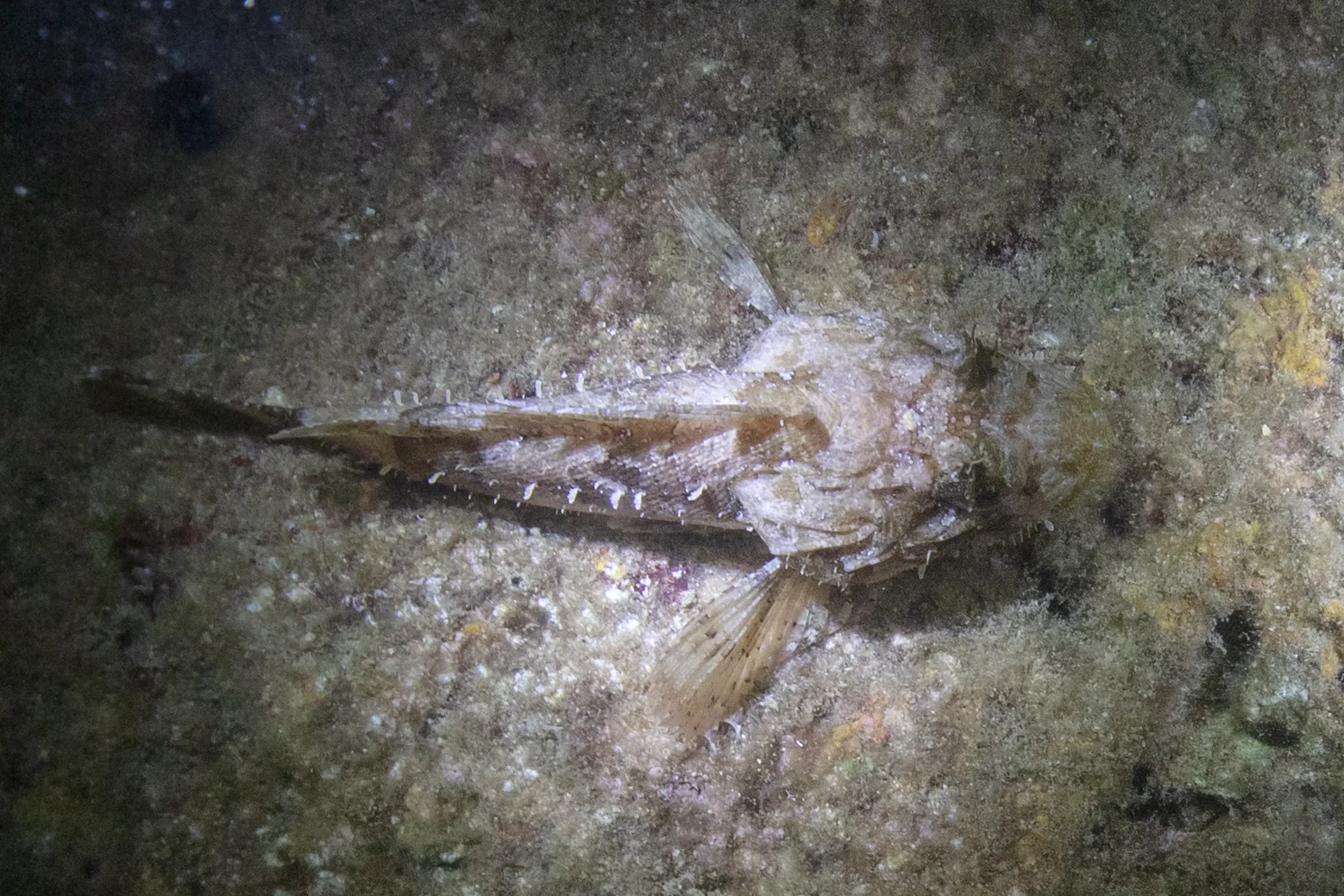
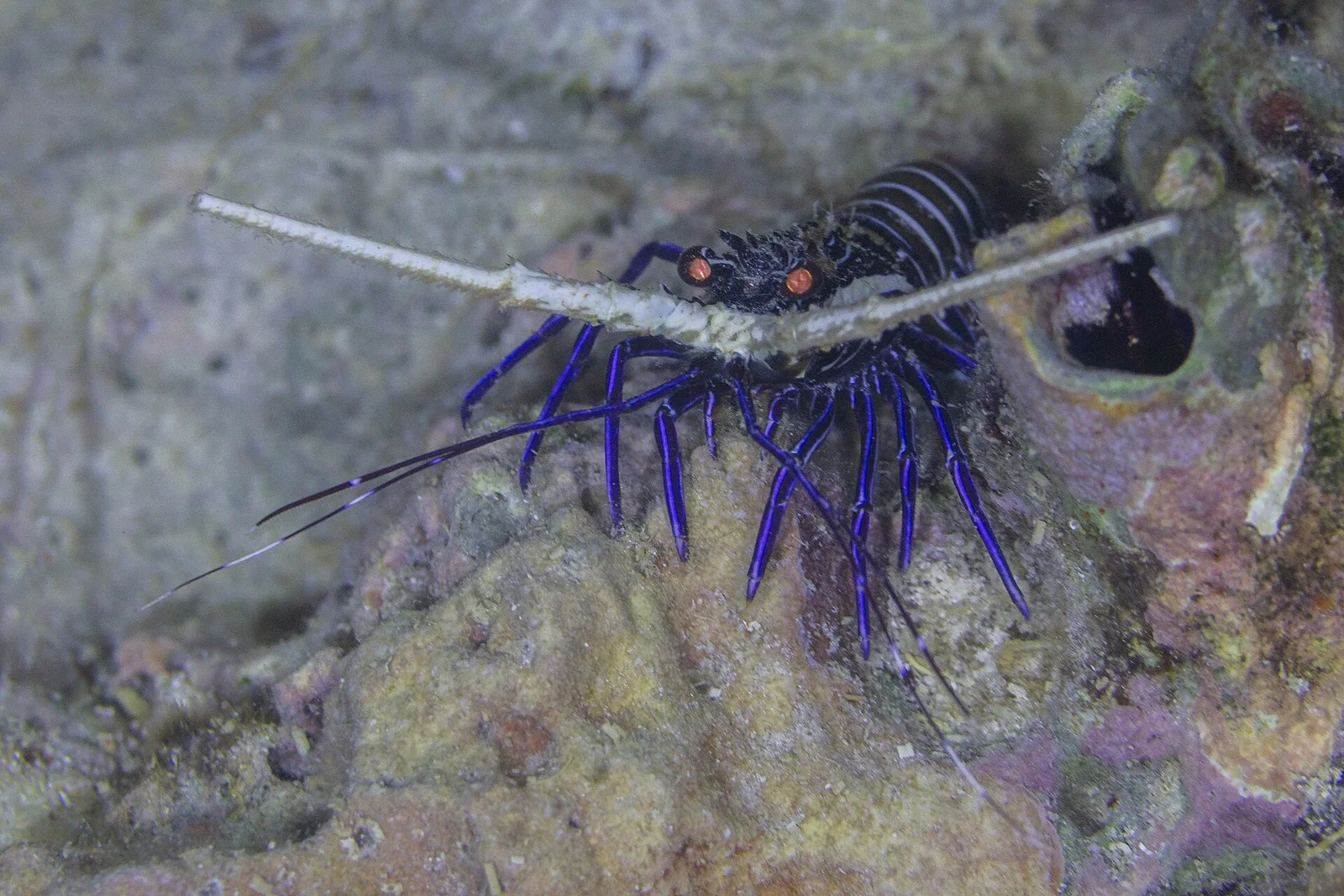
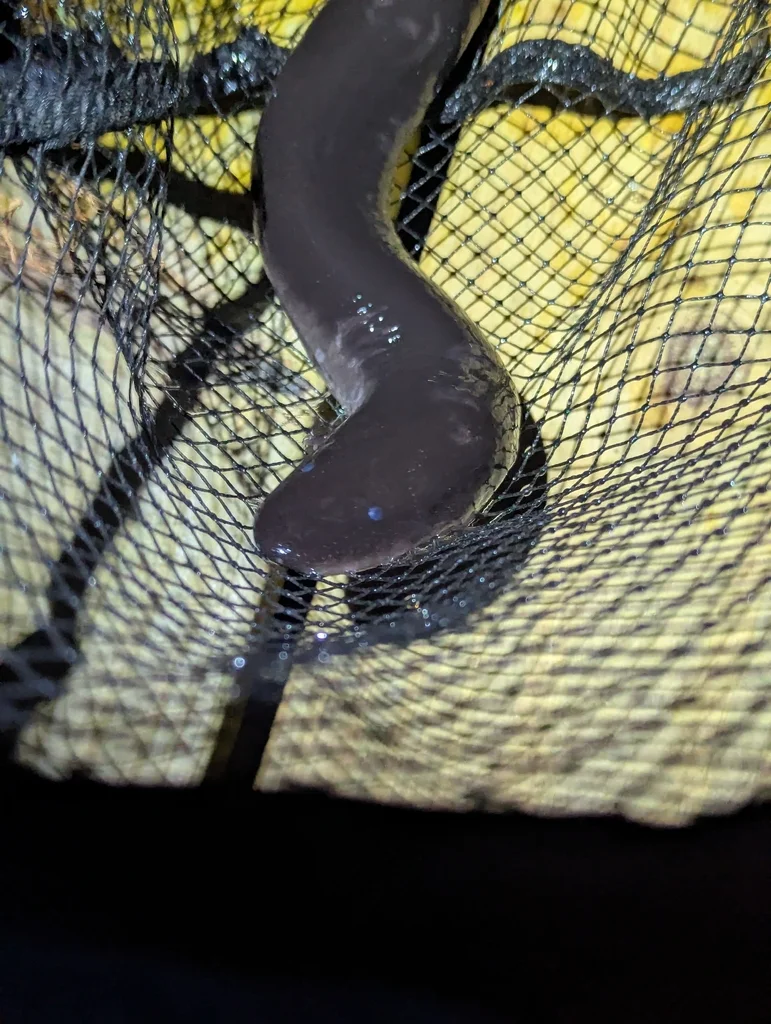
Deep horizontal cracks and undercut pockets along the 7-to-8-meter wall are prime territory for European spiny lobsters (Palinurus elephas), whose long whip-like antennae protrude from shaded crevices below 28 meters. Sharing these recesses are thick-bodied European conger eels (Conger conger), forkbeards (Phycis phycis), and large, heavily tasseled red scorpionfish (Scorpaena scrofa).
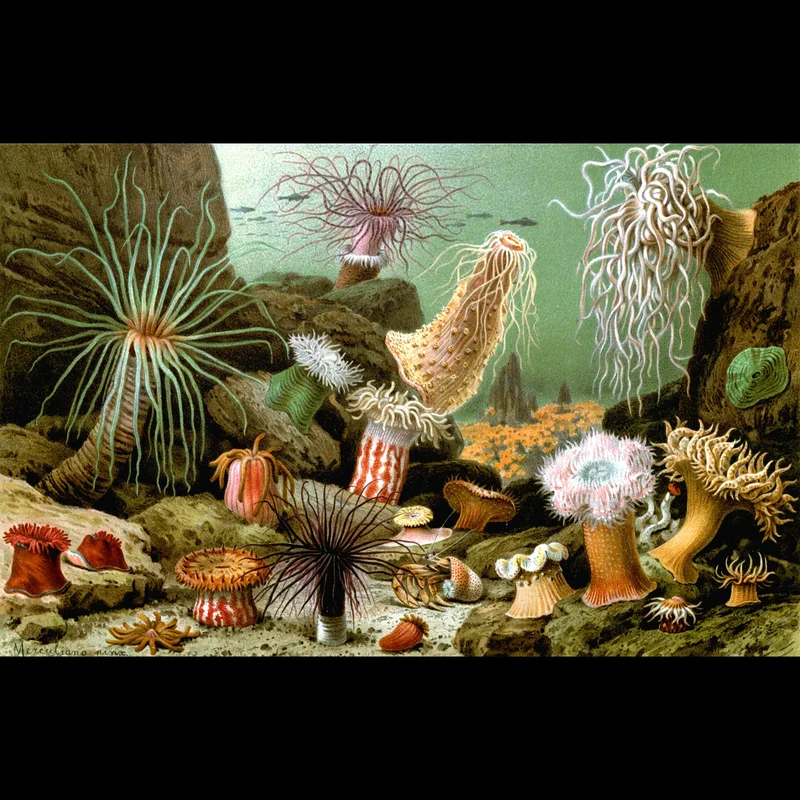
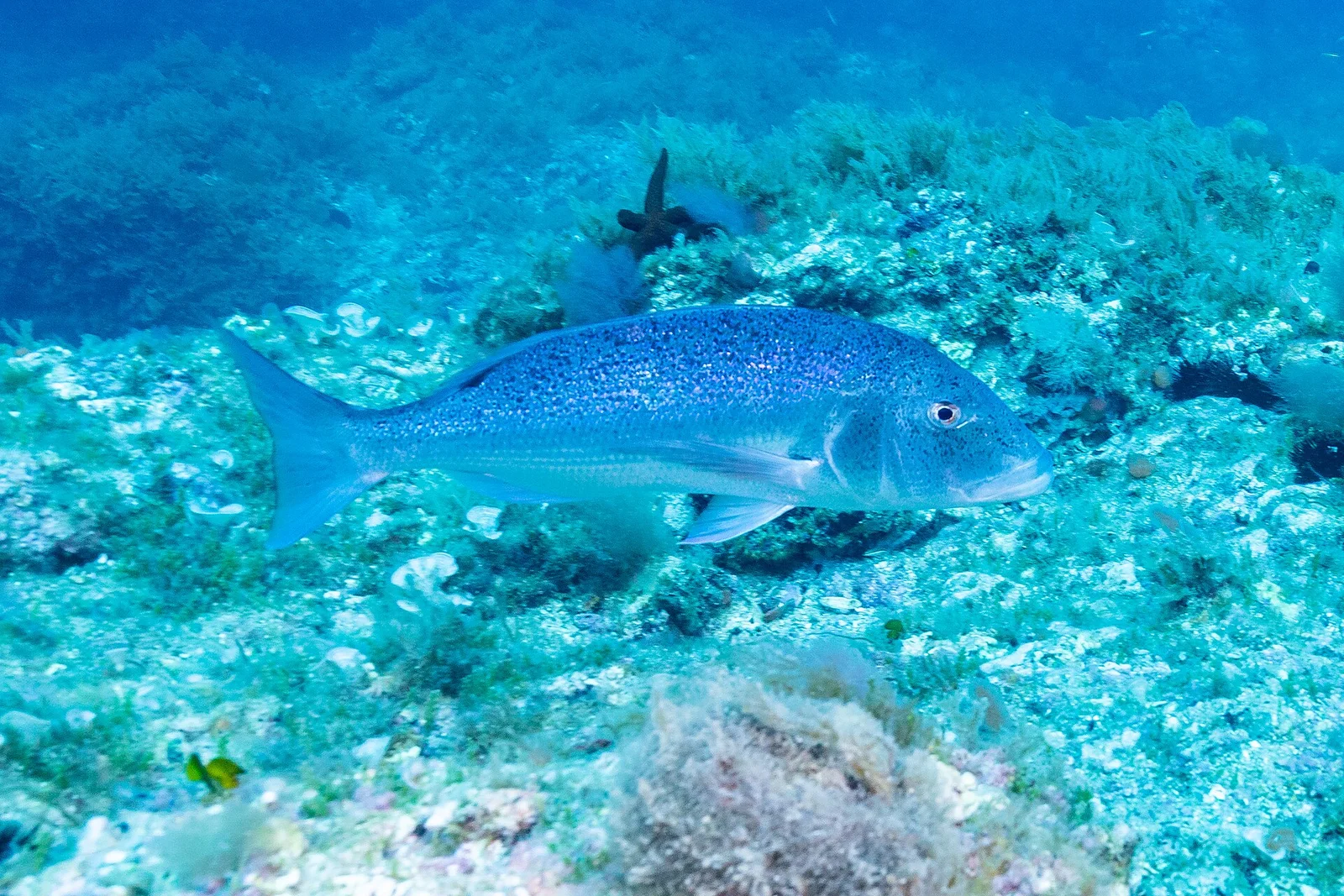
Over the 22-meter plateau rim, schools of damselfish and picarel attract hunting common dentex (Dentex dentex) and amberjack cruising in from the blue. Shaded overhangs burst with yellow cluster anemones (Parazoanthus axinellae), lacy bryozoans, red tunicates, and nudibranchs.
1 / 2
Image contributors:Diego Delso, Giacomo Merculiano
Want to contribute photos or local dive knowledge? Learn how to contributeDive Sites Near Šeka Levanić
View all dive sites in CroatiaDiscover more underwater gems in this area.
Max 42 m
12.1 km
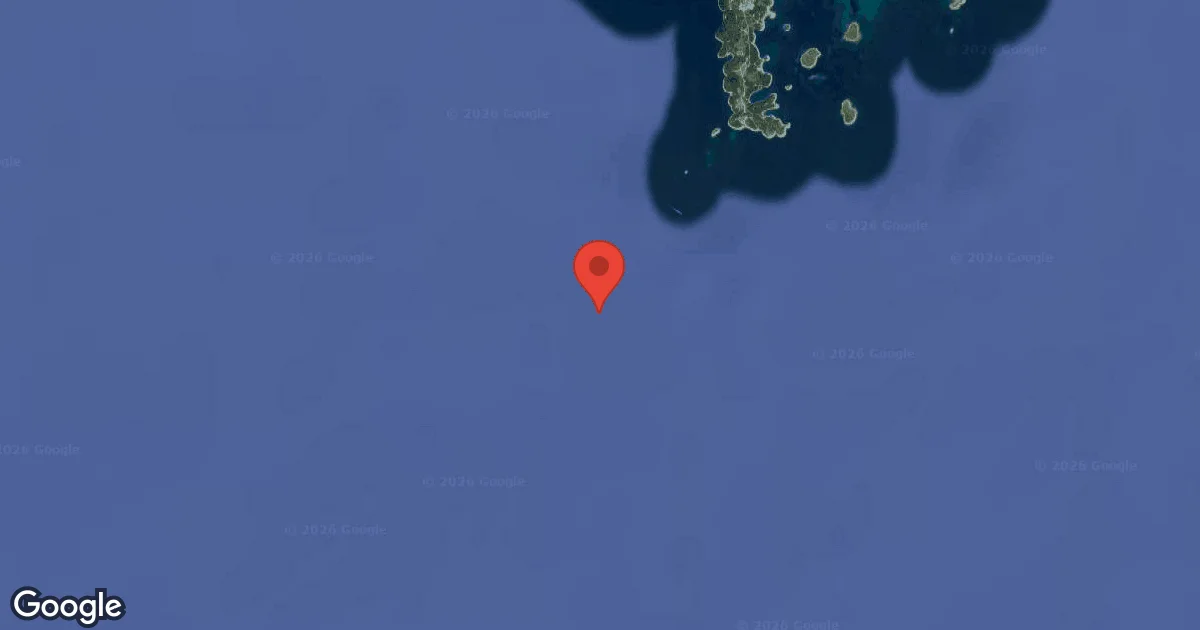
advancedSubmarine U-81
ArchaeologicalBoat
Max 40 m
2.9 km
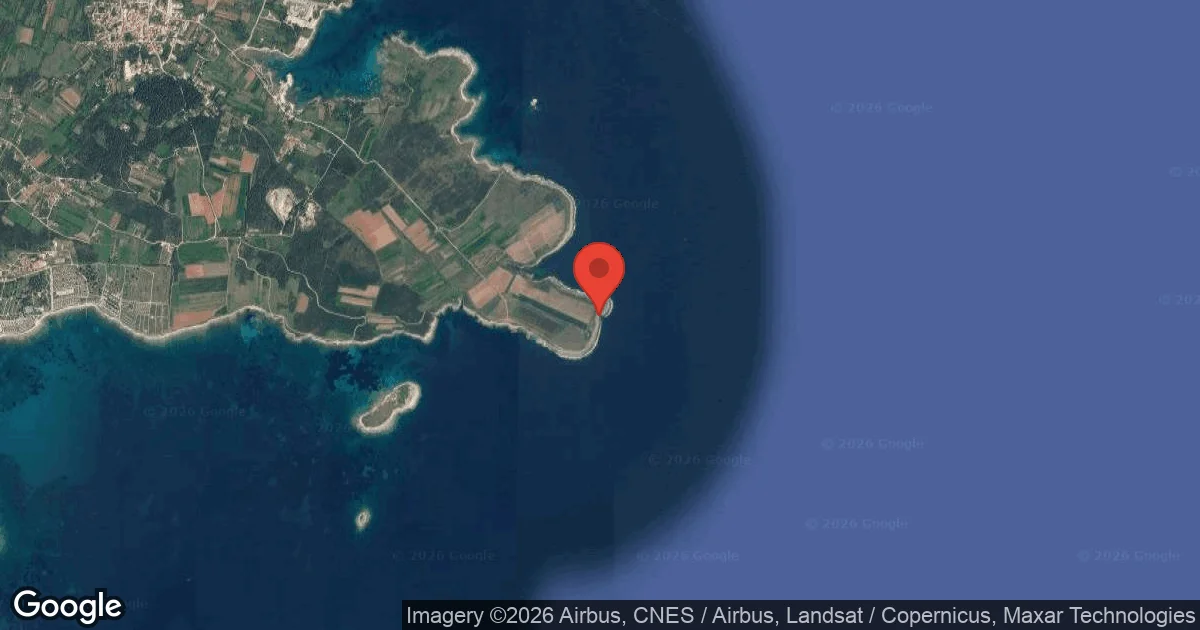
360°intermediateCape Marlera
BoatOcean
Max 50 m
5.9 km
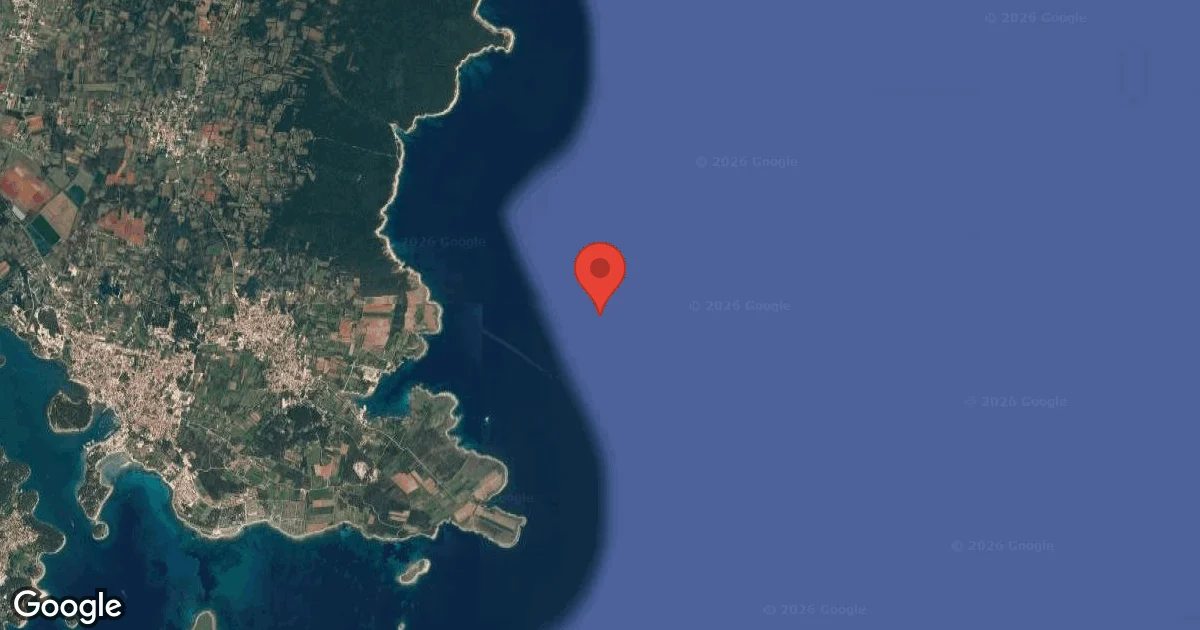
advancedCesare Rossarol
ArchaeologicalBoat
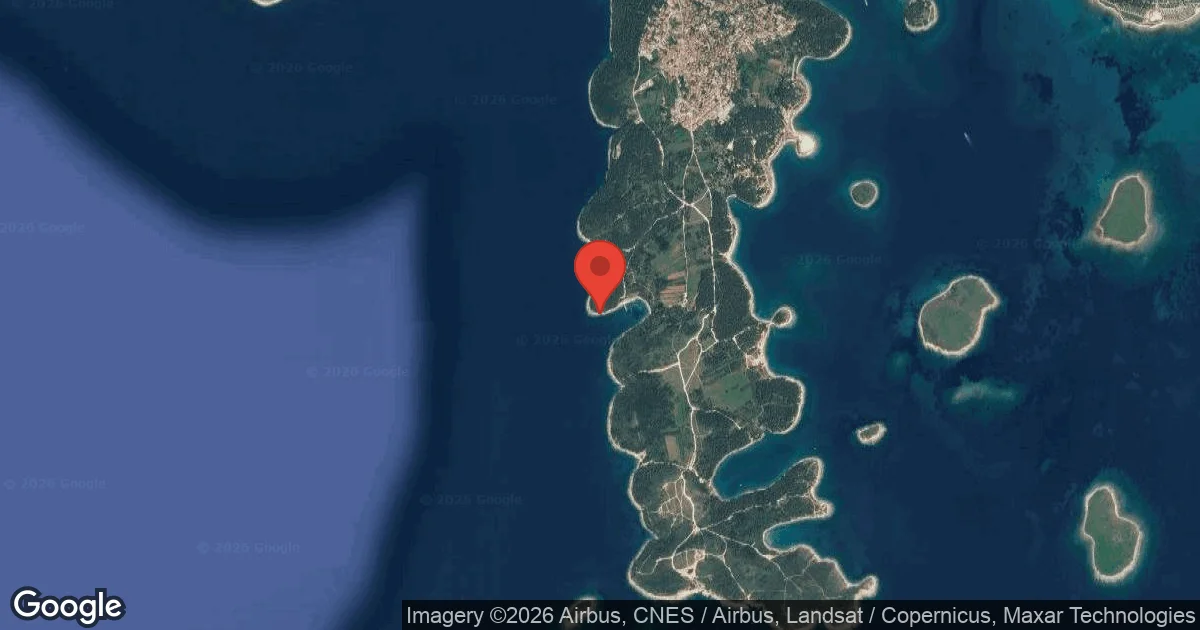
Max 38 m
7 km
360°intermediatePolje Cove
BoatOcean
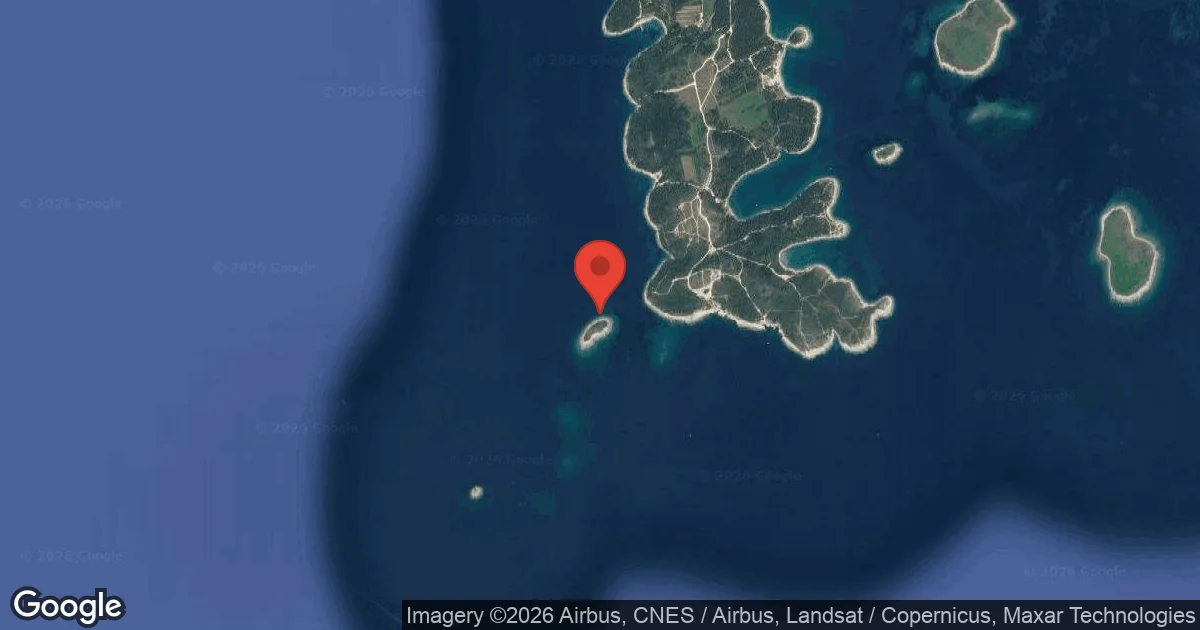
Max 30 m
7.2 km
advancedFenoliga Island
ArchaeologicalBoat
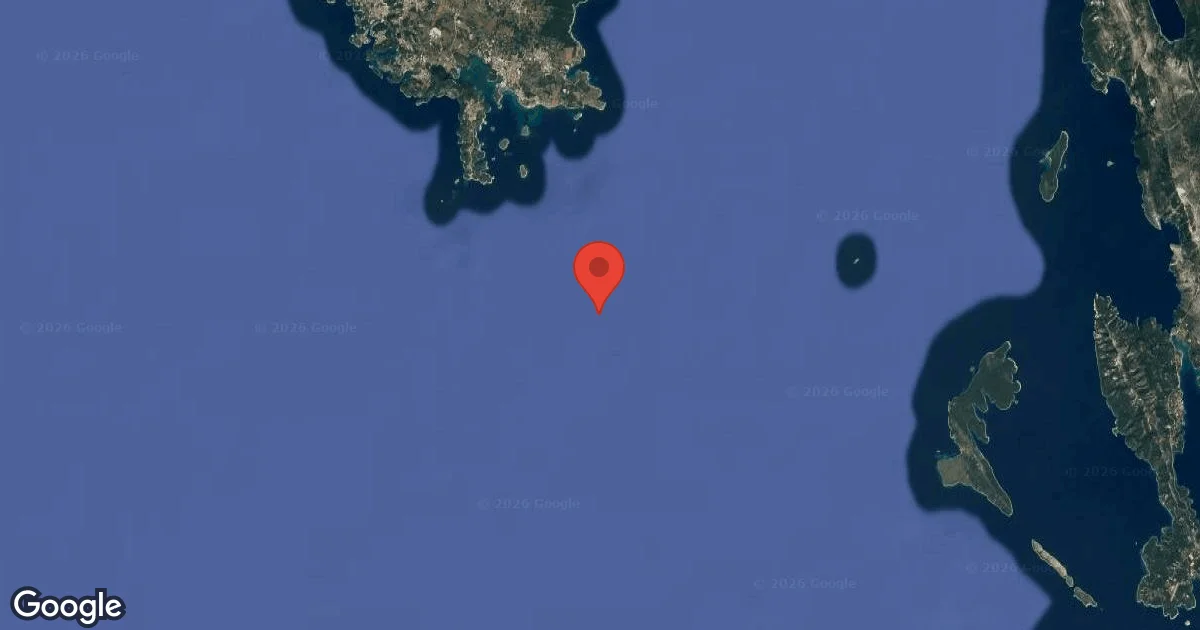
Max 48 m
8.7 km
advancedWreck Luana
BoatDown Line
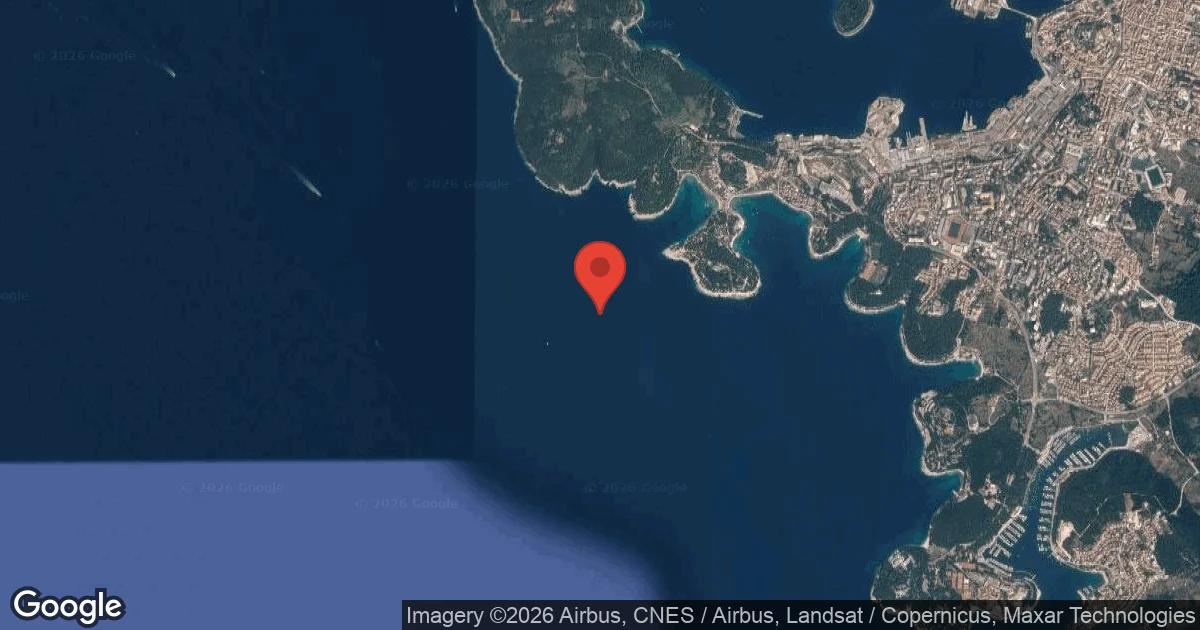
Max 42 m
16.9 km
advancedSubmarine Medusa
BoatDown Line
Max 38 m
9.4 km
360°intermediateRed Rocks Kamenjak
BoatCanyon
Max 42 m
12.1 km
advancedSubmarine U-81
ArchaeologicalBoat
Max 40 m
2.9 km
360°intermediateCape Marlera
BoatOcean
Max 50 m
5.9 km
advancedCesare Rossarol
ArchaeologicalBoat
Max 38 m
7 km
360°intermediatePolje Cove
BoatOcean
Max 30 m
7.2 km
advancedFenoliga Island
ArchaeologicalBoat
Max 48 m
8.7 km
advancedWreck Luana
BoatDown Line
Max 42 m
16.9 km
advancedSubmarine Medusa
BoatDown Line
Max 38 m
9.4 km
360°intermediateRed Rocks Kamenjak
BoatCanyon
Max 14 m
2.4 km
beginnerLokvica Cove
BeachBoat
Max 40 m
13.1 km
intermediateWreck Draga
BoatDown Line
1 / 2
Dive Centers Near Šeka Levanić
Working Hours
Sun09:30 - 19:00
Mon09:30 - 19:00
Tue09:30 - 19:00
Wed09:30 - 19:00
Thu09:30 - 19:00
Fri09:30 - 19:00
Sat09:30 - 19:00
Today: 09:30 - 19:00
Sun09:30 - 19:00
Mon09:30 - 19:00
Tue09:30 - 19:00
Wed09:30 - 19:00
Thu09:30 - 19:00
Fri09:30 - 19:00
Sat09:30 - 19:00
4.6| 244 reviews
5.9 km
4.7| 211 reviews
12.6 km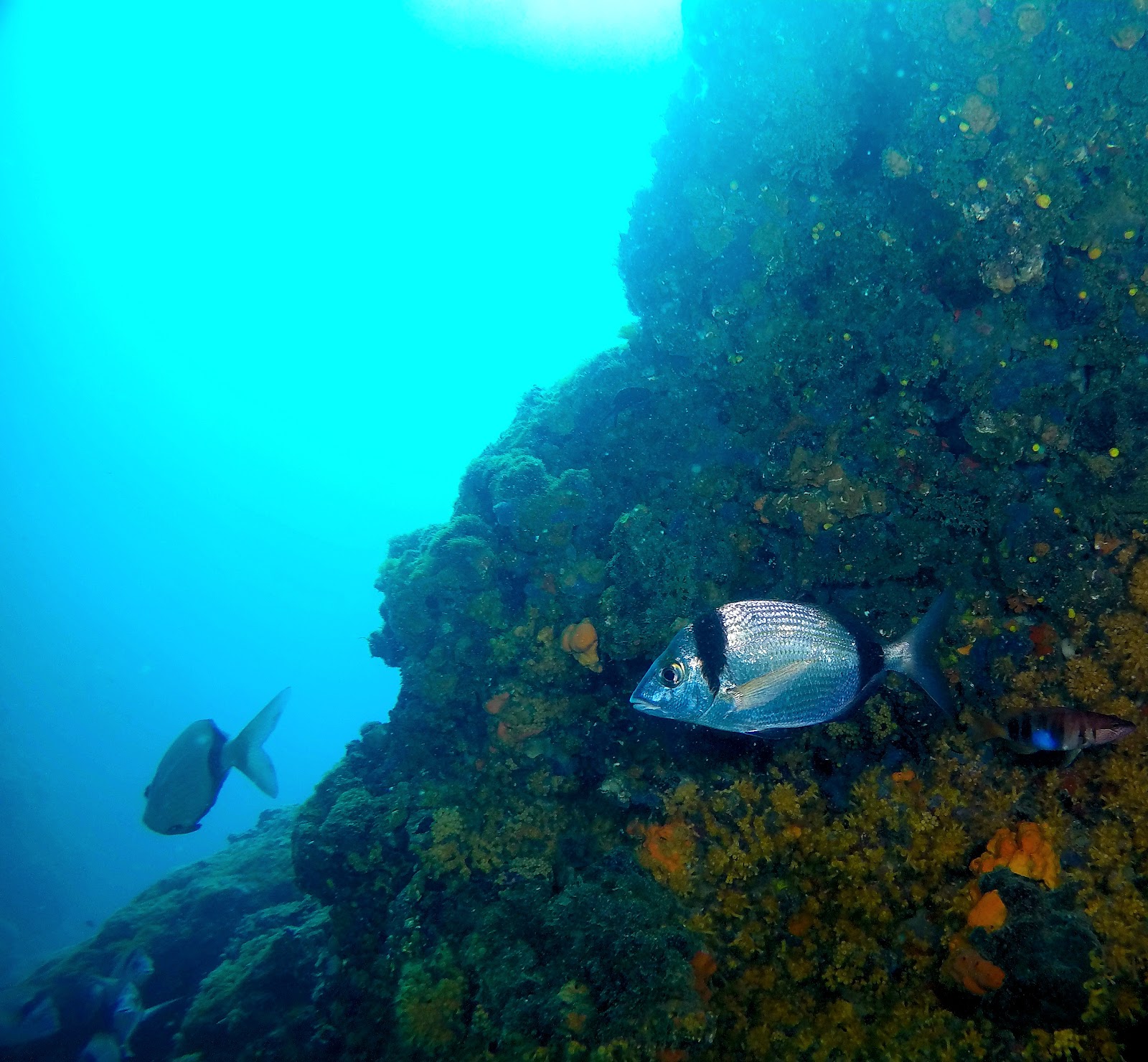
4.7| 129 reviews
13.4 km
Girandella Diving Centre
4.8(231)• 36.3 km
Nearest Airports
Nearest airports to help plan travel to this dive area.
Pula Airport PUY
14 km
Rijeka Airport RJK
67 km
Trieste Airport TRS
123 km
💵 Currency: EUR
Search Flights
Check available flights and routes on Expedia, using the nearby airports listed in this section.
Search Flights on ExpediaAffiliate link · Dive Navigator may earn a commission at no extra cost to you.
Frequently Asked Questions
Why is Šeka Levanić restricted to advanced divers?
Its shallowest rocky plateau sits at 22 meters in open sea 3.3 nautical miles offshore, requiring blue-water shotline descents and ascents down to a maximum depth of 38 meters.
How far is Šeka Levanić from Medulin?
The submerged shoal lies 3.3 nautical miles offshore from Medulin in the open waters outside the Medulin archipelago.
Is nitrox useful for diving Šeka Levanić?
Yes. Because the entire reef tour takes place between 22 and 38 meters, a suitable nitrox blend such as EAN30 or EAN32 significantly extends no-decompression bottom time along the wall.
What large marine life hides in the wall crevices?
Deep fissures along the 7-to-8-meter vertical wall regularly shelter European spiny lobsters, large red scorpionfish, European conger eels, and forkbeards.
How cold is the water on the plateau?
Because the 22-meter summit usually sits beneath the summer thermocline, water temperatures on the shoal typically stay around 14 to 17°C even during warm August weather.
How are ascents conducted at Šeka Levanić?
Divers navigate back to the plateau shotline to make a controlled ascent and 5-meter safety stop, carrying a delayed surface marker buoy as backup for open-water drift.
Trip Inquiry
Planning to dive Šeka Levanić?
Tell us your dates and diving needs. We'll review your request and seek offers from relevant local dive centers.
Request Dive Offers Free request for offers • No booking obligation
Šeka Levanić
Conditions are Poor
4/10
Confidence: 8/10
Indicates meteorological model agreement and data availability.
DIVE WARNING
High Wind Advisory (57km/h). Unsafe surface.
06:12
18:45
H: 10:45
L: 16:20
Air / Sea Temp
13° / 17°
Wave Height
1.6 m
Wind Speed
57 km/h NE
Rain Chance
50%
Current conditions near Šeka Levanić show 13° air, 17° sea temperature, 1.6 m waves, and 57 km/h wind. Forecast data is refreshed regularly to ensure accuracy.
Radius: ~12km
Updated: Nov 21, 2026, 05:10 local timeMARINE: OPEN-METEOWEATHER: YR.NO


