
Diving at Vera-K (Cyprus)
Operating conditions at Vera-K generally favor calm exploration, with visibility frequently extending to 25 meters. Resting at a maximum depth of 12 m / 39 ft within a crater, the accessible wreck presents a contained dive environment. A shallower 5-7 m / 16-23 ft rim surrounds the crater, suiting a range of certification levels. Expect generally moderate wave heights, often below 1 meter, supporting comfortable boat access from Paphos Harbour.
Tonight's objective overview for Vera-K shows an air temperature of 26.5°C. The measured surface conditions include wave heights around 0.9 m. This environmental data is logged for the close of the day.
Dive Site Location & Key Facts
Dive Site Overview
A submerged window into maritime history, Vera-K centers on a Lebanese freighter that ran aground in shallow water in 1972. Initially, the wreck served an unusual purpose: it was used for target practice by both Cypriot and British military forces; bullet casings are sometimes found in the sand.
Bombardment during this period contributed significantly to the vessel's eventual fate. Repeated impacts over time caused the structure to weaken significantly, ultimately posing a navigational hazard.
Consequently, a controlled explosion in 1974 sent the ship to the seabed, creating the crater where it now rests. Dispersal scattered the vessel, offering a varied exploration experience.
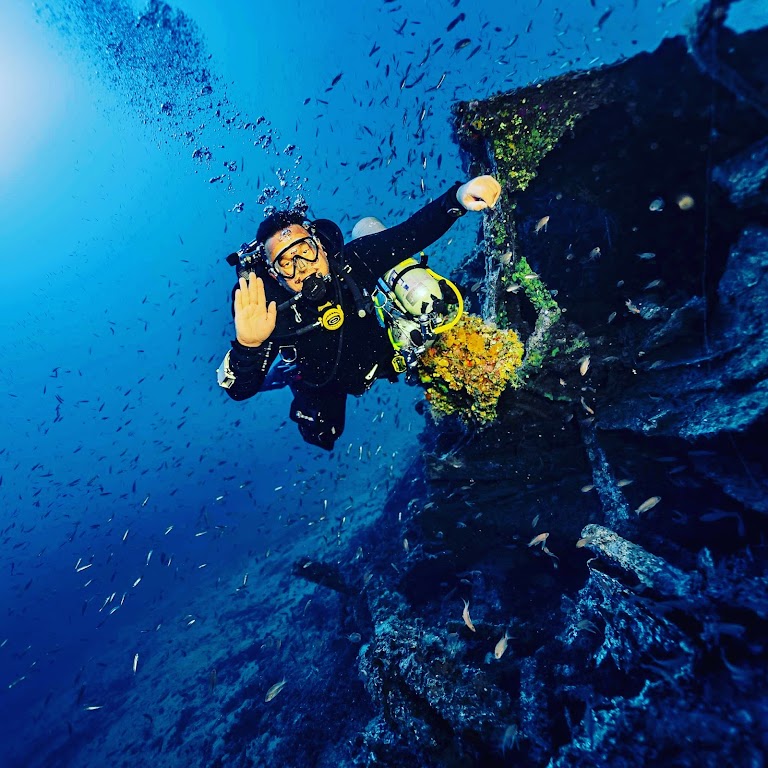
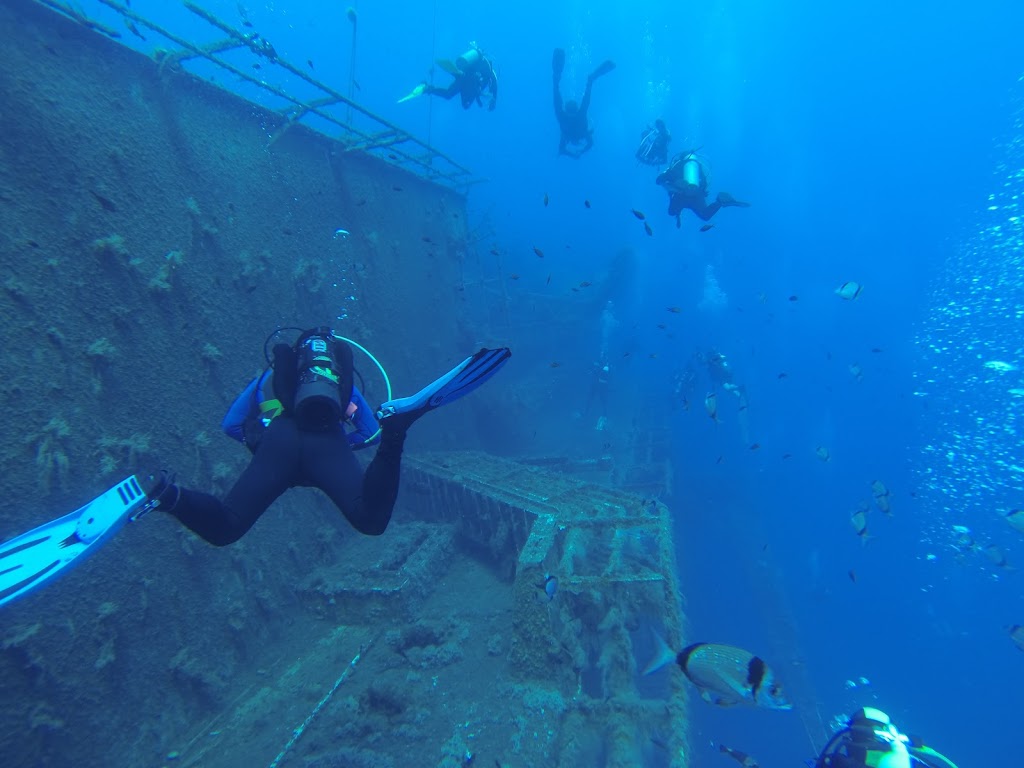
Vera-K is now across four main sections, with its bridge area remaining fairly intact, allowing observation of internal structure. Propellers often reveal themselves in the stern section, while other parts show destruction's sheer force.
An engine, notably still fully connected to its transmitter, provides an interesting detail for technical enthusiasts. Exploring fragmented sections gives a tangible sense of the ship's turbulent past.
Conditions are Good
Optimal conditions expected
Current conditions near Vera-K show 27° air, 28° sea temperature, 1.1 m waves, and 23 km/h wind. Forecast data is refreshed regularly to ensure accuracy.
Best Time to Dive
Divers seeking optimal conditions at Vera-K will find the period from June through October particularly rewarding. During these months, dive scores are consistently rated "Great", supported by air temperatures averaging 26-29°C / 79-84°F. Rainfall is minimal, often less than 0.25 mm, ensuring clearer skies and generally smoother surface conditions. Wave heights during this peak season tend to be lower, around 0.7-0.9 meters. Even outside these months, from March to May and November, conditions remain "Good", with air temperatures ranging from 15-21°C / 59-70°F and moderate rain. A shallower depth for the crater top, at 5-7 meters, makes it an excellent location for snorkelers and newer divers during these calm periods.
PEAK SEASON SCORE
Scores combine air & water temps, waves, wind & rainfall for overall conditions.
BEST MONTHS TO DIVE
Monthly records compiled from satellite and marine observation nodes over the last 3 years. Data provided by Open-Meteo and MET Norway.
Dive Experience & Conditions
Descending onto the initial reef shelf, divers typically begin at a depth of 5-6 meters, gathering before venturing into the crater. Following the reef wall on your left shoulder, divers enter the main crater near the bridge section of Vera-K. Split into four primary sections, the wreck lies completely submerged, with its deepest parts reaching approximately 12 meters / 39 ft. Towards the rear of the crater, a significant archway with multiple entrances and a series of swim-throughs awaits exploration. Currents are generally mild within the protected crater, contributing to a relaxed dive. Visibility is usually excellent, frequently reported at 25 meters, providing clear views of wreck features and resident marine life. Such clarity aids navigation through fragments and observation of the delicate ecosystem.
Dive Difficulty & Safety Guidelines
Approaching the Vera-K wreck necessitates a minimum certification level of Scuba Diver. If your last dive was more than a year ago, a refresher course is required before joining a scheduled dive. While the site is generally accessible, exploring the narrower tunnels and archways is best suited for more experienced divers.
Due to the wreck's age and the explosion, the structure, particularly the bridge, is fragile and slowly crumbling; therefore, swimming through the main bridge section is not advised. Divers should also be mindful of bullet casings that can sometimes be found in the sand, remnants from the wreck's past use as a military target.
Recommended Equipment
Overhead / entanglement risk. Wreck penetration requires proper training.
- Dive Computer
- DSMB
- Primary & Backup Lights
- Wreck Reel
- Cutting Tool
This gear list is based on verified equipment signals for Vera-K, Cyprus. Always confirm final gear choices with your dive operator, guide, or liveaboard.
Recommended Dive Suit
Water temperatures at Vera-K are currently estimated to be around 28°C (82°F), shaping the overall diving conditions for today. Surface air temperatures are resting at 27°C (80°F).
2-3mm shorty or light wetsuit is generally considered suitable for water temperatures like this. Consider warmer surface protection (like a boat coat) due to brisk winds.
Conditions in the coming days are expected to stay within a similar temperature range.
Emergency & Medical Support
Essential information to help you plan your dive trip to Vera-K.

Hyperbaric chambers are a critical part of dive safety infrastructure. Availability varies significantly by region, and not all dive areas have immediate access.
Before diving, it's recommended to:
- confirm nearest medical facilities
- check emergency procedures with local dive operators
- ensure dive insurance covers evacuation if required
Divers Alert Network
Diving emergency assistance available through DAN Europe.
+39 0642115685- 24/7 emergency hotline
- Diving medical assistance
- Evacuation coordination
Emergency contacts are provided for reference. Always verify local emergency services before diving.
Closest Listed Hyperbaric Chambers
Showing listed hyperbaric chamber facilities within 200 km of this dive site.
Distances are approximate straight-line distances and may not reflect emergency travel time.
Hyperbaric Medical Centre
24/7 ListedNicosia, Cyprus•Approx. 96 km straight-line
Hyperbaric Medical Centre
24/7 ListedInformation is provided for reference and planning purposes only. Dive Navigator does not verify operational status, staffing, availability, or quality of care at listed facilities. In an emergency, contact local emergency services, DAN, your dive operator, or the chamber directly. Do not travel to a facility without calling ahead.
Poseidonia Medical Centre
24/7 ListedLarnaca, Cyprus•Approx. 109 km straight-line
Poseidonia Medical Centre
24/7 ListedInformation is provided for reference and planning purposes only. Dive Navigator does not verify operational status, staffing, availability, or quality of care at listed facilities. In an emergency, contact local emergency services, DAN, your dive operator, or the chamber directly. Do not travel to a facility without calling ahead.
Hyperbaric Oxygen Therapy Department, General Hospital of Ammochostos (Famagusta)
Paralimni, Cyprus•Approx. 146 km straight-line
Hyperbaric Oxygen Therapy Department, General Hospital of Ammochostos (Famagusta)
Information is provided for reference and planning purposes only. Dive Navigator does not verify operational status, staffing, availability, or quality of care at listed facilities. In an emergency, contact local emergency services, DAN, your dive operator, or the chamber directly. Do not travel to a facility without calling ahead.
Marine Life at Vera-K
Submerged sections of the Vera-K provide ideal shelter for various marine inhabitants. Crumbled and side sections of the wreck are particularly good spots to observe resident marine life, offering numerous small places for creatures to hide.
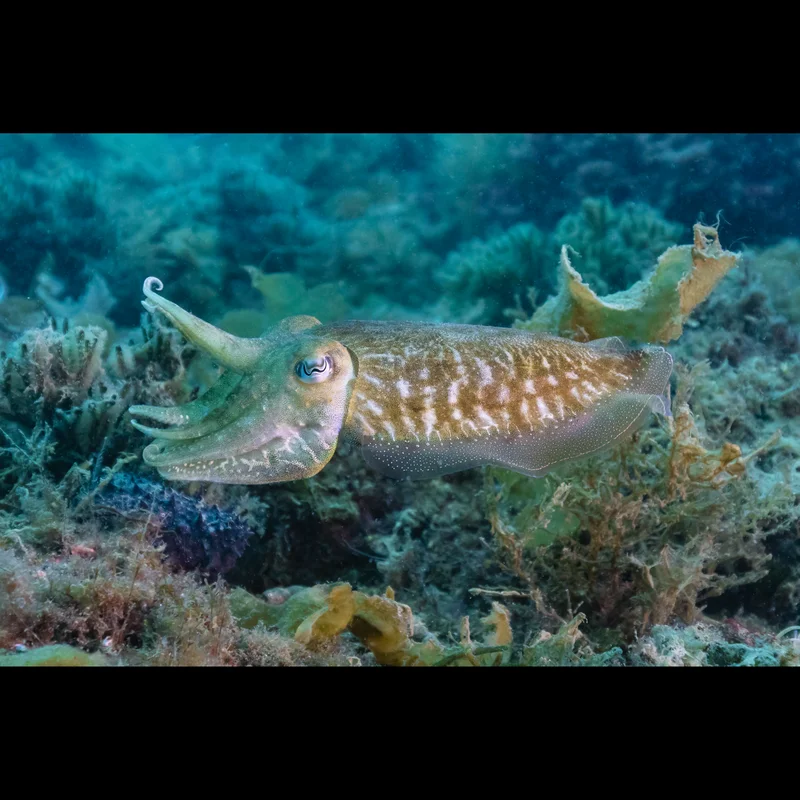
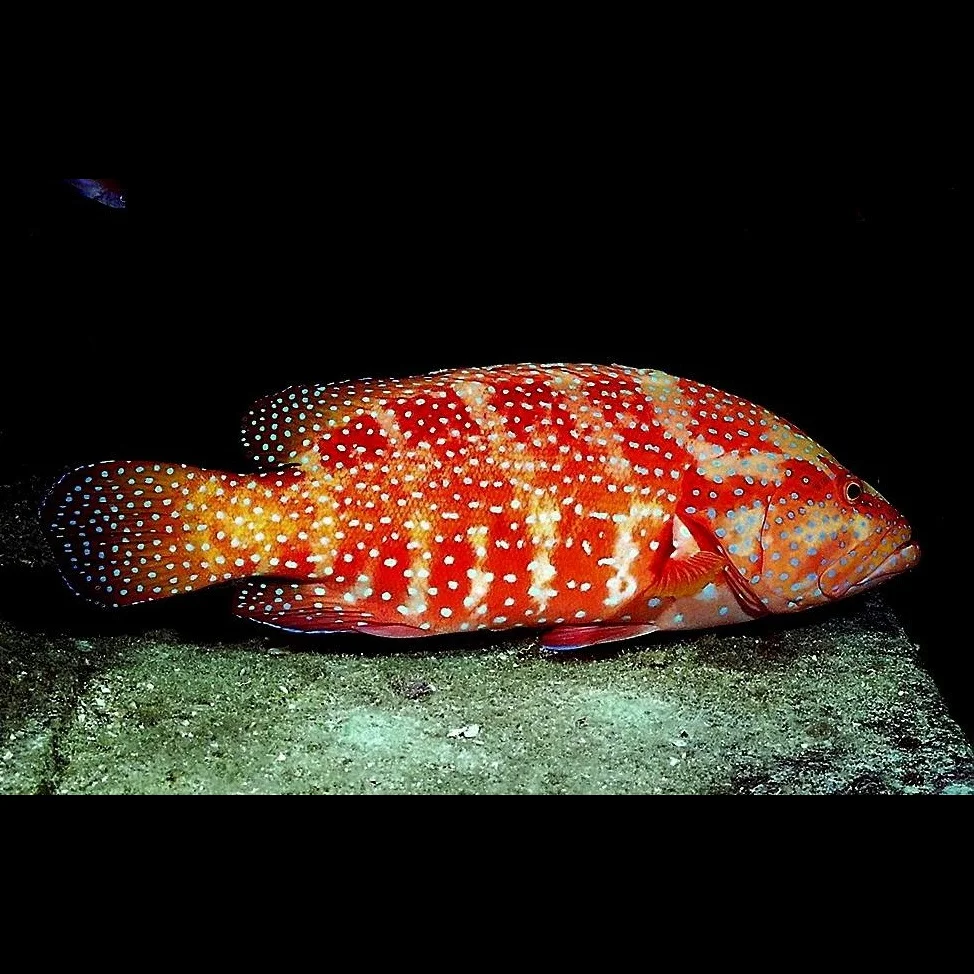
Divers often encounter grouper within the wreck's structure. Look for octopus and cuttlefish, which frequently make their homes among the debris, adding to the site's vibrant underwater ecosystem.
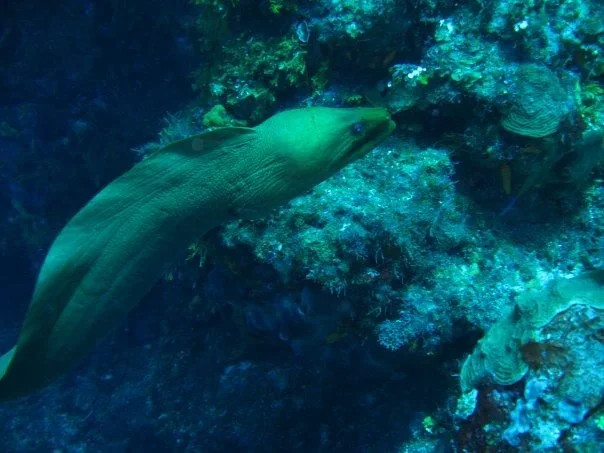
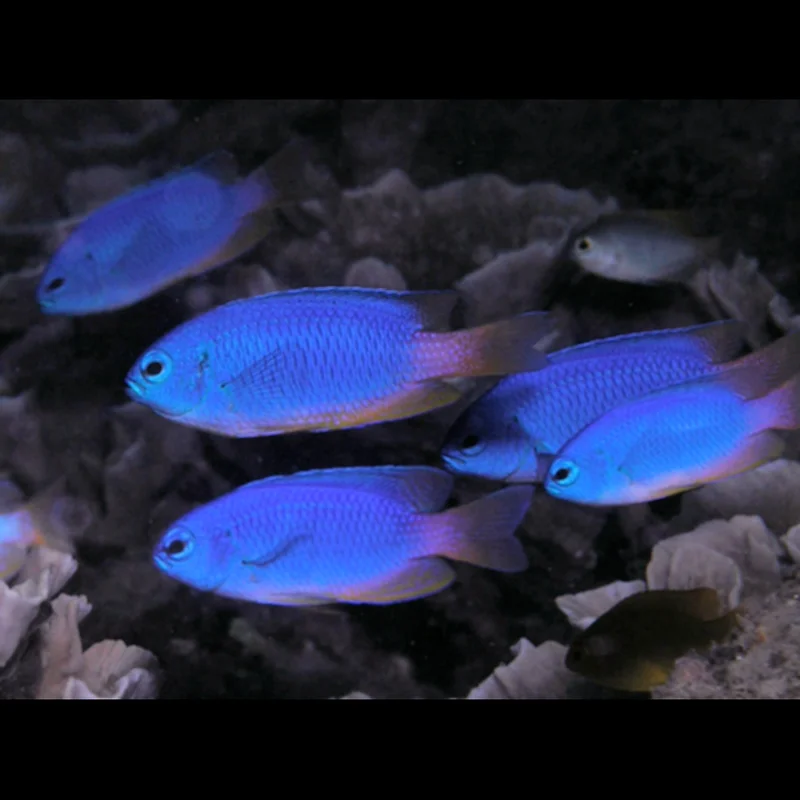
Moray eels also occasionally reside within larger crevices, and schools of damselfish are commonly seen darting among the metal structures.
Dive Sites Near Vera-K
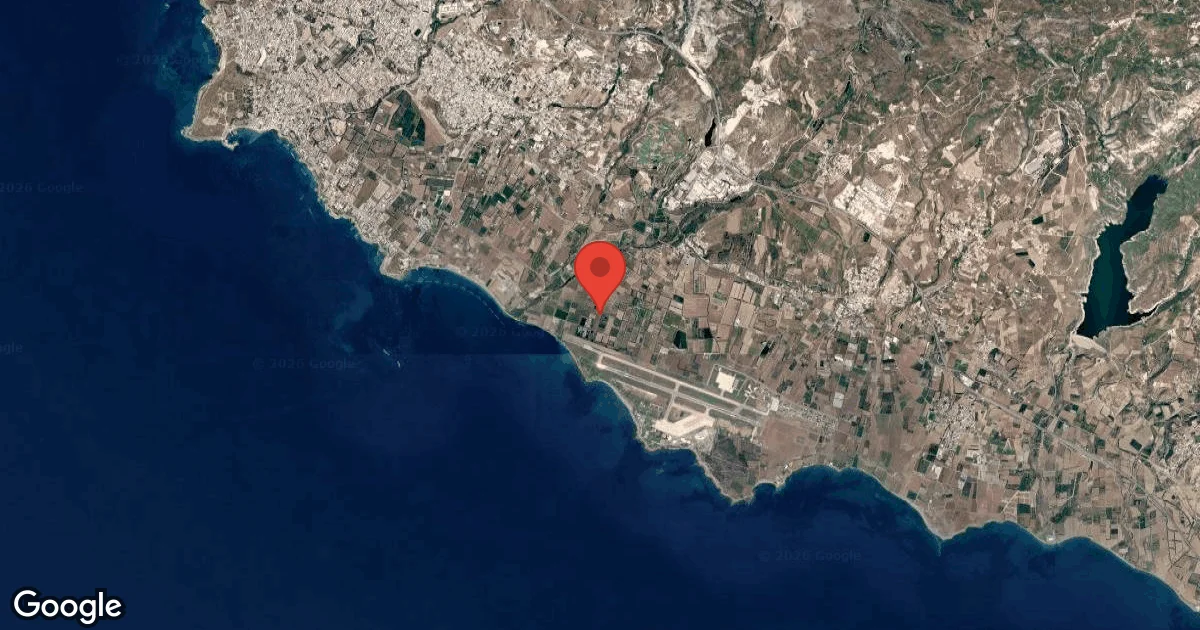
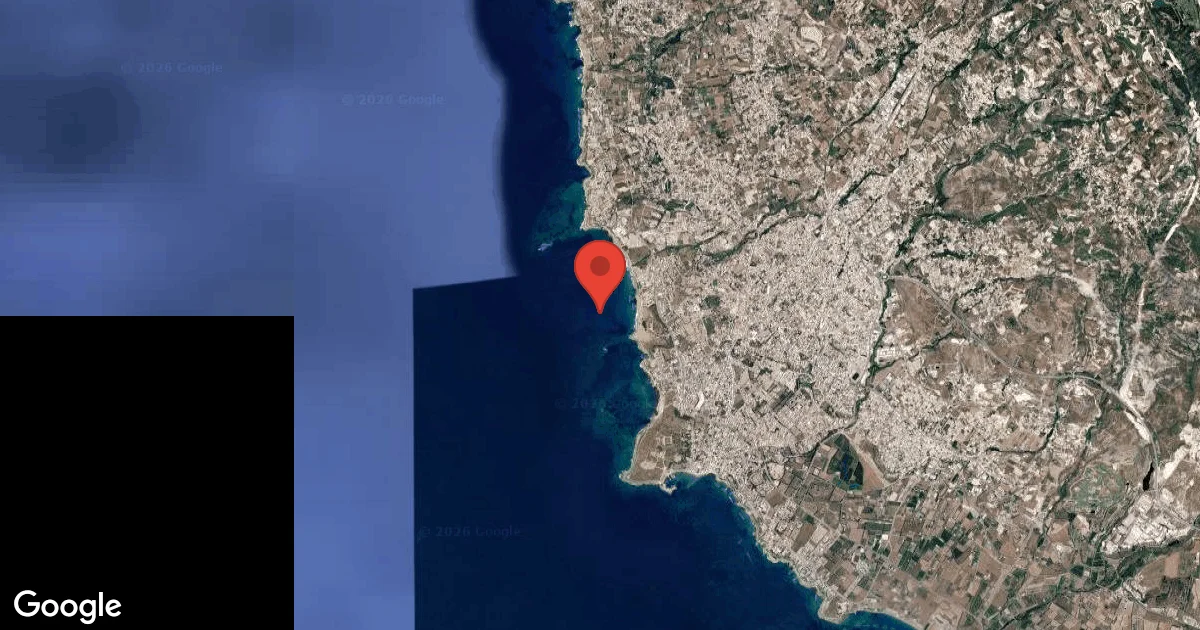
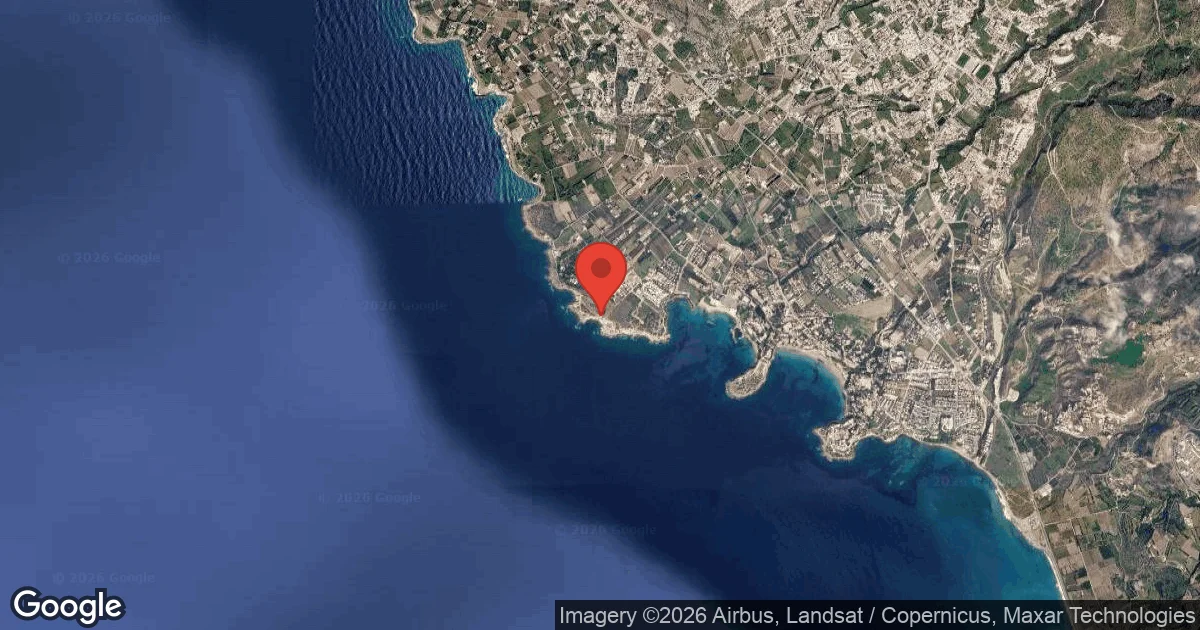
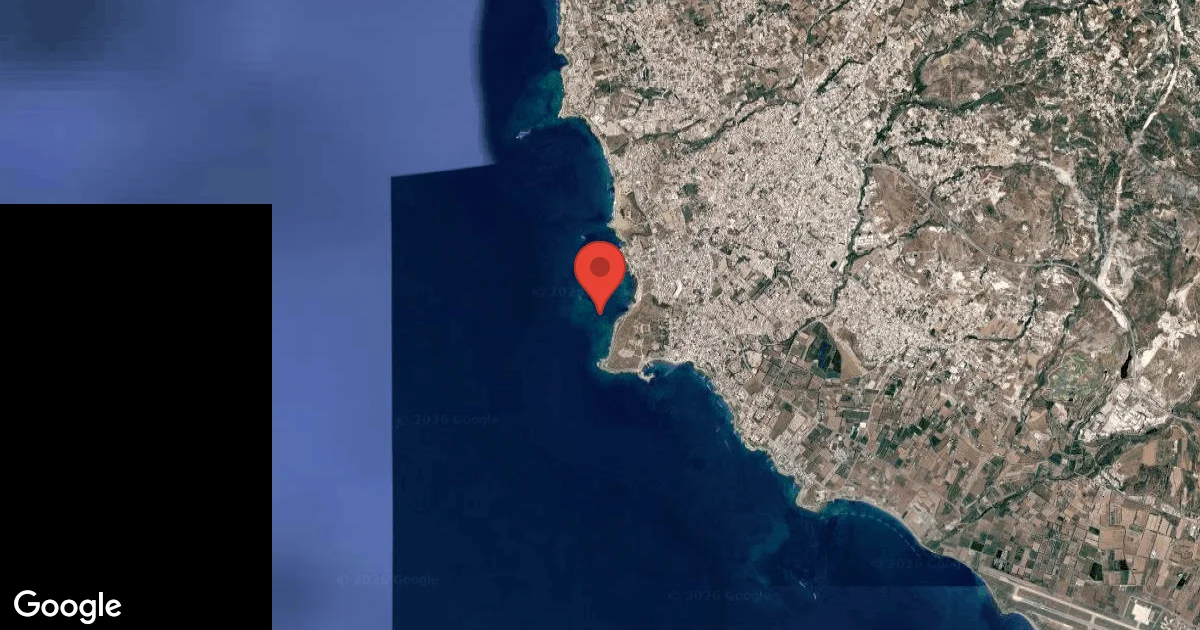
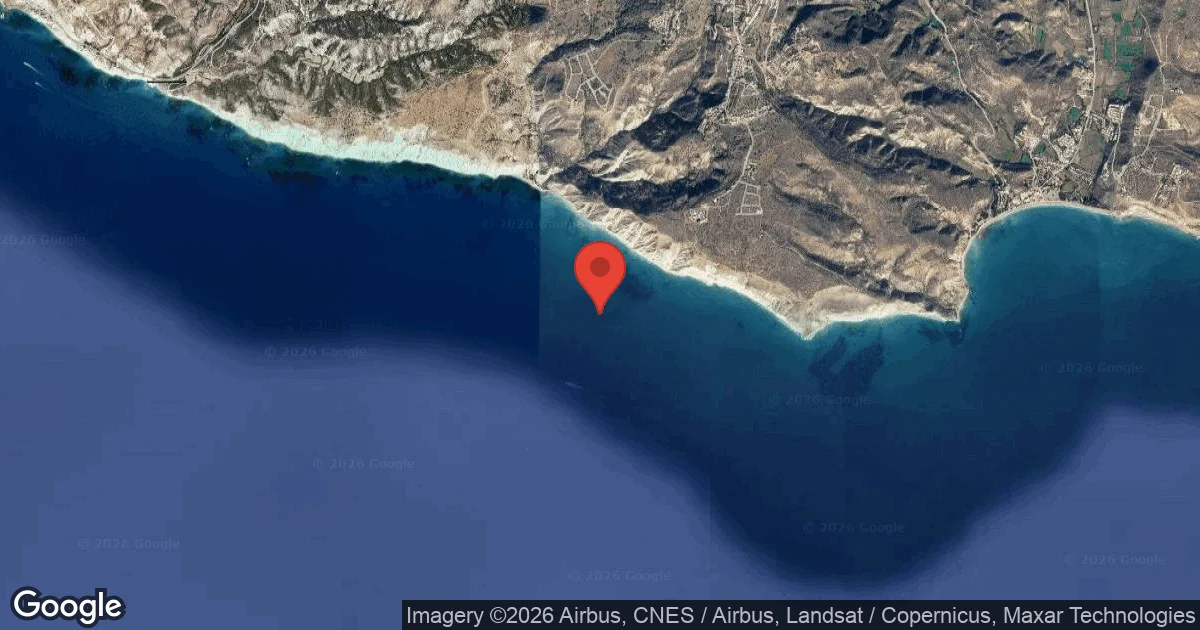
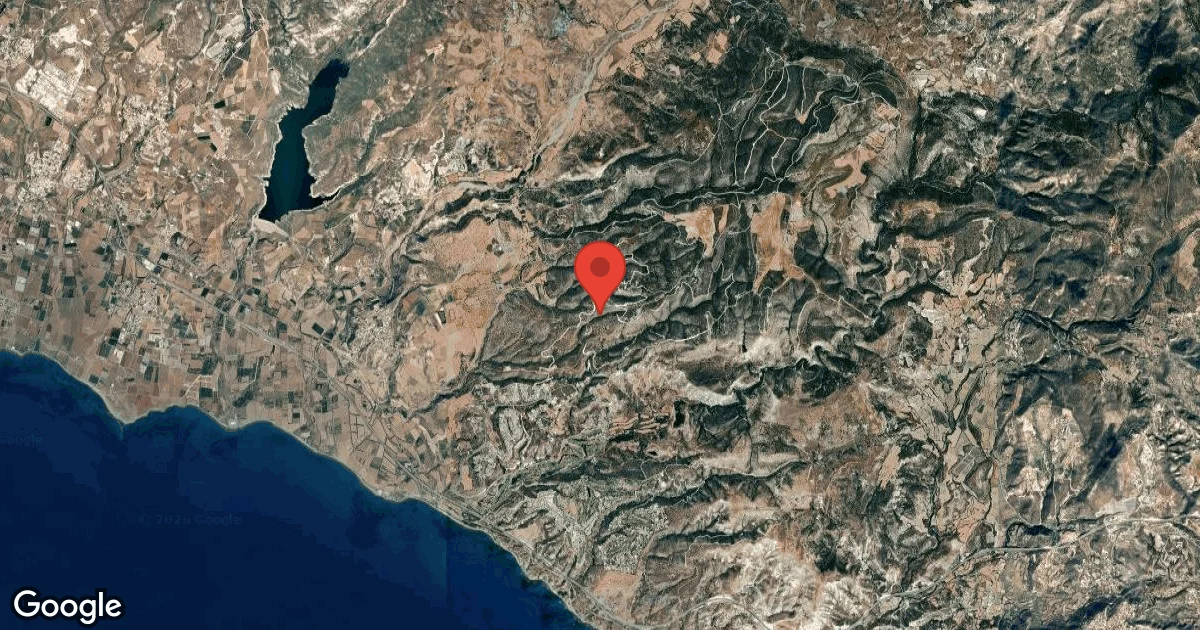
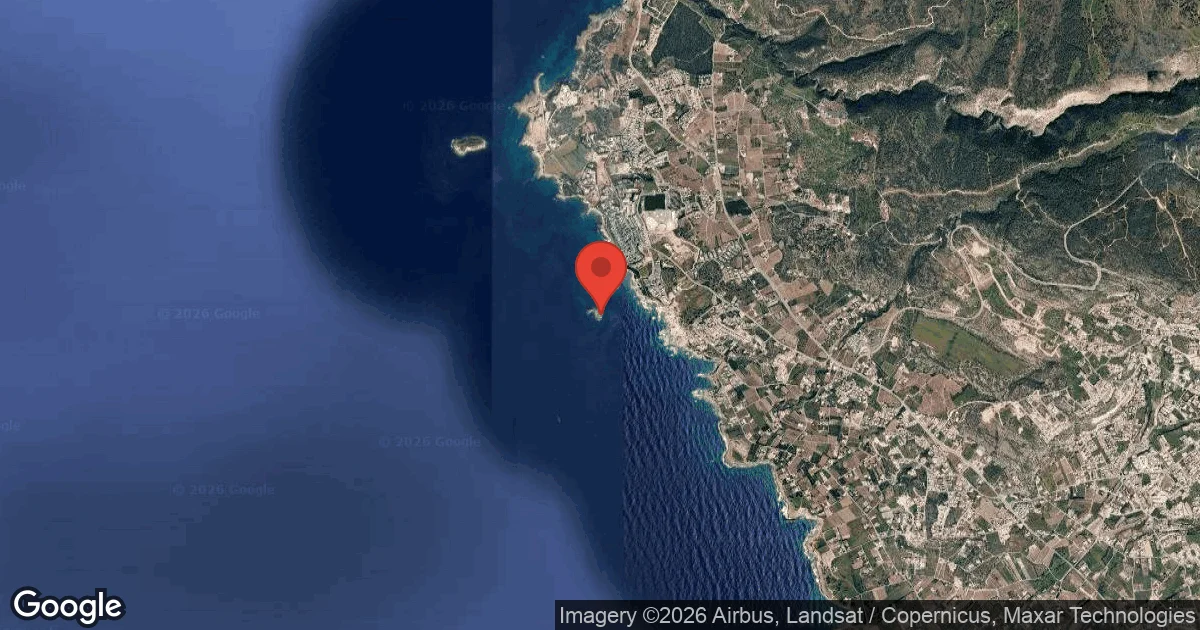
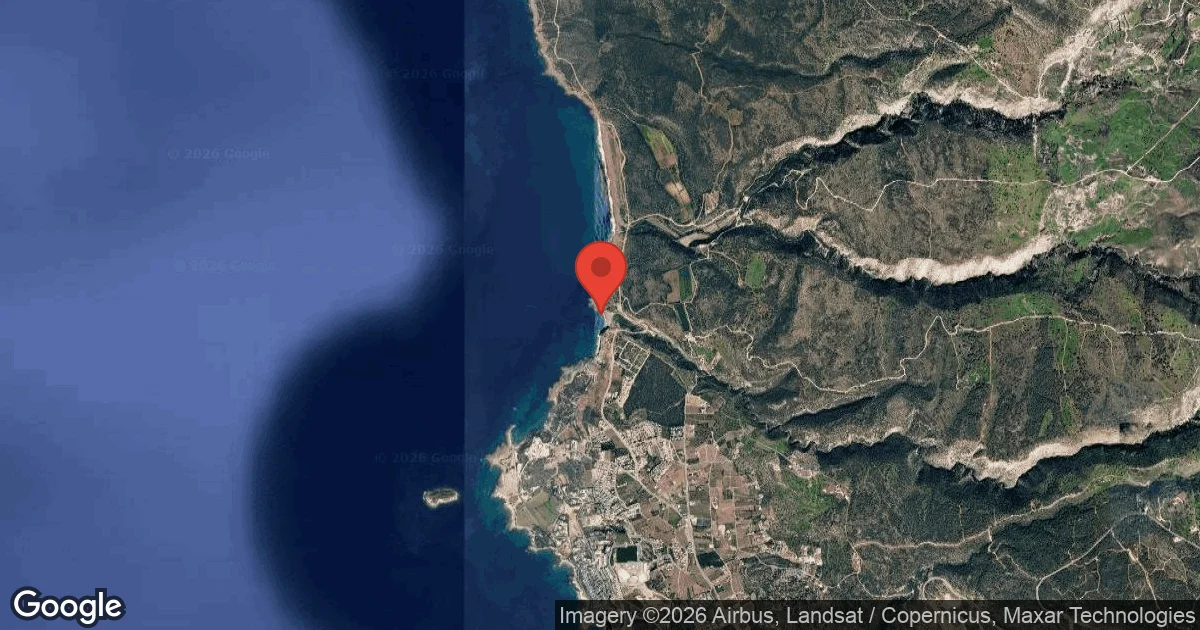
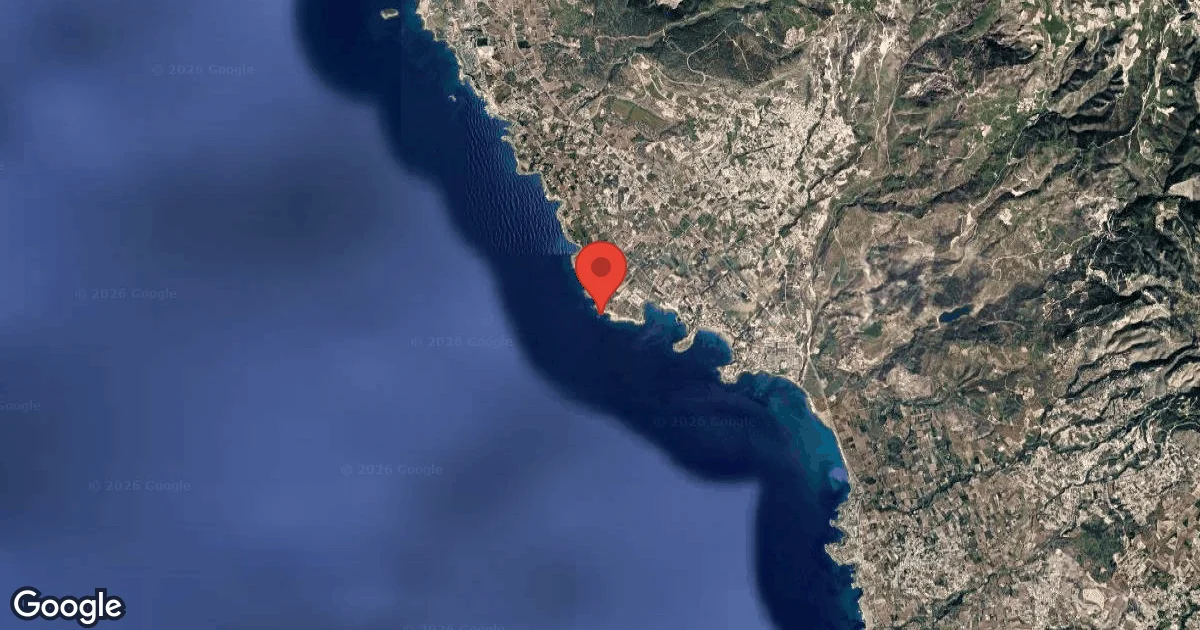
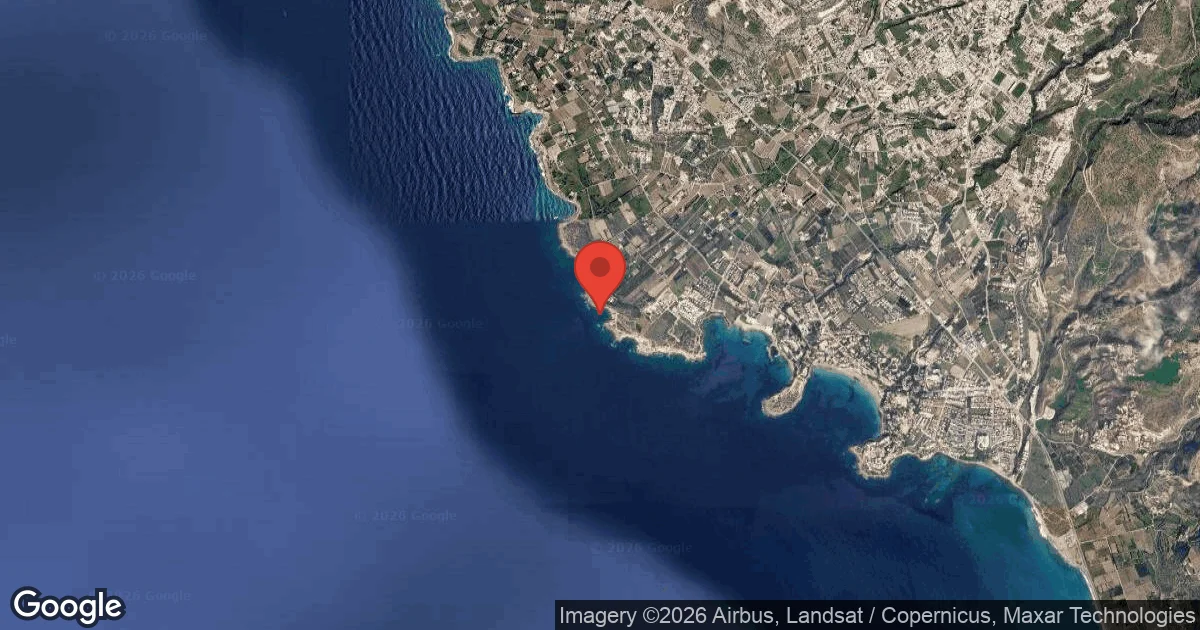
View all dive sites in CyprusDiscover more underwater gems in this area.
Dive Centers Near Vera-K
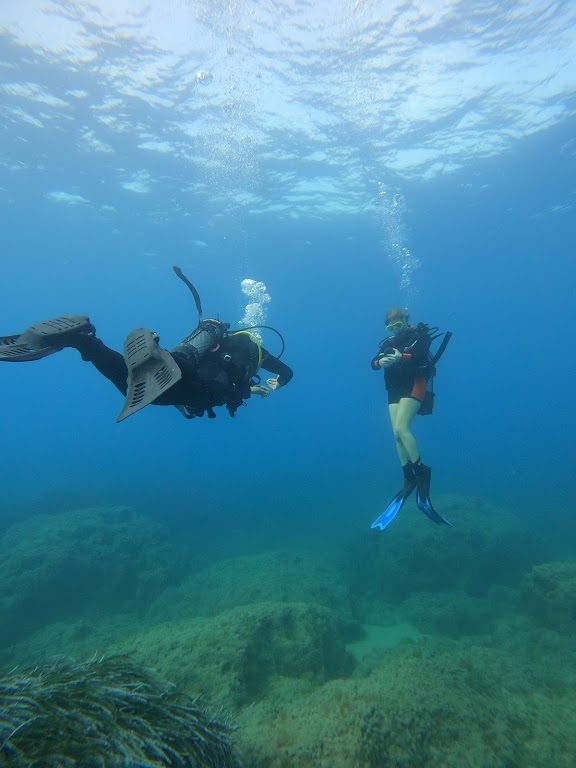
Today: 09:00 - 17:00
Nearest Airports
Nearest airports to help plan travel to this dive area.
Search Flights
Check available flights and routes on Expedia, using the nearby airports listed in this section.
Search Flights on ExpediaFrequently Asked Questions
What is the maximum depth at the Vera-K wreck?
The Vera-K wreck lies within a crater, reaching a maximum depth of around 12 meters. The top of the surrounding crater is shallower, typically between 5 and 7 meters.
What certification level is required to dive the Vera-K?
A minimum Scuba Diver certification is required for this dive site. If your last dive was over a year ago, a refresher course will be necessary.
Can divers swim through the bridge section of the wreck?
No, it's not recommended to swim through the bridge section due to its age and the structural damage from the explosion. The wreck's integrity has degraded over time.
How long does the boat journey to Vera-K take from Paphos Harbour?
The boat journey from Paphos Harbour to the Vera-K dive site is relatively short, typically taking around 10 minutes.
What kind of marine life can be seen at Vera-K?
The wreck provides habitat for various marine life, including grouper, octopus, and cuttlefish. Smaller marine creatures also find shelter within the crumbled sections.
Why was the Vera-K wreck blown up?
The Vera-K, a Lebanese freighter, ran aground in 1972 and was later used for military target practice. It was ultimately declared a hazard to passing vessels and subsequently blown up in a controlled explosion in 1974.
Is the Vera-K wreck suitable for snorkelers?
Yes, the top of the crater surrounding the wreck is only between 5 and 7 meters deep, making it an excellent and accessible location for snorkelers and new divers.
Planning to dive Vera-K?
Send one inquiry and receive offers directly from the best verified local dive operators.
Conditions are Good
Optimal conditions expected
Current conditions near Vera-K show 27° air, 28° sea temperature, 1.1 m waves, and 23 km/h wind. Forecast data is refreshed regularly to ensure accuracy.