
Diving at Achilleas (Cyprus)
Achilleas offers a compelling contrast: a sunken Greek vessel resting on a sandy seabed, transformed into an accessible artificial reef. This site, just a short boat ride from Paphos Harbour, serves as an ideal introduction to wreck diving for those completing their Open Water or Scuba Diver courses. Its distinctive three main sections invite exploration within recreational depth limits.
Evening condition tracking at Achilleas features an air temperature of 26.5°C. We have recorded wave heights measuring 0.6 m during this period. These figures outline the environmental parameters currently present.
Dive Site Location & Key Facts
Dive Site Overview
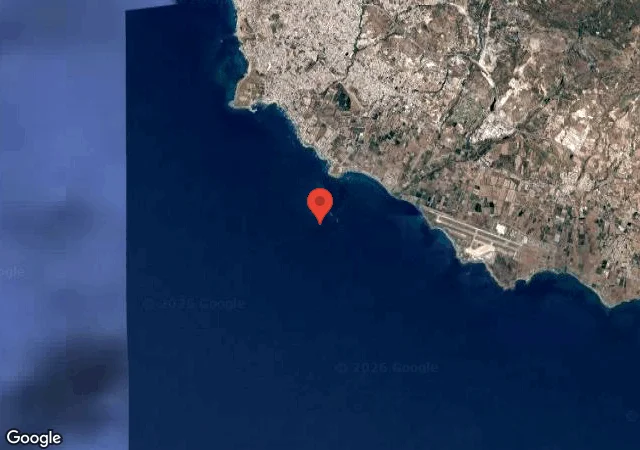
Achilleas offers a distinct underwater topography, centered on the remains of a Greek vessel that dramatically exploded and sank in 1975. A brief 10-minute boat journey from Paphos Harbour makes accessing this site straightforward, highlighting its convenience.
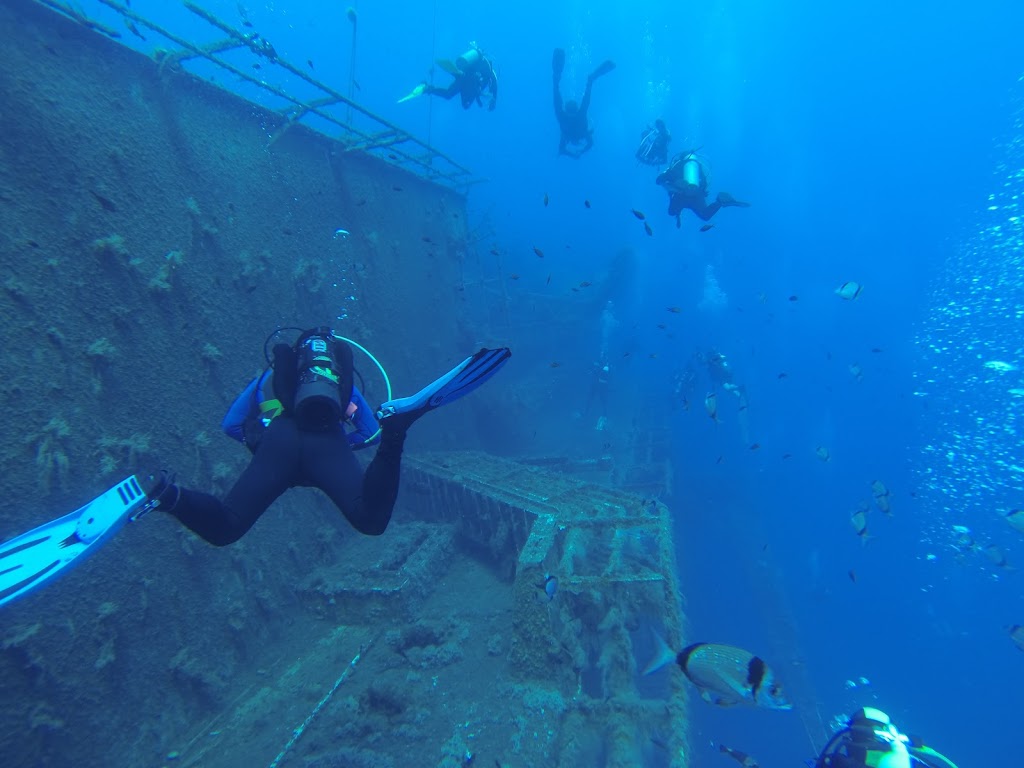
Resting on a sandy bottom, the wreck lies at a maximum depth of 12 m (39 ft), well within recreational limits. Divers can navigate three primary sections of the vessel, which separated during its powerful explosion. Exploring the wreck, one common focal point is the upturned stern, featuring a prominent bronze propeller fused in place, alongside the engine, now prominently exposed from the broken side.
Moving beyond the main stern section, elements like the winch, various portholes, sections of ladders, and intricate piping are scattered across the surrounding sand and rock bottom, providing intriguing details for exploration. Underwater conditions here consistently report excellent visibility, typically ranging from 15 m to 30 m (49 ft to 98 ft).
These consistently clear views, combined with mild currents and no significant surge, contribute to a generally calm and predictable dive environment. Such stable conditions make Achilleas particularly suitable for newer certified divers keen to explore an accessible historical wreck structure.
Conditions are Excellent
07:00 - 14:00
Optimal conditions expected
Current conditions near Achilleas show 27° air, 28° sea temperature, 0.6 m waves, and 14 km/h wind. Forecast data is refreshed regularly to ensure accuracy.
Best Time to Dive
Planning your dive at Achilleas with visibility in mind points to the period from May through October as the most favorable. During these months, the site consistently reports excellent underwater visibility, often between 15 m and 30 m (49 ft and 98 ft). Air temperatures are notably comfortable, averaging from 21.5°C (71°F) in May, rising to peaks around 29°C (84°F) in July, and remaining warm at 22.5°C (72°F) into October. Rainfall is minimal during this peak season, with July experiencing negligible precipitation at 0.01 mm, and other months showing similarly low figures. Such calm, clear conditions enhance the overall dive experience, allowing for optimal viewing of the wreck's features and marine inhabitants. While diving is possible year-round, conditions outside this window might present slightly cooler water temperatures and increased wave heights, potentially affecting comfort and surface conditions.
PEAK SEASON SCORE
Scores combine air & water temps, waves, wind & rainfall for overall conditions.
BEST MONTHS TO DIVE
Monthly records compiled from satellite and marine observation nodes over the last 3 years. Data provided by Open-Meteo and MET Norway.
Dive Experience & Conditions
Descending onto the Achilleas site feels remarkably calm, thanks to the mild currents and consistently reported absence of surge. Underwater, divers are greeted with clear conditions, typically offering 15 m to 30 m (49 ft to 98 ft) of visibility, allowing ample time to appreciate the distinct wreck sections. The water temperature varies seasonally; in summer, it's a pleasant 24-28°C (75-82°F), while winter brings cooler but manageable temperatures of 16-20°C (61-68°F). Exploring the wreck involves swimming around the stern to observe the propeller and the exposed engine. Moving towards the bow, which lies upside down, divers will discover various openings and secluded spots. Although the site has a sandy bottom, it isn't easily stirred up, which helps maintain visibility throughout an average 45-minute dive.
Dive Difficulty & Safety Guidelines
While Achilleas is generally a benign dive with no reported hazards like strong currents or surge, adhering to established guidelines is essential for a safe experience. A minimum certification of Scuba Diver or Open Water Diver is required to explore this site. If your last dive was over a year ago, completing a refresher dive is mandatory before joining any scheduled excursions.
Access to the wreck is exclusively by boat, typically a short 10-minute ride from Paphos Harbour. No special permits are necessary for diving here.
Divers should maintain careful buoyancy control, especially when navigating around the broken wreck sections, to avoid contact with the structure and minimize disturbance of the sandy seabed.
Recommended Equipment
Overhead / entanglement risk. Wreck penetration requires proper training.
- Dive Computer
- DSMB
- Primary & Backup Lights
- Wreck Reel
- Cutting Tool
This gear list is based on verified equipment signals for Achilleas, Cyprus. Always confirm final gear choices with your dive operator, guide, or liveaboard.
Recommended Dive Suit
Temperatures look set to gradually increase over the next several days. A warming trend is expected over the next few days.
Divers who prefer a balanced level of warmth often select 2-3mm shorty or light wetsuit in water temperatures like this.
At Achilleas, the water is currently sitting around 28°C (83°F). Surface air temperatures are resting at 27°C (80°F).
Emergency & Medical Support
Essential information to help you plan your dive trip to Achilleas.

Hyperbaric chambers are a critical part of dive safety infrastructure. Availability varies significantly by region, and not all dive areas have immediate access.
Before diving, it's recommended to:
- confirm nearest medical facilities
- check emergency procedures with local dive operators
- ensure dive insurance covers evacuation if required
Divers Alert Network
Diving emergency assistance available through DAN Europe.
+39 0642115685- 24/7 emergency hotline
- Diving medical assistance
- Evacuation coordination
Emergency contacts are provided for reference. Always verify local emergency services before diving.
Closest Listed Hyperbaric Chambers
Showing listed hyperbaric chamber facilities within 200 km of this dive site.
Distances are approximate straight-line distances and may not reflect emergency travel time.
Hyperbaric Medical Centre
24/7 ListedNicosia, Cyprus•Approx. 96 km straight-line
Hyperbaric Medical Centre
24/7 ListedInformation is provided for reference and planning purposes only. Dive Navigator does not verify operational status, staffing, availability, or quality of care at listed facilities. In an emergency, contact local emergency services, DAN, your dive operator, or the chamber directly. Do not travel to a facility without calling ahead.
Poseidonia Medical Centre
24/7 ListedLarnaca, Cyprus•Approx. 111 km straight-line
Poseidonia Medical Centre
24/7 ListedInformation is provided for reference and planning purposes only. Dive Navigator does not verify operational status, staffing, availability, or quality of care at listed facilities. In an emergency, contact local emergency services, DAN, your dive operator, or the chamber directly. Do not travel to a facility without calling ahead.
Hyperbaric Oxygen Therapy Department, General Hospital of Ammochostos (Famagusta)
Paralimni, Cyprus•Approx. 147 km straight-line
Hyperbaric Oxygen Therapy Department, General Hospital of Ammochostos (Famagusta)
Information is provided for reference and planning purposes only. Dive Navigator does not verify operational status, staffing, availability, or quality of care at listed facilities. In an emergency, contact local emergency services, DAN, your dive operator, or the chamber directly. Do not travel to a facility without calling ahead.
Marine Life at Achilleas
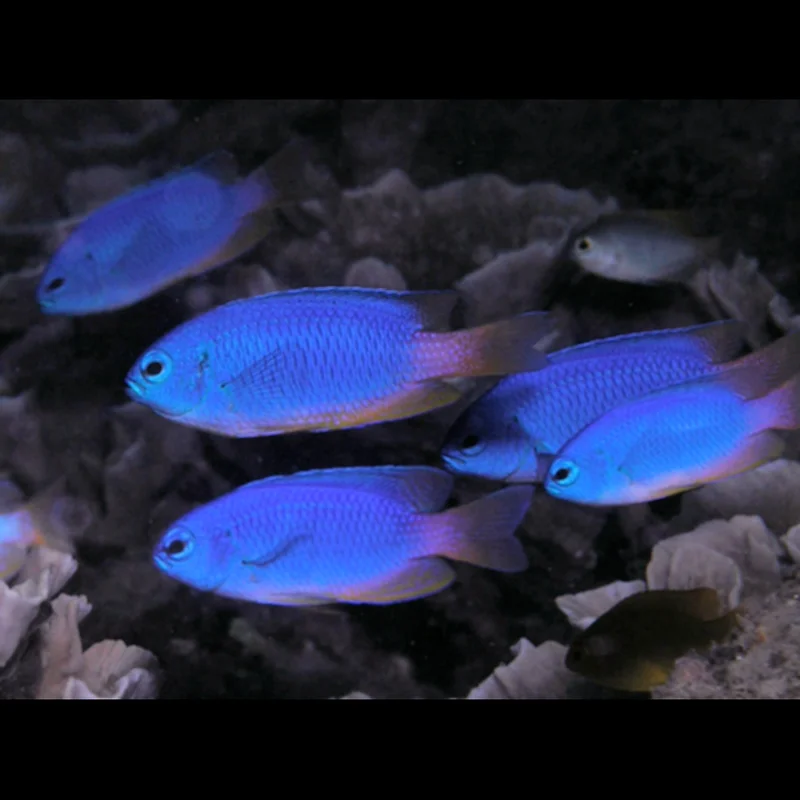
The Achilleas wreck, with its fragmented structure and surrounding sandy bottom, provides a vital habitat for various marine species. As you explore the stern and propeller, you'll commonly encounter Sea Bream, Damselfish, and colorful Wrasse navigating the structure.
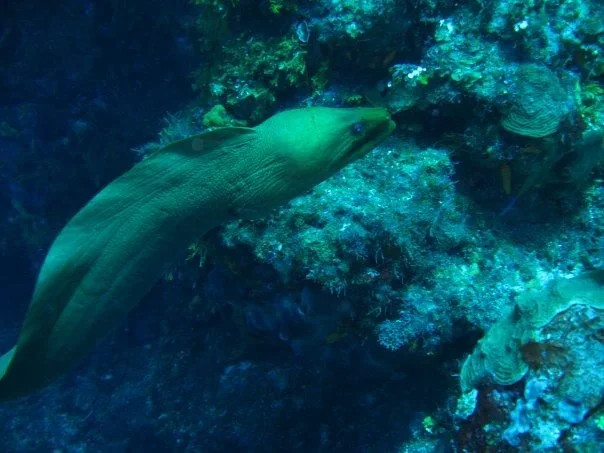
Inside the more sheltered sections of the wreck, such as around the exposed engine, look for Cardinal fish and Crown squirrelfish, identifiable by their large eyes, as they seek refuge in darker spaces. Within the winch section, a Moray Eel is frequently observed, making use of the intricate crevices for shelter.
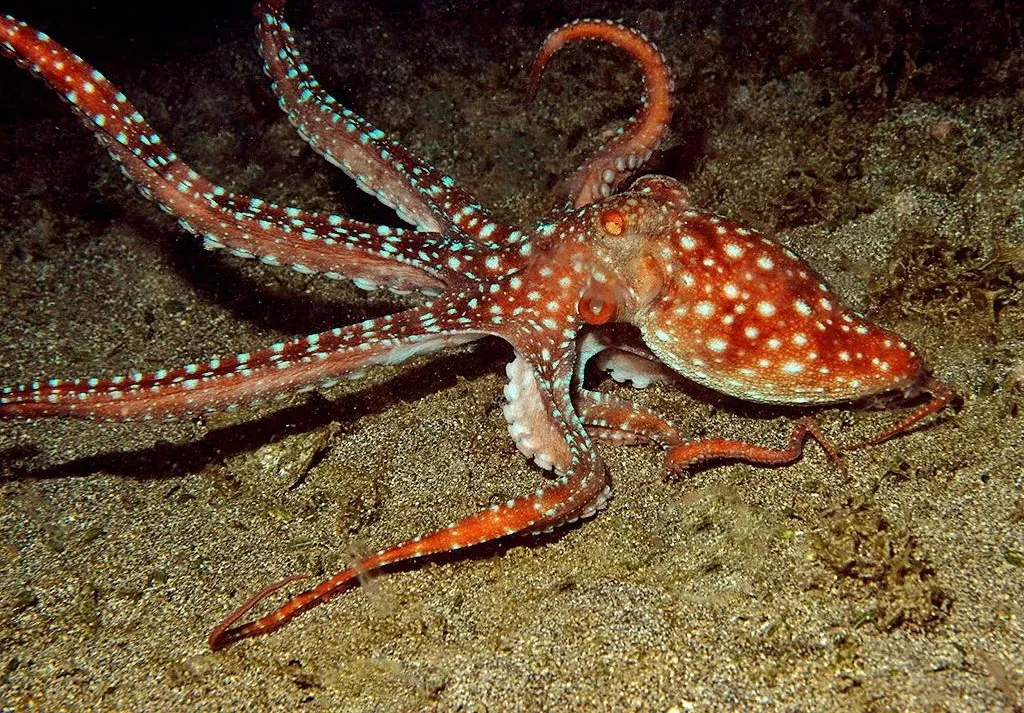
Octopuses are also known to inhabit the nooks and crannies of the wreck, often near the engine, adding an element of surprise to your exploration.

Dive Sites Near Achilleas
View all dive sites in CyprusDiscover more underwater gems in this area.
Dive Centers Near Achilleas
Today: 08:00 - 17:30
Nearest Airports
Nearest airports to help plan travel to this dive area.
Search Flights
Check available flights and routes on Expedia, using the nearby airports listed in this section.
Search Flights on ExpediaFrequently Asked Questions
What dive certification do I need for Achilleas?
A minimum certification of Scuba Diver or Open Water Diver is required to explore Achilleas. This site is well-suited for divers with basic training due to its accessible depth and mild conditions. If your last dive was over a year ago, a refresher dive is mandatory before joining excursions.
What is the maximum depth of the Achilleas wreck?
Achilleas rests on a sandy bottom at its deepest points, well within recreational dive limits. This makes it suitable for most certified divers, including those with entry-level certifications. Points of interest are found primarily around the wreck's max depth.
What kind of marine life can be seen at Achilleas?
The wreck provides a habitat for various species. You can often spot Sea Bream, Damselfish, and Wrasse navigating the structure, with Cardinal fish and Crown squirrelfish seeking shelter inside. Moray Eels and Octopuses are also frequently observed inhabiting the wreck's crevices and hidden spots.
Are there strong currents or surge at the site?
Conditions at Achilleas typically feature mild currents and no significant surge. These calm underwater movements contribute to the site's suitability for less experienced divers. However, always check local conditions on the day of your dive.
How long is the boat trip to the wreck?
Reaching the Achilleas wreck takes only 10 minutes by boat from Paphos Harbour. Such swift transit maximizes underwater time and reduces the overall travel duration for the dive excursion.
Is wreck penetration allowed at Achilleas?
While the wreck is fragmented, Achilleas is generally explored from the exterior, swimming around its broken sections. Formal wreck penetration is not advised for recreational divers due to the structure's integrity and safety considerations. Focus on observing the exterior details and marine life it hosts.
Planning to dive Achilleas?
Send one inquiry and receive offers directly from the best verified local dive operators.
Conditions are Excellent
07:00 - 14:00
Optimal conditions expected
Current conditions near Achilleas show 27° air, 28° sea temperature, 0.6 m waves, and 14 km/h wind. Forecast data is refreshed regularly to ensure accuracy.