Diving in Cyprus
Cyprus offers diverse diving conditions, shaped by local geography, water type, and site accessibility. At present, 50 dive sites are recorded on our platform for Cyprus. The available data helps divers make more informed decisions.
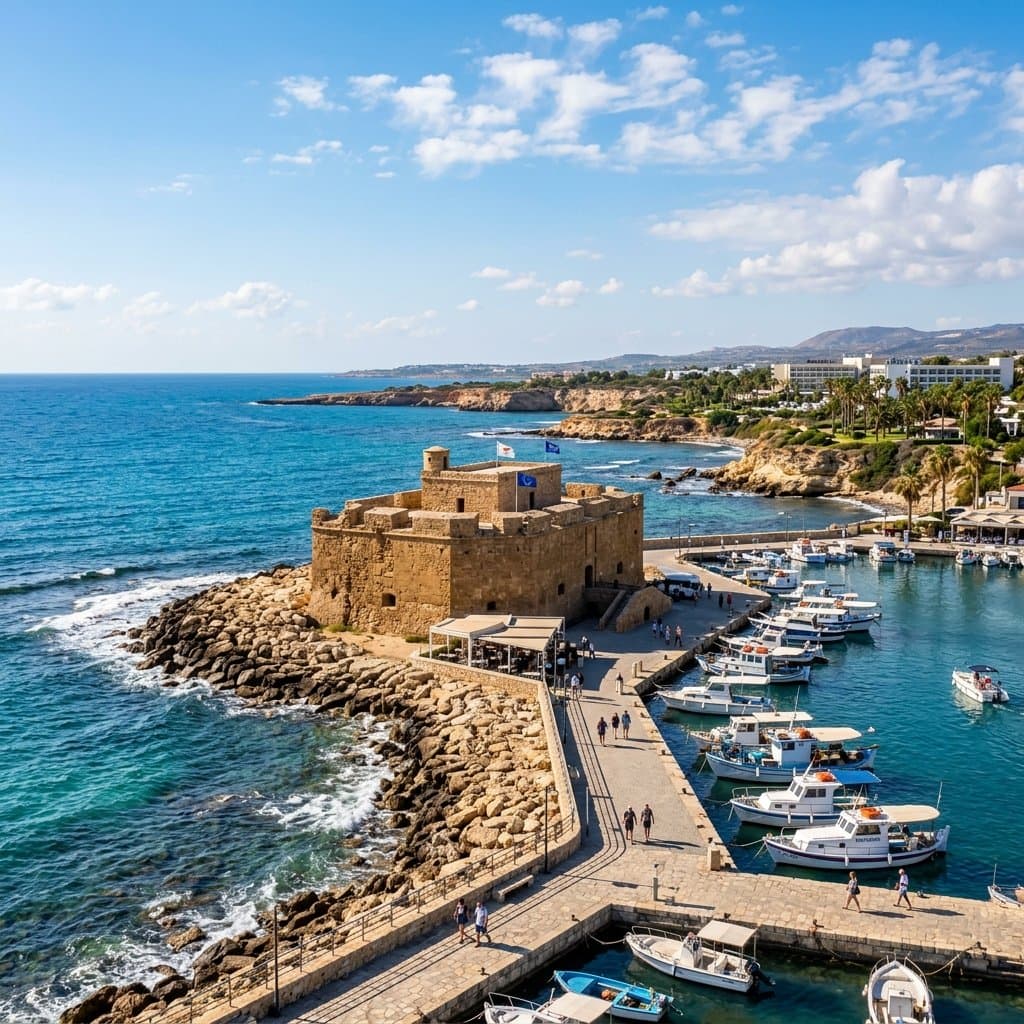
Cyprus draws divers with its distinctive combination of significant historical wrecks and compelling natural underwater topography. This Mediterranean island provides a diverse landscape that caters to a broad spectrum of diving interests, from exploring sunken vessels to navigating intricate cave systems. Its appeal lies in this rich duality, offering both cultural history and dramatic geological features beneath the surface.
The island's underwater environment features world-class wreck sites, most notably the MS Zenobia near Larnaca, which is a major draw for advanced divers. Alongside these profound historical sites, the coastlines of regions like Paphos and Cape Greco boast extensive natural rock formations, swim-throughs, and captivating cave systems. These natural structures create dynamic environments for exploration, appealing to those who prefer geological wonders over man-made structures.
Further enriching the dive experience are various artificial reef projects, such as the Museum of Underwater Sculpture Ayia Napa (MUSAN), which merge art with marine conservation. The geographical distribution of these sites across Larnaca, Paphos, Limassol, Protaras, and Ayia Napa ensures that divers can find suitable experiences, whether they seek challenging penetrations or serene reef explorations. This blend solidifies Cyprus as a destination offering truly varied underwater adventures.
Dive Map of Cyprus
Navigating Cyprus's diverse underwater landscape makes a clear dive map an indispensable tool for any visitor. Understanding the island's distinct geographical regions and their specific dive offerings allows for strategic planning and optimization of a diving itinerary. A map helps pinpoint locations and identify the types of experiences available at each.
Regions like Larnaca are primarily recognized for the iconic MS Zenobia wreck, while Paphos offers a mix of natural formations such as the Amphorae Caves and purpose-sunk artificial reefs. Further east, areas including Protaras and Ayia Napa feature extensive topographical sites, notably the Cape Greco Sea Caves and the unique Museum of Underwater Sculpture Ayia Napa (MUSAN). Limassol Bay also contributes with its artificial wrecks like The Lady Thetis and Constandis.
This geographical spread of varied sites—from deep wrecks to shallow reefs and intricate cave systems—underscores the utility of a map. It assists divers in efficiently moving between different experiences, ensuring they make the most of Cyprus's rich and varied underwater attractions.
Dive Sites to Explore
View all 50 sites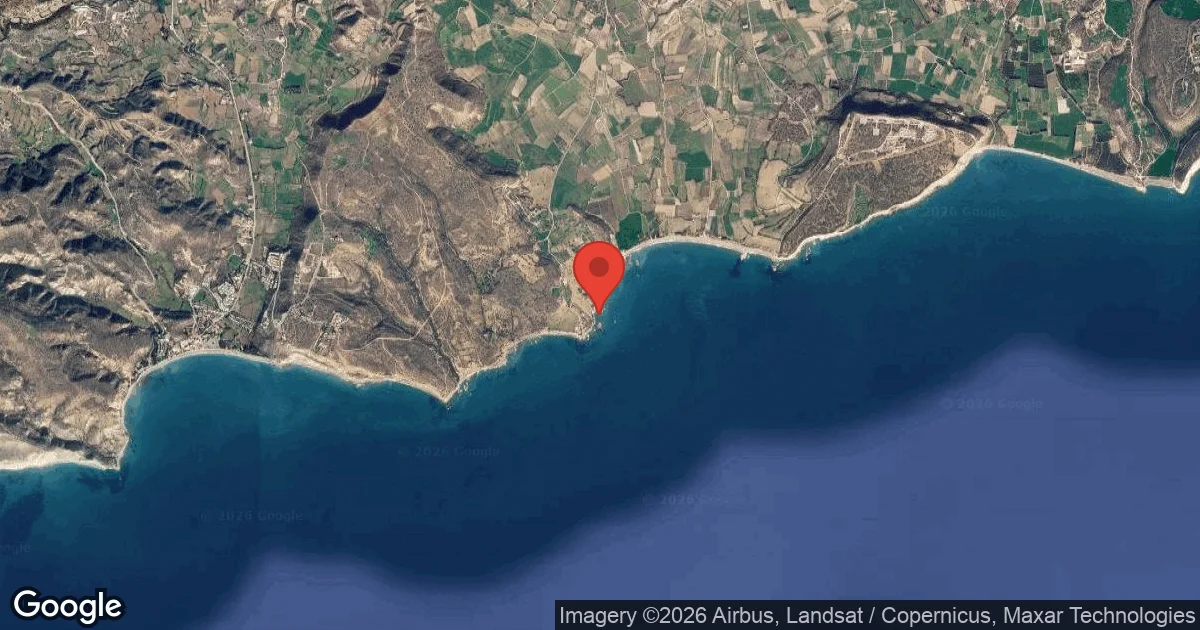
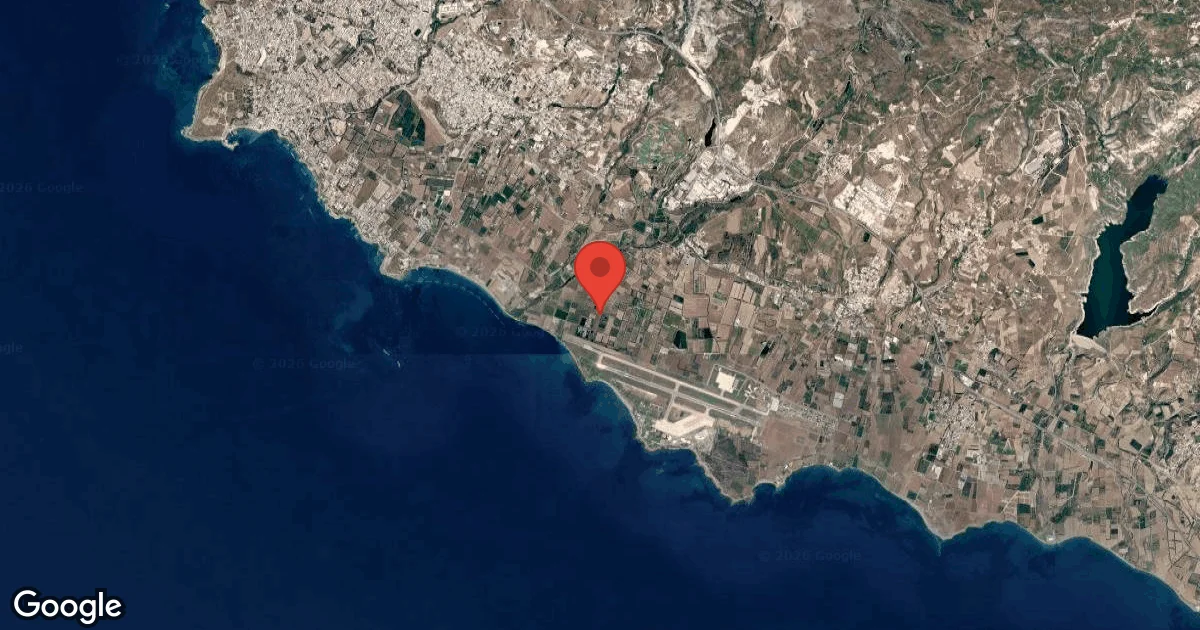
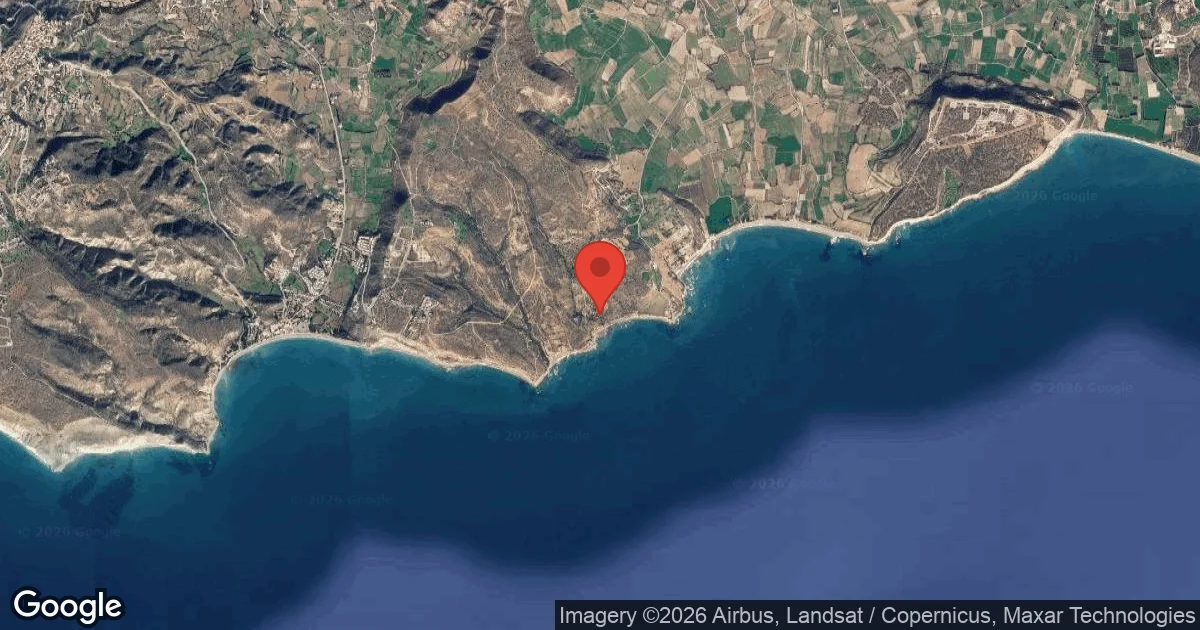
From sheltered bays perfect for novices to challenging wrecks designed for advanced explorers, the dive sites here provide a spectrum of underwater experiences. Diverse underwater topography ensures there is something for every diver, regardless of their proficiency.
For beginners and those undergoing training, Green Bay in Protaras is an excellent choice. It features shallow, easy entry points and a sheltered position, with depths rarely exceeding 12 meters (40 feet). Visibility often reaches 20-25 meters (65-80 feet), making it ideal for building confidence and observing smaller marine life. Another accessible site is MUSAN – Museum of Underwater Sculpture Ayia Napa, an artificial reef designed for all levels, combining art with marine life observation.
Intermediate divers can explore sites like the MV Liberty near Paphos, resting between 18 and 25 meters (60-82 feet), offering a relaxed wreck dive with thriving marine ecosystems. Near Ayia Napa, Cape Greco Sea Caves provide a network of underwater caves and arches, perfect for divers who enjoy exploring geological formations and swim-throughs. Strong visibility up to 30 meters (100 feet) enhances these explorations.
For experienced and advanced divers, the MS Zenobia wreck off Larnaca is a highlight. This large ferry, sunk in 1980, is widely considered one of the top wreck dives globally. It offers extensive penetration opportunities for appropriately certified divers and is home to abundant marine life. Off Akamas National Park, the Proteus Wreck, a former freighter, rests between 20 and 30 meters (66-98 feet) and was deliberately sunk to create an artificial reef, offering another captivating wreck experience.
Best Time to Dive in Cyprus
Identifying the optimal windows for diving in Cyprus allows for planning around the most favorable conditions. The diving season extends from March until November, presenting one of the longest in the Mediterranean, with year-round diving possible for the more adventurous.
The shoulder seasons, specifically May to June and September to October, stand out as prime periods. During these months, water temperatures are comfortably warm, ranging from 20-24°C (68-75°F) in spring and 24-27°C (75-81°F) in autumn. Visibility is often at its clearest, exceeding 25 meters (80 feet) as plankton levels are lower than in peak summer, and crowds are generally thinner than in July and August.
Summer, from July to September, offers the warmest water temperatures, reaching 24-28°C (75-82°F). While visibility can drop slightly due to increased plankton, it remains good, often reaching 20-30 meters (65-100 feet). This period is also when green and loggerhead turtles are most frequently sighted. Winter diving, from December to March, sees water temperatures drop to 17-19°C (63-66°F), requiring thicker wetsuits, but often provides exceptional clarity.
Monthly Sea Temperatures
Sea temperatures around Cyprus exhibit a noticeable seasonal shift, influencing dive planning throughout the year. The waters are generally warm, rarely dropping below 17°C (63°F) even in winter.
During winter months, from December to March, water temperatures typically range from 17-19°C (63-66°F). As spring progresses, from April to June, temperatures gradually rise from 17°C (63°F) to around 22°C (72°F). The summer peak, from July to September, brings the warmest conditions, with temperatures ranging from 24-28°C (75-82°F), and surface waters can reach 28°C (82°F).
Autumn, covering October and November, sees temperatures remain warm, gradually cooling from 24°C (75°F) in October to about 20°C (68°F) by November. Overall, the average sea temperature is approximately 22°C (72°F), making for comfortable diving for much of the year.
| Jan | Feb | Mar | Apr | May | Jun | Jul | Aug | Sep | Oct | Nov | Dec | |
|---|---|---|---|---|---|---|---|---|---|---|---|---|
| Max | 19° | 18° | 18° | 20° | 23° | 27° | 30° | 29° | 28° | 27° | 25° | 22° |
| Avg | 18° | 17° | 17° | 18° | 21° | 24° | 27° | 28° | 27° | 25° | 22° | 20° |
| Min | 16° | 16° | 16° | 17° | 19° | 22° | 25° | 27° | 26° | 23° | 20° | 18° |
Dive Conditions
The dive conditions in Cyprus largely contribute to its accessibility for various skill levels, with generally mild currents and excellent visibility. This makes it an accommodating destination for both new and experienced divers, though specific sites may require particular proficiencies.
Visibility is a consistent highlight, often ranging from 20-30 meters (65-100 feet) and sometimes extending up to 40 meters (130 feet) at offshore sites like the Zenobia. While visibility can be slightly reduced in shallower areas or during peak summer due to plankton, it remains excellent by most standards. Such clear waters are ideal for photography and appreciating the extensive underwater scenery.
Currents around Cyprus are typically mild, with minimal water movement and no strong tidal effects. This generally calm environment reduces the difficulty of many dives, making it an ideal place for beginners to gain confidence. However, some deeper wreck dives may involve different current patterns that require more advanced skills. Overall, the conditions support relaxed exploration across most of the island's dive sites.
Marine Life Highlights
Most Mentioned Species
Marine life in Cyprus varies across dive locations, with different species appearing depending on environment and conditions. The species highlighted here are the most frequently associated with dive sites in our data, offering a realistic overview of what divers are most likely to encounter.
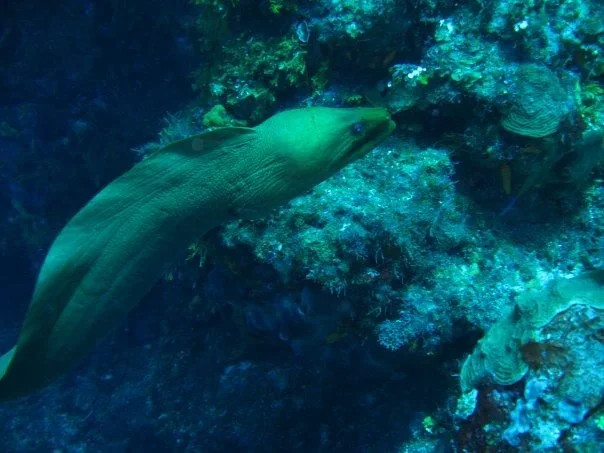
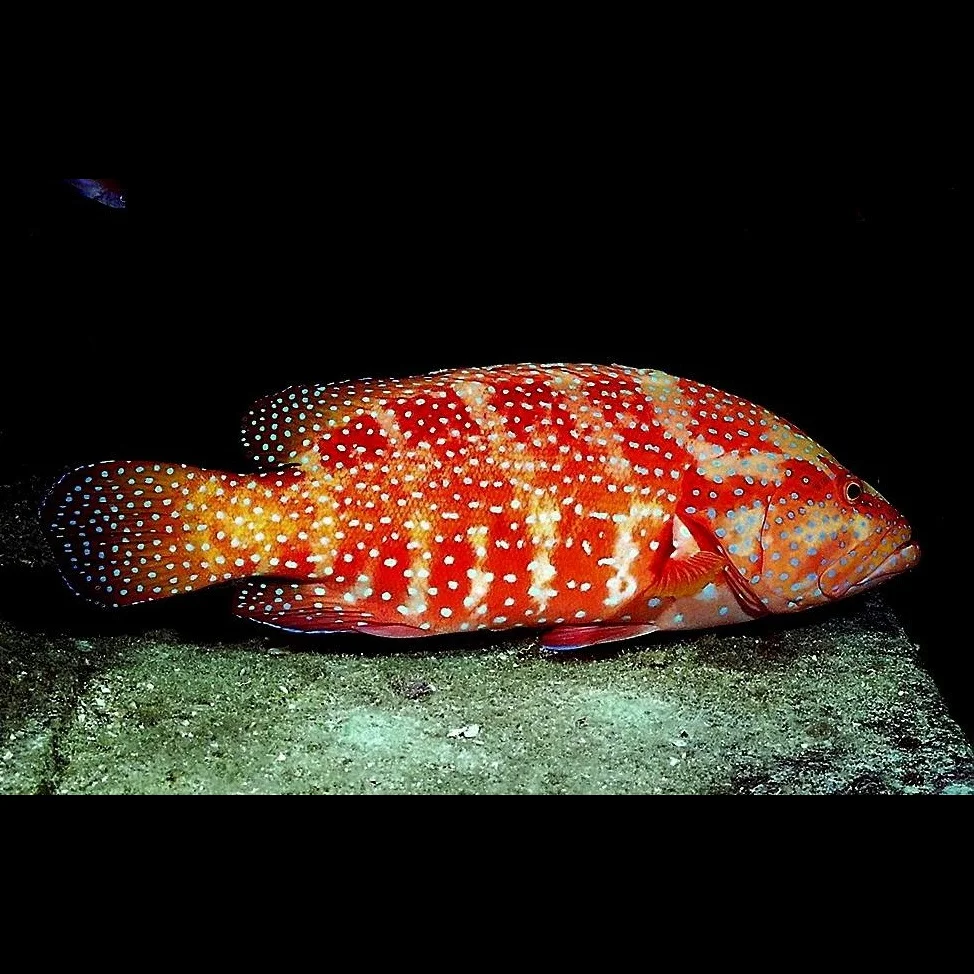
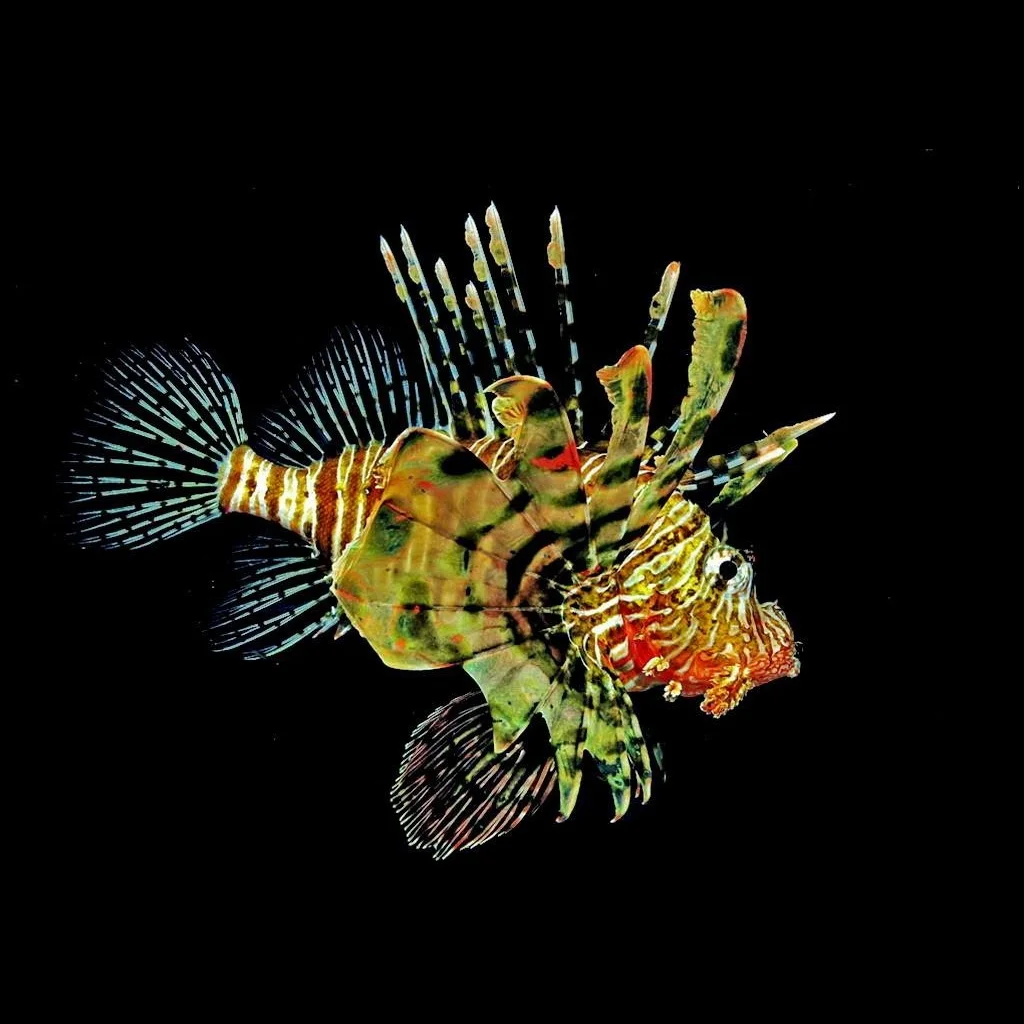
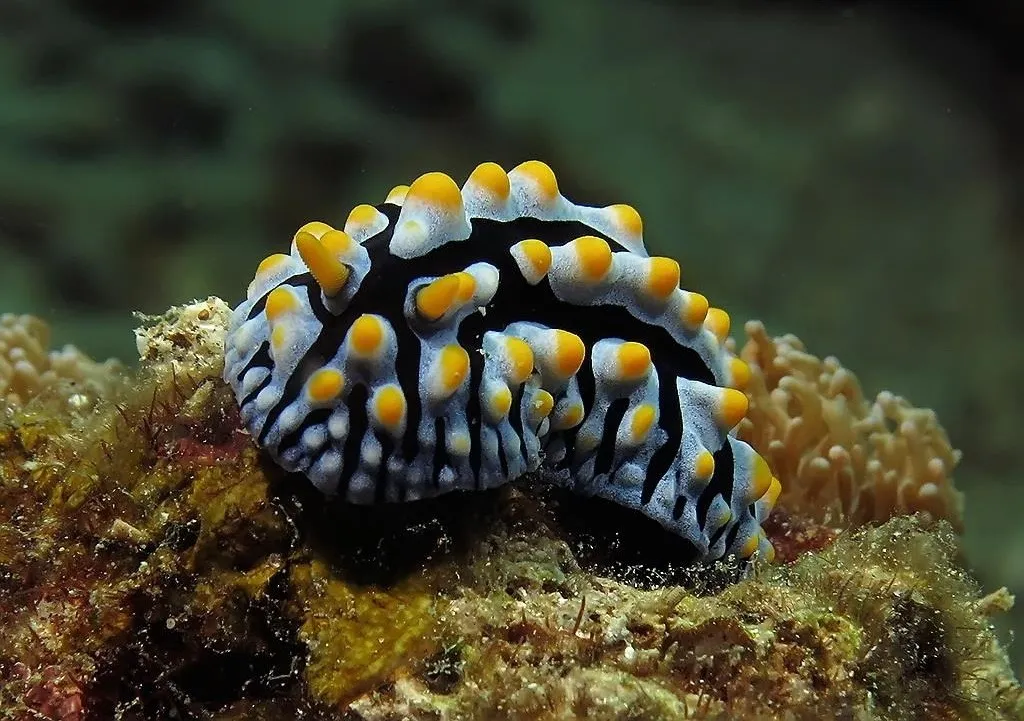
The marine life of Cyprus is observed across various underwater habitats, from artificial reefs and wrecks to natural rock formations and caves. Divers can encounter a diverse array of species inhabiting these Mediterranean ecosystems.
Reef and topographical sites, such as Cyclops Reef and Fontana Amorosa, are home to species like parrotfish, damselfish, wrasse, and moray eels. Sea horses are also occasionally sighted in shallower, sheltered areas. The rocky coasts and cave systems, including Cape Greco, provide refuge for octopuses, cuttlefish, and various nudibranchs.
Wreck sites, particularly the Zenobia, act as artificial reefs attracting larger pelagic species. Here, divers frequently encounter schools of barracuda, large groupers, and jacks. Green and loggerhead turtles are often present, especially during the summer months from June to September. Eagle rays can also be seen in late summer, adding to the diversity of marine encounters.
Regions for Diving
Diving in Cyprus offers distinct regional characteristics, allowing divers to choose their experience based on location. The south-eastern side of the island generally features warmer waters and a higher concentration of dive sites, providing diverse options compared to other areas.
Larnaca is primarily known for housing the MS Zenobia wreck, an internationally recognized dive site suitable for advanced open water divers. This region provides easy access to this deep wreck, which is diveable year-round. Larnaca also serves as a central point for various other sites along the east coast.
Paphos, located on the western side, offers a different experience with its rocky coastline and topographical sites. Key attractions include the Amphorae Caves, an area of archaeological importance, and Pistol Bay, known for its swim-throughs. The Paphos Lighthouse Wreck and Proteus Wreck, both artificial reefs, add to the diversity. Paphos's sites are generally accessible and feature good visibility.
Further east, the Ayia Napa and Protaras areas are popular for their scenic reef dives, underwater caves, and unique attractions. Cape Greco, near Ayia Napa, features a network of sea caves and arches, alongside sites like Cyclops Bay and the Blue Hole, known for rock formations and soft corals. The Museum of Underwater Sculpture Ayia Napa (MUSAN) is another draw, offering an unusual artistic dive. These areas are suitable for a range of diver levels, with many shallow and sheltered sites.
Limassol Bay, on the south coast, also contributes to the island's wreck diving scene with the intentionally sunk Lady Thetis and Constandis. These sites, resting in approximately 18-24 meters (60-80 feet) of water, enhance the appeal for those interested in artificial reefs and marine life. The Akamas Peninsula, near Latchi, offers more remote diving opportunities and is home to the Proteus wreck.
Travel & Passport Guide
Travel Basics
Trip Planning
Safety & Diving Considerations
Safety in Cyprus diving is generally enhanced by the prevailing mild and stable underwater conditions. The absence of strong currents and consistently good visibility contribute to a secure environment for divers of all experience levels.
The waters around Cyprus are not significantly tidal, meaning currents are typically mild and water movement is minimal. This reduces the risk of being swept away or encountering unexpected strong flows, which is particularly beneficial for less experienced divers or those undergoing training. Visibility consistently ranges from 20-30 meters (65-100 feet), allowing divers clear views of their surroundings and dive buddies, aiding in navigation and preventing disorientation.
Despite these favorable conditions, standard diving safety practices remain paramount. Divers should always plan their dives, dive within their certification limits, and ensure their equipment is well-maintained. For deeper wreck dives, such as the Zenobia, or explorations into cave systems like those at Cape Greco, specialized training and adherence to advanced protocols are essential. Local dive centers are well-equipped and provide guidance on site-specific considerations.
Dive Centers in Cyprus
View all 44 dive centers


Frequently Asked Questions
When is the ideal time of year to go diving in Cyprus?
The optimal period for diving in Cyprus is during the shoulder seasons, from May to June and September to October. During these months, water temperatures are comfortable, typically ranging from 20-27°C (68-81°F). Visibility is often at its best, exceeding 25 meters (80 feet), and the dive sites are less crowded compared to the peak summer months. Diving is possible year-round, with winter offering cooler water but often exceptional clarity.
What kind of marine life can divers expect to see in Cyprus?
Divers in Cyprus can encounter a variety of marine species across its diverse habitats. Common sightings include groupers, moray eels, parrotfish, barracuda, and damselfish. Wreck sites attract larger schools of fish and sometimes eagle rays. Green and loggerhead turtles are frequently observed, especially from June to September. Octopuses, cuttlefish, nudibranchs, and various crabs and lobsters can also be found among the reefs and rock formations.
Are there dive sites suitable for beginner divers in Cyprus?
Yes, Cyprus offers several excellent dive sites suitable for beginners and those undergoing training. Green Bay in Protaras is particularly recommended due to its shallow, sheltered conditions and easy entry points. The Museum of Underwater Sculpture Ayia Napa (MUSAN) is another accessible site for all levels, combining art with marine exploration. These locations typically have mild currents and good visibility, providing a safe and enjoyable introduction to diving.
What are the typical water temperatures for diving in Cyprus?
Water temperatures in Cyprus vary seasonally. During the summer months (July-September), temperatures are warmest, ranging from 24-28°C (75-82°F). In spring (April-June), temperatures rise from 17°C (63°F) to 22°C (72°F). Autumn (October-November) sees temperatures cooling from 24°C (75°F) to 20°C (68°F). Winter (December-March) offers the coolest diving, with temperatures between 17-19°C (63-66°F), rarely dropping below 17°C (63°F).
What are the most notable dive sites in Cyprus?
Cyprus is home to several notable dive sites. The MS Zenobia wreck off Larnaca is considered a premier wreck dive globally, attracting experienced divers. For those interested in geological formations, the Cape Greco Sea Caves near Ayia Napa offer impressive swim-throughs. Artificial reefs like the Lady Thetis and Constandis in Limassol Bay provide excellent wreck and reef diving. Additionally, the Museum of Underwater Sculpture Ayia Napa (MUSAN) is a unique cultural and marine attraction.