
Diving at Islote Los Ahorcados (Ecuador)
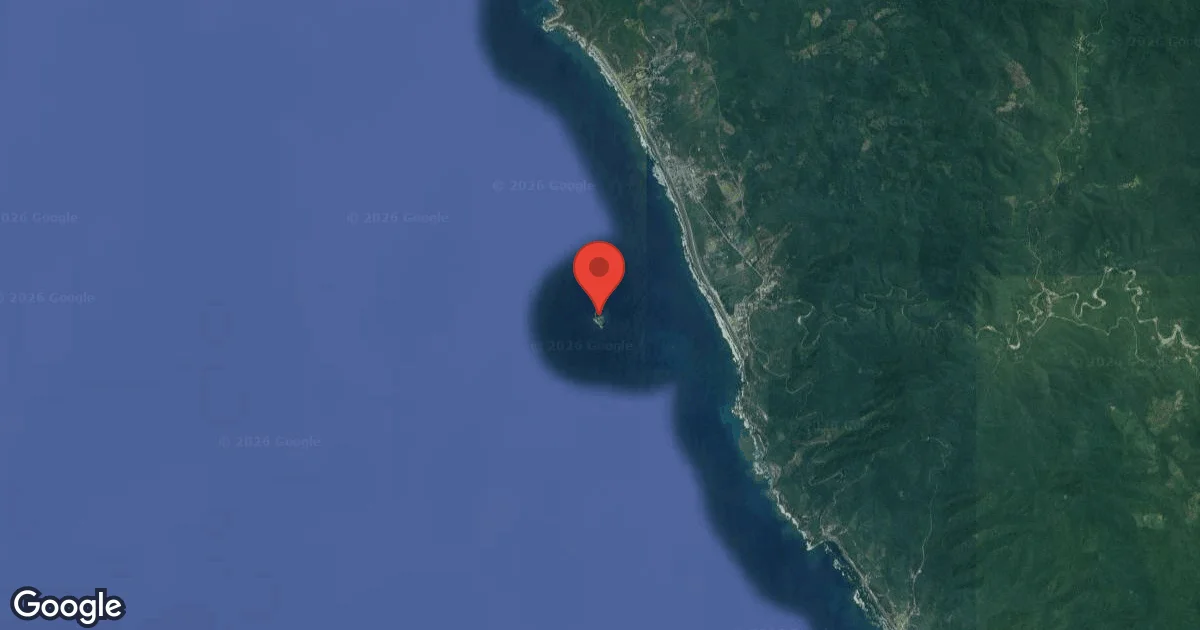
Islote Los Ahorcados immediately captures attention with its distinct three-pronged rock formations breaching the Pacific surface. Above water, this prominent islet acts as a vital refuge for migratory seabirds. Beneath the waves, dramatic geological structures transition into intricate underwater landscapes, featuring expansive coral reefs and walls, setting the stage for engaging dives. A captivating mix of dive environments awaits exploration here.
As evening covers Islote Los Ahorcados, the local air temperature is measured at 24°C. The current wave height at the surface is recorded at 1.3 m. These late-day readings characterize the surface conditions for the night.
Dive Site Location & Key Facts
Dive Site Overview
Islote Los Ahorcados presents an engaging dive challenge, appealing particularly to intermediate and advanced divers drawn to its captivating rock structures and rich marine life. Accessible by boat within 10 minutes from Las Tunas or approximately 40 minutes from Ayampe, a diverse range of underwater experiences awaits.
Explorers navigate various formations, including caves, vibrant reefs, and impressive walls, with max depths often extending to around 20 m (65.6 ft). Deeper explorations are also possible, depending on the specific dive plan and prevailing conditions. Dynamic currents here sometimes dictate exhilarating drift dives, guiding divers through a maze of small canyons and tunnels sculpted by reef structures.
Underwater topography stands out for extensive coral 'fans' that create a visually rich seascape. Currents define the dive rhythm and can shift conditions rapidly; prepare for these dynamics.
Engaging with the site requires readiness for its unique blend of geological features and marine encounters.
Weather Error: fetch failed
Best Time to Dive
Planning a dive to Islote Los Ahorcados is typically favorable throughout the year, with consistently good dive scores reported monthly. Air temperatures generally stay pleasant, ranging from approximately 22.5°C (72°F) in cooler months like September to a warmer 26°C (79°F) around March. Rainfall remains minimal across all seasons, usually less than 8 mm per month, ensuring dry surface conditions. The months of September, October, and November tend to be the driest. With average wave heights varying between 0.9 to 1.2 meters and mild wind speeds of 11-14 km/h, surface conditions are generally manageable, although localized factors can always influence daily comfort.
PEAK SEASON SCORE
Scores combine air & water temps, waves, wind & rainfall for overall conditions.
BEST MONTHS TO DIVE
Monthly records compiled from satellite and marine observation nodes over the last 3 years. Data provided by Open-Meteo and MET Norway.
Dive Experience & Conditions
The underwater environment here offers a distinct sensory experience, often characterized by strong currents that can turn a regular dive into an exhilarating drift. Navigating through the site's small canyons and tunnels, divers feel the dynamic push and pull of the ocean. While specific visibility reports are not consistently available, the site's reputation among experienced divers suggests conditions that support engaging exploration. The water temperature is not consistently reported, but the tropical air temperatures suggest generally comfortable conditions. The structural complexity of rock formations, walls, and extensive coral 'fans' provides a continually evolving backdrop as divers explore this dynamic site.
Dive Difficulty & Safety Guidelines
Approaching Islote Los Ahorcados requires careful planning, as the site is best suited for divers with intermediate to advanced certification due to its medium level of difficulty and potential for strong currents. When currents are present, managing drift dives requires specific experience and skill. Exploring the site's caves, reefs, and walls necessitates a solid understanding of buoyancy control and dive planning.
It's mandatory for all divers in Ecuador to hold a professional license or certification. Always engage with a reputable local dive operator and follow their guidance, as they possess the most current knowledge of site conditions.
Recommended Equipment
Overhead environment. Do not enter beyond training and gas planning limits.
- Dive Computer
- DSMB
- Primary & Backup Lights
- Reel / Spool
- Cutting Tool
This gear list is based on verified equipment signals for Islote Los Ahorcados, Ecuador. Always confirm final gear choices with your dive operator, guide, or liveaboard.
Recommended Dive Suit
Current diving conditions indicate water temperatures around 27°C (80°F) at Islote Los Ahorcados. Surface air temperatures are resting at 24°C (75°F).
Forecast models indicate that diving conditions should remain largely unchanged.
In water temperatures like these, 2-3mm shorty or light wetsuit typically offers sufficient warmth for most recreational dives. A hood or vest is suggested for sensitive divers due to surface winds. Some divers naturally tolerate cooler water better than others.
Emergency & Medical Support
Essential information to help you plan your dive trip to Islote Los Ahorcados.

Hyperbaric chambers are a critical part of dive safety infrastructure. Availability varies significantly by region, and not all dive areas have immediate access.
Before diving, it's recommended to:
- confirm nearest medical facilities
- check emergency procedures with local dive operators
- ensure dive insurance covers evacuation if required
Divers Alert Network
Diving emergency assistance available through DAN World.
+1-919-684-9111- 24/7 emergency hotline
- Diving medical assistance
- Evacuation coordination
Emergency contacts are provided for reference. Always verify local emergency services before diving.
Marine Life at Islote Los Ahorcados
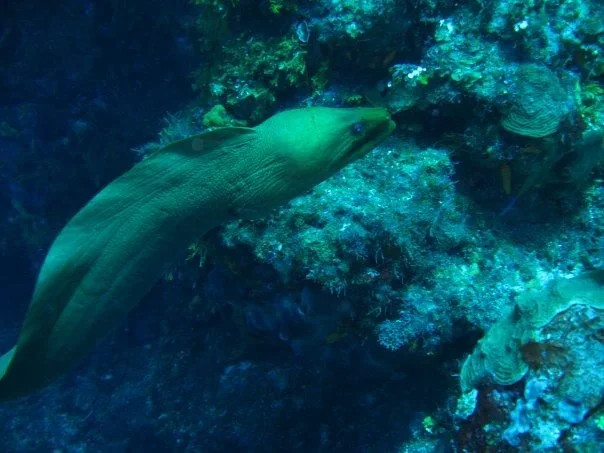
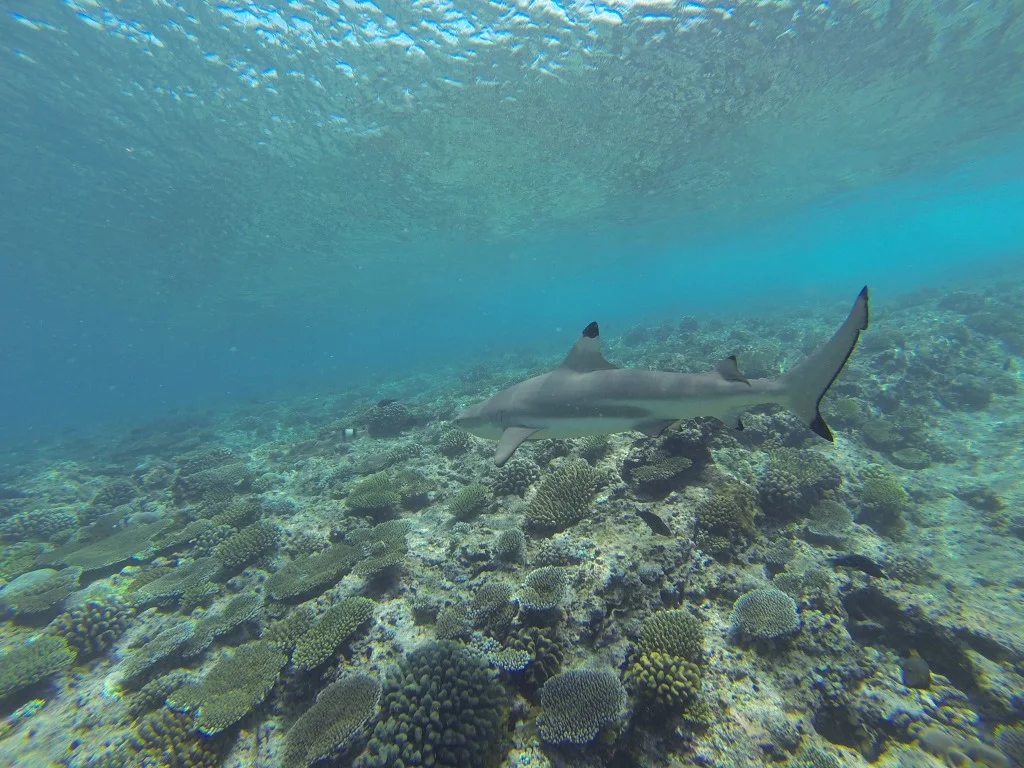
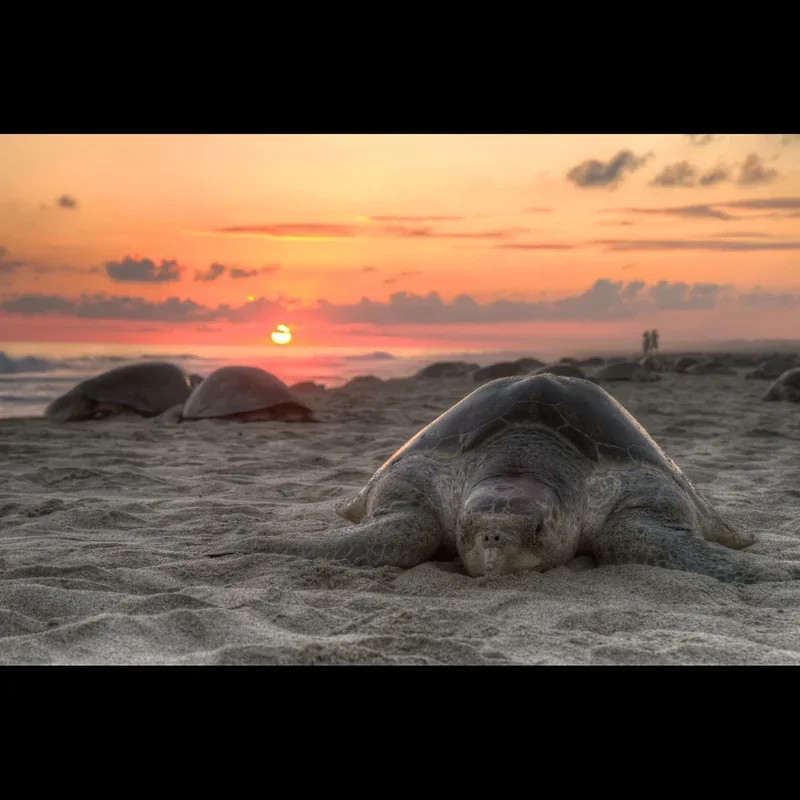
Descending into the waters around Islote Los Ahorcados, divers are often greeted by a vibrant array of reef fish darting among the coral structures. Common sightings include various species of fish, sea turtles gracefully navigating the reef, and moray eels peeking from crevices.
The site also hosts a variety of rays, and there's a possibility of encountering larger pelagic species such as sharks, dolphins, or even distant whales. Crustaceans, mollusks, and diverse gorgonians further populate the extensive coral reefs, contributing to a rich and varied ecosystem.

Dive Sites Near Islote Los Ahorcados
View all dive sites in EcuadorDiscover more underwater gems in this area.
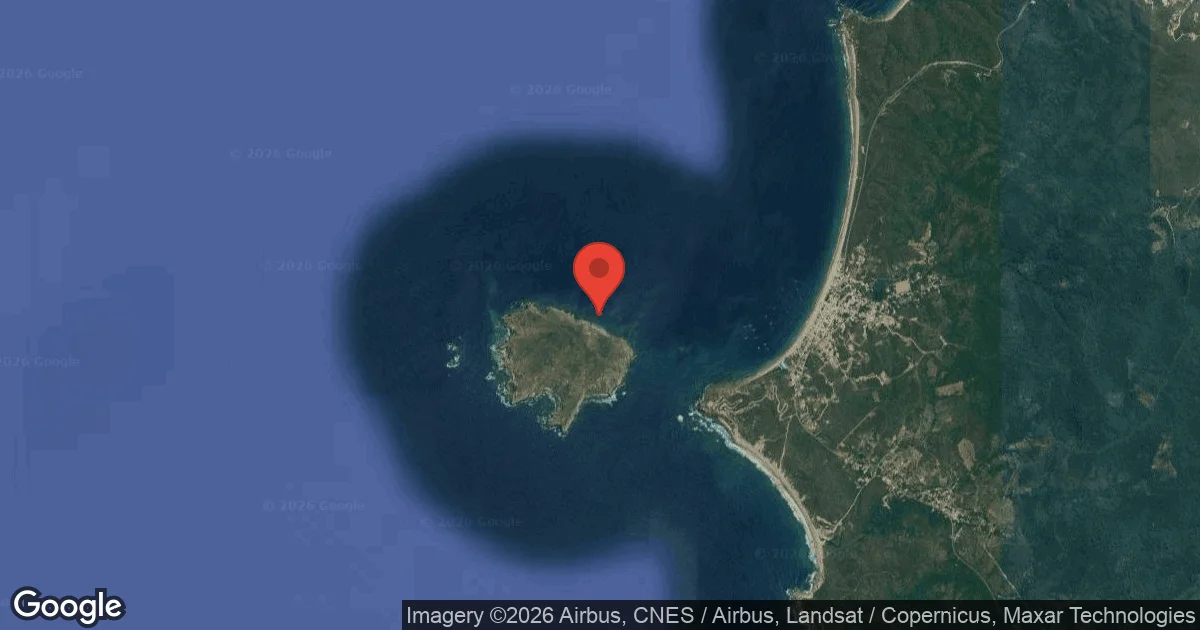
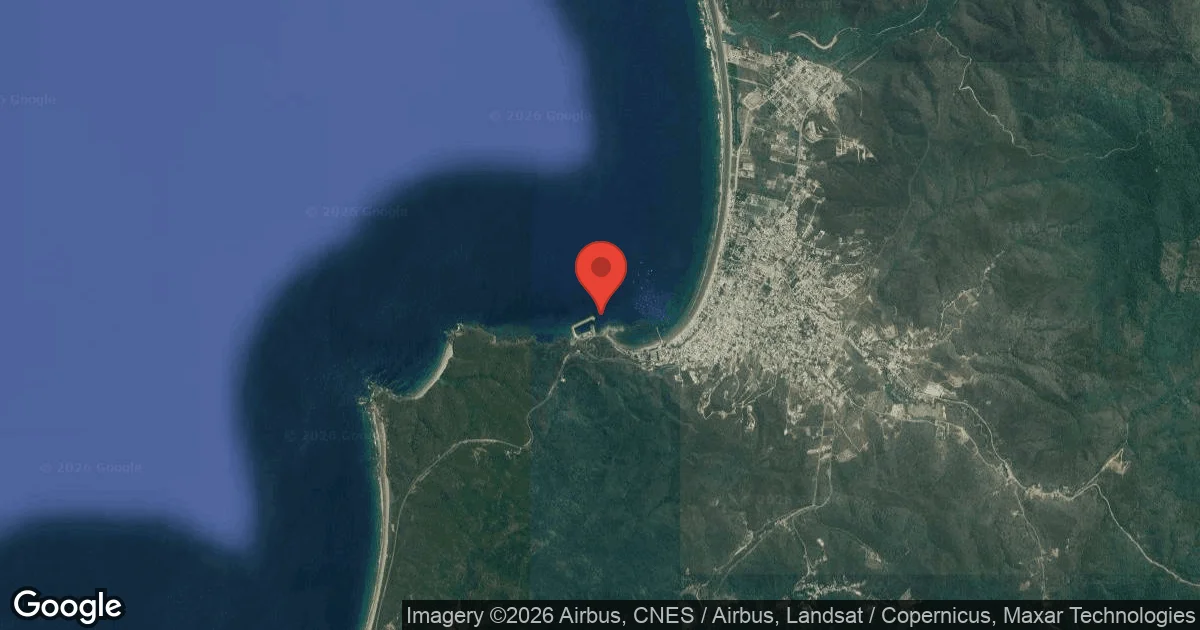
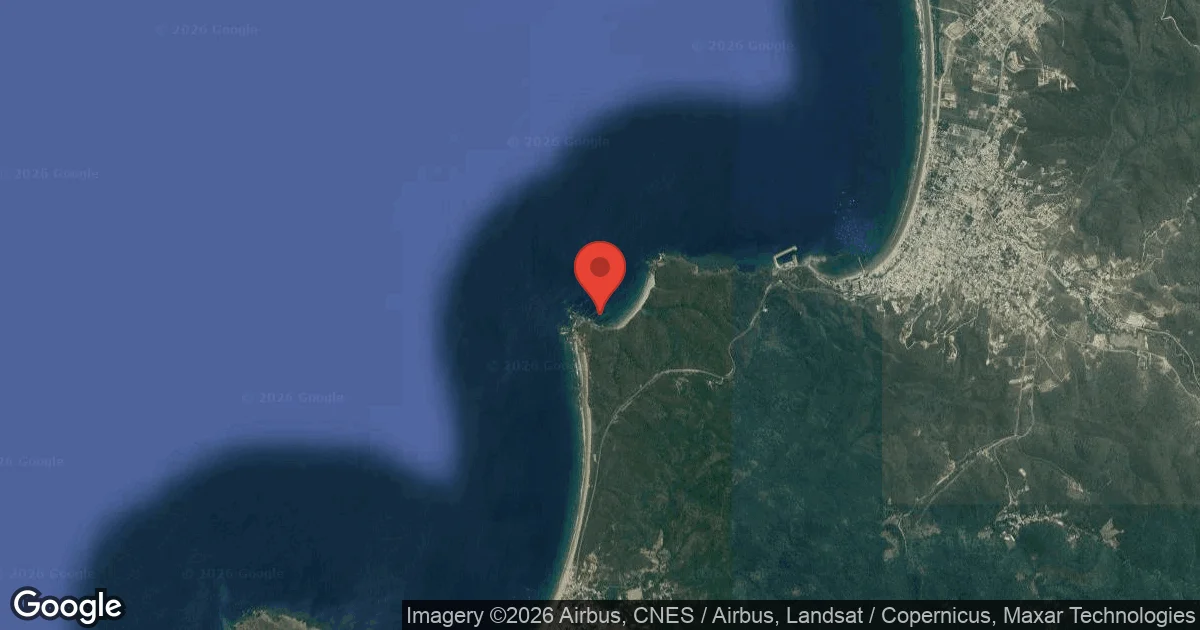
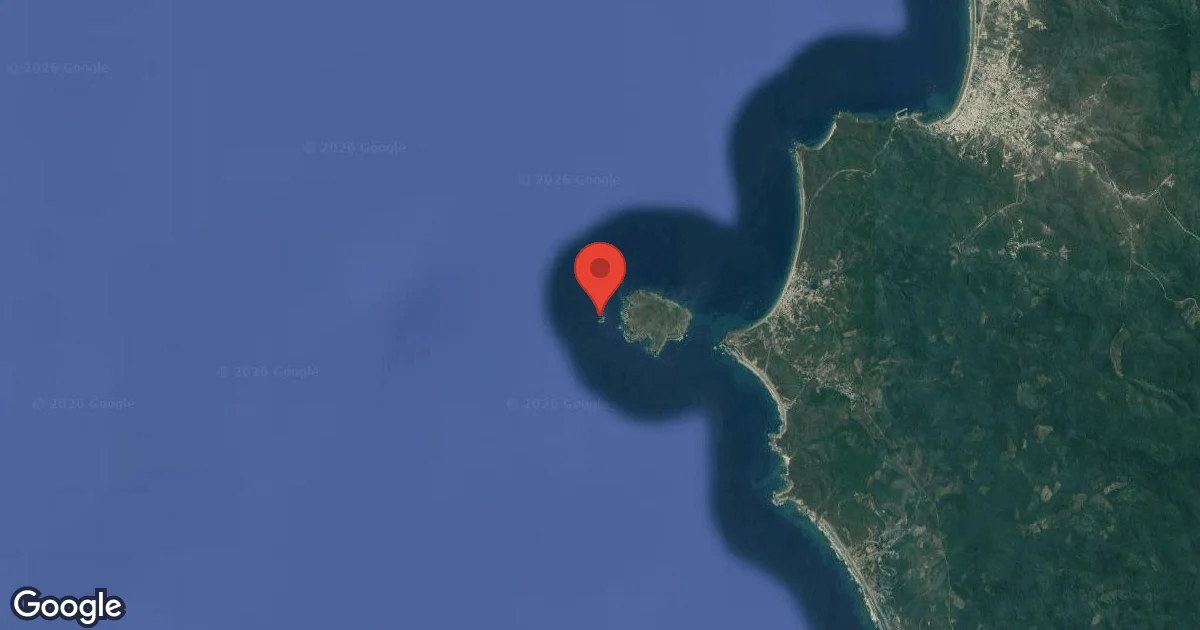
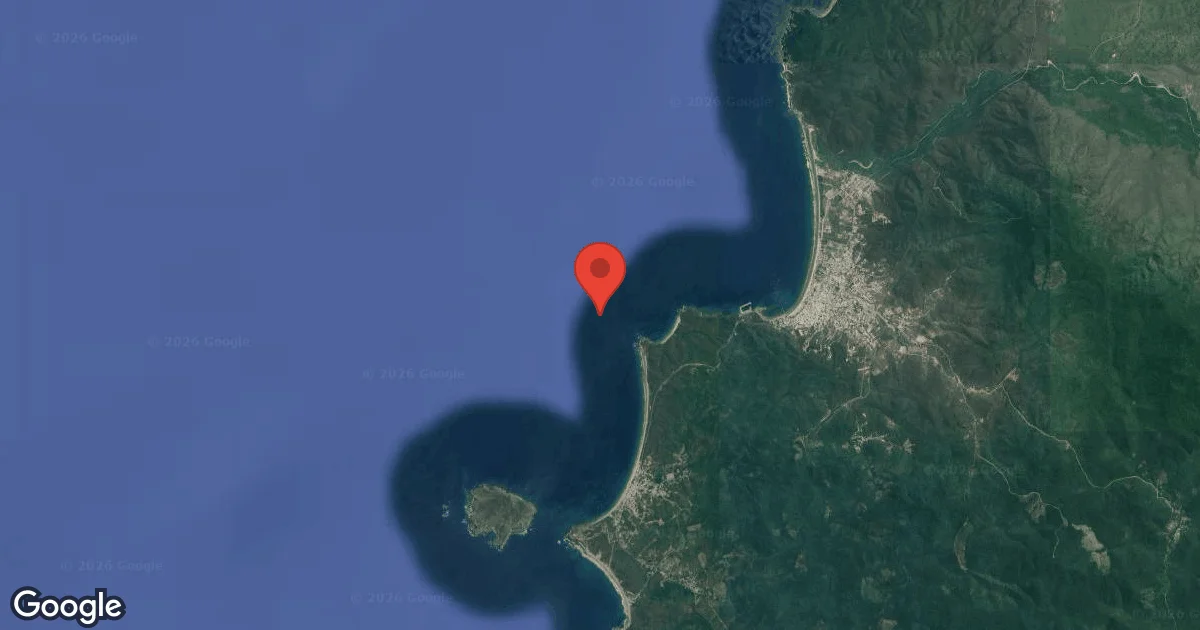
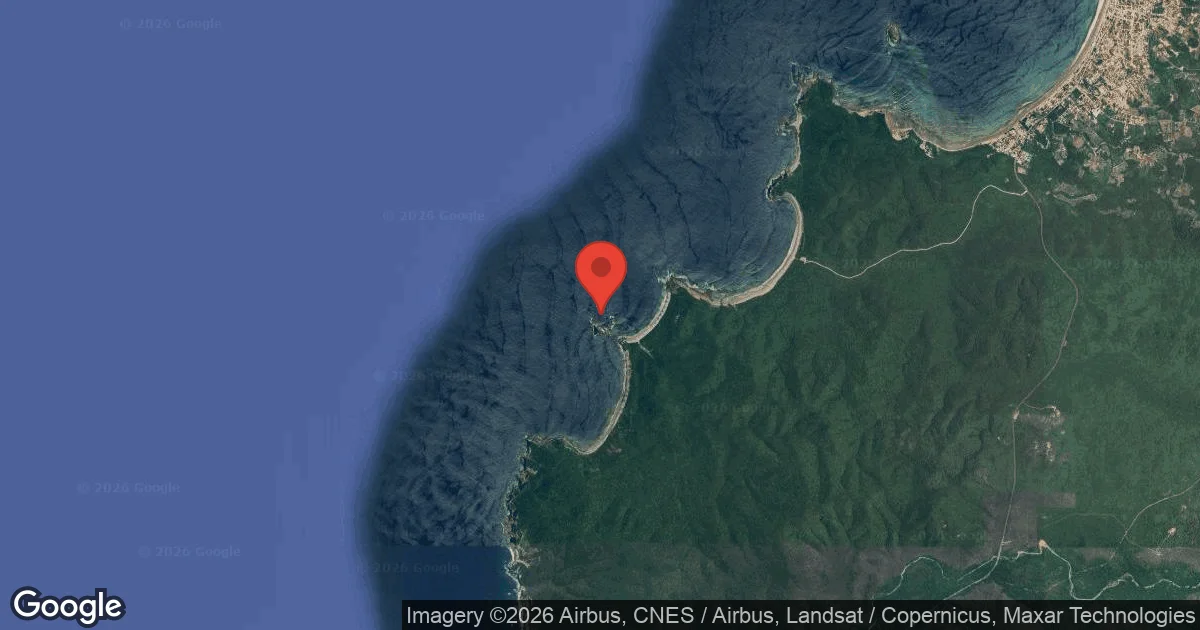
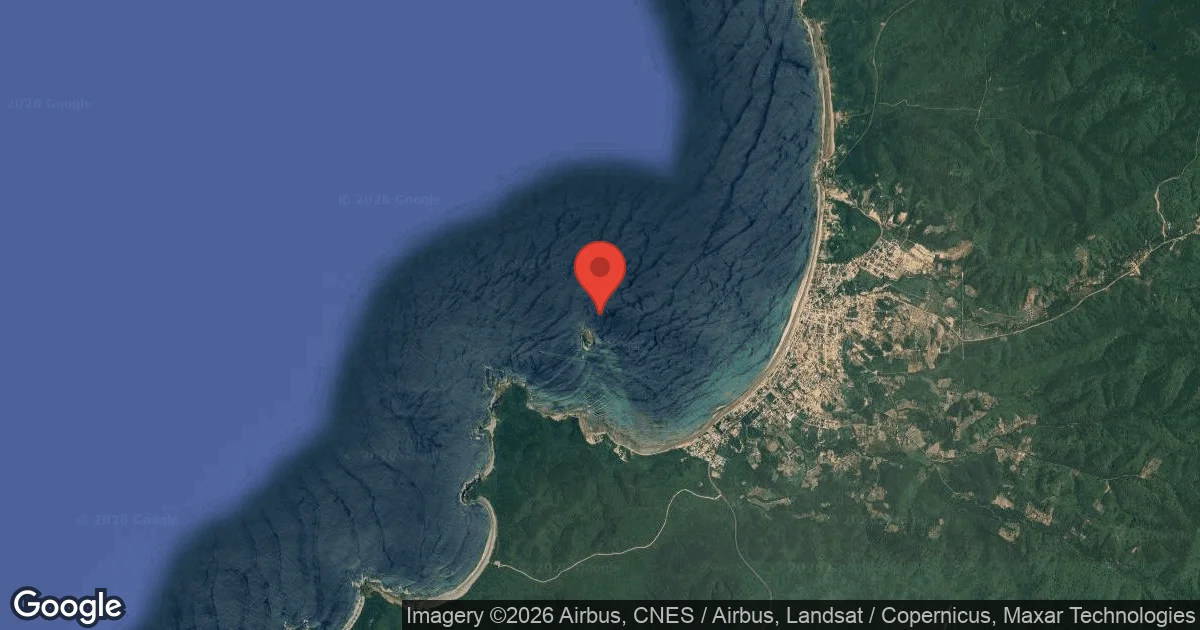
Dive Centers Near Islote Los Ahorcados
No Dive Centers Local To Islote Los Ahorcados
Are you a dive center visiting this location? Get listed to reach divers.
Nearest Airports
Nearest airports to help plan travel to this dive area.
Search Flights
Check available flights and routes on Expedia, using the nearby airports listed in this section.
Search Flights on ExpediaFrequently Asked Questions
What is the recommended diver skill level for Islote Los Ahorcados?
This site is primarily recommended for intermediate to advanced divers. The presence of dynamic currents and diverse dive types like walls and caves requires a higher level of experience and skill for safe and enjoyable exploration.
What kind of underwater formations can be found at Islote Los Ahorcados?
The site features striking rock formations, which extend underwater to create caves, extensive reefs, and dramatic walls. Divers can also navigate through small canyons and tunnels, often adorned with numerous coral 'fans'.
What marine life might I encounter at Islote Los Ahorcados?
Divers can expect to see a variety of fish, sea turtles, moray eels, and different species of rays. There's also the chance to spot sharks, dolphins, and occasionally hear or observe whales passing nearby, along with abundant crustaceans, mollusks, and gorgonians.
How do I get to Islote Los Ahorcados?
Access to Islote Los Ahorcados is exclusively by boat. It's a short 10-minute boat ride from Las Tunas, or approximately 40 minutes if departing from Ayampe.
Are there any seasonal considerations for diving at this site?
Diving conditions are generally favorable year-round, with consistently good dive scores. Air temperatures are pleasant, and rainfall is minimal throughout the year. While specific water temperature data isn't consistently available, the tropical climate suggests comfortable conditions.
Is a dive certification required for diving in Ecuador?
Yes, a professional dive license or certification is required to participate in scuba diving activities in Ecuador. Ensure your certification is current and recognized.