
Diving in Ecuador
Across Ecuador, underwater environments vary, creating a range of diving conditions to consider. Our platform currently includes 30 mapped dive sites across Ecuador.
The diving experience in Ecuador is characterized by distinct seasonal conditions that influence encounters with pelagic species. Visitors can expect dynamic conditions, particularly around areas like Santa Cruz. The country's dive sites are known for significant marine life activity throughout the year.
For instance, specific locations such as Bajo Cope near Ayangue offer opportunities to observe Manta Rays. Seasonal patterns dictate the presence of different large animals.
Dive Map of Ecuador
Available dive information for Ecuador is concentrated around a limited number of documented locations rather than being widely distributed. Most insights into the country's dive sites stem from specific areas.
Notable locations include Bajo Cope, found near Ayangue, and sites around Santa Cruz.
Dive Sites to Explore
View all 30 sites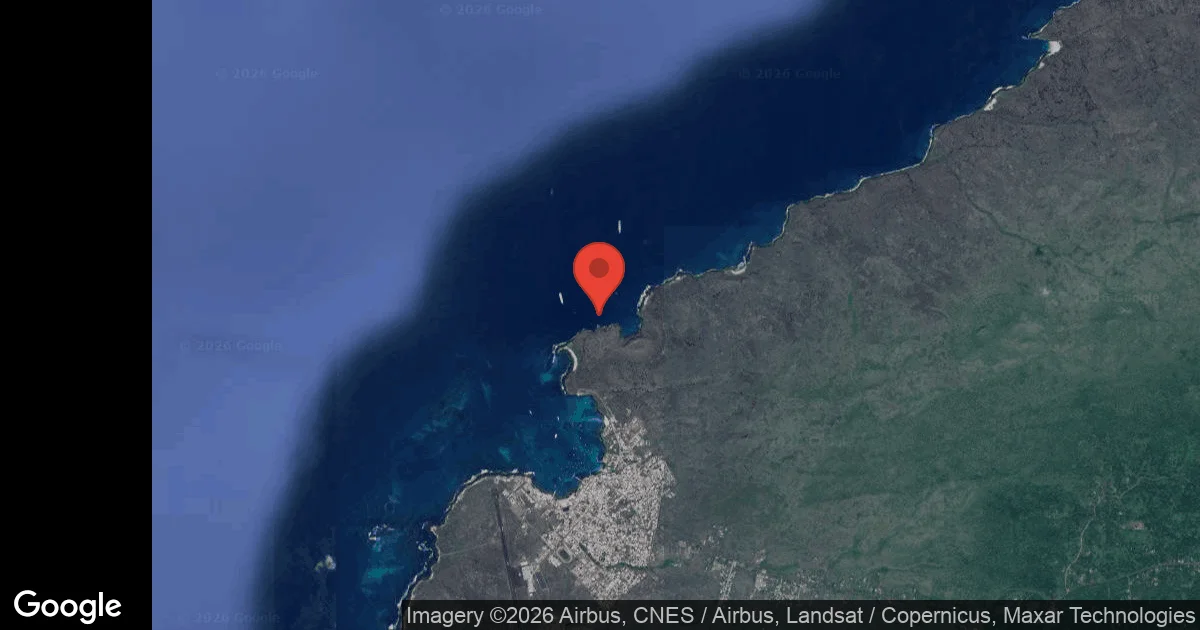
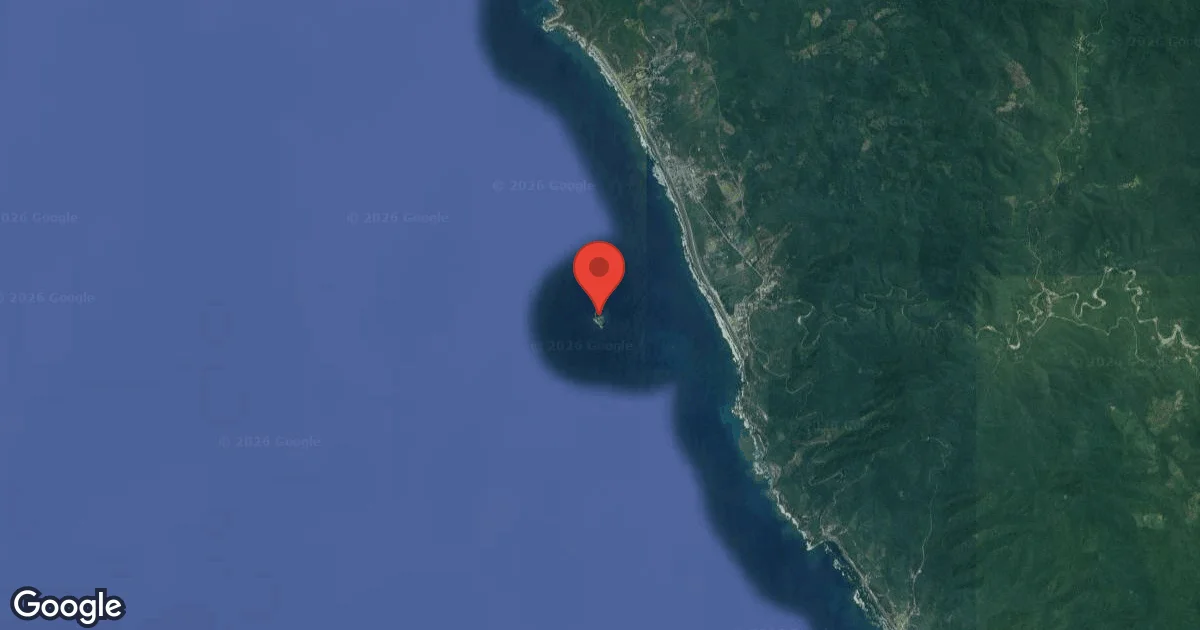
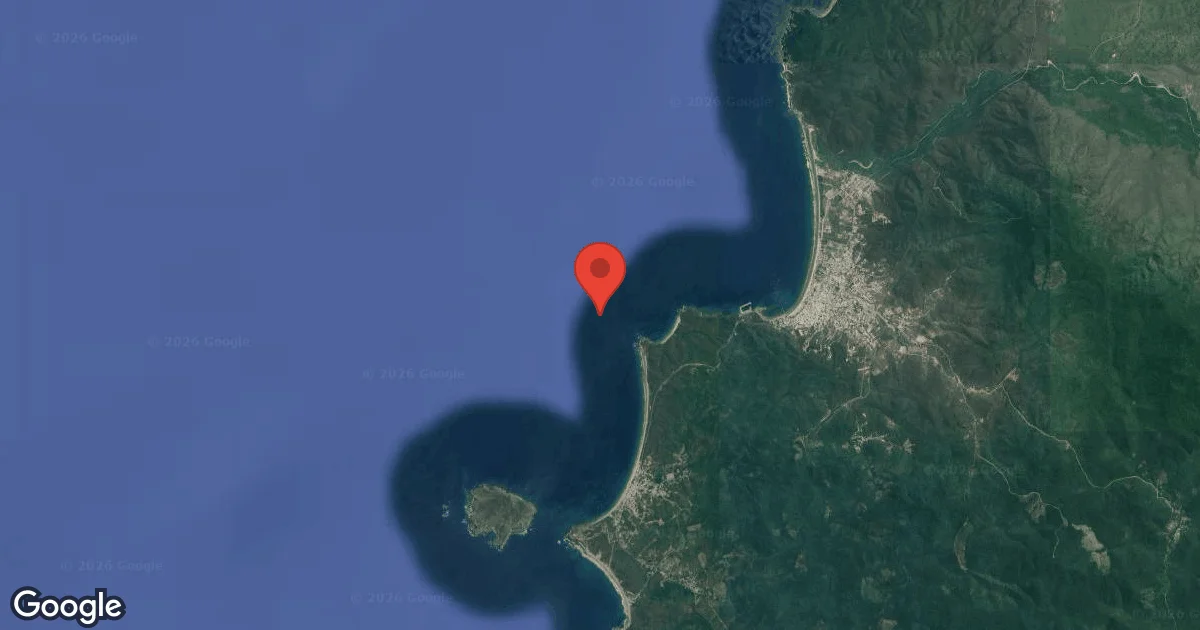
Detailed information regarding specific site depths or variations between shallow and deep sites is not widely documented for Ecuador. However, certain areas are recognized for their diving opportunities.
Bajo Cope, located near Ayangue, is a documented dive site. During the warmer, wetter season from December to May, divers can generally expect better visibility at these locations.
Best Time to Dive in Ecuador
Seasonal marine life patterns heavily influence the best time to dive in Ecuador. Whale Sharks are most often seen around July to November. Manta Rays are more commonly observed from December to May, while Eagle Rays are frequent between February and June.
This seasonality aligns with two main periods. The dry, cooler season from June to November brings water temperatures averaging 18-20°C (64-68°F), with air temperatures ranging from 18-24°C (64-75°F). The sea is often choppier during this time, and currents can be unpredictable. Conversely, the warm, wet season from December to May features warmer waters, around 22-27°C (71-80°F), and generally better visibility, though air temperatures can reach a humid 35°C (95°F).
Monthly Sea Temperatures
Sea temperatures in Ecuador exhibit clear seasonal variations. During the dry, cooler season from June to November, water temperatures average 18-20°C (64-68°F).
These temperatures gradually decrease, becoming colder through November. The warm, wet season, spanning December to May, brings significantly warmer waters. Divers can expect temperatures around 22-27°C (71-80°F) during this period.
| Jan | Feb | Mar | Apr | May | Jun | Jul | Aug | Sep | Oct | Nov | Dec | |
|---|---|---|---|---|---|---|---|---|---|---|---|---|
| Max | 27° | 28° | 29° | 29° | 28° | 28° | 27° | 27° | 26° | 27° | 27° | 27° |
| Avg | 26° | 26° | 27° | 27° | 27° | 26° | 25° | 26° | 25° | 26° | 26° | 26° |
| Min | 25° | 24° | 25° | 25° | 25° | 25° | 24° | 25° | 24° | 25° | 24° | 25° |
Dive Conditions
Divers in Ecuador should be prepared for dynamic ocean conditions. The sea is notably choppier during the cooler, dry season from June to November. Ocean currents can also be unpredictable throughout the year.
Visibility generally improves during the warmer, wet season, which runs from December to May. These conditions underscore the importance of being ready for varied underwater environments.
Marine Life Highlights
Most Mentioned Species
Marine life in Ecuador varies across dive locations, with different species appearing depending on environment and conditions. The species highlighted here are the most frequently associated with dive sites in our data, offering a realistic overview of what divers are most likely to encounter.
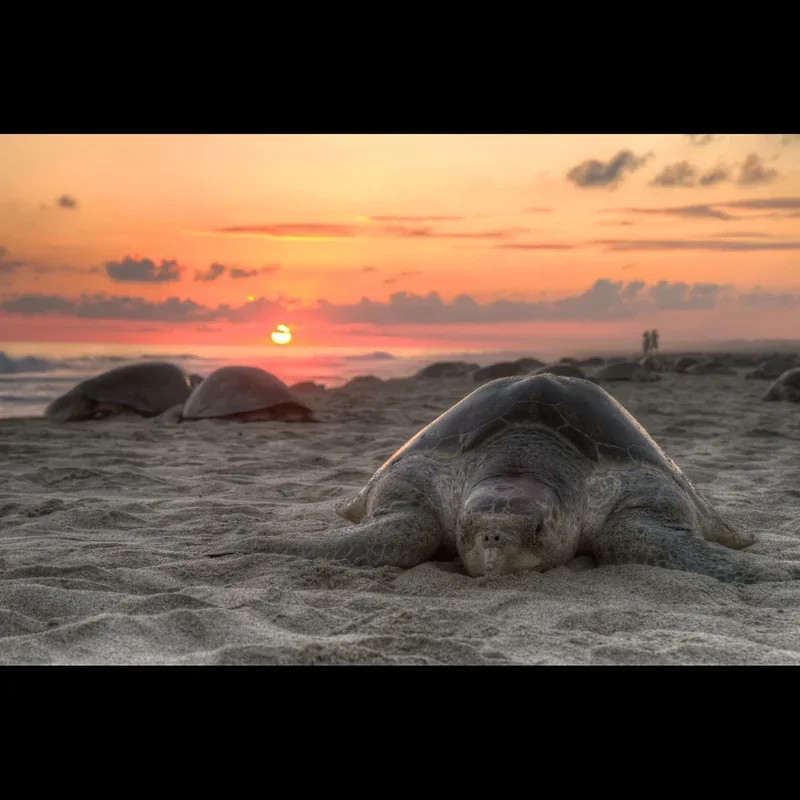
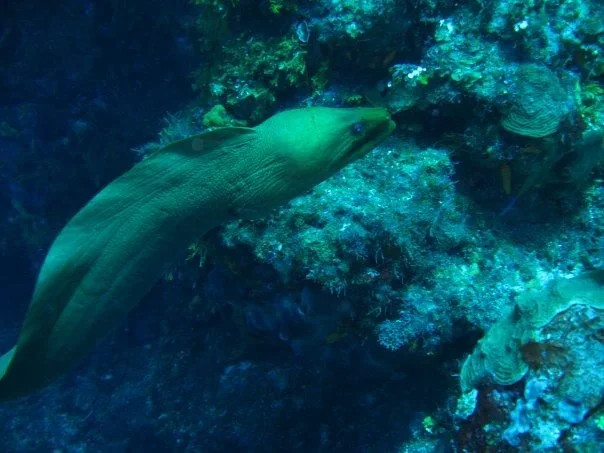
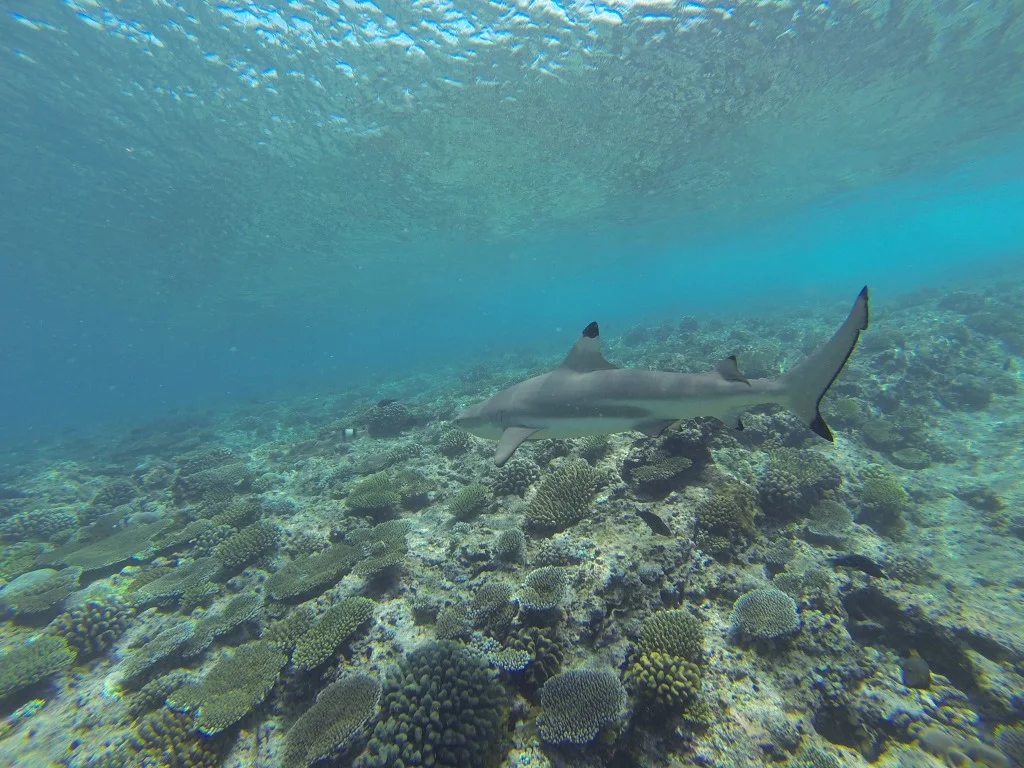
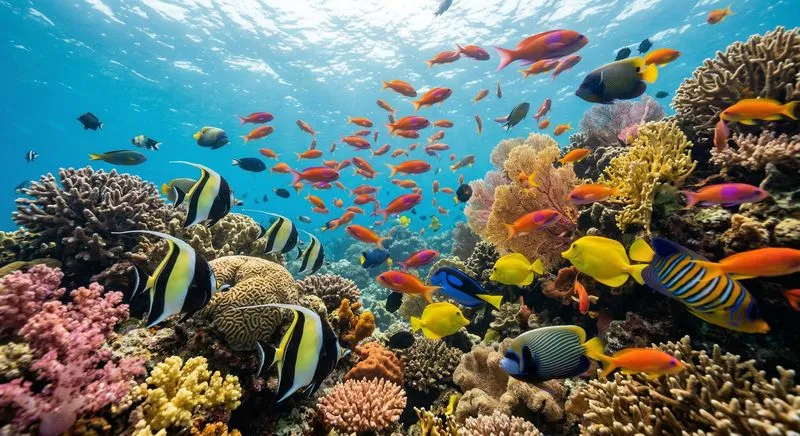
The marine environment in Ecuador is known for its seasonal presence of large pelagic species. Divers can look for Whale Sharks, which are most frequently observed from July to November.
Manta Rays are more commonly seen between December and May. Additionally, Eagle Rays make more frequent appearances from February through June. These seasonal shifts offer diverse viewing opportunities for specific animals.
Regions for Diving
Diving activity in Ecuador is not extensively documented at a national level, with most available information focused on specific locations rather than broad regional patterns. Santa Cruz is one known region for diving.
Another documented area is Bajo Cope, found near Ayangue. While detailed regional progression isn't widely outlined, general seasonal conditions apply across known sites. Water temperatures vary from 18-20°C (64-68°F) in the cooler season to 22-27°C (71-80°F) in the warmer months, with visibility generally better during the latter.
Travel & Passport Guide
Travel Basics
Trip Planning
Safety & Diving Considerations
Safety considerations in Ecuador diving often begin with preparedness for variable conditions. The dry, cooler season from June to November, characterized by choppier seas and colder water, is generally better suited for experienced divers.
Ocean currents in the area can be unpredictable, requiring vigilance. Divers are recommended to bring drysuits, particularly for colder periods, to ensure comfort and safety during descents.
Dive Centers in Ecuador
View all 19 dive centers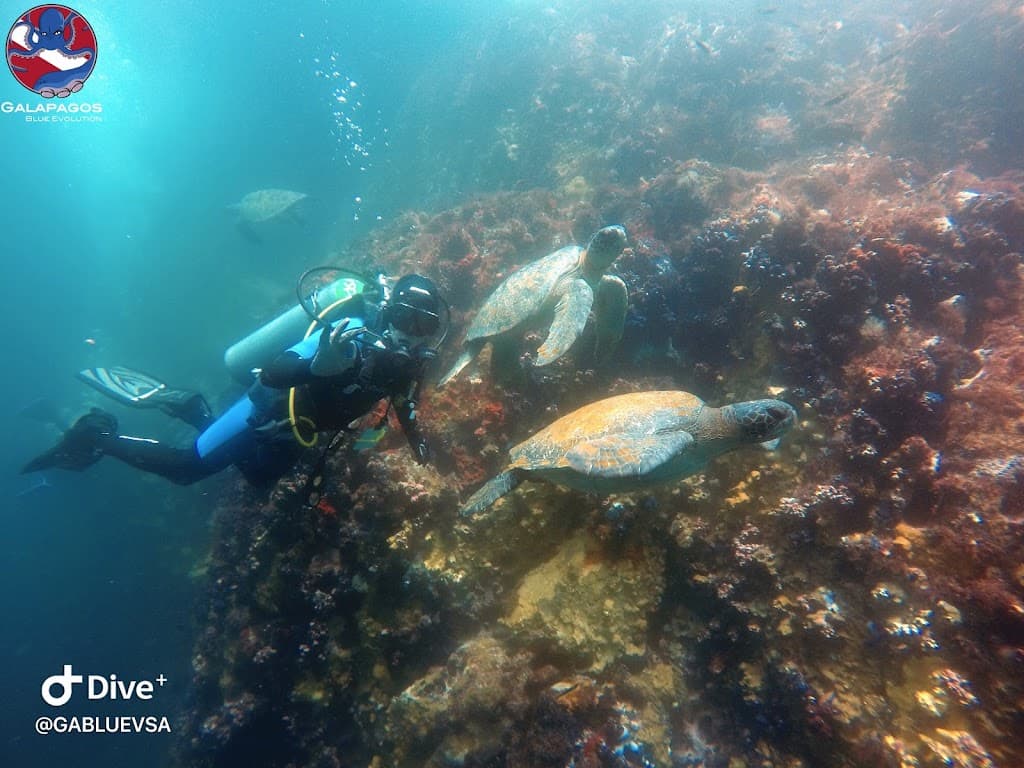
Frequently Asked Questions
What are the seasonal sea temperatures in Ecuador?
Sea temperatures in Ecuador vary by season. From June to November, during the dry, cooler season, water temperatures average 18-20°C (64-68°F) and can grow colder. From December to May, the warm, wet season brings warmer waters, typically around 22-27°C (71-80°F).
When is the best time to see specific marine life in Ecuador?
Whale Sharks are most often seen from July to November. Manta Rays are more commonly observed from December to May. Eagle Rays are frequent between February and June.
What are the general dive conditions in Ecuador?
Divers should anticipate dynamic conditions, including potentially choppier seas during the June to November dry season. Ocean currents can be unpredictable throughout the year. Visibility is generally better during the warmer, wet season from December to May.
Are there specific safety recommendations for diving in Ecuador?
The cooler, choppier conditions from June to November are often better enjoyed by experienced divers. Due to unpredictable currents and colder water, divers are recommended to bring drysuits for comfort and safety.