
Diving at Elphinstone Reef (Egypt)
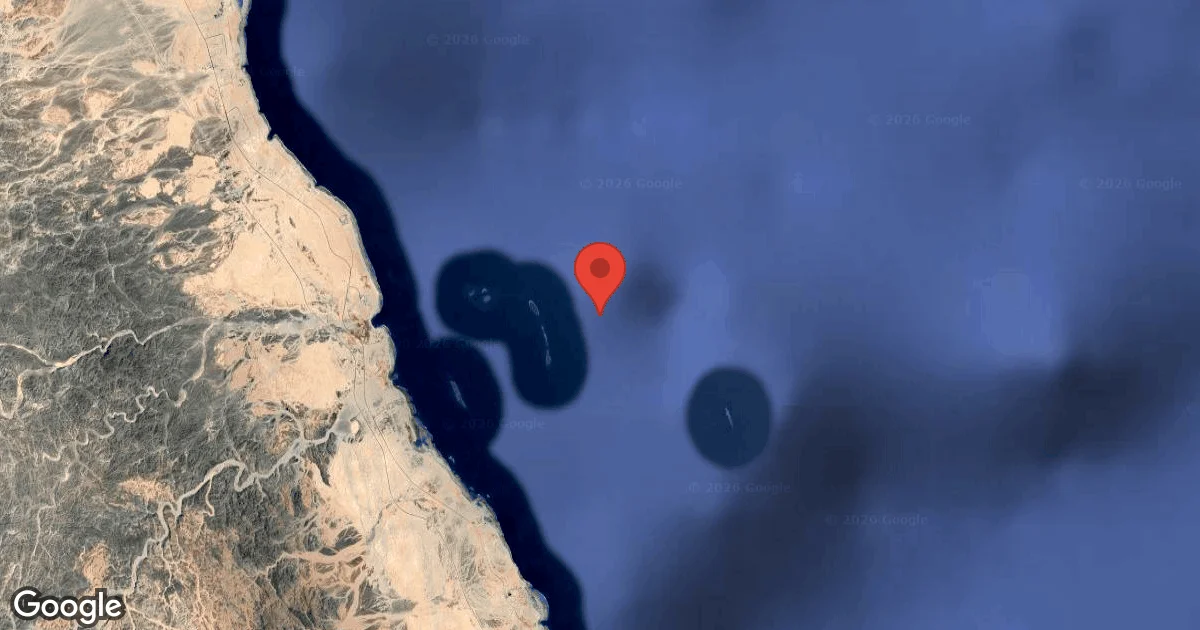
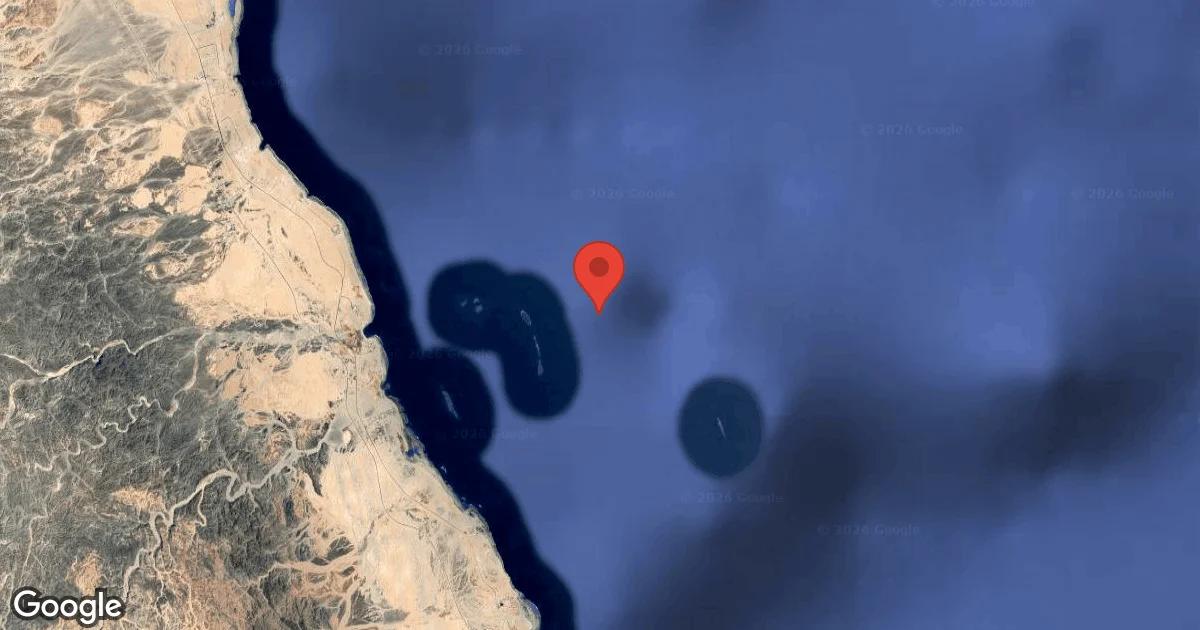
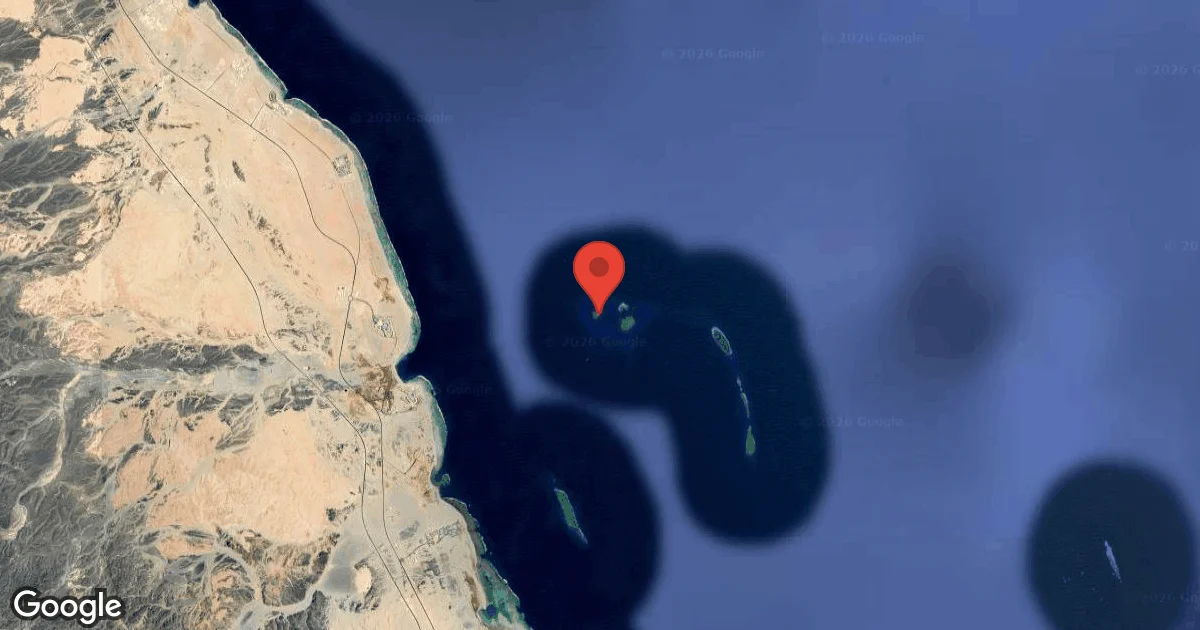
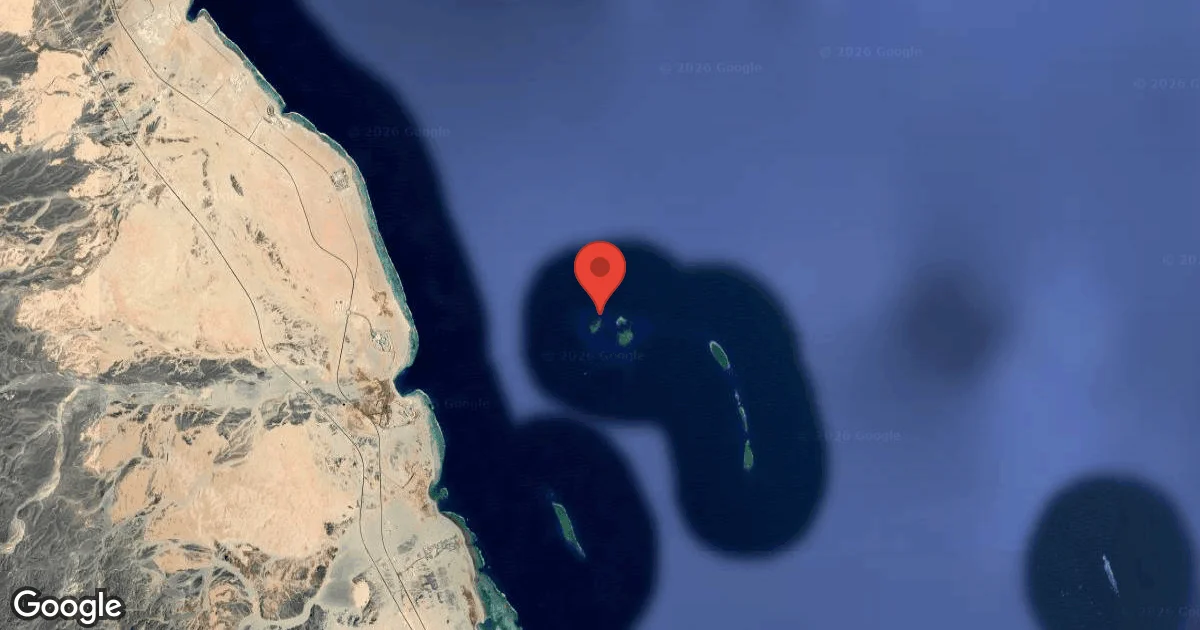
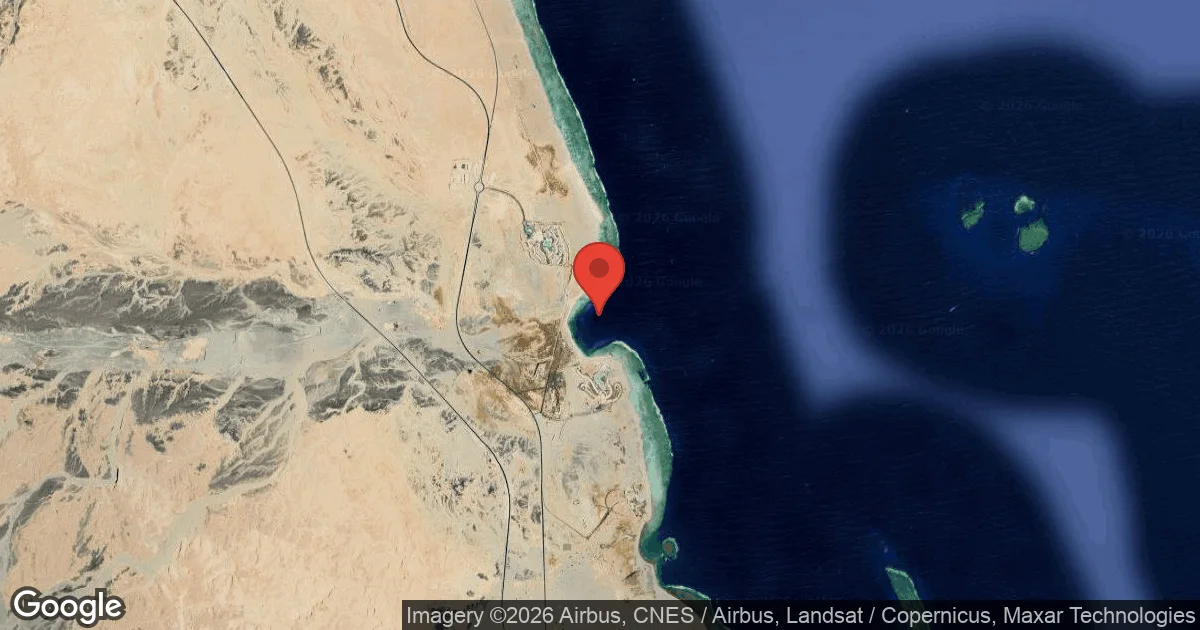
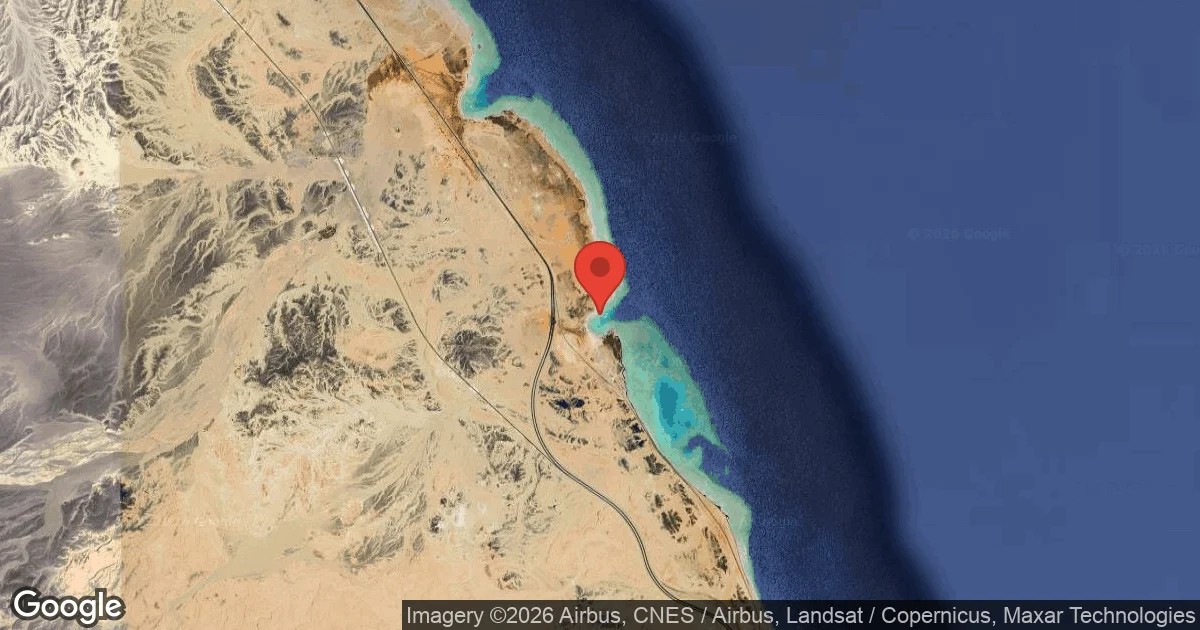
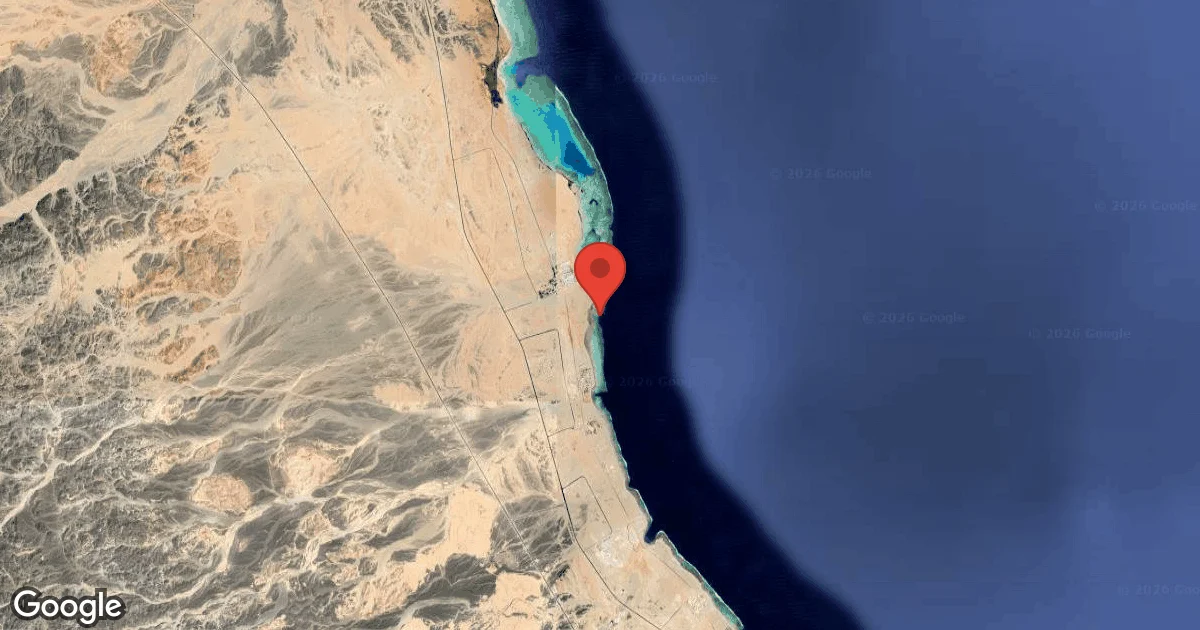
Elphinstone Reef, off Egypt's southern coast near Marsa Alam, presents consistently excellent visibility in the Red Sea, often extending well over 30 m (100 ft). A prominent offshore reef, it appears as a subtle ripple on the surface, giving little indication of the dramatic underwater landscapes below. Its remote yet accessible location makes it a prime destination for liveaboards, providing divers with direct access to its clear waters and dynamic structure.
Evening condition tracking at Elphinstone Reef features an air temperature of 30.5°C. We have recorded wave heights measuring 0.7 m during this period. These figures outline the environmental parameters currently present.
Dive Site Location & Key Facts
Dive Site Overview
Elphinstone Reef emerges from profound depths, presenting a roughly 350-meter (1150 ft) long finger-shaped structure with sheer walls plunging well beyond recreational limits. Drop-offs here extend past depths of 100 meters.
Consistently delivering for experienced divers, the site is characterized by distinct northern and southern plateaus. Both formations slope gently from their shallower parts before dramatically falling into the abyss. Beginning around 20 meters, a northern plateau extends to maximum recreational depths, offering a tiered structure.
A southern plateau typically starts at approximately 25 meters, reaching comparable depths before its steep drop. Persistent currents are a defining feature, often necessitating careful dive planning and dictating drift profiles along the extensive walls and over the plateaus.
These dynamic conditions foster an environment rich in vibrant soft corals, extensively covering the reef's structure and creating a visually stunning descent for divers.
Conditions are Good
Optimal conditions expected
Current conditions near Elphinstone Reef show 30° air, 30° sea temperature, 1.1 m waves, and 38 km/h wind. Forecast data is refreshed regularly to ensure accuracy.
Best Time to Dive
Visibility at Elphinstone Reef typically remains excellent year-round, contributing to its appeal across all seasons. Air temperatures range from approximately 20°C (68°F) in winter months, such as January and February, to over 34°C (93°F) during the peak summer of July and August. Divers can generally expect minimal rainfall, with most months recording 0 mm, ensuring consistently clear skies above the water. Wind speeds average 24-31 km/h (15-19 mph), which can influence surface conditions and wave height, though waves usually remain below 1 meter (3 ft). October to April often provides favorable conditions with cooler air temperatures for surface intervals and high dive scores, while summer offers warmer air and generally calmer seas.
PEAK SEASON SCORE
Scores combine air & water temps, waves, wind & rainfall for overall conditions.
BEST MONTHS TO DIVE
Monthly records compiled from satellite and marine observation nodes over the last 3 years. Data provided by Open-Meteo and MET Norway.
Dive Experience & Conditions
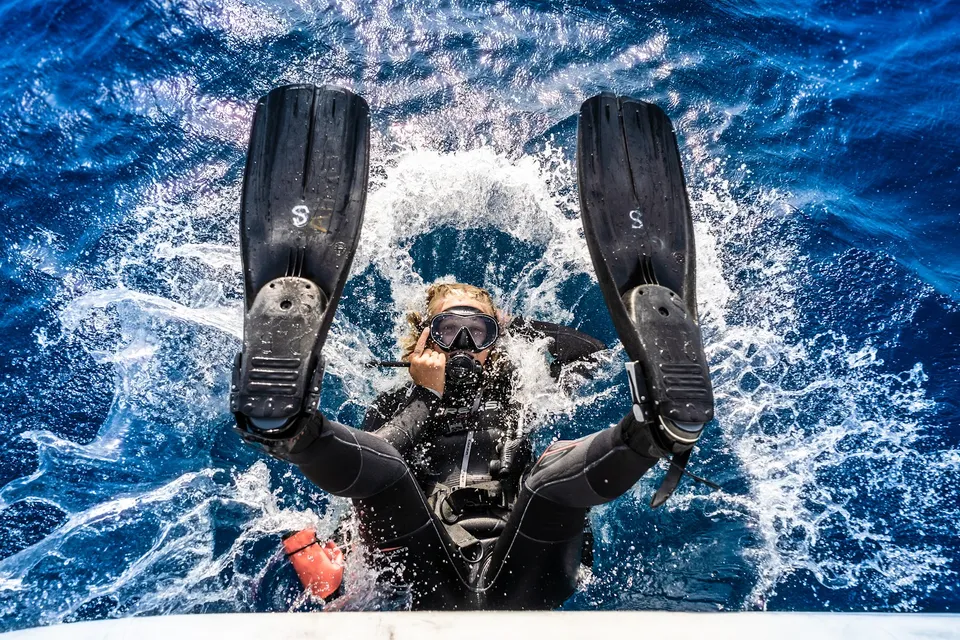
Divers approaching Elphinstone Reef typically utilize small tender boats for entry, with drop-off points strategically chosen based on the prevailing current direction. This site primarily caters to advanced divers due to its exposed offshore nature and consistent currents that sweep over both the northern and southern plateaus. The reef's walls present vertical explorations, quickly descending well past recreational limits, demanding sound buoyancy control. A common dive profile involves drift diving along the reef, allowing divers to cover significant sections of its length. Early morning dives are often favored for potentially calmer conditions and increased chances of pelagic encounters.
Dive Difficulty & Safety Guidelines
Diving Elphinstone Reef demands careful planning and awareness, primarily due to the prevalent strong currents, especially over the northern and southern plateaus. Divers must possess proficiency in drift diving techniques and be comfortable with deep wall dives that can quickly exceed recreational depths. While night diving is permitted, it is exclusively recommended for experienced divers who are comfortable with deep water and potentially unpredictable current shifts.
Dive operators frequently schedule multiple dives per day, requiring divers to manage their no-decompression limits diligently. Carrying proper surface signaling devices is essential for liveaboard operations, as tenders pick up divers some distance from the main vessel.
Recommended Equipment
- Dive Computer
- DSMB
This gear list is based on verified equipment signals for Elphinstone Reef, Egypt. Always confirm final gear choices with your dive operator, guide, or liveaboard.
Recommended Dive Suit
Comfort levels can also depend on how active a diver is during the dive.
Environmental readings suggest that the waters surrounding Elphinstone Reef are about 30°C (85°F) at the moment. Surface air temperatures are resting at 30°C (87°F). When water temperatures fall within this range, many divers dive comfortably with dive skin or rash guard. Consider warmer surface protection (like a boat coat) due to brisk winds.
Conditions are expected to stay fairly consistent in the days ahead.
Emergency & Medical Support
Essential information to help you plan your dive trip to Elphinstone Reef.

Hyperbaric chambers are a critical part of dive safety infrastructure. Availability varies significantly by region, and not all dive areas have immediate access.
Before diving, it's recommended to:
- confirm nearest medical facilities
- check emergency procedures with local dive operators
- ensure dive insurance covers evacuation if required
Divers Alert Network
Diving emergency assistance available through DAN Europe.
+39 0642115685- 24/7 emergency hotline
- Diving medical assistance
- Evacuation coordination
Emergency contacts are provided for reference. Always verify local emergency services before diving.
Marine Life at Elphinstone Reef
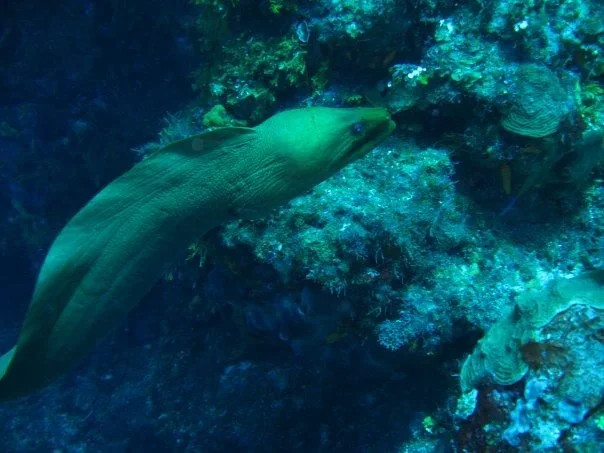
Elphinstone Reef's vibrant soft and hard corals are a significant draw, creating a dynamic backdrop for a diverse array of reef inhabitants. Divers commonly encounter colorful reef fish, giant moray eels, and turtles throughout the shallower sections of the reef.
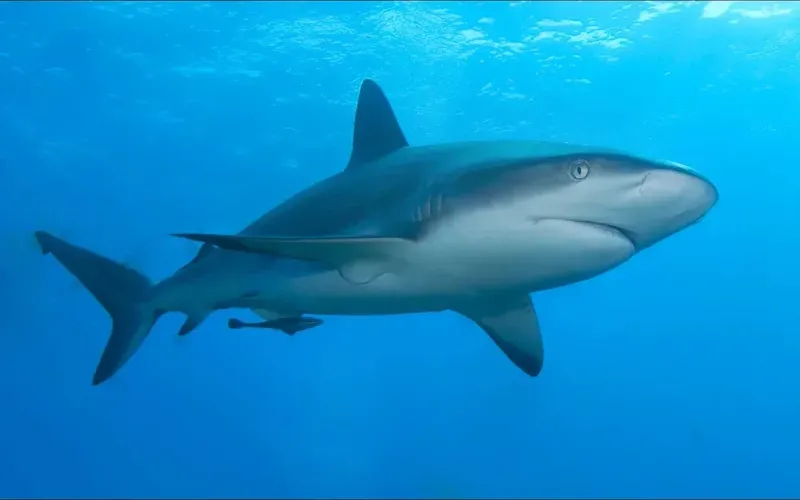
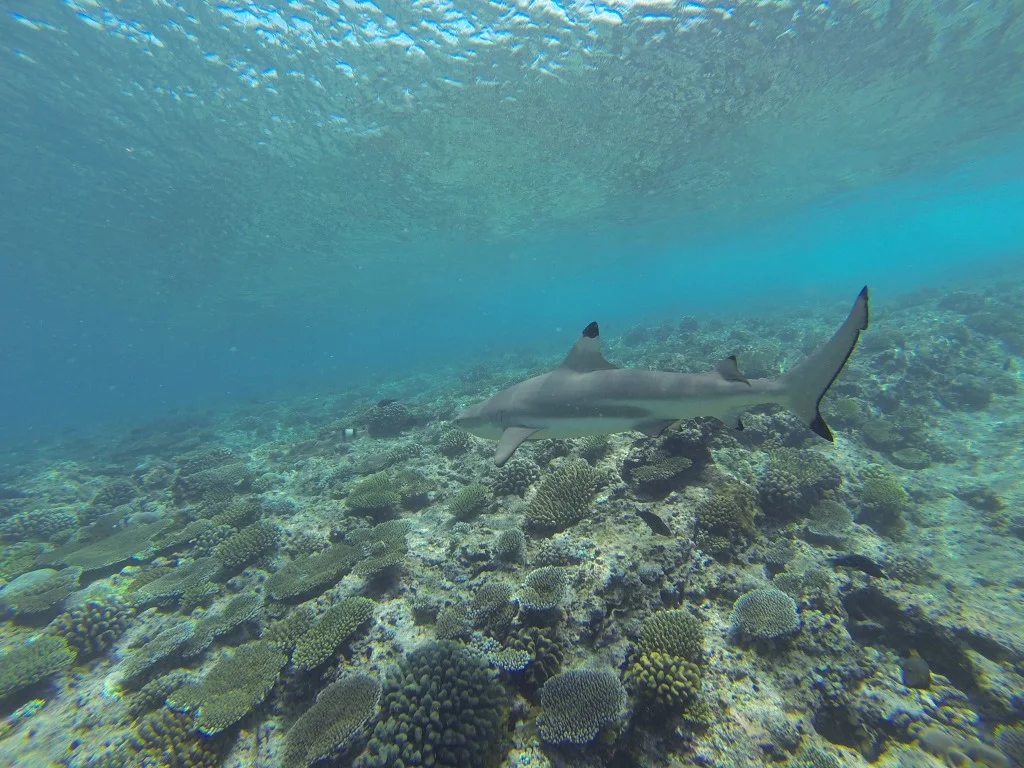
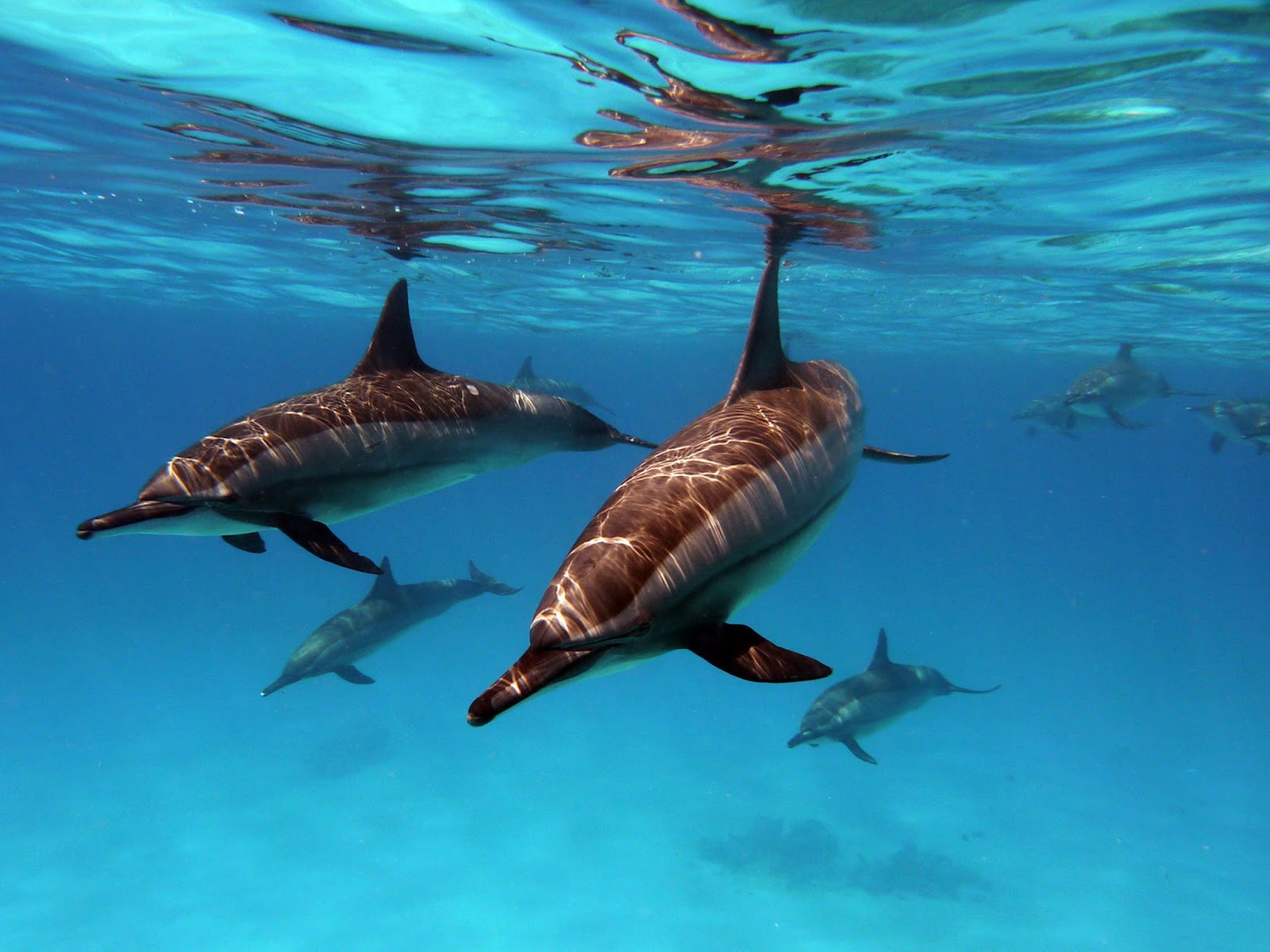
The plateaus, especially at their deeper extents, act as aggregation points for larger pelagics. Oceanic whitetip sharks and hammerheads are often seen during winter months, while mantas and tiger sharks are reported to be more frequent visitors during the warmer seasons.
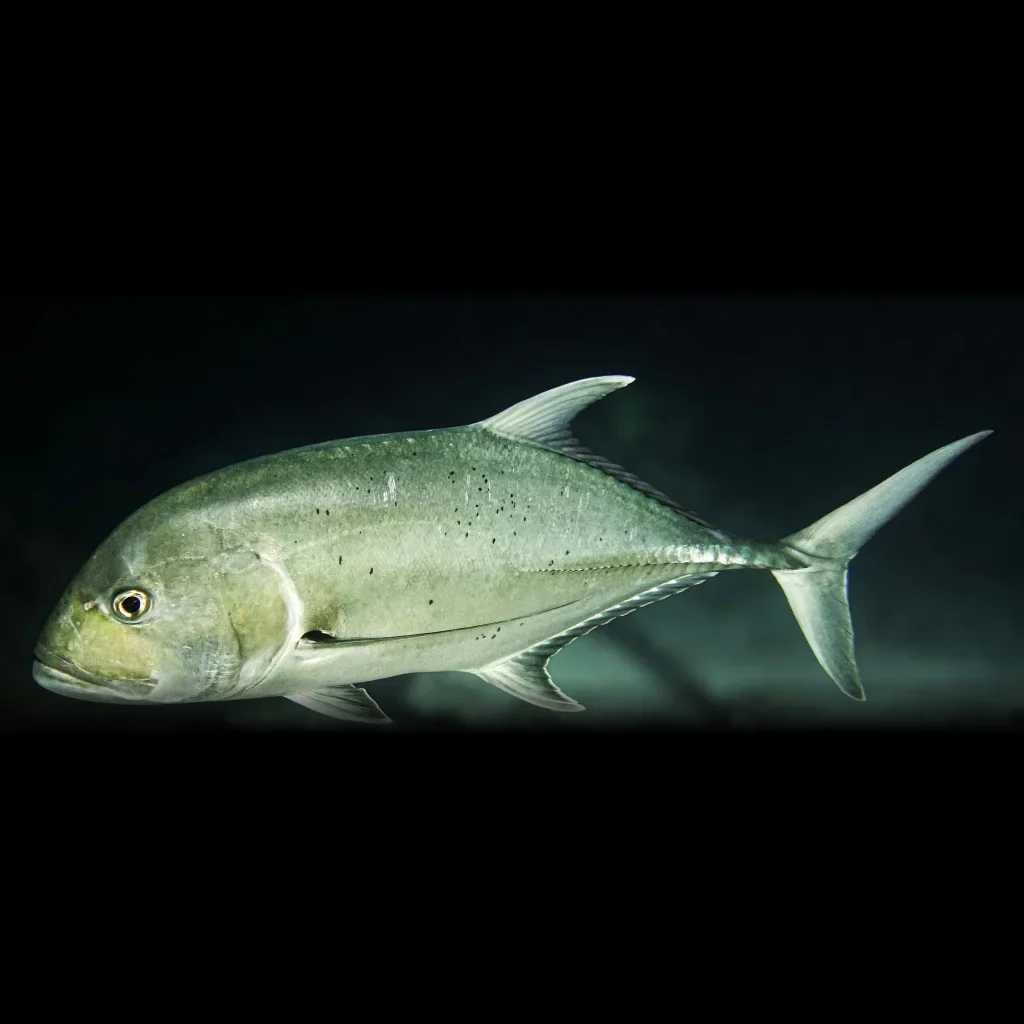
Giant trevally and various reef sharks can also be spotted, particularly around the northern plateau's tiered structure.

Dive Sites Near Elphinstone Reef
View all dive sites in EgyptDiscover more underwater gems in this area.
Dive Centers Near Elphinstone Reef




Nearest Airports
Nearest airports to help plan travel to this dive area.
Search Flights
Check available flights and routes on Expedia, using the nearby airports listed in this section.
Search Flights on ExpediaFrequently Asked Questions
What is the general topography of Elphinstone Reef?
Elphinstone is a long, finger-shaped offshore reef, about 350 meters in length, rising from deep water. It features dramatic drop-offs on its sides that plunge beyond 100 meters, along with distinct northern and southern plateaus.
What kind of marine life can I expect at Elphinstone Reef?
Vibrant soft and hard corals, diverse reef fish, moray eels, and turtles are found on the reef. Larger pelagics like oceanic whitetip sharks, hammerheads, mantas, and tiger sharks are frequently sighted, particularly around the plateaus, with specific species appearing more commonly in certain seasons.
Are there strong currents at Elphinstone Reef?
Yes, consistent currents are a defining characteristic of Elphinstone Reef, especially over the northern and southern plateaus. These currents often necessitate drift diving techniques.
What is the best time of year to dive Elphinstone?
Visibility remains excellent year-round. While specific water temperatures aren't reported, air temperatures range from 20°C (68°F) in winter to 34°C (93°F) in summer. October to April often provides good surface conditions and cooler air temperatures.
Is night diving allowed at Elphinstone Reef?
Yes, night diving is permitted at Elphinstone. However, it is generally recommended only for experienced divers comfortable with deep water and variable currents due to the challenging conditions.
What diving experience level is recommended for Elphinstone Reef?
Elphinstone Reef is primarily recommended for advanced divers. Its offshore location, deep walls, and consistent currents require proficiency in drift diving and comfort with deeper water profiles.
Planning to dive Elphinstone Reef?
Send one inquiry and receive offers directly from the best verified local dive operators.
Conditions are Good
Optimal conditions expected
Current conditions near Elphinstone Reef show 30° air, 30° sea temperature, 1.1 m waves, and 38 km/h wind. Forecast data is refreshed regularly to ensure accuracy.