
Diving at Abu Dabab (Egypt)
Abu Dabab presents a varied dive profile along Egypt's southern Red Sea coast, integrating diverse underwater structures. Divers encounter a mosaic of six distinct reef systems, encompassing vibrant coral gardens, sandy bottoms, and pinnacles. A notable feature includes a small wreck, which adds an exploratory element to the natural topography. Its maximum depth of 30 m / 98 ft accommodates a wide range of certification levels.
Evening condition tracking at Abu Dabab features an air temperature of 28°C. We have recorded wave heights measuring 0.8 m during this period. These figures outline the environmental parameters currently present.
Dive Site Location & Key Facts
Dive Site Overview
Abu Dabab has long solidified its place as a frequent and well-regarded stop on Red Sea liveaboard itineraries, particularly for those exploring the southern Egyptian coast near Marsa Alam. For many years, divers have navigated its distinctive underwater topography, characterized by six separate reef systems.
This area presents a rich variety of dive opportunities; from vibrant hard coral gardens that boast significant biodiversity to expansive sandy bottoms favored by specific species. An intriguing addition to the natural formations is a small wreck, which settled here in 2004, offering an accessible exploratory element. Beyond the wreck, an underwater cave system provides another dimension for divers to explore carefully.
Its long-standing reputation means dive safari operators consistently incorporate Abu Dabab, often remarking on its relaxed atmosphere and suitability for divers across various certification levels. The site is accessible either by boat or through shore entry at specific points.
The blend of structural diversity—from prominent pinnacles and extensive reefs to more gentle sandy slopes—ensures a comprehensive and engaging dive experience that continues to attract enthusiasts seeking varied underwater landscapes and diverse marine encounters.
Conditions are Good
Optimal conditions expected
Current conditions near Abu Dabab show 28° air, 30° sea temperature, 1.2 m waves, and 37 km/h wind. Forecast data is refreshed regularly to ensure accuracy.
Best Time to Dive
Diving at Abu Dabab is generally favorable throughout the year, with "Good" dive scores consistently reported across all months. For maximum comfort both above and below the surface, consider months when air temperatures are moderate. January, February, and December typically see air temperatures around 20-21°C / 68-70°F, while July and August can reach 33-34°C / 91-93°F. Rain is largely absent or negligible for most of the year, ensuring clear skies for surface intervals. Wind speeds vary but are generally around 24-31 km/h / 15-19 mph, with wave heights typically under 1 meter / 3 feet. While specific water temperature data isn't consistently reported for the site, the Red Sea typically offers pleasant conditions, getting warmer in the summer months. Visibility can vary, with high winds occasionally impacting clarity. Planning your visit outside of peak summer heat or during periods with historically lower winds might enhance your overall experience.
PEAK SEASON SCORE
Scores combine air & water temps, waves, wind & rainfall for overall conditions.
BEST MONTHS TO DIVE
Monthly records compiled from satellite and marine observation nodes over the last 3 years. Data provided by Open-Meteo and MET Norway.
Dive Experience & Conditions
The underwater environment at Abu Dabab offers diverse conditions, accommodating all levels of certified divers. Depths typically reach up to 30 m / 98 ft, allowing for both shallower explorations of vibrant coral gardens and deeper encounters around pinnacles. Water temperatures for the region tend to range from 22-27°C / 72-81°F, varying seasonally, though site-specific data isn't consistently reported. Visibility, generally quite good, can be affected by stronger winds, which are reported to range from 24-31 km/h / 15-19 mph across the year, potentially stirring up sediments. Wave heights typically remain below 1 meter / 3 feet. Divers can expect a mix of boat dives to the outer reef systems and available shore entry at the bay, with generally mild current dynamics suitable for relaxed dives.
Dive Difficulty & Safety Guidelines
When planning dives at Abu Dabab, always consider your certification level and personal experience. Areas like the underwater cave system may require specific advanced training or guidance; avoid attempting penetrations without proper certification and a qualified guide. Since the site accommodates divers of all levels, always ensure you remain within no-decompression limits and closely monitor air consumption.
Pay attention to any dive briefings regarding local currents, especially when considering drift dives. Maintain neutral buoyancy to protect the extensive hard coral gardens and refrain from disturbing any marine life.
Adhere to your liveaboard vessel's specific safety protocols and schedules if you're joining a safari.
Recommended Equipment
- Dive Computer
- DSMB
- Hard-soled Dive Boots
This gear list is based on verified equipment signals for Abu Dabab, Egypt. Always confirm final gear choices with your dive operator, guide, or liveaboard.
Recommended Dive Suit
Repeated dives during the same day can gradually reduce overall body warmth.
Environmental readings suggest that the waters surrounding Abu Dabab are about 30°C (85°F) at the moment. Surface air temperatures are resting at 28°C (82°F). Divers spending extended time underwater often rely on dive skin or rash guard for balanced warmth and flexibility. Consider warmer surface protection (like a boat coat) due to brisk winds.
A warming trend is expected over the next few days. A warming trend is expected over the next few days.
Emergency & Medical Support
Essential information to help you plan your dive trip to Abu Dabab.

Hyperbaric chambers are a critical part of dive safety infrastructure. Availability varies significantly by region, and not all dive areas have immediate access.
Before diving, it's recommended to:
- confirm nearest medical facilities
- check emergency procedures with local dive operators
- ensure dive insurance covers evacuation if required
Divers Alert Network
Diving emergency assistance available through DAN Europe.
+39 0642115685- 24/7 emergency hotline
- Diving medical assistance
- Evacuation coordination
Emergency contacts are provided for reference. Always verify local emergency services before diving.
Marine Life at Abu Dabab
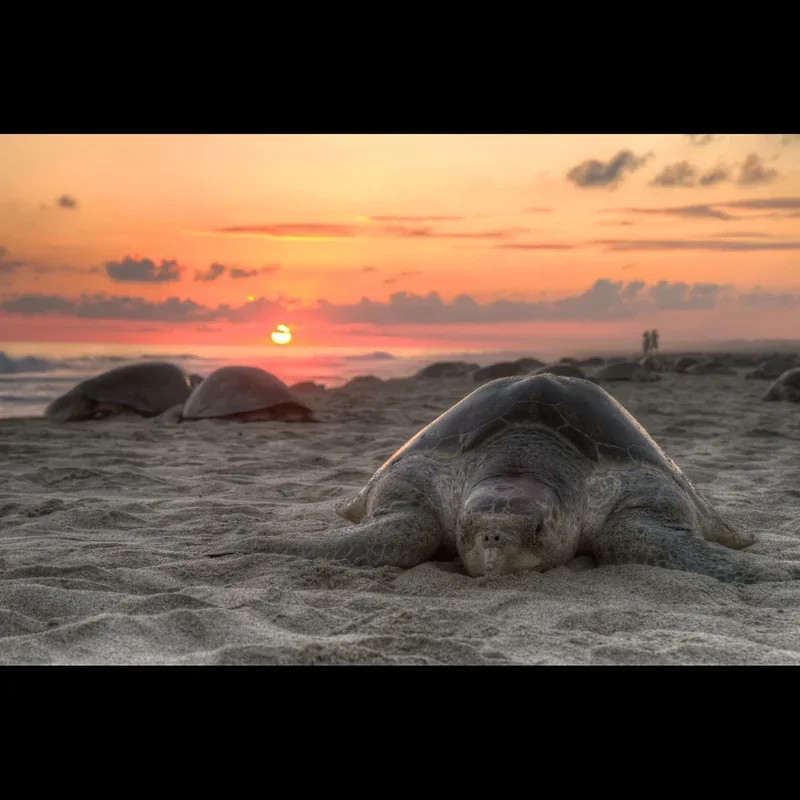
Divers exploring Abu Dabab frequently encounter a vibrant array of species. Many report spotting large sea turtles gracefully gliding through the water, often a highlight of the dive.
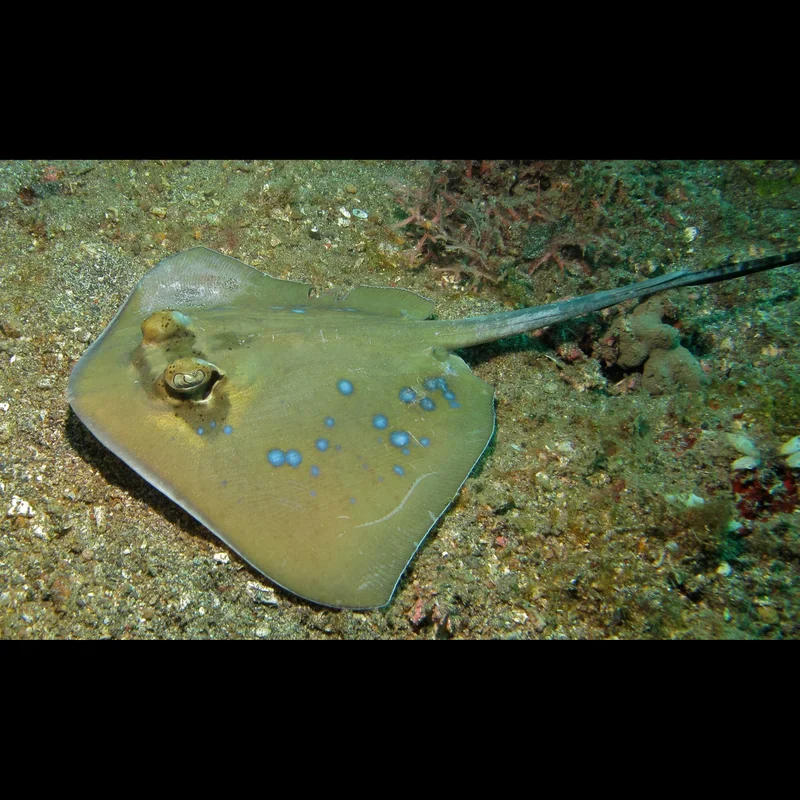
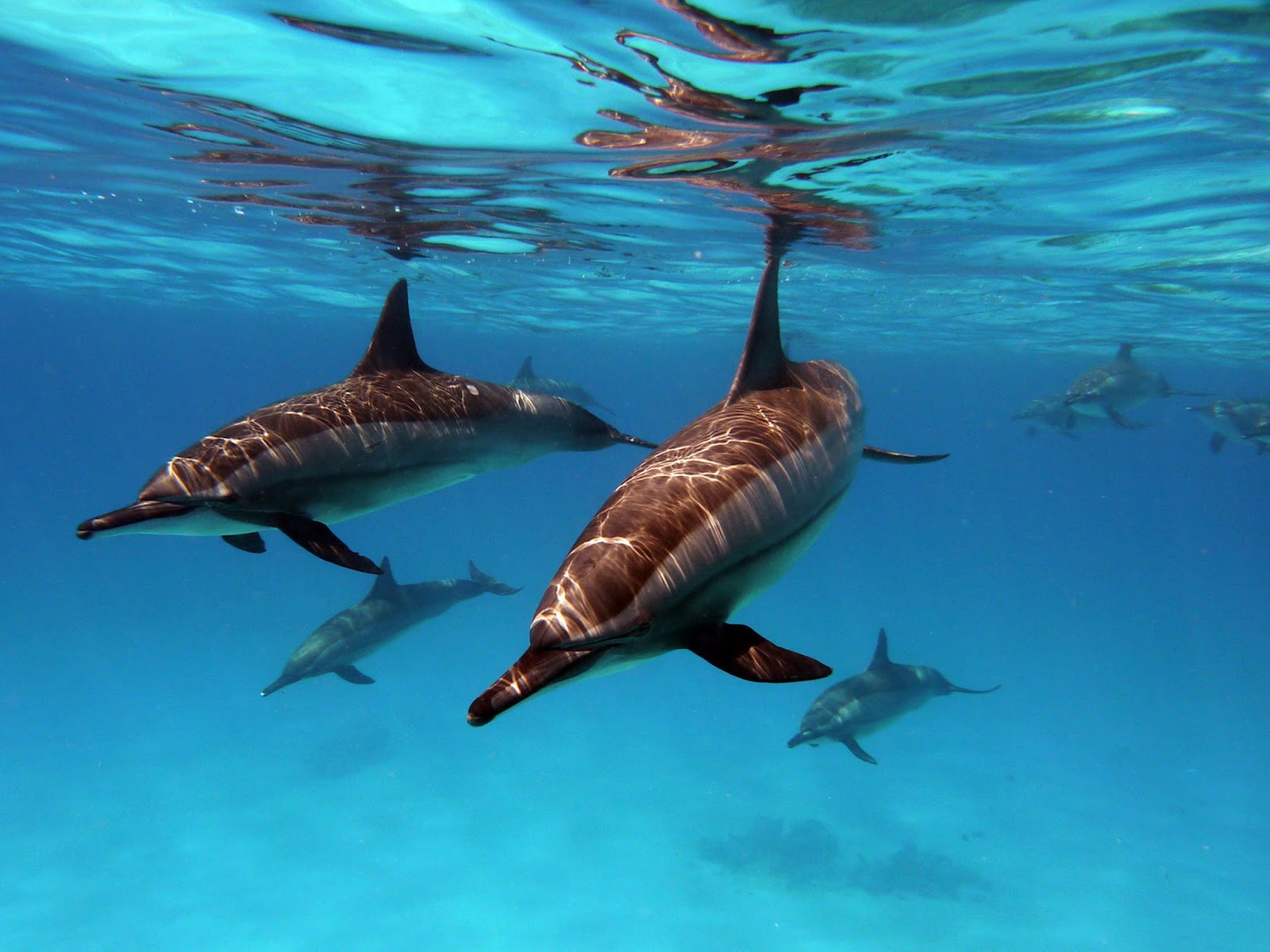
Pods of dolphins are known to frequent the area, offering exciting surface or shallow water encounters. Near the sandy bottoms and reef edges, you'll likely observe blue-spotted stingrays.
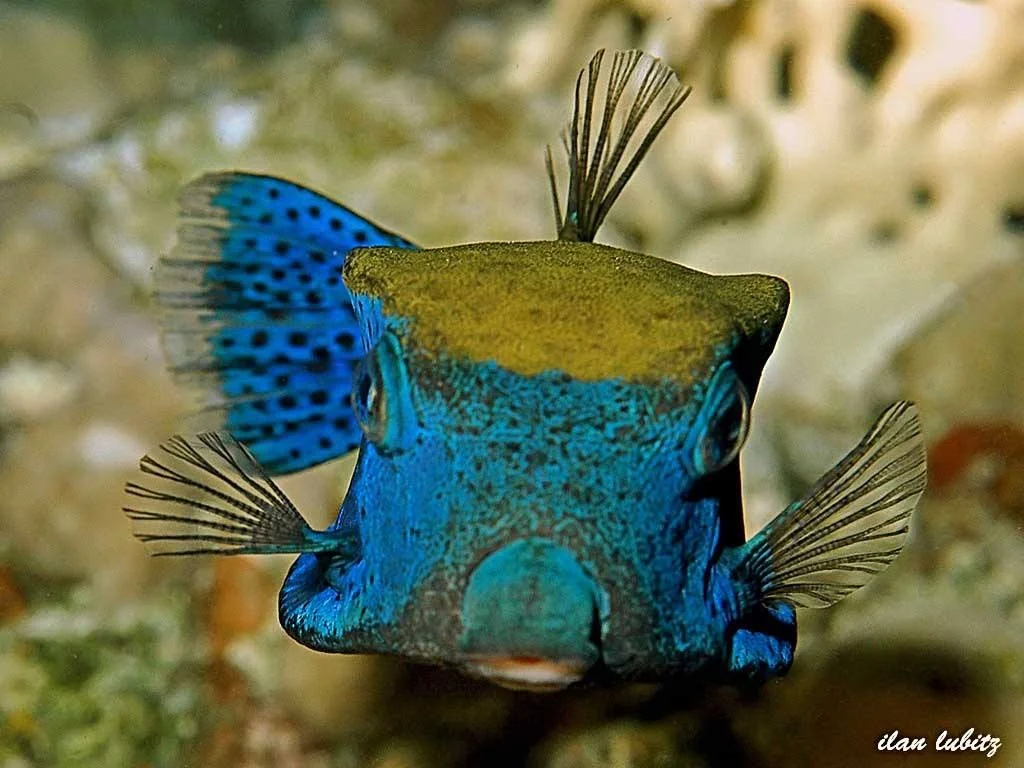
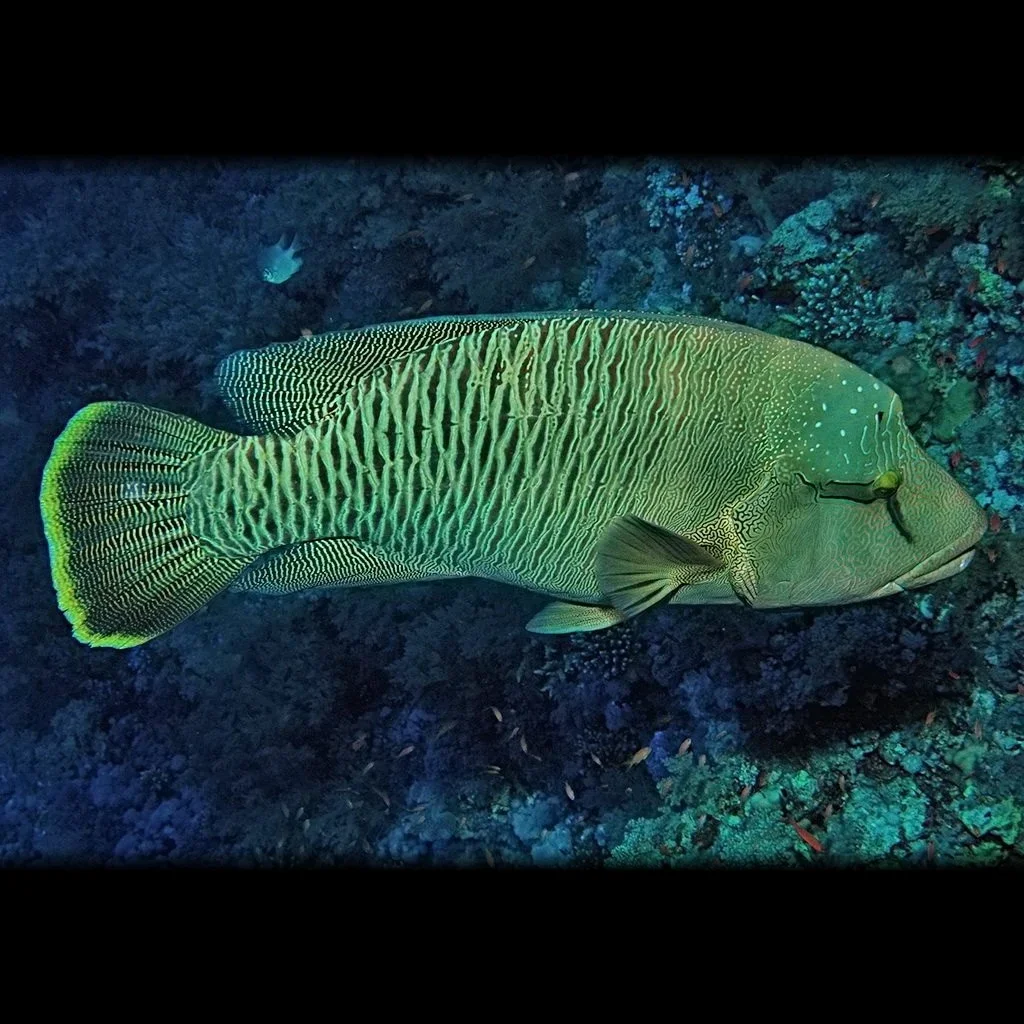
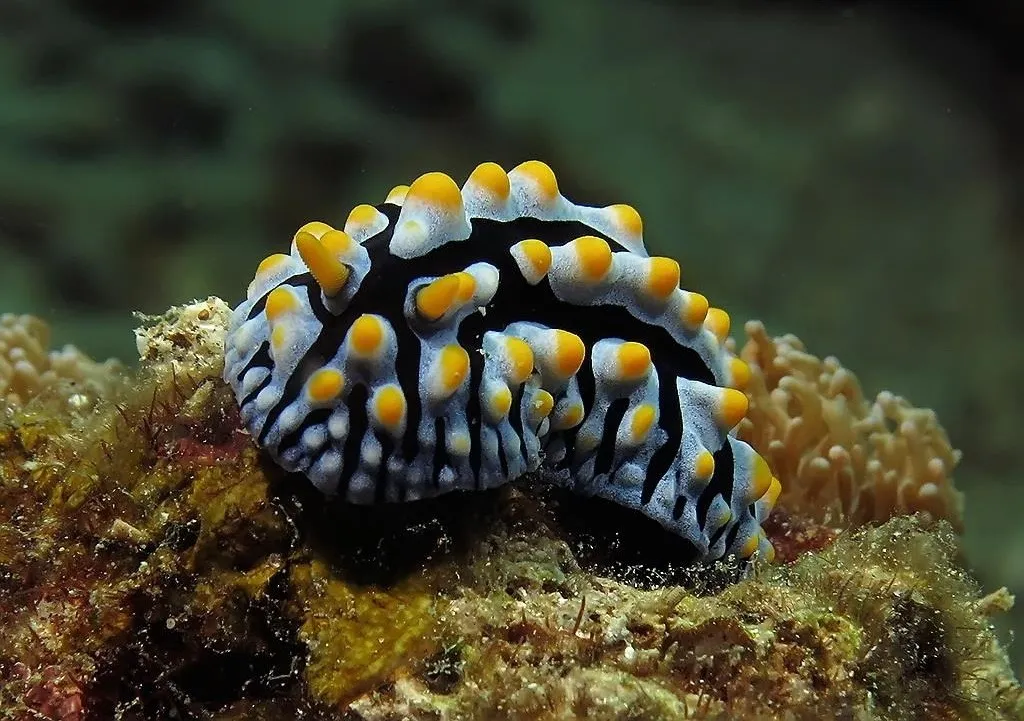
The coral gardens are home to colorful residents like Napoleon wrasse, giant pufferfish, sweetlips, and various boxfish. Keep an eye out for smaller macro life, including numerous nudibranchs, adding intricate detail to the reef environment.
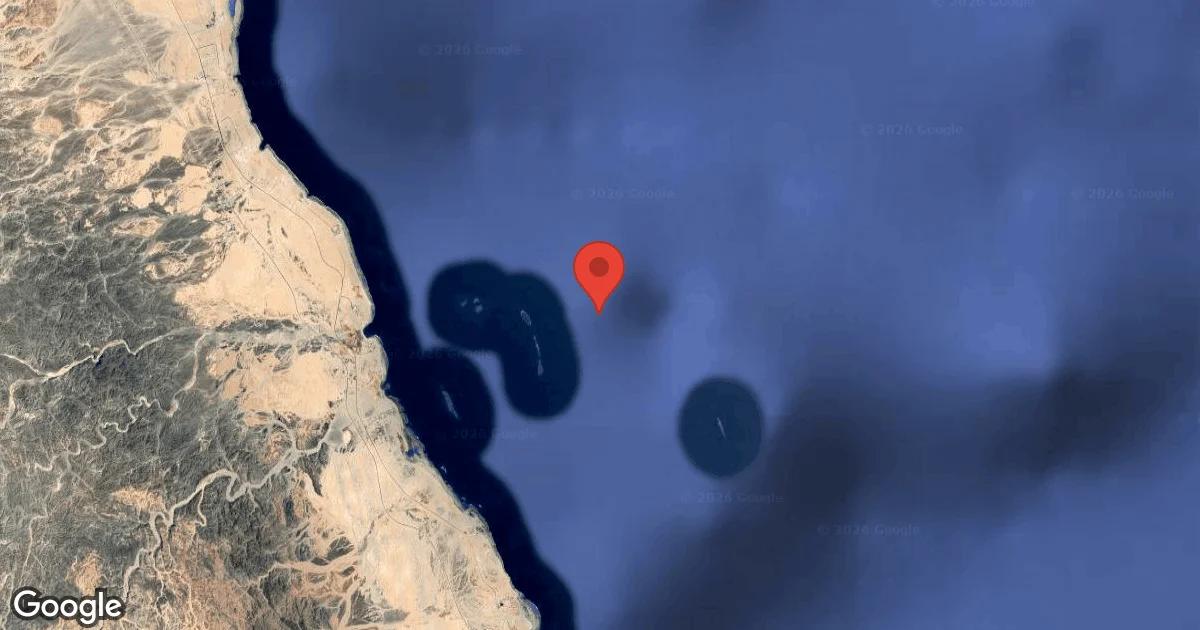
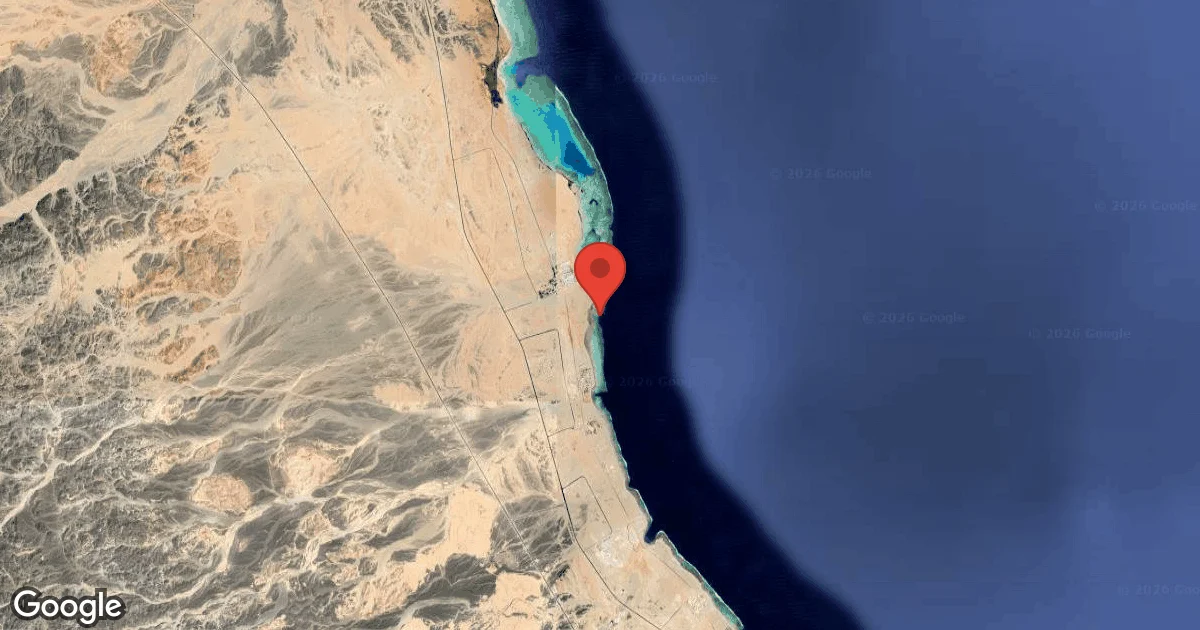
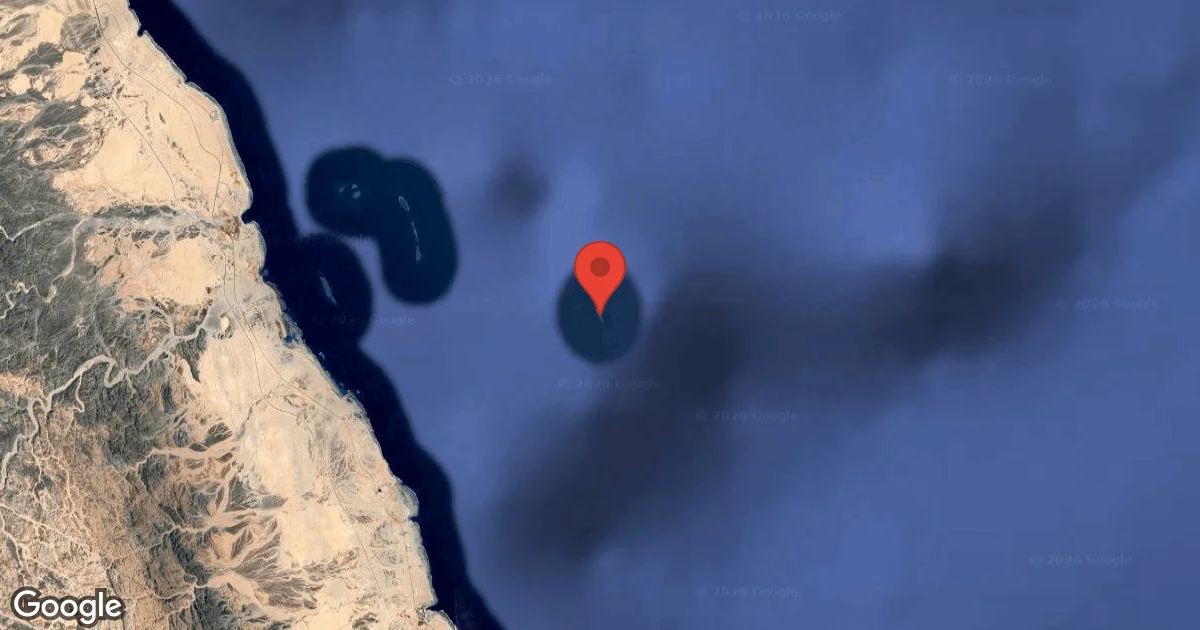
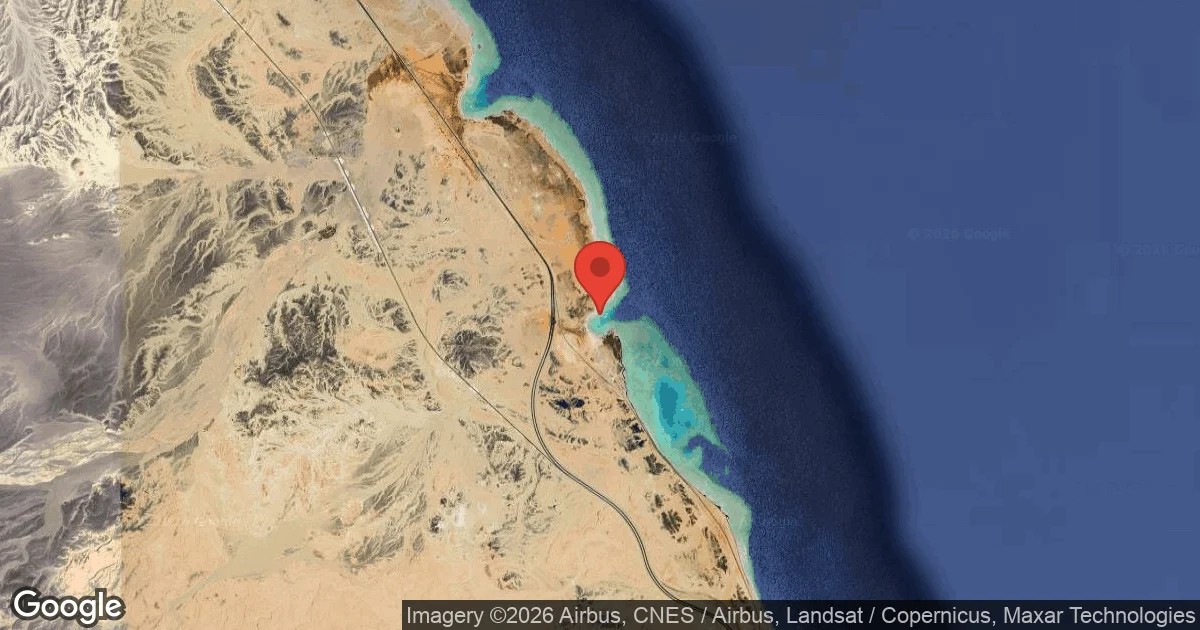
Dive Sites Near Abu Dabab
View all dive sites in EgyptDiscover more underwater gems in this area.
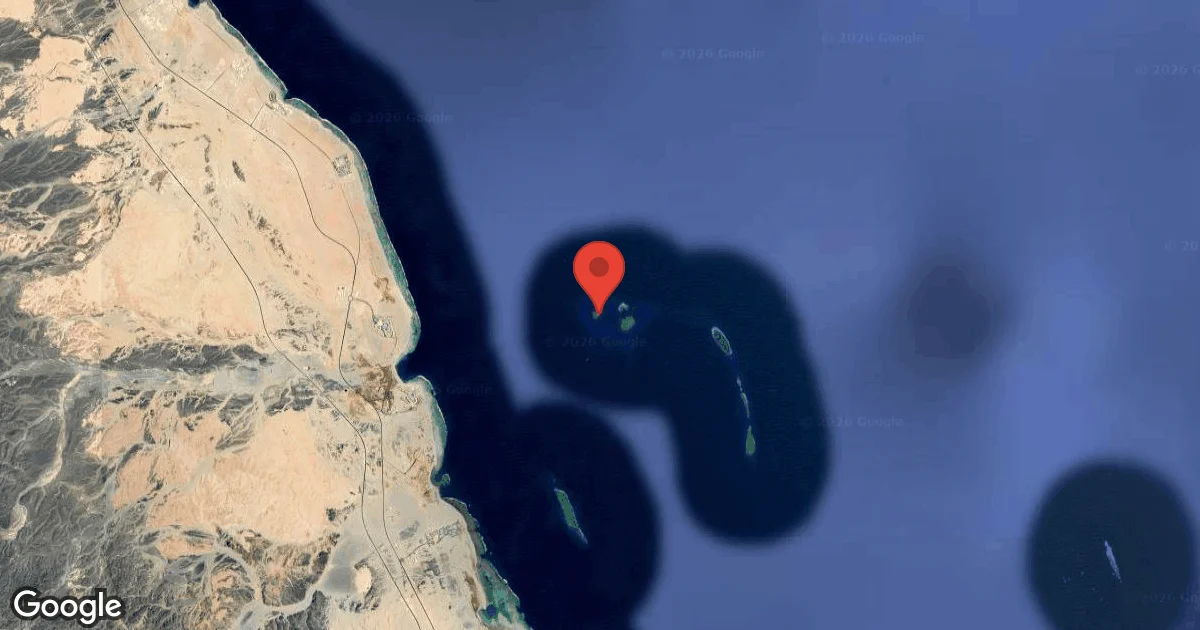
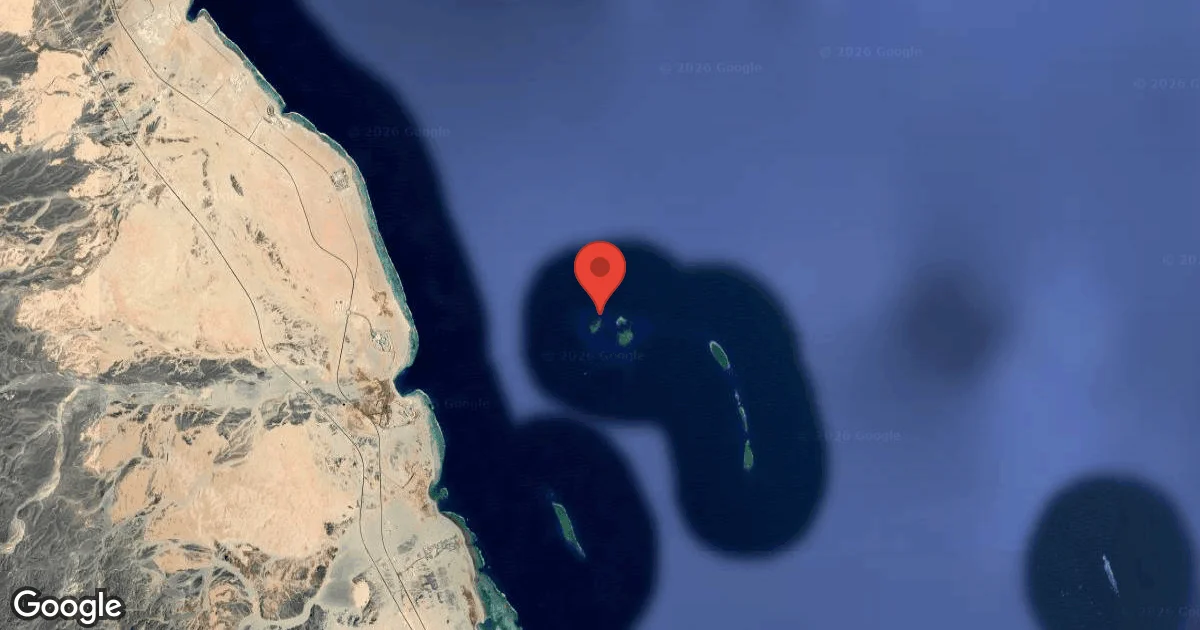
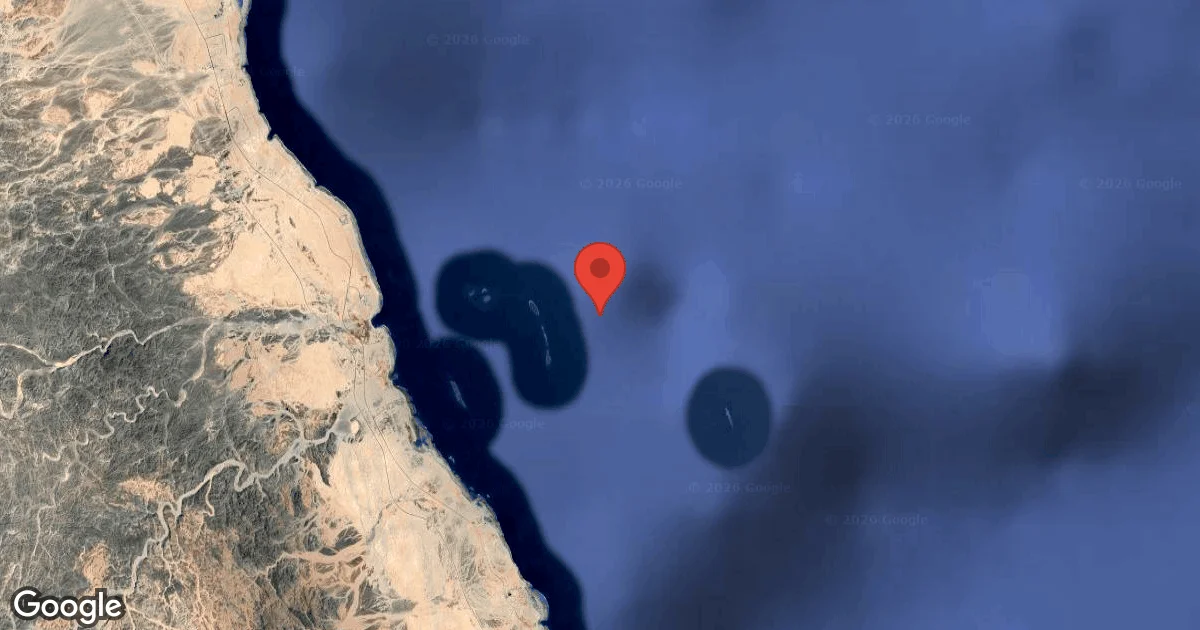
Dive Centers Near Abu Dabab

Today: 07:00 - 19:00

Nearest Airports
Nearest airports to help plan travel to this dive area.
Search Flights
Check available flights and routes on Expedia, using the nearby airports listed in this section.
Search Flights on ExpediaFrequently Asked Questions
What is Abu Dabab known for?
Abu Dabab is particularly known for its extensive coral reefs and diverse marine life, including frequent sightings of sea turtles and occasional dugongs. It's also recognized as a key stop on many Red Sea liveaboard itineraries, praised for its varied dive sites.
What types of dive sites can I expect at Abu Dabab?
The area features six distinct reef systems, offering a mix of vibrant coral gardens, sandy bottoms, and pinnacles. There's also a small wreck that sank in 2004 and an underwater cave system to explore, providing varied dive experiences.
Is Abu Dabab suitable for all diver levels?
Yes, Abu Dabab is widely considered suitable for all levels of certified divers. Many reviews highlight it as an easy and relaxed dive site, making it great for beginners while still offering enough variety and depth for experienced divers.
How do I get to Abu Dabab?
The most common way to access Abu Dabab's dive sites is via a liveaboard boat, with most departures from Port Ghalib (Marsa Ghalib) or Hurghada. Both ports have international airports, facilitating travel from various locations.
What marine life might I see?
You might encounter sea turtles, blue-spotted stingrays, Napoleon wrasse, giant pufferfish, and sweetlips. Pods of dolphins are also known to visit the area, adding to the excitement. Keep an eye out for diverse hard corals and smaller nudibranchs.
What are the typical dive depths at Abu Dabab?
Dives at Abu Dabab typically reach a maximum depth of 30 m / 98 ft. This range allows for both shallower reef explorations of the coral gardens and deeper dives around the site's various features like pinnacles and the wreck.
How is the visibility at Abu Dabab?
Visibility is generally good, however, it can vary depending on conditions. Some divers have reported reduced visibility, particularly due to high winds stirring up sediments, so clarity is influenced by current weather patterns.
Planning to dive Abu Dabab?
Send one inquiry and receive offers directly from the best verified local dive operators.
Conditions are Good
Optimal conditions expected
Current conditions near Abu Dabab show 28° air, 30° sea temperature, 1.2 m waves, and 37 km/h wind. Forecast data is refreshed regularly to ensure accuracy.