
Diving at Ras Za'Atar - Ras Mohammed (Egypt)
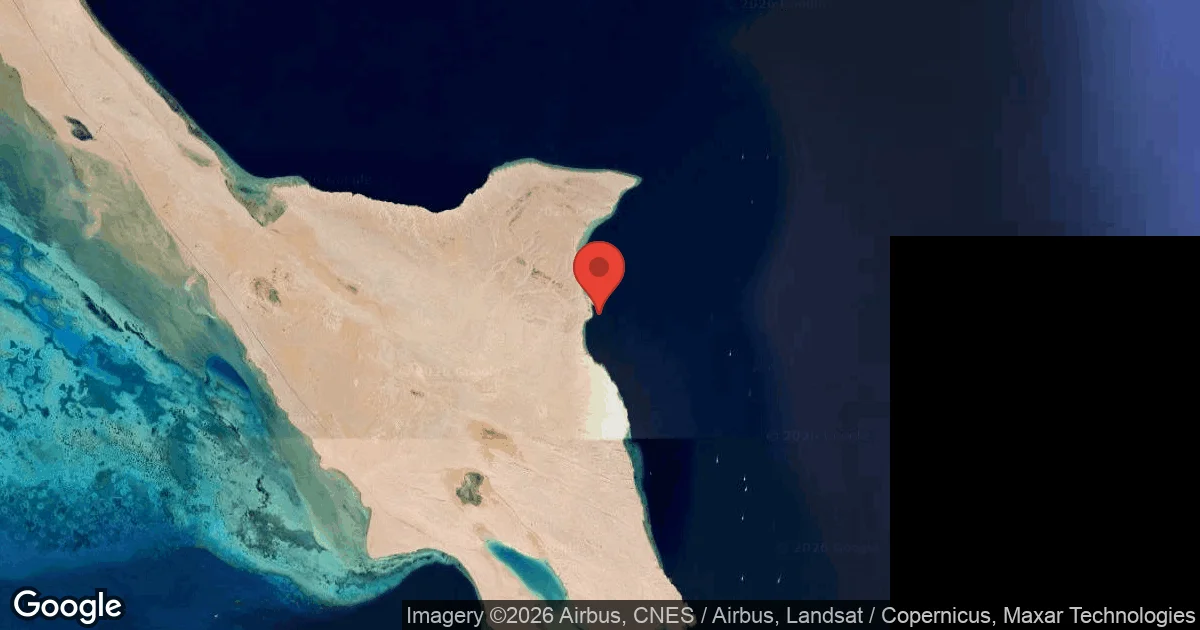
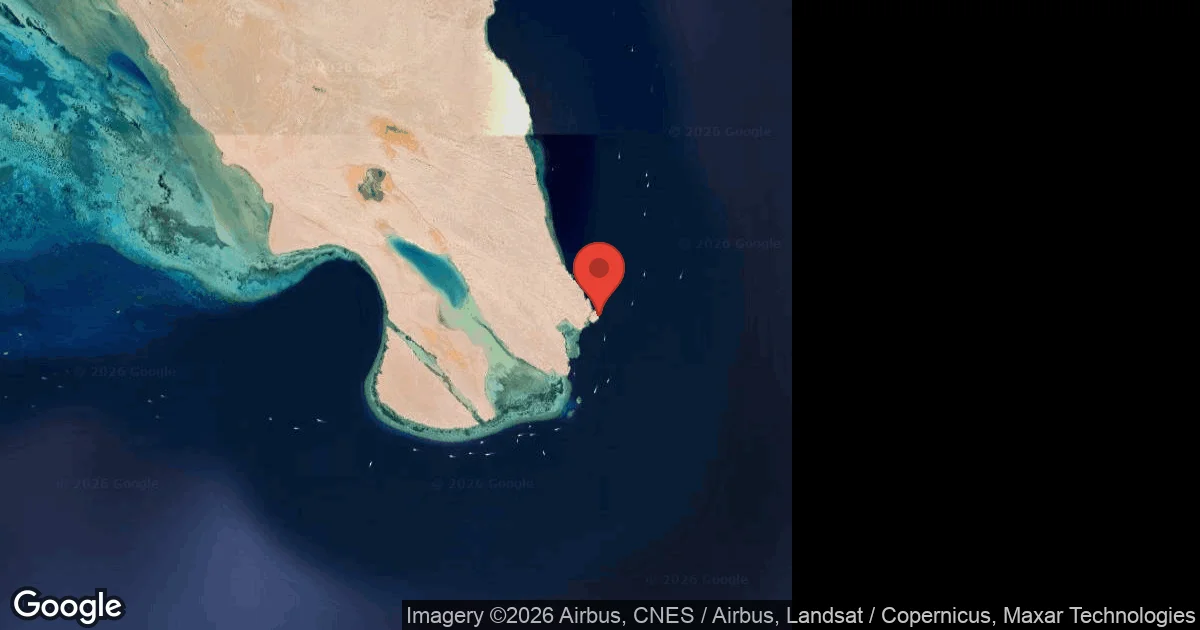
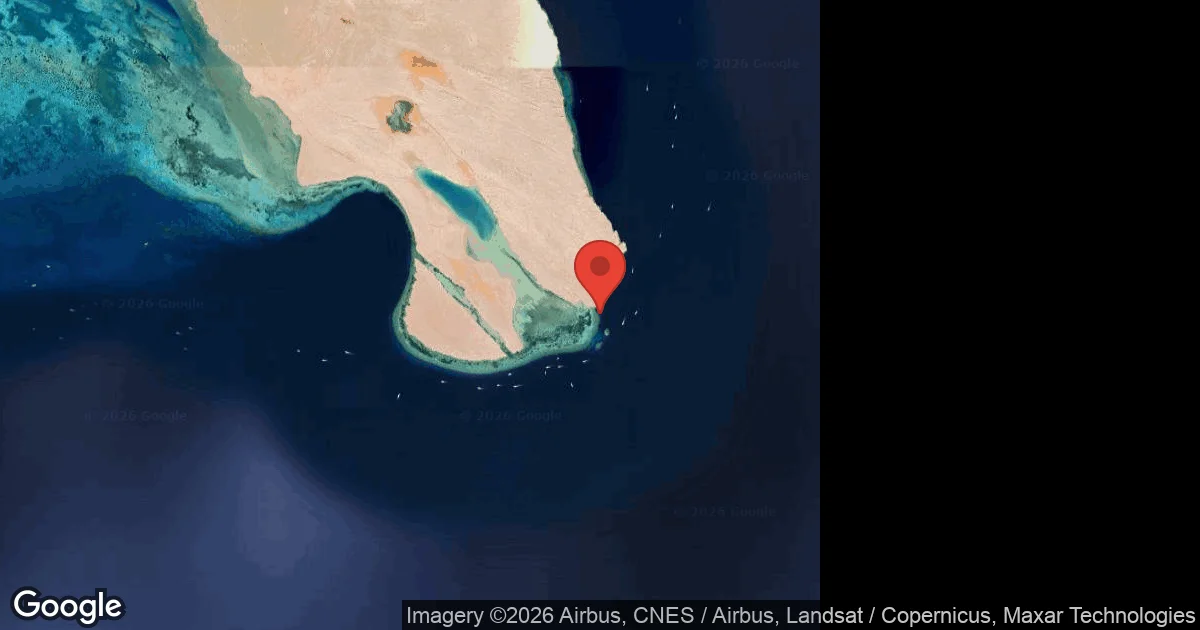
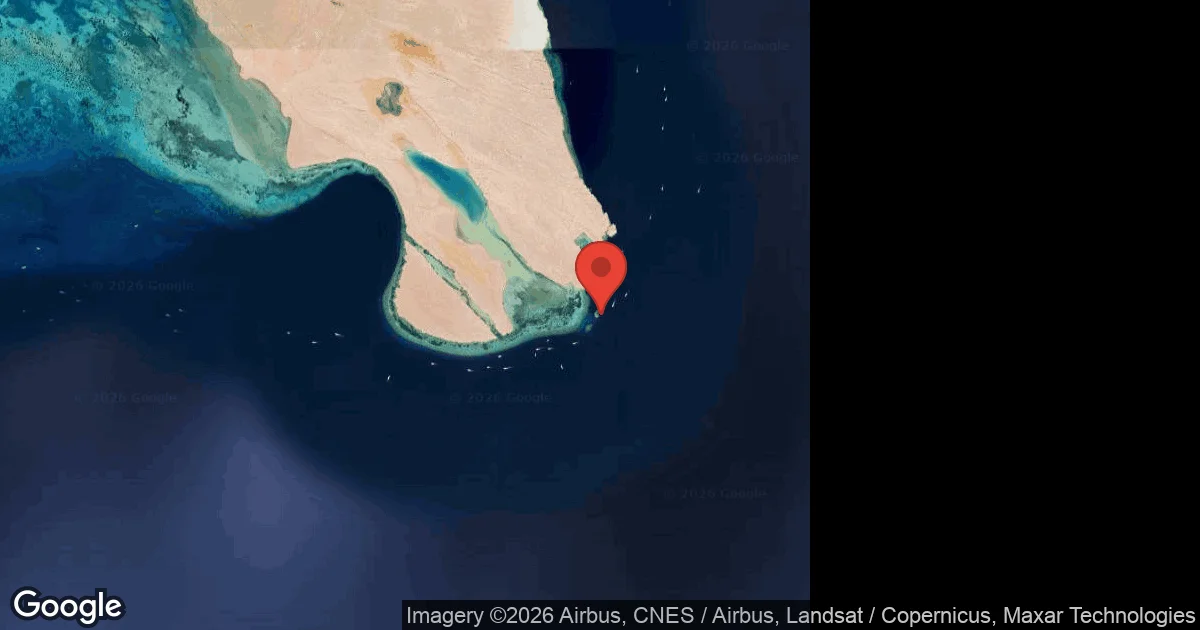
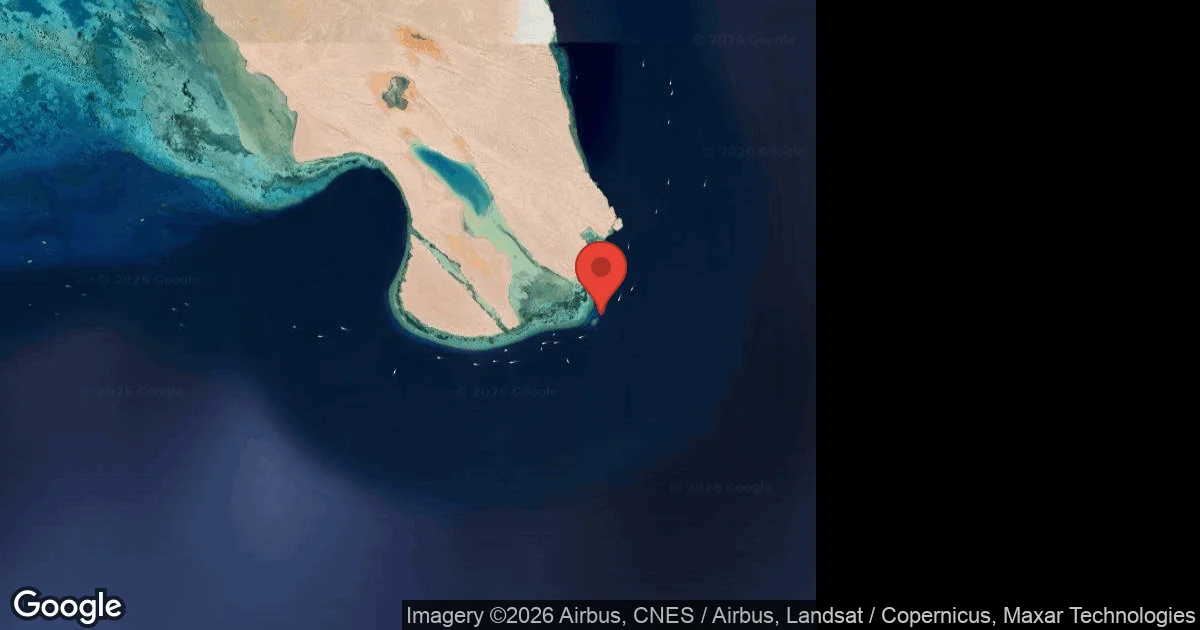
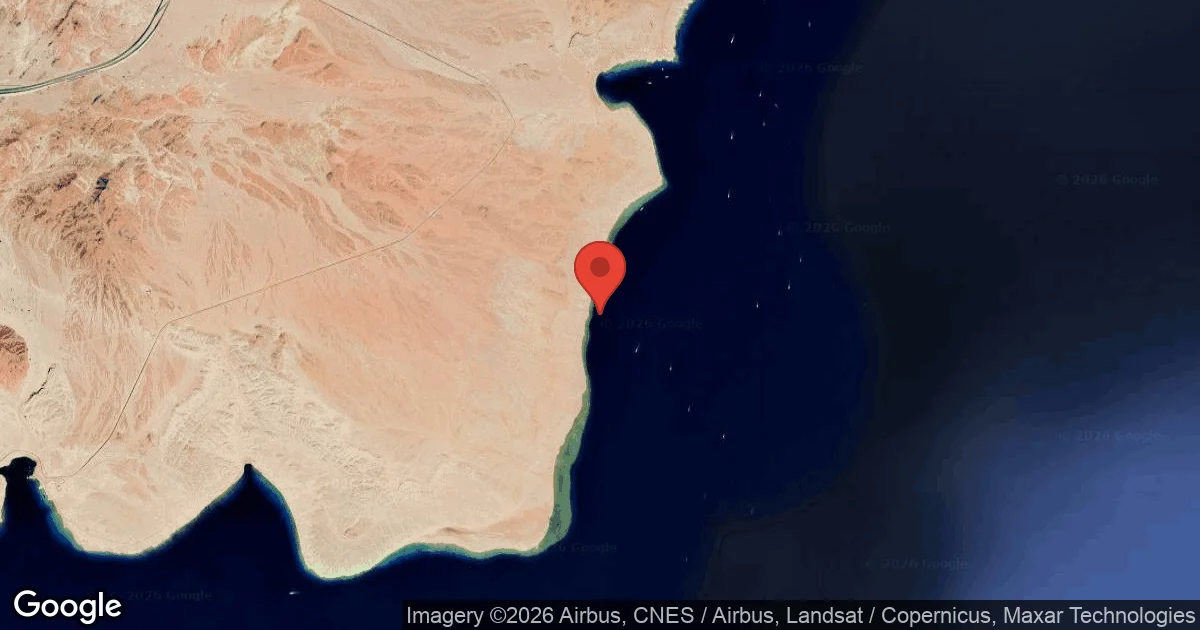
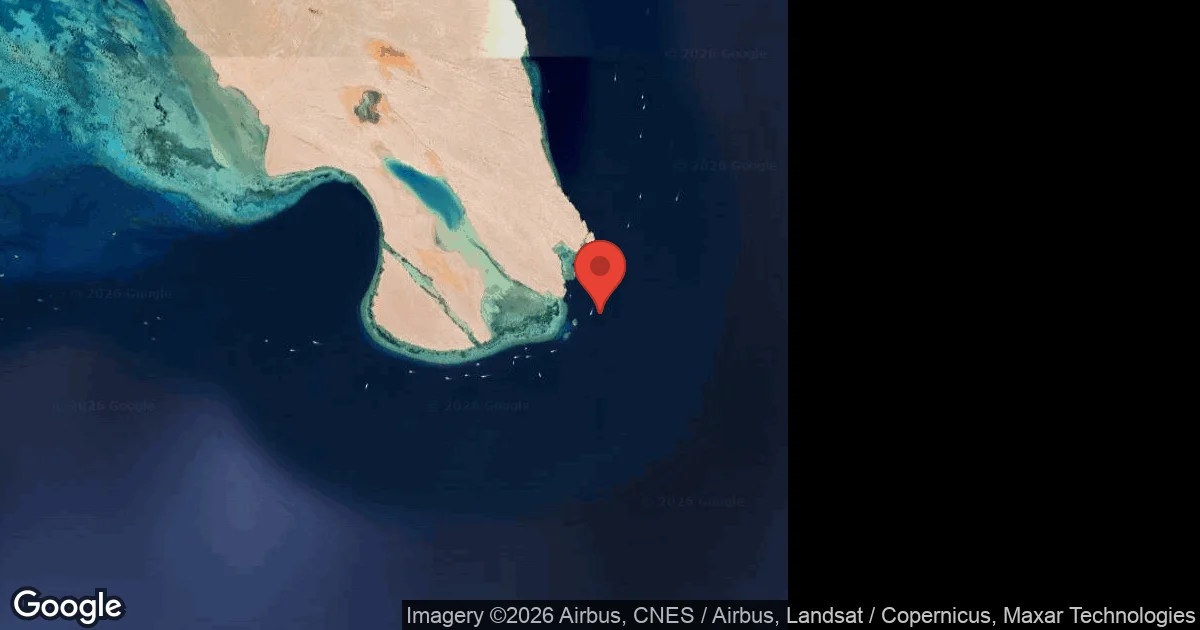
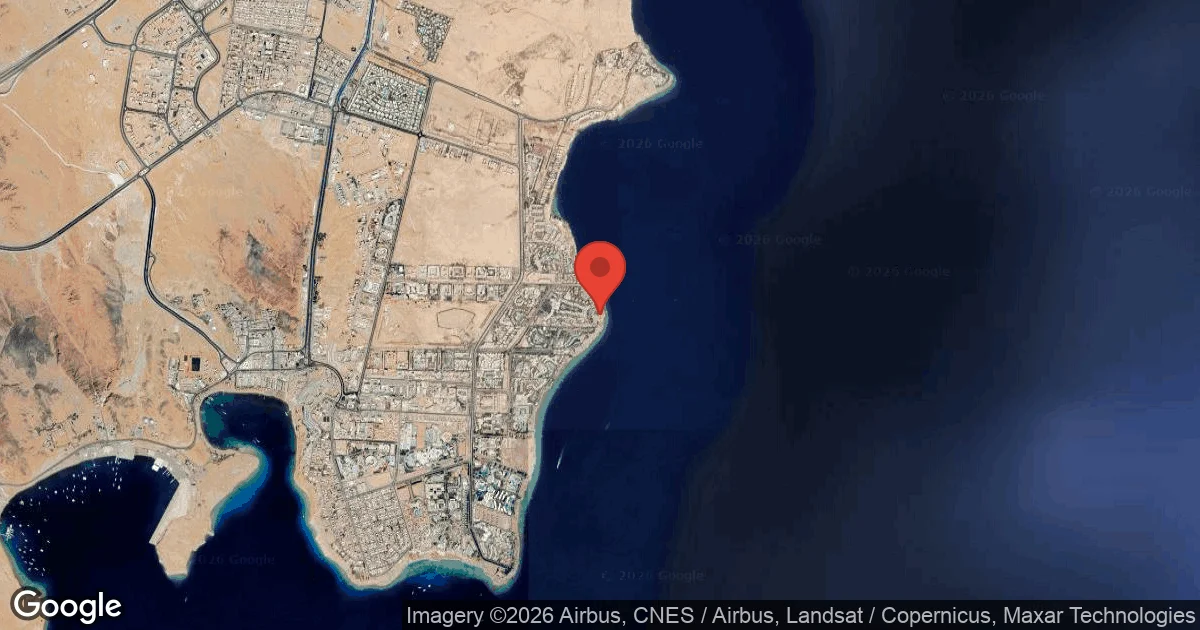
Ras Za'atar, known poetically as the "Head of Thyme," offers a truly atmospheric diving experience within Ras Mohammed National Park. This site's dramatic underwater lighting, particularly striking in the afternoon, casts a captivating glow through its intricate rock formations. Positioned at the southern entrance of Marsa Bareika Bay, directly across from Ras Ghozlani, it presents both vivid reef structures and the promise of pelagic encounters.
As evening covers Ras Za'Atar - Ras Mohammed, the local air temperature is measured at 32°C. The current wave height at the surface is recorded at 0.5 m. These late-day readings characterize the surface conditions for the night.
Dive Site Location & Key Facts
Dive Site Overview
Exploring Ras Za'atar typically begins along a sloping wall, providing diverse topography right from the start. This initial section features numerous cracks, small overhangs, and open caverns, which add texture and offer concealment for various marine creatures.
Descending further, at approximately 15 to 18 meters (50-60 ft), divers encounter a notable vertical chimney. Sunbeams penetrate the water here, creating a dramatic, moody scene as they reflect off the cliff walls. Further along the dive, the wall transitions into a large plateau near a prominent corner, an area frequently exposed to stronger currents.
These nutrient-rich currents contribute to a vibrant and active reef ecosystem. Generally conducted as a drift dive, this site reaches a maximum depth of 30 m (100 ft) and is accessible only by boat.
Conditions are Good
Optimal conditions expected
Current conditions near Ras Za'Atar - Ras Mohammed show 32° air, 29° sea temperature, 0.6 m waves, and 39 km/h wind. Forecast data is refreshed regularly to ensure accuracy.
Best Time to Dive
Diving conditions at Ras Za'atar remain consistently good throughout the year, with excellent visibility often reported. Air temperatures vary significantly by season, ranging from approximately 19°C (66°F) in winter (January-February) to a warmer 35°C (95°F) during the peak summer months (July-August). Rain is generally minimal year-round, contributing to clear water conditions, though occasional light precipitation might occur in cooler months. Wind speeds also fluctuate, with higher averages observed from March to September, which can influence surface conditions. Despite these variations, the dive site maintains its appeal across all seasons, ensuring a rewarding experience.
PEAK SEASON SCORE
Scores combine air & water temps, waves, wind & rainfall for overall conditions.
BEST MONTHS TO DIVE
Monthly records compiled from satellite and marine observation nodes over the last 3 years. Data provided by Open-Meteo and MET Norway.
Dive Experience & Conditions
Beginning the descent at Ras Za'atar involves navigating a dynamic reef wall characterized by its steep sections. As you drop deeper, the wall's numerous caves, overhangs, and gullies present interesting features to explore. Moving along this vibrant backdrop, a highlight for many is the vertical chimney, where light filtering from above creates impressive visuals. Upon reaching the corner of the site, the underwater landscape opens onto an expansive plateau. Currents here can often pick up speed, enriching the area with nutrients and fostering marine activity. This intermediate-level drift dive operates within standard recreational depth limits. Water temperatures are not consistently reported but generally align with the warm Red Sea conditions.
Dive Difficulty & Safety Guidelines
Ras Za'atar presents several overhead environments, including caves, overhangs, and dark gullies, which require careful situational awareness. Divers must maintain appropriate clearance from these features throughout the dive. Being a drift dive, planning for boat pick-up is essential, and divers should be prepared for moderate currents, particularly around the plateau section.
Always dive within your certification limits, and consider the intermediate difficulty rating of this site. While no specific hazards are reported in system data, adherence to standard safe diving practices is paramount.
Recommended Equipment
Overhead environment. Do not enter beyond training and gas planning limits.
Current and surface separation risk. Local briefing strongly recommended.
- Dive Computer
- DSMB
- Primary & Backup Lights
- Reel / Spool
- Cutting Tool
This gear list is based on verified equipment signals for Ras Za'Atar - Ras Mohammed, Egypt. Always confirm final gear choices with your dive operator, guide, or liveaboard.
Recommended Dive Suit
For many recreational divers, 2-3mm shorty or light wetsuit provides a practical level of insulation in these conditions. Consider warmer surface protection (like a boat coat) due to brisk winds. Divers who tend to get cold easily may prefer slightly thicker exposure protection.
The waters surrounding Ras Za'Atar - Ras Mohammed are currently maintaining temperatures close to 29°C (84°F). Surface air temperatures are resting at 32°C (90°F).
Temperatures look set to gradually increase over the next several days. A warming trend is expected over the next few days.
Emergency & Medical Support
Essential information to help you plan your dive trip to Ras Za'atar - Ras Mohammed.

Hyperbaric chambers are a critical part of dive safety infrastructure. Availability varies significantly by region, and not all dive areas have immediate access.
Before diving, it's recommended to:
- confirm nearest medical facilities
- check emergency procedures with local dive operators
- ensure dive insurance covers evacuation if required
Divers Alert Network
Diving emergency assistance available through DAN Europe.
+39 0642115685- 24/7 emergency hotline
- Diving medical assistance
- Evacuation coordination
Emergency contacts are provided for reference. Always verify local emergency services before diving.
Marine Life at Ras Za'Atar - Ras Mohammed
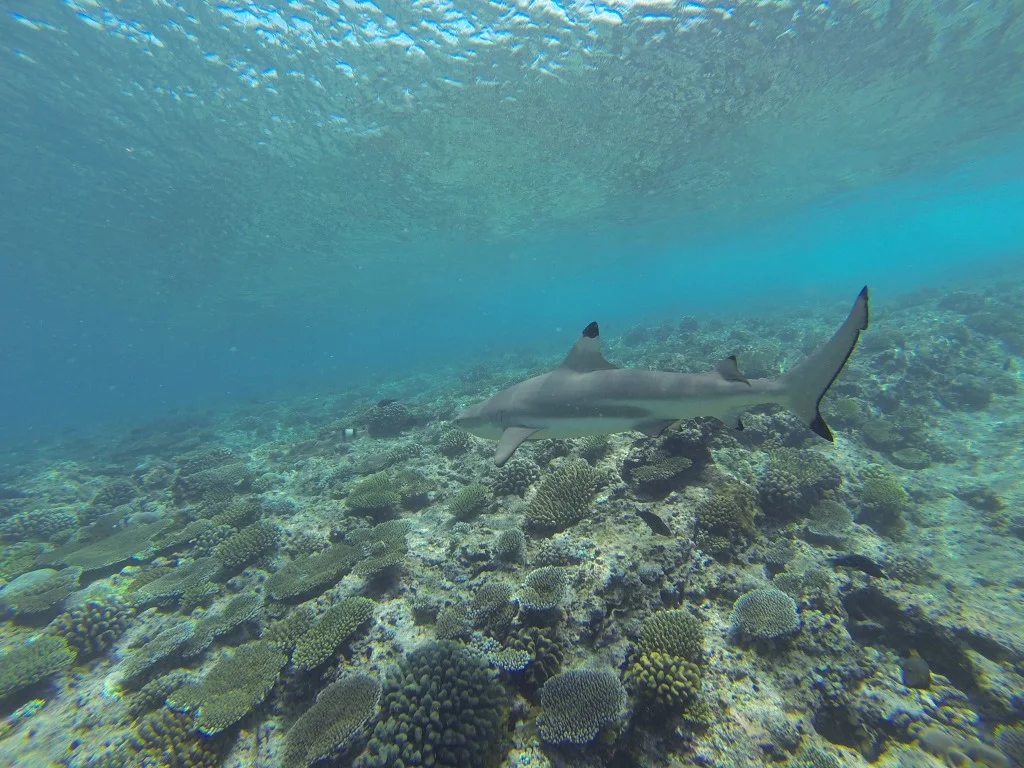
The vibrant underwater landscape of Ras Za'atar supports a great variety of marine life, thriving on healthy coral structures. Adorning the reef wall are colorful coral heads, sea fans, gorgonians, and occasional black coral, providing ample hiding spots for smaller reef fish.
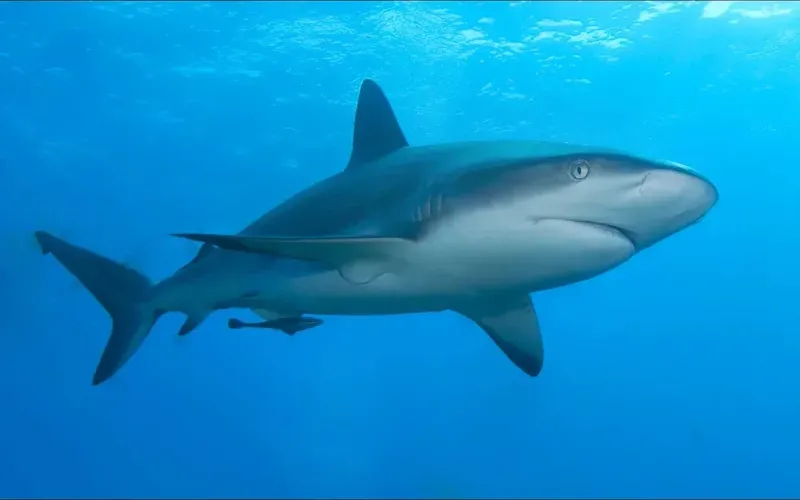
Moving towards the corner and the nutrient-rich plateau, this area becomes a hotspot for larger pelagic species. Divers frequently spot cruising sharks, including gray reef sharks, especially during the summer months.
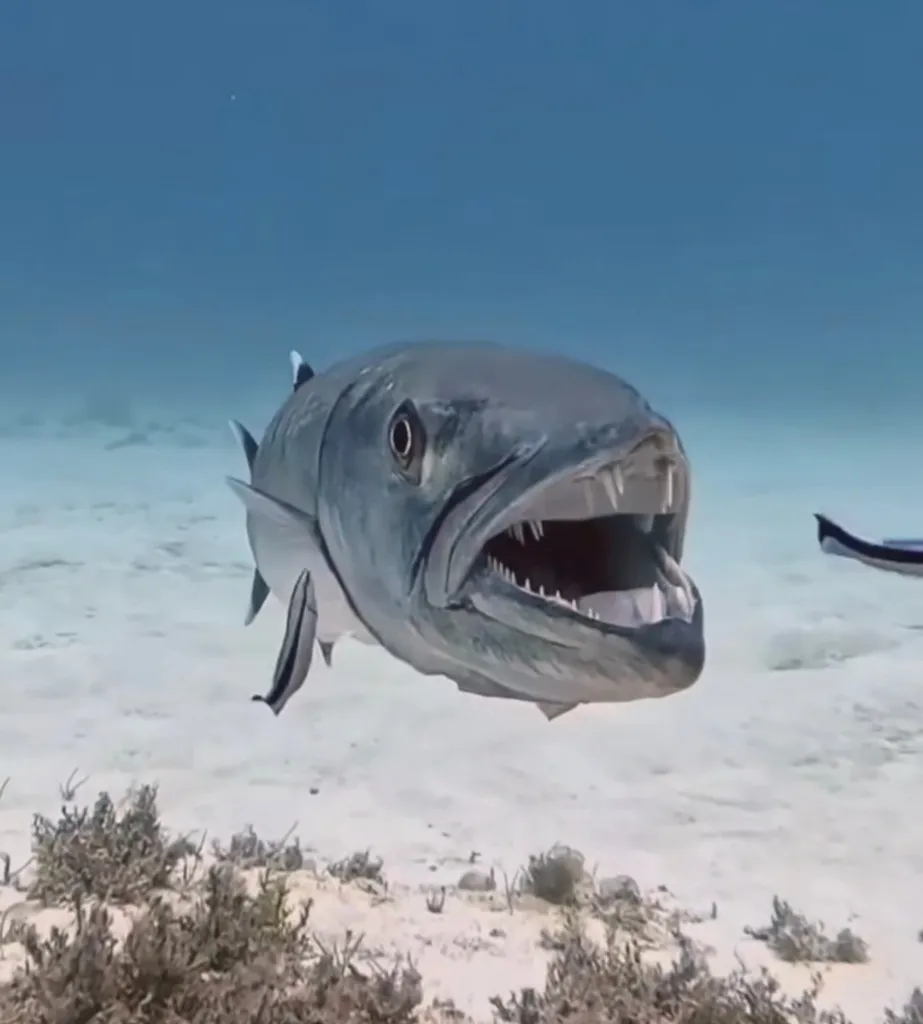
Encounters with big tuna, barracuda, and mackerel are also common. Observing these larger fish patterns adds significant excitement to the dive experience, particularly in stronger currents.

Dive Sites Near Ras Za'Atar - Ras Mohammed
View all dive sites in EgyptDiscover more underwater gems in this area.
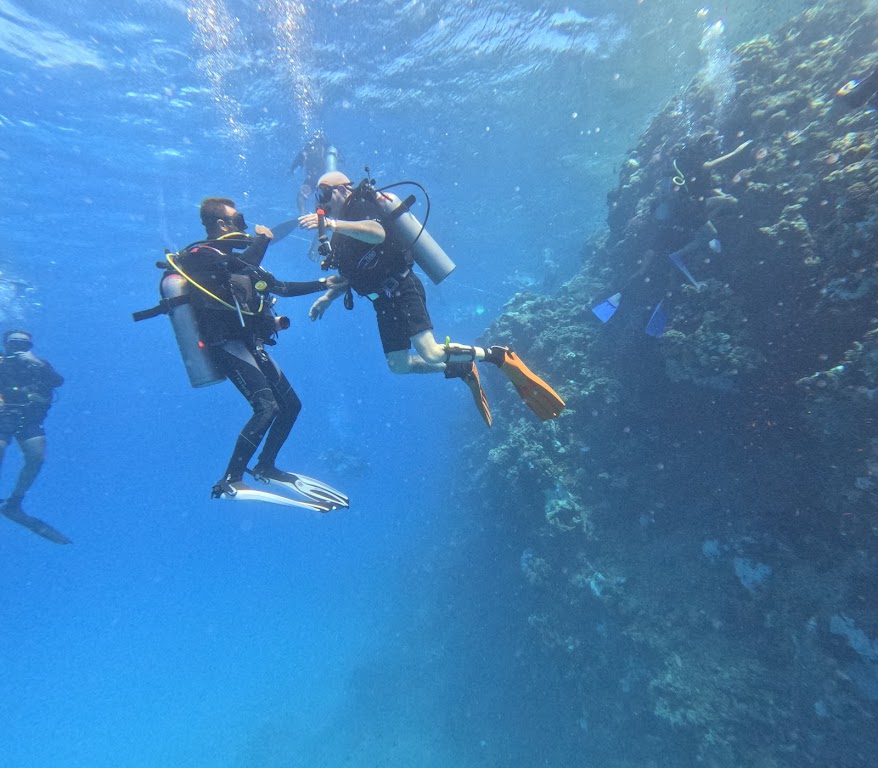
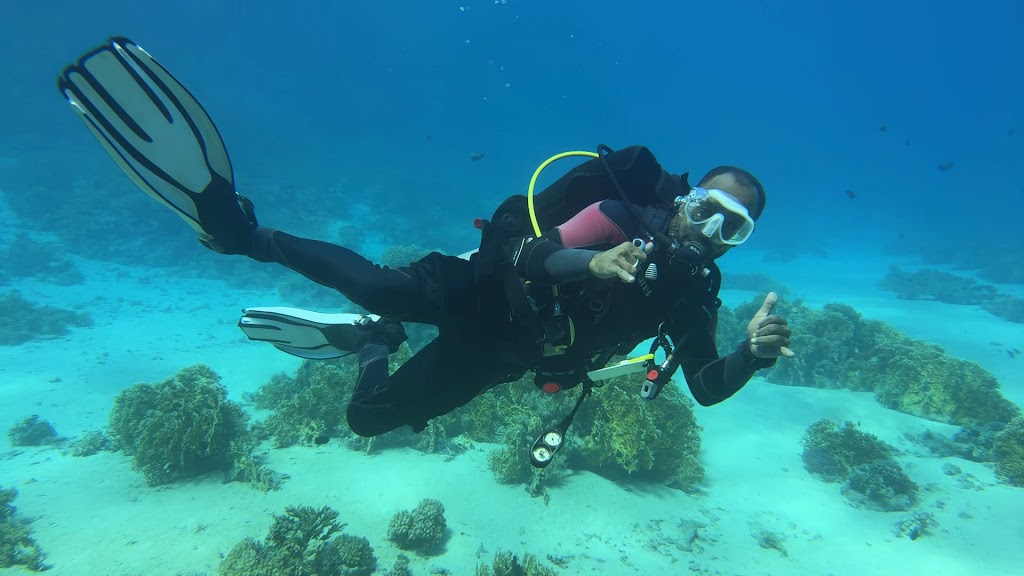
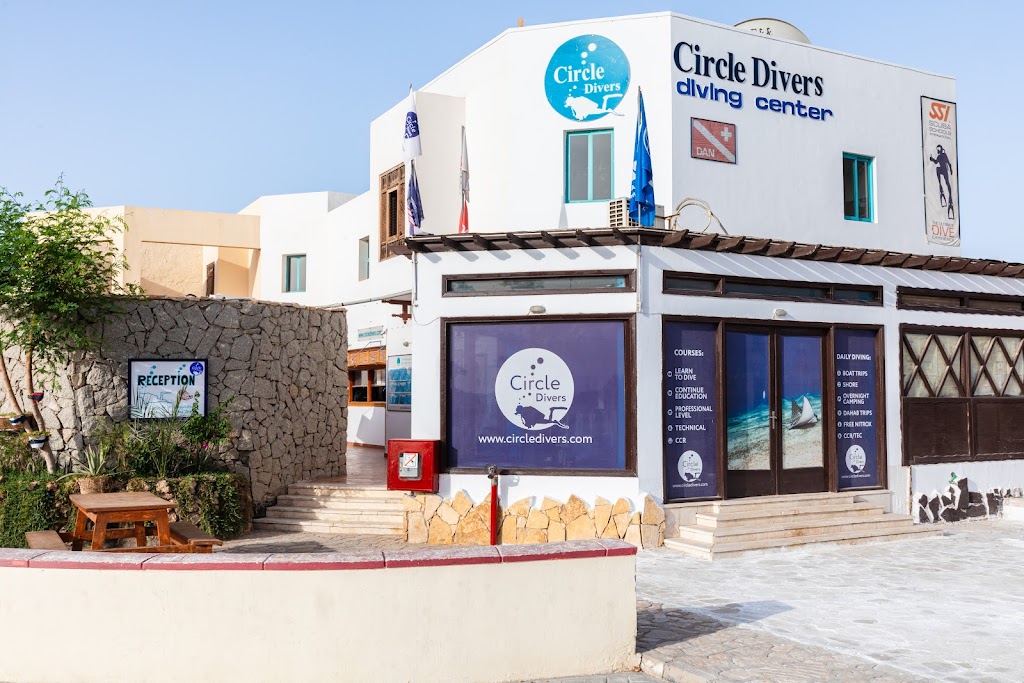
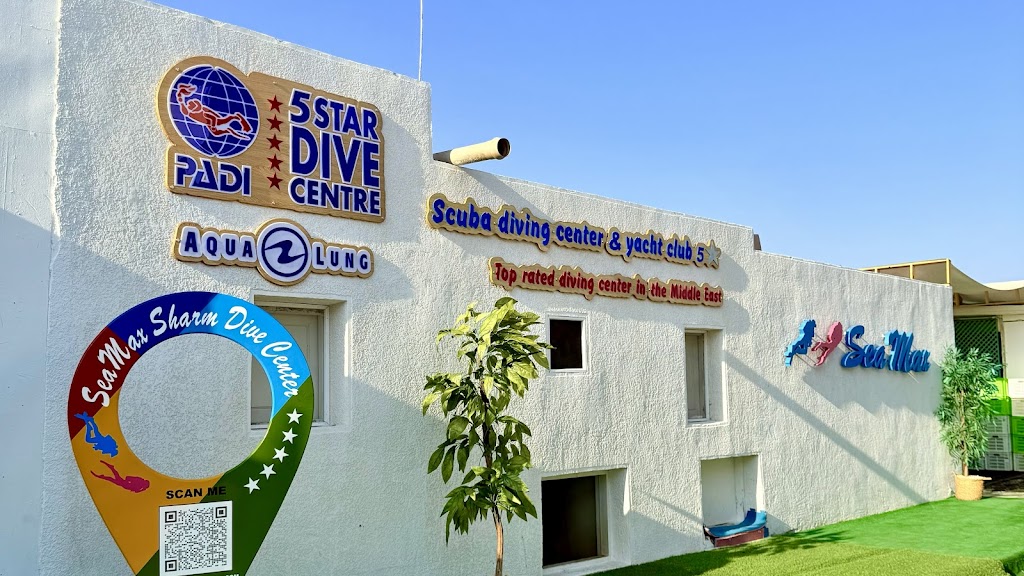
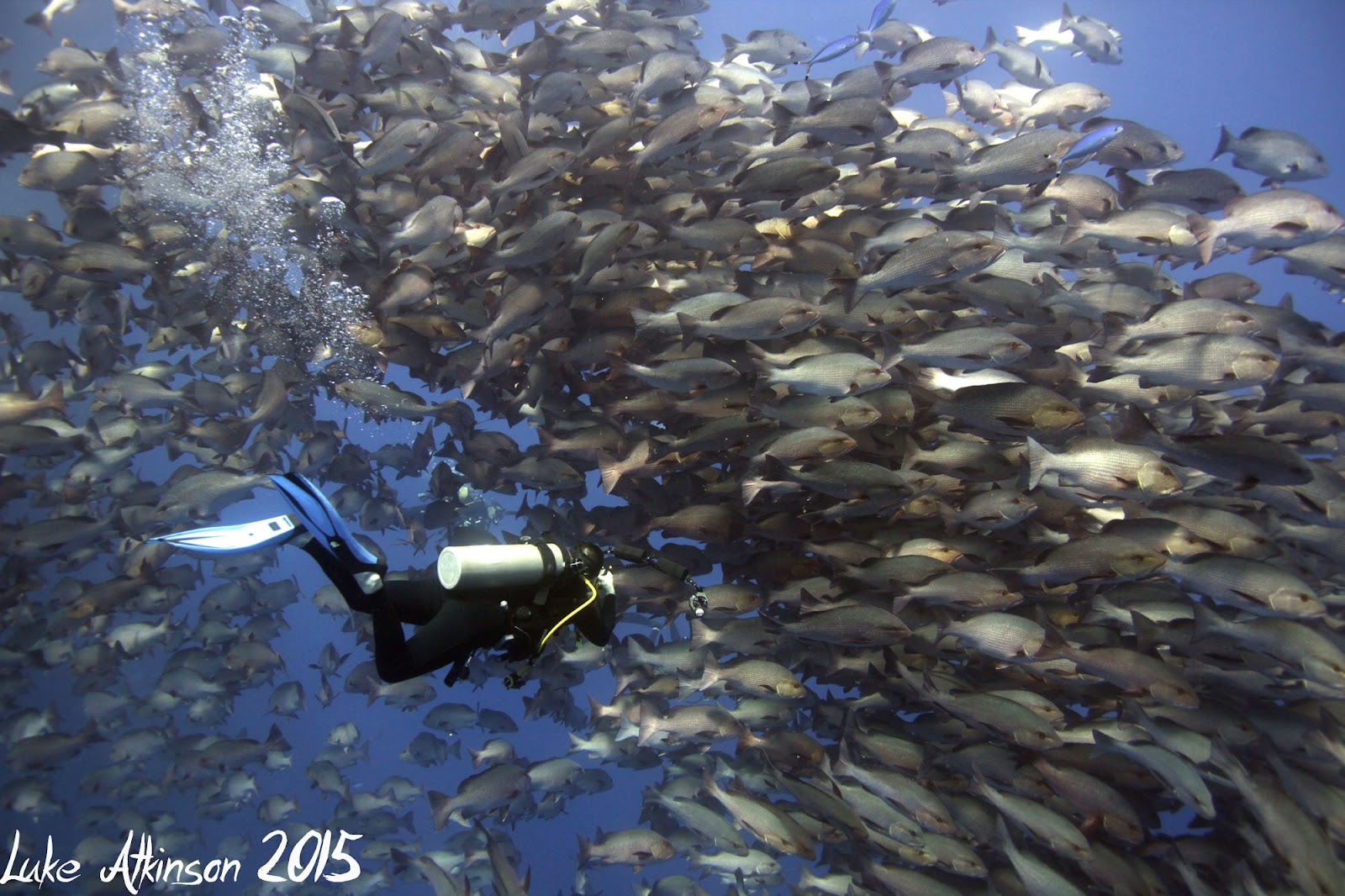
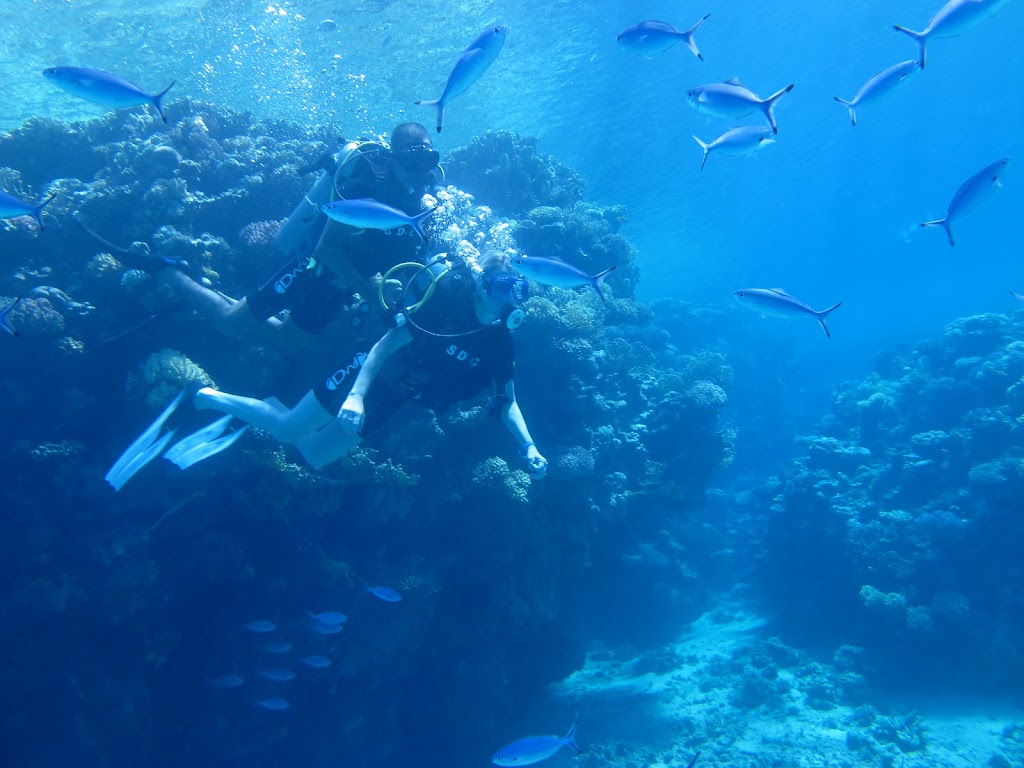
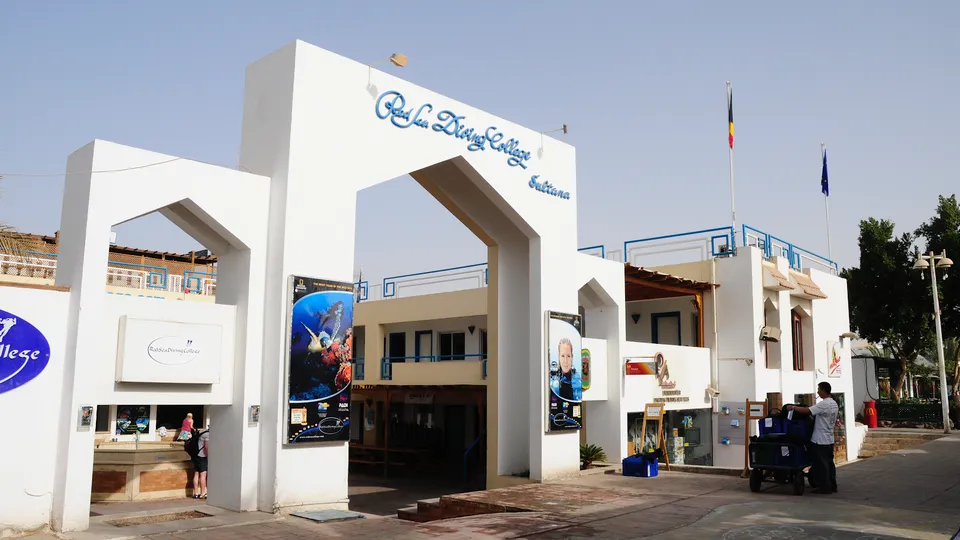
Dive Centers Near Ras Za'Atar - Ras Mohammed
Today: 08:00 - 19:00
Nearest Airports
Nearest airports to help plan travel to this dive area.
Search Flights
Check available flights and routes on Expedia, using the nearby airports listed in this section.
Search Flights on ExpediaFrequently Asked Questions
What is the typical depth range for a dive at Ras Za'atar?
Dives at Ras Za'atar typically extend from shallower sections around 4 m (13 ft) down to a maximum depth of 30 m (100 ft). Most recreational dives explore the reef wall and plateau within this range.
Are there strong currents at this dive site?
Currents at Ras Za'atar can often be moderate to strong, particularly around the prominent corner and plateau areas. This site is generally approached as a drift dive, so divers should prepare for varying current conditions.
What kind of marine life can I expect to see?
The site boasts healthy coral structures, an abundance of reef fish, and various larger pelagics. Look for gray reef sharks, tuna, barracuda, and mackerel, particularly near the deeper sections and the plateau.
Is Ras Za'atar suitable for novice divers?
Ras Za'atar is generally considered an intermediate-level dive due to the potential for strong currents and overhead environments. New divers should possess appropriate experience and comfortable buoyancy control before attempting this site.
What makes the 'vertical chimney' a highlight?
A dramatic scene unfolds at the vertical chimney as sunbeams pierce through the water, reflecting off the rock formations. The interplay of light and shadow provides a unique visual experience during the descent.
What special equipment is recommended for this dive?
Beyond standard gear, carrying an audible signaling device and a surface marker buoy is prudent. These aids enhance safety and facilitate communication, especially given the drift dive nature and potential currents.
How is navigation typically managed at Ras Za'atar?
Given it's primarily a drift dive, navigation often involves following the reef wall and allowing the current to guide the dive. The boat crew coordinates pick-up at the end of the drift, so divers must stay aware of their dive profile.
Planning to dive Ras Za'Atar - Ras Mohammed?
Send one inquiry and receive offers directly from the best verified local dive operators.
Conditions are Good
Optimal conditions expected
Current conditions near Ras Za'Atar - Ras Mohammed show 32° air, 29° sea temperature, 0.6 m waves, and 39 km/h wind. Forecast data is refreshed regularly to ensure accuracy.