
Diving at Shark Observatory - Ras Mohammed (Egypt)
Shark Observatory presents divers with dynamic wall diving experiences along the Ras Mohammed national park headland. This site is defined by its dramatic vertical drop-offs, deep overhangs, and significant Gorgonian fan growth. It's primarily a drift dive, offering a sensation of flying over a deep abyss. Currents can be a factor, contributing to the site's appeal for those seeking a more adventurous profile.
As evening covers Shark Observatory - Ras Mohammed, the local air temperature is measured at 37°C. The current wave height at the surface is recorded at 0.7 m. These late-day readings characterize the surface conditions for the night.
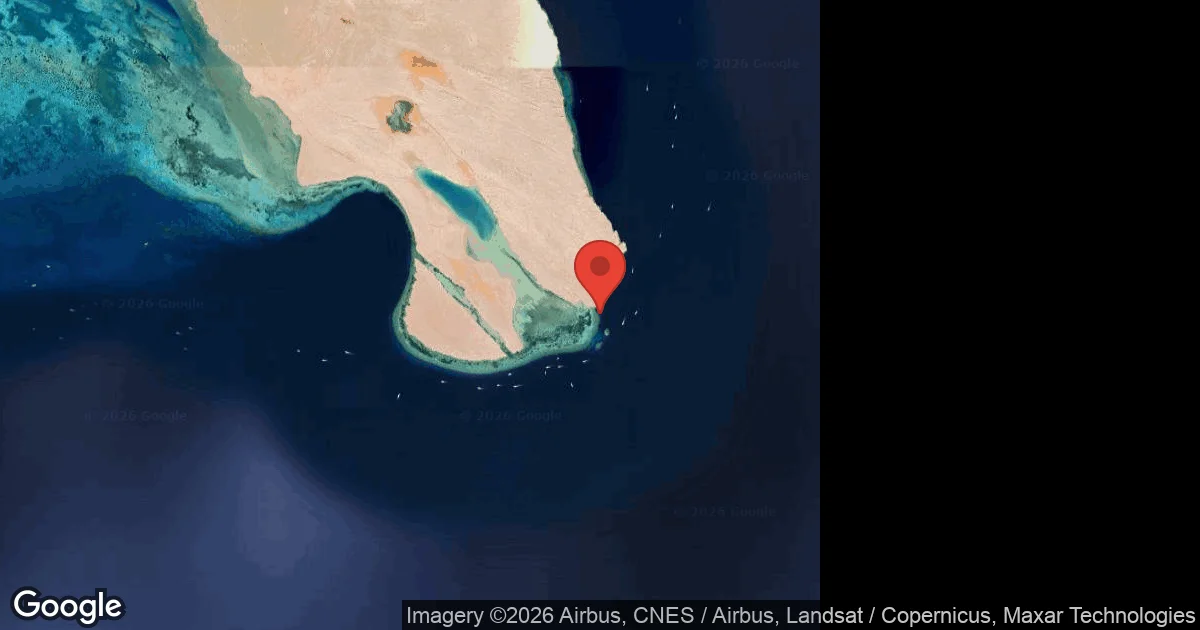
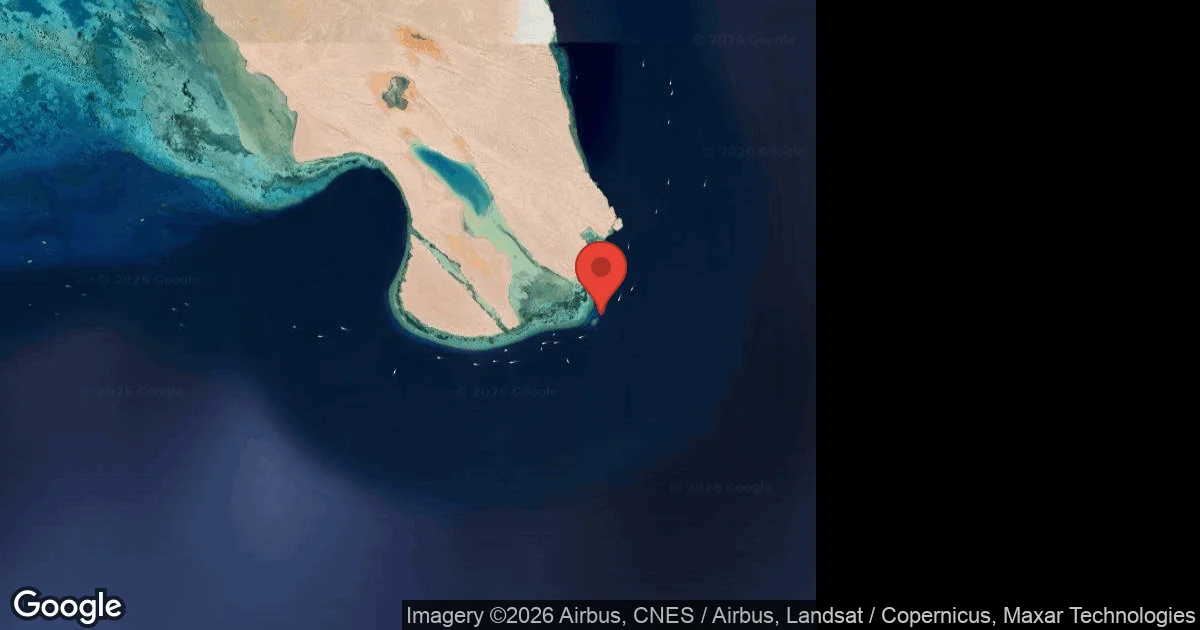
Dive Site Location & Key Facts
Dive Site Overview
Historically, Shark Observatory earned its name from the cliff-top vantage point where sharks were once frequently spotted in the waters below. Today, the dive maintains its allure as a classic Red Sea wall dive, characterized by a sheer drop that plunges beyond 100 m (330 ft).
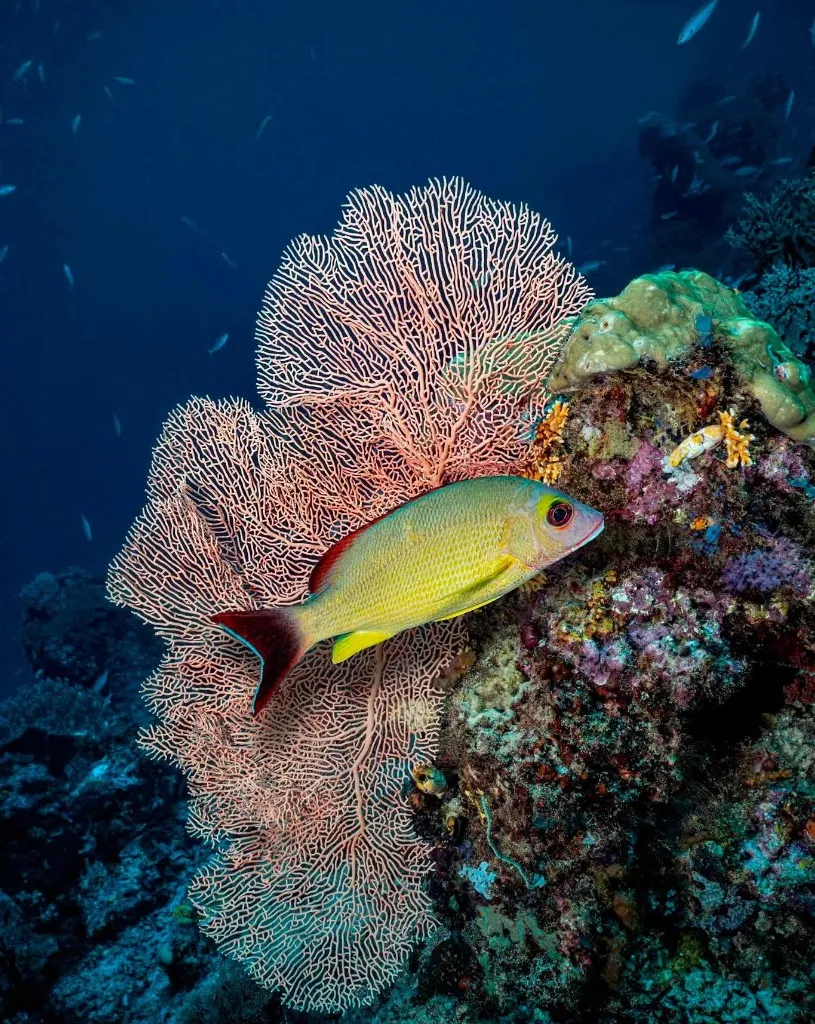
This makes it particularly appealing for technical divers exploring its deeper reaches, while recreational divers navigate the vibrant upper sections. The underwater landscape is distinct, featuring extensive rows of Gorgonian fans that create striking visual effects along the reef face. These fans thrive in the prevailing currents, adding a dynamic texture to the otherwise smooth vertical drop.
Divers will notice numerous inlets, deep overhangs, and small, open cave systems pepper the wall, allowing sunlight to filter through the coral fringing plate above and illuminate the vibrant marine growth. As a drift dive, it typically involves a boat entry and exit, guiding divers along the deep, coral-encrusted face with minimal effort.
This passive movement allows for a comprehensive survey of the expansive wall structure. Average water temperature here ranges from 22-28°C (72-82°F), with visibility often stretching between 10-40 m (33-130 ft), providing clear conditions for observing the site's rich biodiversity.
Conditions are Good
Optimal conditions expected
Current conditions near Shark Observatory - Ras Mohammed show 37° air, 29° sea temperature, 0.8 m waves, and 37 km/h wind. Forecast data is refreshed regularly to ensure accuracy.
Best Time to Dive
To maximize the Shark Observatory dive experience, targeting the shoulder seasons from March to June and September to November is generally recommended. During these months, water temperatures are comfortably warm, typically ranging from 22-28°C (72-82°F). Air temperatures are also favorable, averaging around 22-33°C (72-91°F) from March to June, and 25-32°C (77-90°F) from September to November, providing pleasant surface conditions. Wave heights remain consistently below 0.9 m (3 ft), and wind speeds, while present, are manageable, hovering between 20-30 km/h (12-19 mph). Rainfall is minimal to non-existent during these periods, ensuring clear skies and stable weather for diving operations.
PEAK SEASON SCORE
Scores combine air & water temps, waves, wind & rainfall for overall conditions.
BEST MONTHS TO DIVE
Monthly records compiled from satellite and marine observation nodes over the last 3 years. Data provided by Open-Meteo and MET Norway.
Dive Experience & Conditions
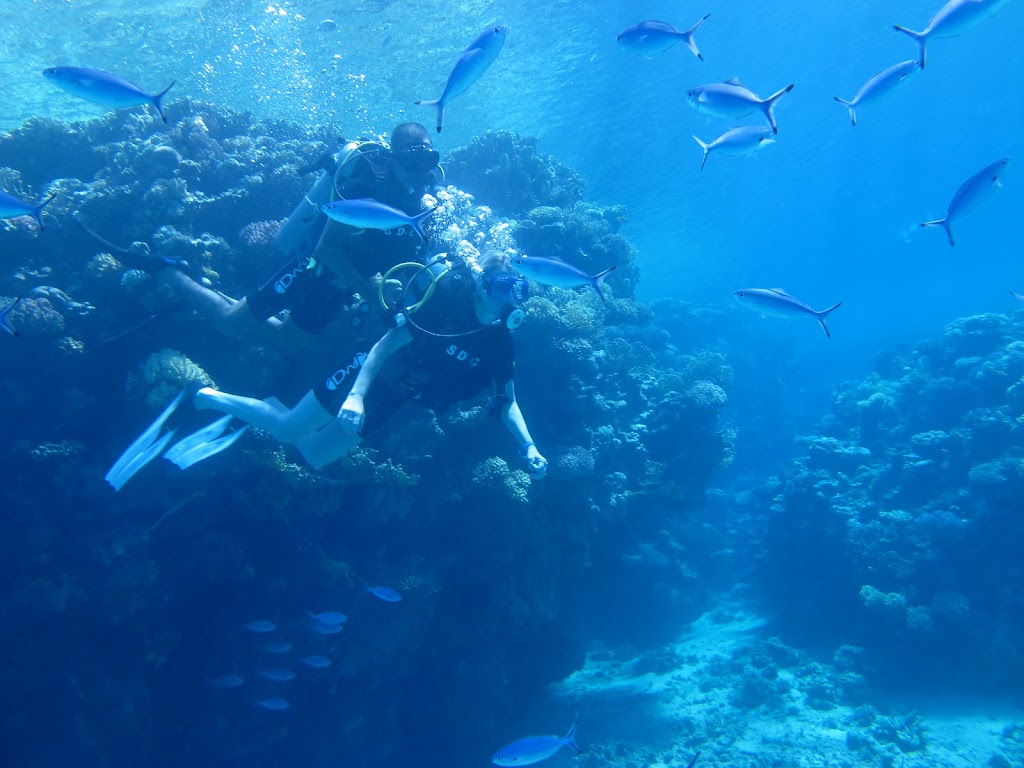
Descending into Shark Observatory initiates a captivating journey along a dramatic vertical wall. The dive profile typically involves a drift, with divers moving passively alongside the reef face. This wall is not a uniform plane; it's intricately peppered with various inlets, deep overhangs, and smaller open cave systems, which add structural complexity and visual interest. Sunlight frequently filters through the coral fringing plate above, creating a beautiful interplay of light and shadow on the reef. As the wall drops significantly, often beyond recreational limits, there's a profound sense of 'flying over the abyss.' Maximum recreational depth is around 40 m (130 ft), though the wall continues much deeper. Visibility is generally excellent, often between 10-40 m (33-130 ft), allowing for expansive views of the pelagic zone and the intricate reef details.
Dive Difficulty & Safety Guidelines
Diving Shark Observatory requires an intermediate skill level, largely due to its characteristics as a drift and wall dive. Maintaining precise buoyancy control is crucial, given the sheer vertical wall and the presence of overhangs. Divers must be mindful of their depth, especially since the wall drops well beyond 40 m (130 ft); exceeding recreational limits can pose significant risks.
While currents contribute to the drift experience, they can vary in strength, requiring divers to be prepared for dynamic conditions. Always ensure your dive plan accounts for potential currents and includes clear communication signals with your buddy and dive guide. As a boat dive, proper entry and exit procedures are essential for a smooth and safe experience.
Recommended Equipment
Current and surface separation risk. Local briefing strongly recommended.
- Dive Computer
- DSMB
- Reel / Spool
This gear list is based on verified equipment signals for Shark Observatory - Ras Mohammed, Egypt. Always confirm final gear choices with your dive operator, guide, or liveaboard.
Recommended Dive Suit
2-3mm shorty or light wetsuit usually provides adequate warmth in water around this temperature. Consider warmer surface protection (like a boat coat) due to brisk winds. Those diving at Shark Observatory - Ras Mohammed today will likely encounter water temperatures in the region of 29°C (84°F). Surface air temperatures are resting at 37°C (99°F).
Environmental conditions are expected to remain consistent in the short-term outlook.
Conditions can vary slightly across different parts of the same dive site.
Emergency & Medical Support
Essential information to help you plan your dive trip to Shark Observatory - Ras Mohammed.

Hyperbaric chambers are a critical part of dive safety infrastructure. Availability varies significantly by region, and not all dive areas have immediate access.
Before diving, it's recommended to:
- confirm nearest medical facilities
- check emergency procedures with local dive operators
- ensure dive insurance covers evacuation if required
Divers Alert Network
Diving emergency assistance available through DAN Europe.
+39 0642115685- 24/7 emergency hotline
- Diving medical assistance
- Evacuation coordination
Emergency contacts are provided for reference. Always verify local emergency services before diving.
Marine Life at Shark Observatory - Ras Mohammed
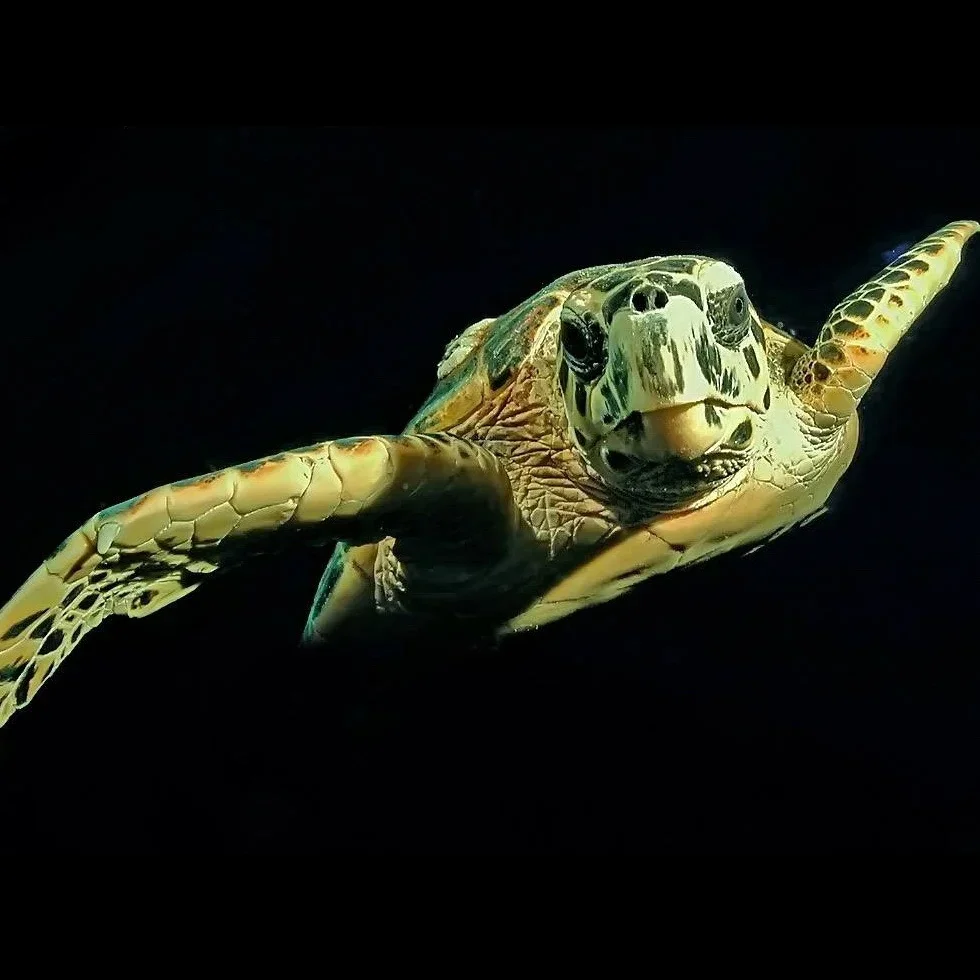
The vibrant reef structure at Shark Observatory supports a diverse range of marine life. Hawksbill Turtles are commonly sighted, often grazing on the purple and pink corals that grow along the wall.
Divers can also spot different species of Nudibranchs in the many overhangs. Looking away from the wall into the blue, schools of Fusiliers, Jacks, and Unicorn Fish are frequently observed passing by.
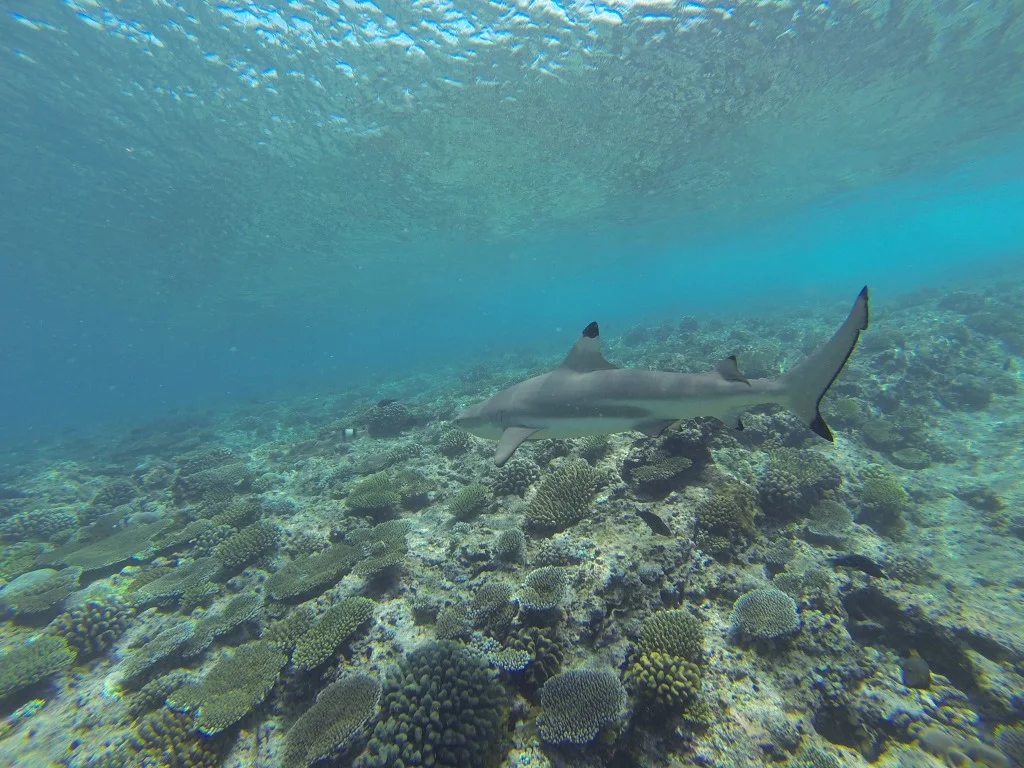
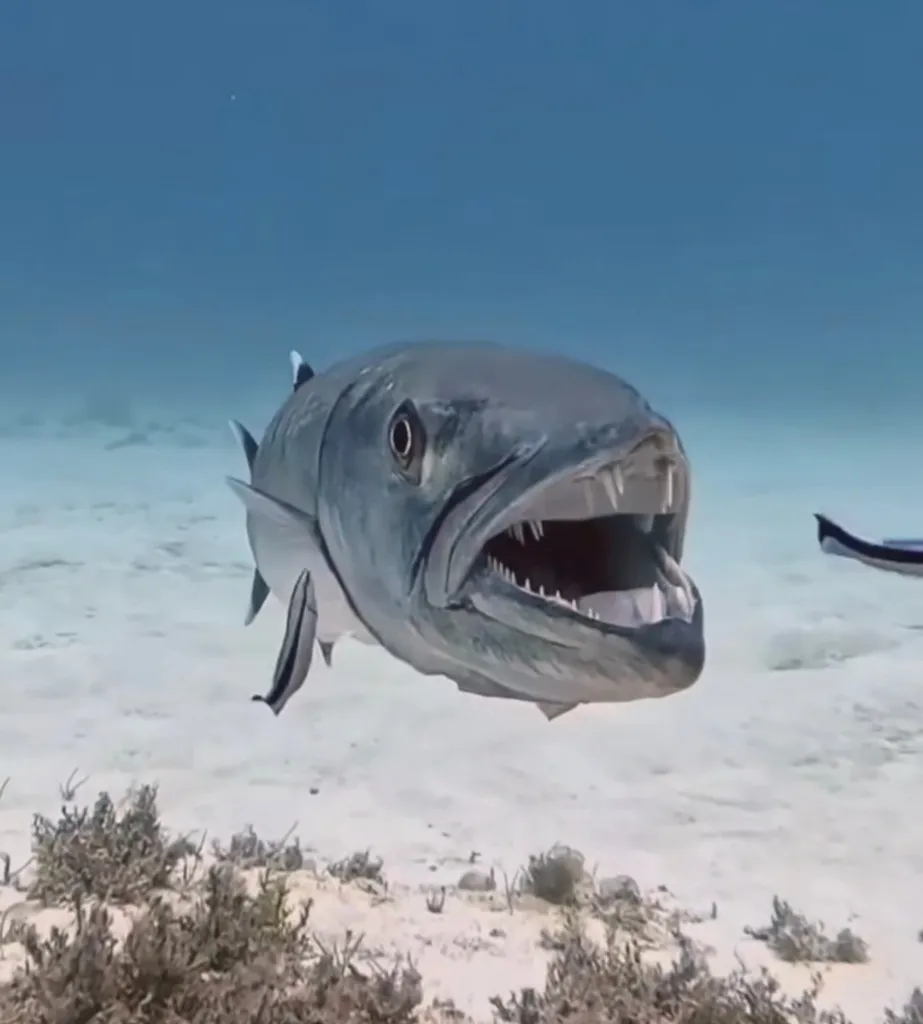
There's also a good chance of encountering tuna, barracudas, groupers, snappers, and trevallies. While the site bears the name, sightings of various shark species can occur, though not as consistently as the name might imply.
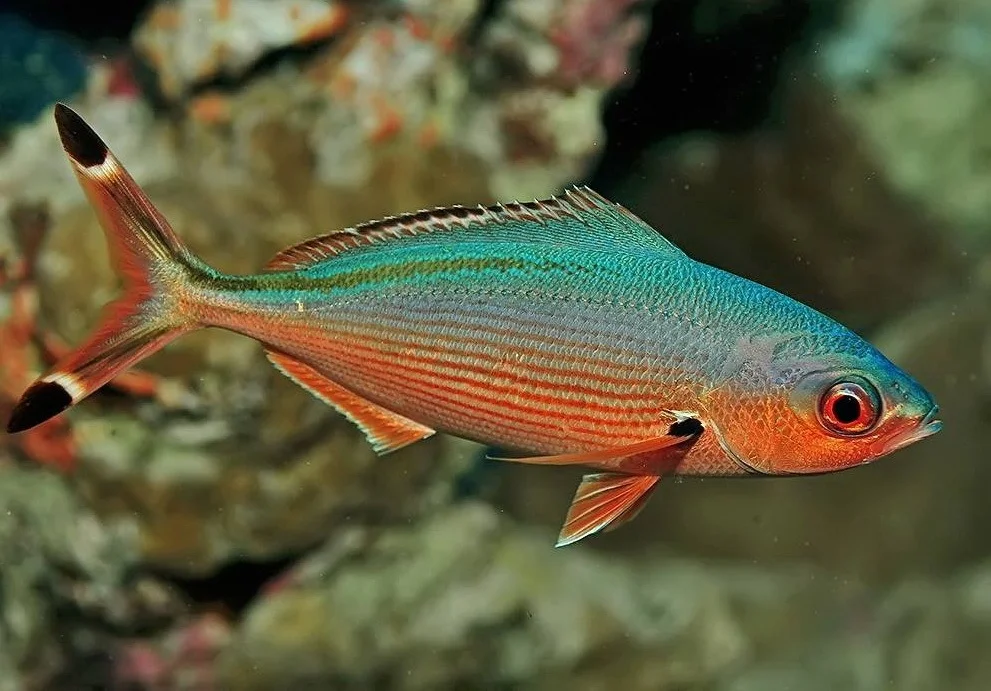
Dive Sites Near Shark Observatory - Ras Mohammed
View all dive sites in EgyptDiscover more underwater gems in this area.
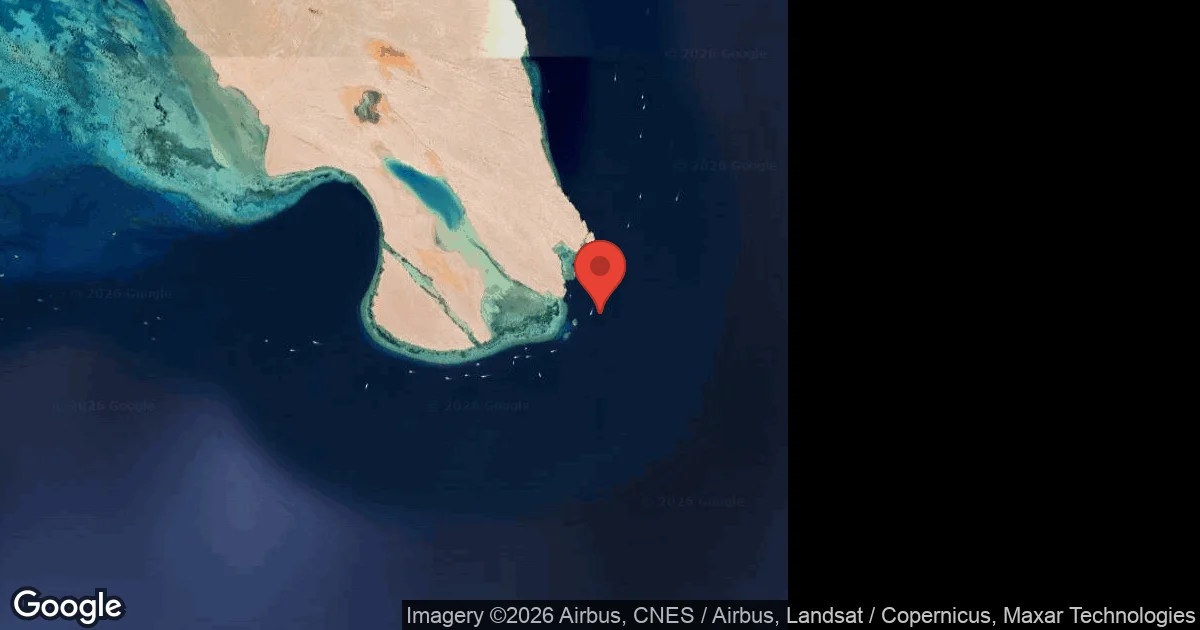
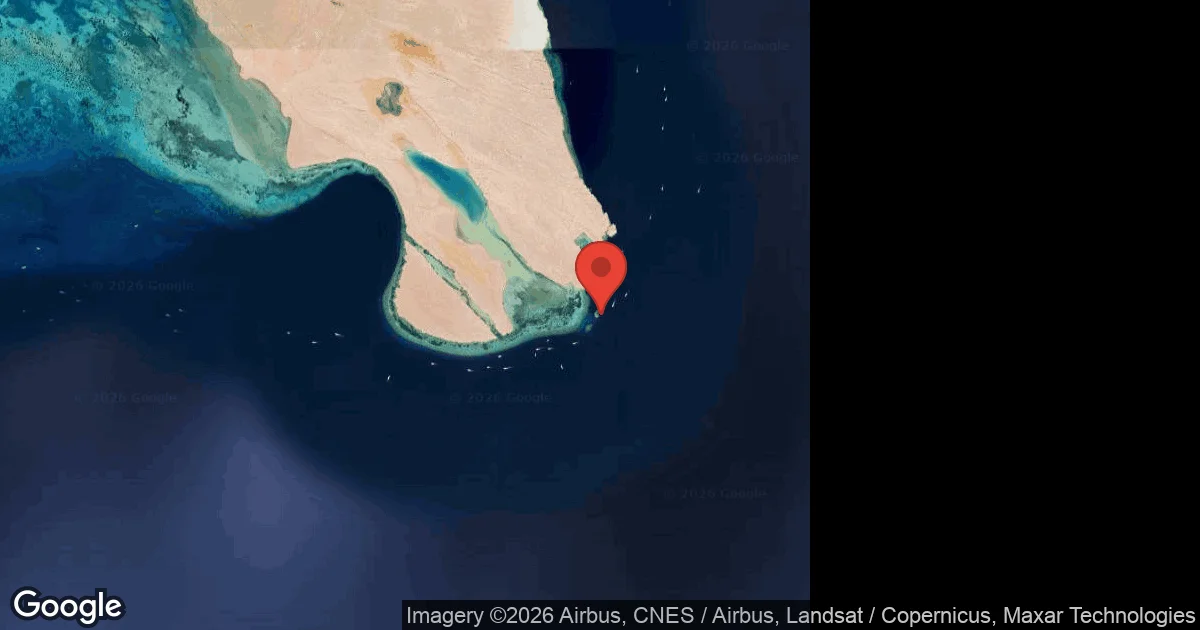
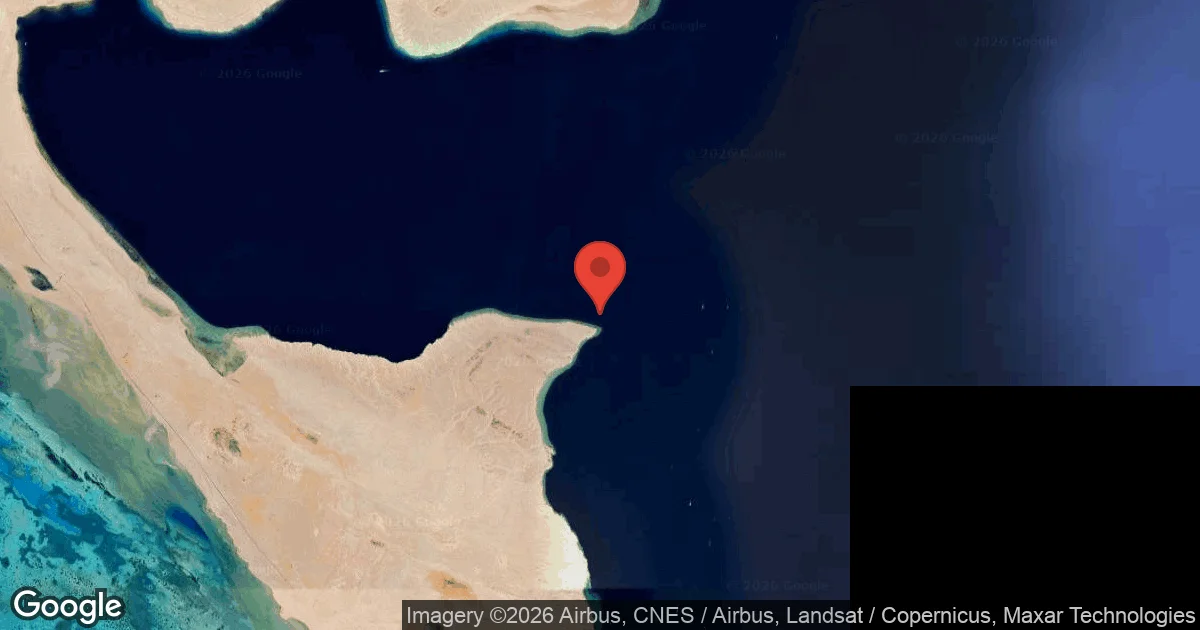
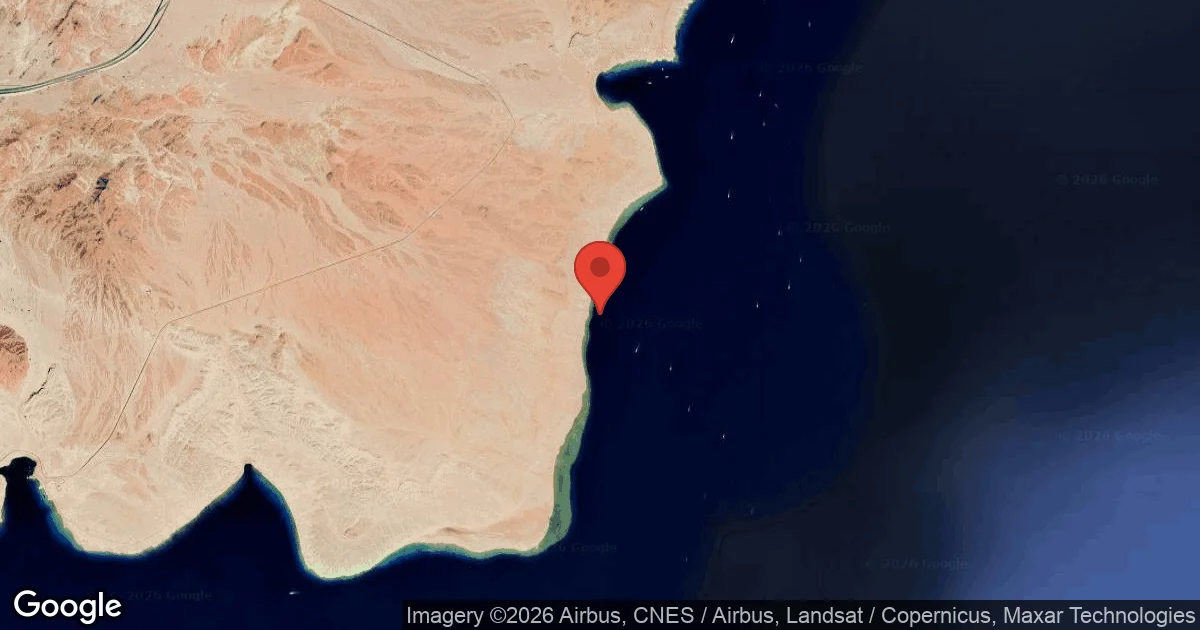
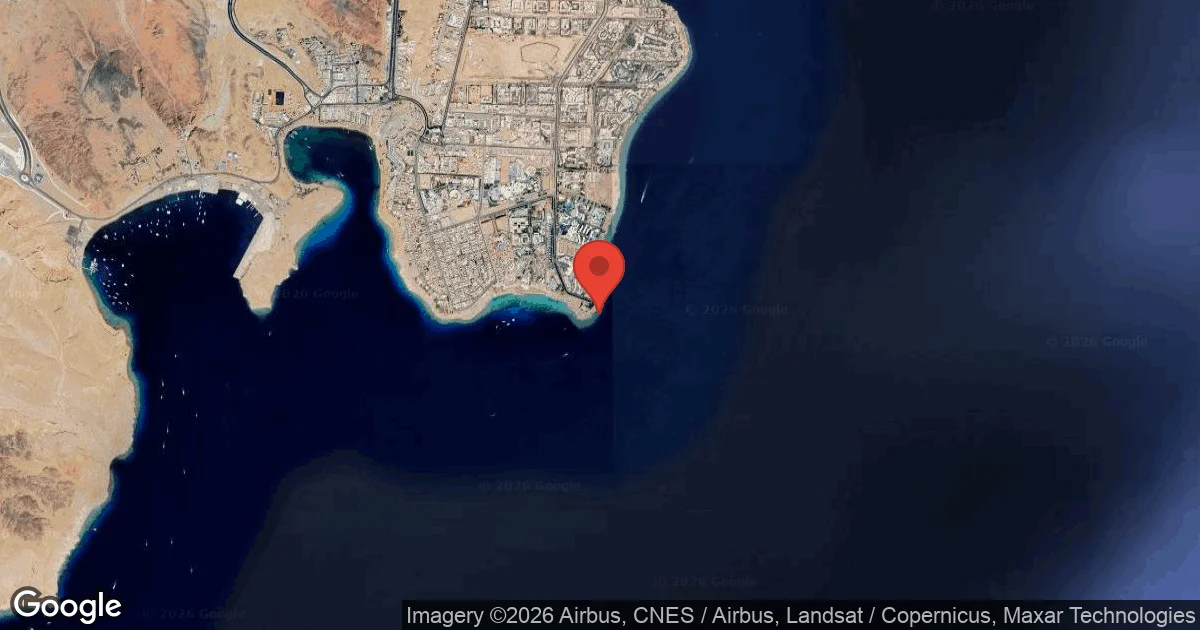
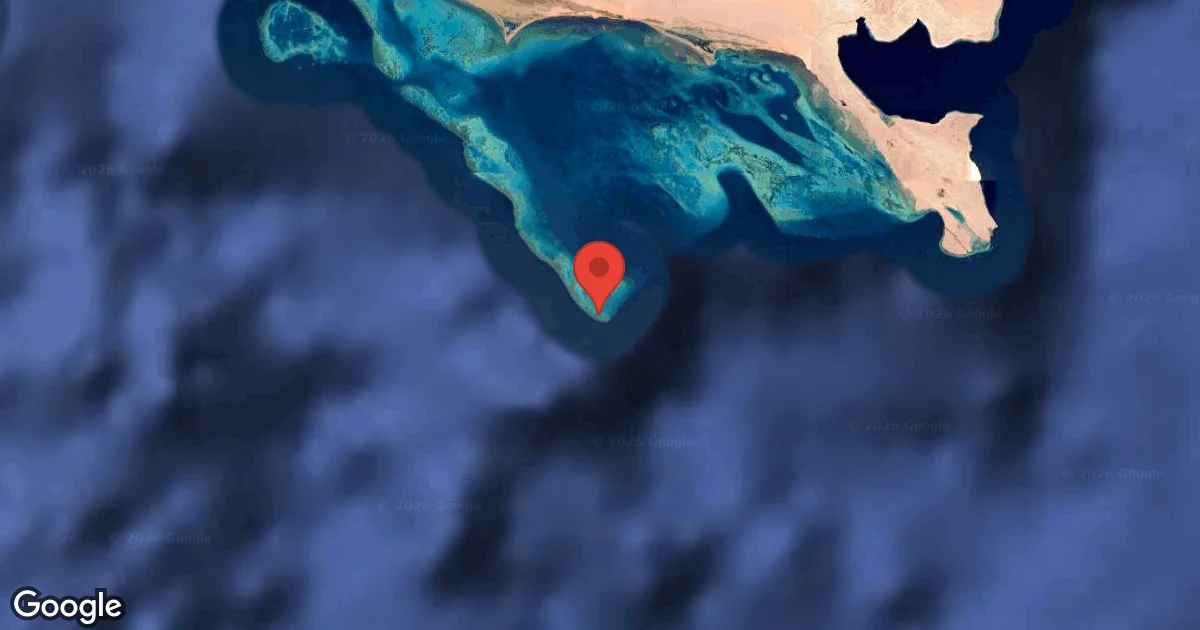
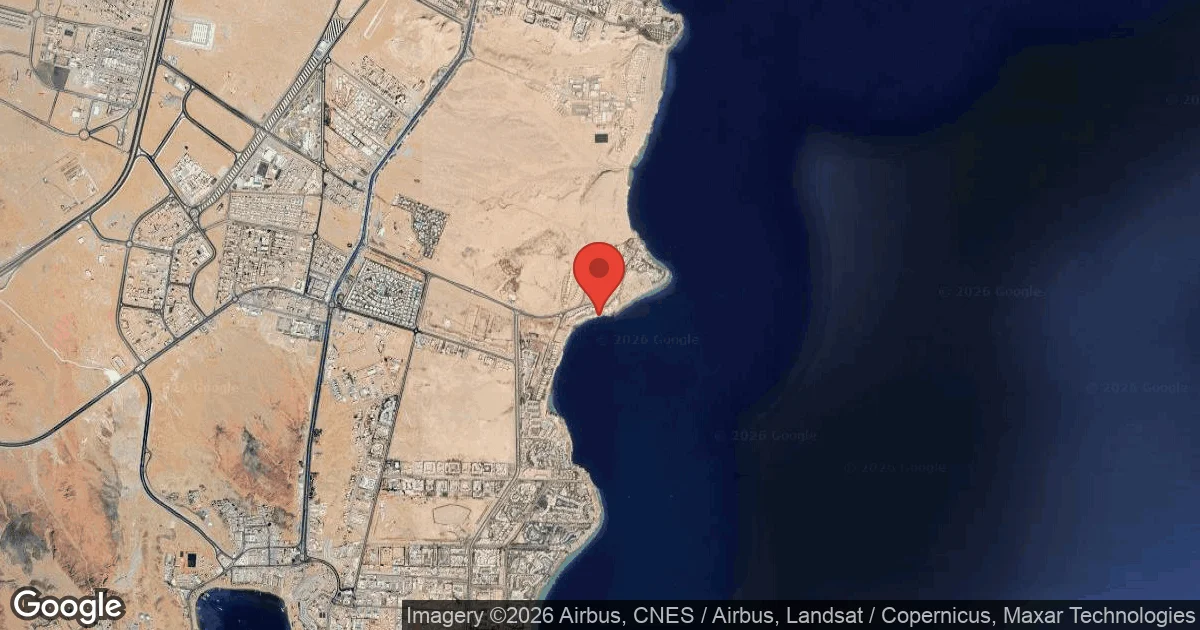
Dive Centers Near Shark Observatory - Ras Mohammed
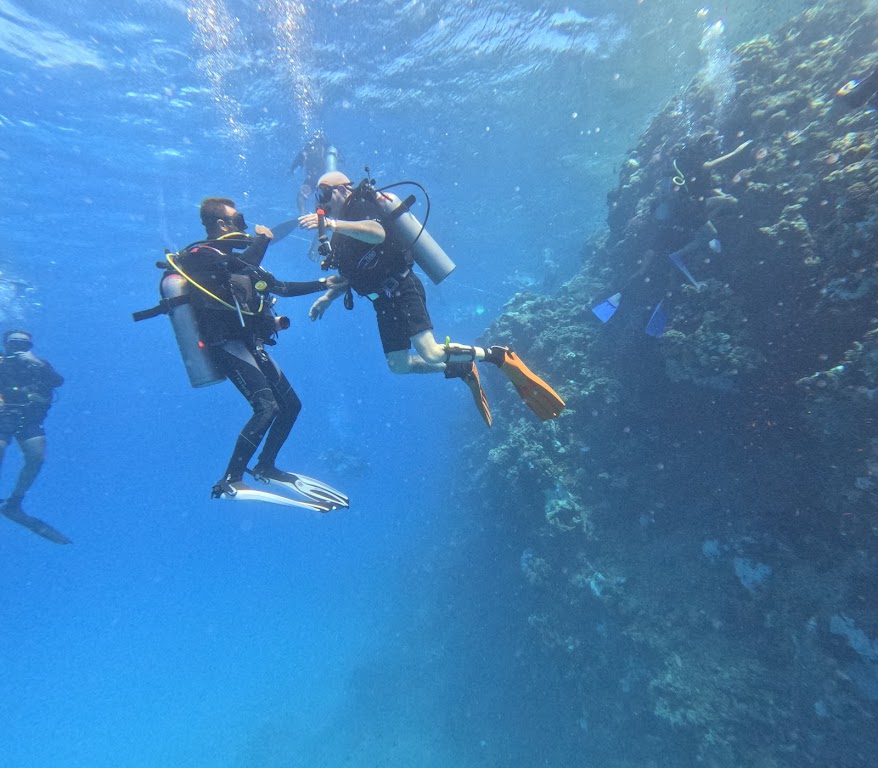
Today: 08:00 - 19:00

Nearest Airports
Nearest airports to help plan travel to this dive area.
Search Flights
Check available flights and routes on Expedia, using the nearby airports listed in this section.
Search Flights on ExpediaFrequently Asked Questions
What kind of dive is Shark Observatory?
It is primarily a drift and wall dive, known for its sheer vertical drop-off and extensive reef structure. Divers typically enter from a boat and are carried along the wall by the current.
What is the typical depth range for divers?
Recreational divers usually explore depths up to 40 m (130 ft). However, the wall itself drops significantly deeper, exceeding 100 m (330 ft), which attracts technical divers.
What are the water temperatures at Shark Observatory?
Average water temperatures generally range from 22-28°C (72-82°F) throughout the year, making for comfortable diving conditions.
What kind of marine life can I expect to see?
You can frequently encounter Hawksbill Turtles and Nudibranchs on the reef. Schools of Fusiliers, Jacks, and Unicorn Fish are common in the open water, along with other pelagics like tuna and barracudas. Sightings of various shark species are possible but not guaranteed.
Is Shark Observatory suitable for beginner divers?
This dive site is considered intermediate in difficulty due to its wall and drift characteristics, as well as potential currents. Divers should have good buoyancy control and some experience with drift diving.
Why is it called Shark Observatory?
The site gets its name from a cliff-top observatory point where, historically, sharks were often seen in the waters below. While sightings still occur, they are not as frequent as they once were.
What is the visibility like at this dive site?
Visibility at Shark Observatory is generally excellent, often ranging between 10-40 m (33-130 ft), offering clear views of the extensive wall and marine life.
Planning to dive Shark Observatory - Ras Mohammed?
Send one inquiry and receive offers directly from the best verified local dive operators.
Conditions are Good
Optimal conditions expected
Current conditions near Shark Observatory - Ras Mohammed show 37° air, 29° sea temperature, 0.8 m waves, and 37 km/h wind. Forecast data is refreshed regularly to ensure accuracy.