
Diving at Elephant Cave (Greece)
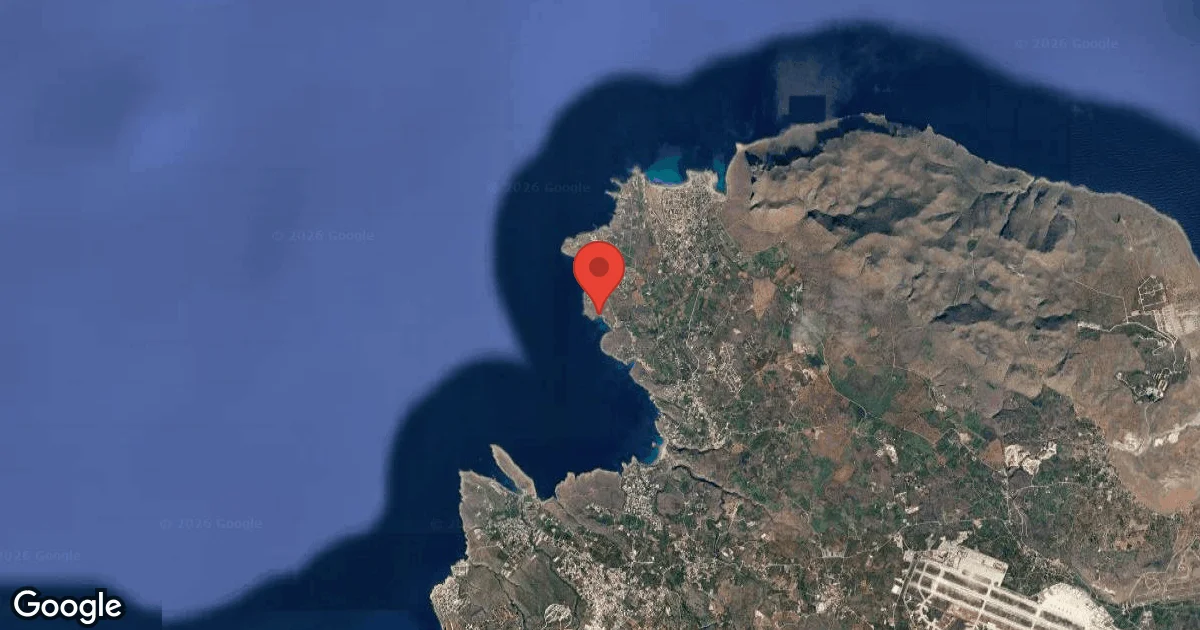
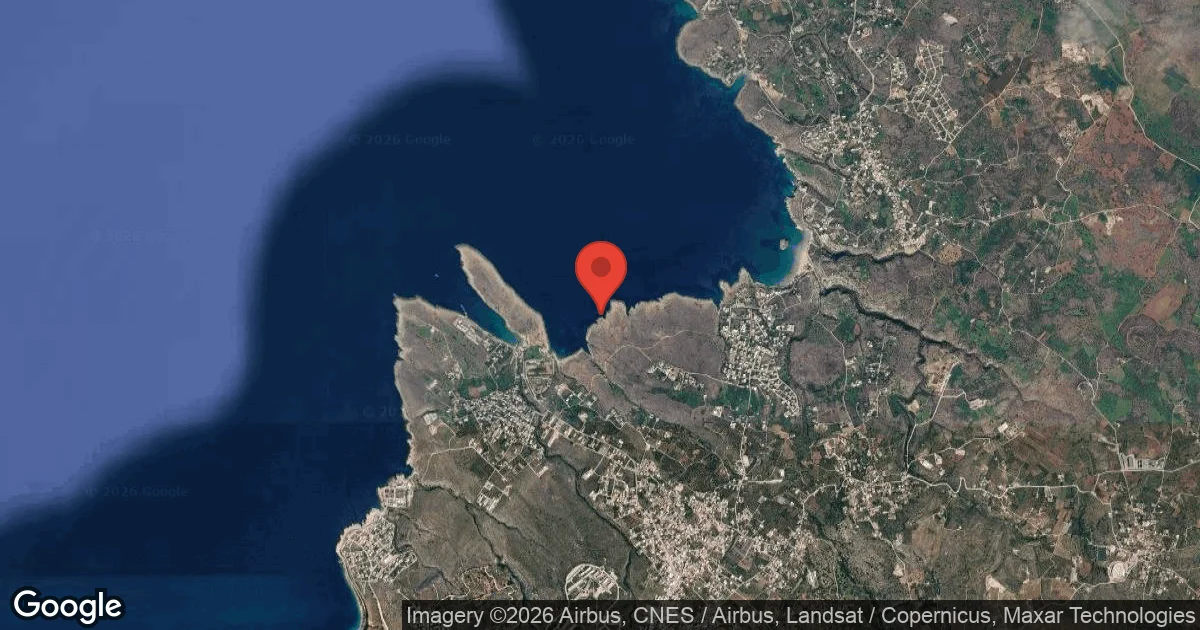
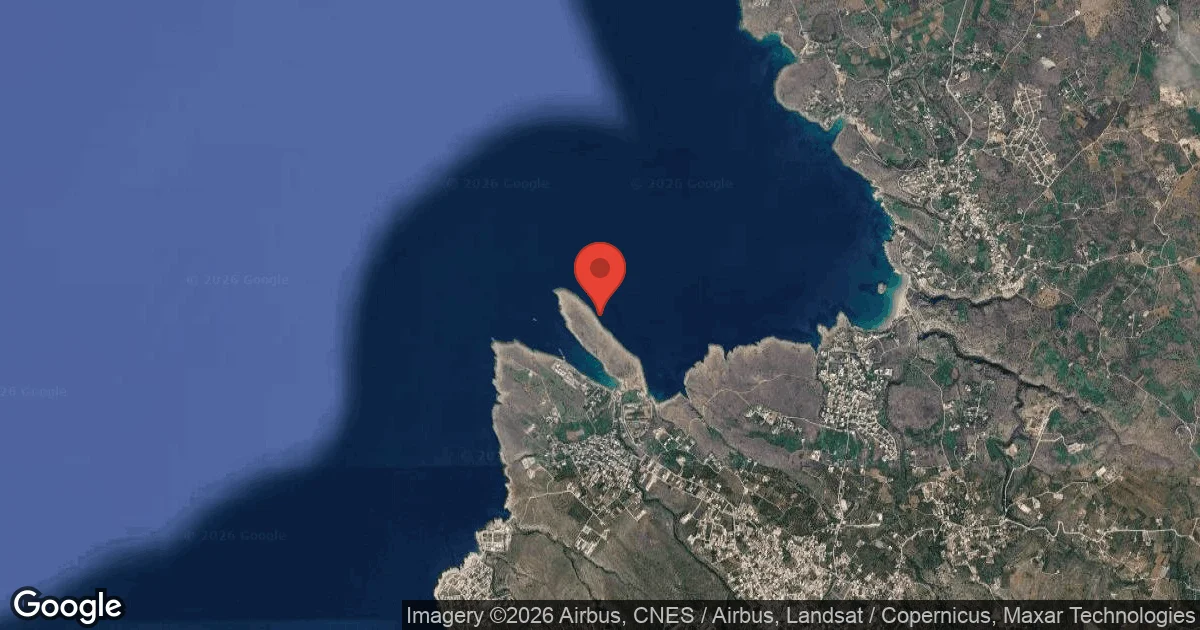
Elephant Cave, located near Cape Drapano in Chania, Crete, features a series of submerged chambers accessible via boat. Its entrance lies approximately 7.5 to 12 meters / 25 to 39 feet below the surface. After navigating a 40-meter / 130-foot underwater tunnel, divers emerge into a significant main hall, roughly 125 meters long and 25 meters wide. This site is distinguished by its geological formations and ancient paleontological finds.
Evening condition tracking at Elephant Cave features an air temperature of 21°C. We have recorded wave heights measuring 0.5 m during this period. These figures outline the environmental parameters currently present.
Dive Site Location & Key Facts
Dive Site Overview
Its distinctive geology and paleontological discoveries set Elephant Cave apart from typical Mediterranean dive sites. Discovered by a spearfisher in 1999, the cave revealed exceptional finds, including the fossilized bones of an unknown elephant species, dubbed "Elephas chaniensis," alongside bones of dwarf deer.
These fossilized remains are integrated into the cave's structure, offering a rare glimpse into a prehistoric ecosystem. The cave itself presents magnificent domes and a natural décor of stalactites and stalagmites, some with a reddish tint from high aluminum and iron content. The presence of these formations both above and below the current waterline indicates that the cave was dry thousands of years ago, before sea levels rose.
Given its accessible characteristics with breathable air pockets and consistent visibility to the entrance, it is more accurately described as a cavern dive, making it suitable for certified recreational divers.
Conditions are Excellent
07:00 - 14:00
Optimal conditions expected
Current conditions near Elephant Cave show 21° air, 26° sea temperature, 0.5 m waves, and 13 km/h wind. Forecast data is refreshed regularly to ensure accuracy.
Best Time to Dive
Optimal diving at Elephant Cave generally aligns with calmer sea conditions and warmer air temperatures, typically from June through October. During these months, average air temperatures range from 25°C / 77°F to 29°C / 84°F, with minimal rain averaging 0.04 to 0.84 mm. Wave heights are also consistently lower, usually between 0.54 and 0.7 meters, and wind speeds are reduced, often between 15.5 and 17.7 km/h. While specific water temperature data for the cave is not consistently reported, regional sea temperatures typically range from around 22°C / 72°F to 27°C / 81°F during the peak season. Winter months see cooler air temperatures and increased rain, wind, and wave activity, potentially affecting access.
PEAK SEASON SCORE
Scores combine air & water temps, waves, wind & rainfall for overall conditions.
BEST MONTHS TO DIVE
Monthly records compiled from satellite and marine observation nodes over the last 3 years. Data provided by Open-Meteo and MET Norway.
Dive Experience & Conditions
Beginning the dive, entry to Elephant Cave is exclusively by boat, typically arriving at its submerged entrance located around 10 meters deep. Divers then proceed through a clear underwater tunnel for approximately 40 meters to reach the expansive main chamber. Visibility within the cave is excellent, often exceeding 30 meters, which is maintained by the absence of significant sediment to disturb. There is no reported current inside the cave, allowing for a relaxed exploration. The dive typically lasts between 45 to 70 minutes, with an average depth of 7 meters, though depths can reach up to 16 meters in certain areas. The water inside the cave is a mix of fresh and salt, which is common in coastal cave systems.
Dive Difficulty & Safety Guidelines
Divers considering Elephant Cave should hold at least an Open Water Diver certification or equivalent (CMAS *). This site is considered an easy dive, characterized by calm conditions and exceptional visibility, which helps mitigate common cave diving complexities. While it features breathable air pockets and a constantly visible entrance, maintaining appropriate buoyancy control is essential to protect the delicate geological formations, especially the stalactites and stalagmites.
Respecting the cave's ancient paleontological findings is also critical; touching or disturbing the fossilized bones is strictly prohibited to preserve this unique heritage.
Recommended Equipment
Overhead environment. Do not enter beyond training and gas planning limits.
- Dive Computer
- DSMB
- Primary & Backup Lights
- Reel / Spool
- Cutting Tool
This gear list is based on verified equipment signals for Elephant Cave, Greece. Always confirm final gear choices with your dive operator, guide, or liveaboard.
Recommended Dive Suit
Temperatures look set to gradually increase over the next several days. A warming trend is expected over the next few days.
Many experienced divers would consider 2-3mm shorty or light wetsuit an appropriate choice here. Surface intervals may feel cooler.
At Elephant Cave, the water is currently sitting around 26°C (79°F). Surface air temperatures are resting at 21°C (70°F).
Emergency & Medical Support
Essential information to help you plan your dive trip to Elephant cave.

Hyperbaric chambers are a critical part of dive safety infrastructure. Availability varies significantly by region, and not all dive areas have immediate access.
Before diving, it's recommended to:
- confirm nearest medical facilities
- check emergency procedures with local dive operators
- ensure dive insurance covers evacuation if required
Divers Alert Network
Diving emergency assistance available through DAN Europe.
+39 0642115685- 24/7 emergency hotline
- Diving medical assistance
- Evacuation coordination
Emergency contacts are provided for reference. Always verify local emergency services before diving.
Closest Listed Hyperbaric Chambers
Showing listed hyperbaric chamber facilities within 200 km of this dive site.
Distances are approximate straight-line distances and may not reflect emergency travel time.
TKYI/NNK
24/7 ListedChania, Greece•Approx. 12 km straight-line
TKYI/NNK
24/7 ListedInformation is provided for reference and planning purposes only. Dive Navigator does not verify operational status, staffing, availability, or quality of care at listed facilities. In an emergency, contact local emergency services, DAN, your dive operator, or the chamber directly. Do not travel to a facility without calling ahead.
Marine Life at Elephant Cave
The internal architecture of Elephant Cave provides a striking backdrop for its inhabitants, notably the Mediterranean Monk Seal (Monachus monachus). These critically endangered seals sometimes seek refuge within the cave's quiet chambers.
Beyond the seals, the primary visual highlights are the extraordinary geological formations themselves, including white and reddish stalactites hanging from the ceiling and stalagmites rising from the floor. These formations, along with the visible fossilized bones of prehistoric elephants and dwarf deer, constitute the main biological and geological interest of the site, presenting an underwater landscape that bridges natural history and contemporary marine life.

Dive Sites Near Elephant Cave
View all dive sites in GreeceDiscover more underwater gems in this area.
Dive Centers Near Elephant Cave

Today: 09:00 - 21:00

Nearest Airports
Nearest airports to help plan travel to this dive area.
Search Flights
Check available flights and routes on Expedia, using the nearby airports listed in this section.
Search Flights on ExpediaFrequently Asked Questions
What kind of dive is Elephant Cave?
Elephant Cave is primarily a cavern dive, characterized by clear visibility to the entrance and the presence of breathable air pockets within the main chamber. While it has cave-like features, it doesn't present the complex navigation challenges of advanced cave diving.
What is the maximum depth at Elephant Cave?
The maximum depth recorded for diving within Elephant Cave is around 16 meters, with an average exploration depth closer to 7 meters. The entrance typically lies between 7.5 and 12 meters below the surface.
What makes Elephant Cave unique?
Its most remarkable feature is the discovery of fossilized bones belonging to an unknown elephant species (Elephas chaniensis) and dwarf deer, integrated directly into the cave's rock. This, combined with stunning stalactite and stalagmite formations, provides a rare paleontological and geological experience.
Are there any currents inside Elephant Cave?
No, there are no reported currents inside Elephant Cave. This allows for a calm and controlled dive, making it suitable for various skill levels once inside the main chamber.
What is the visibility like in Elephant Cave?
Visibility within Elephant Cave is consistently excellent, often exceeding 30 meters. The cave's structure and lack of sediment disturbance contribute to these clear conditions, enhancing the experience.
Can Open Water Divers visit Elephant Cave?
Yes, Elephant Cave is accessible to certified Open Water Divers or those with equivalent certification (CMAS *). Its cavern-like nature, clear conditions, and visible entrance make it suitable for recreational diving within these certification limits.
Is marine life abundant in the cave?
While the cave isn't known for a vast array of common reef fish, it serves as a crucial refuge for the critically endangered Mediterranean Monk Seal. The primary highlights are the unique geological formations and prehistoric fossils, which offer a different kind of 'marine life' discovery.
Planning to dive Elephant Cave?
Send one inquiry and receive offers directly from the best verified local dive operators.
Conditions are Excellent
07:00 - 14:00
Optimal conditions expected
Current conditions near Elephant Cave show 21° air, 26° sea temperature, 0.5 m waves, and 13 km/h wind. Forecast data is refreshed regularly to ensure accuracy.