Marine Life

What Divers Should Know About Monk Seal

Learn all about the Monk Seal, including dynamic specs, encounter highlights, habitats, and the best dive sites to find them.
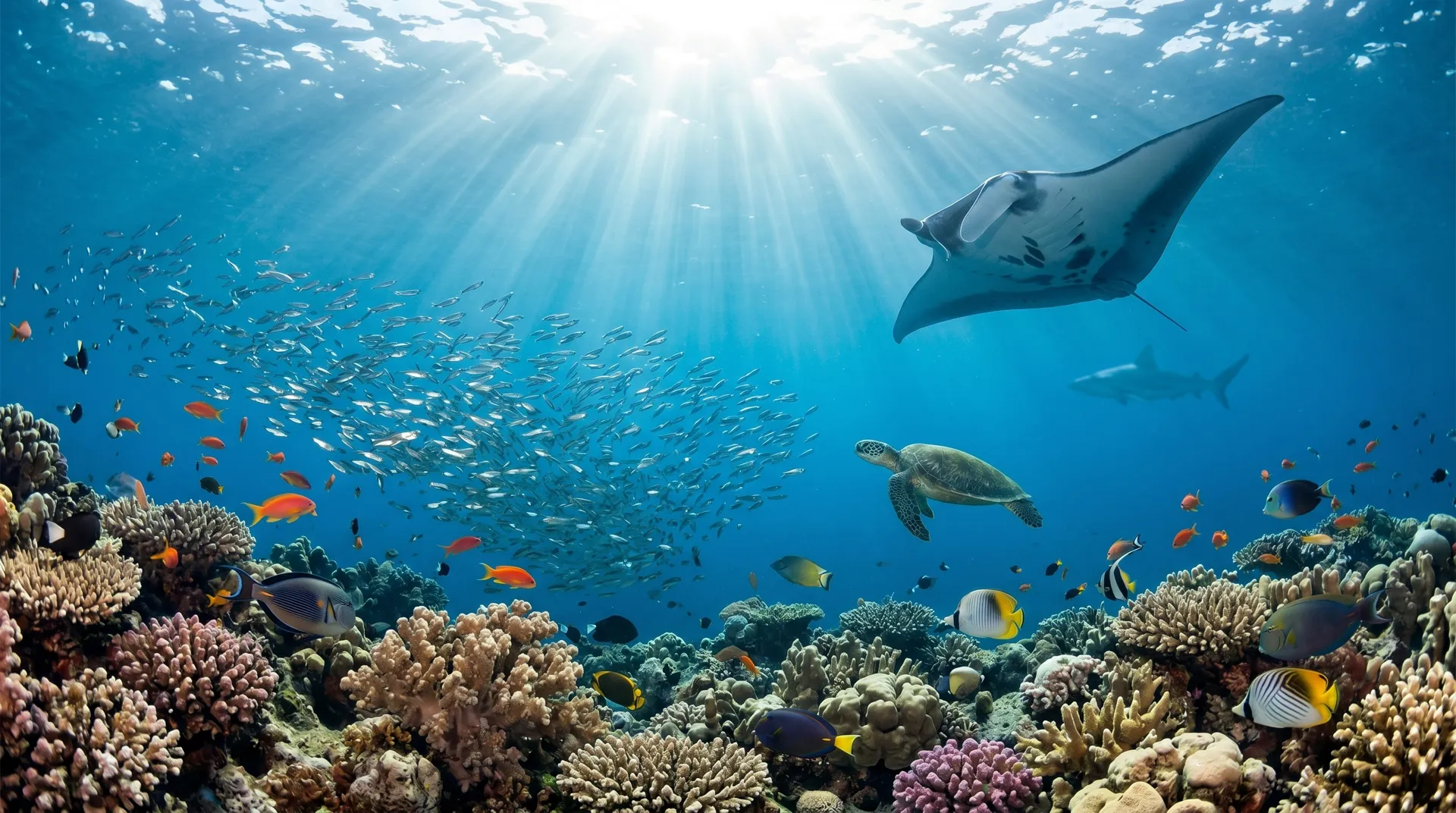
Monk Seal
Scientific Name

/

Size

/

Depth

/

Habitat

/

Conservation

Not Evaluated

Danger Level

/

About the Monk Seal

Among the most unique marine mammals you might encounter in warm waters is the Monk seal, the only earless seal species found in tropical climates. These agile pinnipeds have a slender body, a broad flat snout with nostrils on top, and adults average 8 feet (2.4m) and 500 pounds (230kg). You'll find them inhabiting the Hawaiian archipelago, certain areas of the east Atlantic, and the Mediterranean Sea. Feeding opportunistically, their primary diet consists of bony fish and cephalopods. Sadly, the two surviving species—the Hawaiian and Mediterranean monk seals—are rare and critically endangered, making any sighting a truly special event.

When diving, keen observers might note their social structure; monk seals are polygynous and often group together in harems. The Mediterranean monk seal, for instance, is perfectly adapted for hunting fish, octopus, lobster, and squid within deep-water coral beds. You'll observe males generally sporting black fur, while females typically present brown or dark gray coats. Their distinct lack of external ears, coupled with an annual molt where they shed hair and outer skin, are key characteristics of these fascinating creatures.

Where You Can See Monk Seal

Detailed regional distribution data for Monk Seal is not available yet. This species may still appear on related dive site pages when local sightings or habitat information are available.

Dive Sites with Monk Seal

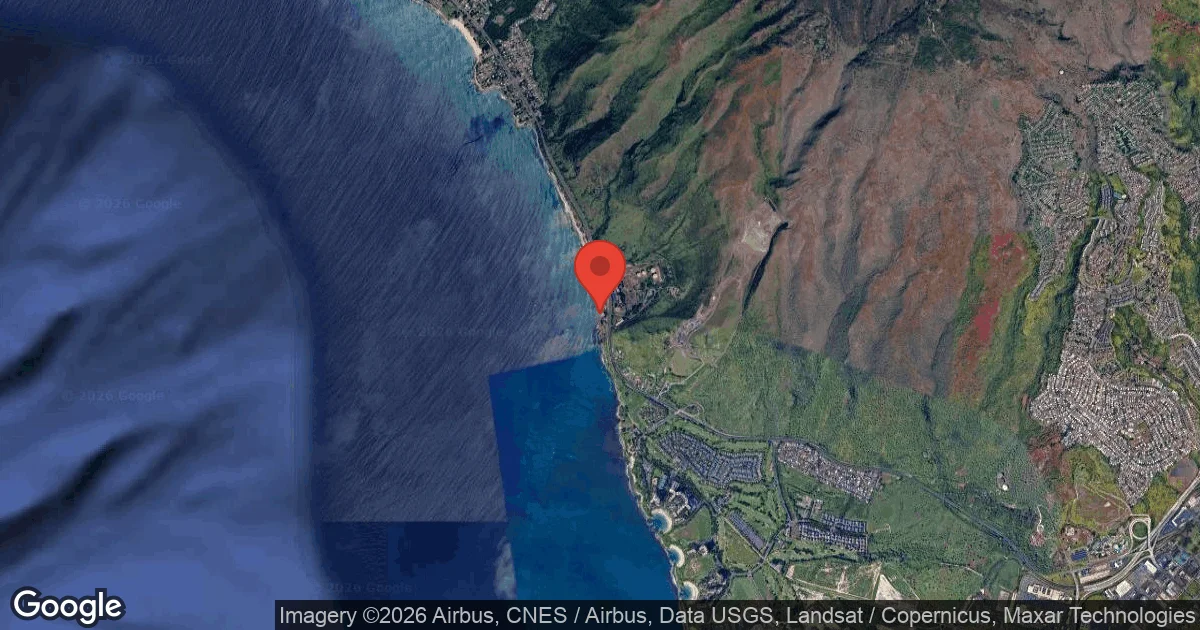
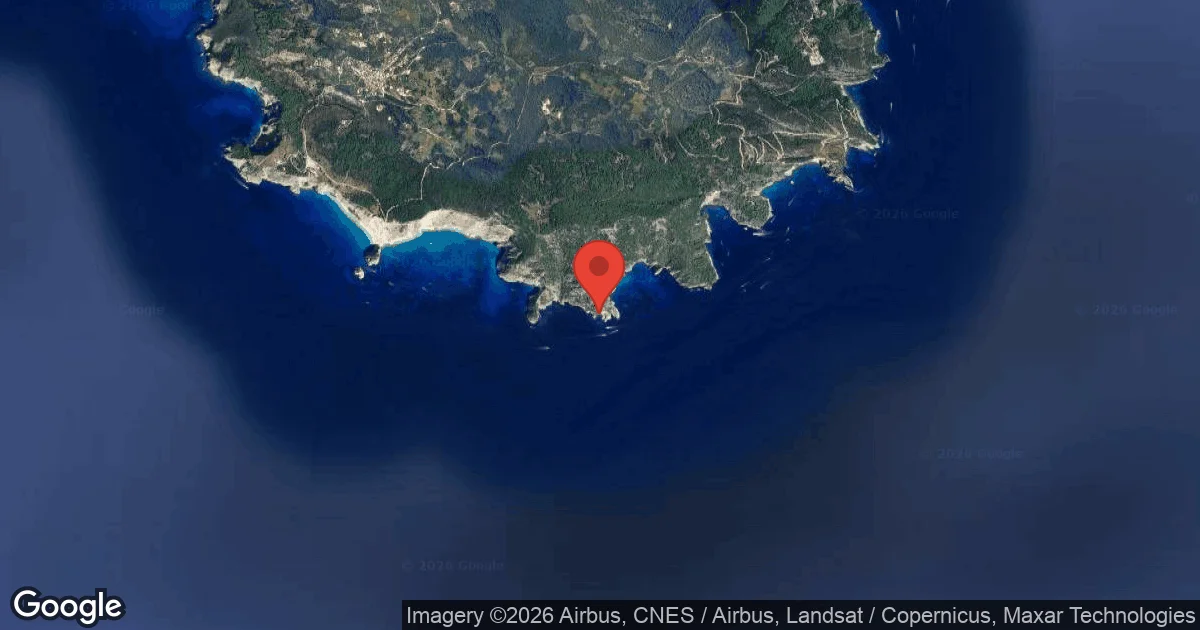
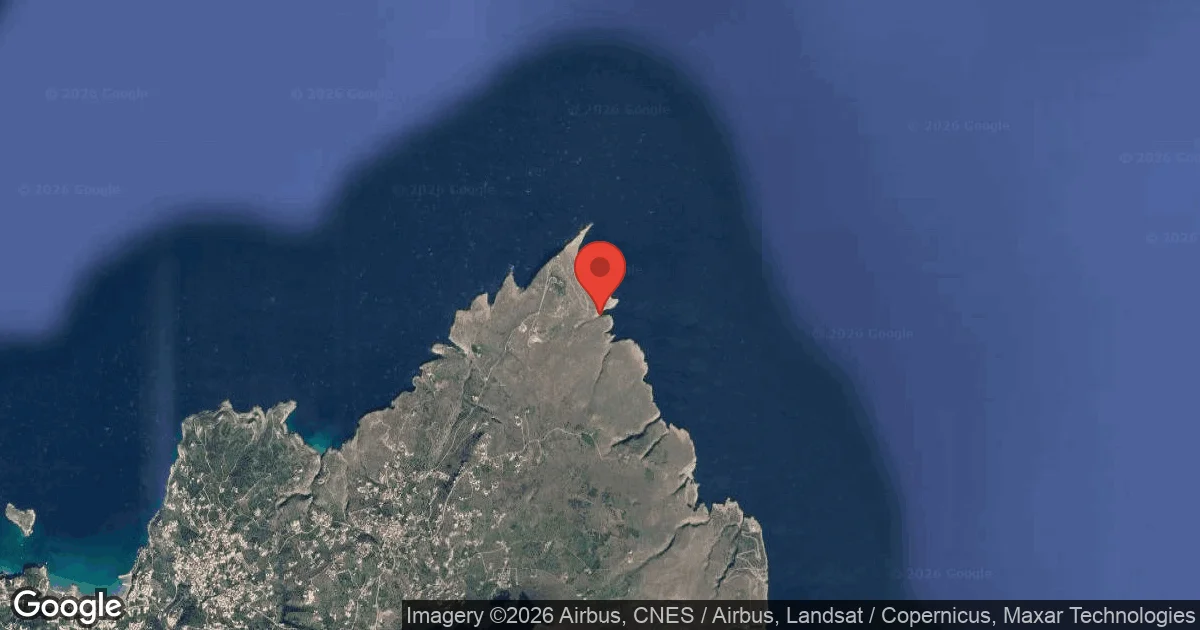
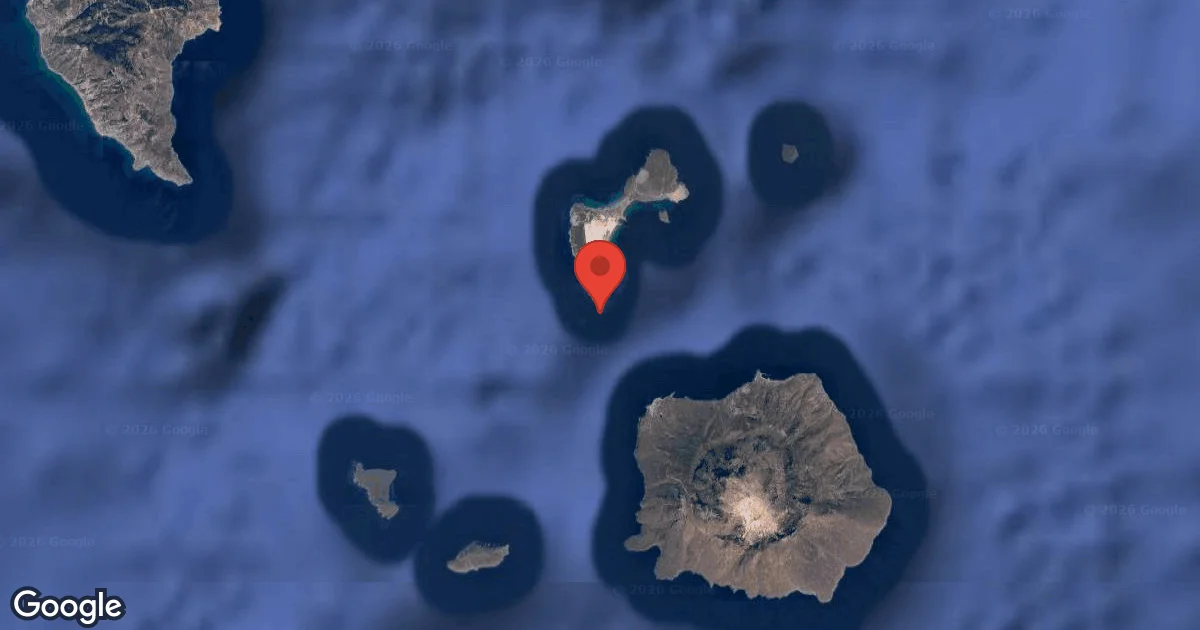
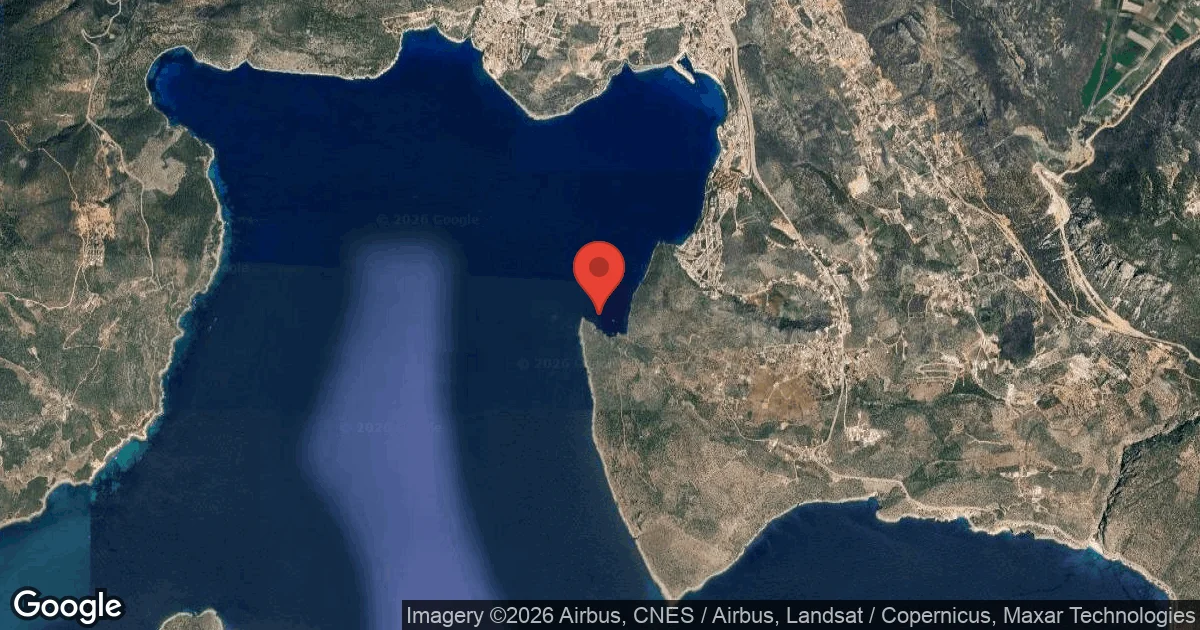
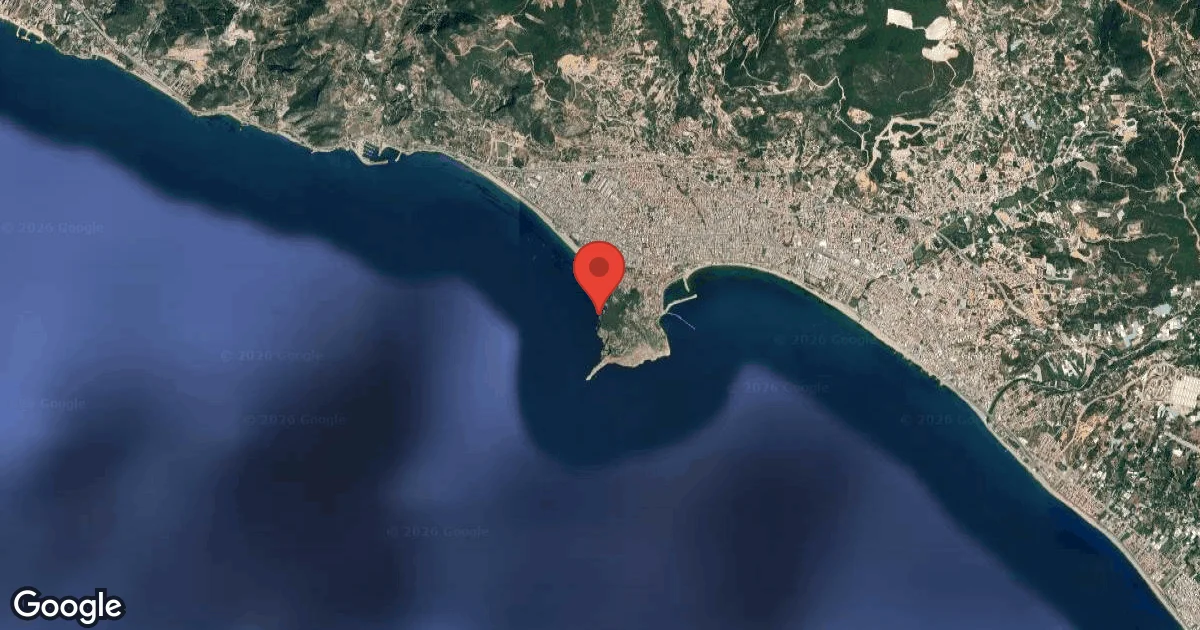
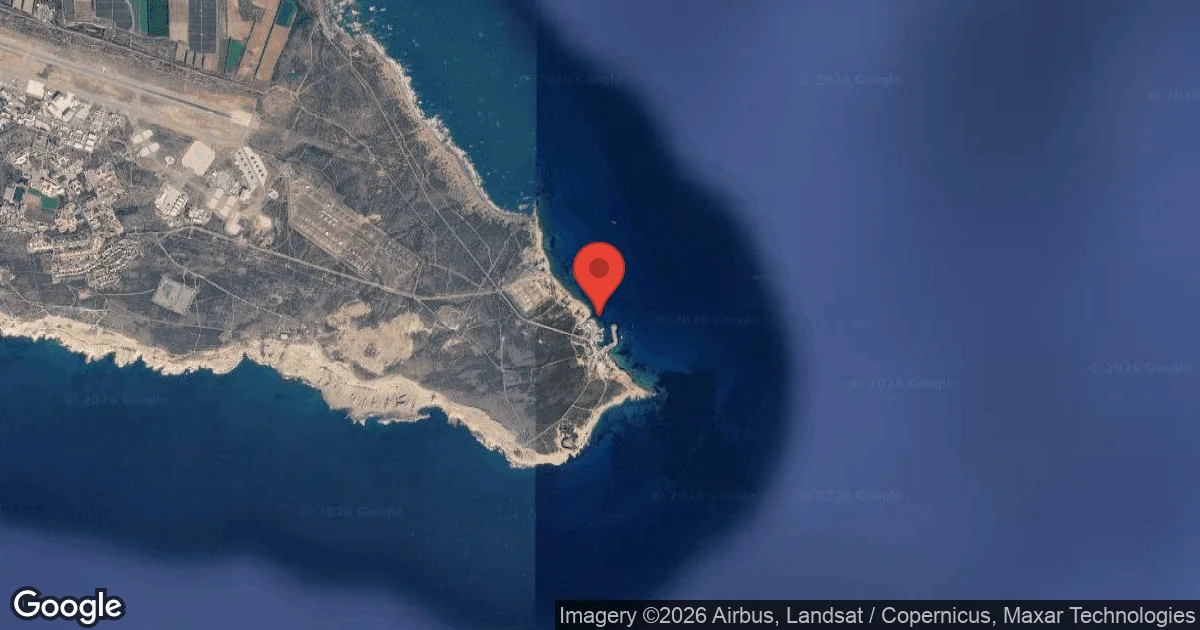
Discover 12 of 19 breathtaking locations where you can encounter this species.
Related Marine Life

Explore other incredible species you can encounter on your diving adventures.