
Diving at Seal Cave (Greece)
Divers approaching Seal Cave should be mindful of its varying conditions, which necessitate different levels of preparation and skill. While generally an accessible cavern dive, navigating its multiple passages and ravines requires good buoyancy control. Planning for the specific dive path, whether a straightforward cavern exploration or a more intricate passage, is essential to mitigate potential challenges. This site remains within recreational limits, allowing for a focused and controlled experience.
As evening covers Seal Cave, the local air temperature is measured at 24.5°C. The current wave height at the surface is recorded at 0.6 m. These late-day readings characterize the surface conditions for the night.
Dive Site Location & Key Facts
Dive Site Overview
Seal Cave carries a deep geological and historical narrative, with local beliefs suggesting a massive tsunami, possibly linked to the Santorini volcanic event, caused a significant portion of the cave to collapse into the sea. This ancient cataclysm reshaped the underwater landscape dramatically.
What remains today is a fascinating blend of the intact cave structure and the intricate network of ravines and passages formed by the fallen debris. These geological shifts have created a diverse underwater environment, offering distinct dive routes that cater to a range of certified divers. One of the most striking features is the expansive main cavern, which is notably large enough for dive boats to enter a considerable distance inside.
This allows for a unique entry and egress experience. Divers here encounter a varied topography, transitioning from these wide, open chambers to more intricate and sheltered passages.
The site's character, blending grand scale with detailed smaller sections, provides a compelling exploration for those comfortable in cavern environments. Dives within Seal Cave typically stay within recreational parameters, with maximum depths generally reaching around 21 m (68 ft), ensuring accessibility for many divers while still offering complex navigation.
Conditions are Excellent
07:00 - 14:00
Optimal conditions expected
Current conditions near Seal Cave show 25° air, 26° sea temperature, 0.4 m waves, and 15 km/h wind. Forecast data is refreshed regularly to ensure accuracy.
Best Time to Dive
For divers seeking the most favorable conditions, the months spanning from May to October consistently present the best time to explore Seal Cave. This period is characterized by consistently high dive scores, reflecting stable and pleasant environmental factors. Air temperatures during these months are particularly inviting, frequently ranging from 20-29°C (68-84°F). Rainfall is also at its minimum, typically less than 2 mm (0.08 in) per month, ensuring mostly clear skies and comfortable surface intervals. While specific water temperatures within the cave itself are not consistently reported across all seasons, the combined effect of warmer ambient air and significantly calmer seas — with average wave heights typically below 1 meter (3.3 ft) — generally contributes to a more comfortable overall diving experience during this peak window. Even outside these months, Seal Cave remains diveable throughout the year. Dive scores hold up well, only showing a slight decrease in January. Divers planning trips during the cooler periods should simply factor in appropriate thermal protection to maximize comfort.
PEAK SEASON SCORE
Scores combine air & water temps, waves, wind & rainfall for overall conditions.
BEST MONTHS TO DIVE
Monthly records compiled from satellite and marine observation nodes over the last 3 years. Data provided by Open-Meteo and MET Norway.
Dive Experience & Conditions
Exploring Seal Cave reveals a diverse depth profile, with dive routes ranging from a minimum of 5 meters (16 ft) to a maximum depth of approximately 21 m (68 ft). This allows for multiple dives tailored to certification levels. Inside, divers may encounter a halocline effect where fresh water from an internal spring mixes with the salt water, creating a visible separation layer. Visibility is consistently excellent, often exceeding 30 meters (100 ft), enhancing the experience of natural light rays filtering through openings. The interior features spacious caverns, smaller passages, and dramatic ravines shaped by ancient geological events.
Dive Difficulty & Safety Guidelines
Diving Seal Cave requires at least an Open Water certification, with advanced certifications beneficial for exploring more complex sections. Emphasizing strong buoyancy control is crucial, especially when navigating the smaller caverns and passages, to protect the delicate underwater formations and maintain visibility. All dives should be conducted with experienced professionals who provide comprehensive briefings, ensuring a safe and enjoyable experience within the cave's recreational limits.
Small group sizes are typically maintained, allowing for personalized guidance and attention to individual diver comfort and skill in cavern environments.
Recommended Equipment
Overhead environment. Do not enter beyond training and gas planning limits.
- Dive Computer
- Primary & Backup Lights
- Reel / Spool
- Cutting Tool
This gear list is based on verified equipment signals for Seal Cave, Greece. Always confirm final gear choices with your dive operator, guide, or liveaboard.
Recommended Dive Suit
2-3mm shorty or light wetsuit usually provides adequate warmth in water around this temperature. A hood or vest is suggested for sensitive divers due to surface winds. Those diving at Seal Cave today will likely encounter water temperatures in the region of 26°C (79°F). Surface air temperatures are resting at 25°C (76°F).
Environmental conditions are expected to remain consistent in the short-term outlook.
Conditions can vary slightly across different parts of the same dive site.
Emergency & Medical Support
Essential information to help you plan your dive trip to seal Cave.

Hyperbaric chambers are a critical part of dive safety infrastructure. Availability varies significantly by region, and not all dive areas have immediate access.
Before diving, it's recommended to:
- confirm nearest medical facilities
- check emergency procedures with local dive operators
- ensure dive insurance covers evacuation if required
Divers Alert Network
Diving emergency assistance available through DAN Europe.
+39 0642115685- 24/7 emergency hotline
- Diving medical assistance
- Evacuation coordination
Emergency contacts are provided for reference. Always verify local emergency services before diving.
Closest Listed Hyperbaric Chambers
Showing listed hyperbaric chamber facilities within 200 km of this dive site.
Distances are approximate straight-line distances and may not reflect emergency travel time.
TKYI/NNK
24/7 ListedChania, Greece•Approx. 6 km straight-line
TKYI/NNK
24/7 ListedInformation is provided for reference and planning purposes only. Dive Navigator does not verify operational status, staffing, availability, or quality of care at listed facilities. In an emergency, contact local emergency services, DAN, your dive operator, or the chamber directly. Do not travel to a facility without calling ahead.
Marine Life at Seal Cave
The underwater landscape of Seal Cave provides a home for various species, contributing to its rich marine life. The cave itself is notably named after sightings of the Mediterranean monk seal, locally referred to as Fokia.
While specific unique species aren't consistently detailed across all passages, the overall ecosystem within and around the caverns supports a healthy population of marine organisms. Divers can expect to observe a vibrant array of life against the backdrop of stunning underwater formations and dramatic light rays.

Dive Sites Near Seal Cave
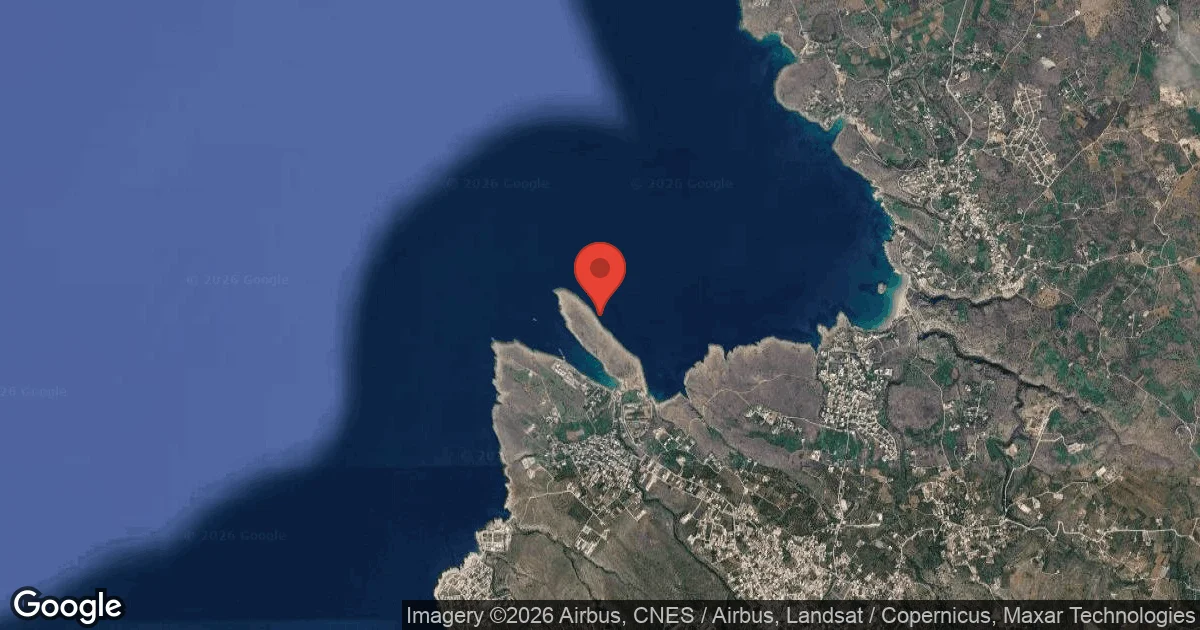
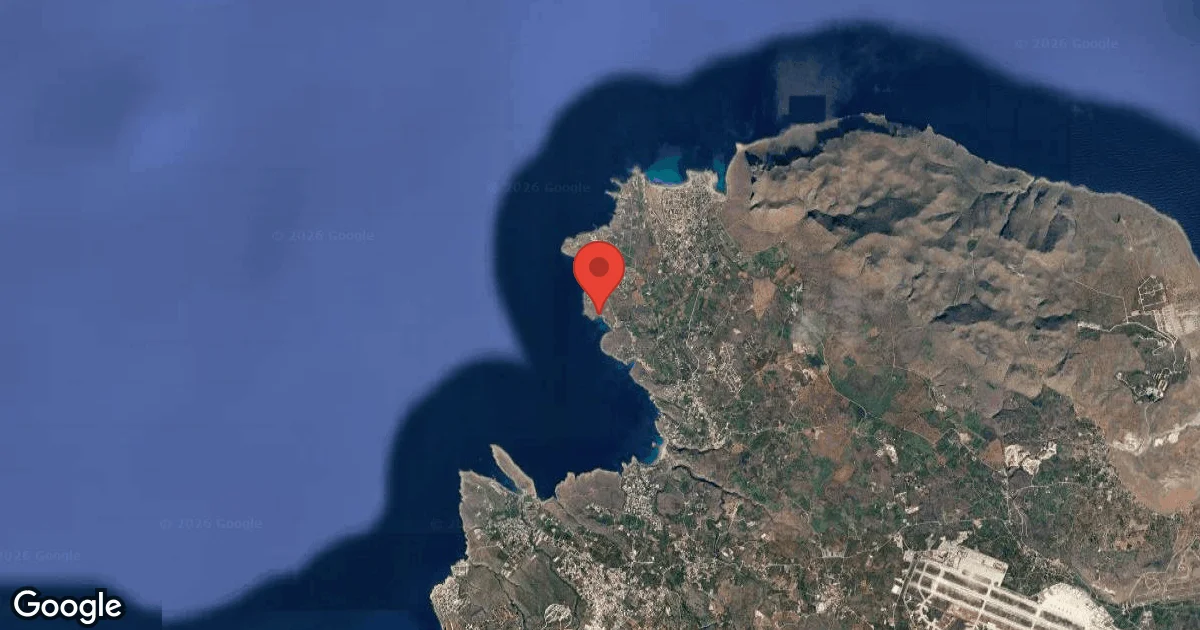
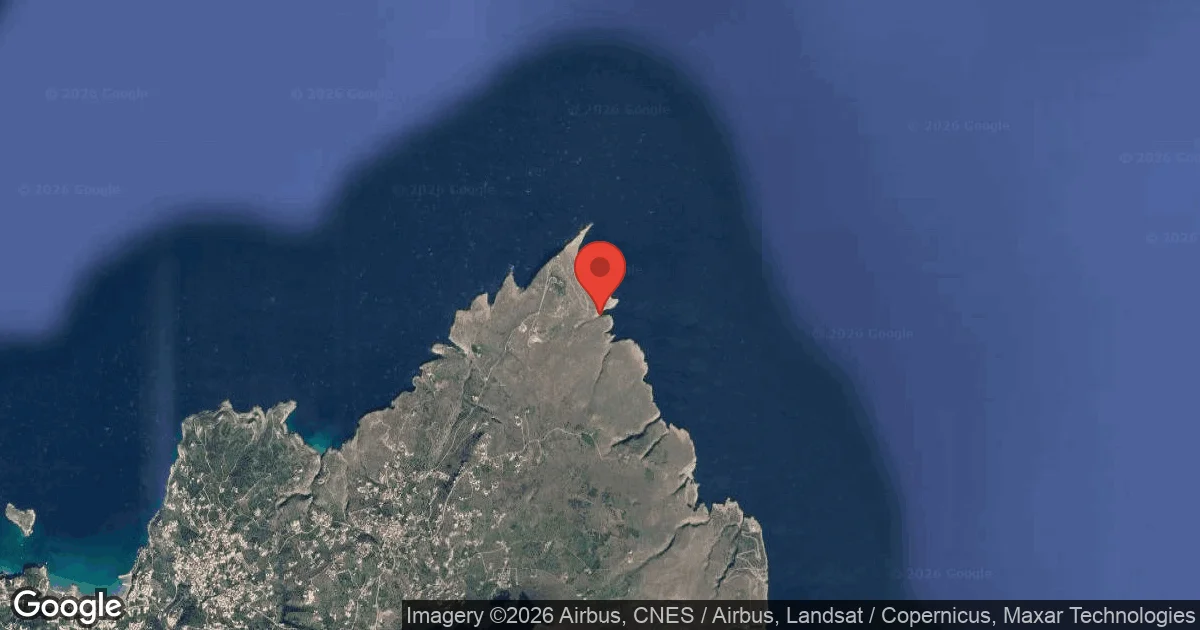
View all dive sites in GreeceDiscover more underwater gems in this area.
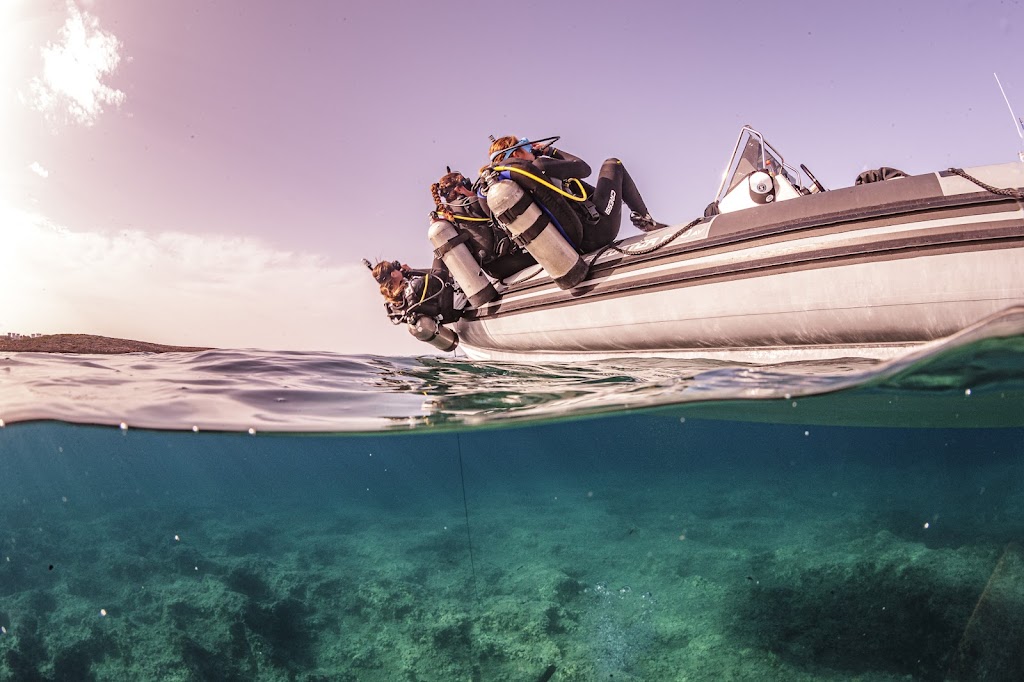
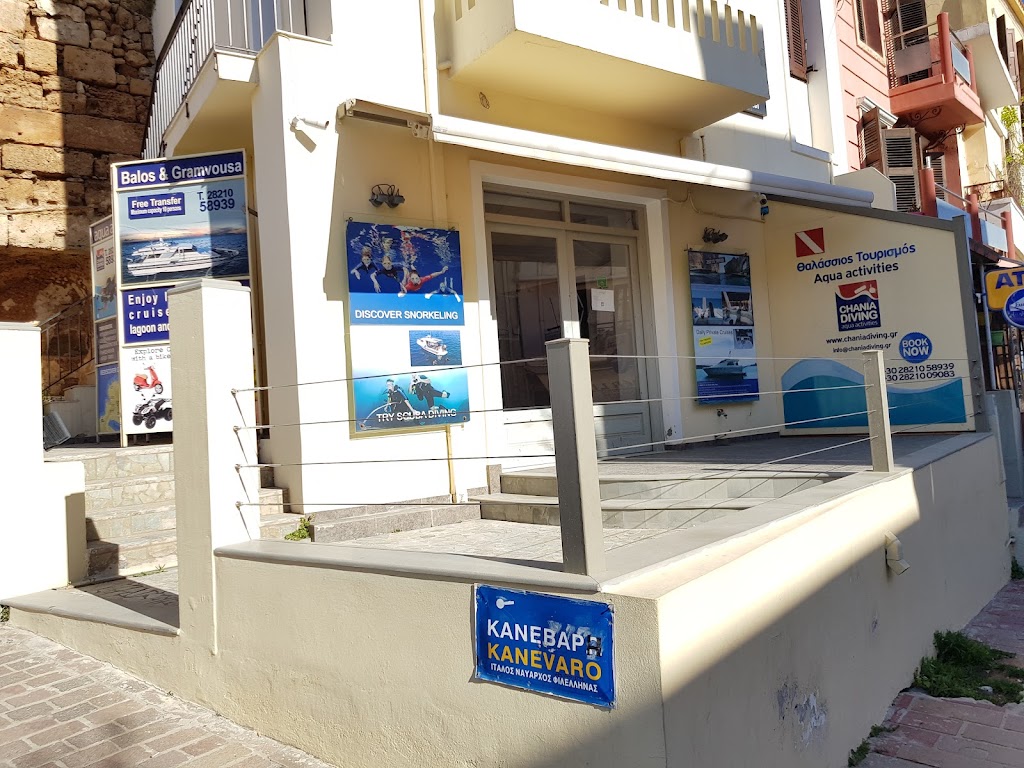
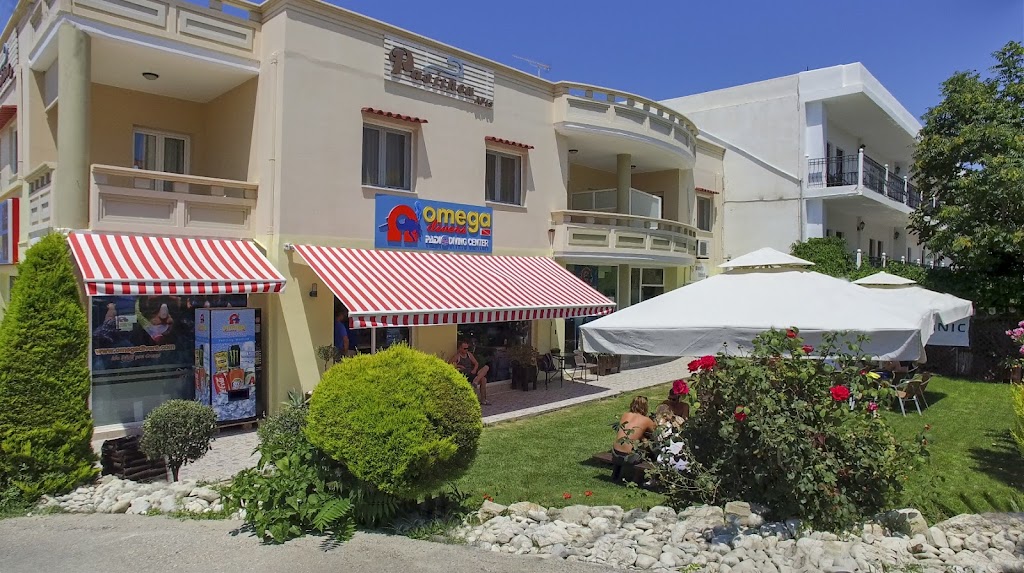
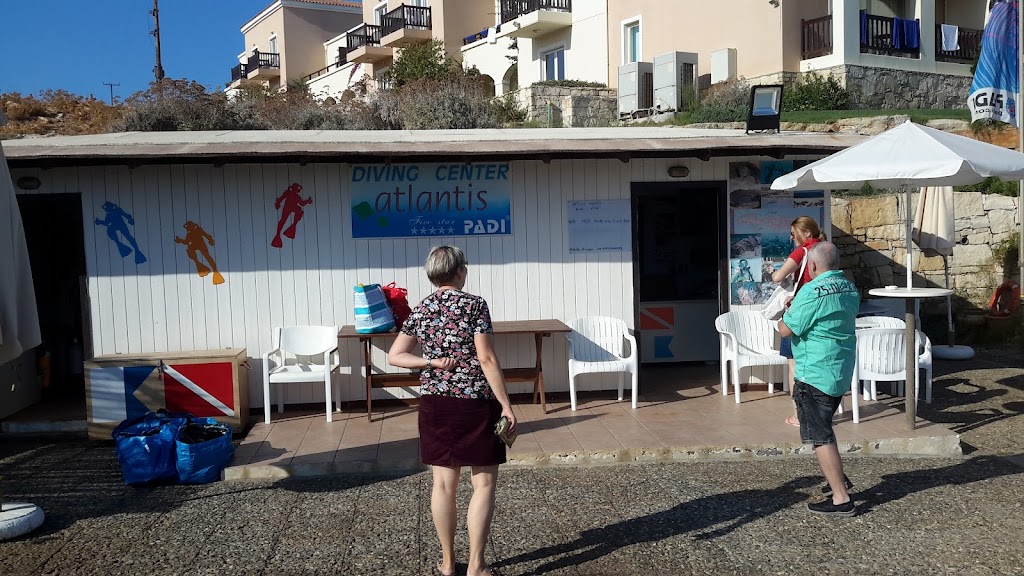
Dive Centers Near Seal Cave
Today: 09:00 - 22:00
Nearest Airports
Nearest airports to help plan travel to this dive area.
Search Flights
Check available flights and routes on Expedia, using the nearby airports listed in this section.
Search Flights on ExpediaFrequently Asked Questions
Do I need to be certified to dive at Seal Cave?
Yes, an Open Water certification or higher is required to dive this site. This ensures divers have the foundational skills needed for cavern diving.
What is the maximum depth of the dive?
The dive typically reaches a maximum depth of approximately 21 meters (68 ft), remaining well within recreational diving limits. Some specific routes may have shallower maximums, around 18 meters (59 ft).
Is Seal Cave suitable for beginner divers?
Yes, it is suitable for certified beginners who possess good buoyancy control and feel comfortable in cavern environments. Dives are often guided by professionals in small groups to ensure safety.
Why is it called Seal Cave?
The cave is named after historical sightings of the Mediterranean monk seal, known locally as Fokia, which is known to inhabit such coastal caves.
What kind of visibility can be expected?
Visibility at Seal Cave is excellent, frequently ranging from 13 to over 30 meters (43-100 ft). This clear water enhances the experience of the cave's structure and light effects.
Can dive boats enter the main cavern?
Yes, the main cavern is sufficiently large that dive boats can enter a portion of it. This feature adds to the site's accessibility and unique appeal.
Are there different dive options available?
Yes, due to its complex of caverns and ravines, Seal Cave allows for three distinct dive experiences. These options cater to varying certification levels and interests.
Planning to dive Seal Cave?
Send one inquiry and receive offers directly from the best verified local dive operators.
Conditions are Excellent
07:00 - 14:00
Optimal conditions expected
Current conditions near Seal Cave show 25° air, 26° sea temperature, 0.4 m waves, and 15 km/h wind. Forecast data is refreshed regularly to ensure accuracy.