
Diving at Hronia's Reef (Greece)
Hronia's Reef in North Euboean Gulf presents a beautiful deep reef structure, descending to a maximum depth of 40 meters (131 feet). This makes it suitable for divers with varying experience levels, accommodating both advanced divers exploring its deeper sections and those looking for a substantial recreational dive. Its significant depth profile allows for extended exploration opportunities.
At Hronia's Reef, the ambient air temperature is currently recorded at 25°C. This dive site in Greece is operating under normal seasonal weather patterns. Familiarize yourself with the local topography prior to navigating.
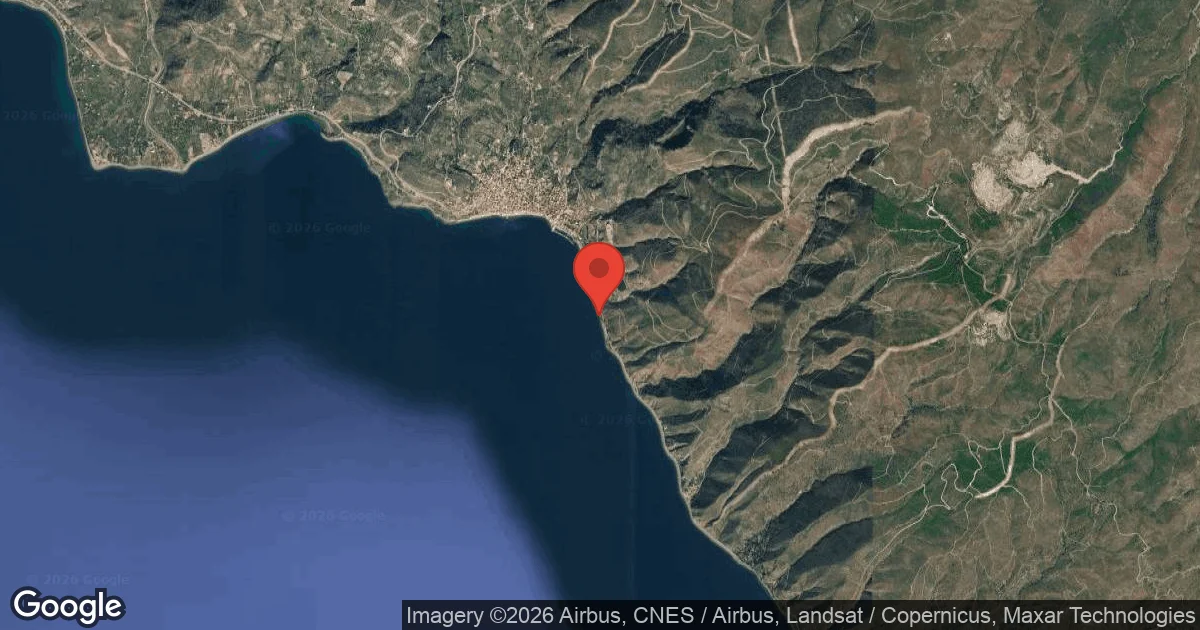
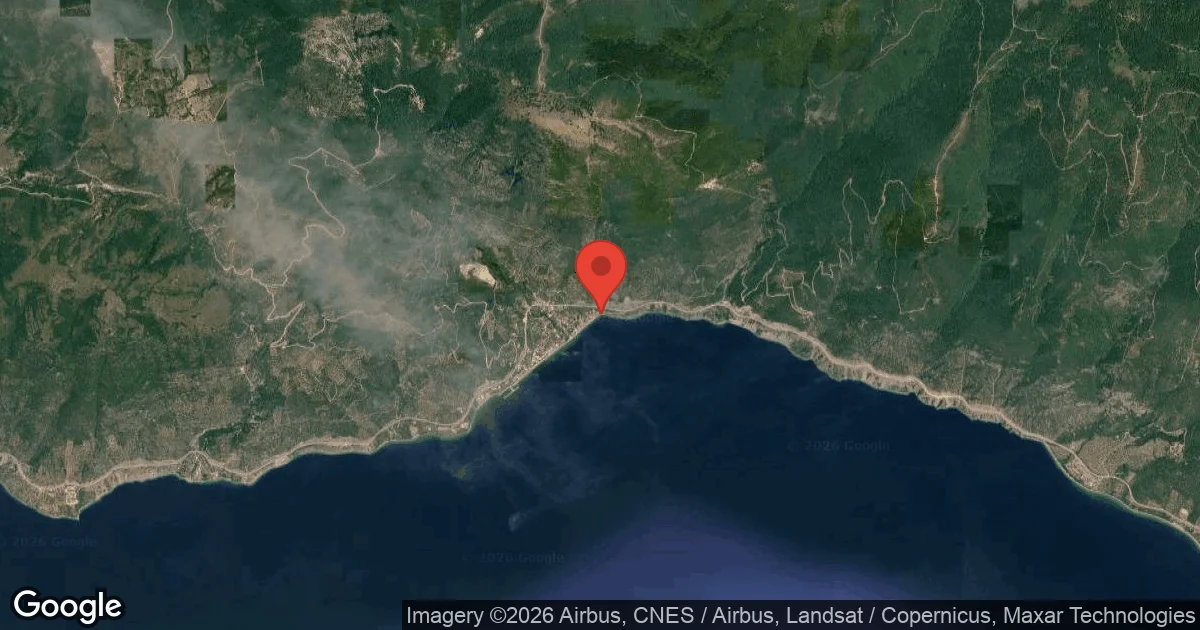
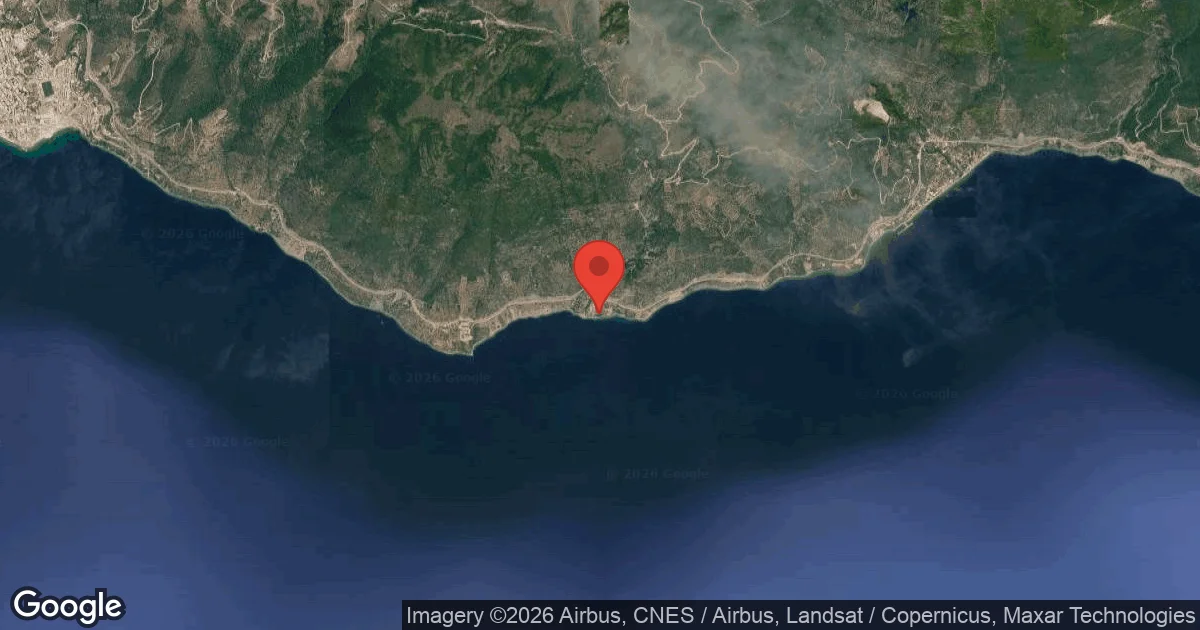
Dive Site Location & Key Facts
Dive Site Overview
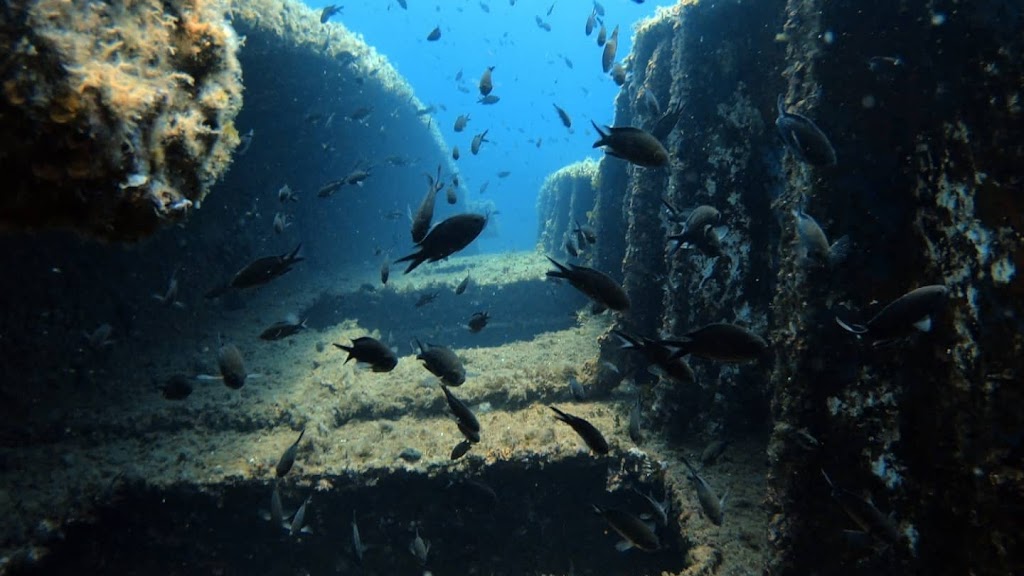
Exploring Hronia's Reef reveals a truly stunning underwater landscape, characterized by its complex and rugged topography. Large pinnacles rise dramatically from the seabed, creating a varied environment for marine life and diver navigation.
This site offers ample opportunities for reef diving, with a morphology that combines impressive rock formations and diverse habitats. Beyond the natural beauty, divers can encounter a plethora of ancient amphorae, scattered throughout the site in various conditions, from small fragments to larger, more intact pieces.
These historical remnants add a layer of archaeological intrigue, hinting at past maritime activity in the North Euboean Gulf. The reef's expansive nature encourages exploration across its different contours, ensuring each dive can offer new discoveries within its maximum depth.
Its deep reef structure supports vibrant ecosystems, with intricate crevices and ledges providing shelter for various species. Navigating this site often involves meandering through towering formations, uncovering hidden sections that further enrich the experience.
Conditions are Excellent
07:00 - 14:00
Optimal conditions expected
Current conditions near Hronia's Reef show 25° air, 24° sea temperature, 0.0 m waves, and 16 km/h wind. Forecast data is refreshed regularly to ensure accuracy.
Best Time to Dive
Diving at Hronia's Reef is possible year-round, consistently offering excellent conditions for underwater exploration. While monthly dive scores remain high, considering surface conditions can enhance the overall experience. The summer months, particularly June through August, feature the warmest air temperatures, ranging from 26-30°C (79-86°F), with minimal rainfall, averaging less than 0.5 mm. In contrast, winter months like January experience cooler air temperatures around 10°C (50°F) and higher average rainfall, though wave heights generally remain low across all seasons. For those preferring warmer topside conditions and calm seas, the late spring to early autumn period (May-October) provides an ideal balance, presenting comfortable air temperatures and consistently low wave activity, despite the minimal precipitation year-round.
PEAK SEASON SCORE
Scores combine air & water temps, waves, wind & rainfall for overall conditions.
BEST MONTHS TO DIVE
Monthly records compiled from satellite and marine observation nodes over the last 3 years. Data provided by Open-Meteo and MET Norway.
Dive Experience & Conditions
Descending into Hronia's Reef provides a clear sensory experience of the North Euboean's underwater clarity. Visibility is often excellent, frequently reported up to 40 meters (131 feet) in the region, which allows for expansive views of the deep reef's pinnacles and terrain. Access to this saltwater dive site is typically achieved via shore entry, allowing divers a gradual transition into the underwater environment. Water movement is generally mild, with average wave heights consistently low throughout the year, contributing to a tranquil and stable diving platform. As a deep reef, the site maintains a consistent character, with conditions favoring a relaxed exploration of its diverse features.
Dive Difficulty & Safety Guidelines
Approaching Hronia's Reef, awareness of its maximum depth of 40 meters (131 feet) is crucial for diver safety, necessitating appropriate certification and experience for deeper exploration. While the site is generally calm, adhering to established dive plans and buddy procedures is always recommended. There are no specific hazards consistently reported for Hronia's Reef, but responsible diving practices are paramount, particularly when navigating around the ancient amphorae.
Local dive centers provide certified trainers and professional staff, offering guidance and ensuring adherence to safe diving protocols. Always dive within your training limits and consider the support of experienced local operators, who are well-versed in the site's unique characteristics.
Recommended Equipment
- Dive Computer
This gear list is based on verified equipment signals for Hronia's Reef, Greece. Always confirm final gear choices with your dive operator, guide, or liveaboard.
Recommended Dive Suit
3mm wetsuit usually provides adequate warmth in water around this temperature. Water conditions at Hronia's Reef are currently measured at approximately 24°C (76°F). Surface air temperatures are resting at 25°C (77°F).
Forecasts suggest rising temperatures later this week. A warming trend is expected over the next few days.
Conditions can vary slightly across different parts of the same dive site.
Emergency & Medical Support
Essential information to help you plan your dive trip to Hronia's Reef.

Hyperbaric chambers are a critical part of dive safety infrastructure. Availability varies significantly by region, and not all dive areas have immediate access.
Before diving, it's recommended to:
- confirm nearest medical facilities
- check emergency procedures with local dive operators
- ensure dive insurance covers evacuation if required
Divers Alert Network
Diving emergency assistance available through DAN Europe.
+39 0642115685- 24/7 emergency hotline
- Diving medical assistance
- Evacuation coordination
Emergency contacts are provided for reference. Always verify local emergency services before diving.
Closest Listed Hyperbaric Chambers
Showing listed hyperbaric chamber facilities within 200 km of this dive site.
Distances are approximate straight-line distances and may not reflect emergency travel time.
Information is provided for reference and planning purposes only. Dive Navigator does not verify operational status, staffing, availability, or quality of care at listed facilities. In an emergency, contact local emergency services, DAN, your dive operator, or the chamber directly. Do not travel to a facility without calling ahead.
Information is provided for reference and planning purposes only. Dive Navigator does not verify operational status, staffing, availability, or quality of care at listed facilities. In an emergency, contact local emergency services, DAN, your dive operator, or the chamber directly. Do not travel to a facility without calling ahead.
MKYI/NNA (DHDM/ANH)
24/7 ListedICU CapableAthens, Greece•Approx. 98 km straight-line
MKYI/NNA (DHDM/ANH)
24/7 ListedICU CapableInformation is provided for reference and planning purposes only. Dive Navigator does not verify operational status, staffing, availability, or quality of care at listed facilities. In an emergency, contact local emergency services, DAN, your dive operator, or the chamber directly. Do not travel to a facility without calling ahead.
Marine Life at Hronia's Reef
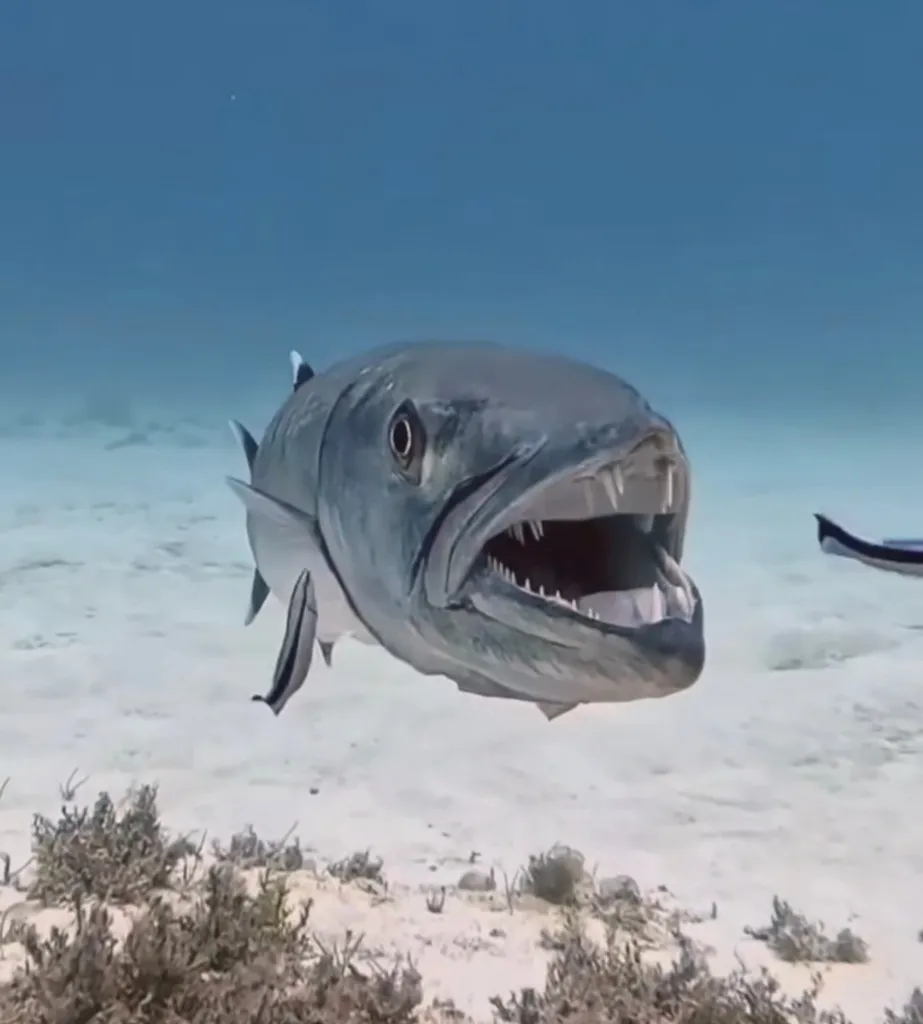
The vibrant underwater landscape of Hronia's Reef fosters a rich and diverse ecosystem. Divers frequently encounter large schools of Mediterranean Barracuda, which often patrol the rocky topography and pinnacles.
Beyond these pelagic species, the reef supports a great diversity of smaller fish and invertebrates, integrating seamlessly with the ancient amphorae that are scattered across the seabed. Observational dives may reveal various wrasse, starfish, and occasional octopus among the rock formations.
The general richness of marine life here complements the site's structural complexity, creating an engaging environment for underwater photography and exploration.

Dive Sites Near Hronia's Reef
View all dive sites in GreeceDiscover more underwater gems in this area.
Dive Centers Near Hronia's Reef
Today: 09:00 - 16:30
Nearest Airports
Nearest airports to help plan travel to this dive area.
Search Flights
Check available flights and routes on Expedia, using the nearby airports listed in this section.
Search Flights on ExpediaFrequently Asked Questions
What is the maximum depth at Hronia's Reef?
Hronia's Reef descends to a maximum depth of 40 meters (131 feet), making it suitable for advanced open water divers or those with equivalent certification.
Is Hronia's Reef accessible for shore entry?
Yes, Hronia's Reef offers shore entry, providing a convenient and accessible option for divers to begin their underwater exploration.
What kind of marine life can be seen at Hronia's Reef?
Divers commonly encounter large schools of Mediterranean Barracuda, various small reef fish, and invertebrates like starfish and octopus. The site's diverse topography supports a healthy marine ecosystem.
Are there any historical artifacts at the dive site?
Yes, ancient amphorae, ranging from scattered fragments to larger, more intact pieces, are found throughout Hronia's Reef, adding a unique historical dimension to the dive.
What are the typical water conditions?
Water conditions are generally calm, with low average wave heights and good visibility, often extending to impressive distances. The water type is saltwater.
Can beginners dive Hronia's Reef?
While parts of Hronia's Reef are deep, its varied profile allows for dives catering to different skill levels. Less advanced divers can explore shallower sections, but deeper areas require appropriate certification due to its maximum depth.
Planning to dive Hronia's Reef?
Send one inquiry and receive offers directly from the best verified local dive operators.
Conditions are Excellent
07:00 - 14:00
Optimal conditions expected
Current conditions near Hronia's Reef show 25° air, 24° sea temperature, 0.0 m waves, and 16 km/h wind. Forecast data is refreshed regularly to ensure accuracy.