
Diving at Thermal Spring - Ilia Village (Greece)
Far from the typical vibrant reef, Ilia Village's Thermal Spring presents an entirely different underwater encounter. This site offers divers an opportunity to explore a geologically active environment, where warm waters emerge from the earth. The experience contrasts sharply with conventional coastal dives, focusing instead on unique mineral formations and the distinct sensations of thermally influenced currents.
As evening covers Thermal Spring - Ilia Village, the local air temperature is measured at 27°C. The current wave height at the surface is recorded at 0 m. These late-day readings characterize the surface conditions for the night.
Dive Site Location & Key Facts
Dive Site Overview
Exploring the Thermal Spring near Ilia Village offers an unusual subsurface journey, distinctly unlike a typical ocean dive. The topography here is shaped by geological activity, with the thermal waters emerging from subterranean sources, potentially creating varied bottom contours and unique rock formations.
Visibility can be dynamic, influenced by suspended minerals or fine sediments that are characteristic of spring environments, which sometimes lends a hazy, ethereal quality to the water. A dive might involve navigating through the warmer outflows, observing how the water clarity shifts with the thermal plumes. While specifics on maximum depth are not consistently reported for recreational diving, explorers would generally expect conditions within typical recreational limits, allowing ample time to appreciate this geological anomaly. The primary focus lies in the thermal features and their immediate surroundings.
Conditions are Excellent
07:00 - 14:00
Optimal conditions expected
Current conditions near Thermal Spring - Ilia Village show 27° air, 26° sea temperature, 0.0 m waves, and 19 km/h wind. Forecast data is refreshed regularly to ensure accuracy.
Best Time to Dive
Optimizing a dive at Ilia Village's Thermal Spring primarily hinges on surface conditions and personal comfort, rather than marine life visibility. Months from April through October generally present the most favorable conditions, with minimal rain and higher air temperatures. For instance, July boasts average air temperatures of 30°C (86°F) and negligible rainfall at 0.18 mm, ensuring pleasant surface intervals and comfortable preparation. During these periods, calmer weather often translates to easier access, particularly if the entry point is from a beach. While water temperature within the spring is consistently warm due to its thermal nature, considering the ambient air temperature ensures a more comfortable overall experience, especially when gearing up or de-kitting. Even in cooler months, when air temperatures might dip to 10.5°C (51°F) in January, the unique thermal environment still permits diving for adequately prepared individuals.
PEAK SEASON SCORE
Scores combine air & water temps, waves, wind & rainfall for overall conditions.
BEST MONTHS TO DIVE
Monthly records compiled from satellite and marine observation nodes over the last 3 years. Data provided by Open-Meteo and MET Norway.
Dive Experience & Conditions
Beginning a dive at the Thermal Spring involves descending into waters distinctly warmer than ambient ocean temperatures. Divers can anticipate variations in visibility, which might range from clear pockets near the source to slightly reduced clarity where minerals or biological elements are suspended. The experience focuses on observing geological features and the unique interplay of water temperatures. Movement underwater may reveal subtle thermal currents, creating a unique sensation as different temperature layers are encountered. The lack of extensive marine data suggests a primary emphasis on the geothermal landscape itself, rather than abundant faunal displays. Divers should be comfortable with environments where natural processes, rather than biological ones, dominate the underwater scenery. Entry is often facilitated by beach access, suggesting a gradual sloping bottom in shallower areas.
Dive Difficulty & Safety Guidelines
Diving in a thermal spring environment requires careful consideration of its unique characteristics. Primary safety concerns include managing buoyancy in potentially varying water densities and remaining aware of any specific thermal gradients or gas emissions from the spring source. Given the geological nature, divers should maintain situational awareness regarding bottom composition, which may include silty areas or rock formations.
Proper gas planning is essential, as is a thorough understanding of the site's layout, which is particularly important in environments not typically associated with standard recreational diving. Always dive with a buddy and ensure your equipment is well-maintained for these specific conditions.
Divers should also respect the natural, protected status of these springs, minimizing disturbance to the ecosystem.
Recommended Equipment
Deep dive hazard. Increased narcosis and gas consumption risk.
- Dive Computer
- DSMB
- Primary & Backup Lights
- Hard-soled Dive Boots
This gear list is based on verified equipment signals for Thermal Spring - Ilia Village, Greece. Always confirm final gear choices with your dive operator, guide, or liveaboard.
Recommended Dive Suit
Divers visiting Thermal Spring - Ilia Village today can expect water conditions around 26°C (78°F). Surface air temperatures are resting at 27°C (80°F).
Many divers choose 3mm wetsuit when diving in similar conditions.
Forecast models show minimal temperature variation in the coming days.
Emergency & Medical Support
Essential information to help you plan your dive trip to Thermal Spring - Ilia Village.

Hyperbaric chambers are a critical part of dive safety infrastructure. Availability varies significantly by region, and not all dive areas have immediate access.
Before diving, it's recommended to:
- confirm nearest medical facilities
- check emergency procedures with local dive operators
- ensure dive insurance covers evacuation if required
Divers Alert Network
Diving emergency assistance available through DAN Europe.
+39 0642115685- 24/7 emergency hotline
- Diving medical assistance
- Evacuation coordination
Emergency contacts are provided for reference. Always verify local emergency services before diving.
Closest Listed Hyperbaric Chambers
Showing listed hyperbaric chamber facilities within 200 km of this dive site.
Distances are approximate straight-line distances and may not reflect emergency travel time.
Information is provided for reference and planning purposes only. Dive Navigator does not verify operational status, staffing, availability, or quality of care at listed facilities. In an emergency, contact local emergency services, DAN, your dive operator, or the chamber directly. Do not travel to a facility without calling ahead.
Information is provided for reference and planning purposes only. Dive Navigator does not verify operational status, staffing, availability, or quality of care at listed facilities. In an emergency, contact local emergency services, DAN, your dive operator, or the chamber directly. Do not travel to a facility without calling ahead.
MKYI/NNA (DHDM/ANH)
24/7 ListedICU CapableAthens, Greece•Approx. 111 km straight-line
MKYI/NNA (DHDM/ANH)
24/7 ListedICU CapableInformation is provided for reference and planning purposes only. Dive Navigator does not verify operational status, staffing, availability, or quality of care at listed facilities. In an emergency, contact local emergency services, DAN, your dive operator, or the chamber directly. Do not travel to a facility without calling ahead.
Marine Life at Thermal Spring - Ilia Village
The Thermal Spring's unique environment, characterized by warm, mineral-rich waters, supports a distinct, though often less diverse, biological community compared to typical marine sites. While extensive reports of large marine fauna are not consistently available, the focus here shifts to micro-organisms and specialized invertebrates that thrive in geothermally active areas.
Observations might include hardy algae formations or specific bacterial mats adapted to the spring's chemistry. This site offers an opportunity for divers interested in extremophile biology or the subtle, yet fascinating, life forms that flourish in these particular conditions, contributing to a unique underwater landscape.
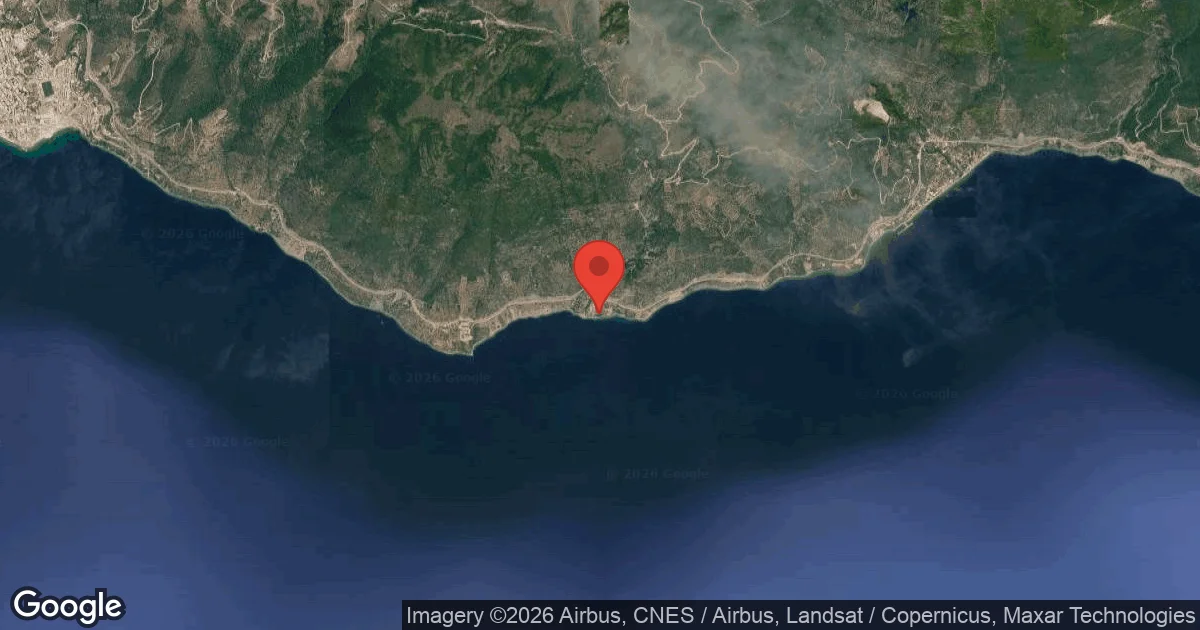
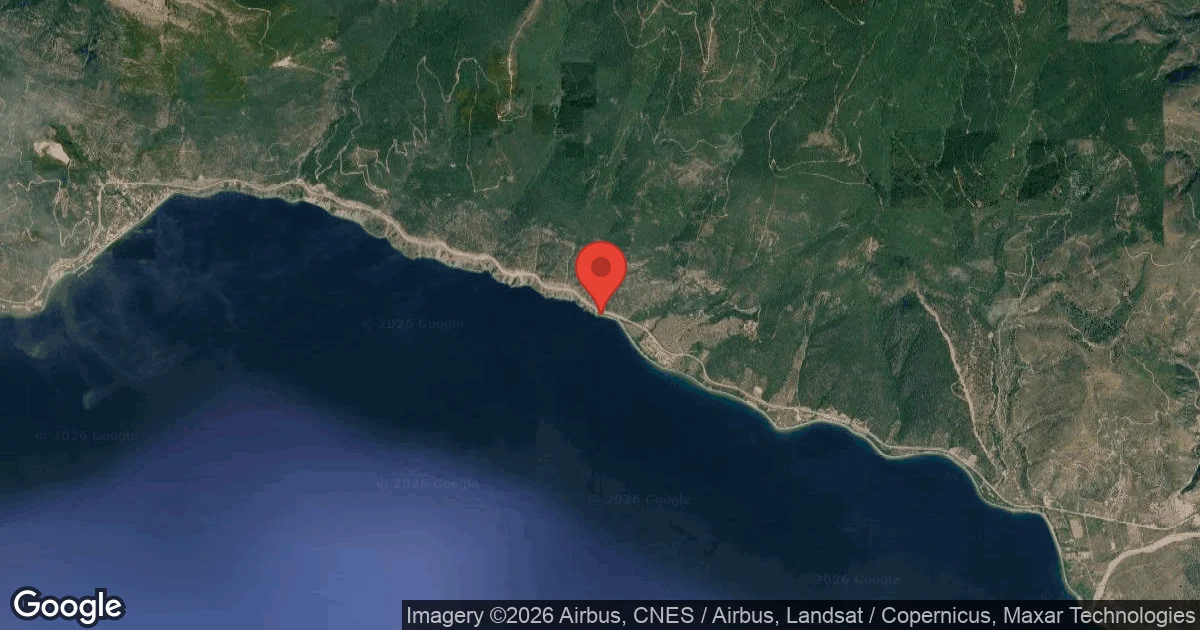
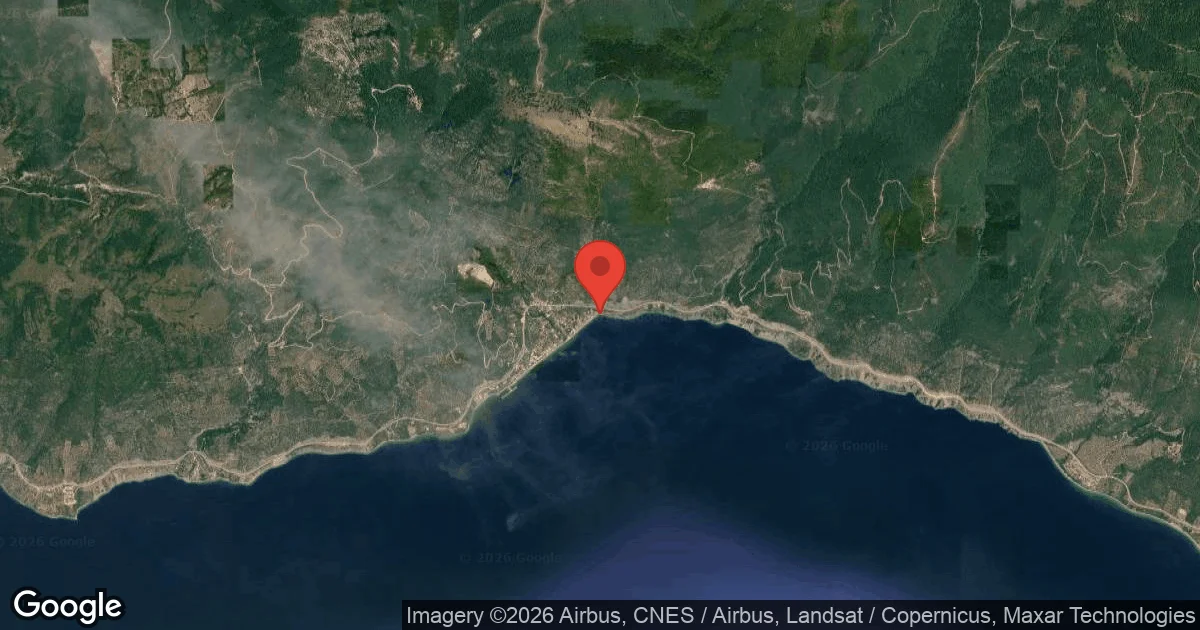
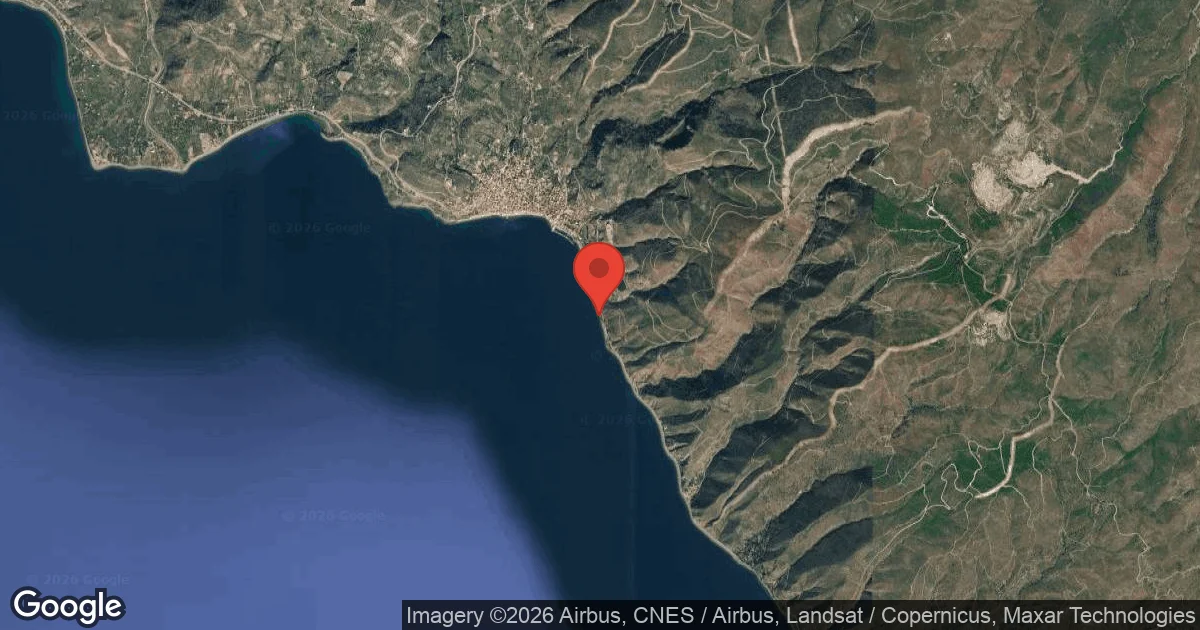
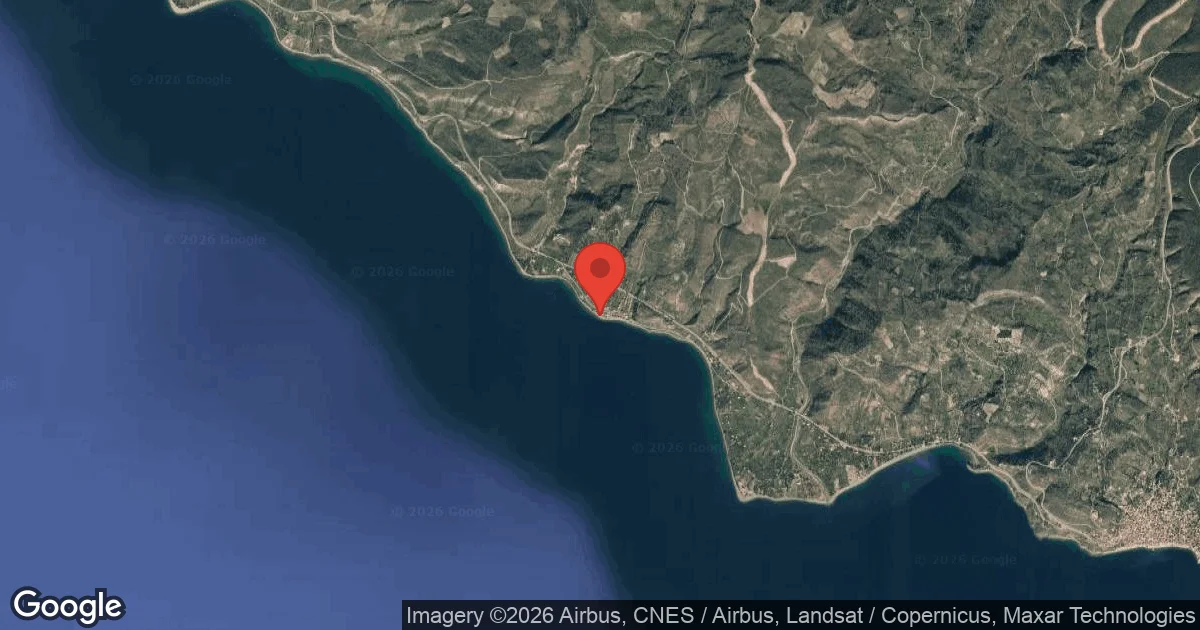
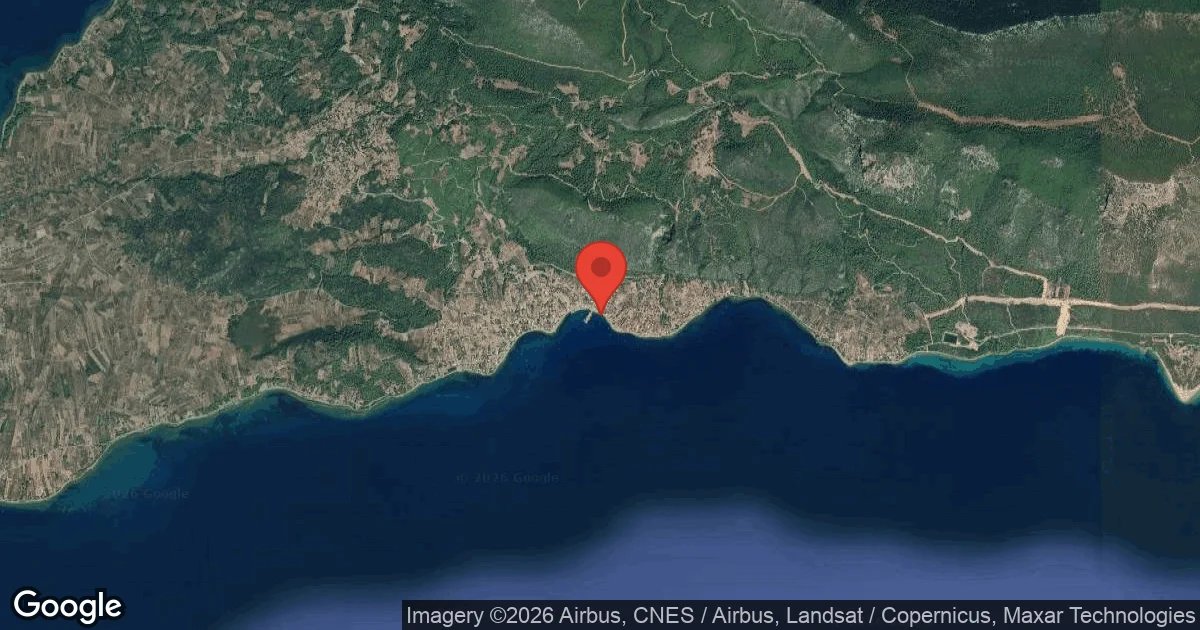
Dive Sites Near Thermal Spring - Ilia Village
View all dive sites in GreeceDiscover more underwater gems in this area.
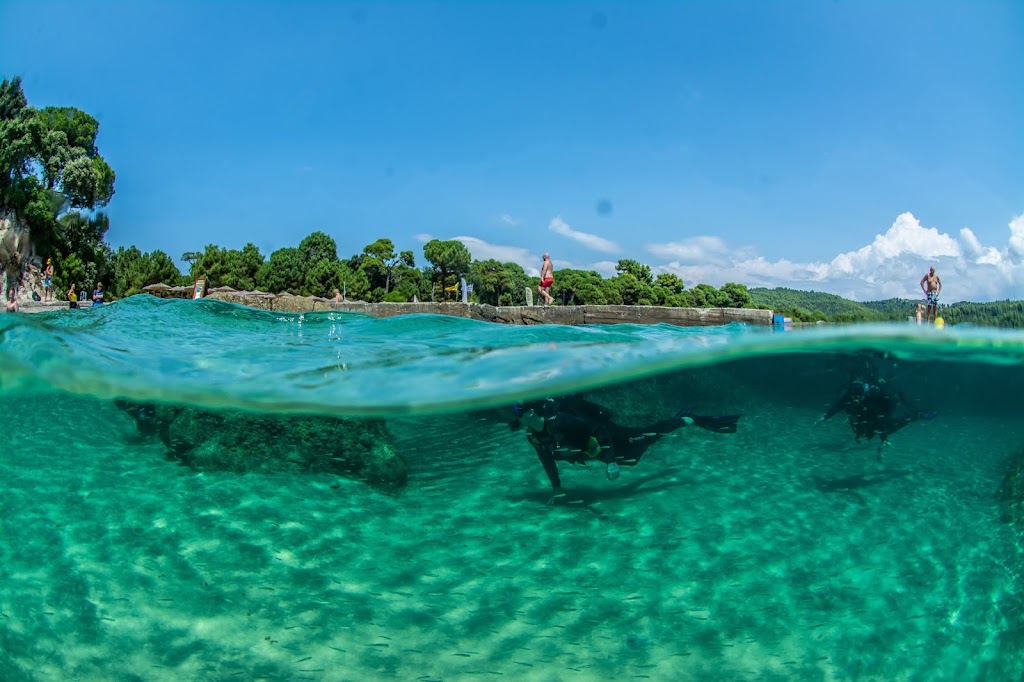
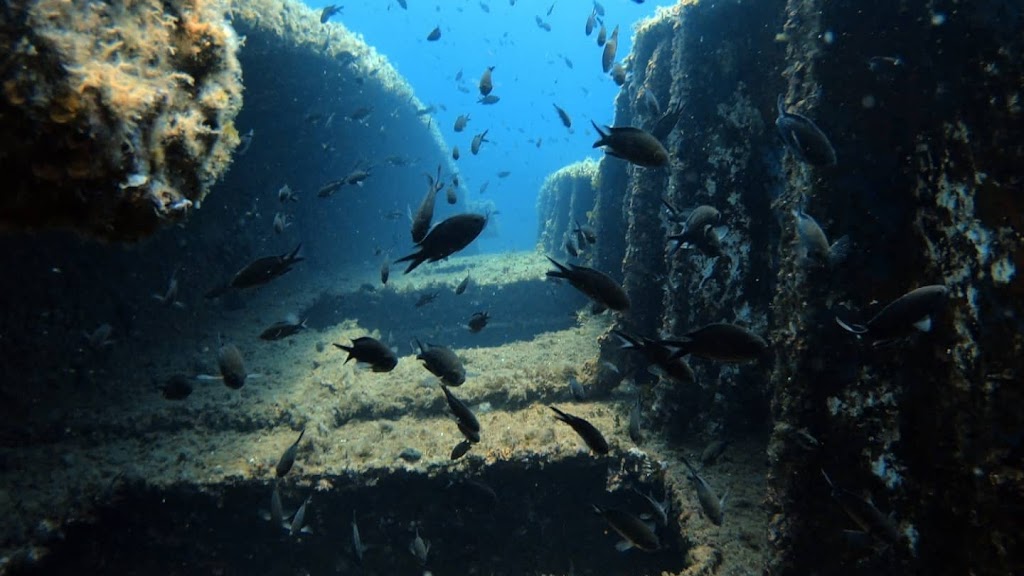
Dive Centers Near Thermal Spring - Ilia Village
Today: 08:00 - 20:00
Nearest Airports
Nearest airports to help plan travel to this dive area.
Search Flights
Check available flights and routes on Expedia, using the nearby airports listed in this section.
Search Flights on ExpediaFrequently Asked Questions
What makes diving in a thermal spring different?
Diving in a thermal spring differs significantly due to its unique geological origin. Expect warmer water temperatures and conditions influenced by mineral content and subterranean gas activity, rather than typical marine currents and marine life associated with ocean diving.
Is specialized training required to dive here?
While no specific thermal spring dive certification is common, divers should possess advanced buoyancy control and comfort with specialized environments. It's advisable to have experience in conditions where visibility might vary and geological features are the primary focus.
What is the water temperature like?
Water temperatures within the thermal spring are consistently warm, originating from geothermal activity. Specific temperatures can vary by spring and proximity to the source, but it will be noticeably warmer than ambient sea temperatures in the region.
Can beginners dive at this site?
This site is generally more suitable for experienced divers due to its unique conditions, including variable visibility and the need for precise buoyancy control in a geologically active area. Beginners are advised to gain experience in more conventional dive sites first.
Are there any facilities nearby?
Ilia is home to several well-known thermal springs, some of which feature modern spa facilities or more rustic, natural settings. Proximity to Ilia Village suggests local amenities, though specific dive support infrastructure is not consistently reported for these springs.
What kind of visibility can I expect?
Visibility at the thermal spring can vary. It might range from good clarity in some areas to reduced visibility due to suspended minerals or fine sediments common in spring environments. These conditions contribute to the unique character of the dive.
Planning to dive Thermal Spring - Ilia Village?
Send one inquiry and receive offers directly from the best verified local dive operators.
Conditions are Excellent
07:00 - 14:00
Optimal conditions expected
Current conditions near Thermal Spring - Ilia Village show 27° air, 26° sea temperature, 0.0 m waves, and 19 km/h wind. Forecast data is refreshed regularly to ensure accuracy.