
Diving at Rousoum Beach (Greece)
Rousoum Bay in Alonissos presents an interesting contrast for divers. While a popular, accessible spot with convenient shore amenities, its clear, calm waters provide an inviting entry point into the shallow, pebbled expanse. This location balances ease of access with enough underwater intrigue to appeal to various skill levels. Sheltered conditions make it a suitable site for those seeking a relaxed exploration of the Mediterranean coastline, offering a blend of convenience and natural beauty just offshore.
Evening condition tracking at Rousoum Beach features an air temperature of 23°C. We have recorded wave heights measuring 1 m during this period. These figures outline the environmental parameters currently present.
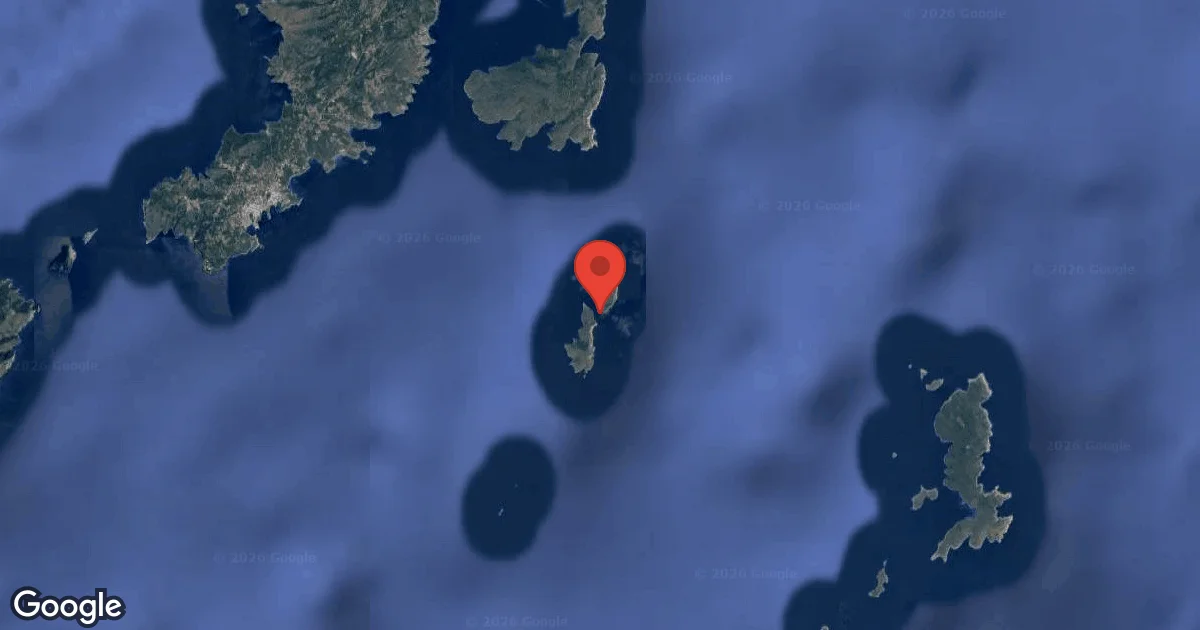
Dive Site Location & Key Facts
Dive Site Overview
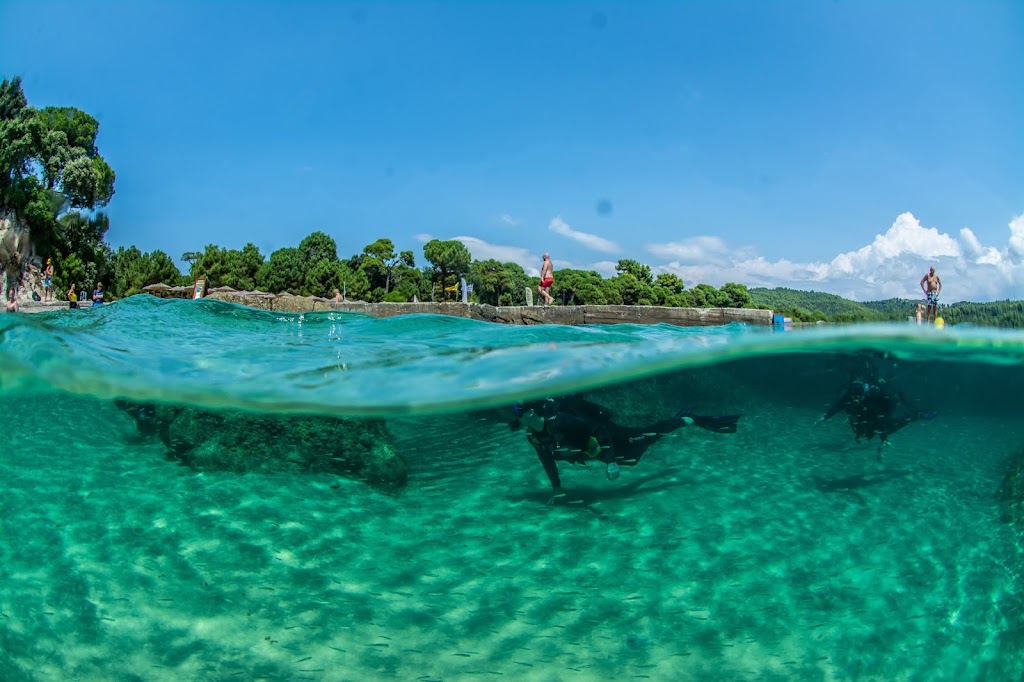
Beginning from the shoreline, the underwater topography of Rousoum Bay features a gently sloping seabed. Composed primarily of sand and small pebbles, it mirrors the white pebble entry point.
As divers venture out, maximum depth remains shallow throughout the bay, making it ideal for extended bottom times or skill practice. Notably clear and calm, waters here are often described as blue-green, providing excellent visibility most of the time. Rousoum Bay forms a natural, sheltered harbor, significantly contributing to these consistent, serene conditions.
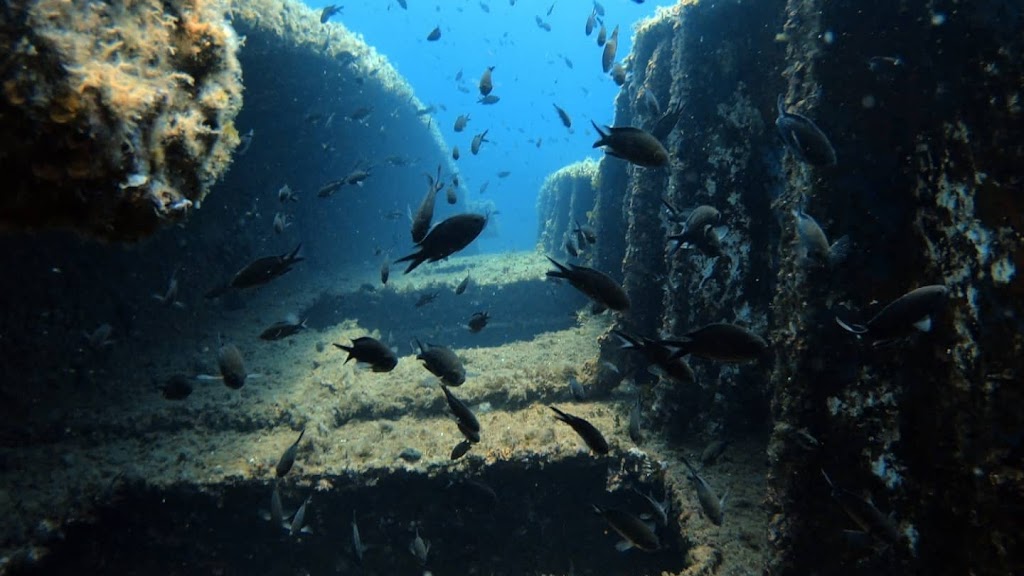
Exploration of the immediate area reveals a mostly sandy bottom, with scattered rock formations particularly along the bay's rocky sides. These features offer modest habitat for smaller marine species.
Convenient entry from the organized shore makes it ideal for shore dives. Characterized by its accessibility and the generally undisturbed nature of its shallow depths, this site provides a tranquil environment.
These conditions enhance the overall dive experience, allowing for leisurely observation of local underwater features.
Conditions are Excellent
07:00 - 14:00
Optimal conditions expected
Current conditions near Rousoum Beach show 23° air, 25° sea temperature, 0.2 m waves, and 10 km/h wind. Forecast data is refreshed regularly to ensure accuracy.
Best Time to Dive
Optimal diving at Rousoum Beach generally aligns with the warmer, drier months, when underwater visibility often reaches its peak. June stands out with an "Excellent" dive score, experiencing minimal rain (0.59mm) and significantly calmer waves (0.5 m). Air temperatures are pleasant during this period, averaging 25°C (77°F). The summer months, including July and August, also offer favorable conditions, with minimal rainfall and high air temperatures, around 28.5°C (83°F) in July. Spring (March-May) and early autumn (September-October) remain "Good" options for diving, characterized by comfortable air temperatures ranging from 13.5-20°C (56-68°F) and moderate wave activity. Water temperatures are not consistently reported but generally follow air temperature trends, reaching their warmest from late spring through early autumn. Divers can anticipate generally good visibility year-round, but the calmest conditions are typically found outside the windier winter months.
PEAK SEASON SCORE
Scores combine air & water temps, waves, wind & rainfall for overall conditions.
BEST MONTHS TO DIVE
Monthly records compiled from satellite and marine observation nodes over the last 3 years. Data provided by Open-Meteo and MET Norway.
Dive Experience & Conditions
Exploring Rousoum Bay means encountering a shallow, accessible depth profile, particularly inviting for newer divers or those seeking relaxed conditions. Maintaining a shallow characteristic, the site is ideal for extended bottom times without significant decompression concerns. Entry from the shore is straightforward, moving over a mix of sand and small pebbles. Underwater, clear, blue-green waters offer consistent visibility, allowing for easy navigation. Wave heights are generally low, especially within the sheltered bay, creating a calm environment. Conditions typically feature light currents, if any, enhancing comfort during dives. Water temperatures are not consistently reported, but divers can expect seasonal variations, with warmer conditions from late spring through early autumn. Divers here enjoy leisurely exploration of a serene, well-protected coastal environment, focused on observation within the shallower sections of the bay.
Dive Difficulty & Safety Guidelines
Direct hazards at Rousoum Bay are limited, primarily due to its sheltered nature and shallow depths. However, general diving safety protocols always apply. Always confirm local conditions with dive operators, especially regarding potential boat traffic within the bay, though this isn't consistently reported as an issue.
Given its accessible shoreline and adjacent restaurants, surface activities might be present, requiring divers to use a surface marker buoy (SMB) to enhance visibility. Always dive within your certification limits.
For shore entries, plan your entry and exit points carefully, noting the pebble composition of the access points. While no specific hazards are reported, vigilance for localized currents or changes in weather is prudent, particularly on days with higher wind speeds or wave activity, which are more common in winter.
Recommended Equipment
- Dive Computer
This gear list is based on verified equipment signals for Rousoum Beach, Greece. Always confirm final gear choices with your dive operator, guide, or liveaboard.
Recommended Dive Suit
Forecast conditions over the next few days suggest temperatures will remain relatively stable.
Divers who prefer a balanced level of warmth often select 3mm wetsuit in water temperatures like this. Consider warmer surface protection (like a boat coat) due to brisk winds. Surface intervals may feel cooler.
At Rousoum Beach, the water is currently sitting around 25°C (76°F). Surface air temperatures are resting at 23°C (73°F).
Due to technical issues with our weather providers, data hasn't been fetched for over 48 hours. The data above reflects the conditions at the time of the last successful fetch.
Emergency & Medical Support
Essential information to help you plan your dive trip to Rousoum Beach.

Hyperbaric chambers are a critical part of dive safety infrastructure. Availability varies significantly by region, and not all dive areas have immediate access.
Before diving, it's recommended to:
- confirm nearest medical facilities
- check emergency procedures with local dive operators
- ensure dive insurance covers evacuation if required
Divers Alert Network
Diving emergency assistance available through DAN Europe.
+39 0642115685- 24/7 emergency hotline
- Diving medical assistance
- Evacuation coordination
Emergency contacts are provided for reference. Always verify local emergency services before diving.
Closest Listed Hyperbaric Chambers
Showing listed hyperbaric chamber facilities within 200 km of this dive site.
Distances are approximate straight-line distances and may not reflect emergency travel time.
Information is provided for reference and planning purposes only. Dive Navigator does not verify operational status, staffing, availability, or quality of care at listed facilities. In an emergency, contact local emergency services, DAN, your dive operator, or the chamber directly. Do not travel to a facility without calling ahead.
MKYI/NNA (DHDM/ANH)
24/7 ListedICU CapableAthens, Greece•Approx. 130 km straight-line
MKYI/NNA (DHDM/ANH)
24/7 ListedICU CapableInformation is provided for reference and planning purposes only. Dive Navigator does not verify operational status, staffing, availability, or quality of care at listed facilities. In an emergency, contact local emergency services, DAN, your dive operator, or the chamber directly. Do not travel to a facility without calling ahead.
Information is provided for reference and planning purposes only. Dive Navigator does not verify operational status, staffing, availability, or quality of care at listed facilities. In an emergency, contact local emergency services, DAN, your dive operator, or the chamber directly. Do not travel to a facility without calling ahead.
Marine Life at Rousoum Beach
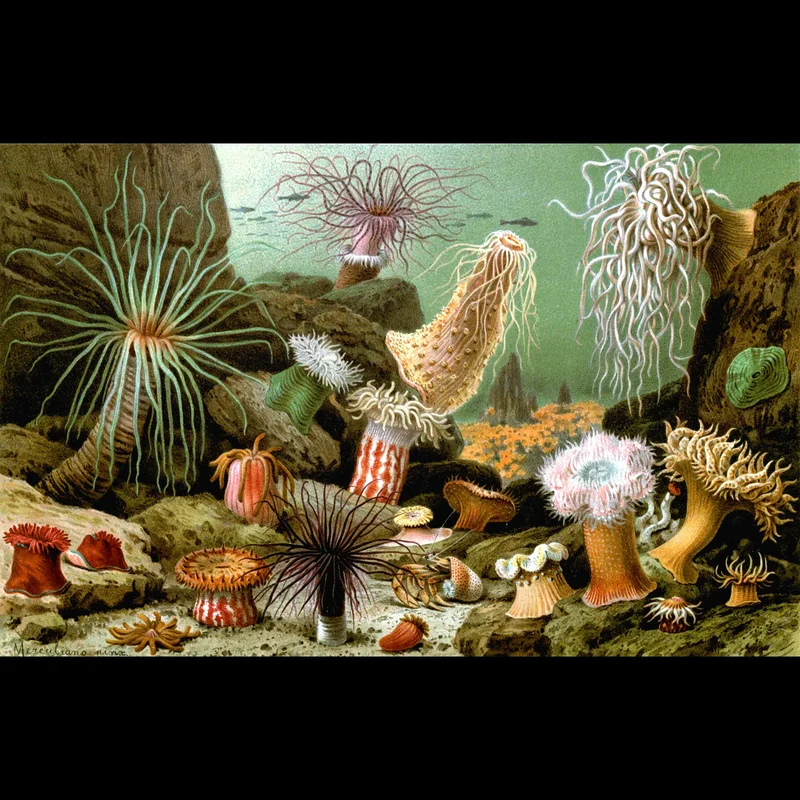
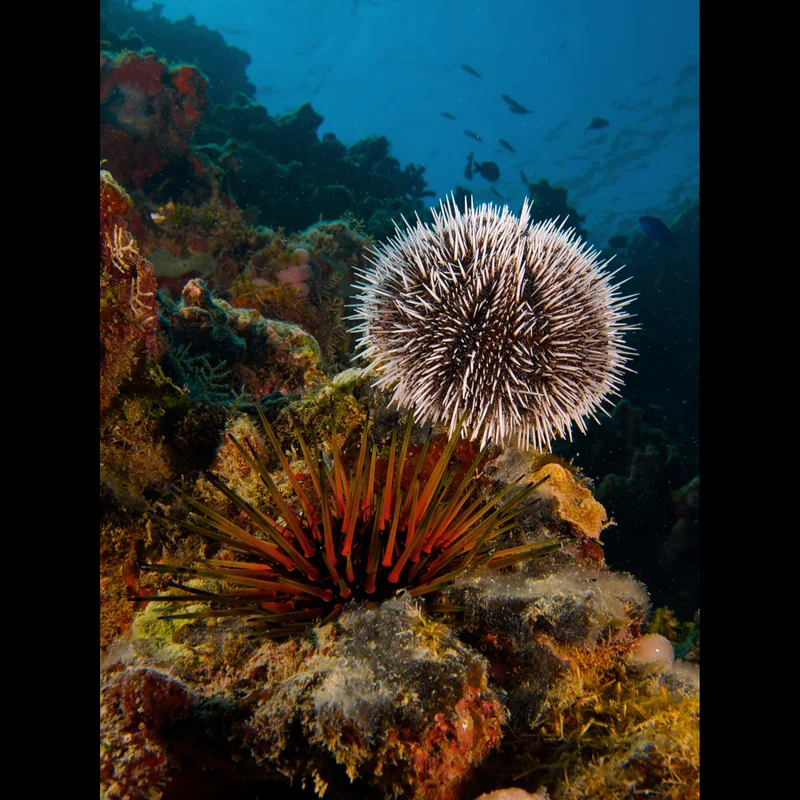
The underwater landscape at Rousoum Bay, characterized by its sandy and pebbled bottom with occasional rock formations, provides a habitat for smaller, common Mediterranean species. Divers might observe various small fish darting among the rocks, along with sea urchins and anemones clinging to stable surfaces.
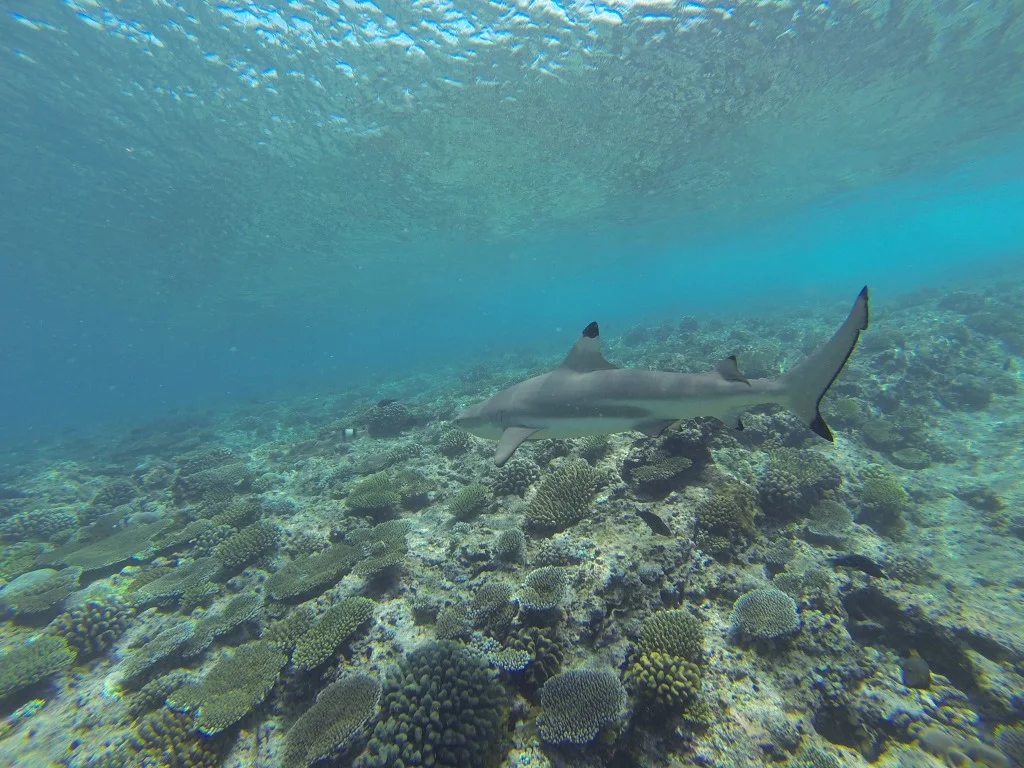
Clear, calm waters allow for detailed observation of these smaller inhabitants. While some external reports mention larger marine life like sharks, whales, dolphins, and turtles, these are typically observed in the broader Alonissos marine park or deeper offshore areas.
Within the immediate dive area, expect to encounter species typical of a coastal, shallow Mediterranean seabed.
Dive Sites Near Rousoum Beach
View all dive sites in GreeceDiscover more underwater gems in this area.
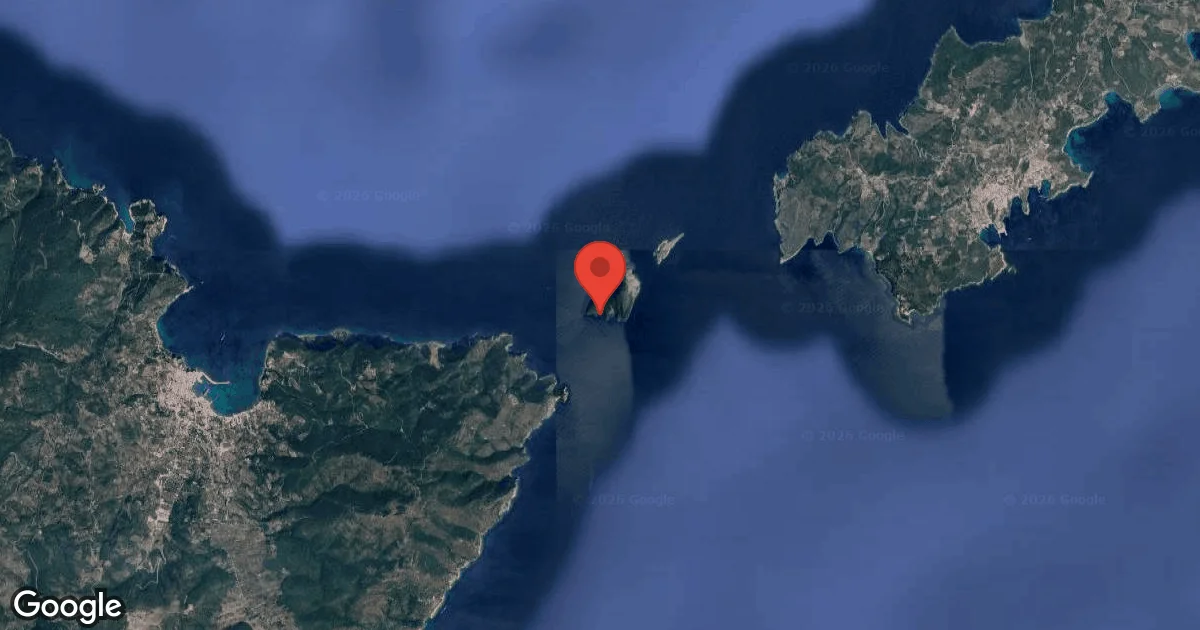
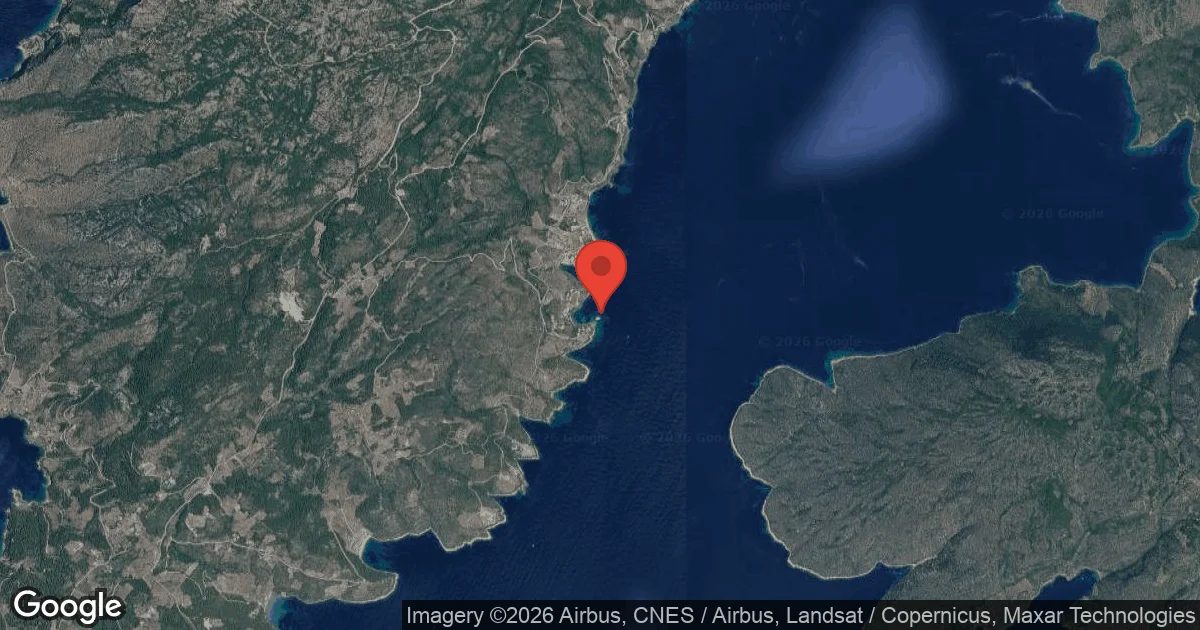
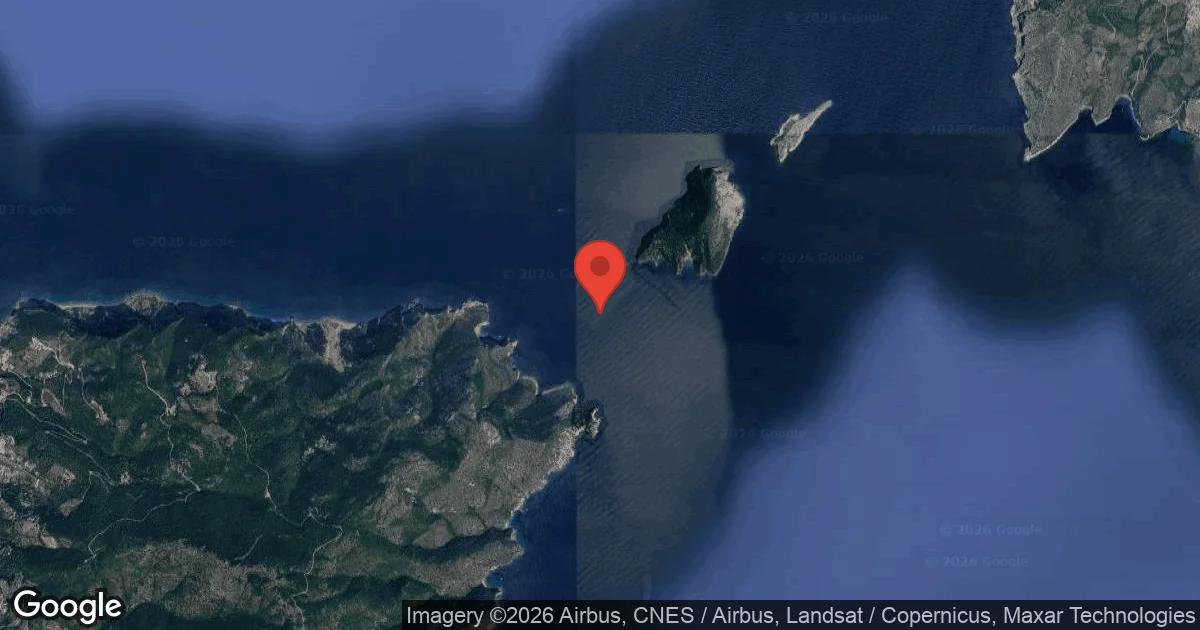
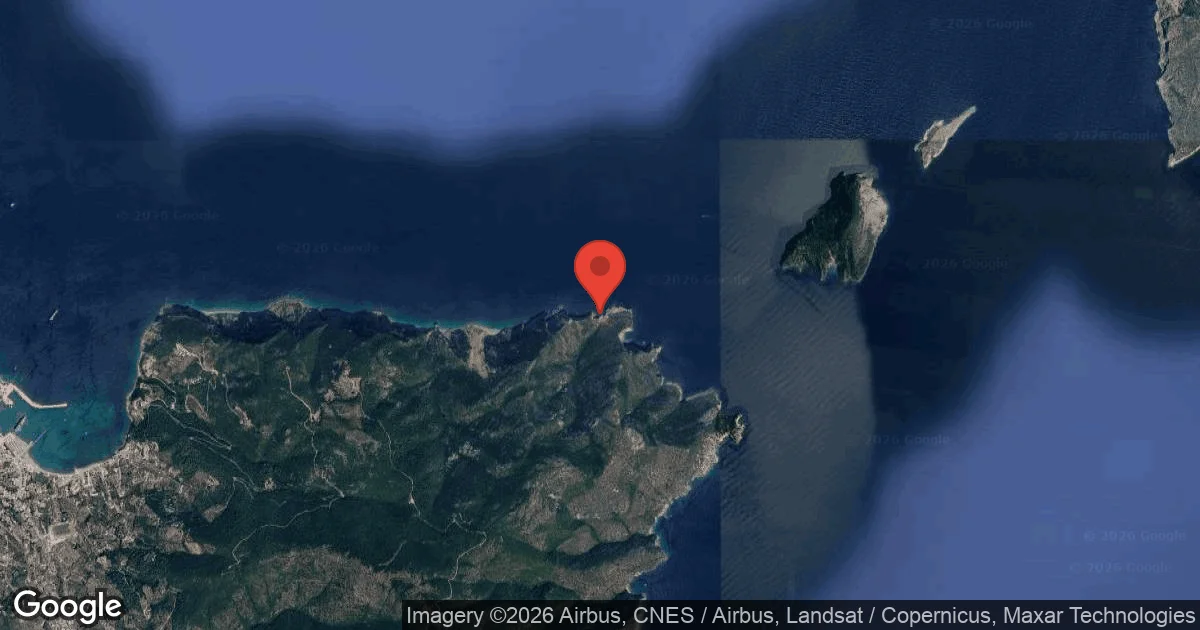
Dive Centers Near Rousoum Beach
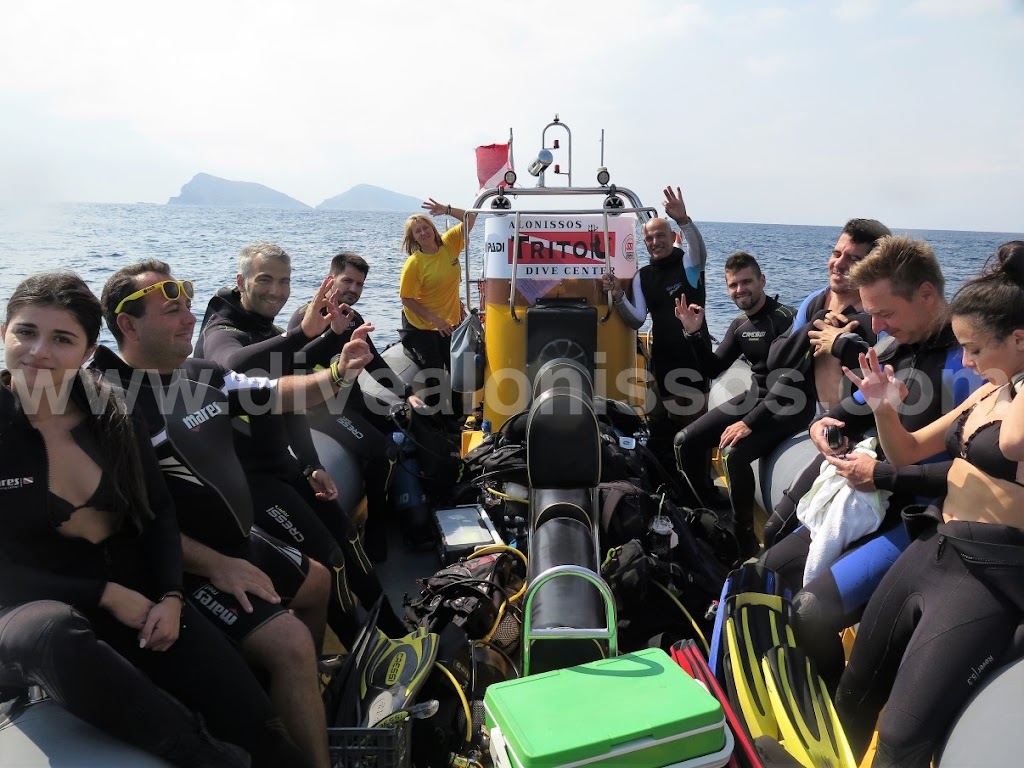
Today: 09:00 - 14:00 • 18:00 - 21:00
Nearest Airports
Nearest airports to help plan travel to this dive area.
Search Flights
Check available flights and routes on Expedia, using the nearby airports listed in this section.
Search Flights on ExpediaFrequently Asked Questions
What is the typical depth for diving in Rousoum Bay?
Diving in this bay is characterized by its shallow depth profile. It's an ideal location for beginner divers or those preferring relaxed, shallower explorations, allowing for extended bottom times.
What is the seabed like at this dive site?
Primarily, the seabed consists of sand and small pebbles, mirroring the adjacent shoreline. Occasional scattered rock formations provide habitat for marine life, especially along the bay's sides.
Are there any specific marine life encounters here?
In the immediate shallow areas, expect to see common small Mediterranean fish, sea urchins, and anemones. Larger marine life, like turtles or dolphins, are more commonly encountered in the wider Alonissos region rather than within this specific bay.
What are the water conditions generally like?
Rousoum Bay is a sheltered natural harbor, so waters are usually calm with minimal waves. Visibility is typically good to excellent, often described as clear and blue-green.
Is this location suitable for beginner divers?
Absolutely. Its shallow depths, calm waters, and easy shore entry make it an excellent spot for new divers to gain experience. It's also suitable for families and snorkeling.
When is the best time to dive for optimal visibility?
For optimal visibility and the calmest conditions, the summer months, particularly June and July, are recommended. Air temperatures are highest, and rainfall and wave activity are at their lowest during this period.
Planning to dive Rousoum Beach?
Send one inquiry and receive offers directly from the best verified local dive operators.
Conditions are Excellent
07:00 - 14:00
Optimal conditions expected
Current conditions near Rousoum Beach show 23° air, 25° sea temperature, 0.2 m waves, and 10 km/h wind. Forecast data is refreshed regularly to ensure accuracy.