
Diving at Agios Petros (Greece)
Navigating the varied underwater terrain of Agios Petros can present localized currents, especially around its reef structures. Divers should anticipate maximum depths reaching approximately 16.3 m (53 ft) on some sections and shallower areas around 14.5 m (48 ft), making it generally suitable for recreational divers. Visibility conditions are typically clear, although local weather patterns might introduce minor fluctuations. Planning your dive here involves accounting for these factors to ensure a comfortable and engaging experience.
Tonight's objective overview for Agios Petros shows an air temperature of 24.5°C. The measured surface conditions include wave heights around 0.2 m. This environmental data is logged for the close of the day.
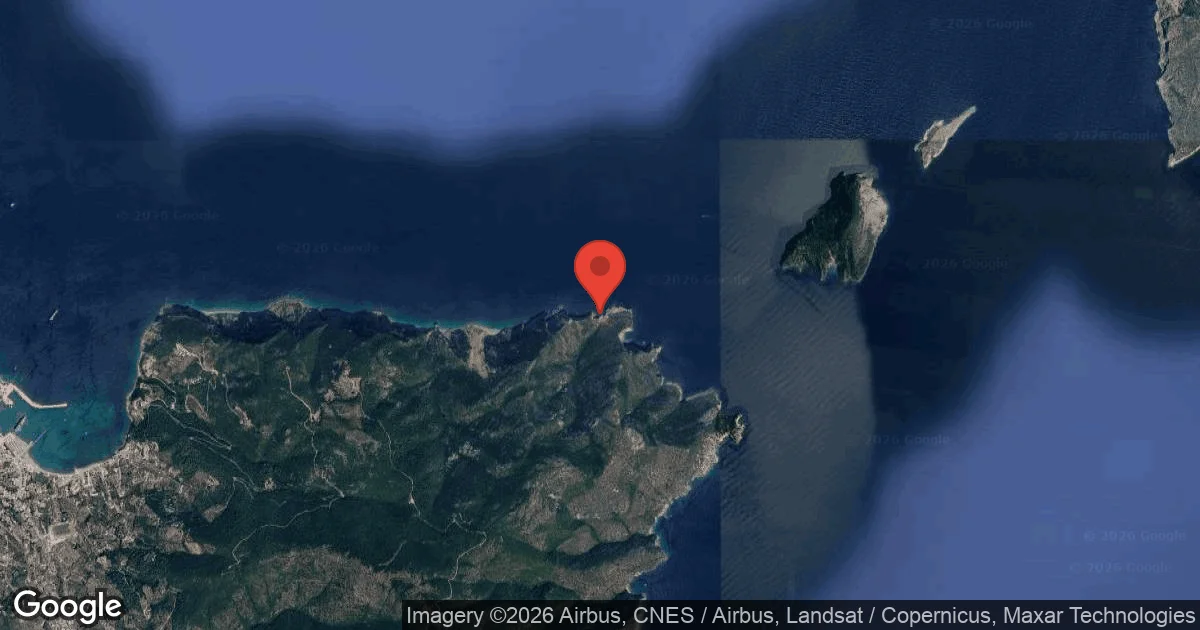
Dive Site Location & Key Facts
Dive Site Overview
Emerging as one of Alonissos' authorized dive locations, Agios Petros Reef has evolved its accessibility for divers, allowing exploration of a site previously protected. This area offers a captivating glimpse into the Mediterranean's underwater ecosystems.
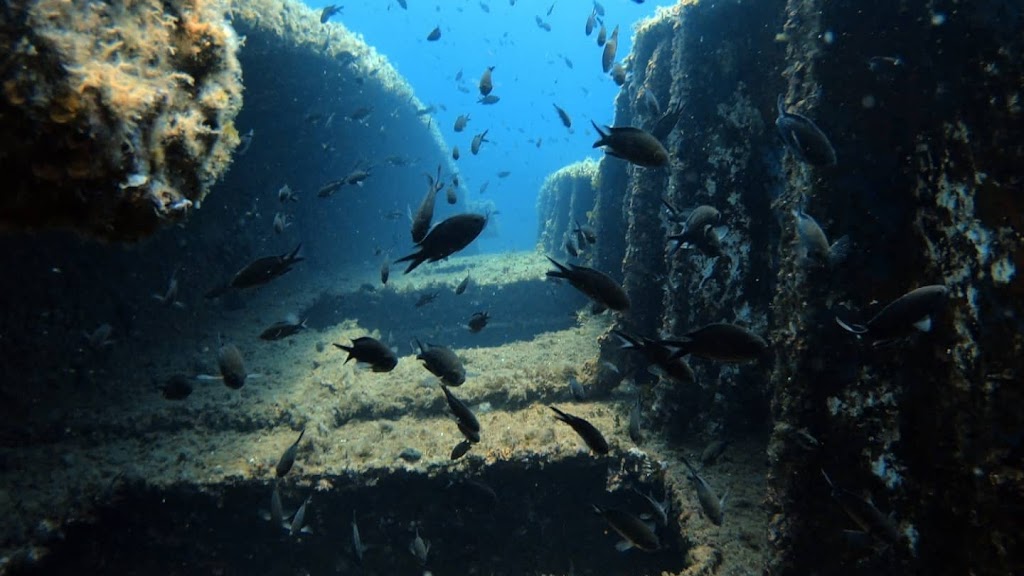
Historical records hint at the broader region's maritime past, with nearby ancient shipwrecks like Peristera now open for exploration, underscoring Alonissos' rich marine heritage. At Agios Petros, divers frequently encounter a sandy bottom interwoven with extensive Posidonia seagrass patches, providing critical habitat. The overall dive duration typically extends to around 50-60 minutes, allowing ample time to explore the diverse flora and fauna present across its moderate depths.
It's a prime example of a Mediterranean reef environment, where careful observation reveals a surprising array of life against a gentle backdrop of seagrass and sand.
Conditions are Excellent
07:00 - 14:00
Optimal conditions expected
Current conditions near Agios Petros show 24° air, 25° sea temperature, 0.3 m waves, and 14 km/h wind. Forecast data is refreshed regularly to ensure accuracy.
Best Time to Dive
Planning your dive for optimal conditions at Agios Petros means focusing on the warmer, calmer months. From March through October, the dive score consistently rates as 'Good' or 'Very Good,' making it the ideal window for underwater exploration. Water temperatures during this period are quite inviting, with reports of 26°C (79°F) on surface dives, though deeper sections at nearby sites can drop to 20-22°C (68-72°F). Air temperatures are pleasant, averaging 23.5-27°C (74-81°F) from June to August. These months also see minimal rainfall and lower average wave heights, typically below 0.9 meters (3 ft), contributing to calmer sea states. Early autumn, particularly September and October, maintains favorable water temperatures while often experiencing less wind than peak summer.
PEAK SEASON SCORE
Scores combine air & water temps, waves, wind & rainfall for overall conditions.
BEST MONTHS TO DIVE
Monthly records compiled from satellite and marine observation nodes over the last 3 years. Data provided by Open-Meteo and MET Norway.
Dive Experience & Conditions
Beginning the descent at Agios Petros, divers will notice the gradual slope of the reef transitioning into a sandy bottom interspersed with vibrant Posidonia seagrass meadows. Water temperature during summer months is generally around 26°C (79°F), though localized thermoclines may be present at deeper sections. Maximum depths encountered on this specific reef are typically in the recreational range, generally extending into the mid-teen meters. Expect varying depths across different reef sections. While significant currents aren't consistently reported for Agios Petros itself, divers exploring other Alonissos reefs like Agios Georgios South have noted the presence of currents requiring efficient fin kicking. Visibility is often very good, allowing for clear views of the marine life nestled within the seagrass. This site offers a relatively relaxed dive profile, suitable for a range of certification levels.
Dive Difficulty & Safety Guidelines
Ensuring a safe dive at Agios Petros involves standard recreational diving practices and awareness of local conditions. Buoyancy control remains paramount to protect the delicate Posidonia seagrass and reef structures. While specific hazards for this site aren't consistently reported, other Alonissos dive sites like Agios Georgios South Reef can feature currents and require efficient fin kicking for navigation; divers should always be prepared for varying conditions.
Always check local dive center briefings for real-time updates on currents and visibility. Planning bottom time carefully for the maximum recreational depth helps prevent exceeding no-decompression limits.
Adhering to responsible diving practices contributes to the preservation of this vibrant marine environment.
Recommended Equipment
- Dive Computer
This gear list is based on verified equipment signals for Agios Petros, Greece. Always confirm final gear choices with your dive operator, guide, or liveaboard.
Recommended Dive Suit
Thermal protection such as 3mm wetsuit is commonly used for water temperatures in this range.
Current readings at Agios Petros show water temperatures near 25°C (77°F). Surface air temperatures are resting at 24°C (76°F).
Current forecasts indicate relatively stable conditions for the coming days.
Emergency & Medical Support
Essential information to help you plan your dive trip to Agios Petros.

Hyperbaric chambers are a critical part of dive safety infrastructure. Availability varies significantly by region, and not all dive areas have immediate access.
Before diving, it's recommended to:
- confirm nearest medical facilities
- check emergency procedures with local dive operators
- ensure dive insurance covers evacuation if required
Divers Alert Network
Diving emergency assistance available through DAN Europe.
+39 0642115685- 24/7 emergency hotline
- Diving medical assistance
- Evacuation coordination
Emergency contacts are provided for reference. Always verify local emergency services before diving.
Closest Listed Hyperbaric Chambers
Showing listed hyperbaric chamber facilities within 200 km of this dive site.
Distances are approximate straight-line distances and may not reflect emergency travel time.
Information is provided for reference and planning purposes only. Dive Navigator does not verify operational status, staffing, availability, or quality of care at listed facilities. In an emergency, contact local emergency services, DAN, your dive operator, or the chamber directly. Do not travel to a facility without calling ahead.
MKYI/NNA (DHDM/ANH)
24/7 ListedICU CapableAthens, Greece•Approx. 135 km straight-line
MKYI/NNA (DHDM/ANH)
24/7 ListedICU CapableInformation is provided for reference and planning purposes only. Dive Navigator does not verify operational status, staffing, availability, or quality of care at listed facilities. In an emergency, contact local emergency services, DAN, your dive operator, or the chamber directly. Do not travel to a facility without calling ahead.
Information is provided for reference and planning purposes only. Dive Navigator does not verify operational status, staffing, availability, or quality of care at listed facilities. In an emergency, contact local emergency services, DAN, your dive operator, or the chamber directly. Do not travel to a facility without calling ahead.
Marine Life at Agios Petros
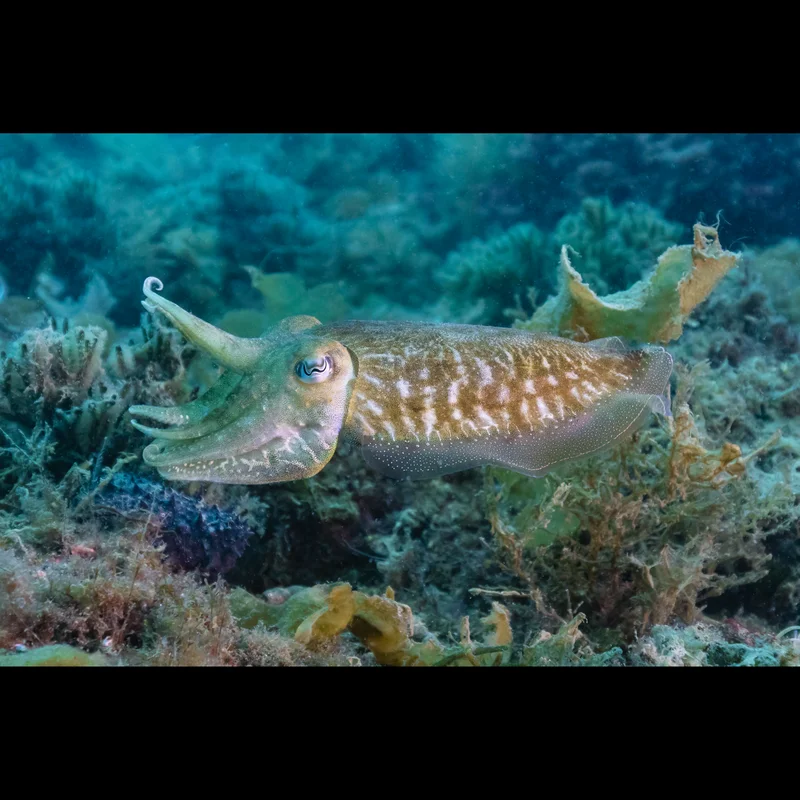
The vibrant ecosystem at Agios Petros Reef is particularly notable for its smaller, often overlooked inhabitants. Exploring the sandy bottom and Posidonia seagrass patches frequently reveals well-camouflaged cuttlefish.
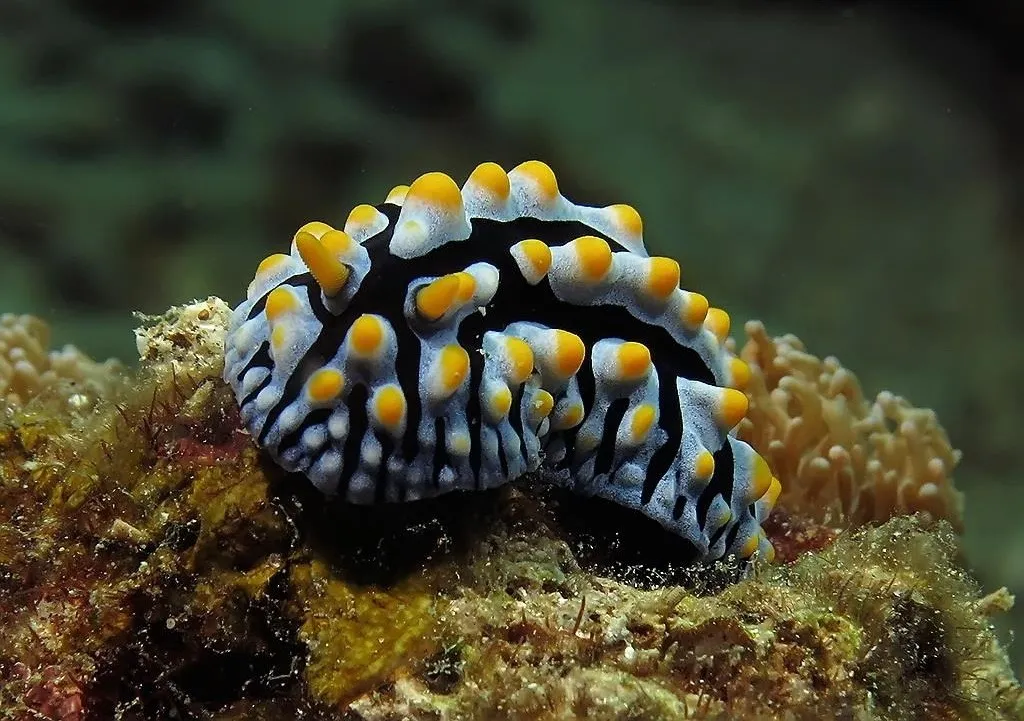
Look closely for nudibranchs, including the colorful Hervia nudibranch, which often stand out against the backdrop. Long-striped blennies are commonly observed darting among the rocks and seagrass, adding to the site's rich biodiversity.
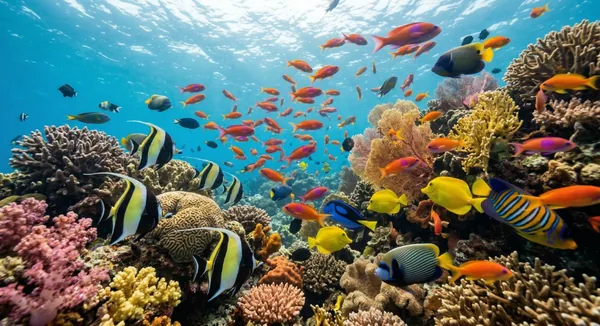
While gorgonians are a highlight at the nearby Gorgonian Garden, their presence at Agios Petros is not consistently reported as a primary feature; this reef primarily showcases a robust population of smaller benthic creatures and fish.
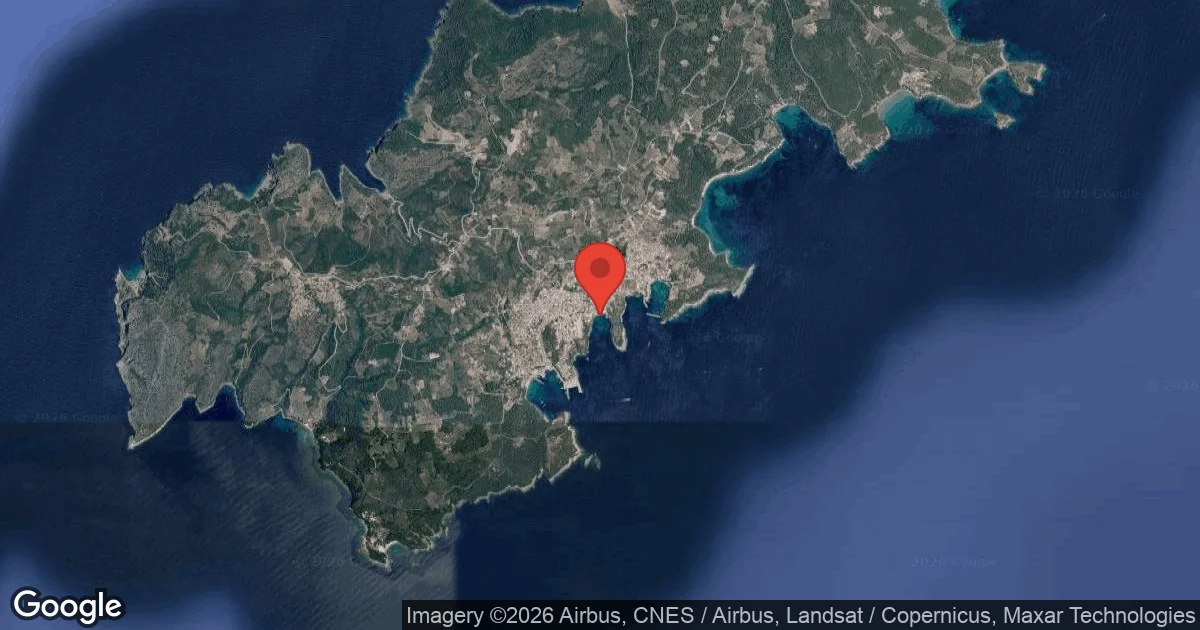
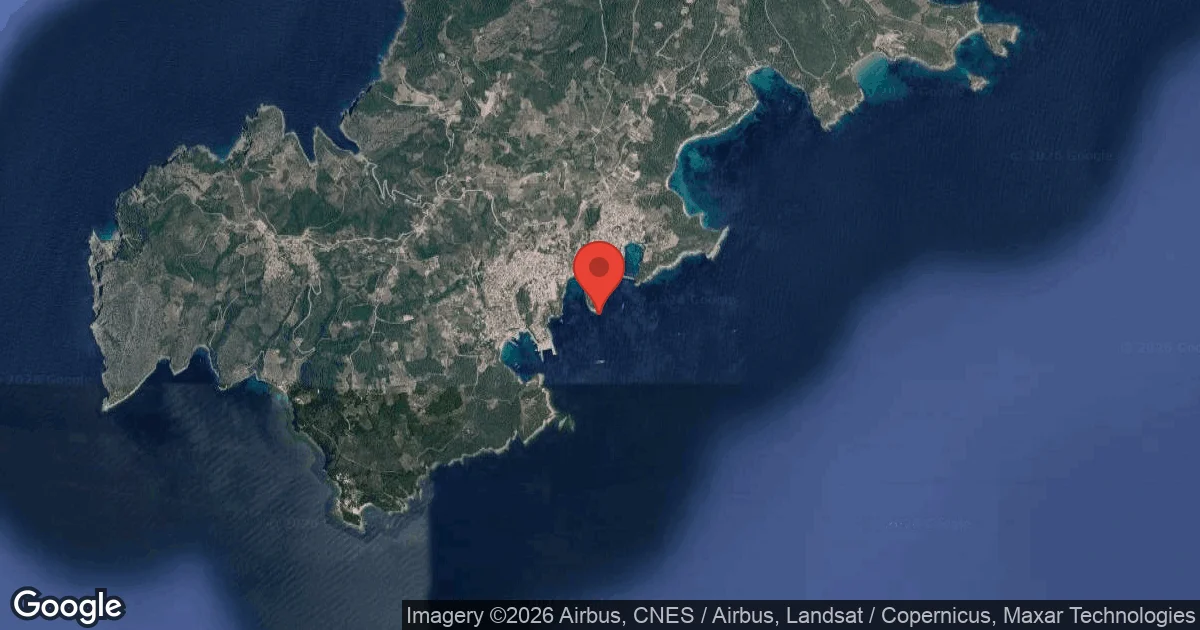
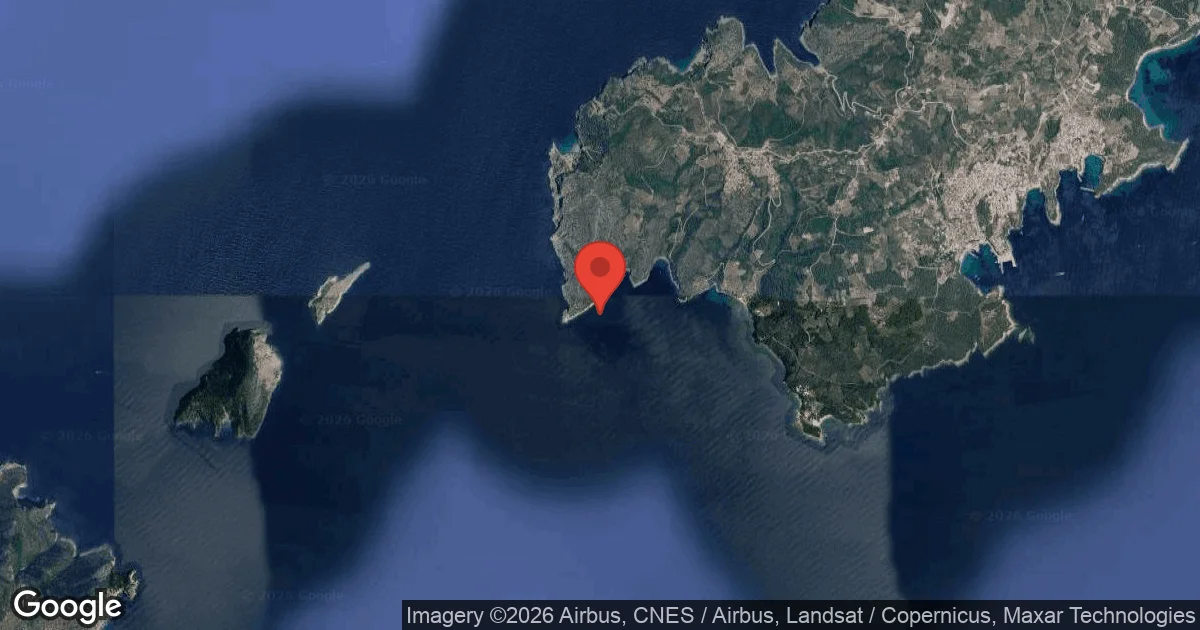
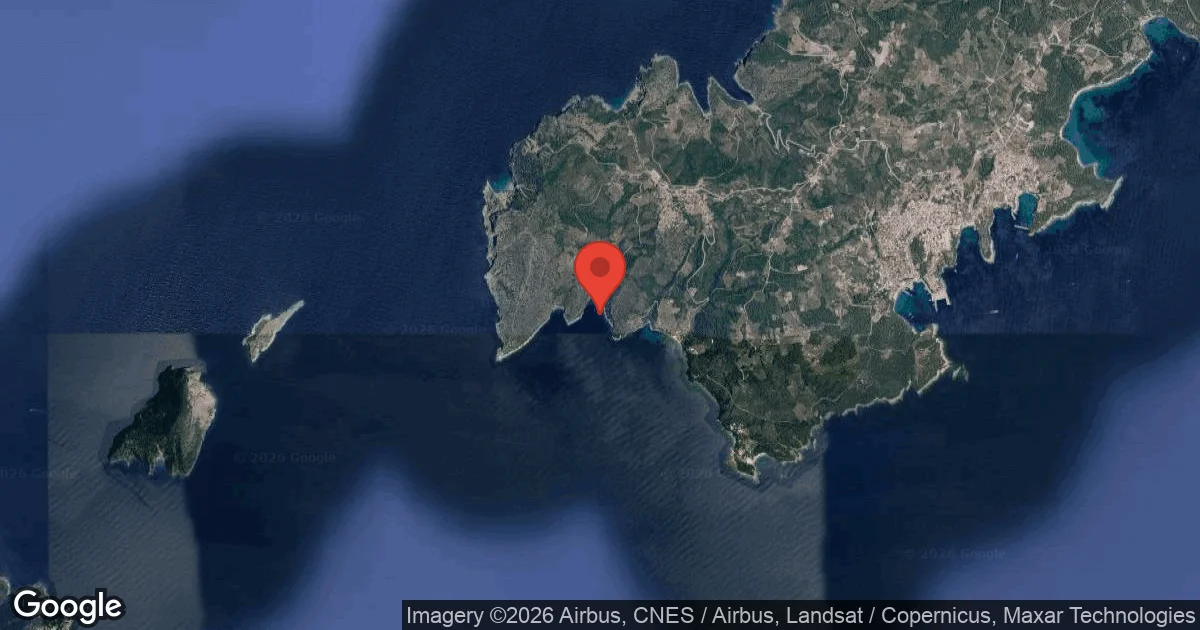
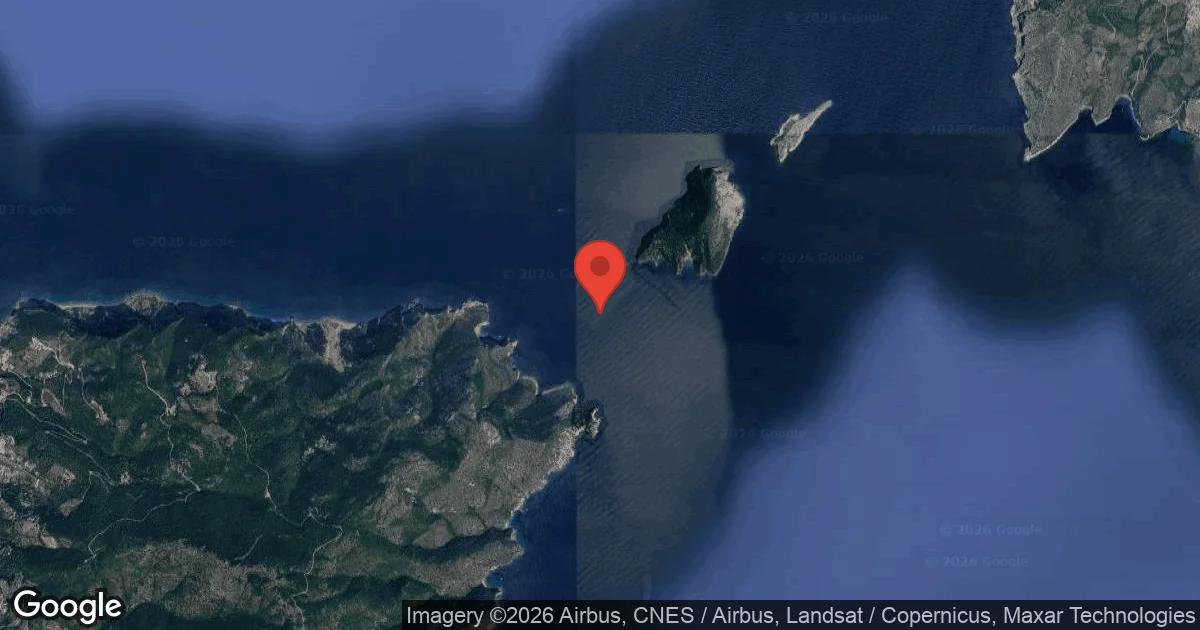
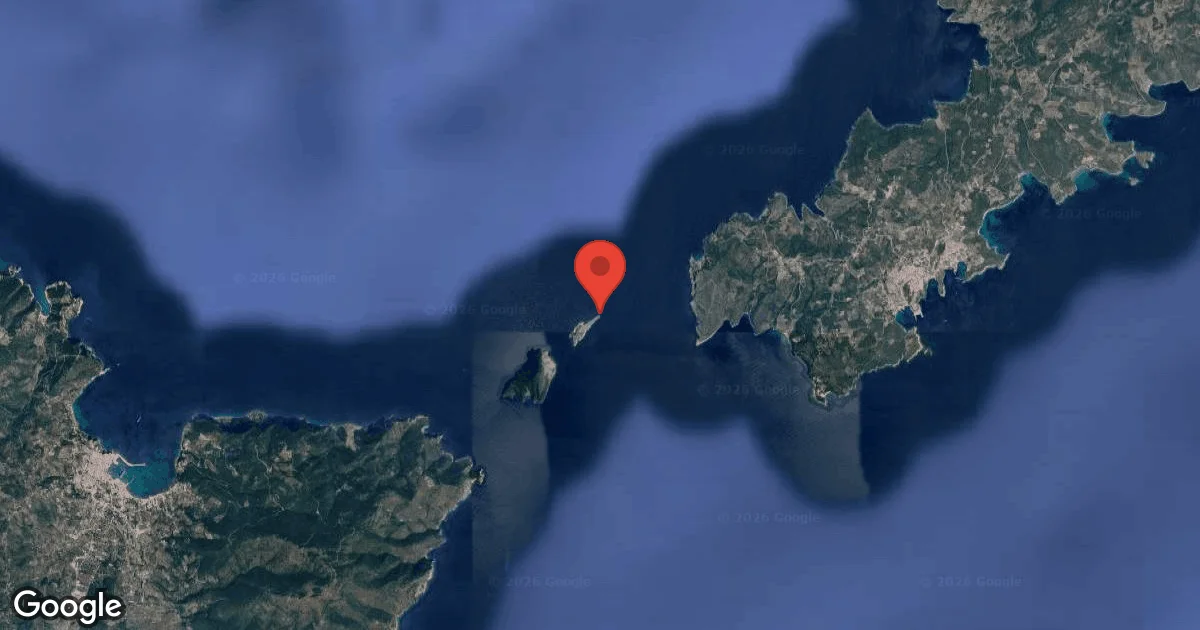
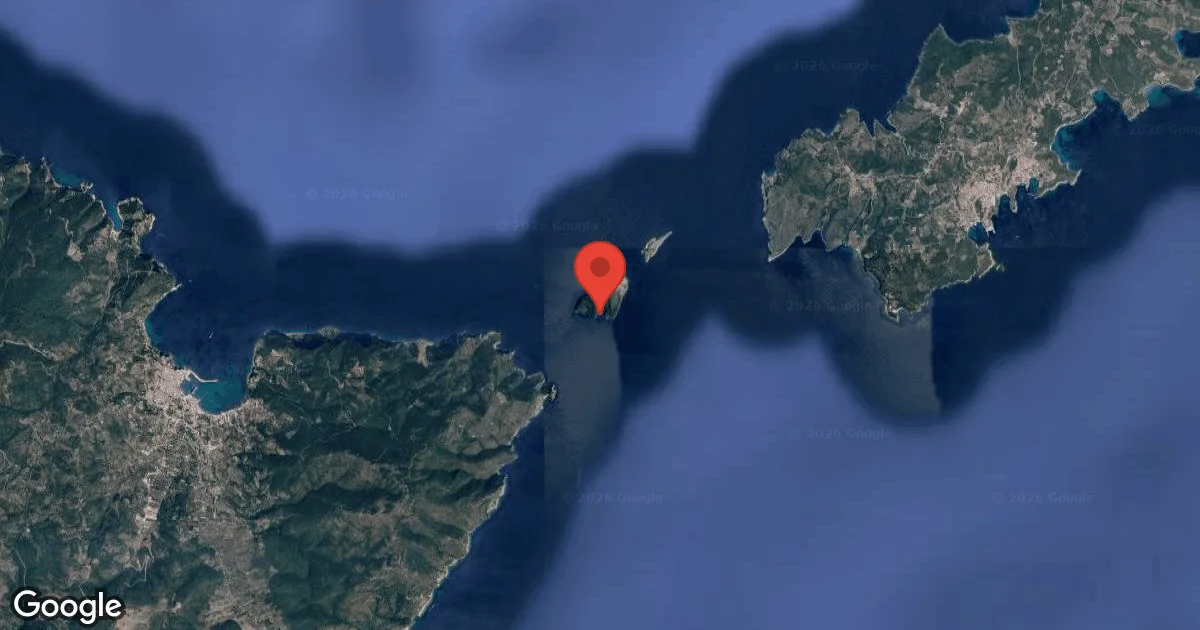
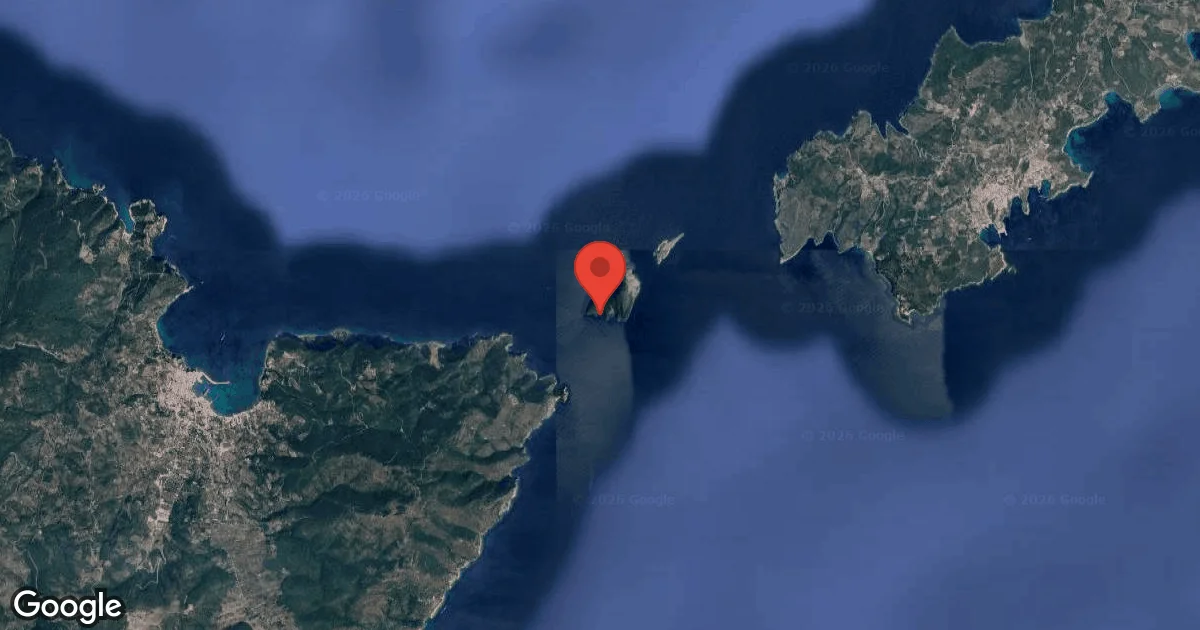
Dive Sites Near Agios Petros
View all dive sites in GreeceDiscover more underwater gems in this area.
Dive Centers Near Agios Petros
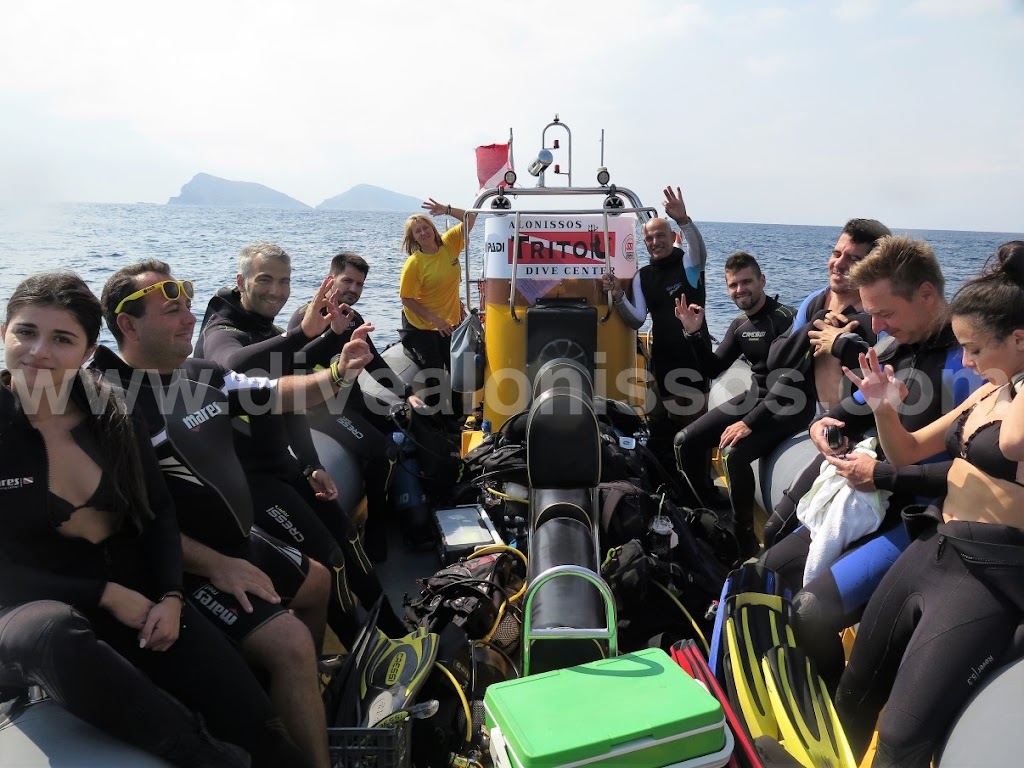
Today: 09:00 - 14:00 • 18:00 - 21:00
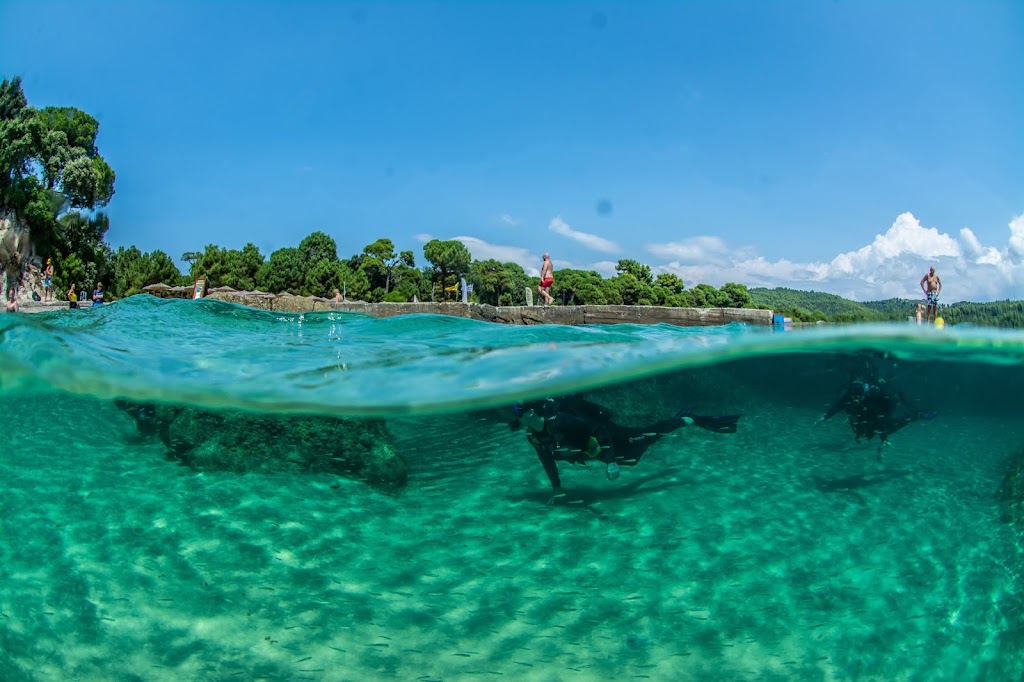
Nearest Airports
Nearest airports to help plan travel to this dive area.
Search Flights
Check available flights and routes on Expedia, using the nearby airports listed in this section.
Search Flights on ExpediaFrequently Asked Questions
What is the typical maximum depth for diving at Agios Petros?
Dives at Agios Petros Reef generally reach a maximum depth of approximately 16.3 m (53 ft) in some areas. Shallower sections are found at around 14.5 meters, keeping the site within recreational limits.
What kind of terrain can be expected at Agios Petros?
The site features a combination of sandy bottom areas and extensive Posidonia seagrass patches. These habitats provide shelter and food for a variety of marine life.
What are the water temperatures like at Agios Petros?
During the peak diving season, typically summer months, water temperatures at Agios Petros are often reported around 26°C (79°F). Temperatures may vary with depth and season.
Is current a significant factor at this dive site?
Agios Petros itself is not consistently reported for strong currents. However, divers should always be prepared for localized conditions, as other reefs in Alonissos can experience them.
What marine life is commonly seen at Agios Petros Reef?
Expect to encounter cuttlefish, various nudibranch species like the Hervia, and long-striped blennies. The seagrass meadows support a diverse array of smaller fish and invertebrates.
Which months are best for diving in Alonissos?
The period from March to October generally offers the best diving conditions in Alonissos, with good weather, minimal rain, and pleasant water temperatures.
Planning to dive Agios Petros?
Send one inquiry and receive offers directly from the best verified local dive operators.
Conditions are Excellent
07:00 - 14:00
Optimal conditions expected
Current conditions near Agios Petros show 24° air, 25° sea temperature, 0.3 m waves, and 14 km/h wind. Forecast data is refreshed regularly to ensure accuracy.