
Diving at Triton Caverns (Greece)
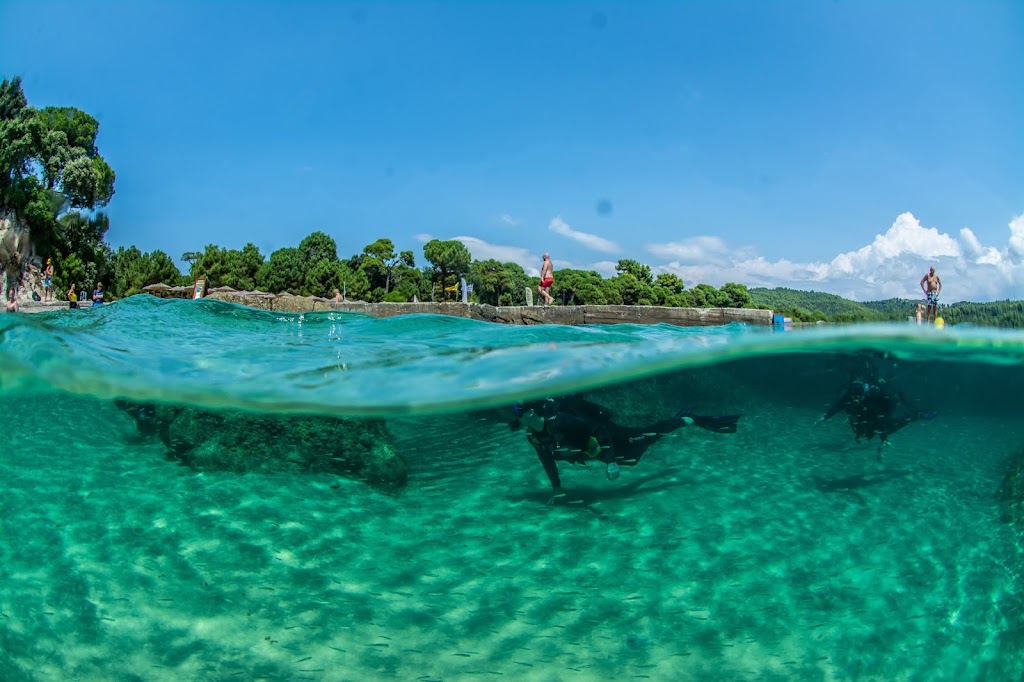
As divers approach the Triton Caverns, the entry point for one specific cave sits at a shallow 3.5 m (11 ft) below the surface. This wide opening allows several divers to enter simultaneously, marking the beginning of an intriguing underwater exploration. Light penetrates through natural openings, creating a dynamic visual experience that shifts as you descend deeper into the rock formations.
As evening covers Triton Caverns, the local air temperature is measured at 23.5°C. The current wave height at the surface is recorded at 0.2 m. These late-day readings characterize the surface conditions for the night.
Dive Site Location & Key Facts
Dive Site Overview
The primary Triton Cavern presents an accessible and captivating dive site, with its prominent entrance at just 3.5 m (11 ft). This ample opening invites divers into a spacious interior where the cave's bottom depth reaches around 13 m (43 ft).
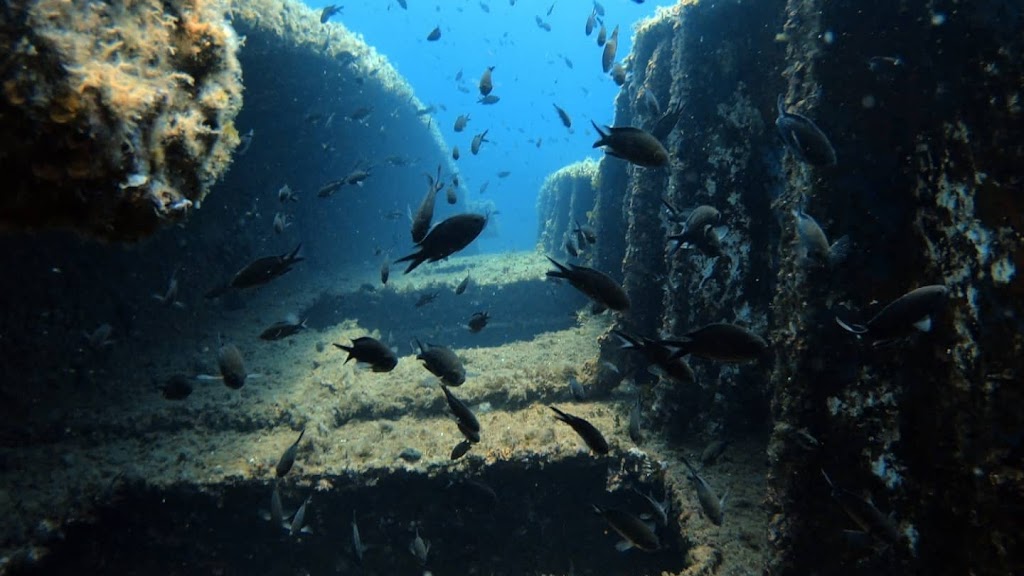
Unique to this cavern, an air pocket consistently remains overhead, contributing to a sense of security during the dive. Throughout the cavern, natural light filters through openings in the rock, casting mesmerizing beams and shadows that illuminate the geological formations within. Divers will find opportunities to explore intricate rock structures and observe small marine life clinging to the walls.
While this specific cave maintains a manageable depth, other "caves and holes" in the wider Halkidiki region, also associated with Triton diving operations, extend to depths ranging from 5 to 40 meters, offering varied experiences for different certification levels. Visibility within these underwater structures can be quite good, often reaching up to 30 m (98 ft) under optimal conditions.
Conditions are Excellent
07:00 - 14:00
Optimal conditions expected
Current conditions near Triton Caverns show 24° air, 25° sea temperature, 0.2 m waves, and 13 km/h wind. Forecast data is refreshed regularly to ensure accuracy.
Best Time to Dive
Diving at Triton Caverns is primarily feasible from April through October, aligning with the calmer summer season. During these months, air temperatures significantly increase, ranging from around 15°C (59°F) in April to a peak of 28°C (82°F) in July and August, then gradually cooling to 19°C (66°F) by October. This period also sees minimal rainfall, particularly from June to August, ensuring generally clear skies. While specific water temperature data for these caverns aren't consistently reported, regional averages during the dive season typically fall between 18-29°C (64-84°F). Conversely, the winter months, from November to March, experience higher wave heights and increased wind speeds, making boat access and comfortable diving more challenging. Rain is also more prevalent, contributing to less favorable surface conditions. Dive scores for June and October rate as 'Excellent' and 'Good' respectively, indicating optimal conditions in early summer and late autumn.
PEAK SEASON SCORE
Scores combine air & water temps, waves, wind & rainfall for overall conditions.
BEST MONTHS TO DIVE
Monthly records compiled from satellite and marine observation nodes over the last 3 years. Data provided by Open-Meteo and MET Norway.
Dive Experience & Conditions
Conditions within Triton Caverns are typically serene, creating a distinctive experience largely defined by its unique light play. Upon entering the shallow opening, divers are immediately struck by how natural light filters through various rock fissures, creating an ethereal glow and dramatic contrasts. The interior environment is usually calm; there are no reported strong currents, which contributes to an easy and relaxing exploration. Visibility can extend up to 30 m (98 ft) on good days, allowing for clear views of the cave's structure and any smaller inhabitants. The presence of an overhead air pocket offers an additional layer of comfort, distinguishing this from many other cave dives. Water temperatures during the dive season average from 18-29°C (64-84°F), providing comfortable conditions for extended bottom times.
Dive Difficulty & Safety Guidelines
Prioritizing safety, diving at Triton Caverns requires perfect weather conditions for optimal access and enjoyment. This is a boat-entry site, so calm seas are essential for a smooth operation. Although the dive is categorized as suitable for "All Levels" of diver training, it remains a cave dive, necessitating appropriate caution and respect for the environment.
The presence of a constant air pocket at the top of the cavern contributes significantly to diver safety. Given the confined overhead environment, adherence to proper cave diving protocols, such as maintaining good buoyancy control and following experienced guides, is crucial.
Currents are not typically a concern here, simplifying navigation within the cave system. Always check local dive center advisories before planning your dive.
Recommended Equipment
Overhead environment. Do not enter beyond training and gas planning limits.
- Dive Computer
- Primary & Backup Lights
- Reel / Spool
- Cutting Tool
This gear list is based on verified equipment signals for Triton Caverns, Greece. Always confirm final gear choices with your dive operator, guide, or liveaboard.
Recommended Dive Suit
With water temperatures around 25°C (76°F), many divers find a 3mm wetsuit provides comfortable protection.
Being prepared with flexible exposure options is a common approach among experienced divers.
Current forecasts indicate relatively stable conditions for the coming days.
Emergency & Medical Support
Essential information to help you plan your dive trip to Triton Caverns.

Hyperbaric chambers are a critical part of dive safety infrastructure. Availability varies significantly by region, and not all dive areas have immediate access.
Before diving, it's recommended to:
- confirm nearest medical facilities
- check emergency procedures with local dive operators
- ensure dive insurance covers evacuation if required
Divers Alert Network
Diving emergency assistance available through DAN Europe.
+39 0642115685- 24/7 emergency hotline
- Diving medical assistance
- Evacuation coordination
Emergency contacts are provided for reference. Always verify local emergency services before diving.
Closest Listed Hyperbaric Chambers
Showing listed hyperbaric chamber facilities within 200 km of this dive site.
Distances are approximate straight-line distances and may not reflect emergency travel time.
Information is provided for reference and planning purposes only. Dive Navigator does not verify operational status, staffing, availability, or quality of care at listed facilities. In an emergency, contact local emergency services, DAN, your dive operator, or the chamber directly. Do not travel to a facility without calling ahead.
MKYI/NNA (DHDM/ANH)
24/7 ListedICU CapableAthens, Greece•Approx. 127 km straight-line
MKYI/NNA (DHDM/ANH)
24/7 ListedICU CapableInformation is provided for reference and planning purposes only. Dive Navigator does not verify operational status, staffing, availability, or quality of care at listed facilities. In an emergency, contact local emergency services, DAN, your dive operator, or the chamber directly. Do not travel to a facility without calling ahead.
Information is provided for reference and planning purposes only. Dive Navigator does not verify operational status, staffing, availability, or quality of care at listed facilities. In an emergency, contact local emergency services, DAN, your dive operator, or the chamber directly. Do not travel to a facility without calling ahead.
Marine Life at Triton Caverns
The Triton Caverns offer glimpses of specific marine life adapted to their unique environment. Inside the cave, divers can observe various small creatures, most notably shrimps, often seen on the cavern walls.
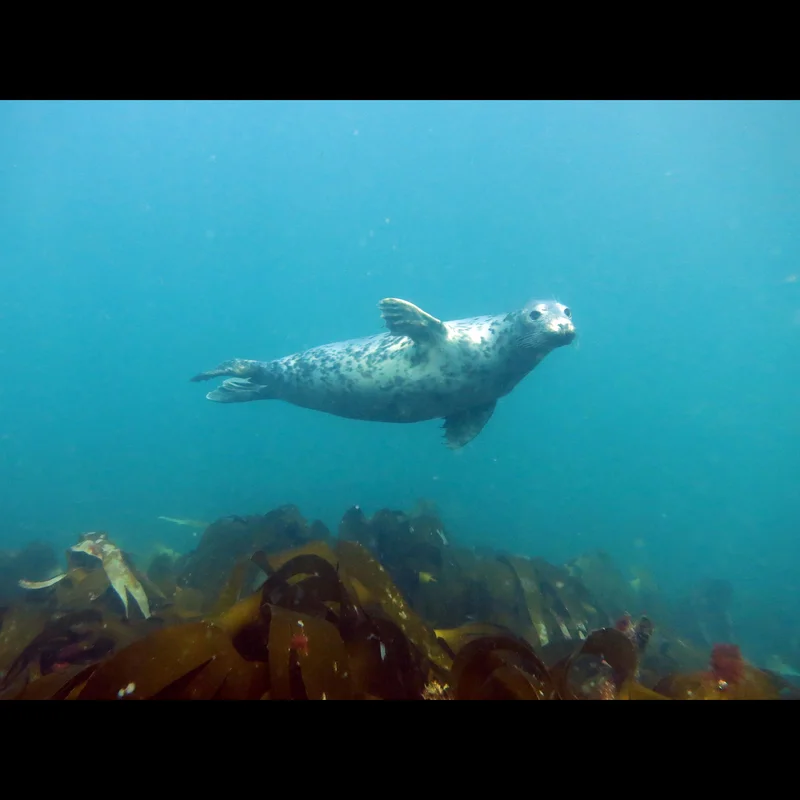
Beyond the immediate cavern, the wider Greek seabed features numerous species of fish, alongside starfish, sponges, and corals. Occasionally, lucky divers might even encounter a seal swimming near the cavern entrance, adding a rare highlight to the dive experience.

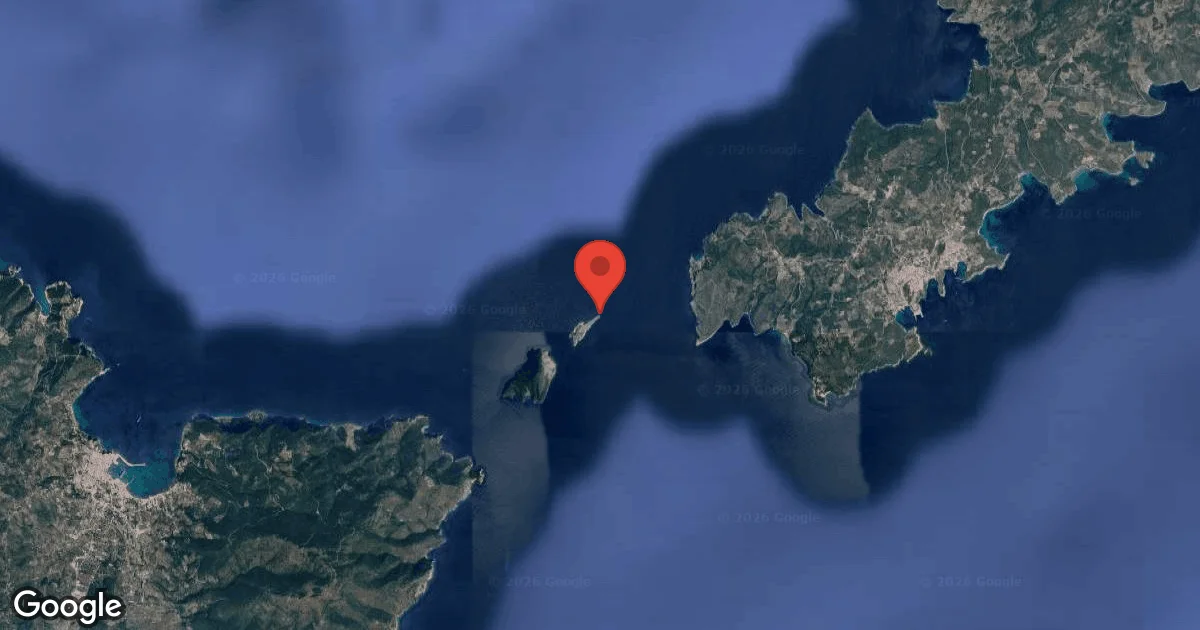
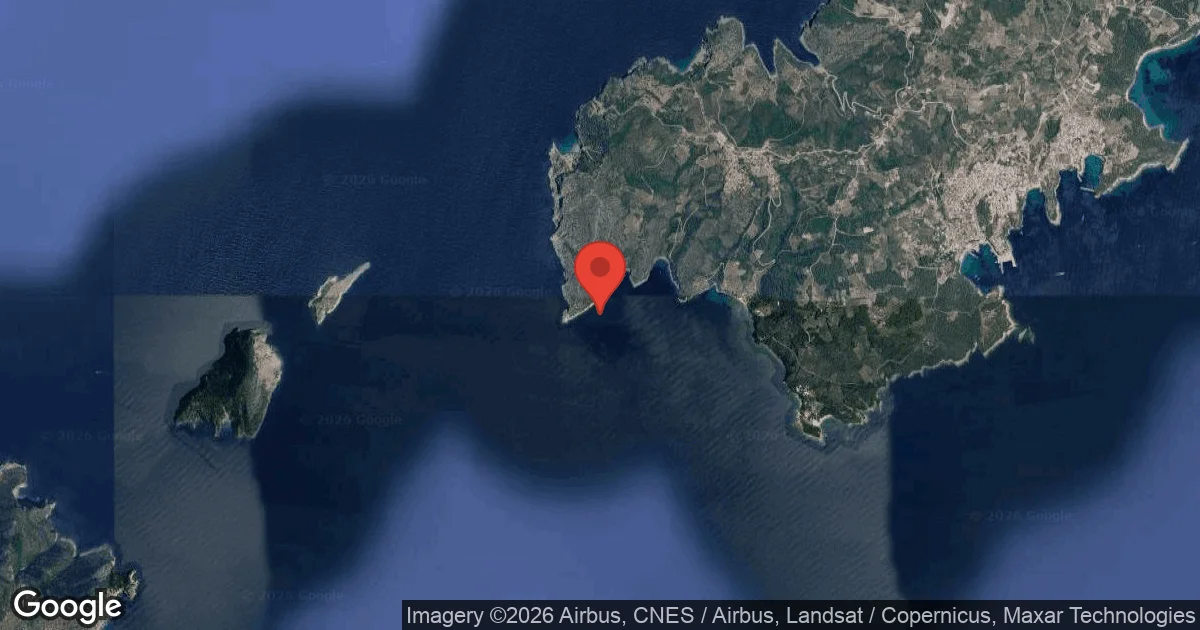
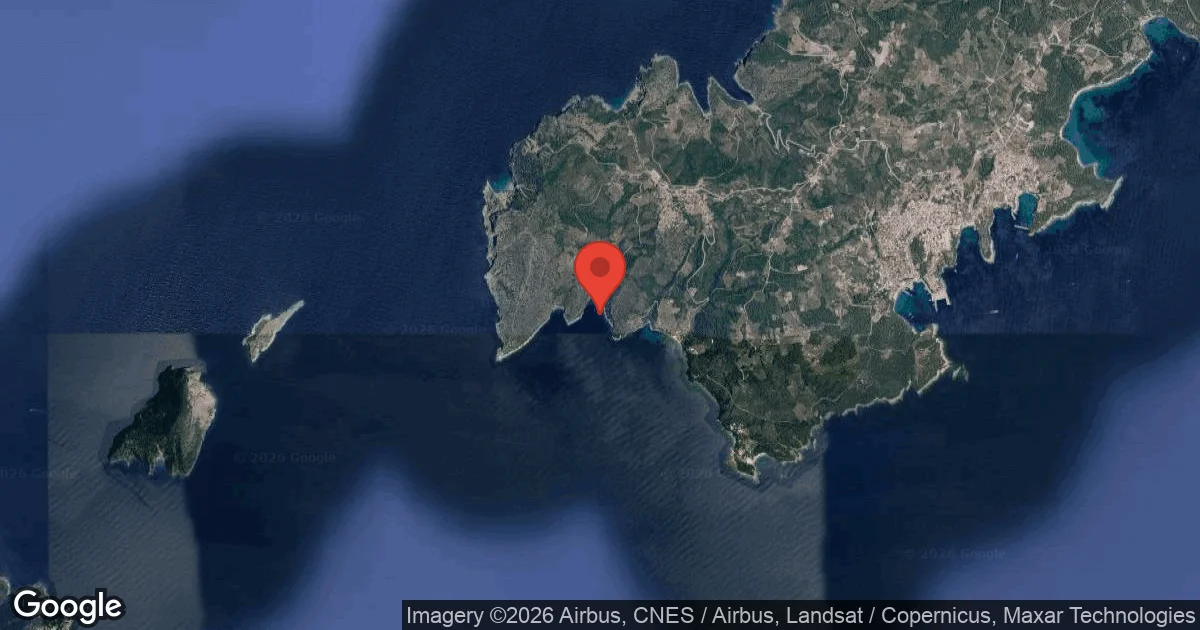
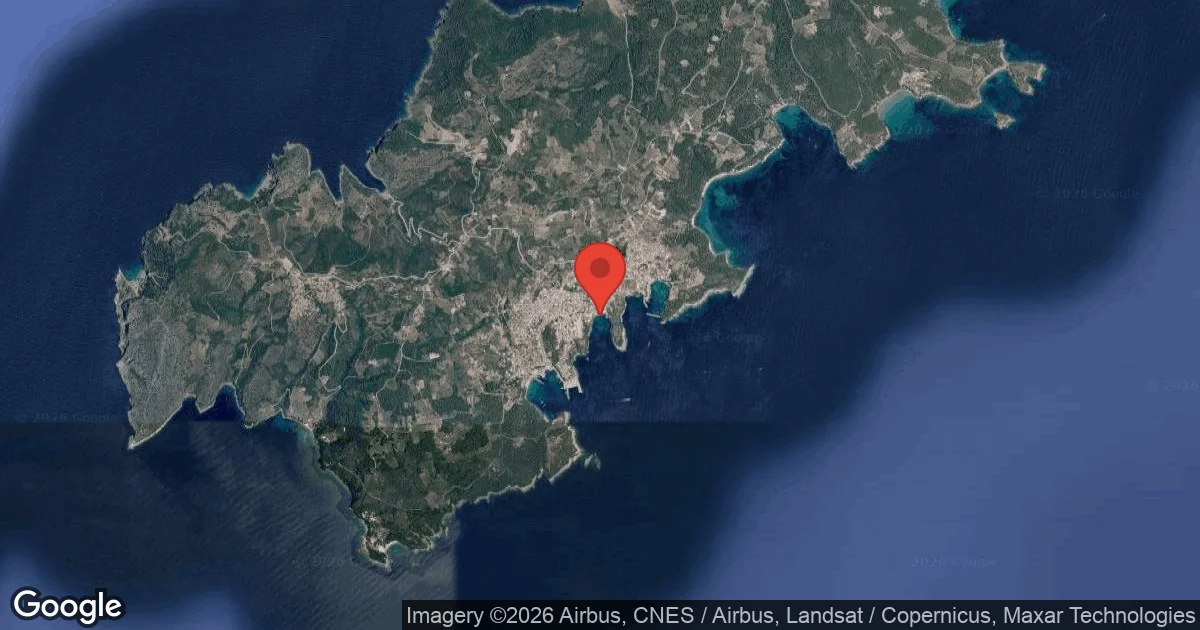
Dive Sites Near Triton Caverns
View all dive sites in GreeceDiscover more underwater gems in this area.
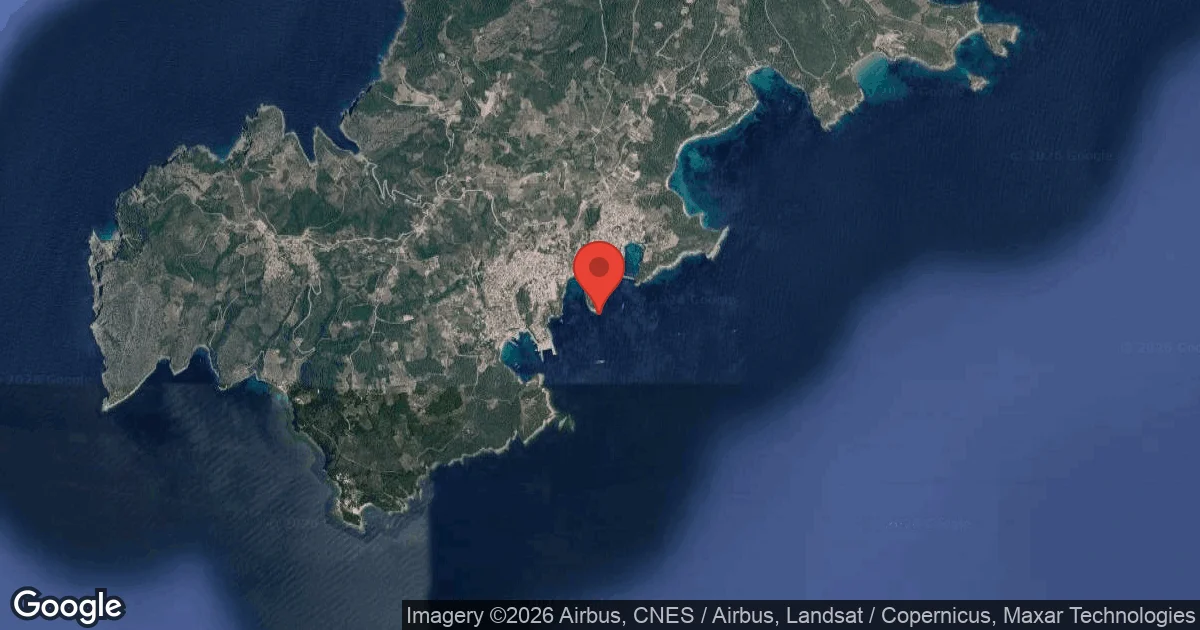
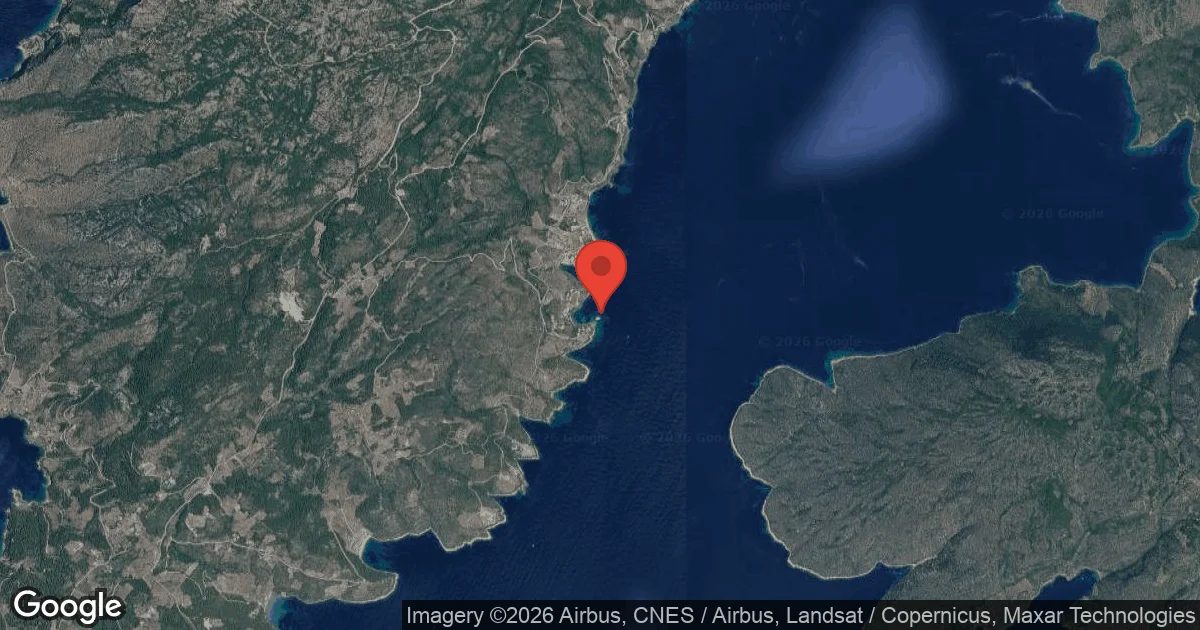
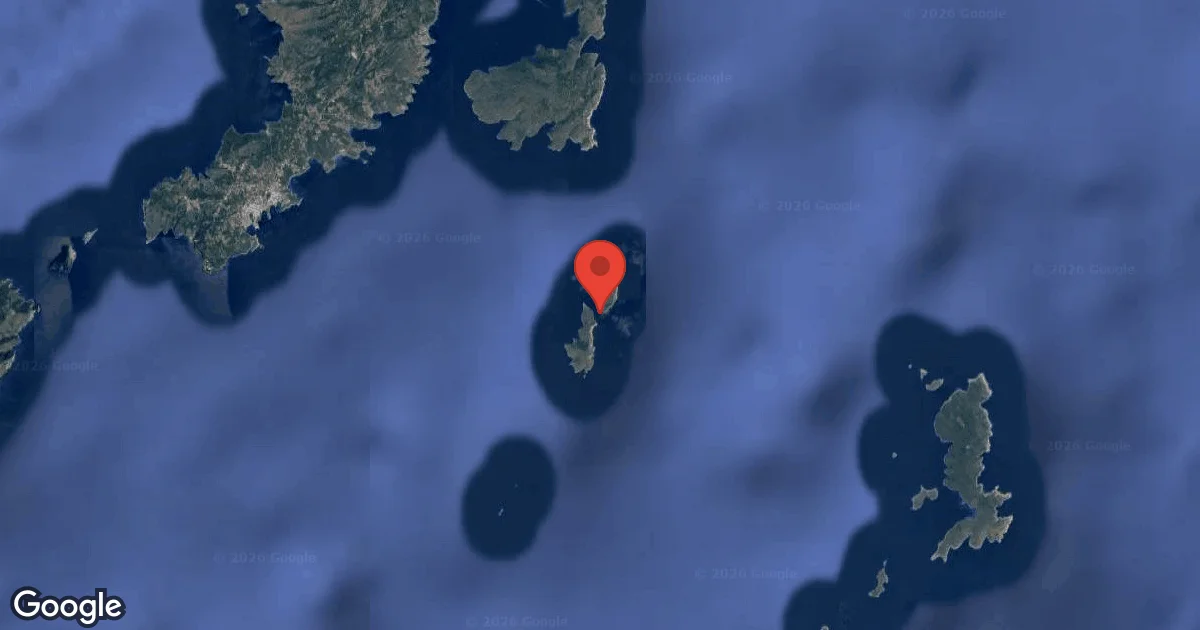
Dive Centers Near Triton Caverns
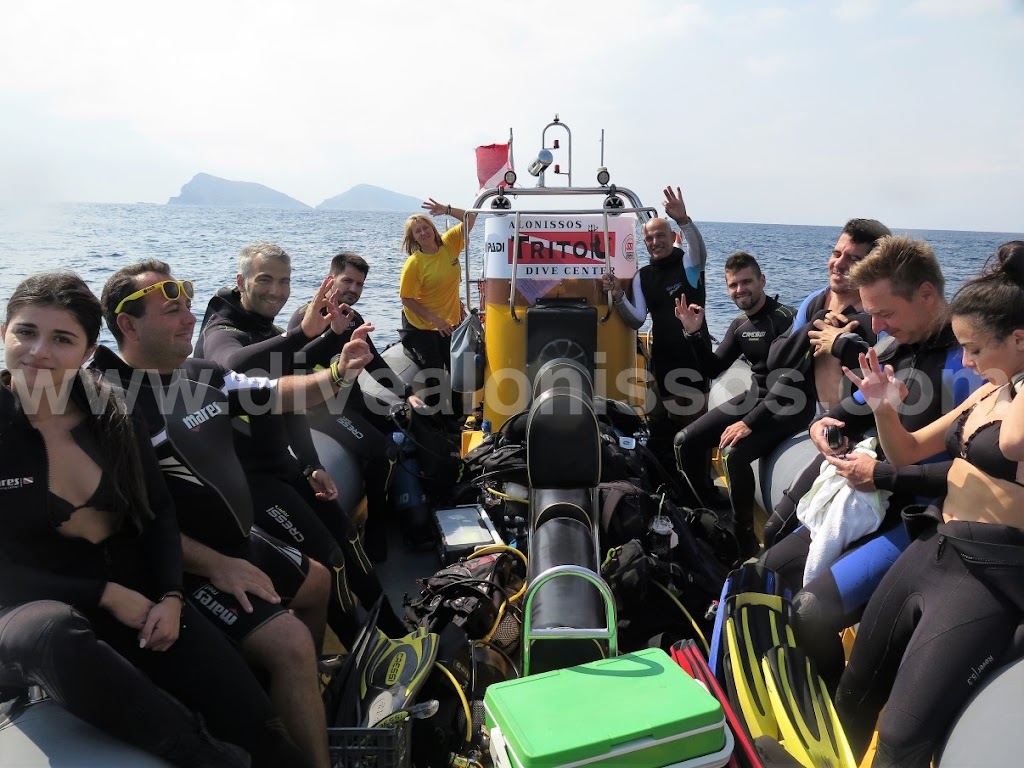
Today: 09:00 - 14:00 • 18:00 - 21:00
Nearest Airports
Nearest airports to help plan travel to this dive area.
Search Flights
Check available flights and routes on Expedia, using the nearby airports listed in this section.
Search Flights on ExpediaFrequently Asked Questions
Is Triton Caverns suitable for beginner divers?
Yes, one of the main Triton Caverns is considered suitable for "All Levels" of diver training. Its shallow entrance and consistent overhead air pocket make it more accessible than many other cave dives.
What is the maximum depth in Triton Caverns?
The main Triton Cavern features an entrance at 3.5 m (11 ft) and reaches a bottom depth of approximately 13 m (43 ft). Other cave sites in the broader region explored by Triton diving operations can extend to 40 meters.
Are there currents inside the caverns?
No, strong currents are not typically reported within the Triton Caverns. This provides a calm environment, ideal for focused exploration and enjoyment of the cave's features.
What marine life can I expect to see?
Inside the caverns, small marine life like shrimps are commonly observed on the walls. Outside, the general area hosts various fish, starfish, sponges, and corals, with occasional seal sightings reported near the cave entrance.
What are the best months to dive here?
The optimal period for diving Triton Caverns is generally from April to October. During these months, the weather is calmer, rainfall is minimal, and water temperatures are more comfortable for diving.
Is a dive light necessary for Triton Caverns?
While natural light filters into sections of the cavern, creating interesting effects, a dive light is highly recommended. It will enhance your ability to explore darker areas and observe smaller marine life on the cave walls.
Is there an overhead air pocket inside the cave?
Yes, a notable feature of the main Triton Cavern is the consistent presence of an air pocket at the top. This provides an added layer of comfort and safety for divers exploring the site.
Planning to dive Triton Caverns?
Send one inquiry and receive offers directly from the best verified local dive operators.
Conditions are Excellent
07:00 - 14:00
Optimal conditions expected
Current conditions near Triton Caverns show 24° air, 25° sea temperature, 0.2 m waves, and 13 km/h wind. Forecast data is refreshed regularly to ensure accuracy.