
Diving at Cretaland Shipwreck (Greece)
Approaching the Cretaland Shipwreck offers a distinct challenge for divers seeking to explore historical artifacts beneath the waves. This shore-entry wreck off North Evia Island, Greece, rests at a maximum depth of 17 m / 56 ft, making it a moderately shallow wreck dive that still requires careful planning and awareness of local conditions. Its accessibility from shore provides a different logistical consideration compared to boat dives. The site tests diver readiness and navigational skills, rewarding those prepared for a self-reliant exploration of a submerged vessel.
Tonight's objective overview for Cretaland Shipwreck shows an air temperature of 24°C. The measured surface conditions include wave heights around 0 m. This environmental data is logged for the close of the day.
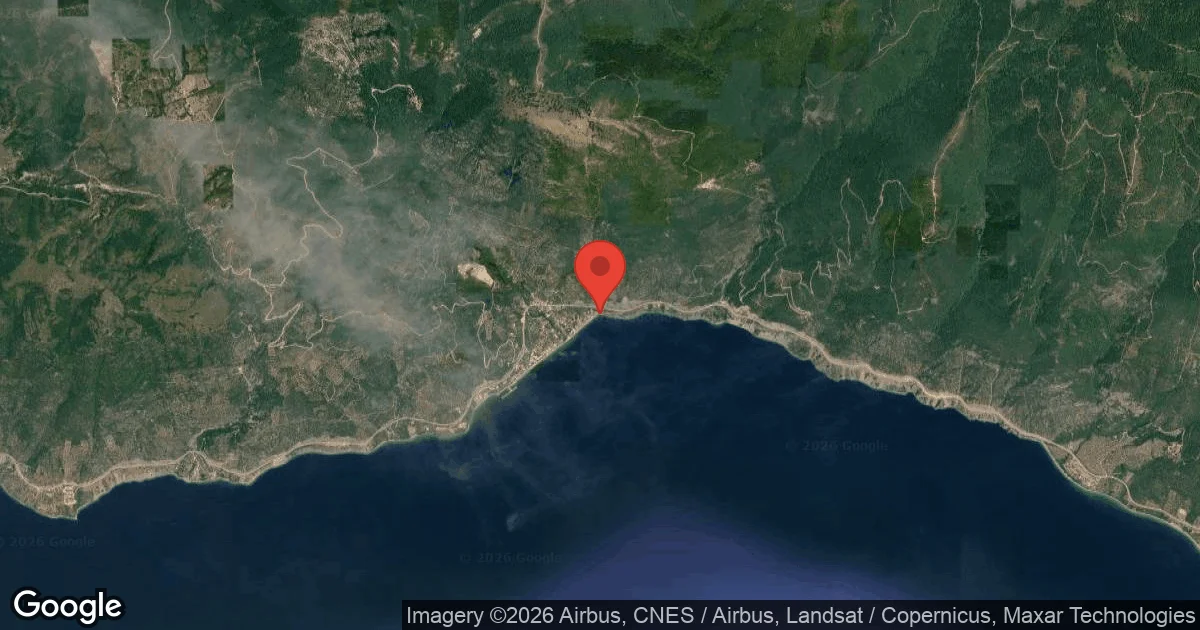
Dive Site Location & Key Facts
Dive Site Overview
Imagine descending into the Aegean Sea to encounter the Cretaland Shipwreck, a prominent feature for wreck diving in North Evia Island. This site presents the remnants of a vessel that has transformed into an artificial reef, inviting exploration by certified divers.
Divers can easily navigate around and through numerous parts of the wreck, as much of its form remains relatively intact. Reaching a max depth of 17 meters, the site grants ample bottom time to fully appreciate the wreck's features and its evolving ecosystem. Its direct proximity to the shoreline simplifies entry and exit logistics, appealing to divers who prefer not to rely on boat charters.
While the ship's full history isn't always at the forefront during a dive, its presence evokes a sense of maritime past. Exploring the various parts of the wreck can reveal different formations and areas where marine life has established itself, adding a dynamic element to the static structure. Divers should plan for a focused exploration, considering the nuances of a shore-based operation.
Conditions are Excellent
07:00 - 14:00
Optimal conditions expected
Current conditions near Cretaland Shipwreck show 24° air, 26° sea temperature, 0.0 m waves, and 14 km/h wind. Forecast data is refreshed regularly to ensure accuracy.
Best Time to Dive
Clear visibility is a primary draw for planning a dive at the Cretaland Shipwreck, often best experienced during periods of settled weather. The optimal months typically align with the warmer air temperatures and minimal rainfall, generally from May through October. During this window, air temperatures range from 19.5°C (67°F) in May, peaking around 30.5°C (87°F) in July, and remaining comfortable into October at 19.5°C (67°F). Rainfall is notably low, often less than 2 mm (0.08 inches) per month in summer, contributing to calmer surface conditions. Wave heights during these months are typically minimal, often below 0.1 meters (0.3 feet), which can aid in shore entry and exit. While specific water temperature averages for the wreck aren't consistently reported, the general climate data suggests temperate conditions during these months, conducive to pleasant diving and good light penetration, enhancing the wreck's visibility.
PEAK SEASON SCORE
Scores combine air & water temps, waves, wind & rainfall for overall conditions.
BEST MONTHS TO DIVE
Monthly records compiled from satellite and marine observation nodes over the last 3 years. Data provided by Open-Meteo and MET Norway.
Dive Experience & Conditions
A shore entry here offers a distinct tactile feel, guiding divers directly into the Aegean's embrace towards the wreck. Saltwater defines Cretaland's underwater environment, a common feature of Mediterranean diving. Conditions can vary, reflecting the regional climate. While specific water temperatures aren't consistently reported for this exact site, broader area data generally indicates temperate waters, peaking in summer. Average wind speeds fluctuate throughout the year; July and August exhibit slightly higher averages around 17 km/h (10.6 mph), potentially influencing surface conditions near the entry point. During periods of lower wind and wave activity, the underwater environment around the wreck feels serene, allowing focused exploration of its structure. Without specific depth information, divers should prepare to explore a wreck at depths suitable for typical recreational diving, adjusting plans based on real-time site assessments.
Dive Difficulty & Safety Guidelines
Navigating a wreck requires careful preparation and adherence to established diving protocols. Since the Cretaland Shipwreck is a shore entry, divers should prioritize assessing the immediate entry and exit points for any changing conditions, such as currents or wave action, before entering the water.
No specific hazards are reported for this site in available data, but inherent risks of wreck diving, such as entanglement, overhead environments, or unstable structures, always warrant caution. Divers should maintain neutral buoyancy to avoid disturbing the wreck or stirring up sediment, which can quickly reduce visibility.
Planning air consumption and bottom time meticulously is essential, especially given the shore-based logistics. Consulting with local dive professionals familiar with the Cretaland Shipwreck's current state and specific entry/exit considerations is highly recommended to ensure a safe and enjoyable dive experience.
Recommended Equipment
Overhead / entanglement risk. Wreck penetration requires proper training.
- Dive Computer
- Primary & Backup Lights
- Wreck Reel
- Cutting Tool
- Hard-soled Dive Boots
This gear list is based on verified equipment signals for Cretaland Shipwreck, Greece. Always confirm final gear choices with your dive operator, guide, or liveaboard.
Recommended Dive Suit
A warming trend is expected over the next few days. A warming trend is expected over the next few days.
Factors such as dive duration, depth, and activity level can influence how warm a diver feels underwater.
3mm wetsuit typically balances flexibility and thermal protection in these temperatures. Divers preparing to enter the water at Cretaland Shipwreck will likely find temperatures around 26°C (78°F) today. Surface air temperatures are resting at 24°C (75°F).
Emergency & Medical Support
Essential information to help you plan your dive trip to Cretaland Shipwreck.

Hyperbaric chambers are a critical part of dive safety infrastructure. Availability varies significantly by region, and not all dive areas have immediate access.
Before diving, it's recommended to:
- confirm nearest medical facilities
- check emergency procedures with local dive operators
- ensure dive insurance covers evacuation if required
Divers Alert Network
Diving emergency assistance available through DAN Europe.
+39 0642115685- 24/7 emergency hotline
- Diving medical assistance
- Evacuation coordination
Emergency contacts are provided for reference. Always verify local emergency services before diving.
Closest Listed Hyperbaric Chambers
Showing listed hyperbaric chamber facilities within 200 km of this dive site.
Distances are approximate straight-line distances and may not reflect emergency travel time.
Information is provided for reference and planning purposes only. Dive Navigator does not verify operational status, staffing, availability, or quality of care at listed facilities. In an emergency, contact local emergency services, DAN, your dive operator, or the chamber directly. Do not travel to a facility without calling ahead.
Information is provided for reference and planning purposes only. Dive Navigator does not verify operational status, staffing, availability, or quality of care at listed facilities. In an emergency, contact local emergency services, DAN, your dive operator, or the chamber directly. Do not travel to a facility without calling ahead.
Hyperbaric Medicine Dpt
N. Faliro, Greece•Approx. 120 km straight-line
Hyperbaric Medicine Dpt
Information is provided for reference and planning purposes only. Dive Navigator does not verify operational status, staffing, availability, or quality of care at listed facilities. In an emergency, contact local emergency services, DAN, your dive operator, or the chamber directly. Do not travel to a facility without calling ahead.
Marine Life at Cretaland Shipwreck
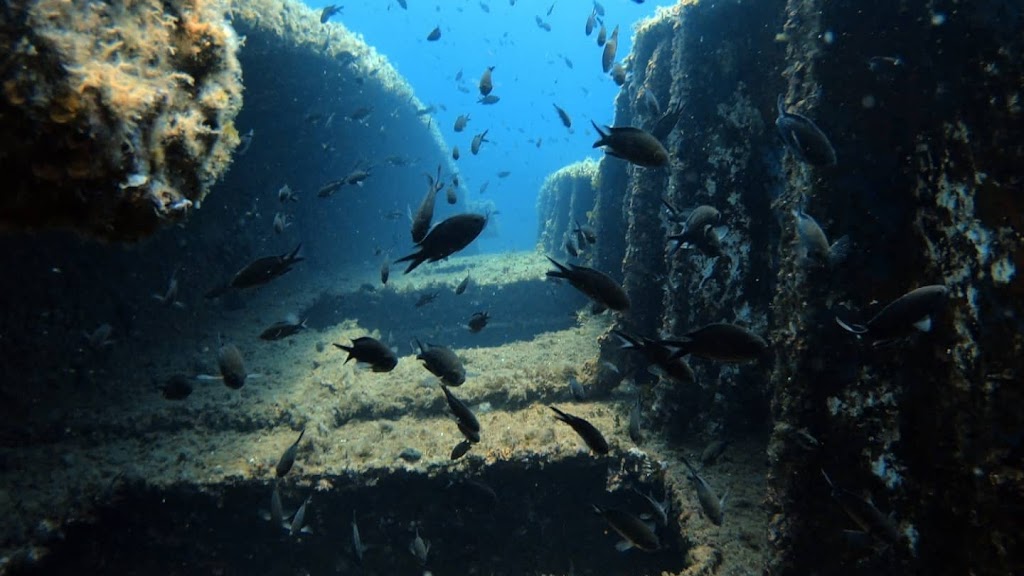
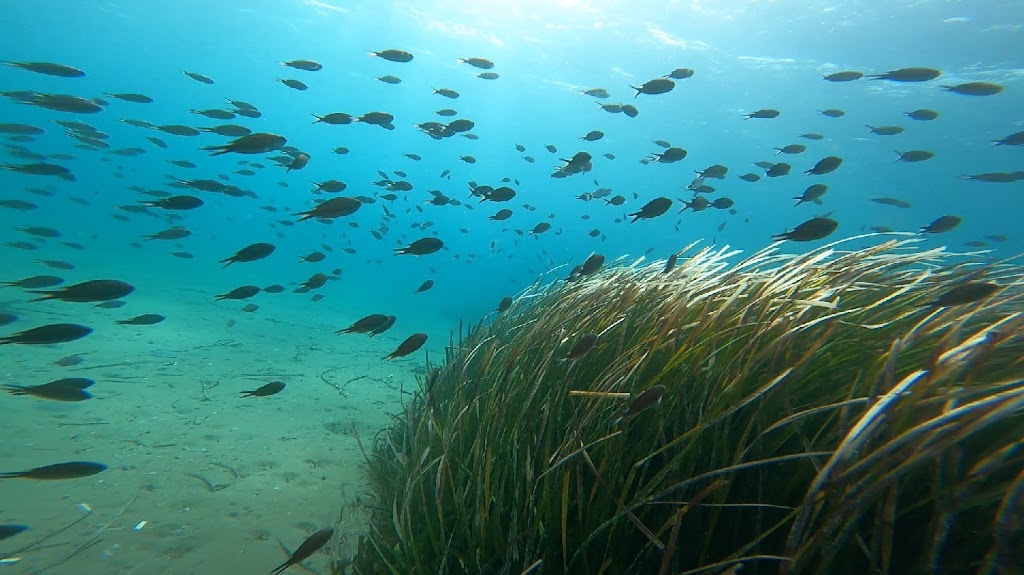
Cretaland Shipwreck's structure serves as an artificial reef, offering shelter and substrate for marine organisms. Consistent reports on specific species inhabiting the wreck are limited; however, the site attracts various smaller fish and invertebrates typical of the Aegean Sea.
Wider regional reports sometimes include larger pelagics like sharks, dolphins, whales, and turtles, but consistent sightings directly at the wreck are not specifically documented. Divers might observe small schooling fish weaving through metal frames, or moray eels finding refuge within crevices.
Its evolution into a living habitat is a key highlight, offering an ever-evolving underwater landscape for observation.
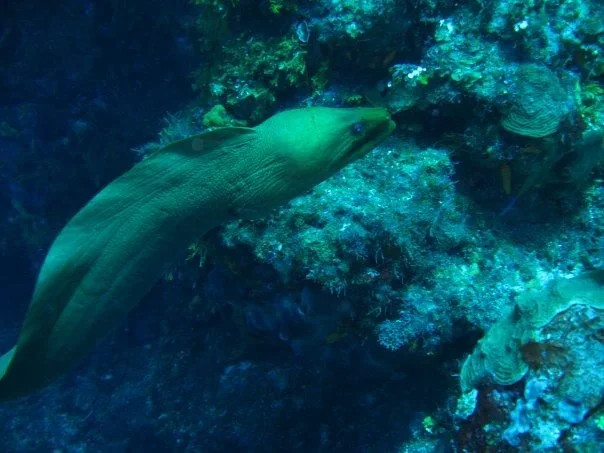
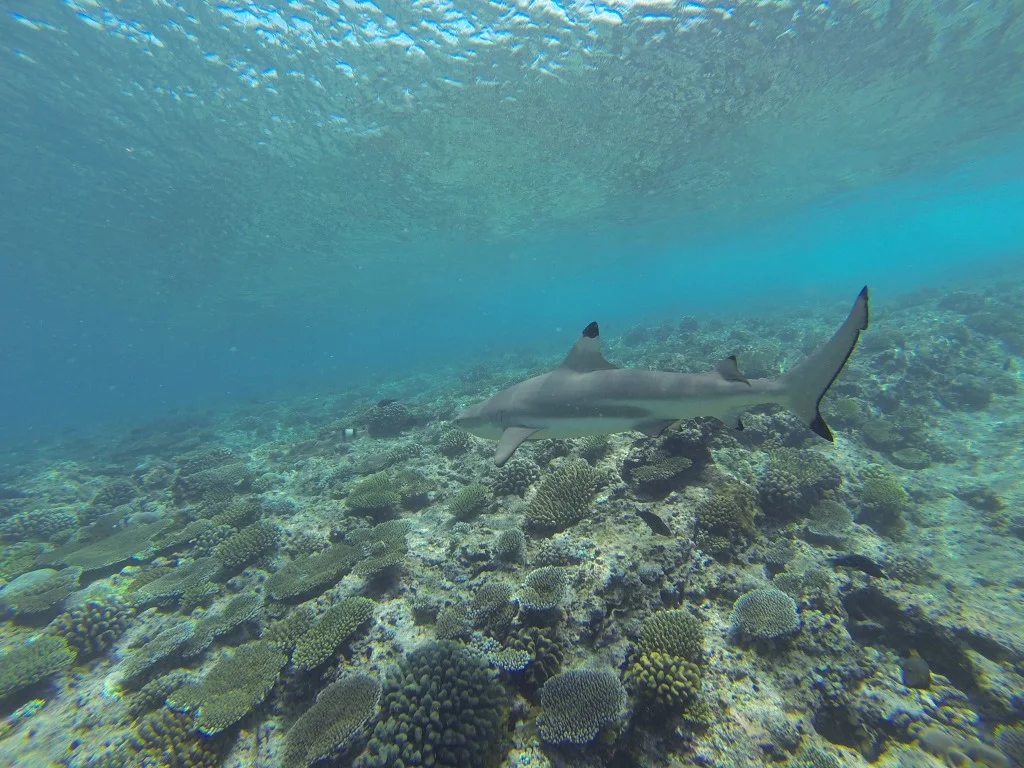
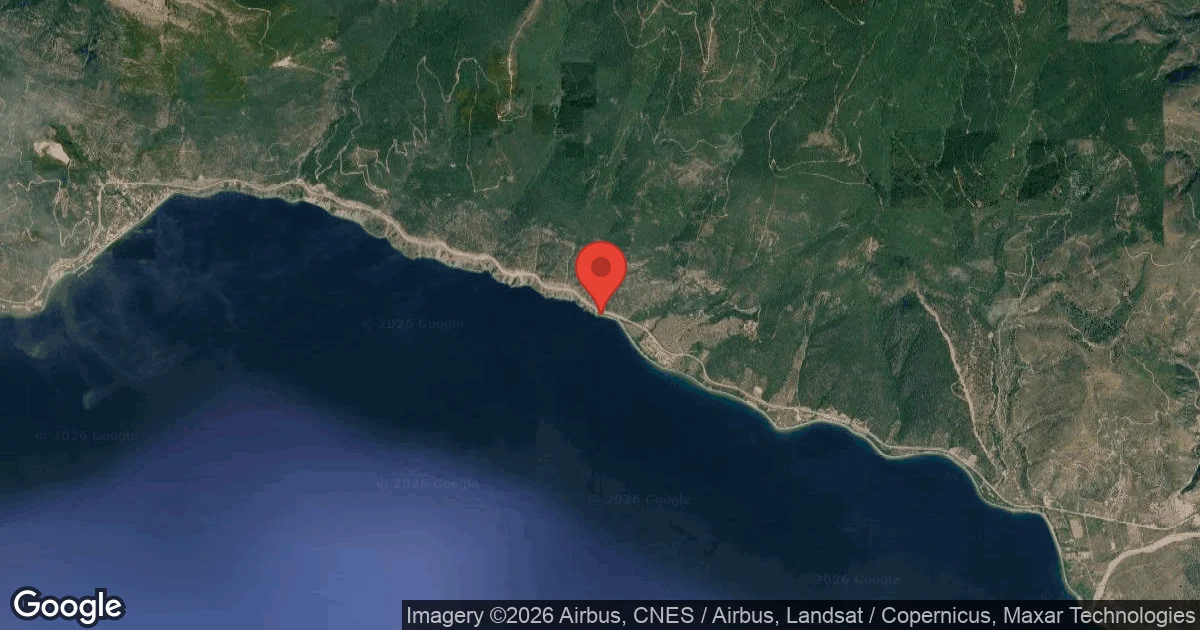
Dive Sites Near Cretaland Shipwreck
View all dive sites in GreeceDiscover more underwater gems in this area.
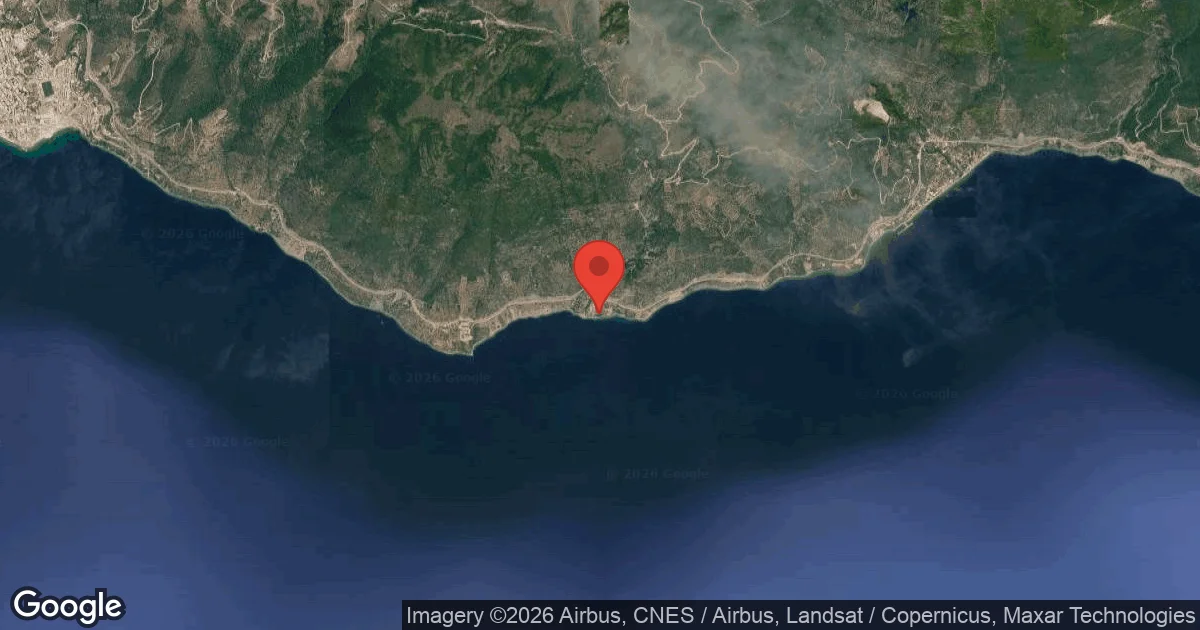
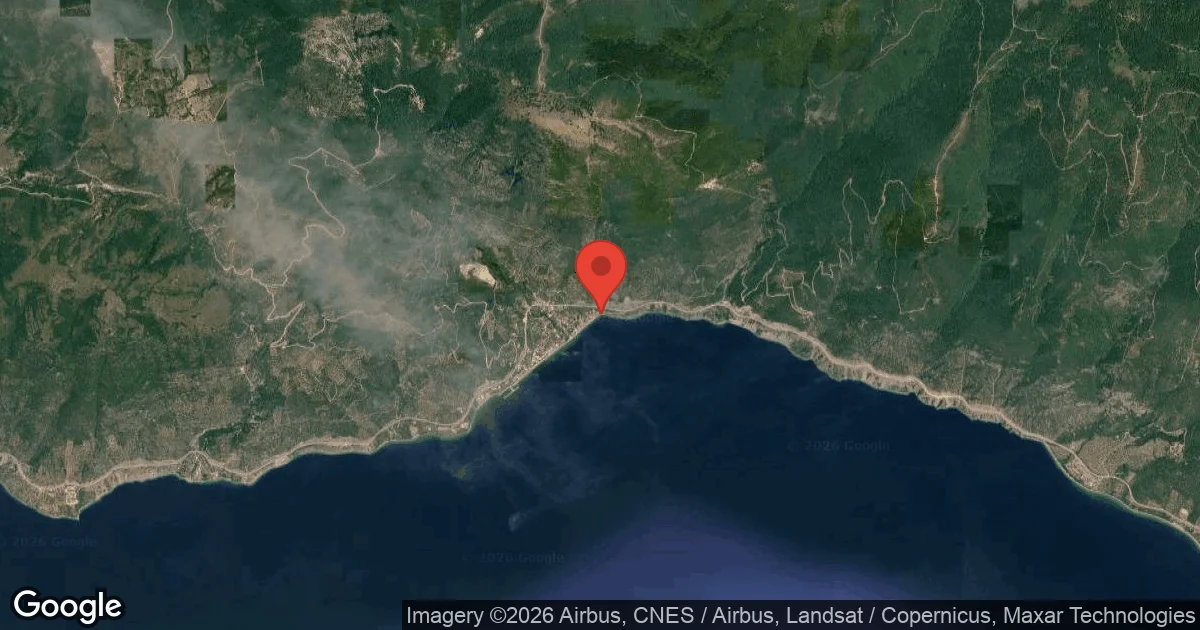
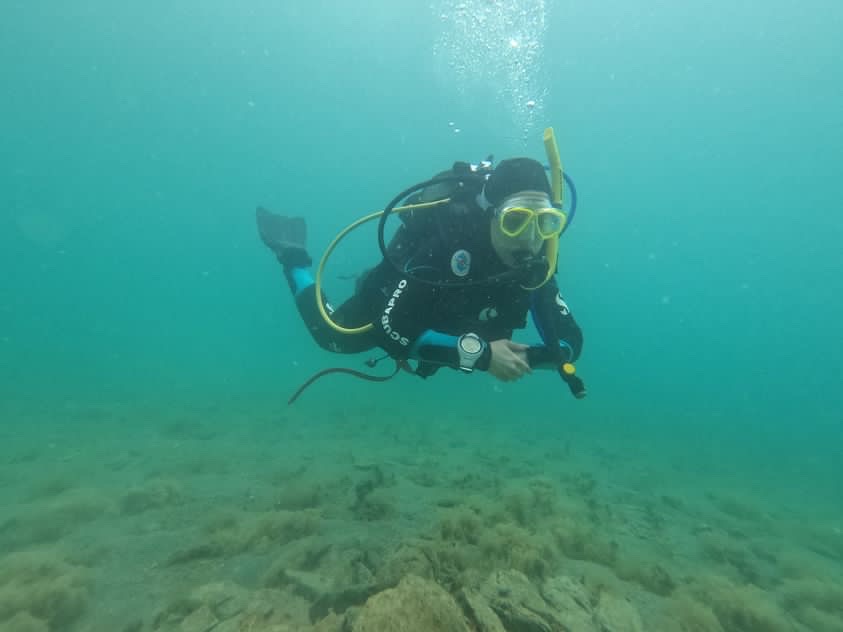
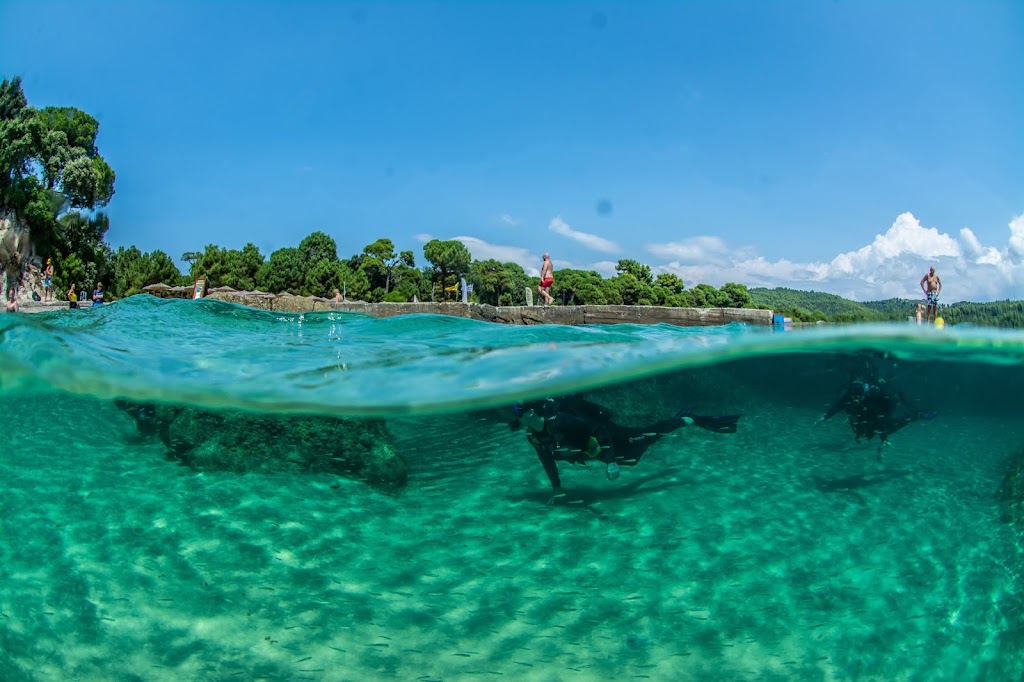
Dive Centers Near Cretaland Shipwreck
Today: 09:00 - 21:00
Nearest Airports
Nearest airports to help plan travel to this dive area.
Search Flights
Check available flights and routes on Expedia, using the nearby airports listed in this section.
Search Flights on ExpediaFrequently Asked Questions
Where is the Cretaland Shipwreck located?
The Cretaland Shipwreck is located in North Evia Island, Greece. It's found within the wider Aegean Islands region, offering a dive experience in this part of the Mediterranean.
What type of dive is the Cretaland Shipwreck?
This is primarily a wreck dive. It's also noted for being accessible via a shore entry, distinguishing it from many boat-accessed wreck sites.
Is specific depth information available for the wreck?
Yes. The Cretaland Shipwreck is reported to rest at a maximum depth of 17 m / 56 ft. This keeps the wreck within a moderately shallow recreational range, but divers should still plan for shore-entry logistics, local conditions, and safe wreck navigation.
What is the best time of year to dive the Cretaland Shipwreck?
The period from May to October generally offers the best conditions. These months feature warmer air temperatures, minimal rainfall, and typically calmer seas, which are favorable for visibility and shore entry.
What marine life can be expected at the wreck?
The wreck acts as an artificial reef, likely attracting various small fish and invertebrates common to the Aegean Sea. While generalized reports for the region mention larger pelagics, specific consistent sightings at the wreck are limited.
Is the Cretaland Shipwreck suitable for all certified divers?
Given it's a wreck dive with a shore entry, it's suitable for certified divers comfortable with these specific conditions. Wreck diving often benefits from advanced training, and proficiency in buoyancy control is advisable.
Planning to dive Cretaland Shipwreck?
Send one inquiry and receive offers directly from the best verified local dive operators.
Conditions are Excellent
07:00 - 14:00
Optimal conditions expected
Current conditions near Cretaland Shipwreck show 24° air, 26° sea temperature, 0.0 m waves, and 14 km/h wind. Forecast data is refreshed regularly to ensure accuracy.