
Diving at Garður (Iceland)
Garður, an accessible dive site off the Reykjanes peninsula, stands out for its vibrant underwater botanic display. This location, roughly an hour's drive south of Reykjavík, holds a distinct charm, inviting divers into a lush marine garden. It's an area celebrated for its extensive kelp forests and over 42 identified species of marine algae, providing a unique exploration opportunity in the North Atlantic.
Tonight's objective overview for Garður shows an air temperature of 8.5°C. The measured surface conditions include wave heights around 1.8 m. This environmental data is logged for the close of the day.
Dive Site Location & Key Facts
Dive Site Overview
Garður, aptly named 'garden' in Icelandic, offers a dive experience deeply rooted in the area's natural history and ecology. The rich marine algae here have been a vital food source for Iceland's settlers for over a millennium, providing not only essential nutrients but also a diverse and colorful underwater tableau.
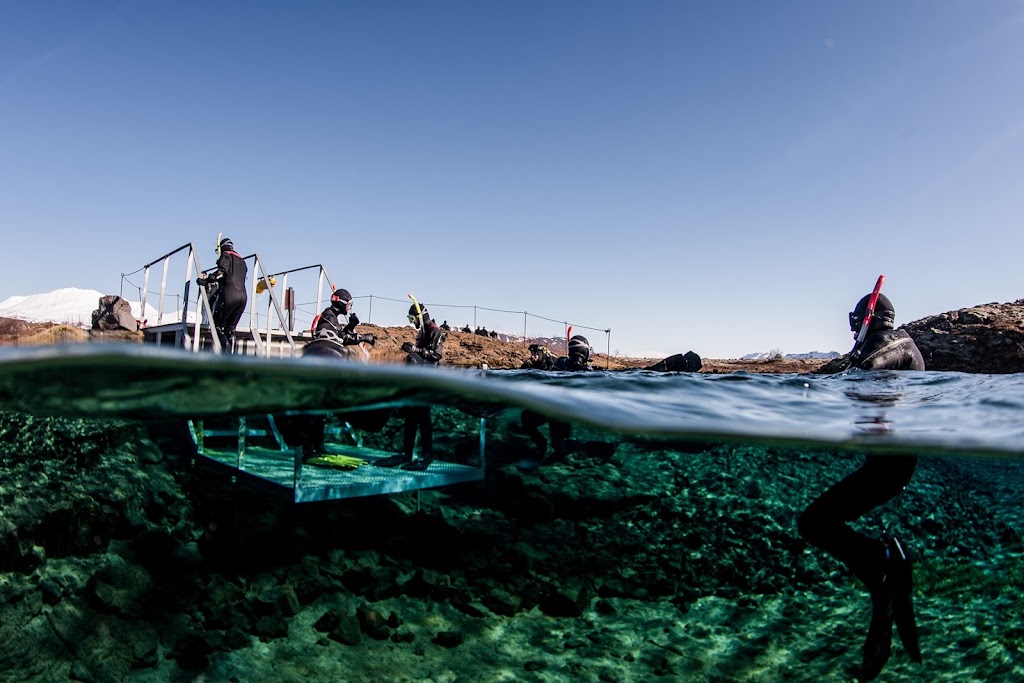
Divers typically enter the water either directly from the shore or via a ladder descent from the pier, offering flexible access to this subaquatic world. Beneath the surface, the seascape transitions between vast kelp forests, which serve as crucial habitats, and stretches of sandy seabed.
Intermittent coral formations rise from these sandy patches, adding textural contrast. While exploring, divers frequently encounter species such as wolf fish, scorpion fish, various flatfish, and monkfish.
A local resident, 'Tommi the Wolffish', is often sought out in his pier-side hideaway, adding a personal touch to the dive. Flatfish expertly camouflage themselves in the sandy 'desert' areas, with only their watchful eyes betraying their presence.
Conditions are Moderate
High Swell Advisory. Not recommended.
Current conditions near Garður show 9° air, 11° sea temperature, 2.2 m waves, and 24 km/h wind. Forecast data is refreshed regularly to ensure accuracy.
Best Time to Dive
For an optimal dive experience at Garður, planning a visit during the summer months is advisable. June, July, and August typically present the most favorable conditions, as reflected by moderate dive scores in our data. During these months, average air temperatures range from approximately 9°C (48°F) in June to 11.5°C (53°F) in August. Wave heights are generally lower, averaging around 1.5-1.7 meters (4.9-5.6 ft), with average wind speeds between 26.9-29.2 km/h (16.7-18.1 mph). Rainfall tends to be lighter in summer, with monthly averages between 2.2-3.2 millimeters, contributing to a more comfortable surface experience. Conversely, the winter months exhibit significantly poorer dive scores due to higher wave activity, stronger winds, and much colder air temperatures, making dives more challenging and less appealing. Water temperatures are not consistently reported but remain chilly year-round, necessitating appropriate thermal protection.
PEAK SEASON SCORE
Scores combine air & water temps, waves, wind & rainfall for overall conditions.
BEST MONTHS TO DIVE
Monthly records compiled from satellite and marine observation nodes over the last 3 years. Data provided by Open-Meteo and MET Norway.
Dive Experience & Conditions
Beginning your descent at Garður involves either a shore entry or using a ladder from the pier. Once submerged, the immediate area unfolds into an impressive 'garden' of over 42 distinct marine algae species. Moving beyond this initial display, you'll encounter extensive kelp forests, their fronds swaying with the ocean's gentle currents. These forests create a dynamic, ever-changing environment, providing excellent cover for various marine species. Visibility here varies depending on local weather and tidal patterns, but often allows for clear views of the vibrant flora and fauna. As you navigate the underwater landscape, you'll also traverse sandy patches where coral intermittently breaks the seabed, adding visual interest. Dives typically last between 30 to 45 minutes, allowing ample time to explore the diverse habitats. Given the consistently cold North Atlantic waters, dry suit diving is essential for comfort and safety, enabling extended bottom times.
Dive Difficulty & Safety Guidelines
Diving at Garður requires adherence to specific safety protocols to ensure a secure experience in cold water conditions. All participants must hold at least a PADI Open Water certification or an equivalent. Crucially, a dry suit diving certification is mandatory, along with documented proof of a logged dry suit dive within the past two years.
Alternatively, if your dry suit dive was more than two years ago, you'll need at least 10 logged dry suit dives within that timeframe, backed by written confirmation from a diving instructor. Divers are required to complete a Diving Medical Statement, with those aged 60 or older needing a doctor's signature on their form.
Physical fitness is essential, and divers must be able to communicate effectively in English. Be prepared to wear a dry suit, which can feel tight and constricting.
Additionally, for safety, divers are organized into small groups, typically three people per guide, and a comprehensive briefing is conducted before each dive.
Recommended Equipment
- Dive Computer
This gear list is based on verified equipment signals for Garður, Iceland. Always confirm final gear choices with your dive operator, guide, or liveaboard.
Recommended Dive Suit
Drysuit (strongly recommended) is widely used for recreational dives in waters of this temperature. A hood or vest is suggested for sensitive divers due to surface winds. Strong cold advisory: dress warmly immediately after exiting the water. Water conditions at Garður are currently measured at approximately 11°C (52°F). Surface air temperatures are resting at 9°C (48°F).
Forecast models show minimal temperature variation in the coming days.
Water temperatures can occasionally shift throughout the day depending on currents and depth layers.
Emergency & Medical Support
Essential information to help you plan your dive trip to Garður.

Hyperbaric chambers are a critical part of dive safety infrastructure. Availability varies significantly by region, and not all dive areas have immediate access.
Before diving, it's recommended to:
- confirm nearest medical facilities
- check emergency procedures with local dive operators
- ensure dive insurance covers evacuation if required
Divers Alert Network
Diving emergency assistance available through DAN Europe.
+39 0642115685- 24/7 emergency hotline
- Diving medical assistance
- Evacuation coordination
Emergency contacts are provided for reference. Always verify local emergency services before diving.
Marine Life at Garður
The underwater landscape at Garður is a thriving habitat, beginning with its impressive 'garden' of over 42 species of marine algae. These vibrant plants form a crucial base for the ecosystem, alongside extensive kelp forests that sway in the currents.
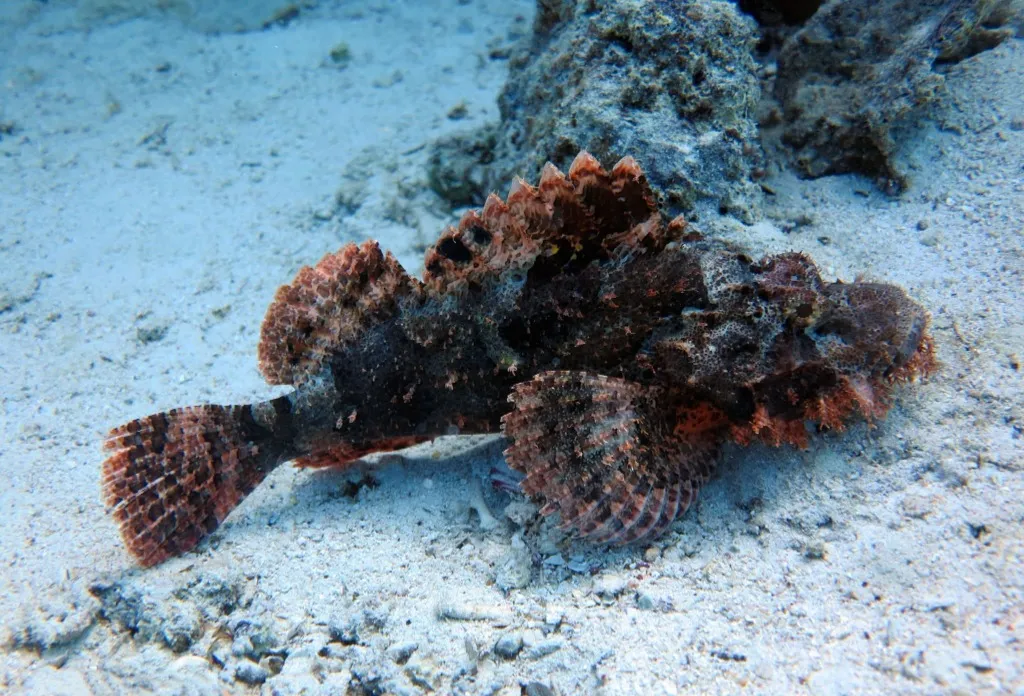
These dense forests provide shelter and feeding grounds for a variety of fish species. Common sightings include the intriguing wolf fish, elusive scorpion fish, various flatfish expertly camouflaged on sandy patches, and the unique monkfish.
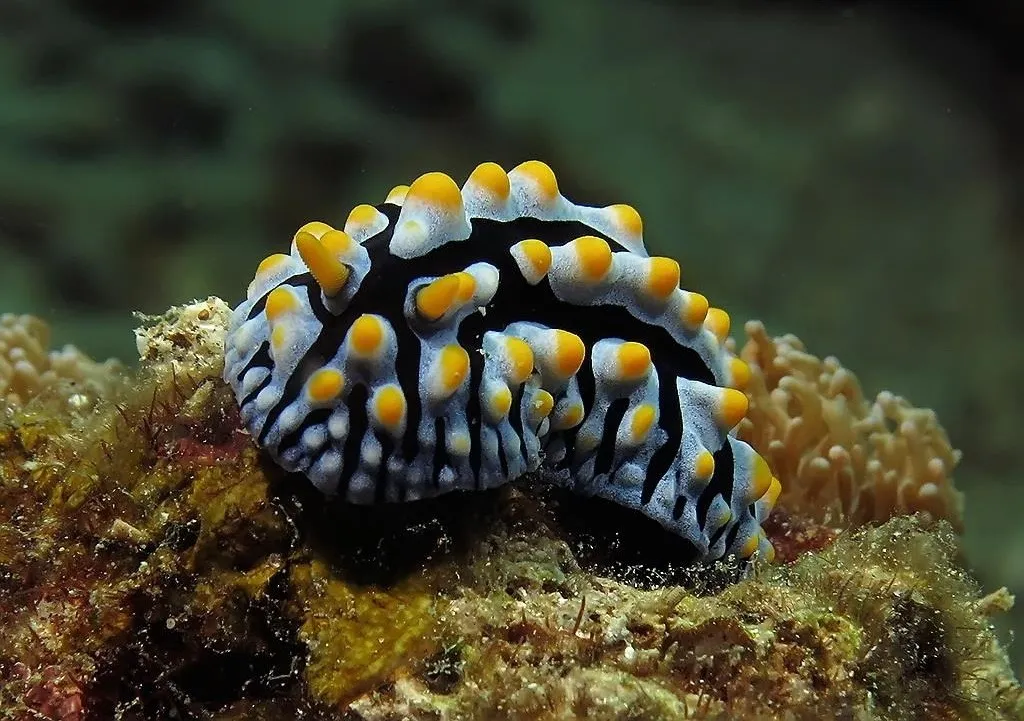
Divers often make a point to seek out 'Tommi the Wolffish,' known to reside in a specific hole near the pier. Additionally, the kelp forests are home to nudibranchs, lumpsuckers, and a wide array of fascinating invertebrates, adding further diversity to this North Atlantic site.

Dive Centers Near Garður
Today: Closed
Nearest Airports
Nearest airports to help plan travel to this dive area.
Search Flights
Check available flights and routes on Expedia, using the nearby airports listed in this section.
Search Flights on ExpediaFrequently Asked Questions
What is Garður known for underwater?
Garður is distinctive for its 'marine garden' featuring over 42 species of algae and extensive kelp forests. These habitats support a diverse range of cold-water marine life, creating a unique visual experience.
What are the typical entry points for diving at Garður?
Divers can enter the water at Garður either directly from the shore, providing a gradual access, or by descending a ladder from the pier. Both methods offer convenient entry to the dive site.
What kind of marine life can I expect to see?
You can expect to encounter wolf fish, scorpion fish, various flatfish, and monkfish among the kelp and sandy areas. Nudibranchs, lumpsuckers, and diverse invertebrates also populate the rich underwater environment.
What are the key certification requirements for diving here?
You must be a certified PADI Open Water diver (or equivalent) with a dry suit certification. It's also required to have a logged dry suit dive within the past two years, or at least 10 logged dry suit dives with instructor verification if your last dry suit dive was older than two years.
When is the best time to dive at Garður?
The most favorable conditions for diving at Garður are typically during the summer months, from June to August. During this period, air temperatures are milder, and wave and wind conditions are generally calmer, offering a more comfortable experience.
How long do typical dives last at Garður?
Most dives at Garður usually last between 30 to 45 minutes. This duration allows divers sufficient time to explore the diverse kelp forests, algae gardens, and sandy patches while maintaining safety in the cold conditions.
Are there specific safety considerations for older divers?
Yes, divers aged 60 or older are required to have their Diving Medical Statement signed off by a doctor. This ensures that any potential health considerations are addressed prior to diving in these specific conditions.
Planning to dive Garður?
Send one inquiry and receive offers directly from the best verified local dive operators.
Conditions are Moderate
High Swell Advisory. Not recommended.
Current conditions near Garður show 9° air, 11° sea temperature, 2.2 m waves, and 24 km/h wind. Forecast data is refreshed regularly to ensure accuracy.