
Diving at Addu Manta Point (India)
Addu Manta Point stands out for its consistent, year-round congregation of reef manta rays, a rare treat in the Maldives. This cleaning station, found in the southernmost Addu Atoll, delivers an exclusive experience, a refreshing contrast to more crowded northern sites. Divers here encounter these magnificent creatures without the heavy tourism footprint, making each interaction feel truly special. It's an opportunity for unhurried observation.
As evening covers Addu Manta Point, the local air temperature is measured at 27°C. The current wave height at the surface is recorded at 1.7 m. These late-day readings characterize the surface conditions for the night.
Dive Site Location & Key Facts
Dive Site Overview
Understanding the prevailing conditions is key to appreciating Addu Manta Point, a consistent manta ray cleaning station within Maa Kandu. Reef mantas gather here year-round, specifically drawn by the morning's incoming current.
This reliable pattern distinguishes the site from more seasonal manta aggregations found elsewhere, ensuring unparalleled observation opportunities. Divers typically reach this southernmost Maldivian atoll by domestic flight, an approximately 1 hour and 20 minute journey from Male to Gan, followed by a brief transfer to their dive base. Diving often involves drift and channel techniques, with depths extending to a maximum of 25 m / 82 ft.
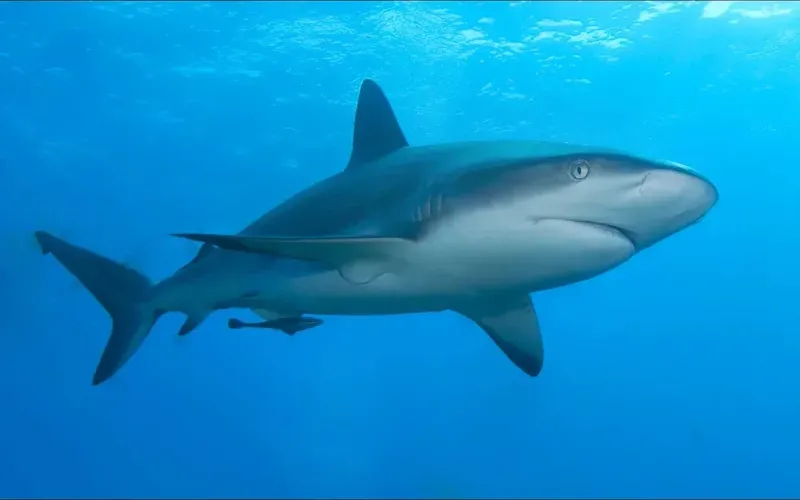
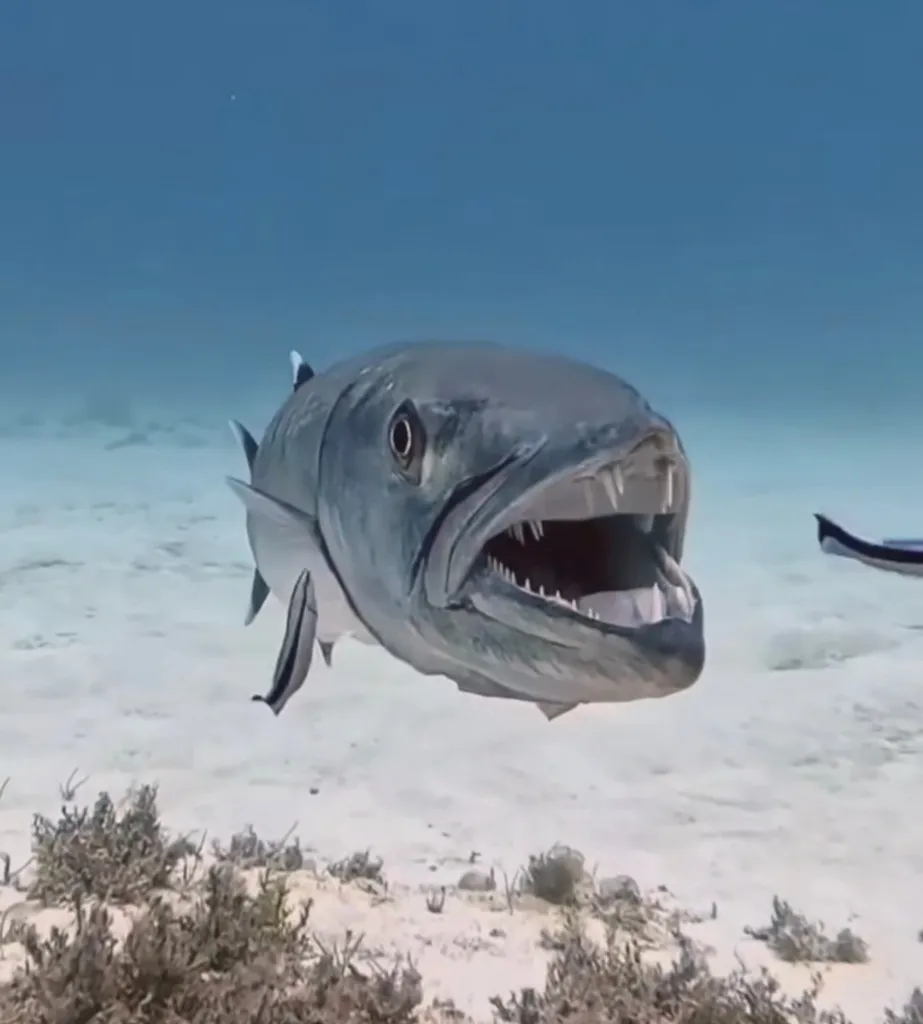
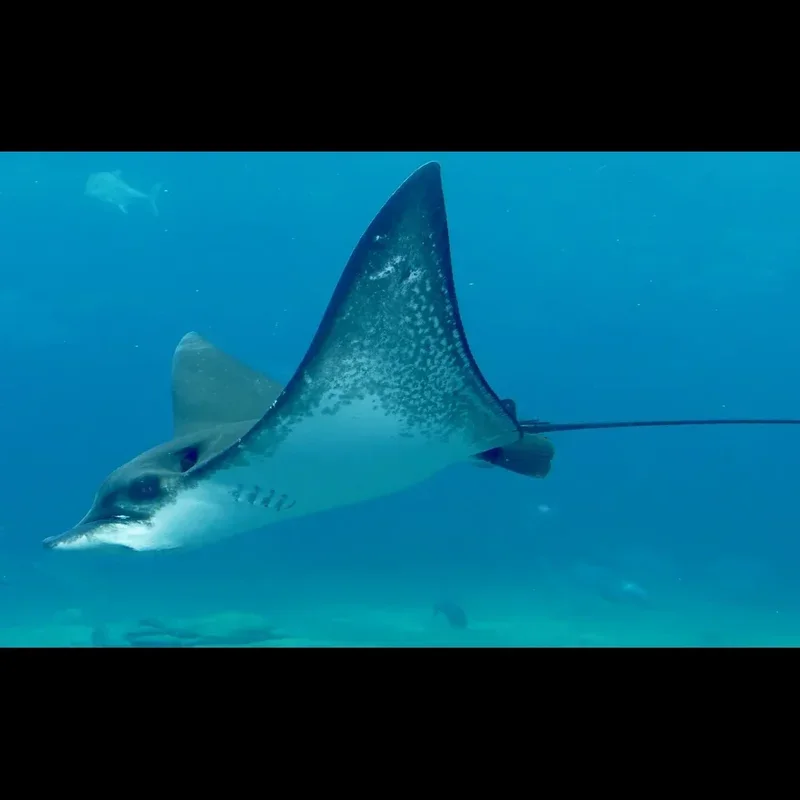
Beyond these guaranteed manta encounters, the surrounding hard coral reefs support a rich ecosystem. Expect to see an abundance of tropical fish, alongside common sightings of grey reef sharks, barracudas, and eagle rays, contributing to a diverse and engaging underwater panorama in this less-trodden Indian Ocean corner.
Conditions are Excellent
07:00 - 14:00
Optimal conditions expected
Current conditions near Addu Manta Point show 27° air, 30° sea temperature, N/A waves, and 8 km/h wind. Forecast data is refreshed regularly to ensure accuracy.
Best Time to Dive
Optimal diving conditions at Addu Manta Point primarily align with lower wave activity and consistent visibility, though manta rays are present throughout the year. The 'Good' dive scores typically appear in March, April, and November, suggesting these months offer a favorable balance of calm seas and clear waters. During these periods, average air temperatures comfortably sit between 28°C and 28.5°C (82-83°F), while the water temperature generally remains warm, around 27-29°C (81-84°F). Rainfall is generally minimal across the year, with averages typically ranging from 2 to 8.5 mm, minimizing surface disruption. Wind speeds vary, but generally don't impede diving significantly. While July often sees higher average wave heights nearing 2.0 meters, overall conditions allow for diving most of the year, with specific seasonal nuances impacting surface comfort more than underwater viewing. For the most consistently pleasant experience, aiming for the 'Good' rated months is advisable.
PEAK SEASON SCORE
Scores combine air & water temps, waves, wind & rainfall for overall conditions.
BEST MONTHS TO DIVE
Monthly records compiled from satellite and marine observation nodes over the last 3 years. Data provided by Open-Meteo and MET Norway.
Dive Experience & Conditions
Encountering Addu Manta Point fundamentally revolves around understanding the current dynamics. This cleaning station thrives on an incoming current, typically strongest in the morning, which draws in reef mantas. Divers often perform drift dives along the channel, allowing the current to carry them past the cleaning station for extended viewing opportunities. Visibility tends to be excellent, often exceeding 20-30 meters, a common trait in the warm waters of the Maldives. While the current can be moderate to strong, making it a suitable drift dive, it's generally manageable for certified divers with some experience in moving water. Maintaining proper buoyancy and respect for the mantas' space is paramount here. The overall feeling is one of being a respectful observer, immersed in a natural behavioral spectacle.
Dive Difficulty & Safety Guidelines
To ensure a safe and rewarding dive at Addu Manta Point, advanced training, such as the PADI Advanced Open Water Diver course, helps in managing currents. Strong incoming currents frequently occur, especially at the cleaning station. Precise buoyancy control and a reef hook can be valuable for remaining steady without contacting the reef.
Always keep a respectful distance from manta rays and all marine life. Avoid touching, chasing, or blocking their natural movements.
Heed briefings from local guides; they possess intimate knowledge of daily current patterns and manta behavior. Engaging with reputable, experienced dive centers in Addu Atoll supports adherence to local regulations and best practices, balancing diver safety with marine conservation efforts.
Recommended Equipment
Current and surface separation risk. Local briefing strongly recommended.
- Dive Computer
- DSMB
- Reel / Spool
This gear list is based on verified equipment signals for Addu Manta Point, India. Always confirm final gear choices with your dive operator, guide, or liveaboard.
Recommended Dive Suit
Forecast trends indicate similar diving conditions over the next few days.
Factors such as dive duration, depth, and activity level can influence how warm a diver feels underwater.
Dive skin or rash guard typically balances flexibility and thermal protection in these temperatures. The surrounding waters at Addu Manta Point are currently registering temperatures of roughly 30°C (86°F). Surface air temperatures are resting at 27°C (81°F).
Emergency & Medical Support
Essential information to help you plan your dive trip to Addu Manta Point.

Hyperbaric chambers are a critical part of dive safety infrastructure. Availability varies significantly by region, and not all dive areas have immediate access.
Before diving, it's recommended to:
- confirm nearest medical facilities
- check emergency procedures with local dive operators
- ensure dive insurance covers evacuation if required
Divers Alert Network
Diving emergency assistance available through DAN World.
+1-919-684-9111- 24/7 emergency hotline
- Diving medical assistance
- Evacuation coordination
Emergency contacts are provided for reference. Always verify local emergency services before diving.
Marine Life at Addu Manta Point
The vibrant underwater landscape of Addu Manta Point is dominated by the graceful presence of reef manta rays, congregating at their cleaning station. These gentle giants are the primary draw, performing their natural ballet as smaller fish remove parasites.
Beyond these magnificent creatures, the surrounding hard coral reefs are home to a diverse array of tropical fish species, creating a kaleidoscope of color. Keep an eye out for resident grey reef sharks patrolling the deeper sections, alongside schools of barracudas and dogtooth tunas.
Eagle rays are also common sightings, adding to the rich biodiversity this pristine southern atoll supports.

Dive Centers Near Addu Manta Point
No Dive Centers Local To Addu Manta Point
Are you a dive center visiting this location? Get listed to reach divers.
Nearest Airports
Nearest airports to help plan travel to this dive area.
Frequently Asked Questions
What makes Addu Manta Point a unique dive destination?
This site is exceptionally reliable for year-round encounters with reef manta rays, gathering at a specific cleaning station. It stands out in the Maldives for its consistent manta presence and relatively untouristed environment.
What are the typical depths at Addu Manta Point?
Divers typically explore depths reaching a maximum of 25 meters (82 feet). The cleaning station itself is usually found shallower, allowing for extended observation times.
What dive experience should I have for Addu Manta Point?
While suitable for certified divers, experience with drift and channel diving is beneficial due to incoming currents. The PADI Advanced Open Water Diver certification is recommended to enhance skills for such conditions.
How do I travel to Addu Atoll to dive this site?
Access to Addu Atoll requires a domestic flight from Male to Gan, which takes about 1 hour and 20 minutes. From Gan airport, a short car transfer leads to local guesthouses and dive centers.
Besides mantas, what other marine life can be observed?
The site and surrounding reefs host a rich variety of marine life including grey reef sharks, barracudas, and eagle rays. You'll also encounter numerous species of tropical fish and healthy hard coral formations.
Are there any specific rules for interacting with manta rays?
Yes, always maintain a respectful distance, avoid touching or chasing them, and never obstruct their natural path. Following your dive guide's instructions is paramount to ensure both your safety and the well-being of the marine life.
Planning to dive Addu Manta Point?
Send one inquiry and receive offers directly from the best verified local dive operators.
Conditions are Excellent
07:00 - 14:00
Optimal conditions expected
Current conditions near Addu Manta Point show 27° air, 30° sea temperature, N/A waves, and 8 km/h wind. Forecast data is refreshed regularly to ensure accuracy.