
Diving at Cannibal Rock (Indonesia)
Approaching Cannibal Rock, divers are immediately struck by an otherworldly carpet of marine growth. This prominent seamount, often described as a living canvas, bursts with an extraordinary density of corals and featherstars. Their fluorescent greens, vivid yellows, deep reds, blacks, and whites create a visual spectacle that sets this Komodo site apart, drawing the eye to every intricate detail from the moment of arrival.
Tonight's objective overview for Cannibal Rock shows an air temperature of 28.5°C. The measured surface conditions include wave heights around 0.7 m. This environmental data is logged for the close of the day.
Dive Site Location & Key Facts
Dive Site Overview
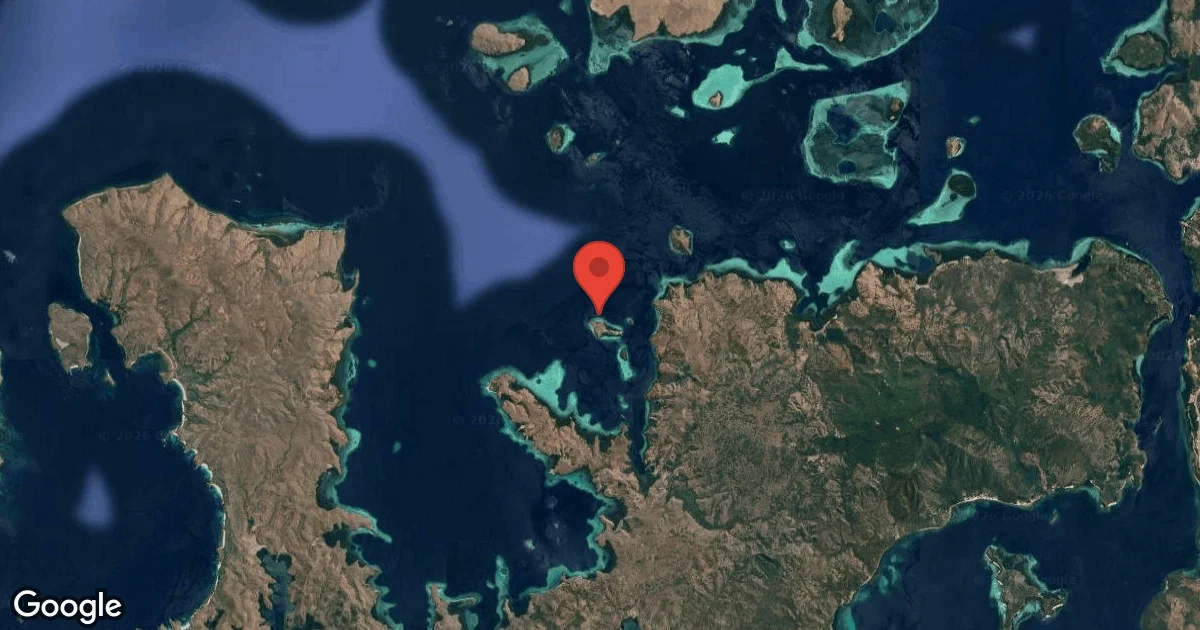
Situated within the U-shaped Horseshoe Bay, a naturally protected area south of Rinca Island, Cannibal Rock thrives in an exceptionally dynamic environment within Komodo National Park. This substantial seamount ascends dramatically, its highest point cresting approximately 3 meters / 10 feet below the surface, acting as a beacon for marine life.
While its position within the bay offers shelter from direct open ocean swell, it actively channels cold, nutrient-rich upwellings. These currents deliver a constant supply of food, fueling the site's staggering biodiversity and creating a dense, living tapestry that blankets virtually every surface. Divers exploring this site discover a world where both the minute and the magnificent coexist: it's a prime location for macro photography, showcasing rare critters amidst the vibrant corals, and simultaneously draws schools of diverse reef fish and larger pelagic species patrolling the deeper blues.
Descending its varied walls, ledges, and exploring its shallow summit provides new revelations on every dive, ensuring the experience is rarely, if ever, repetitive.
Conditions are Excellent
07:00 - 14:00
Optimal conditions expected
Current conditions near Cannibal Rock show 28° air, 27° sea temperature, 0.7 m waves, and 23 km/h wind. Forecast data is refreshed regularly to ensure accuracy.
Best Time to Dive
To experience Cannibal Rock at its most comfortable, planning a trip between October and April is often suggested, aligning with the area's 'south season.' During these months, average air temperatures generally range from 27.5-29°C / 82-84°F, though cooler averages around 26.5°C / 80°F can occur in July and August. Rainfall is notably lower from May through November, averaging less than 2.5 mm / 0.1 inches per month, contributing to generally favorable surface conditions. While the dive score remains consistently good across much of the year, these periods often present more settled weather, allowing for a relaxed exploration of this nutrient-rich site.
PEAK SEASON SCORE
Scores combine air & water temps, waves, wind & rainfall for overall conditions.
BEST MONTHS TO DIVE
Monthly records compiled from satellite and marine observation nodes over the last 3 years. Data provided by Open-Meteo and MET Norway.
Dive Experience & Conditions
Descending into the waters of Cannibal Rock reveals a landscape ranging from a shallow reef summit to depths exceeding 45 m / 147 ft along its walls and slopes. The site is known for its nutrient-rich waters, which can sometimes reduce visibility, though this often contributes to the abundance of marine life. While system data does not consistently report water temperatures, divers often note that the water here can be a bit cold compared to other Komodo sites. Currents can be significant, making it an intermediate to advanced dive that requires careful planning and experienced guidance to navigate the shifting conditions effectively.
Dive Difficulty & Safety Guidelines
Navigating Cannibal Rock requires an intermediate to advanced skill level, primarily due to the potential for strong currents that can be encountered around the seamount. Divers should stay vigilant and be prepared for varying water movements. Given that visibility can be reduced by the site's rich nutrients, carrying a torch or strobe is an expert tip for enhancing detail and spotting the many macro subjects.
Always dive with a reputable operator familiar with local conditions and consider an Advanced Open Water certification to safely explore the site's full depth range and diverse features.
Recommended Equipment
Technical depth range. Advanced planning, gas management, and appropriate certification required.
- Dive Computer
- DSMB
- Primary & Backup Lights
This gear list is based on verified equipment signals for Cannibal Rock, Indonesia. Always confirm final gear choices with your dive operator, guide, or liveaboard.
Recommended Dive Suit
With water temperatures around 27°C (80°F), many divers find a 2-3mm shorty or light wetsuit provides comfortable protection.
Divers performing multiple dives may appreciate slightly warmer protection later in the day.
Forecast models indicate that diving conditions should remain largely unchanged.
Emergency & Medical Support
Essential information to help you plan your dive trip to Cannibal Rock.

Hyperbaric chambers are a critical part of dive safety infrastructure. Availability varies significantly by region, and not all dive areas have immediate access.
Before diving, it's recommended to:
- confirm nearest medical facilities
- check emergency procedures with local dive operators
- ensure dive insurance covers evacuation if required
Divers Alert Network
Diving emergency assistance available through DAN World.
+1-919-684-9111- 24/7 emergency hotline
- Diving medical assistance
- Evacuation coordination
Emergency contacts are provided for reference. Always verify local emergency services before diving.
Marine Life at Cannibal Rock
The seamount's vibrant tapestry of life immediately captures attention, especially the dense arrays of featherstars that cloak every surface in brilliant hues. Beyond this visual spectacle, Cannibal Rock is a significant macro hotspot.
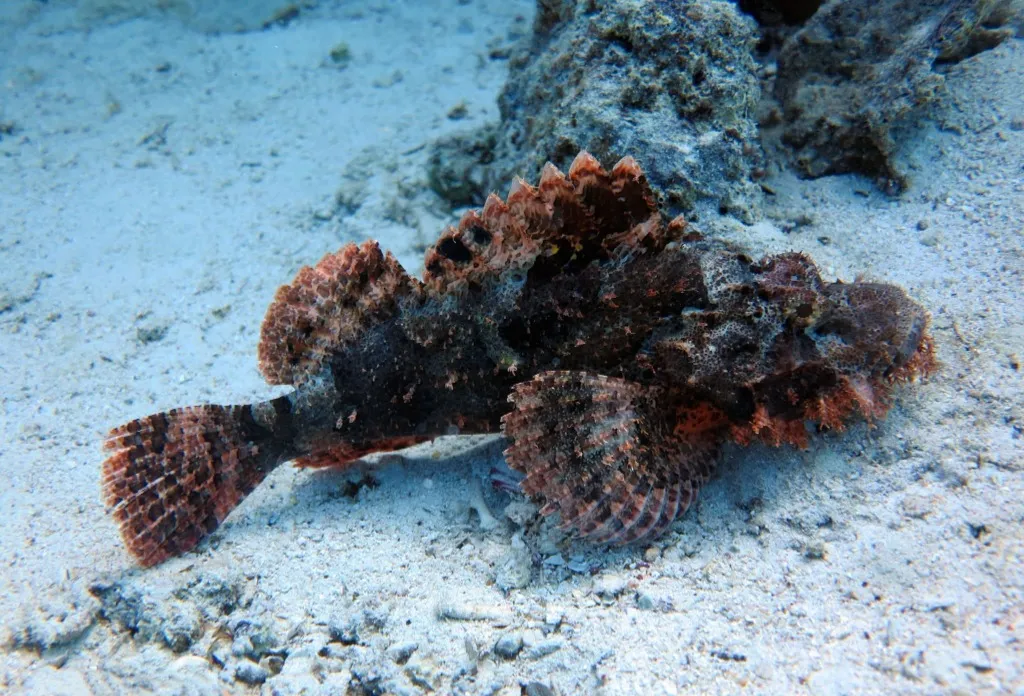
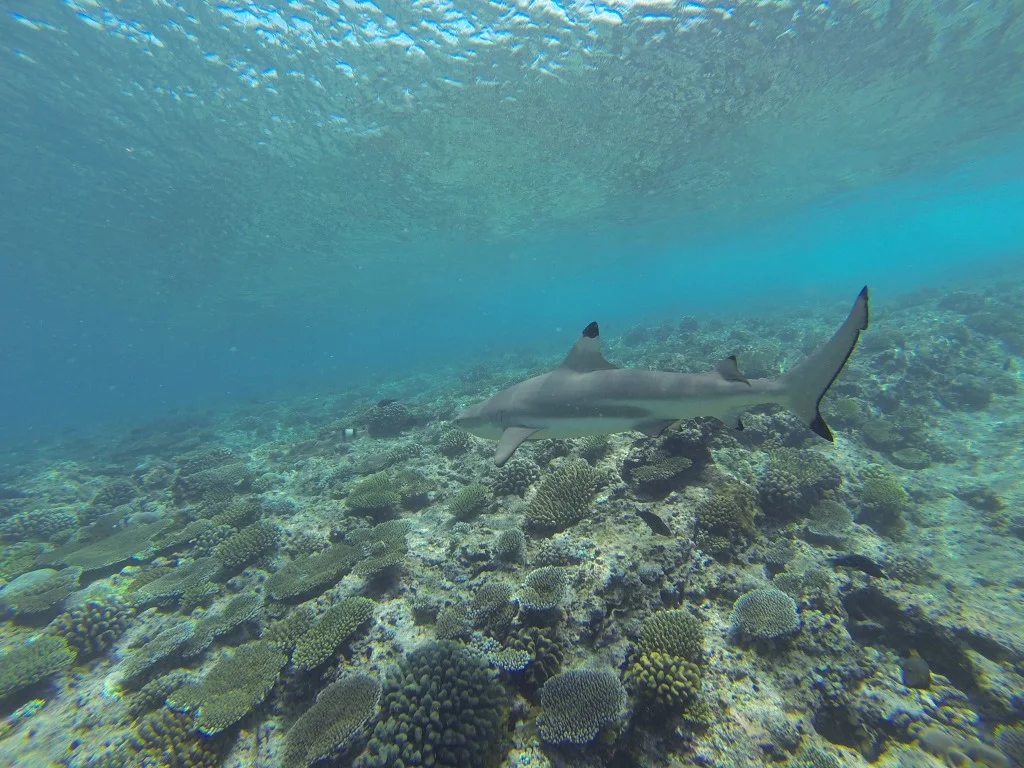
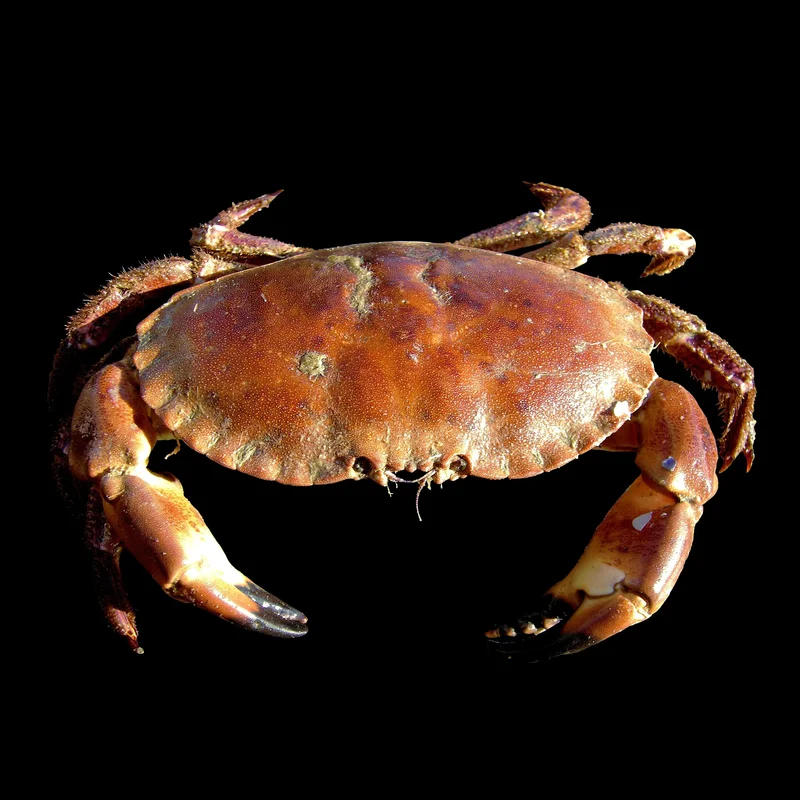
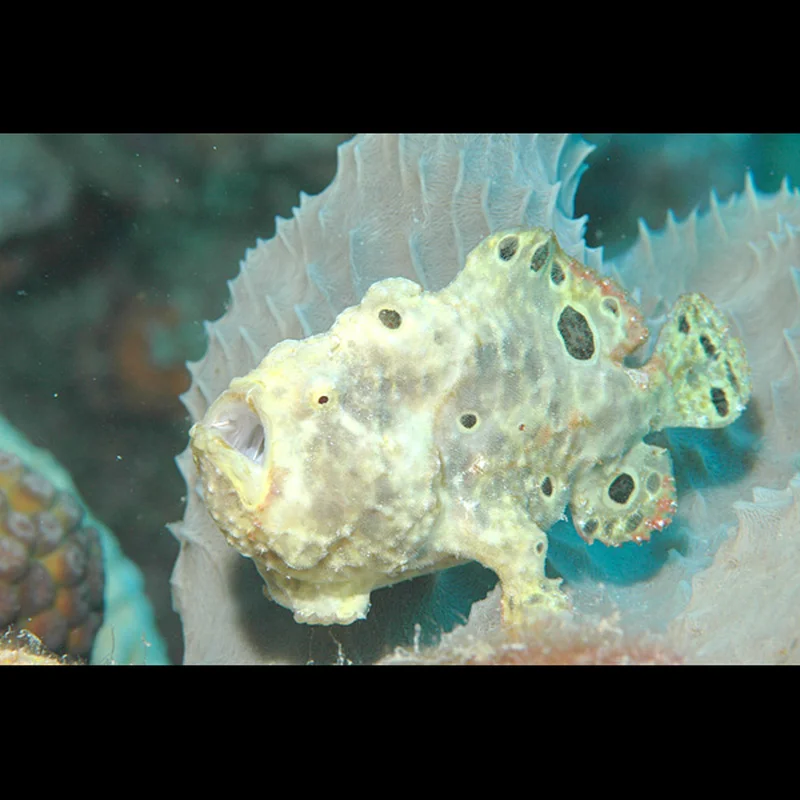
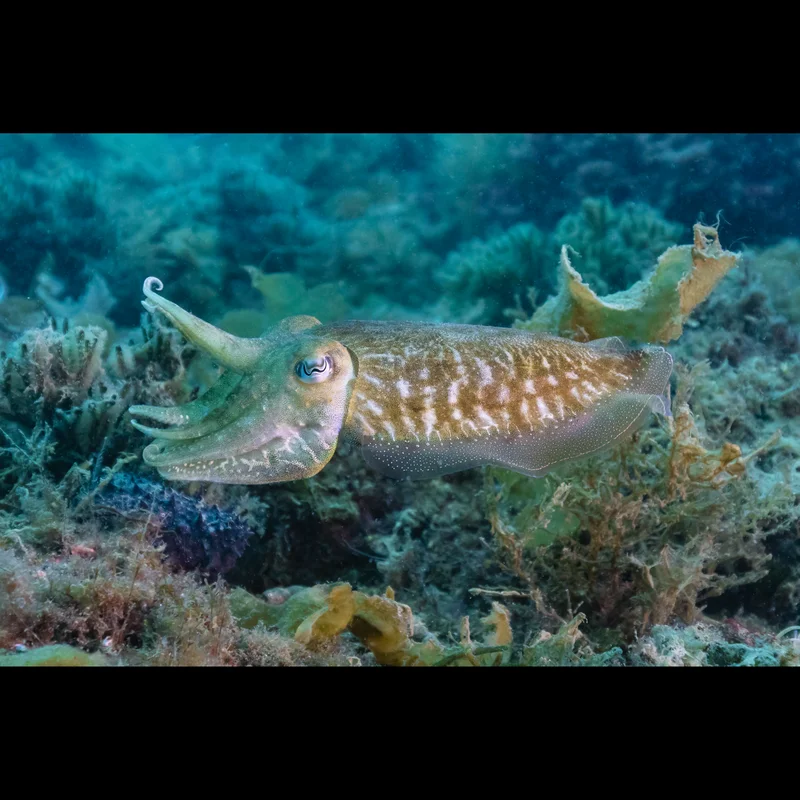
Divers frequently encounter giant and not-so-giant frogfish, elusive leafy scorpionfish, Coleman shrimps, and various nudibranchs. Keep an eye out for signature sea apples and Xeno crabs, or scan the deeper blue for reef fish and larger pelagic visitors, including cuttlefish, torpedo rays, and occasional sharks.
Dive Sites Near Cannibal Rock
View all dive sites in IndonesiaDiscover more underwater gems in this area.
Dive Centers Near Cannibal Rock
Today: 10:00 - 19:00
Nearest Airports
Nearest airports to help plan travel to this dive area.
Search Flights
Check available flights and routes on Expedia, using the nearby airports listed in this section.
Search Flights on ExpediaFrequently Asked Questions
What is the maximum depth at Cannibal Rock?
The seamount's summit is around 3 meters below the surface. Its walls and slopes descend to a maximum depth of 45 meters, providing a significant vertical range for exploration.
Are currents a concern when diving here?
Yes, currents at Cannibal Rock can be significant. It is considered an intermediate to advanced dive site, and divers should be prepared for varying water movements and plan their dives with experienced guides.
What kind of marine life can I expect to see?
This site is celebrated for its dense coral and featherstar coverage, and rich macro life. You'll likely encounter frogfish, leafy scorpionfish, Coleman shrimps, nudibranchs, sea apples, and occasionally larger reef fish and pelagics.
What is the water temperature like at Cannibal Rock?
Specific water temperature data is not consistently reported. However, divers often describe the water at Cannibal Rock as being a bit cold, likely due to the nutrient-rich upwellings it receives.
Is Cannibal Rock suitable for beginner divers?
Cannibal Rock is best suited for intermediate to advanced divers due to the potential for strong currents and its depth range. It's recommended to have an Advanced Open Water Diver certification for optimal safety and enjoyment.
Why is it called Cannibal Rock?
While the name sounds ominous, it generally refers to the site's reputation for being a 'feeding ground' where various marine species converge due to the rich nutrients, rather than any literal cannibalistic activity.
Planning to dive Cannibal Rock?
Send one inquiry and receive offers directly from the best verified local dive operators.
Conditions are Excellent
07:00 - 14:00
Optimal conditions expected
Current conditions near Cannibal Rock show 28° air, 27° sea temperature, 0.7 m waves, and 23 km/h wind. Forecast data is refreshed regularly to ensure accuracy.