
Diving at Wae Nilu (Indonesia)
While many sites within Komodo National Park are known for strong currents, Wae Nilu presents a more nuanced challenge with its moderate, yet sometimes variable, currents and diverse depths up to 30 m (100 ft). Divers must approach the site with a clear understanding of current behavior and be prepared for a dynamic underwater environment. Its accessible nature doesn't negate the need for attentive dive planning, ensuring an enjoyable experience without undue stress. This careful preparation is essential for navigating the site effectively.
Evening condition tracking at Wae Nilu features an air temperature of 25°C. We have recorded wave heights measuring 0.4 m during this period. These figures outline the environmental parameters currently present.
Dive Site Location & Key Facts
Dive Site Overview
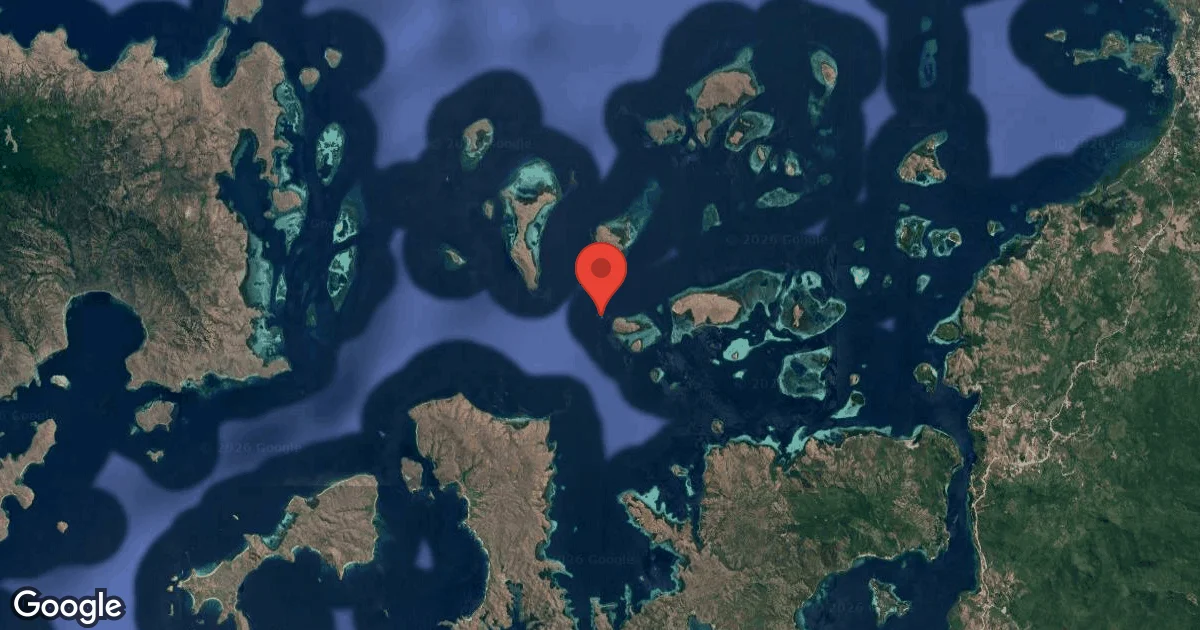
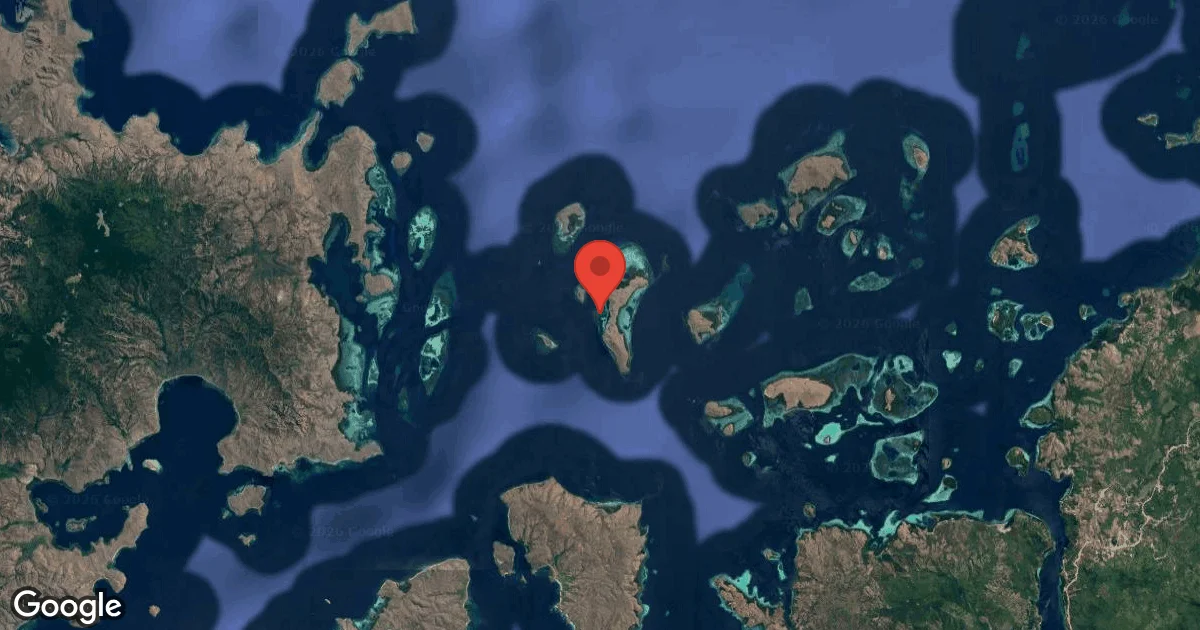
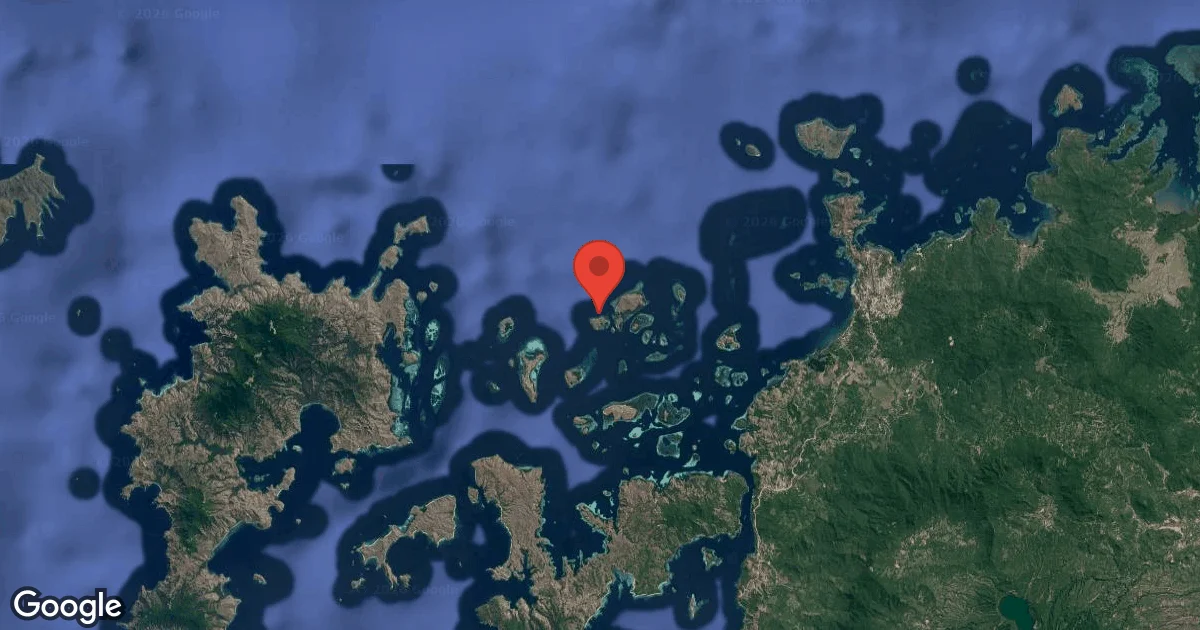
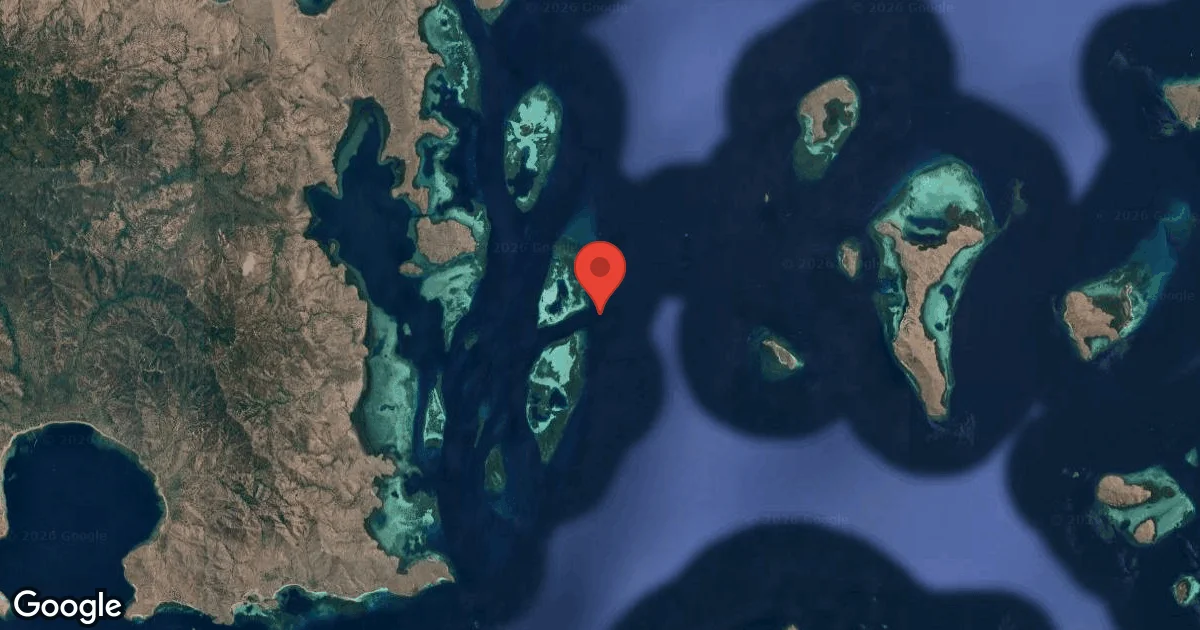
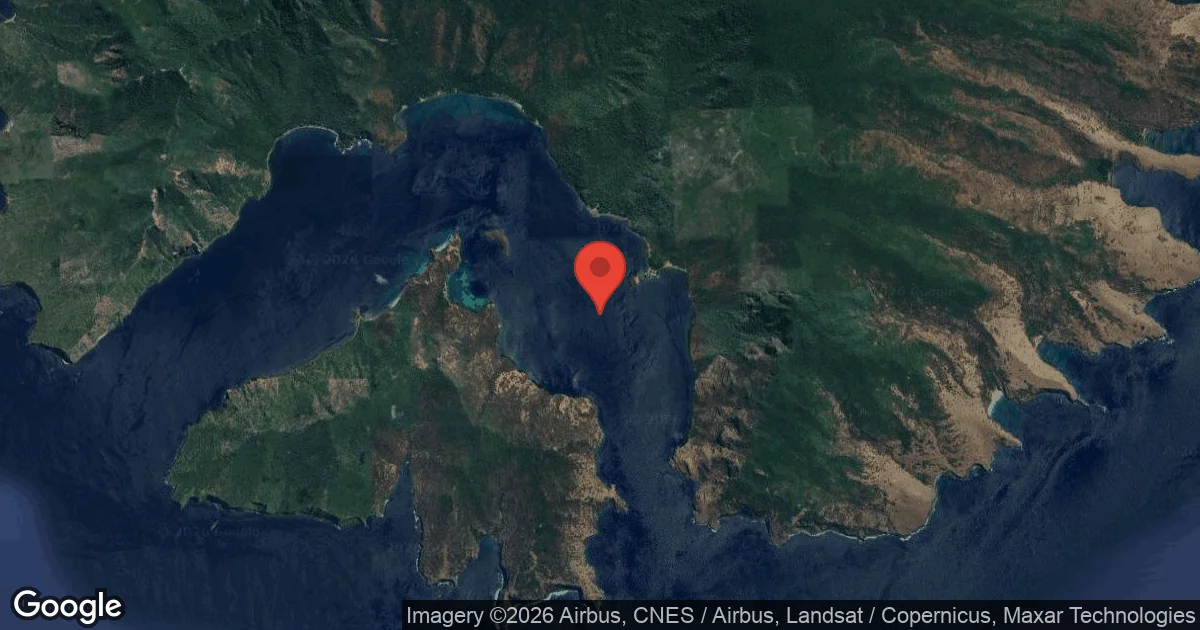
Wae Nilu, a site steadily gaining recognition among macro enthusiasts, was once perhaps overshadowed by Komodo's larger pelagic attractions. Strategically positioned near Rinca Island, this location showcases a diverse underwater topography that transitions from vibrant coral patches to expansive sandy slopes and rich muck diving terrain.
Descending here reveals a captivating landscape, proving an excellent choice for uncovering hidden life forms. The site reaches a maximum depth of 30 m (100 ft), providing a wide recreational depth range for exploration and discovery. Many creatures uniquely adapted to its "Sandy Bottom" and "Muck Diving" environments can be found here.
Divers frequently find Wae Nilu included as part of multi-dive itineraries departing from Labuan Bajo, making it a convenient and rewarding addition to any Komodo diving trip. The varying substrate, from fine sediment to scattered rubble, supports a surprisingly dense population of camouflaged invertebrates and small fish.
Strong conservation efforts at this site are actively in place, including limiting diver numbers and enforcing strict no-touch policies. These measures safeguard Wae Nilu's delicate ecosystems for future generations of divers, preserving its intricate beauty and scientific value.
Conditions are Excellent
07:00 - 14:00
Optimal conditions expected
Current conditions near Wae Nilu show 25° air, 28° sea temperature, 0.5 m waves, and 23 km/h wind. Forecast data is refreshed regularly to ensure accuracy.
Best Time to Dive
Optimal diving conditions at Wae Nilu typically emerge from April through December, offering enhanced visibility and calmer surface conditions. During these months, average air temperatures range pleasantly from 28°C (82°F) in April to 29.5°C (85°F) in November, with significantly reduced rainfall, often below 1 mm, particularly from May to October. This period aligns with the dry season, providing the most favorable environment for underwater exploration. Even during the wetter months from January to March, average rainfall, while higher, generally remains under 8 mm, and dive scores indicate good conditions are still frequently possible. However, April and November are highlighted with excellent dive scores, presenting prime opportunities.
PEAK SEASON SCORE
Scores combine air & water temps, waves, wind & rainfall for overall conditions.
BEST MONTHS TO DIVE
Monthly records compiled from satellite and marine observation nodes over the last 3 years. Data provided by Open-Meteo and MET Norway.
Dive Experience & Conditions
Descending into Wae Nilu’s clear waters, divers immediately notice the shifting topography which transitions from vibrant coral ecosystems to extensive sandy slopes and muck diving terrain. The site truly comes alive through its intricate macro life, often requiring careful observation rather than expansive views. Though conditions are generally considered easy, moderate currents are frequently encountered, particularly at varied depths. Water clarity often provides good visibility, which is crucial for spotting the camouflaged creatures that thrive here. This blend of gentle and moderate currents, along with variable depths, ensures an engaging experience for divers who appreciate slower, more detailed exploration.
Dive Difficulty & Safety Guidelines
Regardless of a diver's experience level, adhering to established safety protocols is paramount at Wae Nilu. Always follow your dive instructor's guidance, especially when navigating areas with moderate currents. Local authorities and conservation organizations maintain strict no-touch and no-collect policies to protect the fragile marine environment.
Divers must maintain proper buoyancy control, particularly over the sandy and rubble bottoms, to avoid disturbing delicate organisms or stirring up sediment. It's a site that rewards patience and careful observation, so take your time and move deliberately to fully appreciate its unique offerings.
Recommended Equipment
- Dive Computer
This gear list is based on verified equipment signals for Wae Nilu, Indonesia. Always confirm final gear choices with your dive operator, guide, or liveaboard.
Recommended Dive Suit
With water temperatures around 28°C (82°F), many divers find a 2-3mm shorty or light wetsuit provides comfortable protection.
Local dive briefings can provide the most accurate guidance.
Surface conditions are expected to warm up slightly in the coming days. A warming trend is expected over the next few days.
Emergency & Medical Support
Essential information to help you plan your dive trip to Wae Nilu.

Hyperbaric chambers are a critical part of dive safety infrastructure. Availability varies significantly by region, and not all dive areas have immediate access.
Before diving, it's recommended to:
- confirm nearest medical facilities
- check emergency procedures with local dive operators
- ensure dive insurance covers evacuation if required
Divers Alert Network
Diving emergency assistance available through DAN World.
+1-919-684-9111- 24/7 emergency hotline
- Diving medical assistance
- Evacuation coordination
Emergency contacts are provided for reference. Always verify local emergency services before diving.
Marine Life at Wae Nilu
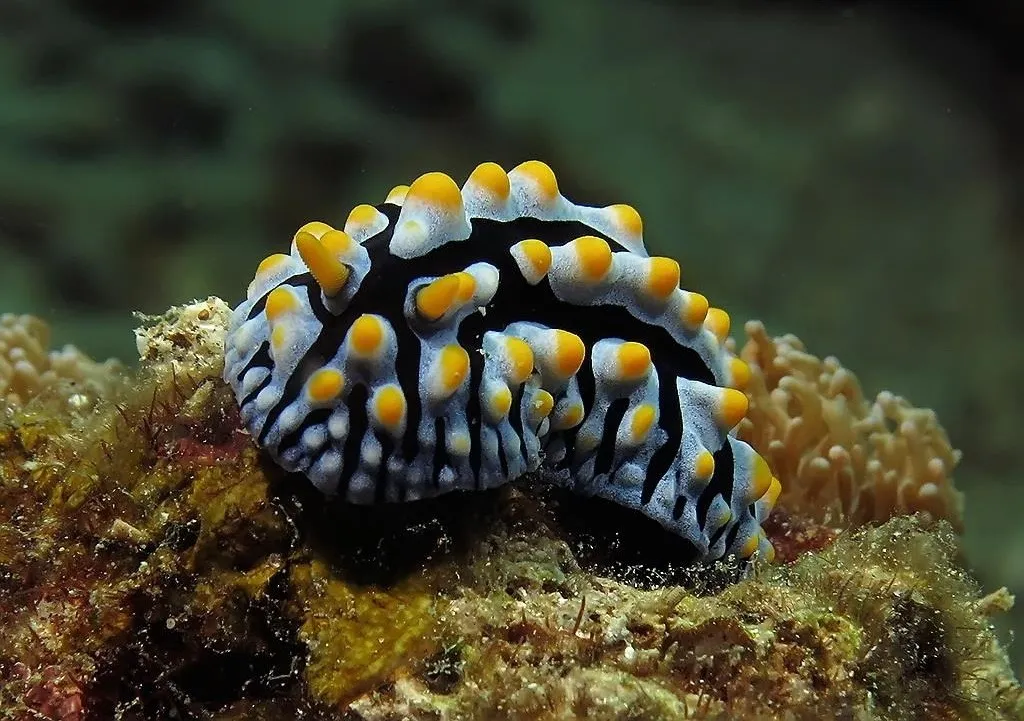
Focusing eyes on the sandy slopes and rubble patches reveals Wae Nilu's exceptional macro diversity, making it a compelling muck diving destination. Enthusiasts can expect to find a wide array of nudibranchs, including the distinctive Picachu nudibranch, along with blue and black ribbon eels.
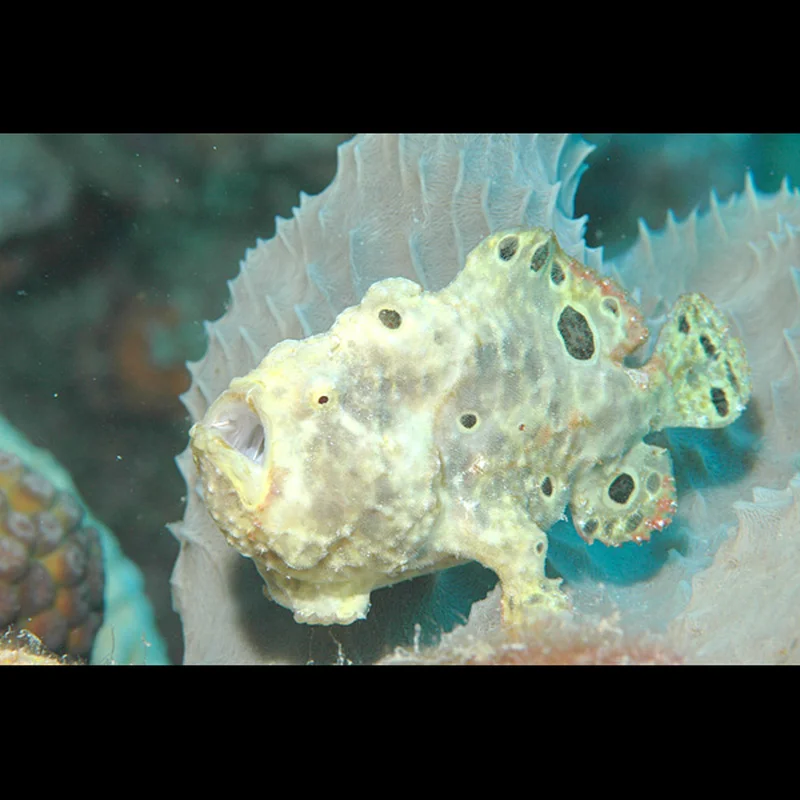
Ghost pipefish, razorfish, and a variety of frogfish are commonly spotted blending seamlessly into their surroundings. Hidden gems like zebra crabs nestled in fire urchins, decorator crabs, and thornback cowfish add to the site's rich tapestry.
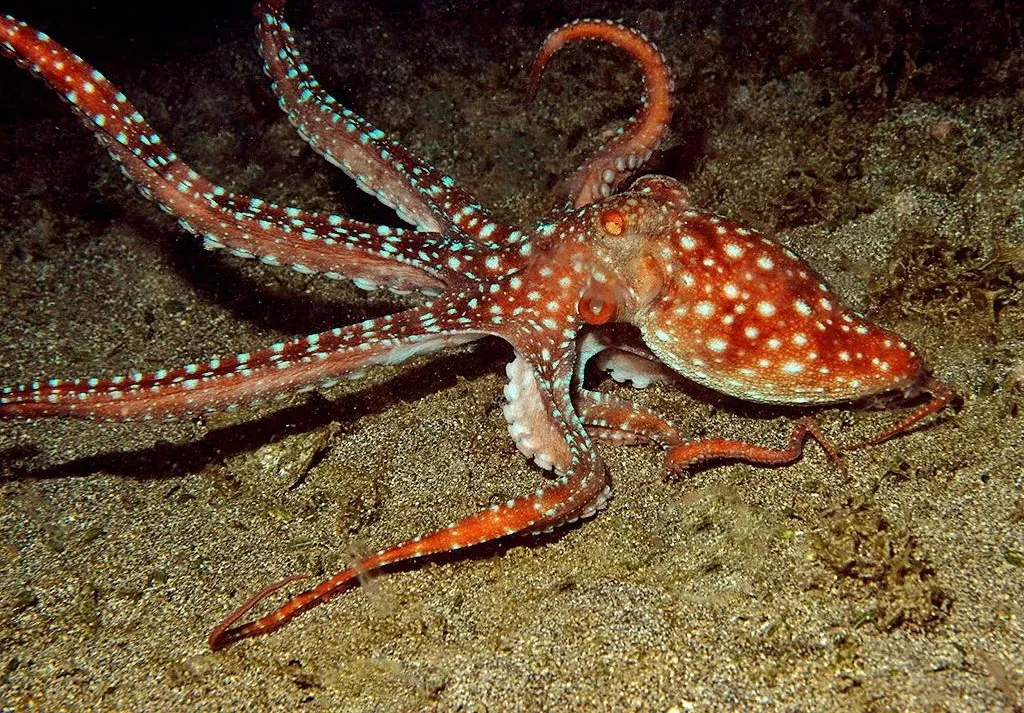
Keep an eye out for blue-ringed octopuses, mantis shrimps, and demon stingers, all contributing to an immersive experience for macro photographers.

Dive Sites Near Wae Nilu
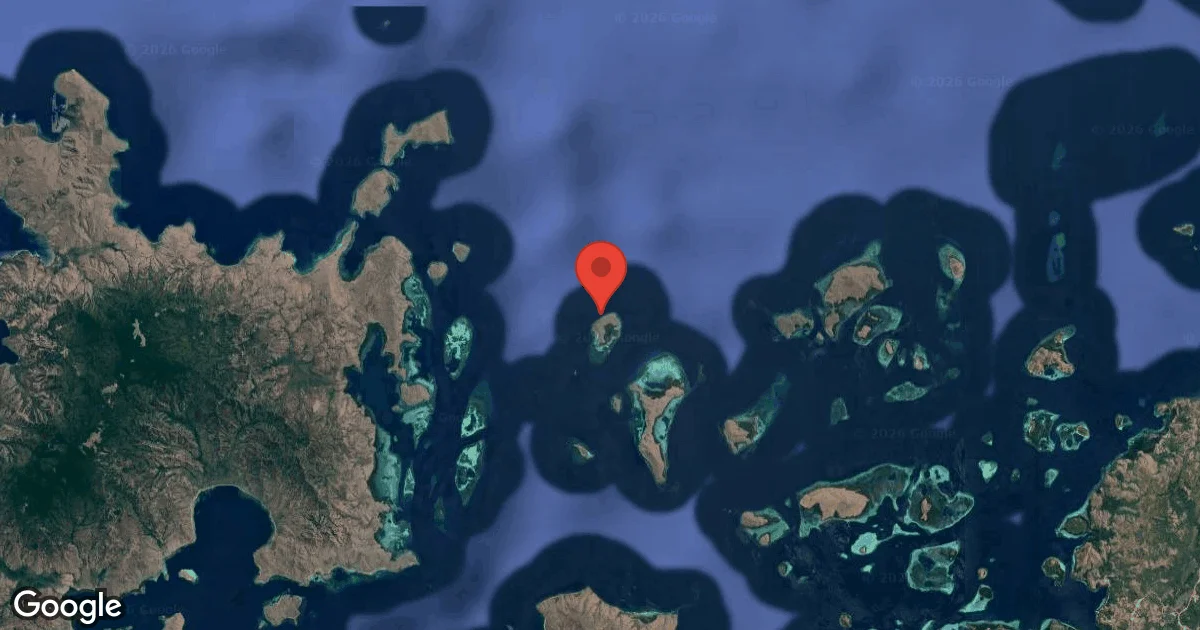
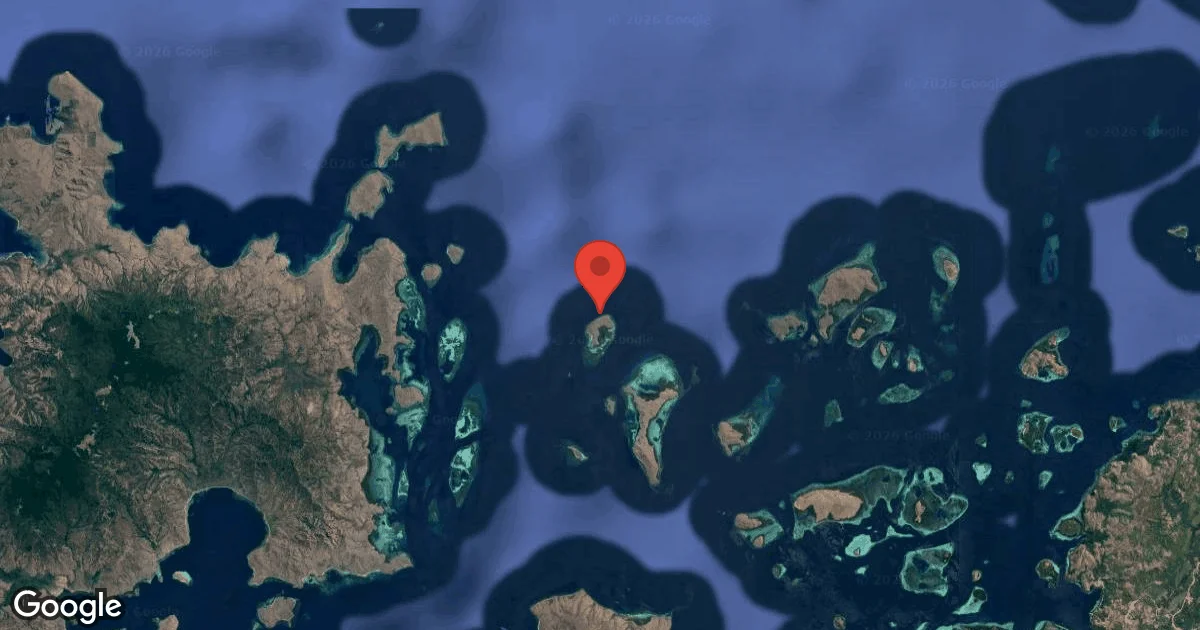
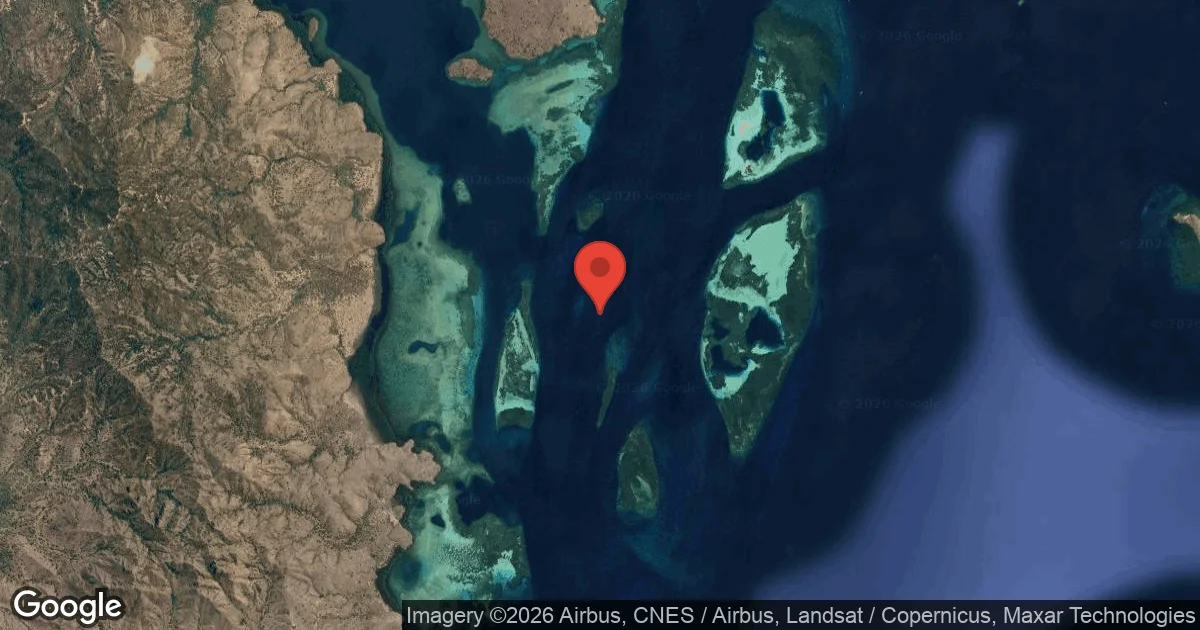
View all dive sites in IndonesiaDiscover more underwater gems in this area.
Dive Centers Near Wae Nilu
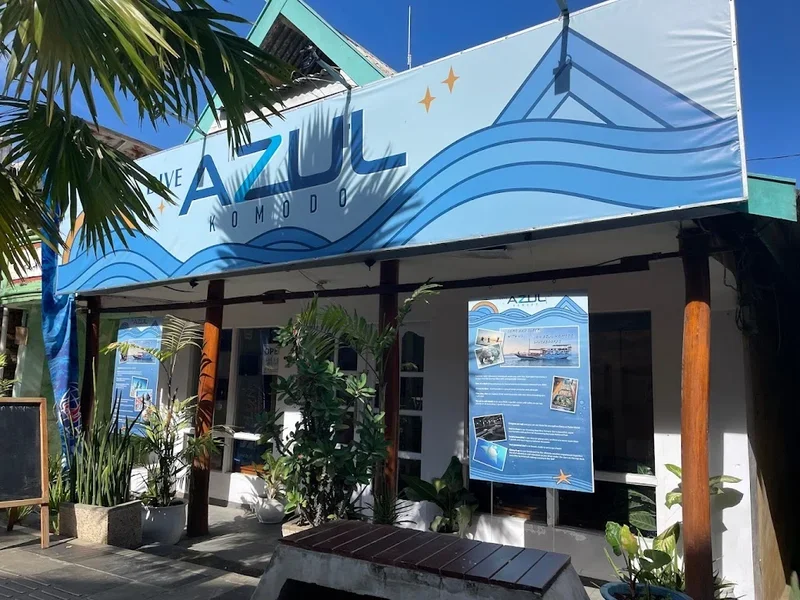
Today: 10:00 - 19:00
Nearest Airports
Nearest airports to help plan travel to this dive area.
Search Flights
Check available flights and routes on Expedia, using the nearby airports listed in this section.
Search Flights on ExpediaFrequently Asked Questions
Is Wae Nilu suitable for beginner divers?
Yes, Wae Nilu's generally easy conditions and gentle currents make it an excellent choice for divers of all skill levels. However, beginners should always follow their instructor's guidance, especially concerning moderate currents that can occur.
What is the best time of year to dive in Wae Nilu?
Optimal diving conditions for Wae Nilu typically occur from April to December. During these months, water conditions are calm, and visibility is usually at its best. The dry season, particularly from April to November, offers prime opportunities for underwater exploration with less rainfall.
How do I access Wae Nilu?
Wae Nilu is accessible by boat from Labuan Bajo, which serves as the main gateway to Komodo National Park. Most dive operators in Labuan Bajo include Wae Nilu as part of their multi-dive itineraries, making it easy to visit.
What kind of marine life can I expect to see?
Wae Nilu is celebrated for its incredible macro life, often compared to Lembeh. Divers frequently encounter a variety of nudibranchs, ribbon eels, frogfish, cowfish, ghost pipefish, and even blue-ringed octopuses. It's a macro photographer's dream.
Are there conservation efforts in place at Wae Nilu?
Yes, significant conservation measures are implemented to protect Wae Nilu's delicate ecosystem. These include limiting diver numbers, enforcing no-touch policies, and regular monitoring by marine biologists to assess reef health.
What is the maximum depth at Wae Nilu?
The maximum depth available at Wae Nilu is 30 m (100 ft). Exploring this range offers ample opportunity to observe its diverse topography. Divers can encounter the rich macro life thriving at various recreational levels within the site.
Planning to dive Wae Nilu?
Send one inquiry and receive offers directly from the best verified local dive operators.
Conditions are Excellent
07:00 - 14:00
Optimal conditions expected
Current conditions near Wae Nilu show 25° air, 28° sea temperature, 0.5 m waves, and 23 km/h wind. Forecast data is refreshed regularly to ensure accuracy.