
Diving at Hans Reef (Indonesia)
The story of Hans Reef isn't etched in sunken ships, but rather in its vibrant, evolving living architecture. This Indonesian patch reef, a short boat ride from local dive centers, unveils layers of marine history across its gentle sandy slope. Its prominent central coral mound and numerous smaller outcroppings serve as key features. These formations host a diverse ecosystem, constantly shifting with currents and tide. A deeper section, known as Turtle Rock, also tells a tale as a favored resting spot for green sea turtles amidst ancient barrel sponges.
As evening covers Hans Reef, the local air temperature is measured at 28°C. The current wave height at the surface is recorded at 0.6 m. These late-day readings characterize the surface conditions for the night.
Dive Site Location & Key Facts
Dive Site Overview
Hans Reef distinguishes itself as an accommodating dive site, welcoming all skill levels from novice to seasoned divers. Its structure offers a blend of learning opportunities and advanced exploration, a rare combination for a single location.
Stretching from shallower sections at 5 m (16 ft) down to a maximum depth of 22 meters, the site primarily features a gentle sandy slope running parallel to the shoreline. Numerous coral bommies and a significant central coral mound punctuate this landscape. Divers will notice the immediate shift from sandy expanses to vibrant hard and soft coral growth, providing shelter for diverse species.
A short swim away, divers can discover Turtle Rock, a substantial coral formation covered in barrel sponges, typically found in deeper sections, between 12 and 20 meters. This area provides excellent training grounds for Open Water and Advanced Adventurer courses due to its accessible sandy bottom adjacent to vibrant reef sections, allowing easy skill practice and safe ascent paths.
Visibility at the reef can extend up to 30 meters under optimal conditions. Additionally, its appeal significantly broadens after dusk, transforming into a popular night dive spot where nocturnal creatures emerge, offering a completely different perspective of the ecosystem.
Conditions are Excellent
07:00 - 14:00
Optimal conditions expected
Current conditions near Hans Reef show 28° air, 29° sea temperature, 0.7 m waves, and 15 km/h wind. Forecast data is refreshed regularly to ensure accuracy.
Best Time to Dive
Diving conditions around Hans Reef remain favorable throughout the entire year, with consistent water temperatures contributing to year-round accessibility. Water temperatures generally remain between 26-30°C, making warm water gear appropriate any month. Air temperatures hover around 26-27°C, providing comfortable surface intervals. While diving is consistently good, the period from May to October often presents slightly calmer conditions with lower average rainfall, reducing runoff and potentially enhancing visibility. During these months, average monthly rain registers below 3 mm, in contrast to the wetter season between December and March, which can see up to 13 mm. These seasonal rainfall patterns are a key factor in surface clarity. Average wave heights also tend to be marginally lower from April to June, at around 0.7-0.9 meters, which can translate to smoother boat rides and easier entries and exits for divers. Consider visiting during these calmer periods for optimal comfort.
PEAK SEASON SCORE
Scores combine air & water temps, waves, wind & rainfall for overall conditions.
BEST MONTHS TO DIVE
Monthly records compiled from satellite and marine observation nodes over the last 3 years. Data provided by Open-Meteo and MET Norway.
Dive Experience & Conditions
Upon entering the water at Hans Reef, divers will encounter a gentle sandy slope that transitions into a vibrant patch reef system. The site begins quite shallow, with its sandy patch starting at approximately 7 meters, and steadily descends, reaching a maximum depth of around 25 meters. Conditions here are noted for their variability regarding current; it can range from virtually none to quite strong, demanding attention to local reports from dive operators. Visibility is generally outstanding, often exceeding 20 meters and sometimes reaching up to 30 meters, allowing for clear views of the diverse underwater landscape and distant reef features. Navigating the reef, you'll encounter numerous coral outcroppings and large pinnacles rising from the sandy bottom, providing both shelter and feeding grounds for a variety of marine species. These formations create intricate swim-throughs and overhangs for exploration. Given its range of conditions and depths, Hans Reef is suitable for divers of all experience levels, from initial training dives to more advanced explorations.
Dive Difficulty & Safety Guidelines
Diving Hans Reef requires careful attention to the potentially variable currents, which can shift from gentle to strong without much warning. Always consult with your local dive operator and monitor conditions before and during your dive. Proper buoyancy control is essential to protect the delicate coral formations and to navigate effectively, especially near the large central coral mound and smaller bommies.
Divers should maintain a respectful distance from marine life, particularly the resident green sea turtles often resting on Turtle Rock, to avoid disturbance. Considering the site's popularity for night dives, ensure you have appropriate lighting and follow established buddy procedures.
Always ascend slowly and perform a safety stop, adhering to no-decompression limits for a safe return to the surface.
Recommended Equipment
- Dive Computer
This gear list is based on verified equipment signals for Hans Reef, Indonesia. Always confirm final gear choices with your dive operator, guide, or liveaboard.
Recommended Dive Suit
2-3mm shorty or light wetsuit is widely used for recreational dives in waters of this temperature. Those diving at Hans Reef today will likely encounter water temperatures in the region of 29°C (83°F). Surface air temperatures are resting at 28°C (83°F).
Surface temperatures may decrease slightly later in the week. Cooler days are ahead; you might want a warmer option for later in the week. Some divers bring an extra layer for surface intervals between dives.
Water temperatures can occasionally shift throughout the day depending on currents and depth layers.
Emergency & Medical Support
Essential information to help you plan your dive trip to Hans Reef.

Hyperbaric chambers are a critical part of dive safety infrastructure. Availability varies significantly by region, and not all dive areas have immediate access.
Before diving, it's recommended to:
- confirm nearest medical facilities
- check emergency procedures with local dive operators
- ensure dive insurance covers evacuation if required
Divers Alert Network
Diving emergency assistance available through DAN World.
+1-919-684-9111- 24/7 emergency hotline
- Diving medical assistance
- Evacuation coordination
Emergency contacts are provided for reference. Always verify local emergency services before diving.
Marine Life at Hans Reef
Hans Reef's underwater landscape, characterized by its extensive sandy bottom interspersed with coral outcroppings and bommies, provides an ideal habitat for a wide array of marine life. Among the larger inhabitants, green sea turtles are a frequent sight, often found resting on the barrel sponges covering Turtle Rock.
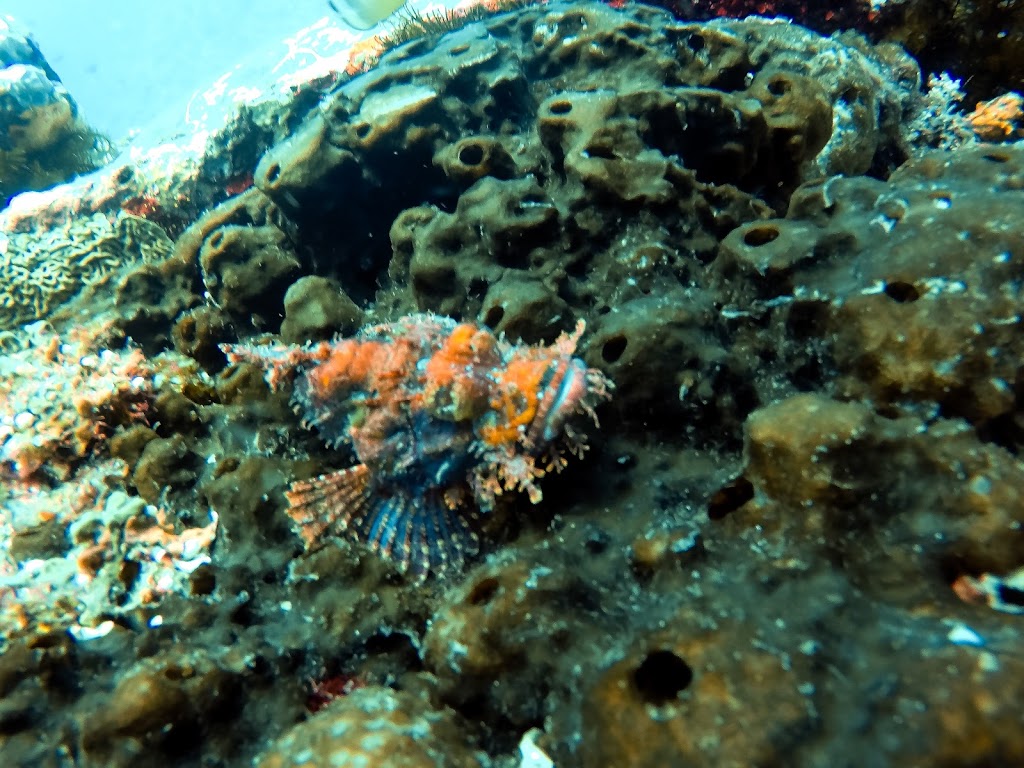
Delving into the patch reef's nooks and crannies reveals an incredible diversity of macro life. Divers commonly spot various species of octopus and cuttlefish, along with the distinct Clarks anemonefish.
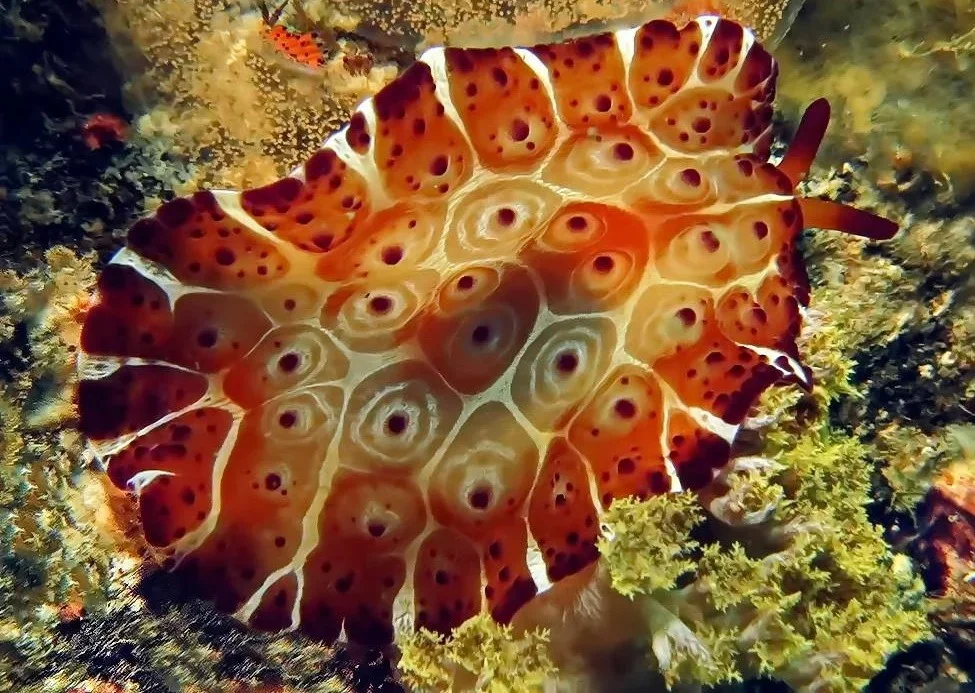
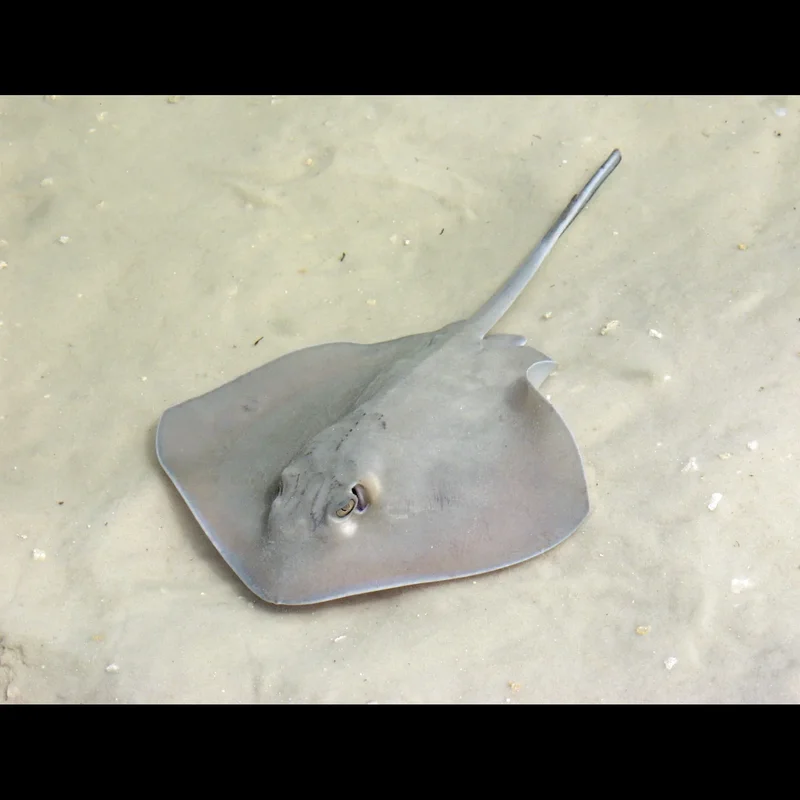
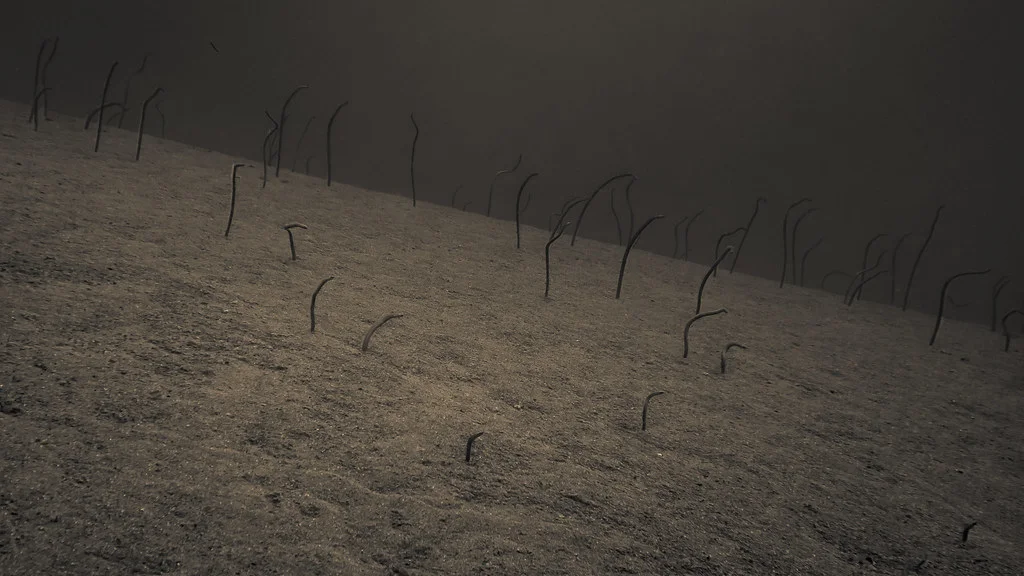
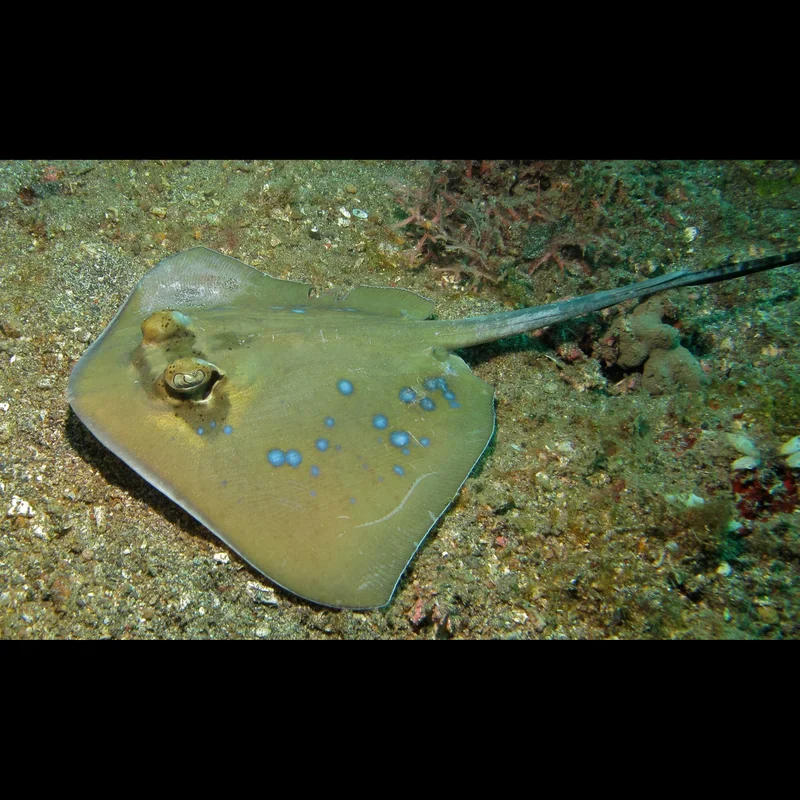
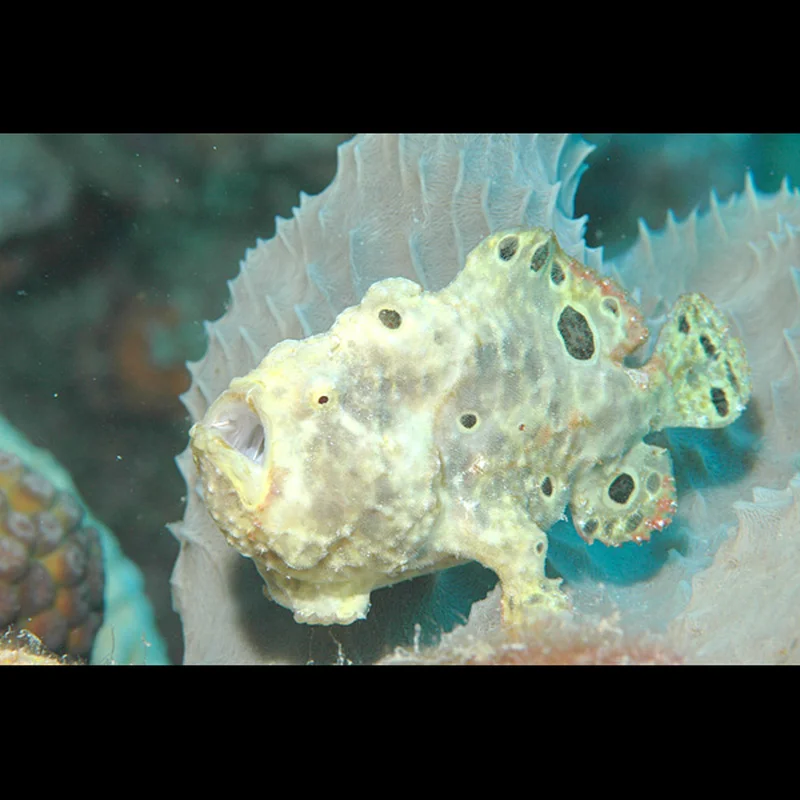
Searching the sandy gullies can yield sightings of unique creatures such as garden eels, sand lizardfish, flounders, and blue spotted stingrays. For the patient observer, elusive frogfish and numerous nudibranch species are often present, blending expertly with their surroundings. Night dives unlock a different cast of characters, including bobtail squid, dwarf cuttlefish, reef squid, coconut octopus, and various sea slugs, transforming the reef into an active nocturnal hunting ground.
Dive Sites Near Hans Reef
View all dive sites in IndonesiaDiscover more underwater gems in this area.
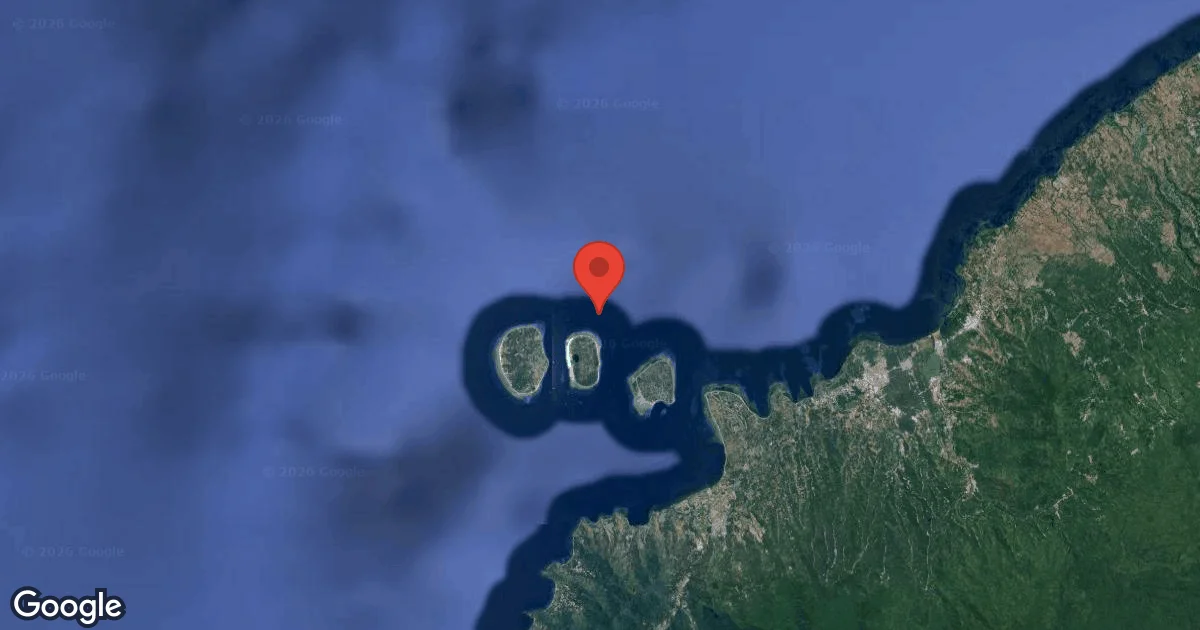
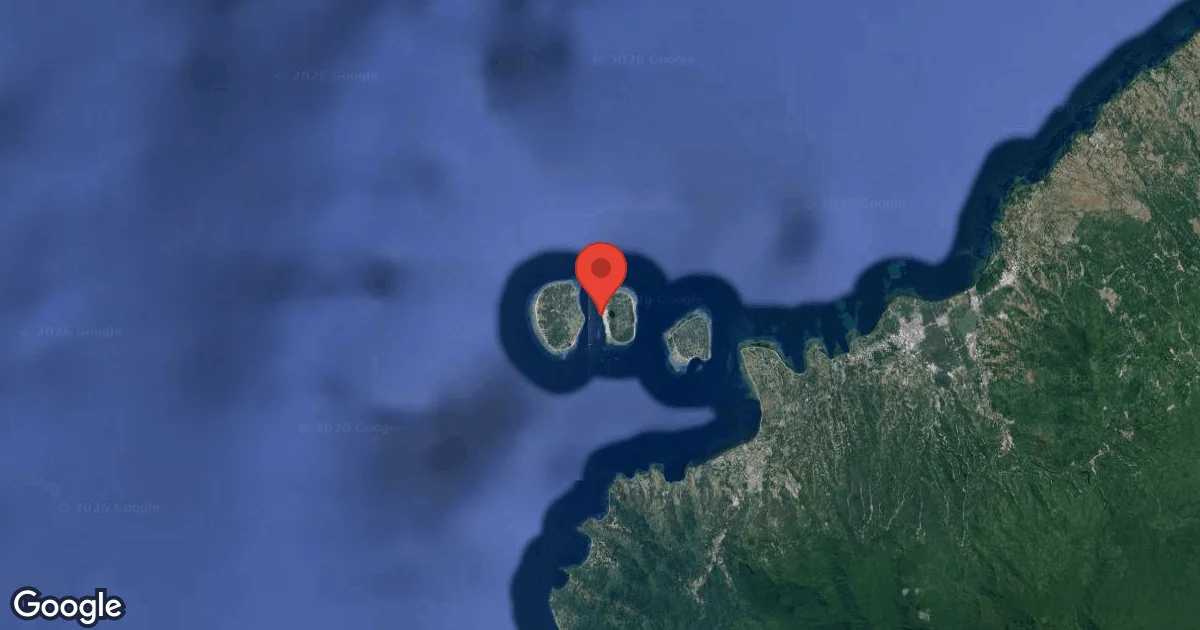
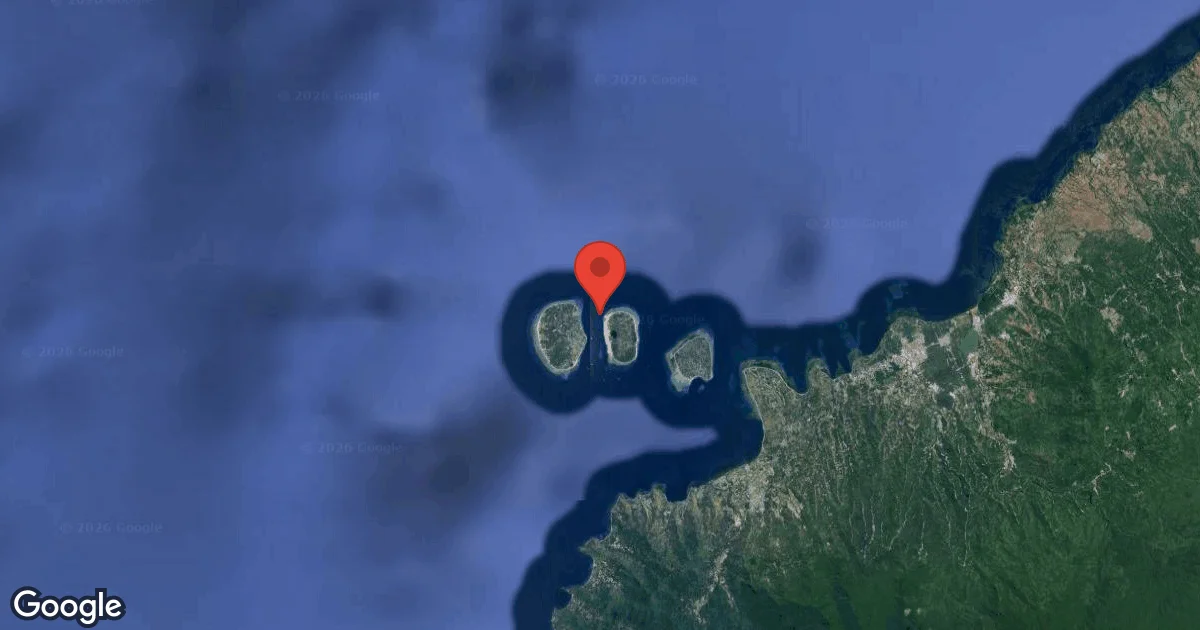
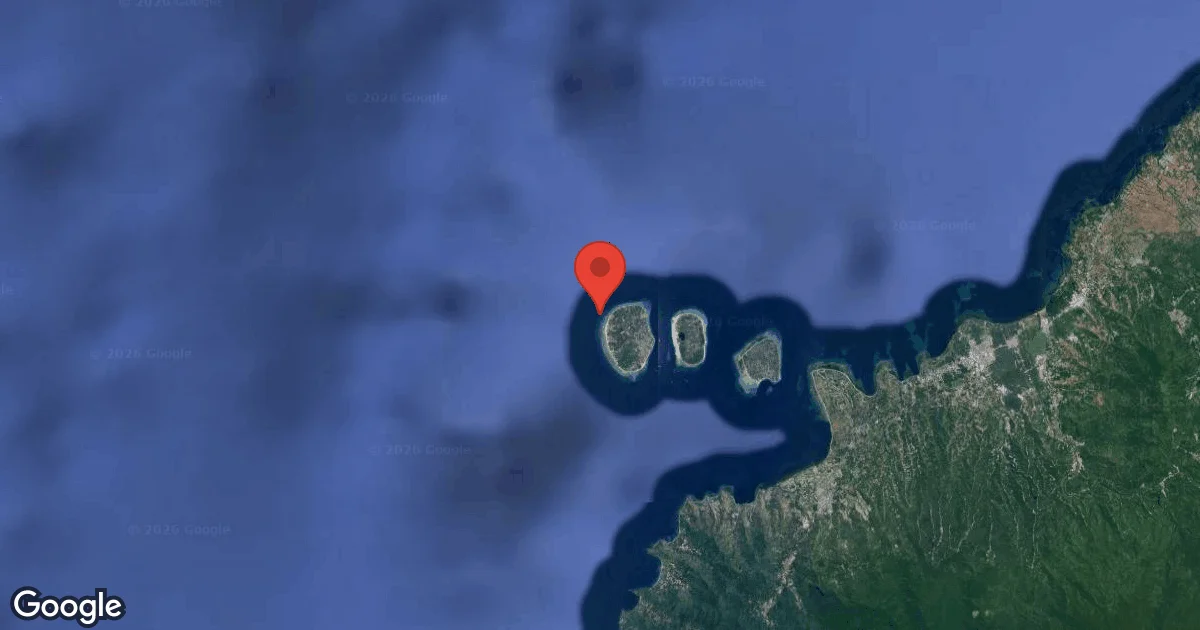
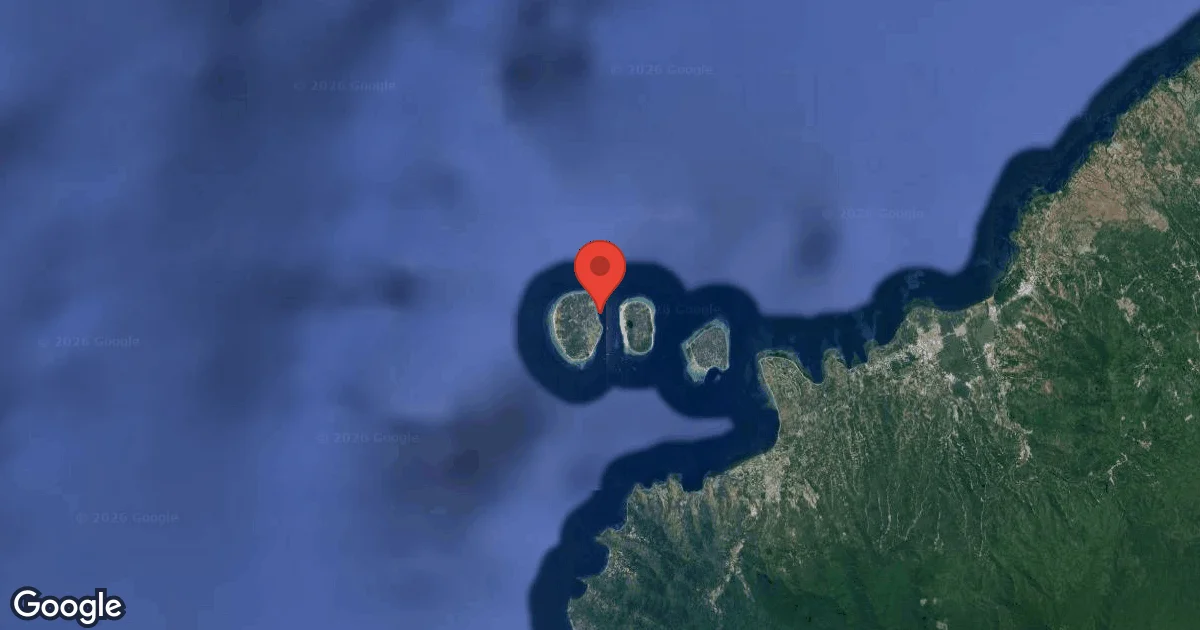
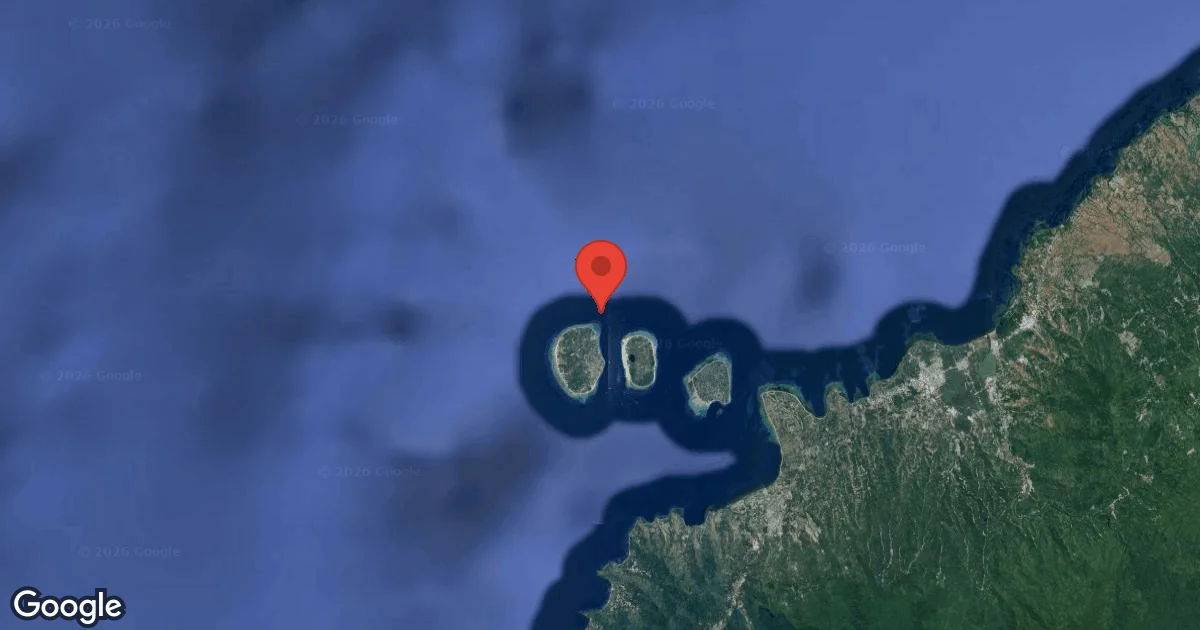
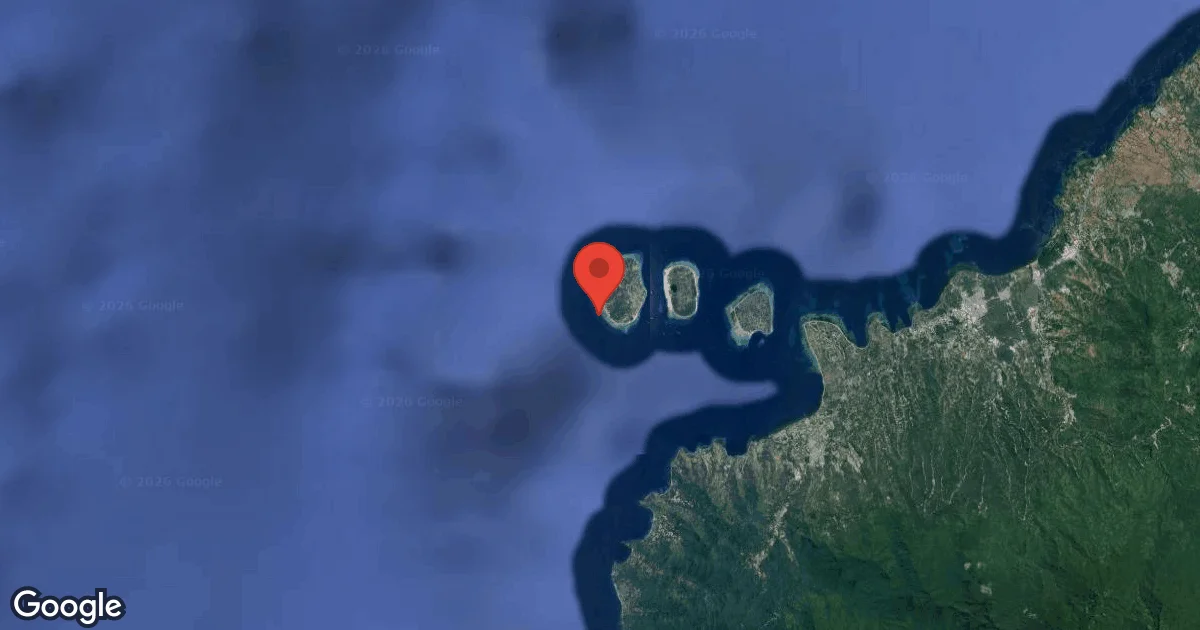
Dive Centers Near Hans Reef

Today: 07:00 - 18:00
Nearest Airports
Nearest airports to help plan travel to this dive area.
Search Flights
Check available flights and routes on Expedia, using the nearby airports listed in this section.
Search Flights on ExpediaFrequently Asked Questions
What level of diver is Hans Reef suitable for?
Hans Reef is well-suited for divers of all experience levels, from beginners to advanced. Its gentle slopes and varying depths make it ideal for training, while its rich marine life appeals to seasoned divers seeking macro opportunities.
What are the typical depths at Hans Reef?
A recreational depth range characterizes the dive site, starting from around 5 meters in its shallower sections. It reaches a maximum depth of 22 meters, allowing divers extended bottom times and exploration across various zones.
Can I dive Hans Reef at night?
Yes, Hans Reef is a popular spot for night dives. At night, a completely different array of nocturnal marine life emerges, offering a unique and exciting diving experience for those with appropriate certification and equipment.
What marine life can I expect to see here?
Divers frequently encounter green sea turtles, often resting on barrel sponges at 'Turtle Rock'. The reef is a hotspot for macro life, including octopus, cuttlefish, nudibranchs, and various shrimp. You might also spot frogfish, blue spotted stingrays, and an abundance of reef fish.
Are currents an issue at Hans Reef?
Currents at Hans Reef are known to vary significantly, ranging from negligible to strong. It is important to check with local dive operators on current conditions before planning your dive to ensure a safe and enjoyable experience.
What is the typical visibility like at Hans Reef?
Visibility at Hans Reef is generally excellent, often exceeding 20 meters and sometimes reaching up to 30 meters. Clear waters enhance the viewing of both the vibrant coral structures and the diverse marine inhabitants.
How far is Hans Reef from the dive center?
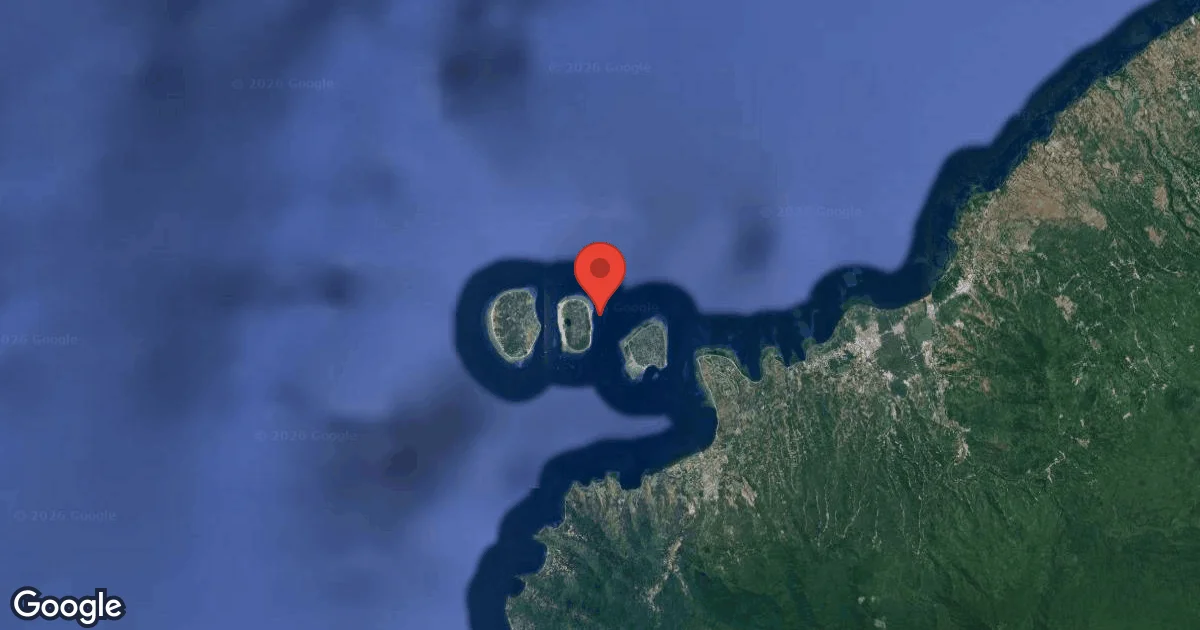
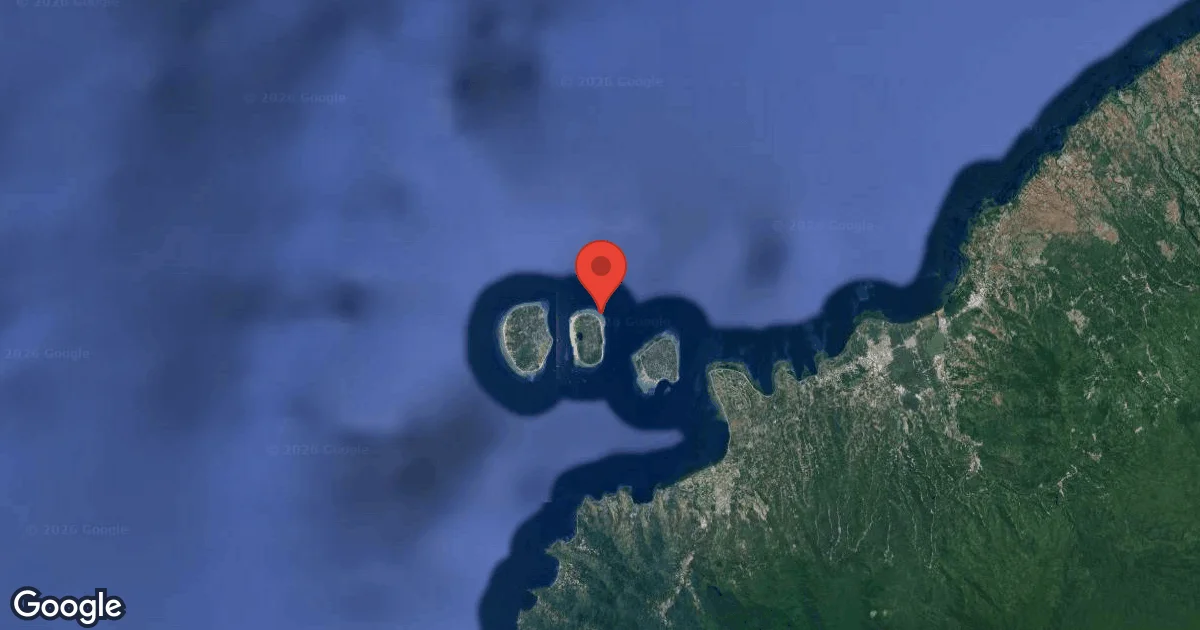
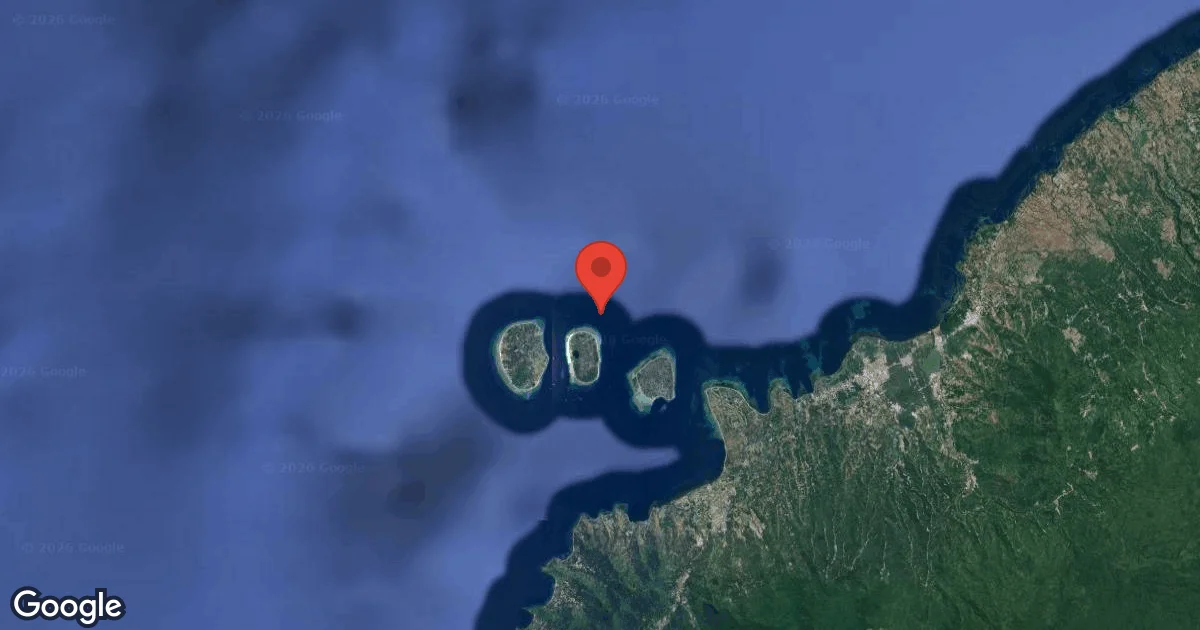
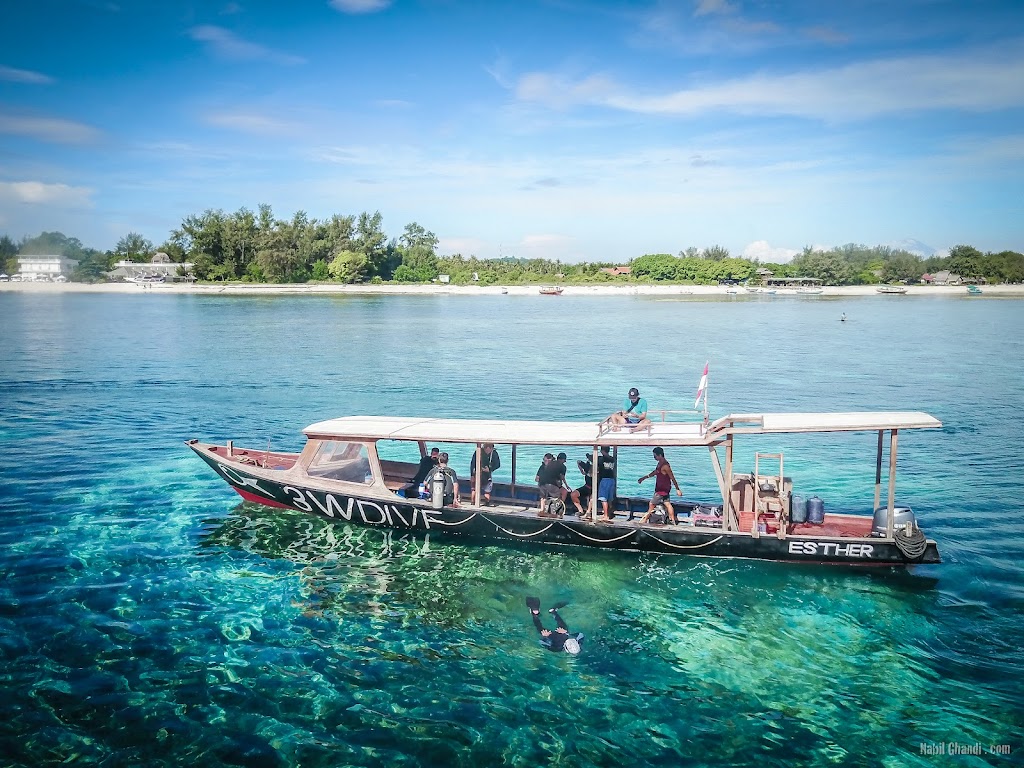
Hans Reef is conveniently located and typically requires only a short boat ride, approximately 5 to 10 minutes, from most local dive centers in the Gili Islands. This makes it easily accessible for multiple dives throughout the day.
Is Hans Reef suitable for underwater photography?
Absolutely. Given its rich diversity of macro life, including nudibranchs, frogfish, and various crustaceans, Hans Reef is considered an ideal location for underwater photography, particularly for those interested in capturing smaller subjects.
Planning to dive Hans Reef?
Send one inquiry and receive offers directly from the best verified local dive operators.
Conditions are Excellent
07:00 - 14:00
Optimal conditions expected
Current conditions near Hans Reef show 28° air, 29° sea temperature, 0.7 m waves, and 15 km/h wind. Forecast data is refreshed regularly to ensure accuracy.