
Diving at Shark Point (Indonesia)
While encountering strong currents is a possibility at Shark Point, particularly during new and full moon phases, the site consistently delivers rewarding dives. Its dynamic underwater topography, characterized by a sloping reef, intricate ridges, and deeper valleys, promises diverse encounters. This area, known for its frequent shark sightings, demands attentive dive planning and awareness of prevailing conditions to fully appreciate its vibrant ecosystem.
Tonight's objective overview for Shark Point shows an air temperature of 26°C. The measured surface conditions include wave heights around 0.7 m. This environmental data is logged for the close of the day.
Dive Site Location & Key Facts
Dive Site Overview
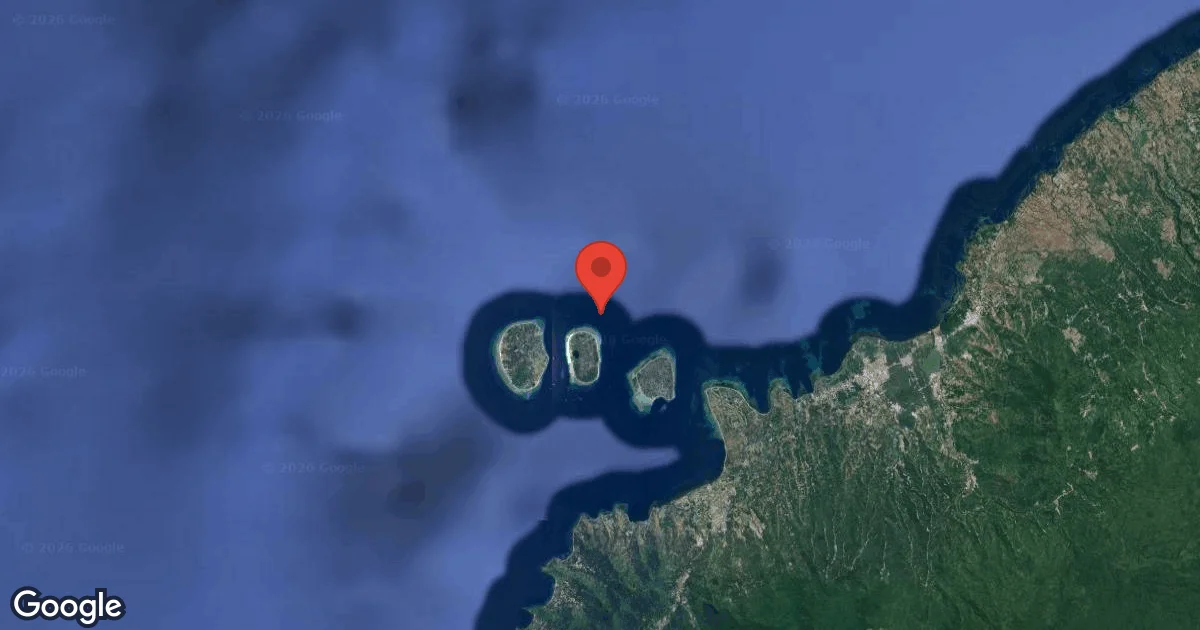
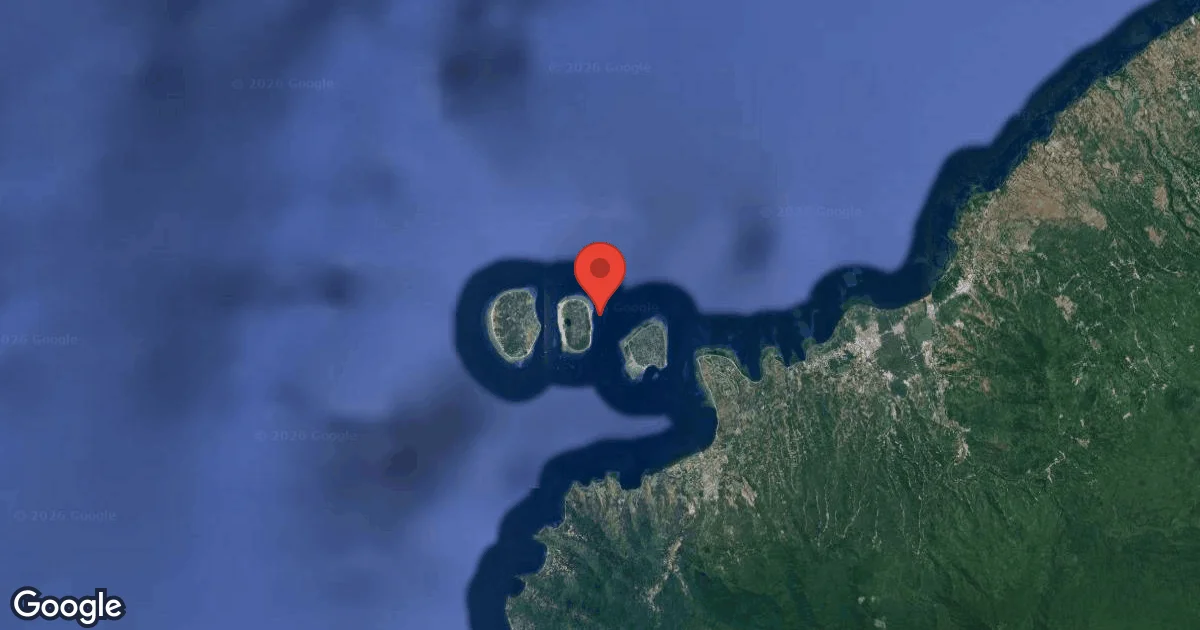
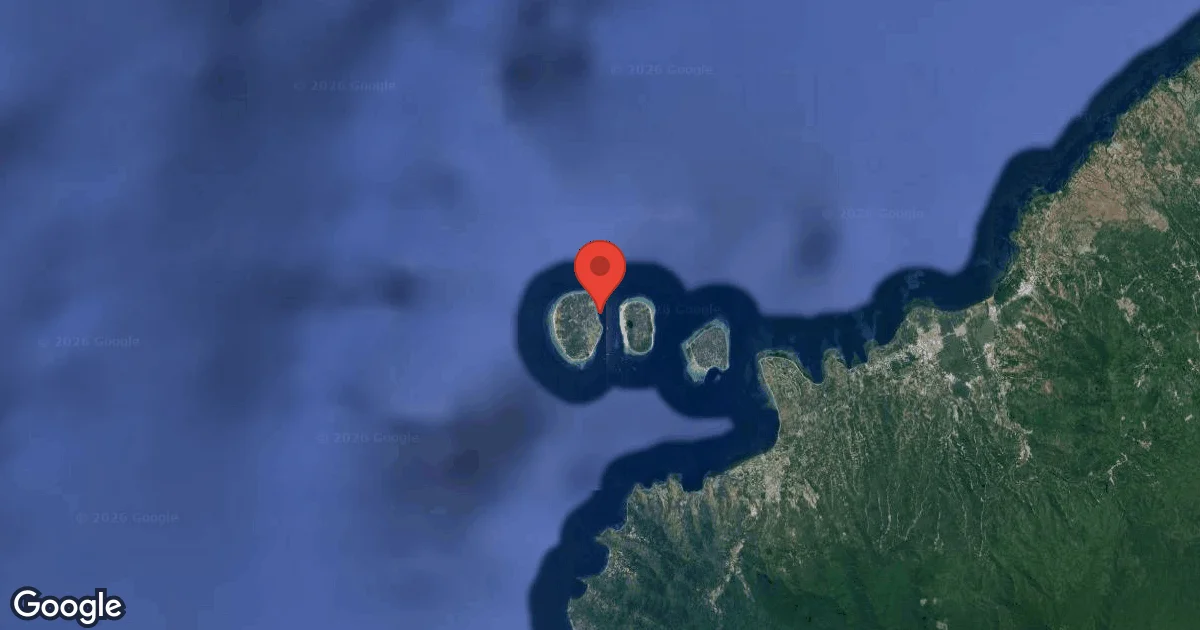
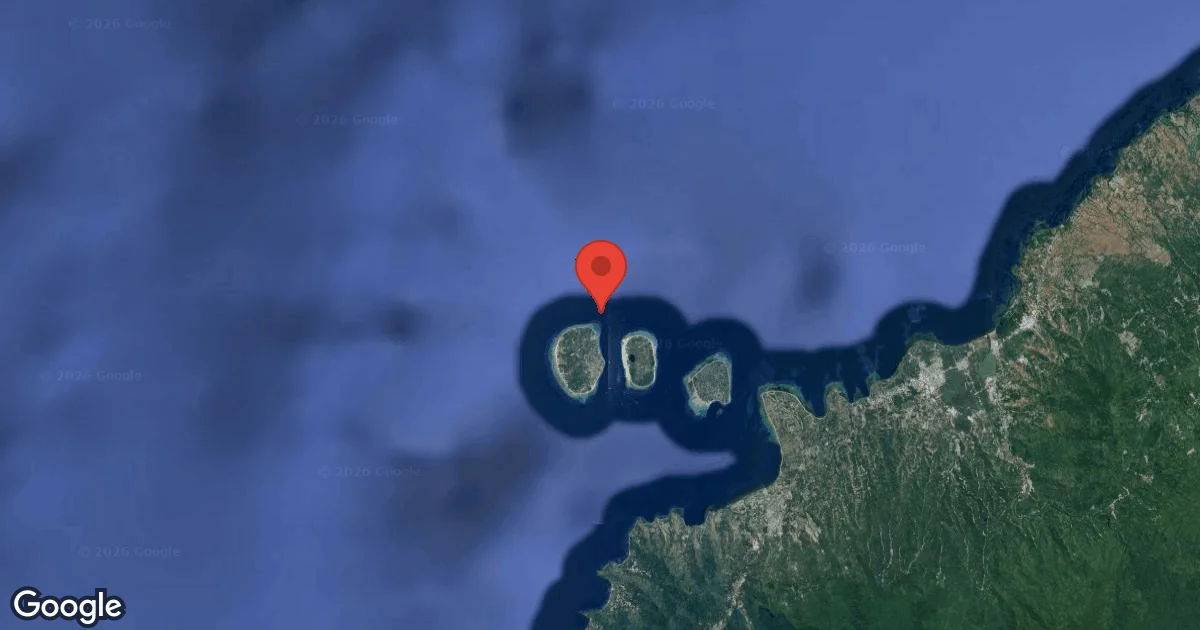
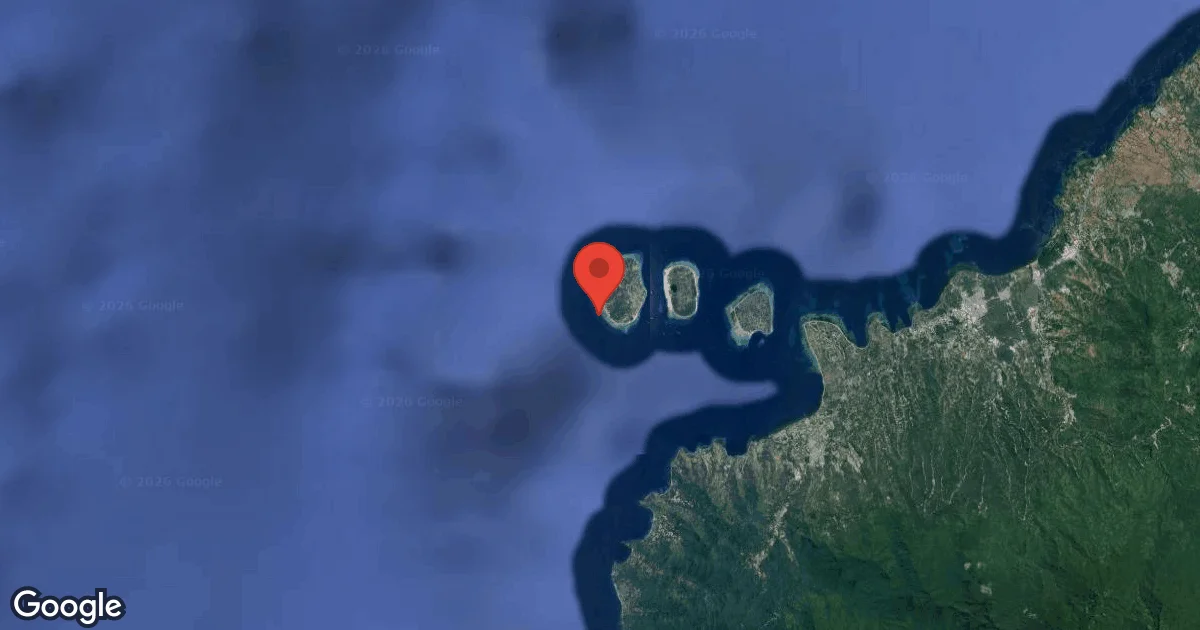
Shark Point presents a compelling underwater structure west of Gili Trawangan, earning its name from consistent shark sightings, particularly in its deeper reaches. The dive begins on a broad coral reef plateau, typically around 10 meters, which gradually slopes to about 18 meters.
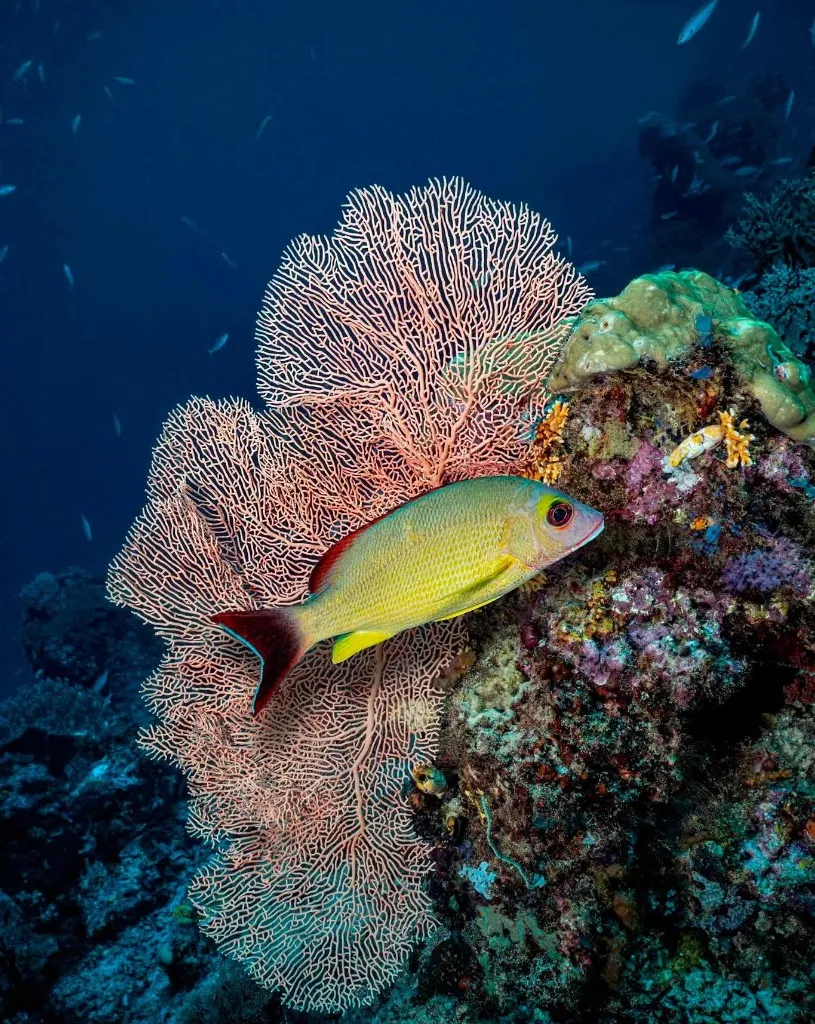
Beyond this initial slope, the seafloor dramatically transitions into an intricate network of rolling valleys and canyons. These geological formations stretch parallel to the coastline, descending to depths of 35 m / 115 ft or more. These profound sections are richly adorned with significant growths of vibrant sea fans, giant barrel sponges, delicate sea whips, and robust stony corals, creating a vivid backdrop for exploration.
Water temperatures typically range from 22-27°C / 72-81°F, often providing comfortable conditions. Visibility frequently reaches up to 30 meters.
This varied topography facilitates both relaxed shallow reef explorations and more dynamic drift dives along the deeper ridges, appealing to divers seeking diverse encounters. While currents can be a notable factor, especially at greater depths, they often enhance the experience by carrying divers past extensive reef structures and schools of fish.
Understanding the site's layout, from its gentle upper slopes to its more challenging deeper contours, proves essential for appreciating its full spectrum of marine life and topographical features. The site's combination of structural complexity and potential for strong currents makes it a compelling, yet demanding, dive destination.
Conditions are Excellent
07:00 - 14:00
Optimal conditions expected
Current conditions near Shark Point show 26° air, 29° sea temperature, 0.7 m waves, and 19 km/h wind. Forecast data is refreshed regularly to ensure accuracy.
Best Time to Dive
Planning your visit to Shark Point during the peak season often ensures optimal diving conditions. The highest diving season runs from July through September, and again in December and January. During these months, average air temperatures hover around 26-27°C / 79-81°F, with minimal rainfall, typically less than 2-10 mm / 0.1-0.4 inches per month, contributing to more predictable seas. Diving is also favorable in May, June, and October, which see similar air temperatures and very low rainfall. The low season, spanning February, March, April, and November, experiences increased rainfall, averaging 4-13 mm / 0.2-0.5 inches, and can bring less ideal weather, which might impact wave and current conditions.
PEAK SEASON SCORE
Scores combine air & water temps, waves, wind & rainfall for overall conditions.
BEST MONTHS TO DIVE
Monthly records compiled from satellite and marine observation nodes over the last 3 years. Data provided by Open-Meteo and MET Norway.
Dive Experience & Conditions
Descending into Shark Point provides a palpable sense of exploration as the shallow coral plateau transitions into a complex system of sloping reefs and distinct canyons. Visibility can be excellent, often extending up to 30 meters. However, this site is notably susceptible to currents; strong flows are common, especially around new and full moon periods. These currents can transform a gentle exploration into a brisk drift dive, sweeping divers along the impressive ridges and valleys. When conditions are right, the site feels alive and expansive, but when currents are strong or waves pick up, it can feel more demanding, sometimes making the site unfeasible to dive.
Dive Difficulty & Safety Guidelines
Understanding your skill level is crucial for a safe and enjoyable dive at Shark Point. While some areas are accessible to novice divers, the site's deeper sections and propensity for strong currents often make it better suited for intermediate to advanced divers. Particular caution is advisable during new and full moon phases, when currents are reported to be at their strongest.
Always consult with local dive operators for the most current conditions before planning your dive. Proper buoyancy control and the ability to handle currents are essential for navigating the dynamic underwater terrain.
Recommended Equipment
Overhead / entanglement risk. Wreck penetration requires proper training.
Current and surface separation risk. Local briefing strongly recommended.
- Dive Computer
- DSMB
- Primary & Backup Lights
- Wreck Reel
- Reel / Spool
- Cutting Tool
This gear list is based on verified equipment signals for Shark Point, Indonesia. Always confirm final gear choices with your dive operator, guide, or liveaboard.
Recommended Dive Suit
In conditions like these, many divers prefer diving with 2-3mm shorty or light wetsuit. A hood or vest is suggested for sensitive divers due to surface winds.
Current readings at Shark Point show water temperatures near 29°C (84°F). Surface air temperatures are resting at 26°C (79°F).
Forecast models indicate that diving conditions should remain largely unchanged.
Due to technical issues with our weather providers, live updates are temporarily delayed. The data above reflects the conditions at the time of the last successful fetch.
Emergency & Medical Support
Essential information to help you plan your dive trip to Shark Point.

Hyperbaric chambers are a critical part of dive safety infrastructure. Availability varies significantly by region, and not all dive areas have immediate access.
Before diving, it's recommended to:
- confirm nearest medical facilities
- check emergency procedures with local dive operators
- ensure dive insurance covers evacuation if required
Divers Alert Network
Diving emergency assistance available through DAN World.
+1-919-684-9111- 24/7 emergency hotline
- Diving medical assistance
- Evacuation coordination
Emergency contacts are provided for reference. Always verify local emergency services before diving.
Marine Life at Shark Point
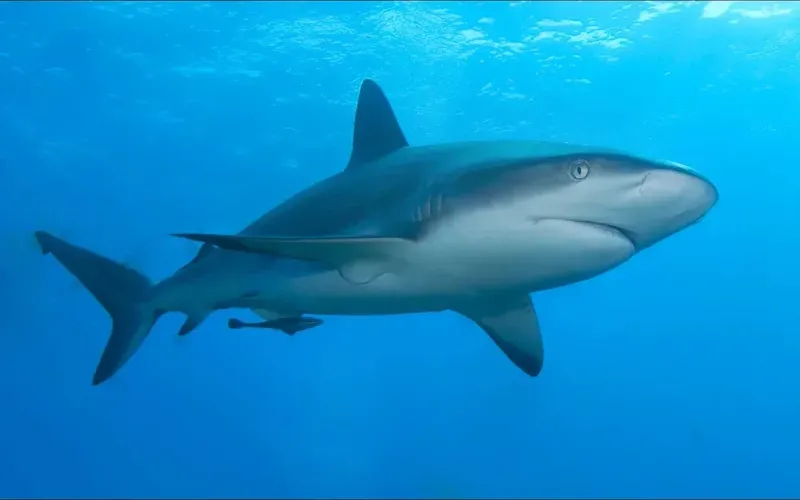
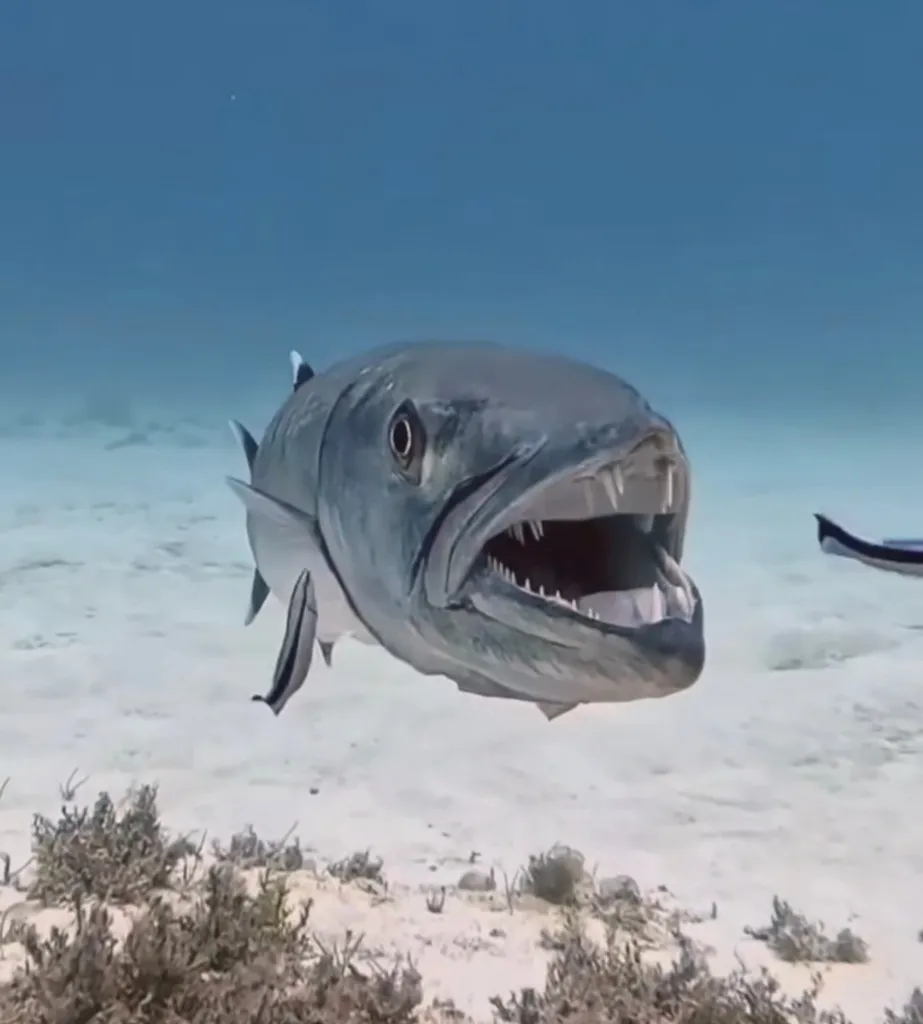
The abundant marine life at Shark Point immediately draws attention, with green sea turtles frequently grazing among the soft corals in shallower areas. Divers regularly encounter various reef sharks, including whitetip, blacktip, and occasionally grey reef sharks, particularly in the deeper valleys or sheltered beneath coral bommies.
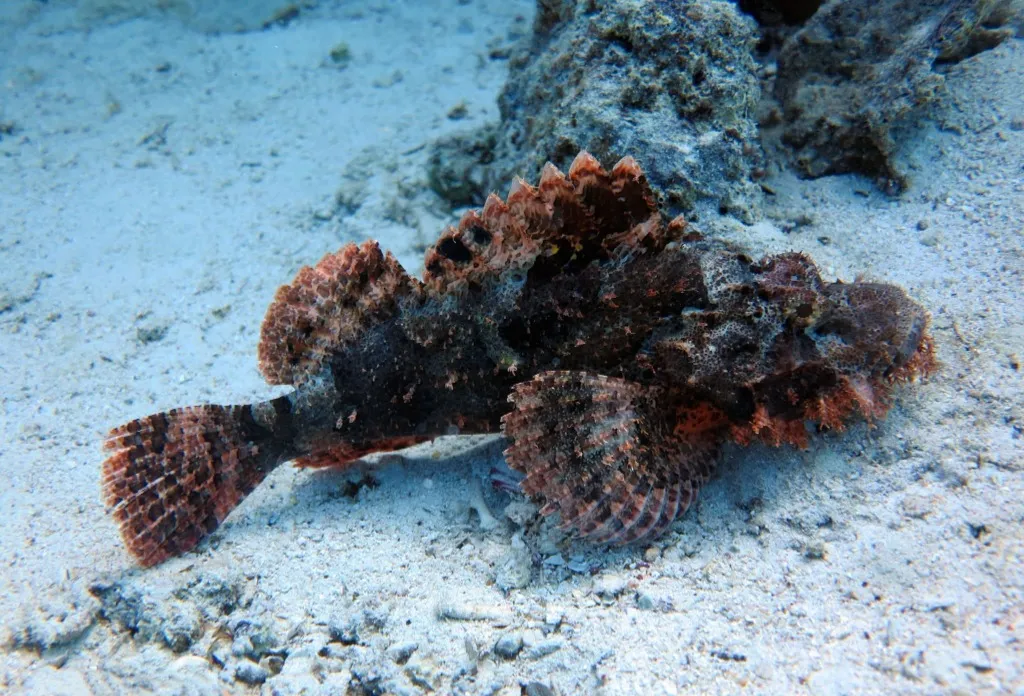
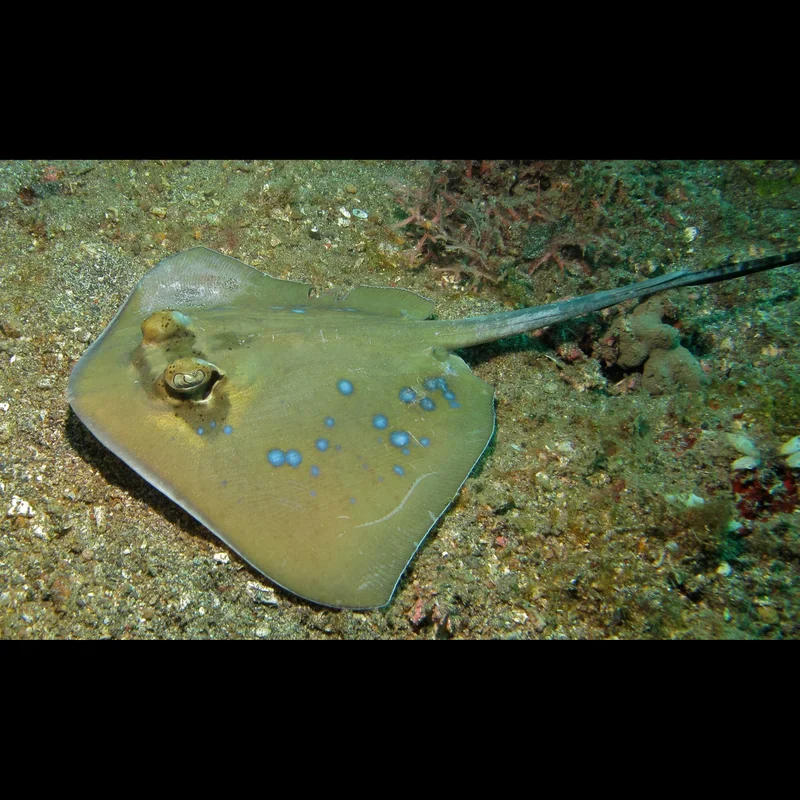
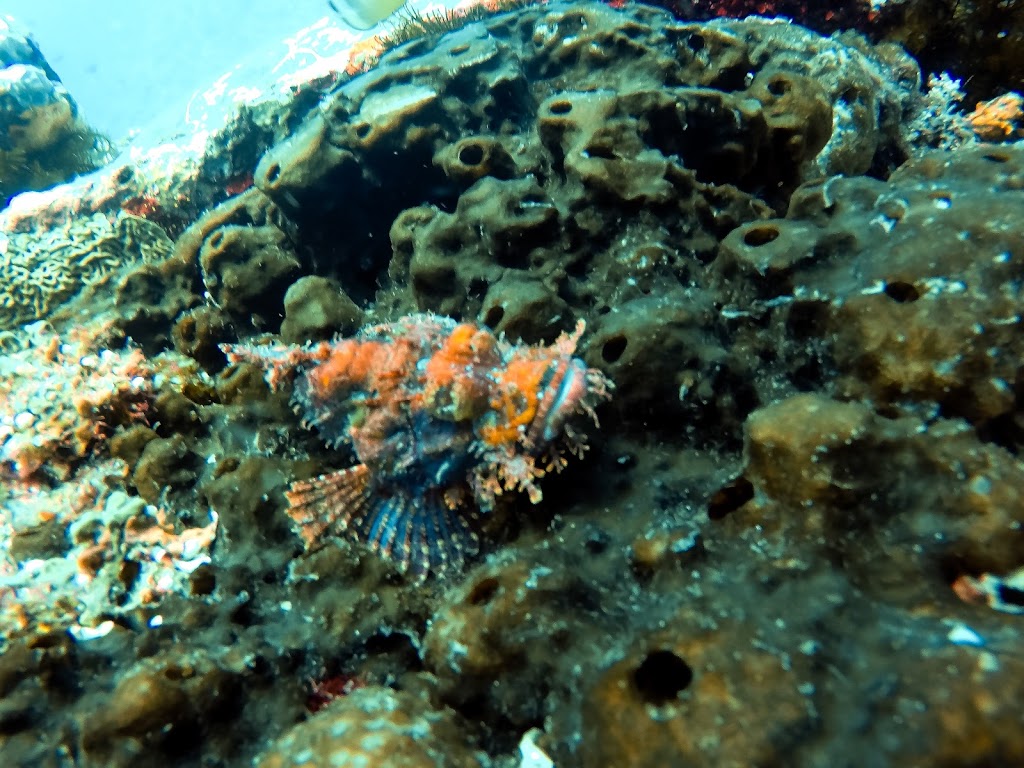
Expect to see large schools of fish like yellow-lined, humpbacked, and black snappers. Other common sightings include jacks, barracudas, angelfish, blue-spotted stingrays, anemone fish, ribbon eels, octopus, and scorpionfish.
Dive Sites Near Shark Point
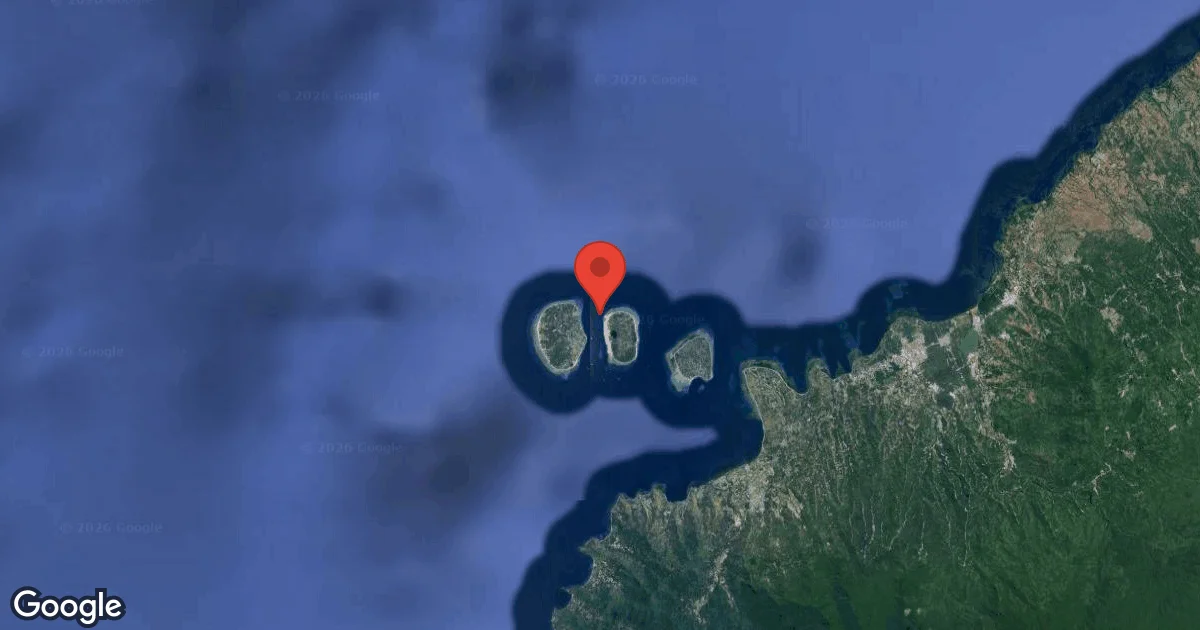
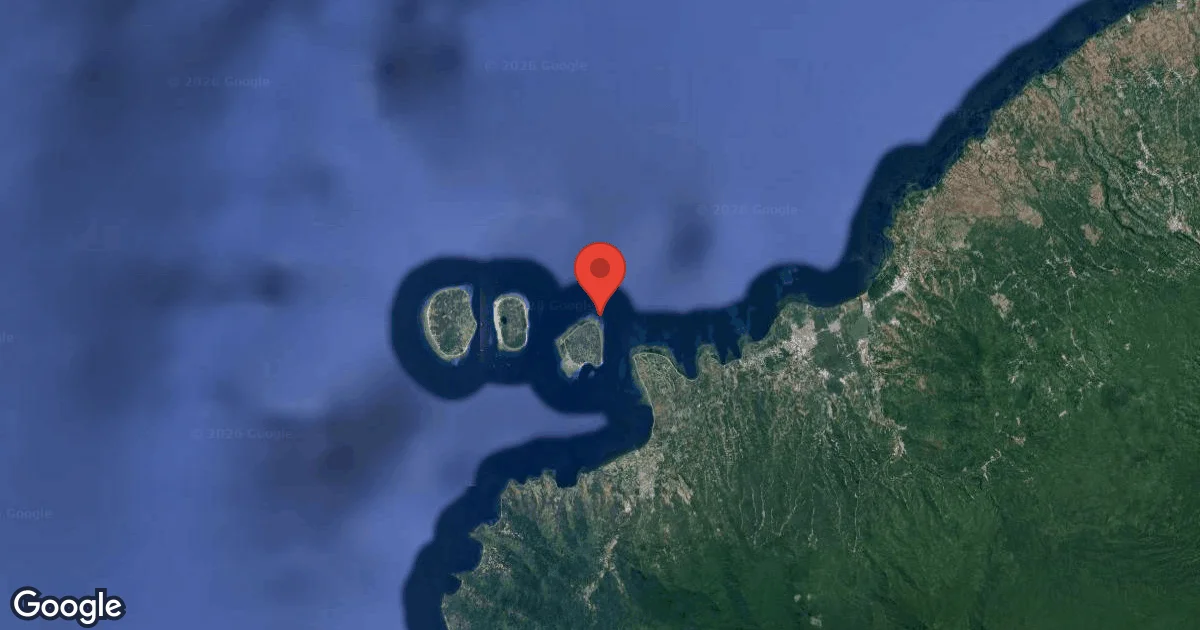
View all dive sites in IndonesiaDiscover more underwater gems in this area.
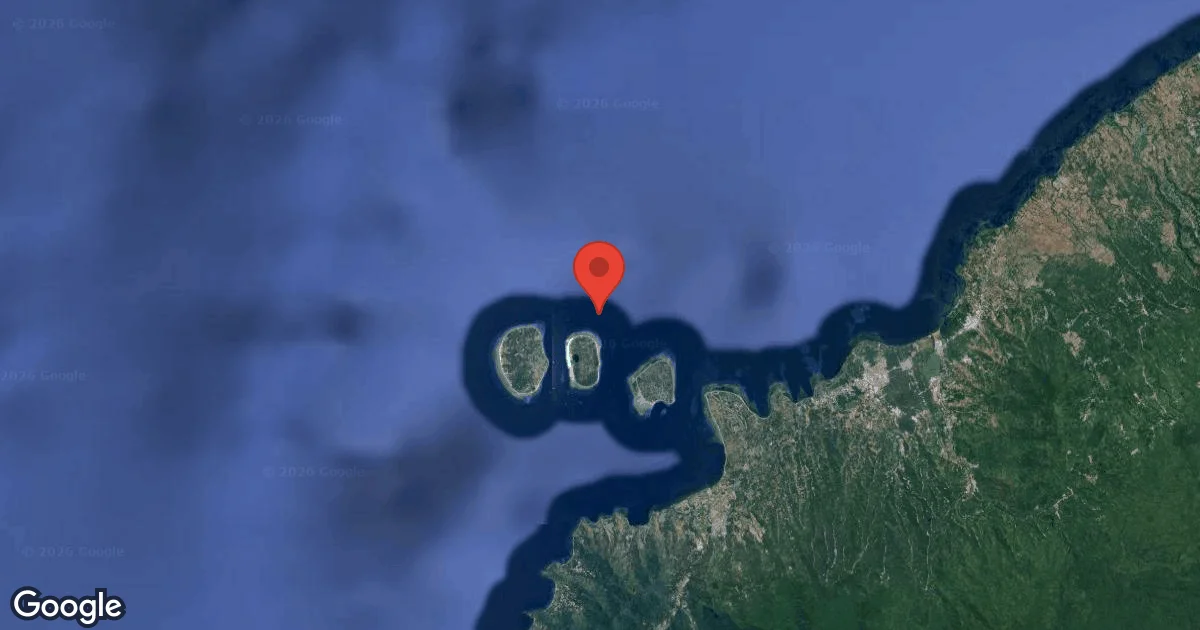
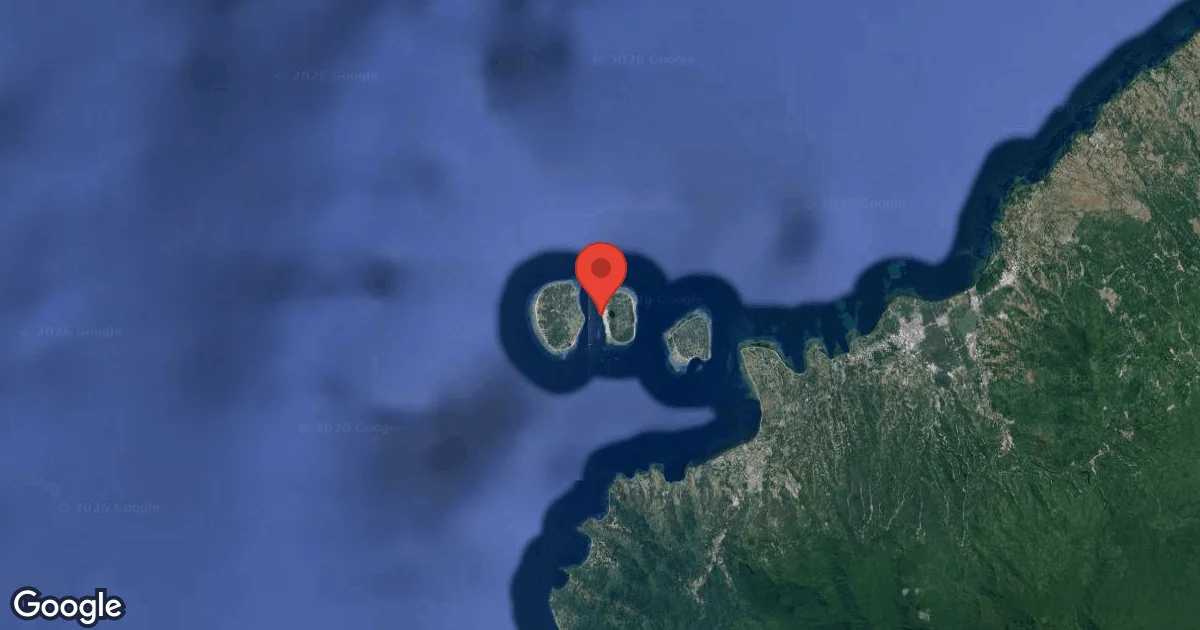
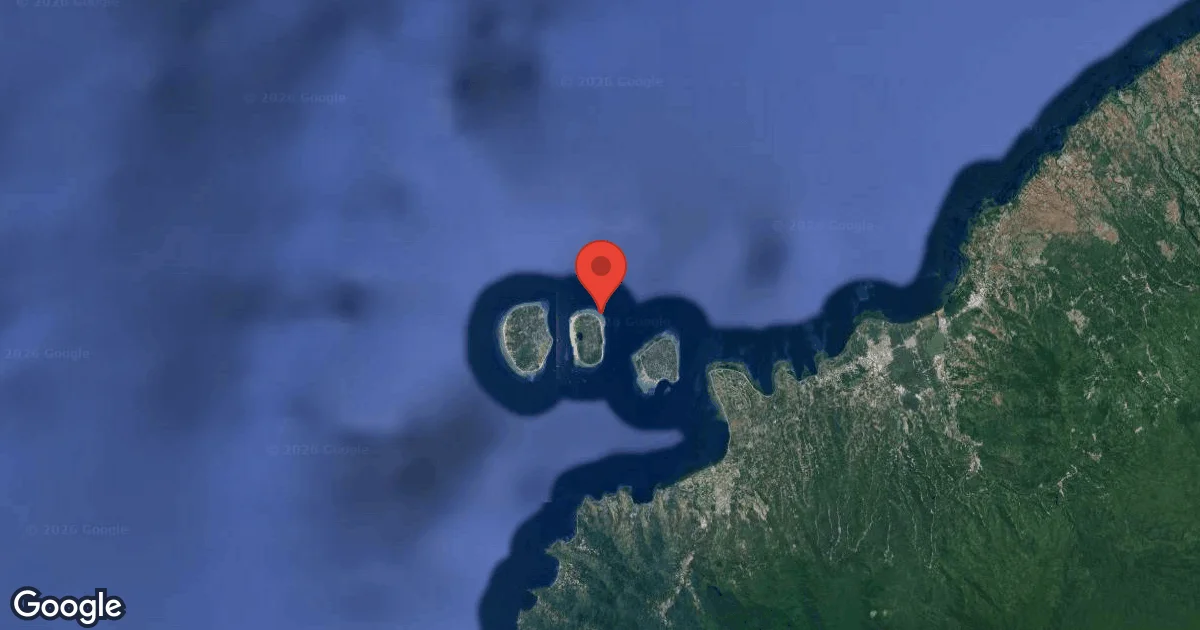
Dive Centers Near Shark Point
Today: 07:00 - 18:00
Nearest Airports
Nearest airports to help plan travel to this dive area.
Search Flights
Check available flights and routes on Expedia, using the nearby airports listed in this section.
Search Flights on ExpediaFrequently Asked Questions
What is the maximum depth at Shark Point?
The maximum reported depth at Shark Point is approximately 35 m / 115 ft. While the site starts shallower, around 10 meters, sharks are often sighted at depths around 28 meters.
What kind of marine life can I expect to see?
Shark Point is known for diverse marine life, including green sea turtles, whitetip, blacktip, and sometimes grey reef sharks. You'll also encounter schooling fish like snappers, jacks, barracudas, and various reef inhabitants such as angelfish and blue-spotted stingrays.
Are there strong currents at Shark Point?
Yes, Shark Point is susceptible to strong currents, particularly during new and full moon phases. Conditions can vary, and strong currents can make the site challenging, sometimes requiring it to be avoided.
What is the best time of year to dive Shark Point?
The peak diving season is from July through September and again in December and January, offering the most stable conditions with lower rainfall. May, June, and October are also generally good months for diving.
What skill level is required for diving Shark Point?
While some shallower sections are accessible to novice divers, the deeper areas and potential for strong currents often categorize Shark Point as suitable for intermediate to advanced divers. Good buoyancy and current management skills are beneficial.
How long does it take to get to Shark Point from Gili Trawangan?
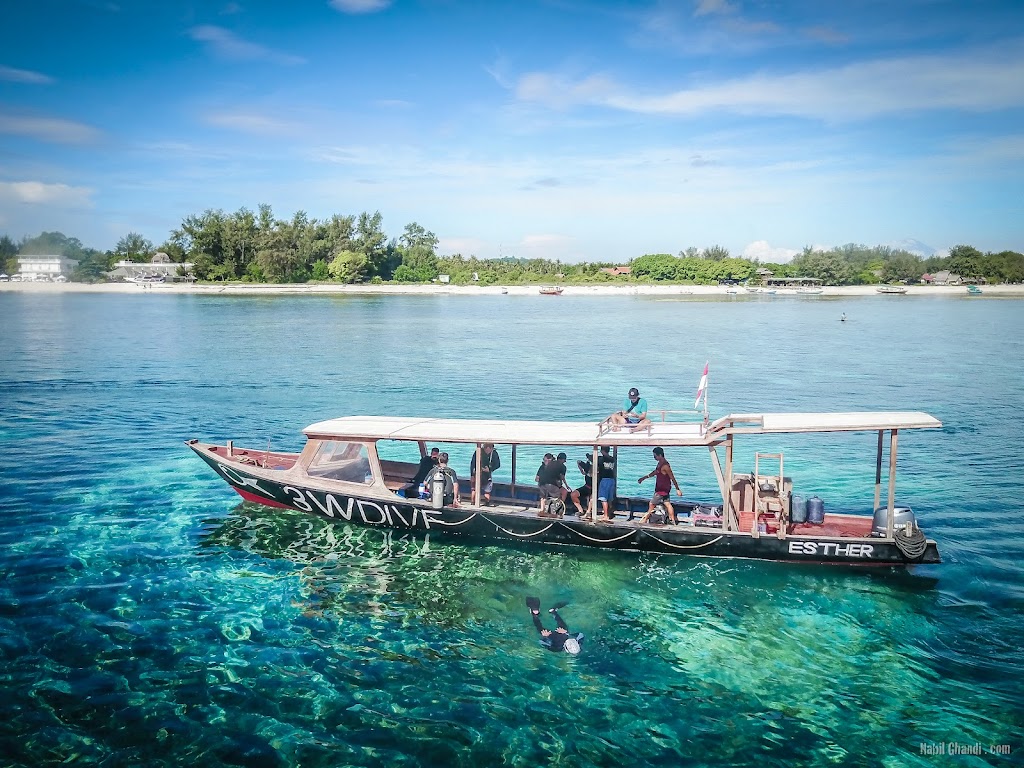
Travel time to Shark Point from a dive center in the Gili Trawangan area typically ranges from 20 to 25 minutes by boat.
Planning to dive Shark Point?
Send one inquiry and receive offers directly from the best verified local dive operators.
Conditions are Excellent
07:00 - 14:00
Optimal conditions expected
Current conditions near Shark Point show 26° air, 29° sea temperature, 0.7 m waves, and 19 km/h wind. Forecast data is refreshed regularly to ensure accuracy.