
Diving at Batu Belah (Indonesia)
Navigating Batu Belah presents a compelling challenge for divers, as its unique underwater landscape transitions from gentle, coral-rich shallows to deeper, more complex environments. The site demands attention to detail, offering diverse opportunities whether you're building foundational skills or seeking advanced photographic subjects. Mastering its varying depths and structure leads to rewarding encounters.
Evening condition tracking at Batu Belah features an air temperature of 24°C. We have recorded wave heights measuring 0.7 m during this period. These figures outline the environmental parameters currently present.
Dive Site Location & Key Facts
Dive Site Overview
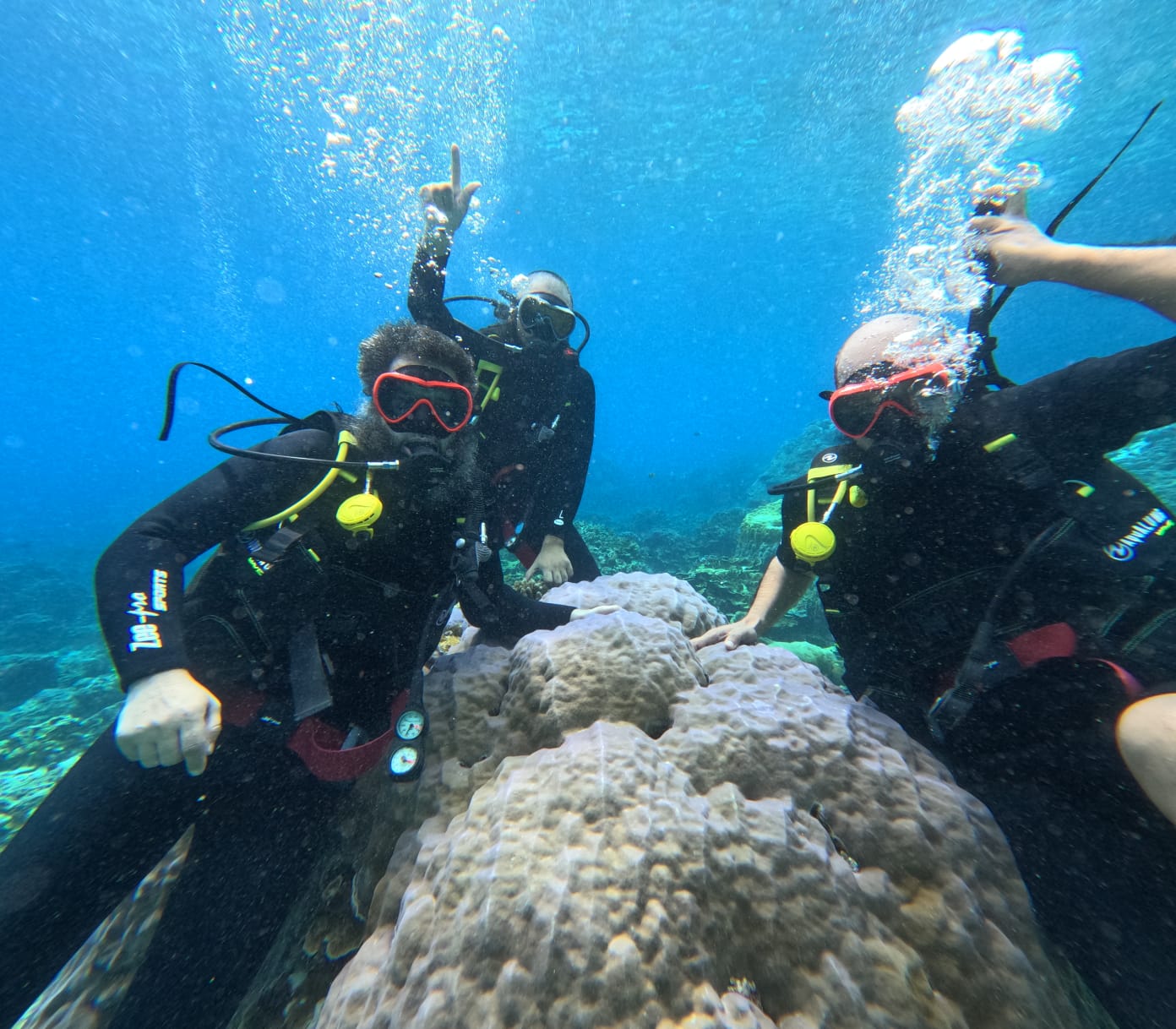
An immersive experience unfolds at Batu Belah, a notable dive site nestled within the Tulamben area of Bali. This site distinguishes itself with a substantial coral clump rising from a sandy bottom, creating a dynamic habitat.
Dives here typically explore depths ranging from 10 to 25 m (33 to 82 ft), accommodating divers across various skill levels. Shallow reef areas provide an accessible entry point for less experienced divers, while the deeper sections reveal more intricate coral formations and intriguing species for those with advanced certifications. Expect a vibrant ecosystem that thrives among the mix of hard and soft corals.
This location, accessible from the beach, often presents an engaging drift dive, allowing divers to glide past its unique geological features and abundant marine life. Every descent into Batu Belah promises discovery, from the micro-details within the corals to the larger inhabitants cruising the reef's perimeter.
Conditions are Excellent
07:00 - 14:00
Optimal conditions expected
Current conditions near Batu Belah show 24° air, 28° sea temperature, 0.6 m waves, and 14 km/h wind. Forecast data is refreshed regularly to ensure accuracy.
Best Time to Dive
Deciding when to visit Batu Belah often depends on balancing water conditions with atmospheric comfort, though diving is feasible year-round. The period from April to November generally provides the most favorable conditions, aligning with Bali’s dry season. During these months, rainfall averages are significantly lower, ranging from 0.9 to 6.6 mm, in contrast to the wetter season's 7.8 to 13.2 mm. Air temperatures remain consistently warm, typically between 26-27°C (79-81°F). Early morning dives are frequently recommended for optimal visibility and the chance to experience the site with fewer other divers, often coinciding with calmer surface conditions. While the dry season offers peak clarity, even during other months, the site maintains a 'Good' dive score, suggesting pleasant diving experiences are common.
PEAK SEASON SCORE
Scores combine air & water temps, waves, wind & rainfall for overall conditions.
BEST MONTHS TO DIVE
Monthly records compiled from satellite and marine observation nodes over the last 3 years. Data provided by Open-Meteo and MET Norway.
Dive Experience & Conditions
Descending into Batu Belah immediately impresses with its distinct structure, where a prominent coral mound emerges from a sprawling sandy expanse. The initial sensation is one of gentle exploration through the vibrant, shallower coral gardens, teeming with small reef inhabitants. As you progress, the site subtly deepens, revealing more complex topography that invites closer inspection. Visibility here can be excellent, particularly during the dry season's calm mornings, allowing the intricate details of the reef to stand out. While some drift can be anticipated, adding an easy flow to the dive, conditions are generally considered manageable for a wide range of certifications. The interplay of light on the coral and the sandy bottom creates a visually dynamic environment, making each dive feel like a fresh discovery.
Dive Difficulty & Safety Guidelines
Ensuring a safe and enjoyable dive at Batu Belah primarily involves respectful engagement with the environment and adherence to standard dive practices. Staying with an experienced local guide is highly recommended, as they possess expert knowledge of the reef’s unique terrain and can navigate any localized currents efficiently. Divers should always maintain proper buoyancy control to avoid contact with the delicate coral formations, helping to protect the vibrant ecosystem.
While no specific extreme hazards are consistently reported for this site, general awareness of your surroundings and dive plan, especially when exploring deeper sections or during a drift, is essential. Respect for all marine life is paramount; avoid touching any animals or corals to preserve their natural state.
Recommended Equipment
Deep dive hazard. Increased narcosis and gas consumption risk.
Current and surface separation risk. Local briefing strongly recommended.
- Dive Computer
- DSMB
- Primary & Backup Lights
- Reel / Spool
This gear list is based on verified equipment signals for Batu Belah, Indonesia. Always confirm final gear choices with your dive operator, guide, or liveaboard.
Recommended Dive Suit
Individual comfort in the water can vary significantly from diver to diver, even under the same conditions.
For most recreational dives, 2-3mm shorty or light wetsuit should provide comfortable protection. Forecast conditions over the next few days suggest temperatures will remain relatively stable.
Water temperatures across the dive area at Batu Belah are presently estimated to be around 28°C (83°F). Surface air temperatures are resting at 24°C (75°F).
Due to technical issues with our weather providers, data hasn't been fetched for over 48 hours. The data above reflects the conditions at the time of the last successful fetch.
Emergency & Medical Support
Essential information to help you plan your dive trip to Batu Belah.

Hyperbaric chambers are a critical part of dive safety infrastructure. Availability varies significantly by region, and not all dive areas have immediate access.
Before diving, it's recommended to:
- confirm nearest medical facilities
- check emergency procedures with local dive operators
- ensure dive insurance covers evacuation if required
Divers Alert Network
Diving emergency assistance available through DAN World.
+1-919-684-9111- 24/7 emergency hotline
- Diving medical assistance
- Evacuation coordination
Emergency contacts are provided for reference. Always verify local emergency services before diving.
Marine Life at Batu Belah
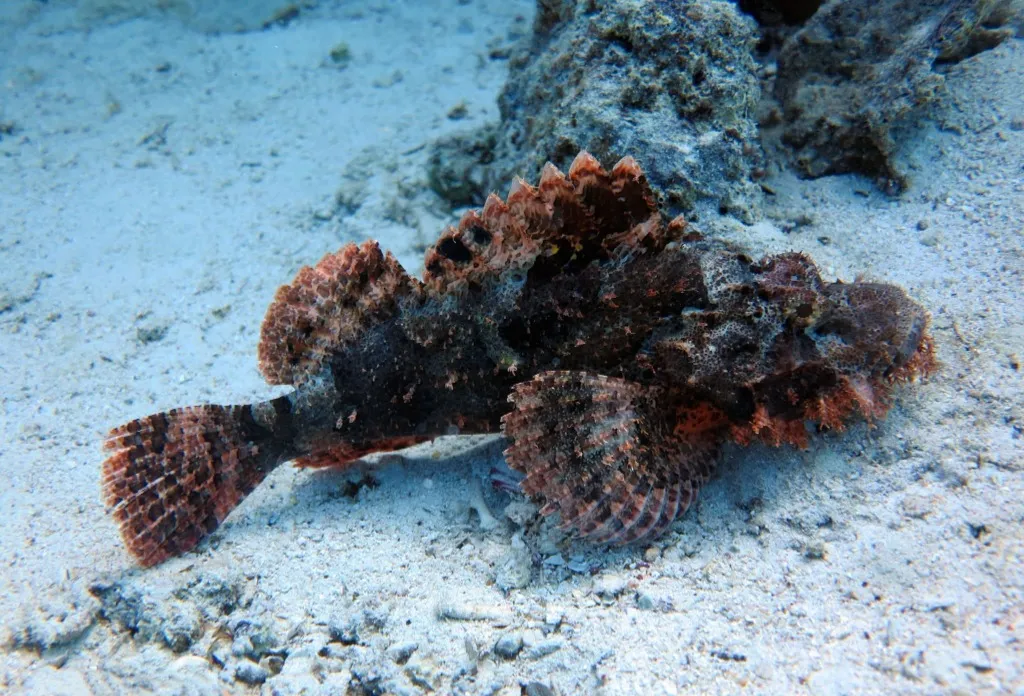
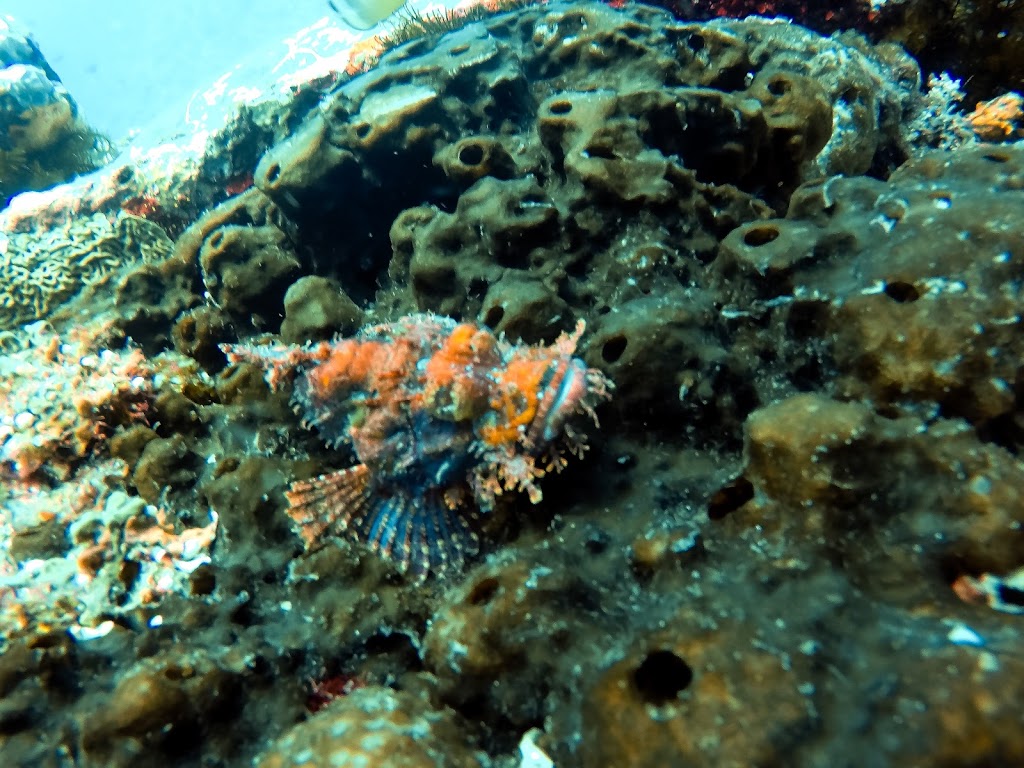
Batu Belah truly shines with its resident marine population, offering a rewarding focus for underwater observers. Divers frequently encounter the distinct Purple Leaf Scorpionfish, often expertly camouflaged within the coral.
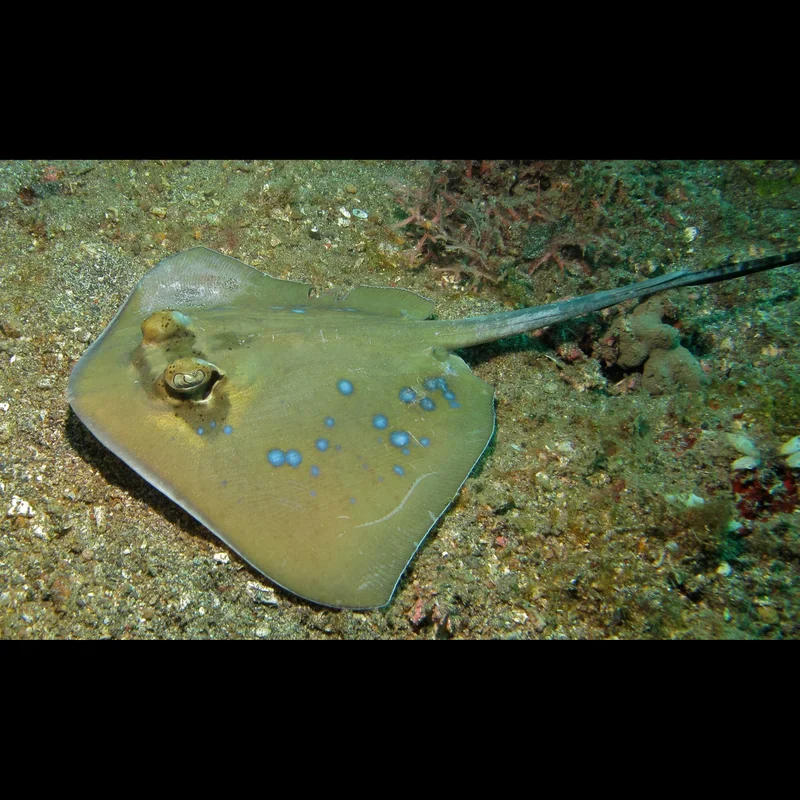
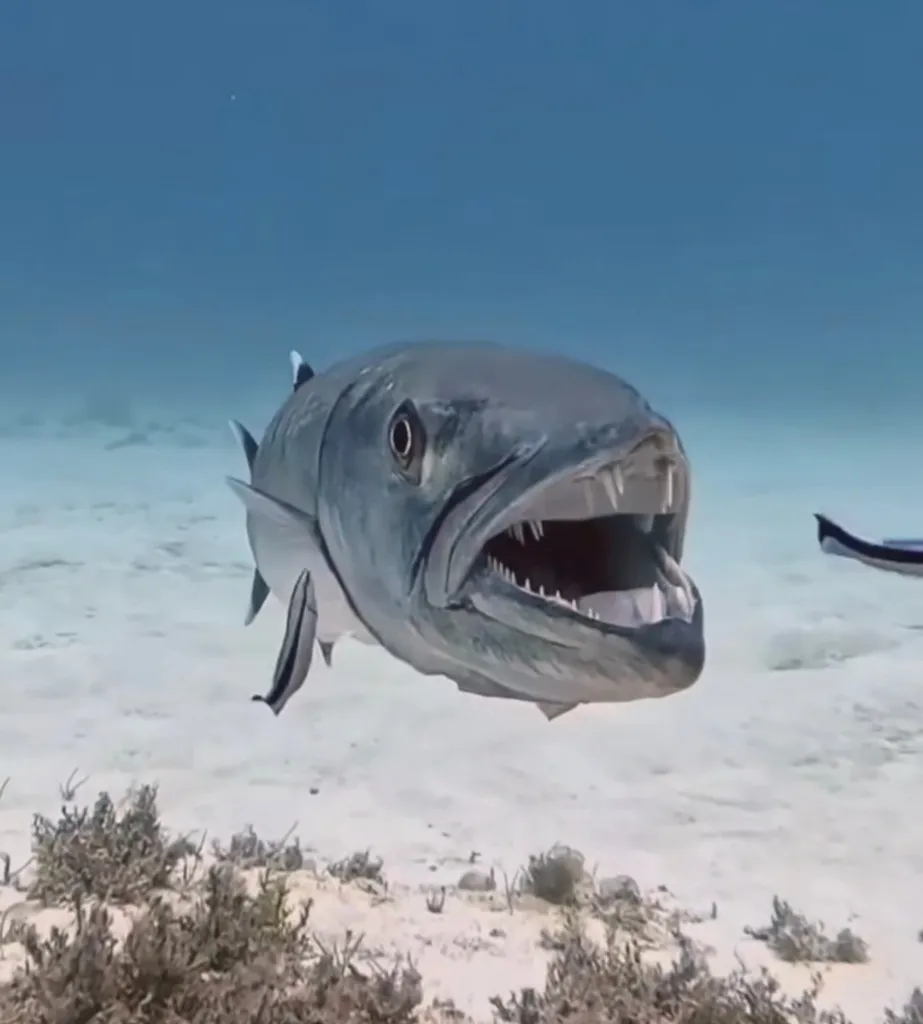
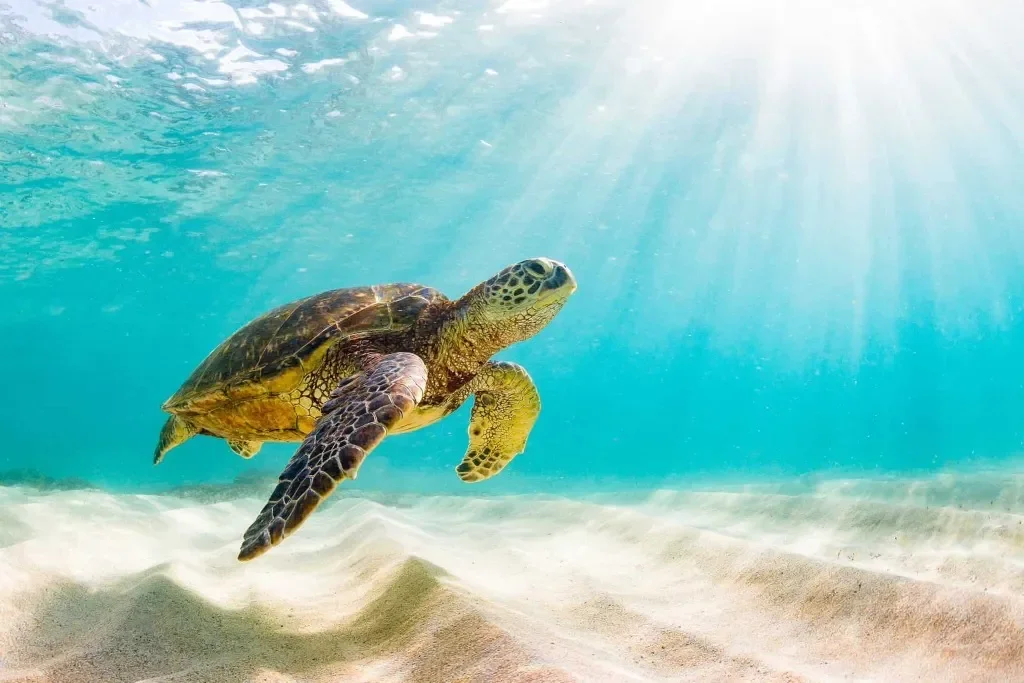
The sandy bottom and reef crevices are home to various species of shrimps, while Barracudas are sometimes spotted cruising the deeper reef edges. Look for the striking Blue Spotted Stingray resting on the sand, and keep an eye out for Green Turtles gliding gracefully past.
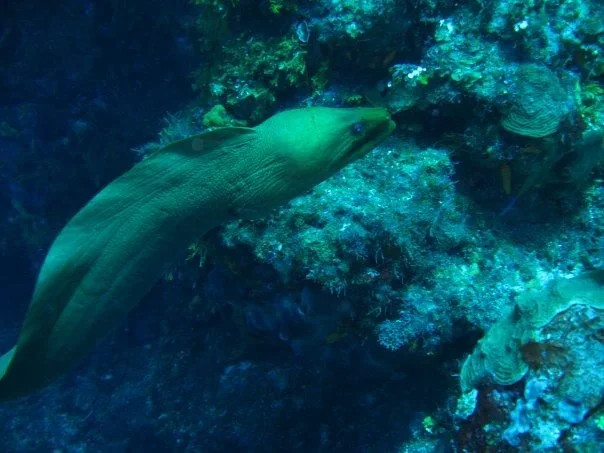
Both Javanese Moray eels and Ribbon Moray eels are commonly seen peeking from their rocky hideaways, adding to the site's rich biodiversity.
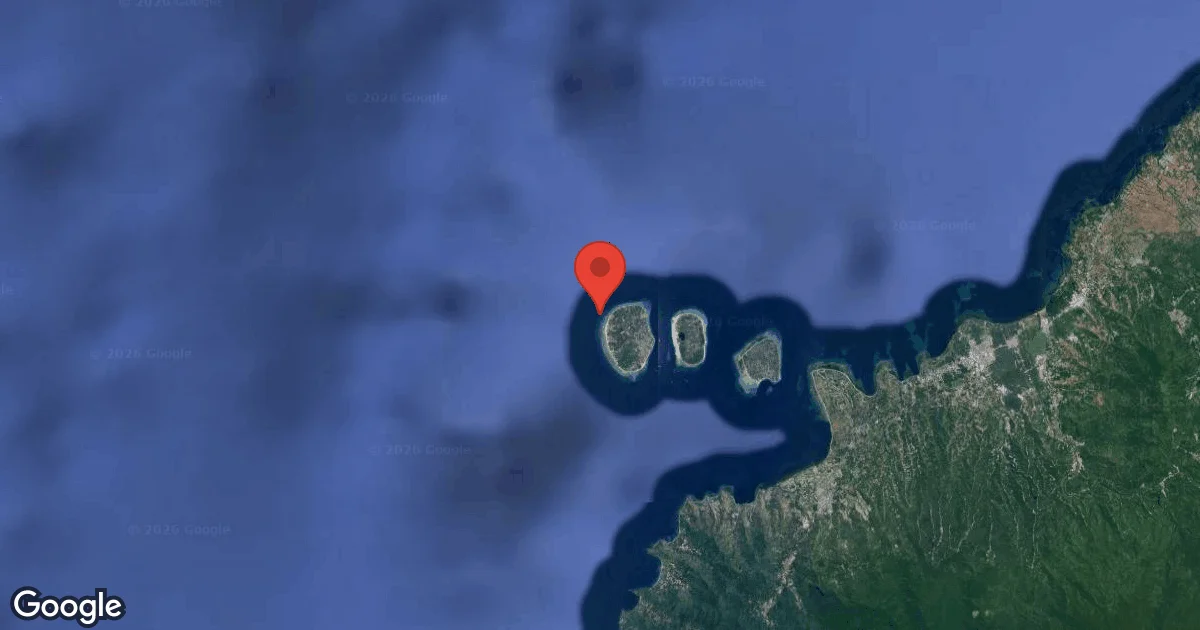
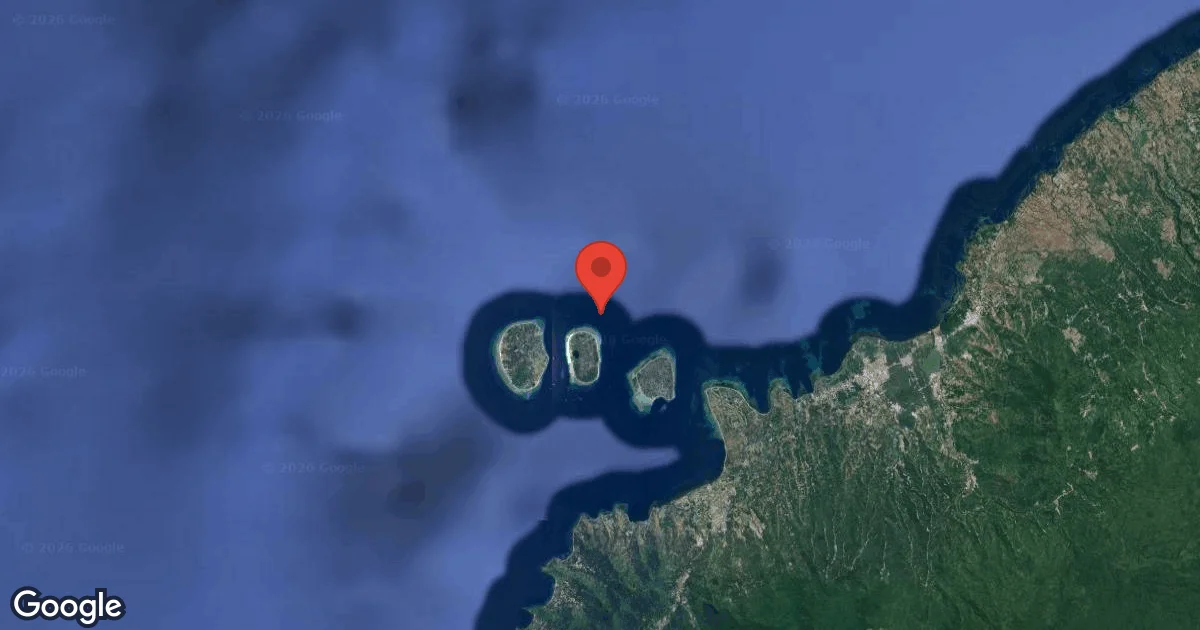
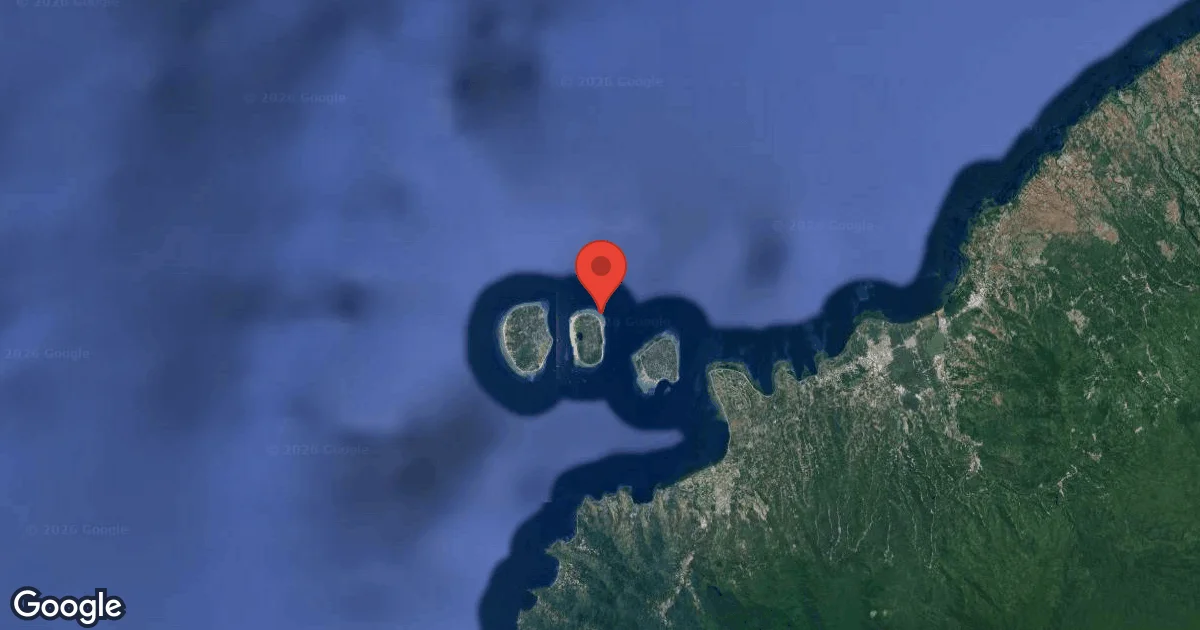
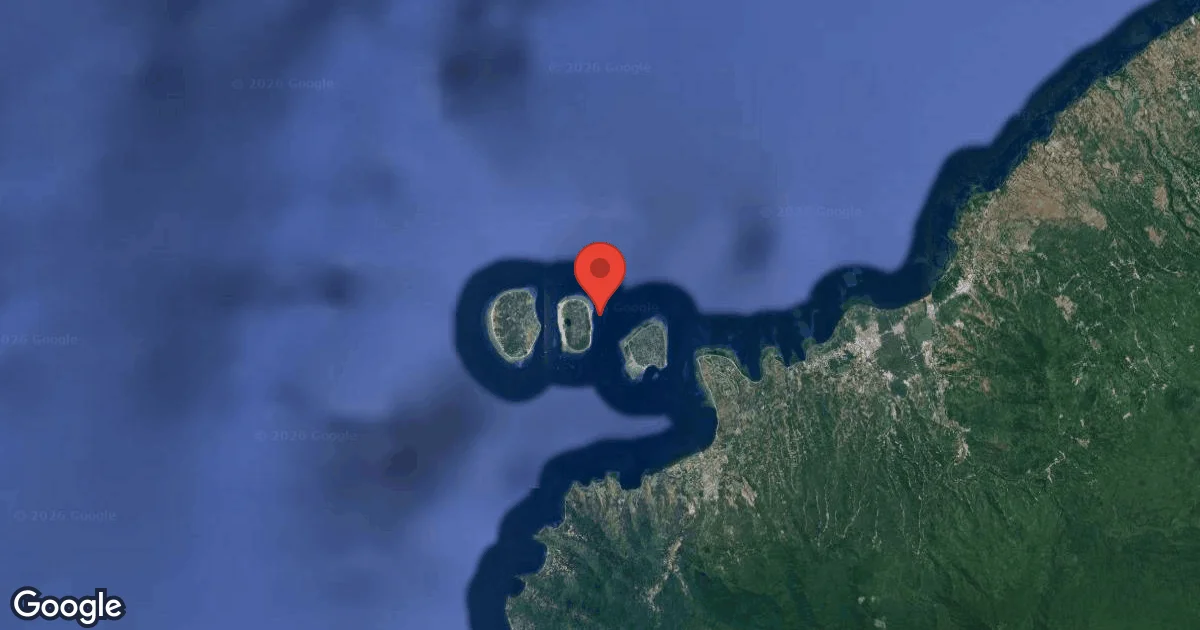
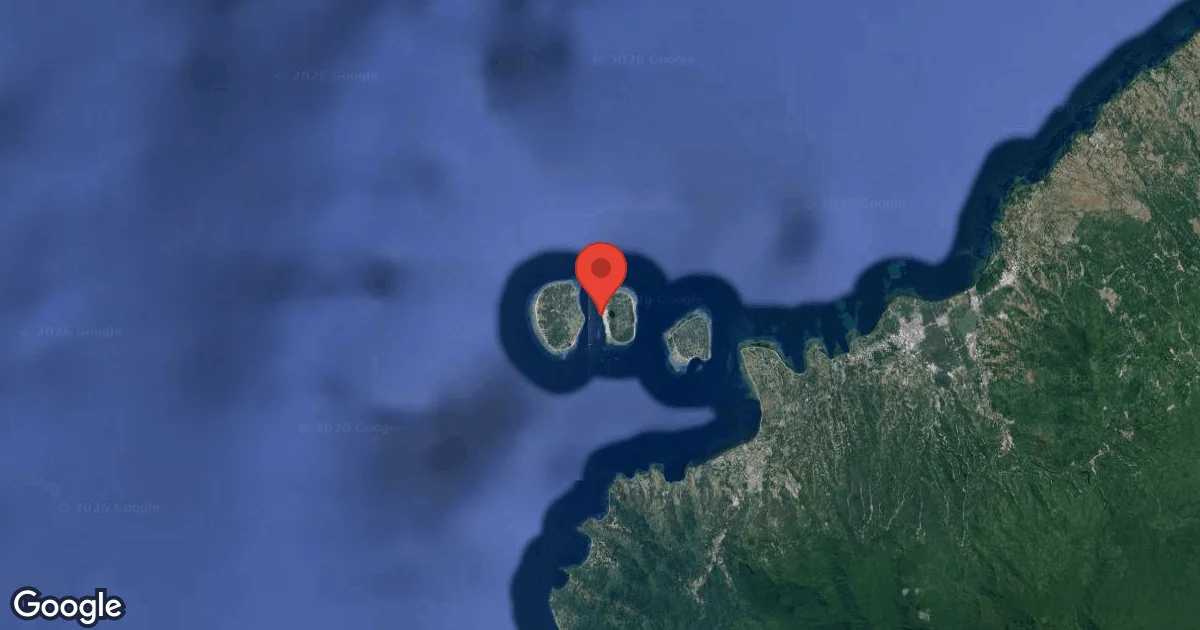
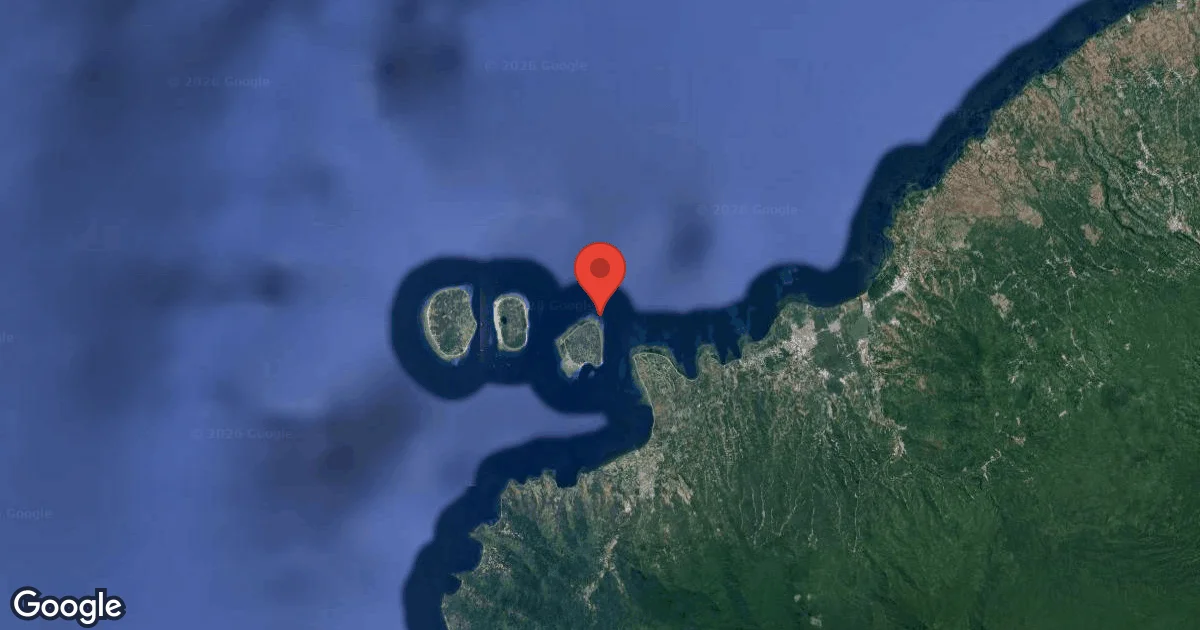
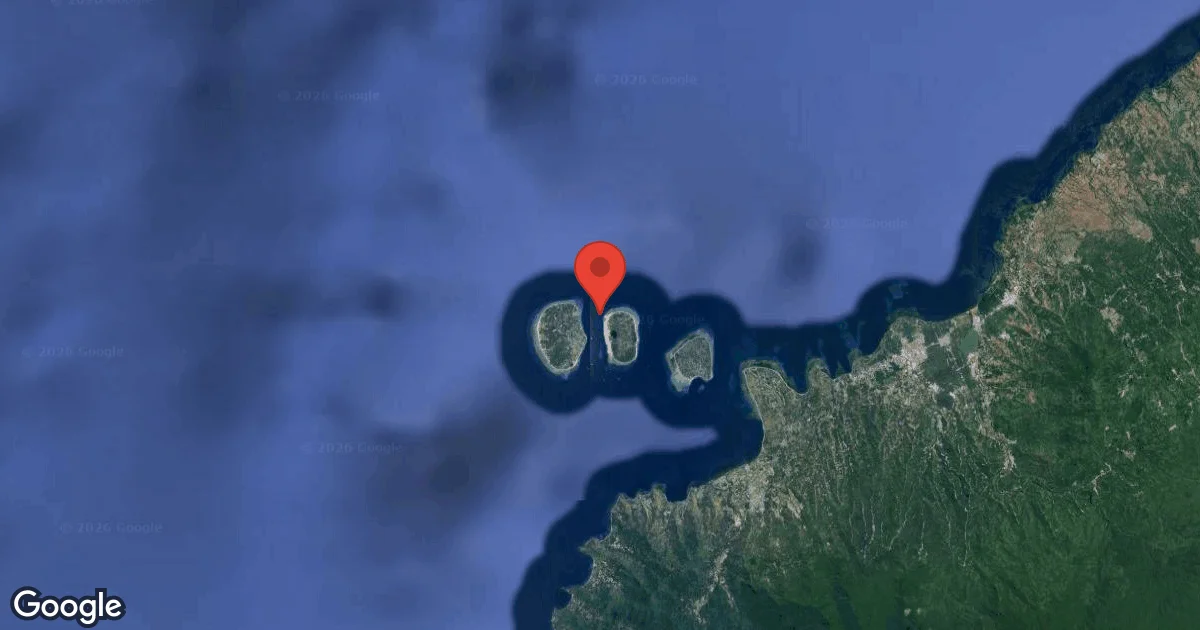
Dive Sites Near Batu Belah
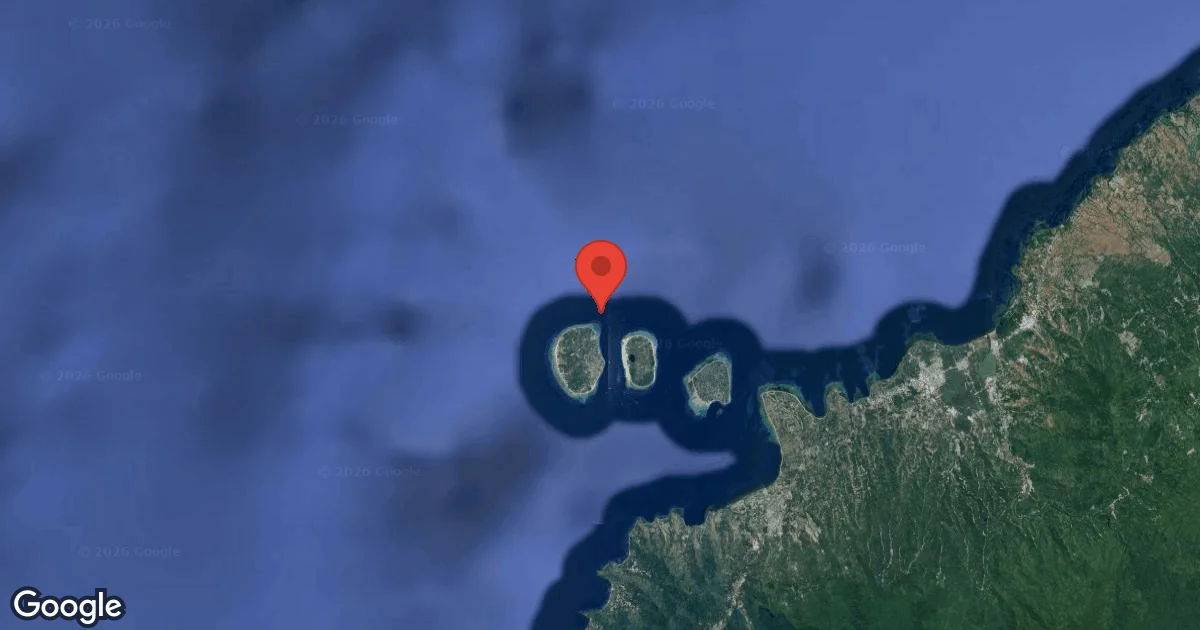
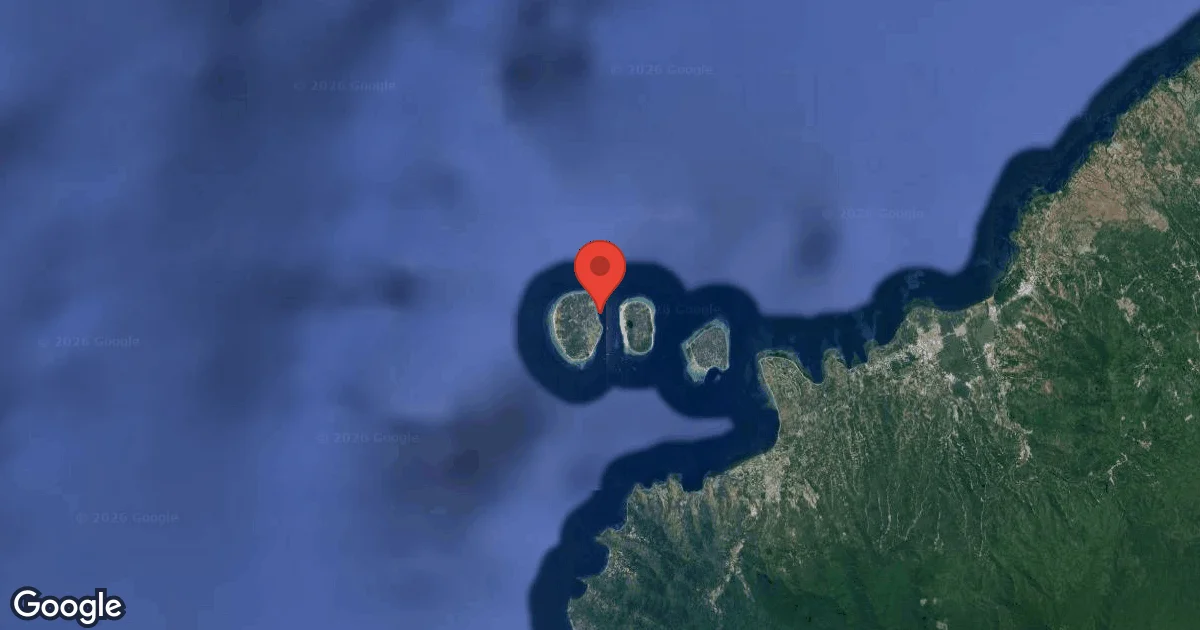
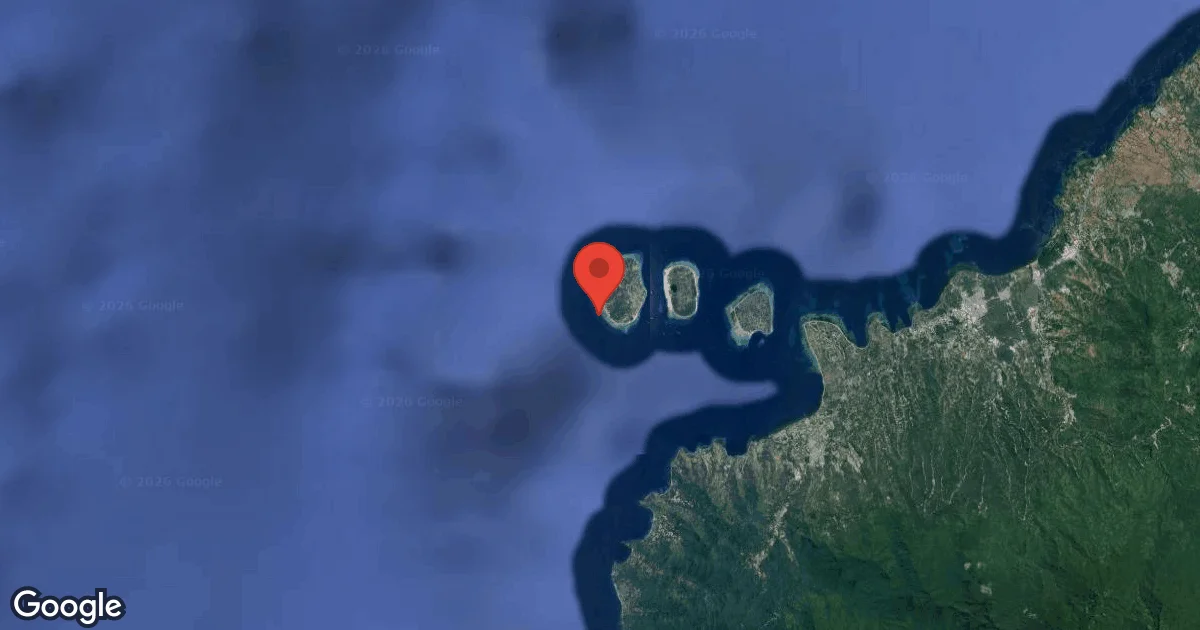
View all dive sites in IndonesiaDiscover more underwater gems in this area.
Dive Centers Near Batu Belah
Today: 07:00 - 18:00
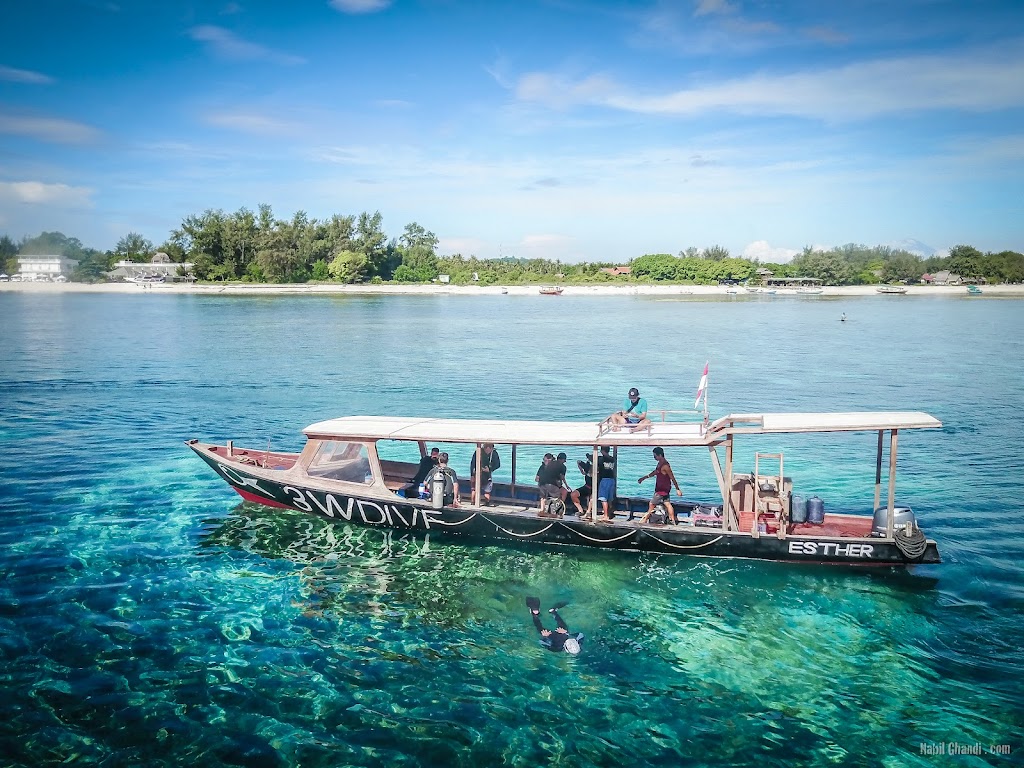
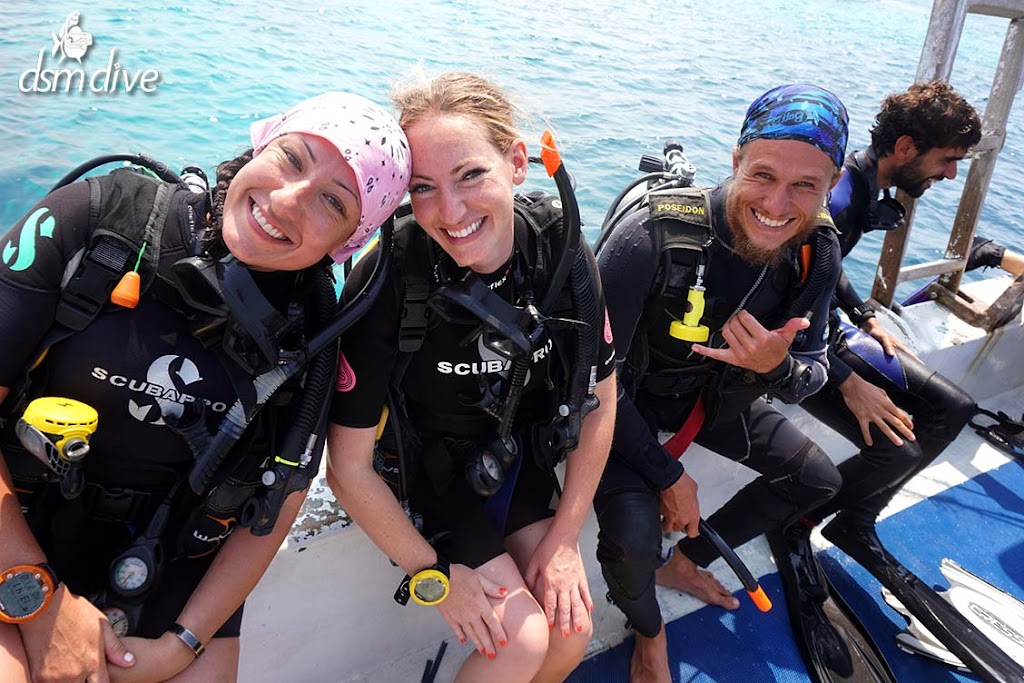
Nearest Airports
Nearest airports to help plan travel to this dive area.
Search Flights
Check available flights and routes on Expedia, using the nearby airports listed in this section.
Search Flights on ExpediaFrequently Asked Questions
When is the best time to dive at Batu Belah?
Batu Belah offers year-round diving, but the optimal conditions typically occur from April to November, during Bali’s dry season. Early morning dives are recommended during this period for superior visibility and generally calmer waters, enhancing the overall experience.
What depth range can I expect when diving here?
The dive site features a diverse profile, with depths commonly ranging from 10 to 25 meters (33 to 82 feet). This allows for exploration of both shallow, coral-rich areas and deeper sections that appeal to more advanced divers.
Is Batu Belah suitable for beginner divers?
Yes, Batu Belah is suitable for beginners due to its accessible shallow coral-rich areas. Guided dives are highly recommended for all skill levels to ensure safe navigation and to highlight the site's best features.
What marine life might I encounter at Batu Belah?
Divers often spot Purple Leaf Scorpionfish, various species of shrimps, and Barracudas. You might also see Blue Spotted Stingrays, Green Turtles, and both Javanese and Ribbon Moray eels among the corals and sandy patches.
How do I get to the Batu Belah dive site?
Batu Belah is located in the Tulamben area on Bali’s northeast coast, approximately a 3-hour drive from southern areas like Denpasar or Kuta. Many local dive packages include convenient transportation to the site, which offers beach entry.
Are guided dives recommended for this location?
Guided dives are strongly recommended at Batu Belah to ensure safe navigation of its unique terrain and to maximize your chances of encountering specific marine life. Expert instructors can tailor the dive to your skill level, from beginner to advanced.
Planning to dive Batu Belah?
Send one inquiry and receive offers directly from the best verified local dive operators.
Conditions are Excellent
07:00 - 14:00
Optimal conditions expected
Current conditions near Batu Belah show 24° air, 28° sea temperature, 0.6 m waves, and 14 km/h wind. Forecast data is refreshed regularly to ensure accuracy.