
Diving at Capo Noli (Italy)
To effectively explore Capo Noli, divers should be prepared for its distinctive underwater topography. The site begins as a gradual sandy slope before transforming into a dramatic, steeply descending esplanade, culminating in an almost vertical sand wall. Planning your buoyancy for these varied descents is crucial, especially when navigating the interspersed rock formations and potential debris at greater depths.
Tonight's objective overview for Capo Noli shows an air temperature of 21°C. The measured surface conditions include wave heights around 0.6 m. This environmental data is logged for the close of the day.
Dive Site Location & Key Facts
Dive Site Overview
Capo Noli offers a diverse underwater landscape along the Ligurian coast, appealing to divers interested in varied environments. Its primary characteristic is a large sand esplanade, initially sloping gently, then descending quite steeply to a maximum depth of 40 m (130 ft).
This dynamic bottom structure is interspersed with significant rocks and boulders, creating pockets of habitat before transitioning into what feels like a wall of sand. While categorized for wall and beach entry diving, the presence of scattered debris in deeper sections also hints at potential wreck-like exploration opportunities. Water temperatures are not consistently reported but generally track with air temperatures, which peak in the summer months.
Exploring the transitions between sand and rock often reveals a different range of marine life compared to purely rocky reefs, with opportunities to encounter species adapted to sandy substrates and the shelter provided by boulders.
Conditions are Excellent
07:00 - 14:00
Optimal conditions expected
Current conditions near Capo Noli show 21° air, 26° sea temperature, 0.5 m waves, and 18 km/h wind. Forecast data is refreshed regularly to ensure accuracy.
Best Time to Dive
Planning a dive at Capo Noli is best done from June through August, when conditions are consistently rated 'Excellent'. During these months, average air temperatures range from 22.5°C (72°F) to 26°C (79°F), offering comfortable surface conditions. Rainfall is minimal, typically between 1.5 to 2.6 mm, ensuring clearer skies and generally calmer seas. Conversely, winter months like January see average air temperatures drop to 7.5°C (46°F), with higher wave activity averaging around 1.1 m (3.6 ft), which can limit access. While the dive score remains 'Good' in many shoulder months, the peak summer provides the most reliable combination of pleasant weather and favorable sea state for exploration.
PEAK SEASON SCORE
Scores combine air & water temps, waves, wind & rainfall for overall conditions.
BEST MONTHS TO DIVE
Monthly records compiled from satellite and marine observation nodes over the last 3 years. Data provided by Open-Meteo and MET Norway.
Dive Experience & Conditions
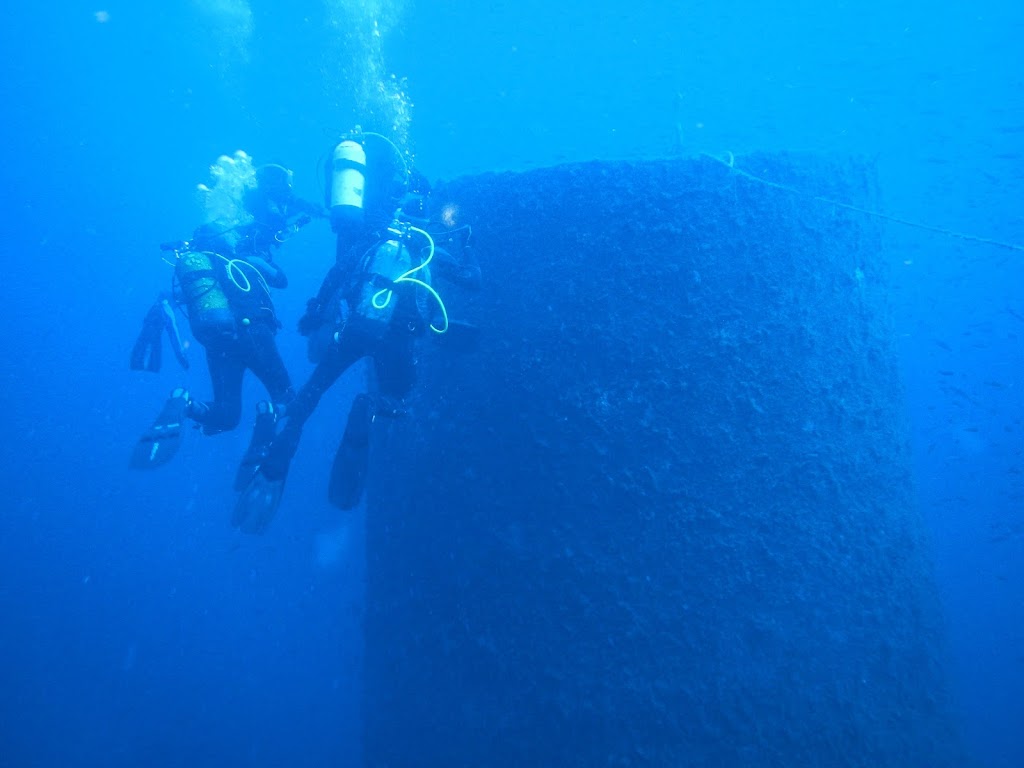
Descending into Capo Noli, divers will first encounter a gradual sandy esplanade. This initial slope gives way to more significant rocky formations and boulders that create an interesting, broken terrain. The site transitions into a steep drop-off, forming what's been described as an almost vertical wall of sand, extending to a maximum depth of 40 m (130 ft). Visibility varies but can be good, especially during calmer periods. The dive experience here often involves exploring the sand-rock interface, where different marine species congregate. Divers should be comfortable with multi-level profiles and managing buoyancy in both open sand and around rock formations. Current conditions are not consistently reported, but wave heights are generally lower during summer, suggesting more stable underwater conditions.
Dive Difficulty & Safety Guidelines
Diving at Capo Noli requires an understanding of its unique topography and potential depths. Given the sand esplanade descends steeply to 40 m (130 ft), divers should possess appropriate certification for deeper dives, or plan their profiles to remain within their training limits. While no specific hazards are reported for Capo Noli itself, nearby sites requiring Advanced or Deep Diver certifications suggest a need for preparedness in the region.
Always dive with a buddy and maintain good buoyancy control to avoid disturbing the sandy bottom or fragile marine life. Local dive centers, such as Divenjoy, offer guided dives and equipment rentals, providing valuable local expertise for safe exploration.
Recommended Equipment
Overhead / entanglement risk. Wreck penetration requires proper training.
- Dive Computer
- Primary & Backup Lights
- Wreck Reel
- Cutting Tool
This gear list is based on verified equipment signals for Capo Noli, Italy. Always confirm final gear choices with your dive operator, guide, or liveaboard.
Recommended Dive Suit
Comfort levels can also depend on how active a diver is during the dive.
The water around Capo Noli is currently holding at approximately 26°C (78°F), setting the tone for today's dives. Surface air temperatures are resting at 21°C (70°F). When water temperatures fall within this range, many divers dive comfortably with 3mm wetsuit. A hood or vest is suggested for sensitive divers due to surface winds. Surface intervals may feel cooler.
A warming trend is expected over the next few days. A warming trend is expected over the next few days.
Emergency & Medical Support
Essential information to help you plan your dive trip to Capo Noli.

Hyperbaric chambers are a critical part of dive safety infrastructure. Availability varies significantly by region, and not all dive areas have immediate access.
Before diving, it's recommended to:
- confirm nearest medical facilities
- check emergency procedures with local dive operators
- ensure dive insurance covers evacuation if required
Divers Alert Network
Diving emergency assistance available through DAN Europe.
+39 0642115685- 24/7 emergency hotline
- Diving medical assistance
- Evacuation coordination
Emergency contacts are provided for reference. Always verify local emergency services before diving.
Closest Listed Hyperbaric Chambers
Showing listed hyperbaric chamber facilities within 200 km of this dive site.
Distances are approximate straight-line distances and may not reflect emergency travel time.
Unità Operativa di Medica Iperbarica
24/7 ListedICU CapableGenova, Italy•Approx. 50 km straight-line
Unità Operativa di Medica Iperbarica
24/7 ListedICU CapableInformation is provided for reference and planning purposes only. Dive Navigator does not verify operational status, staffing, availability, or quality of care at listed facilities. In an emergency, contact local emergency services, DAN, your dive operator, or the chamber directly. Do not travel to a facility without calling ahead.
CE.M.I.S. Centro Medicina Iperbarica e Subacquea
Massa, Italy•Approx. 135 km straight-line
CE.M.I.S. Centro Medicina Iperbarica e Subacquea
Information is provided for reference and planning purposes only. Dive Navigator does not verify operational status, staffing, availability, or quality of care at listed facilities. In an emergency, contact local emergency services, DAN, your dive operator, or the chamber directly. Do not travel to a facility without calling ahead.
Ospedale di Vaio - AUSL Parma
24/7 ListedICU CapableFidenza (Pr), Italy•Approx. 148 km straight-line
Ospedale di Vaio - AUSL Parma
24/7 ListedICU CapableInformation is provided for reference and planning purposes only. Dive Navigator does not verify operational status, staffing, availability, or quality of care at listed facilities. In an emergency, contact local emergency services, DAN, your dive operator, or the chamber directly. Do not travel to a facility without calling ahead.
Marine Life at Capo Noli
The diverse environment at Capo Noli supports a range of marine life. Along the sandy bottom, divers may encounter monkfish, particularly during winter months.
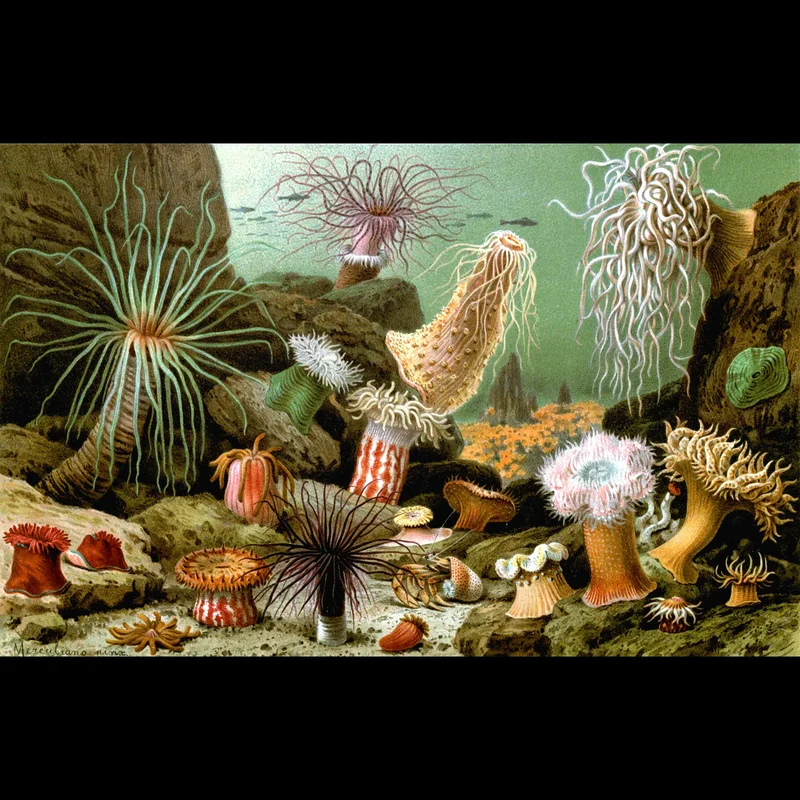
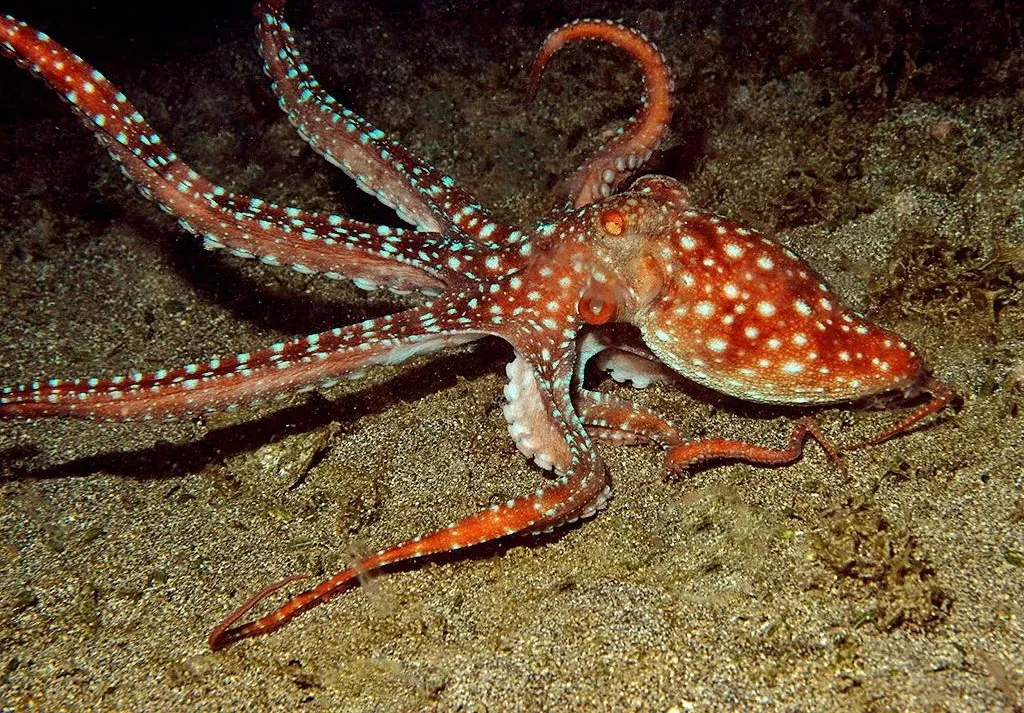
Octopuses are often seen utilizing the rocky crevices and scattered debris for shelter. Intricate spirographs and various ascidians, cerianthus, and anemones add vibrant color to the underwater scenery.
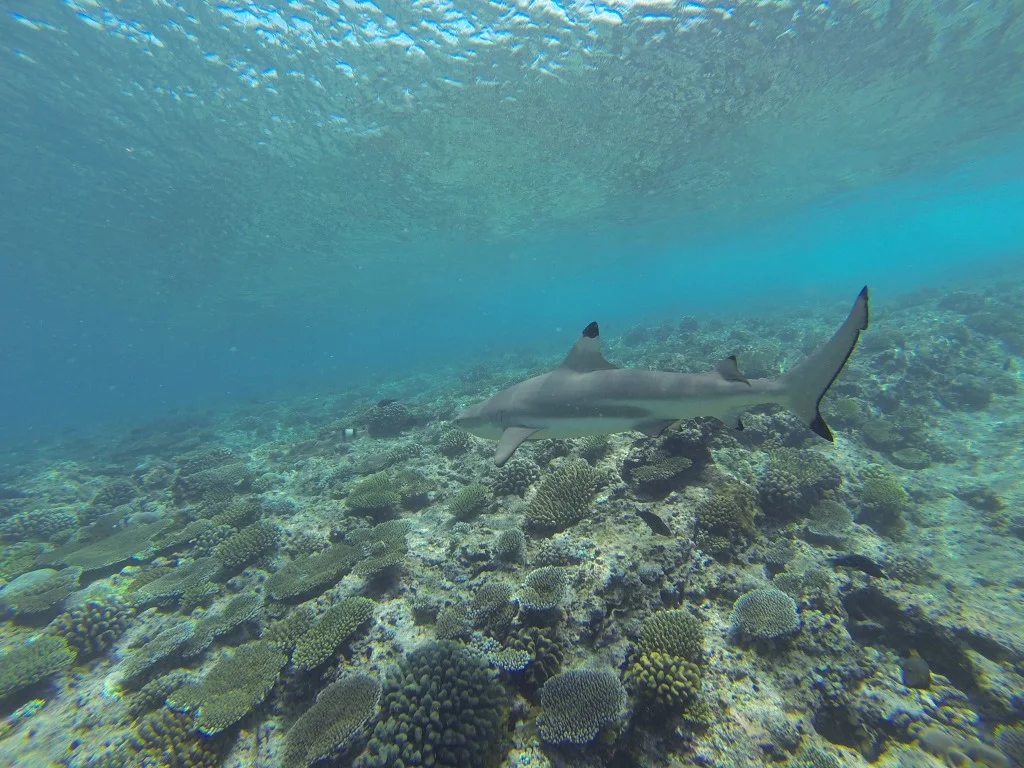
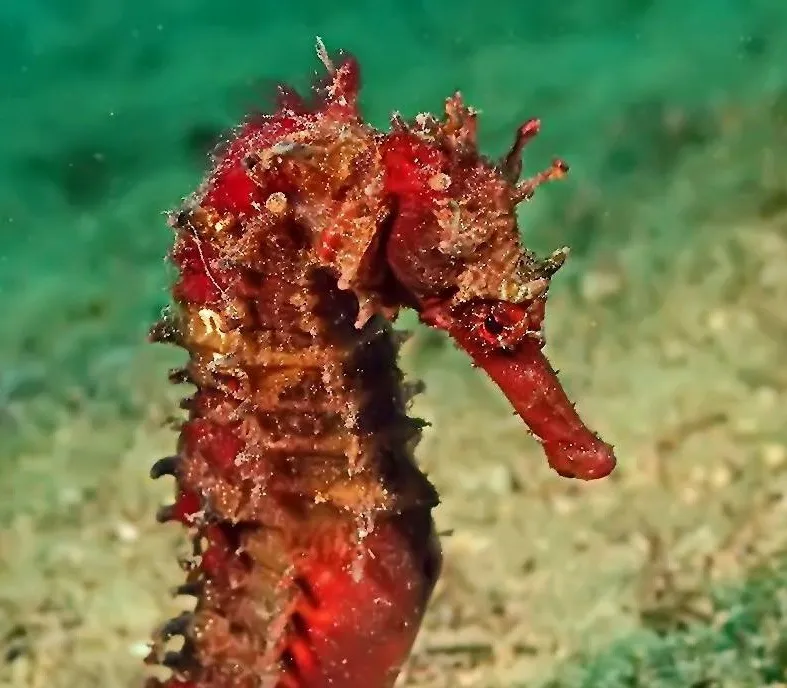
Seahorses have also been observed, camouflaged amongst the flora. While less frequent, broader regional sightings suggest the possibility of encountering species like sharks, whales, dolphins, and turtles, highlighting the area's rich biodiversity.

Dive Sites Near Capo Noli
View all dive sites in ItalyDiscover more underwater gems in this area.
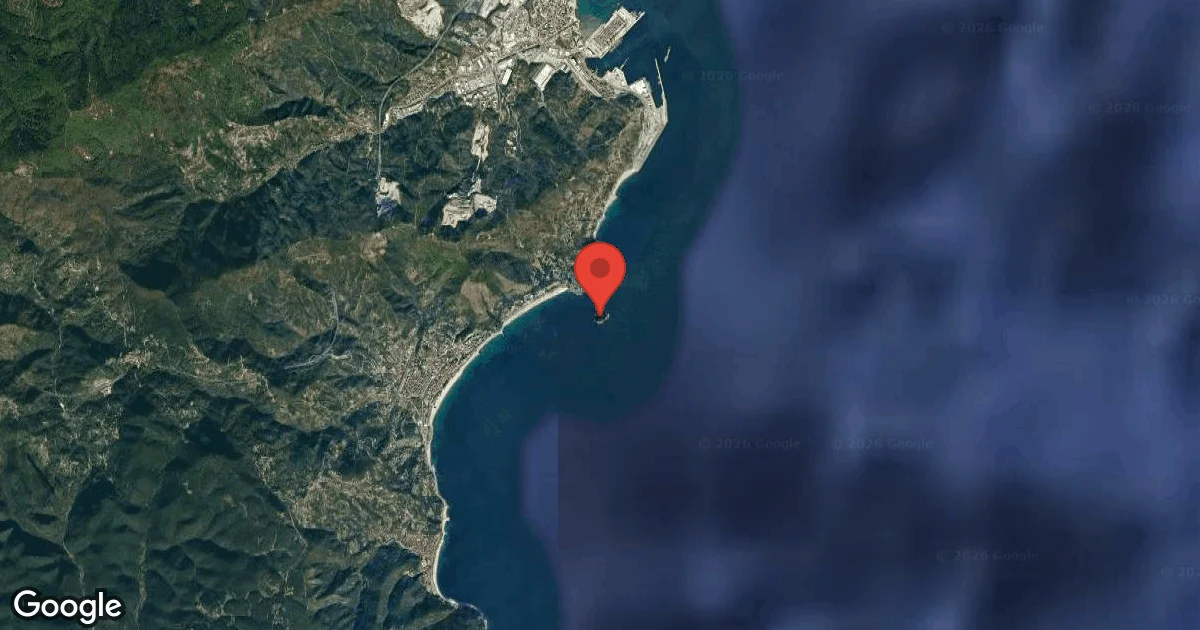
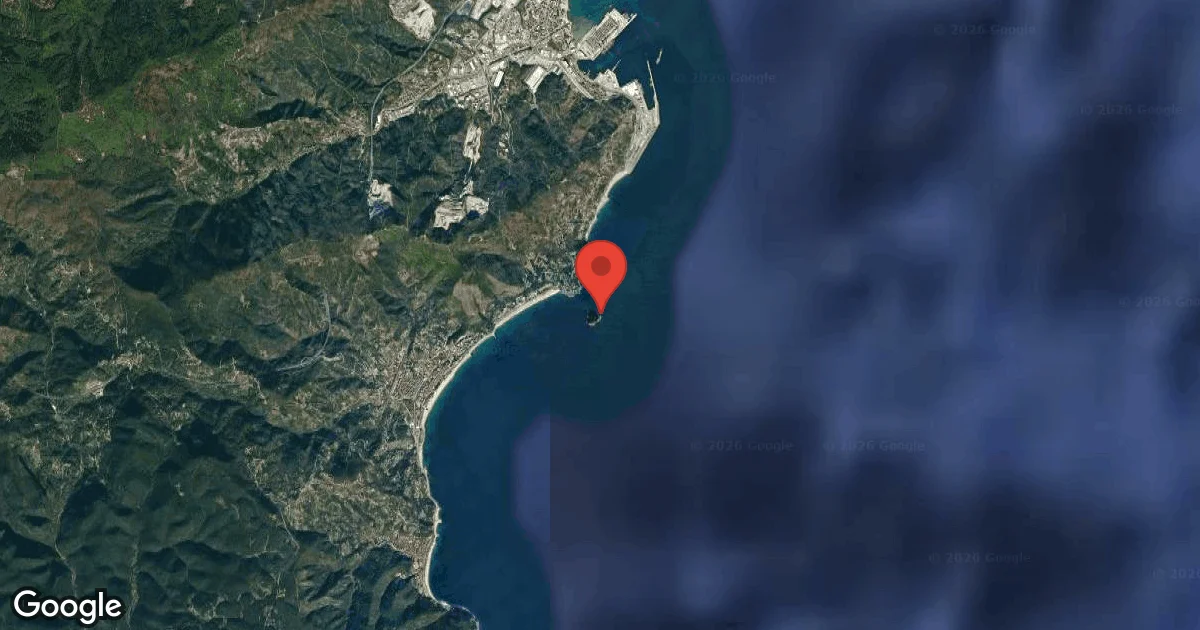
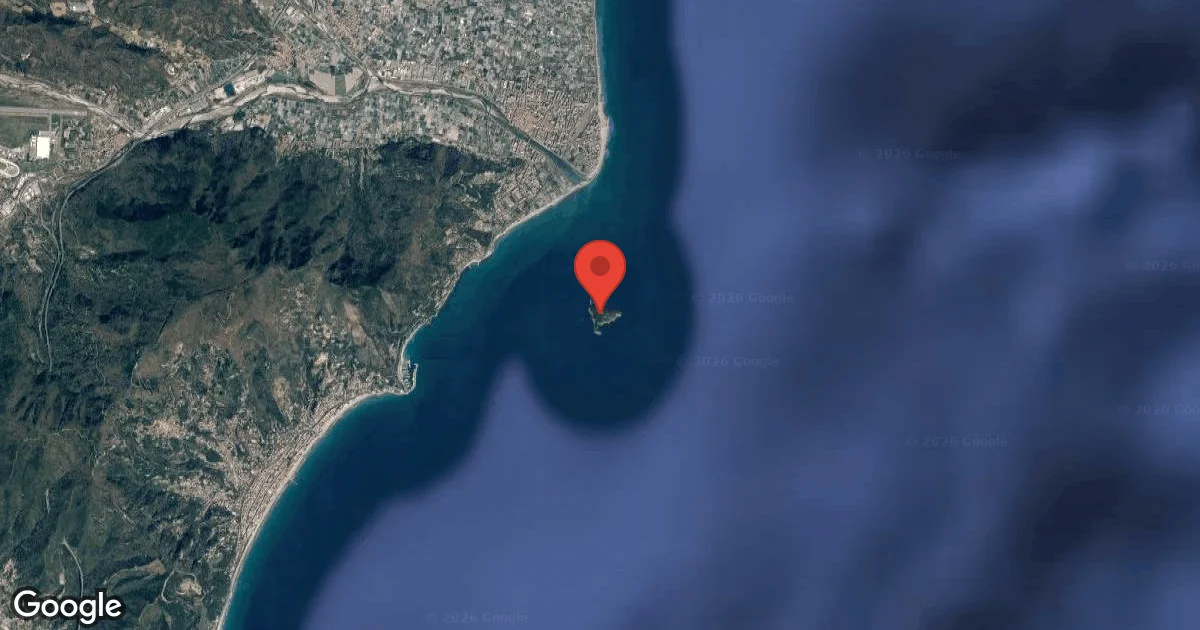
Dive Centers Near Capo Noli
Today: 08:00 - 19:00
Nearest Airports
Nearest airports to help plan travel to this dive area.
Search Flights
Check available flights and routes on Expedia, using the nearby airports listed in this section.
Search Flights on ExpediaFrequently Asked Questions
What are the main types of diving available at Capo Noli?
Capo Noli supports diverse diving experiences including beach entries, exploring wall-like sandy descents, and navigating rocky interspersed areas. The site's topography allows for multi-level profiles, catering to various interests from observing sand-dwelling creatures to investigating rock formations.
What is the maximum depth typically encountered?
The sand esplanade at Capo Noli descends to a maximum reported depth of 40 m (130 ft). Divers should be certified for such depths or plan their dive within shallower limits according to their training.
When is the best time of year to dive Capo Noli?
The optimal time to dive Capo Noli is from June to August. These months offer 'Excellent' dive scores, with comfortable air temperatures and minimal rainfall, generally leading to calmer sea conditions.
What kind of marine life can I expect to see?
Divers can expect to see sand animals like monkfish, especially in winter, along with octopuses, spirographs, ascidians, cerianthus, and anemones. Seahorses are also present, often blending into the environment.
Are there dive centers available in Noli?
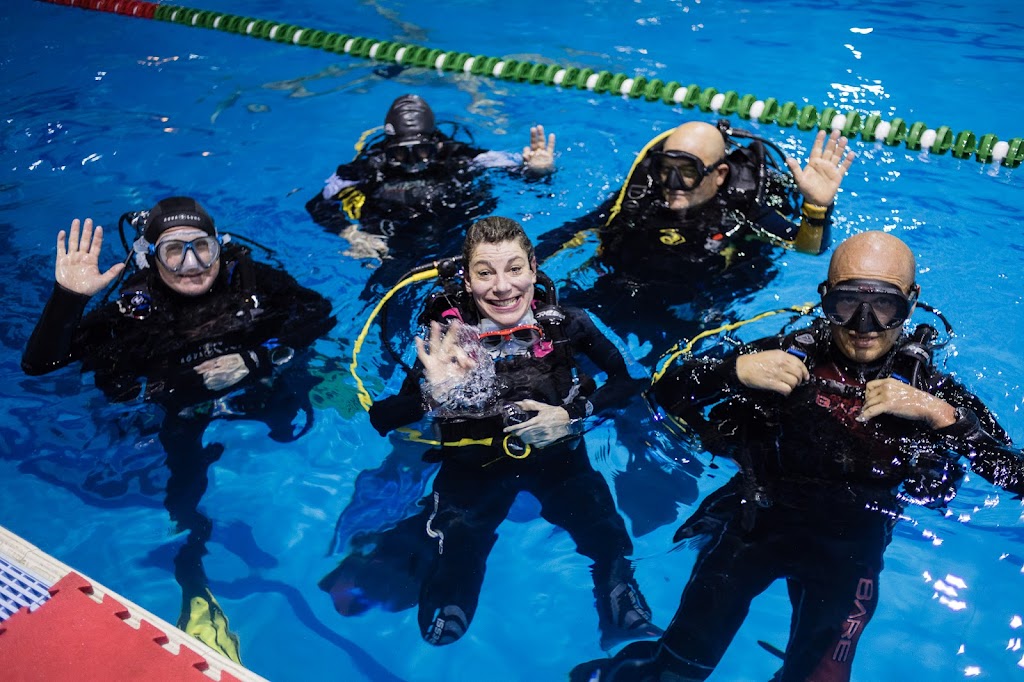
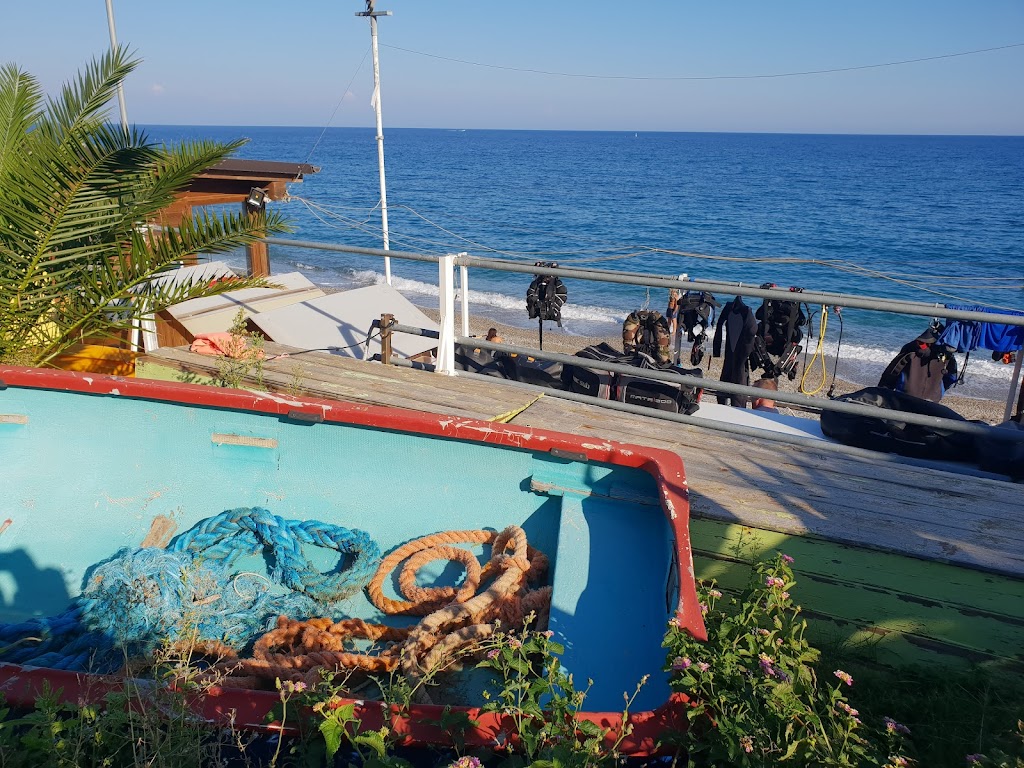
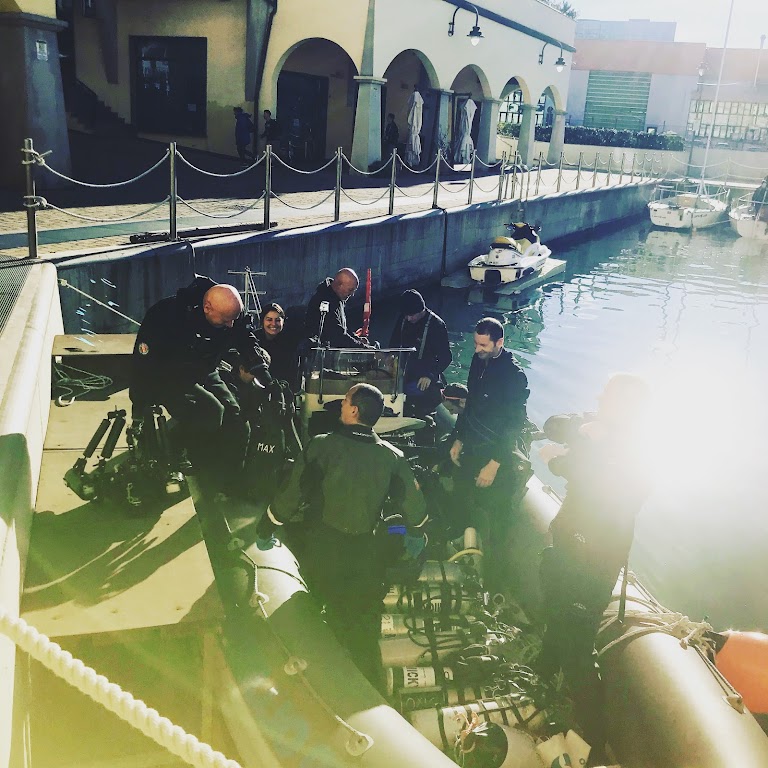
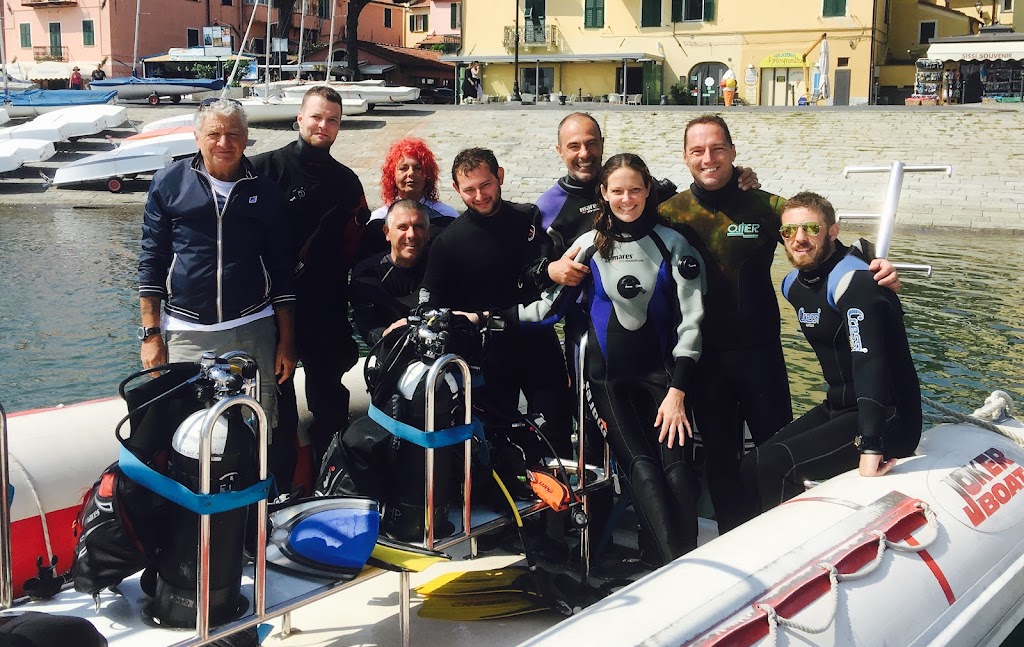
Yes, dive centers like Divenjoy are located directly on the sea in the Noli Gulf. They offer equipment rental, courses, and guided dives both from land and via dinghy, reaching various dive points within minutes.
What certifications are recommended for diving Capo Noli?
Given the site's potential depth, an Advanced Open Water Diver certification or higher is recommended to safely explore the full range of the site, especially if planning to descend to the maximum reported depths.
Planning to dive Capo Noli?
Send one inquiry and receive offers directly from the best verified local dive operators.
Conditions are Excellent
07:00 - 14:00
Optimal conditions expected
Current conditions near Capo Noli show 21° air, 26° sea temperature, 0.5 m waves, and 18 km/h wind. Forecast data is refreshed regularly to ensure accuracy.