
Diving at Isola di Bergeggi (Italy)
Isola di Bergeggi offers captivating dives, from shallower reef explorations to deeper wall descents. Maximum depths vary across primary sites, reaching approximately 18 m / 59 ft at 'IL PIFFERAIO' and extending to 30-32 m / 98-105 ft at 'LA FRANATA' and 'IL CANALONE'. Opportunities abound for divers of different certification levels to engage with the underwater landscape.
Tonight's objective overview for Isola di Bergeggi shows an air temperature of 22°C. The measured surface conditions include wave heights around 0.1 m. This environmental data is logged for the close of the day.
Dive Site Location & Key Facts
Dive Site Overview
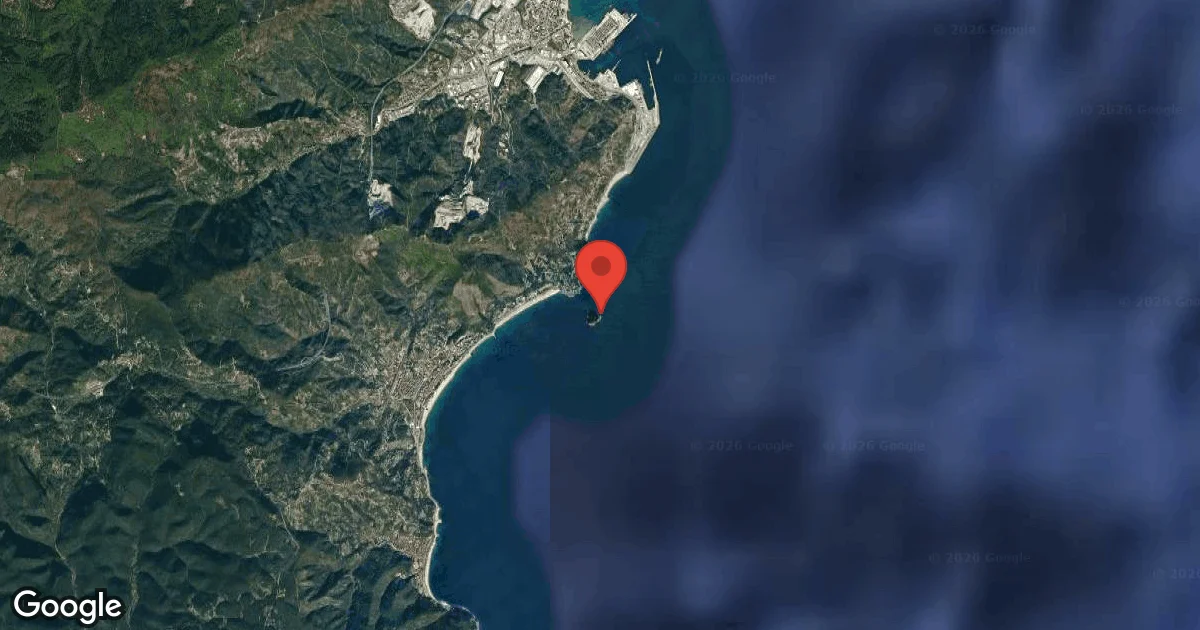
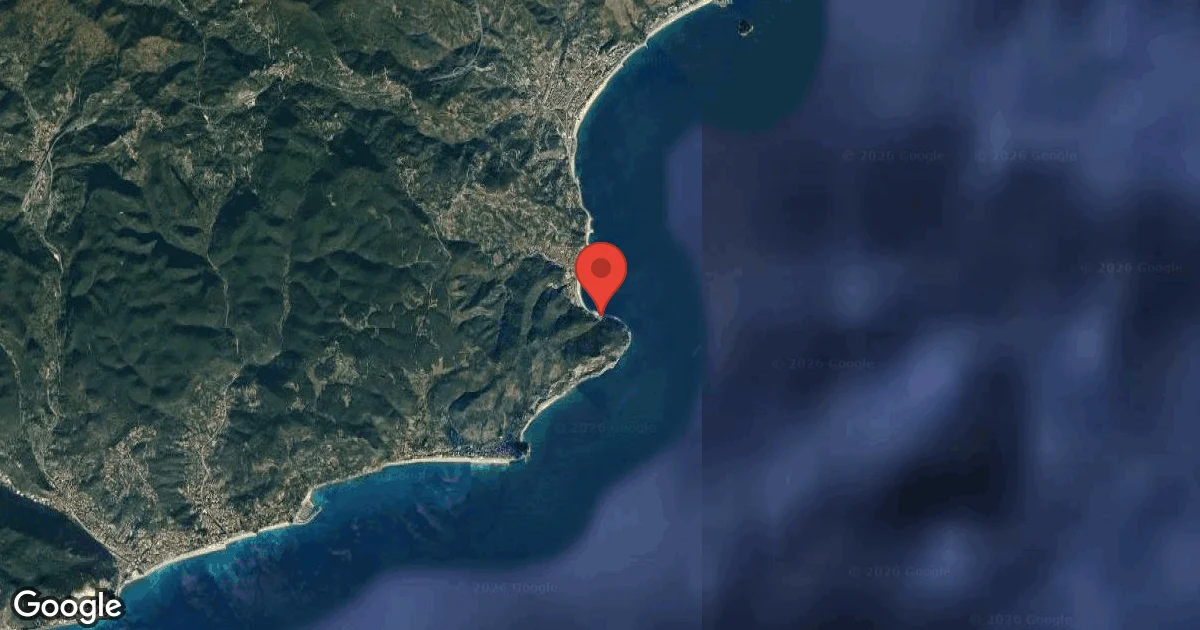
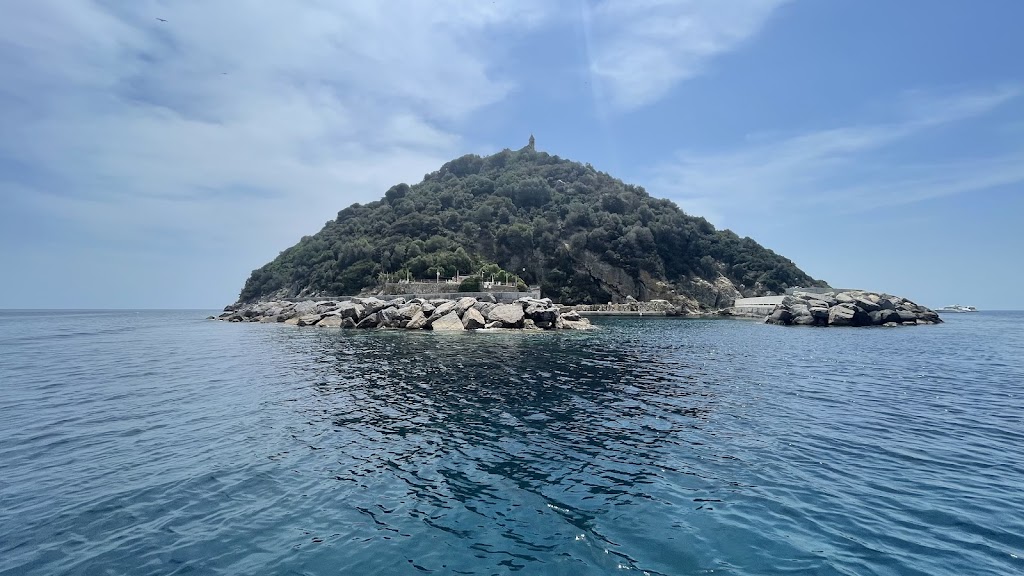
A distinctive cone-shaped rocky island, rising 53 meters from the Ligurian Sea, anchors the Isola di Bergeggi Marine Protected Area. Extending to a coastline of numerous caverns and coves, its protected zone creates a varied underwater landscape for divers.
Below the surface, topography transitions from sandy bays and gentle slopes to dramatic cliffs plunging into deeper waters. Divers here navigate vibrant coral reefs intermingling with expansive Posidonia meadows; each habitat supports a distinct array of marine life. Opportunities for exploration span three distinct primary dive sites, each catering to different preferences and skill levels.
'IL PIFFERAIO' presents an accessible yet consistently engaging dive.
Its maximum depth of 18 m / 59 ft suits newer divers, allowing ample light penetration to illuminate small crevices and rock formations where smaller invertebrates and fish often seek shelter. Descending at 'LA FRANATA', divers follow a rocky bottom gradually deepening to approximately 32 m / 105 ft.
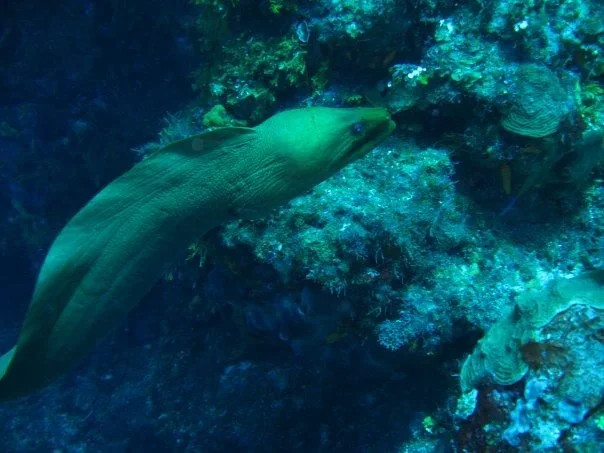
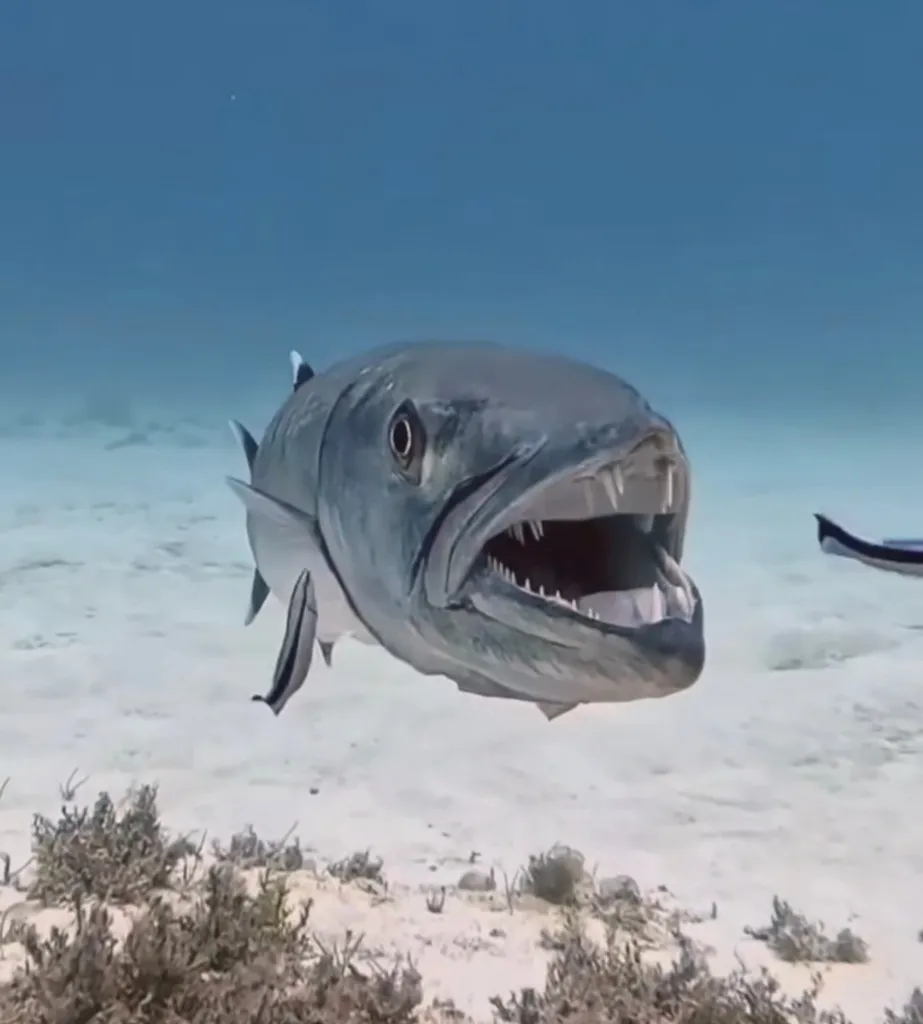
Site walls are etched with multiple ravines and overhangs, inviting exploration for resident moray eels and groupers. 'IL CANALONE' accommodates a wide spectrum of divers, from beginners to advanced, reaching depths of 30 m / 98 ft. This channel is particularly recognized for widespread marine activity observed throughout its structure, from shallows to deepest points, often showcasing schools of barracuda and snappers patrolling its channel.
The Marine Reserve's establishment in 2007 has demonstrably enhanced overall fish density and biodiversity across all these sites, making for richer diving encounters.
Conditions are Excellent
07:00 - 14:00
Optimal conditions expected
Current conditions near Isola di Bergeggi show 22° air, 26° sea temperature, 0.4 m waves, and 11 km/h wind. Forecast data is refreshed regularly to ensure accuracy.
Best Time to Dive
Planning a dive to Isola di Bergeggi is best done during the summer months, specifically June, July, and August, which consistently receive an 'Excellent' dive score. During this peak season, average air temperatures are comfortable, ranging from 22.5-26.5°C / 72-80°F, with minimal rainfall averaging 1.5-2.6 mm. While specific water temperatures are not consistently reported in our system data, these months generally offer the warmest conditions and calmest seas. Spring and autumn, from March to May and September to November, are also rated 'Good' for diving, with air temperatures between 11.5-21.5°C / 53-71°F and moderate rainfall. Even winter months from December to February maintain a 'Good' or 'Moderate' rating, though with cooler air temperatures of 7.5-10°C / 46-50°F and slightly higher wave heights, suggesting more challenging conditions. Visibility tends to be excellent in these protected waters, though it can vary with weather.
PEAK SEASON SCORE
Scores combine air & water temps, waves, wind & rainfall for overall conditions.
BEST MONTHS TO DIVE
Monthly records compiled from satellite and marine observation nodes over the last 3 years. Data provided by Open-Meteo and MET Norway.
Dive Experience & Conditions
Exploring this protected area reveals a varied underwater environment, significantly influenced by the 2007 Marine Reserve establishment. Fish density has improved, with diver feedback indicating a rich experience. Conditions generally suit a range of skill levels; 'IL PIFFERAIO' offers easy yet interesting dives through small crevices. 'IL CANALONE' caters to both beginners and advanced divers, providing widespread marine observations. Visibility often remains clear, enabling excellent views of rocky formations and marine life, as the site features 'crystal waters'. Expect to navigate rocky descending bottoms, explore multiple ravines, and encounter walls that drop off, providing diverse exploration opportunities.
Dive Difficulty & Safety Guidelines
Navigating Isola di Bergeggi's underwater realm requires adherence to specific guidelines for diver safety and environmental protection. Maintaining excellent hydrostatic buoyancy is crucial; actively avoid contact with the seabed. Divers shouldn't enter submerged cavities or caves without appropriate experience and a clear understanding of the fragile environment.
To preserve natural behavior, don't feed wild organisms or collect marine life as souvenirs. Anchoring always requires ensuring no damage to the environment, specifically avoiding Posidonia meadows and coralligenous formations. Report unusual sightings or environmental concerns to the Marine Protected Area's managing body.
Recommended Equipment
- Dive Computer
This gear list is based on verified equipment signals for Isola di Bergeggi, Italy. Always confirm final gear choices with your dive operator, guide, or liveaboard.
Recommended Dive Suit
Water temperatures at Isola di Bergeggi are currently estimated to be around 26°C (79°F), shaping the overall diving conditions for today. Surface air temperatures are resting at 22°C (71°F).
Many divers choose 2-3mm shorty or light wetsuit when diving in similar conditions. Surface intervals may feel cooler.
Surface conditions are expected to warm up slightly in the coming days. A warming trend is expected over the next few days.
Due to technical issues with our weather providers, data hasn't been fetched for over 48 hours. The data above reflects the conditions at the time of the last successful fetch.
Emergency & Medical Support
Essential information to help you plan your dive trip to Isola di Bergeggi.

Hyperbaric chambers are a critical part of dive safety infrastructure. Availability varies significantly by region, and not all dive areas have immediate access.
Before diving, it's recommended to:
- confirm nearest medical facilities
- check emergency procedures with local dive operators
- ensure dive insurance covers evacuation if required
Divers Alert Network
Diving emergency assistance available through DAN Europe.
+39 0642115685- 24/7 emergency hotline
- Diving medical assistance
- Evacuation coordination
Emergency contacts are provided for reference. Always verify local emergency services before diving.
Closest Listed Hyperbaric Chambers
Showing listed hyperbaric chamber facilities within 200 km of this dive site.
Distances are approximate straight-line distances and may not reflect emergency travel time.
Unità Operativa di Medica Iperbarica
24/7 ListedICU CapableGenova, Italy•Approx. 46 km straight-line
Unità Operativa di Medica Iperbarica
24/7 ListedICU CapableInformation is provided for reference and planning purposes only. Dive Navigator does not verify operational status, staffing, availability, or quality of care at listed facilities. In an emergency, contact local emergency services, DAN, your dive operator, or the chamber directly. Do not travel to a facility without calling ahead.
CE.M.I.S. Centro Medicina Iperbarica e Subacquea
Massa, Italy•Approx. 134 km straight-line
CE.M.I.S. Centro Medicina Iperbarica e Subacquea
Information is provided for reference and planning purposes only. Dive Navigator does not verify operational status, staffing, availability, or quality of care at listed facilities. In an emergency, contact local emergency services, DAN, your dive operator, or the chamber directly. Do not travel to a facility without calling ahead.
Ospedale di Vaio - AUSL Parma
24/7 ListedICU CapableFidenza (Pr), Italy•Approx. 144 km straight-line
Ospedale di Vaio - AUSL Parma
24/7 ListedICU CapableInformation is provided for reference and planning purposes only. Dive Navigator does not verify operational status, staffing, availability, or quality of care at listed facilities. In an emergency, contact local emergency services, DAN, your dive operator, or the chamber directly. Do not travel to a facility without calling ahead.
Marine Life at Isola di Bergeggi
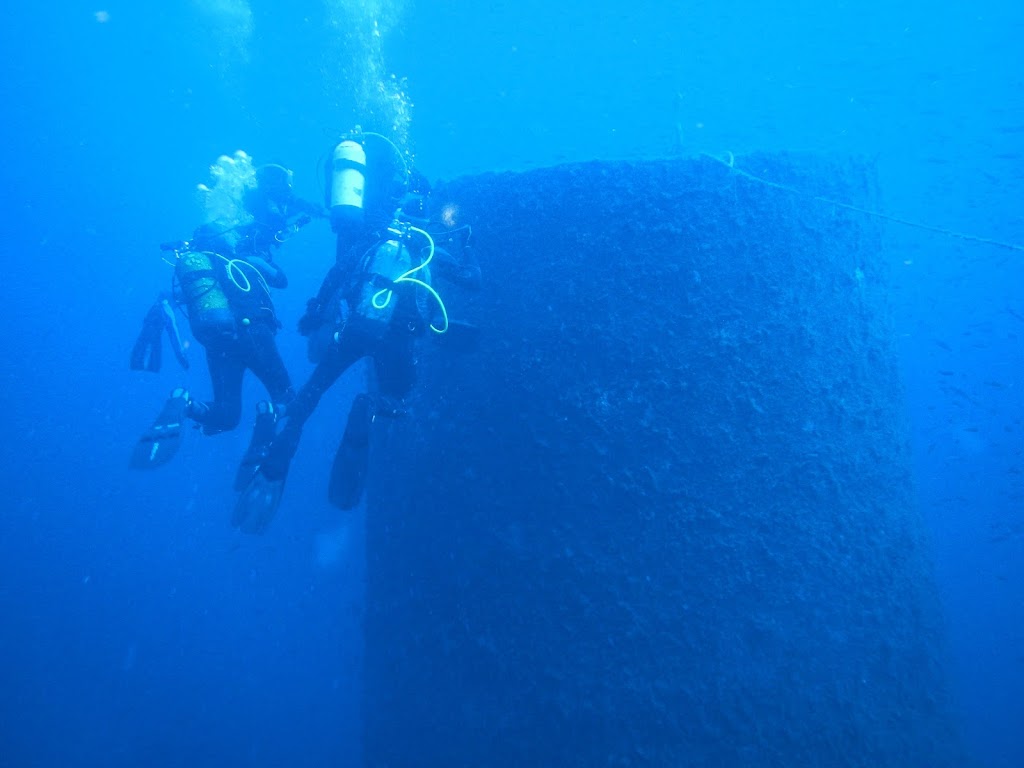
Marine life around Isola di Bergeggi thrives within its protected waters and varied underwater landscape. Encounters include diverse nudibranch species, groupers, barracuda in large schools, and moray eels inhabiting ravines and crevices.
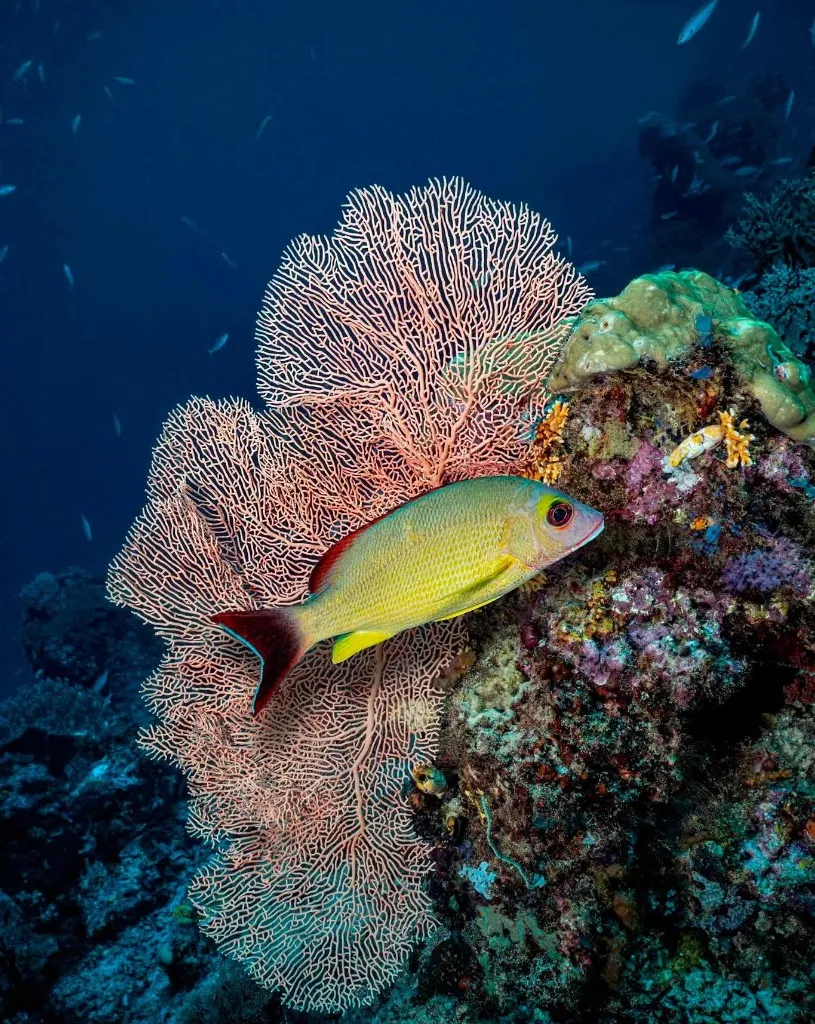
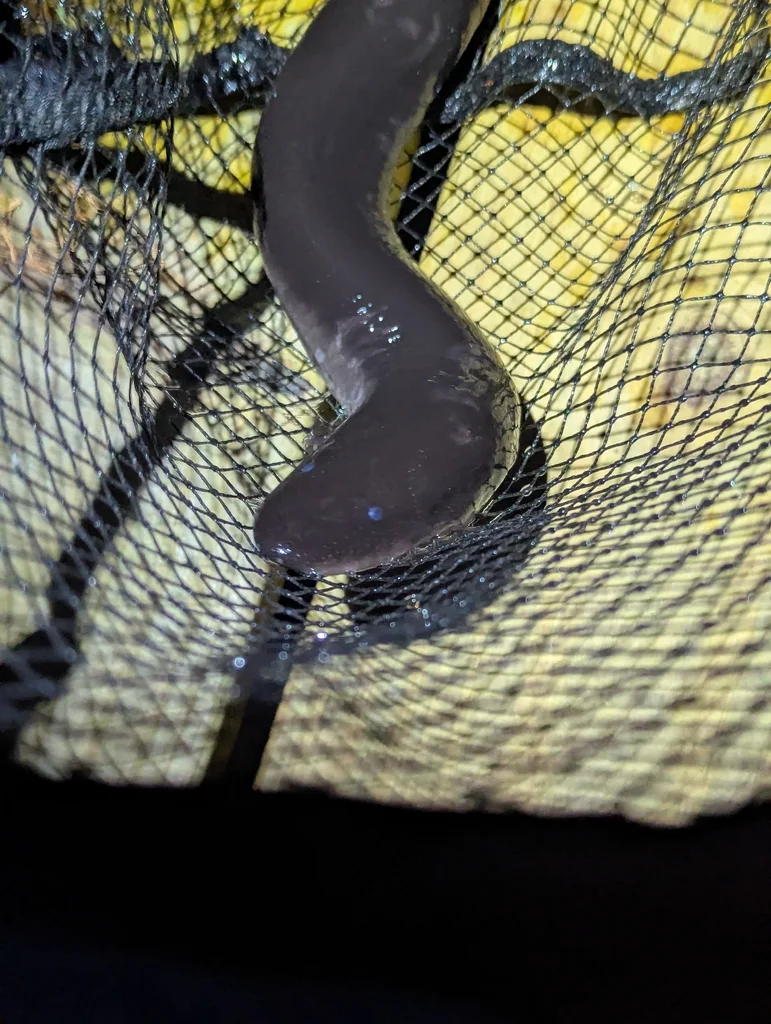
Conger eels and tube worms are daily sightings along rocky walls. Attentive observers might spot octopus protecting their eggs, while hunting snappers patrol the reef.
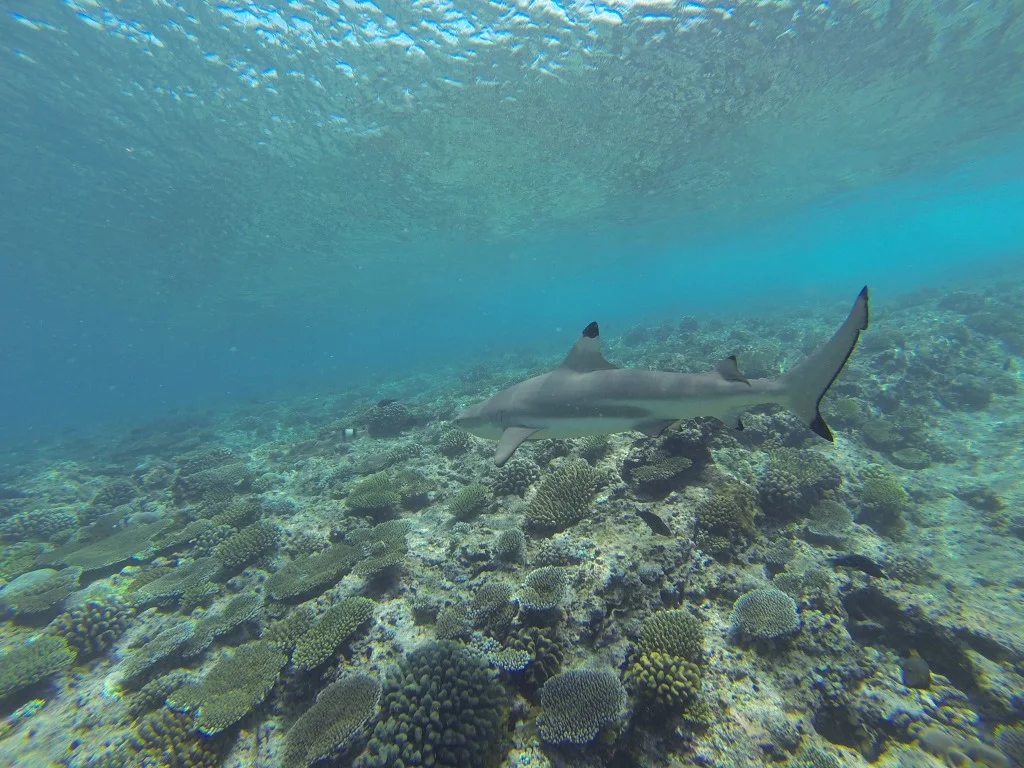
Common sightings of sharks, whales, dolphins, and turtles also occur, indicating a robust ecosystem.
Dive Sites Near Isola di Bergeggi
View all dive sites in ItalyDiscover more underwater gems in this area.
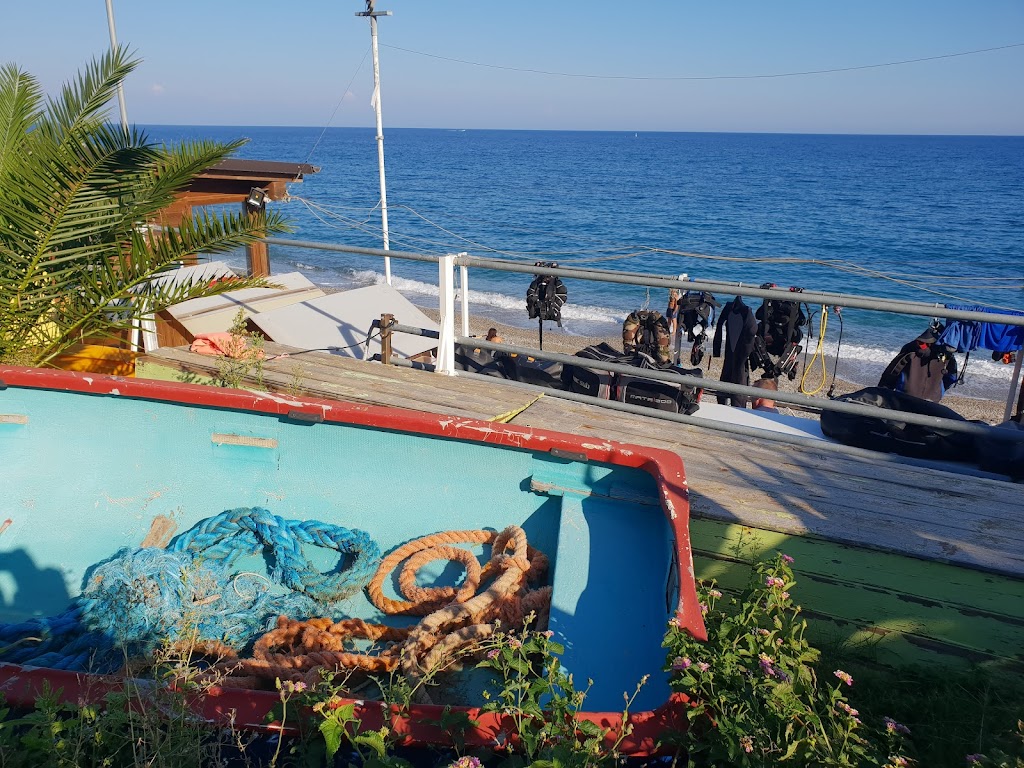
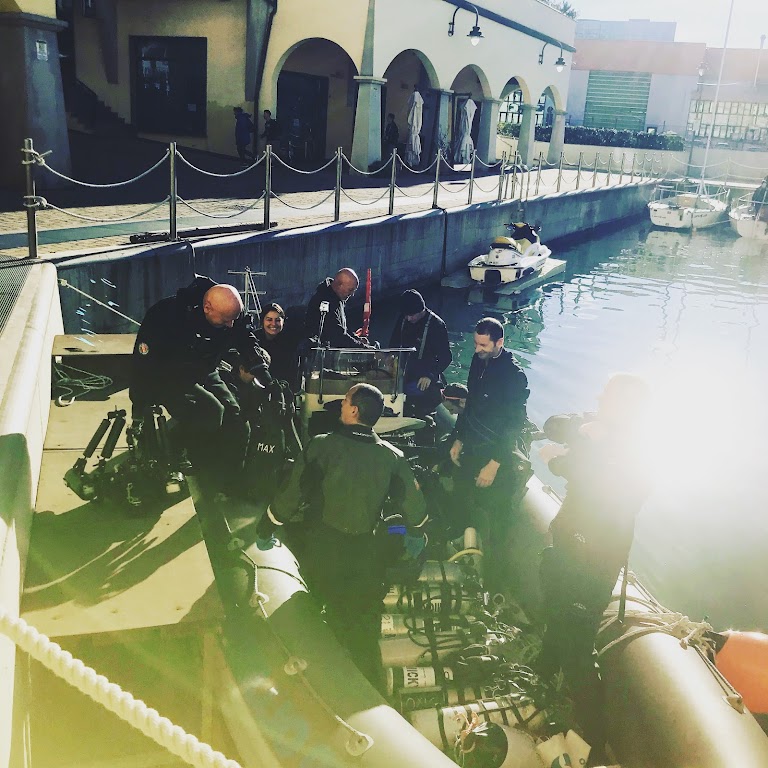
Dive Centers Near Isola di Bergeggi
Today: 08:00 - 19:00
Nearest Airports
Nearest airports to help plan travel to this dive area.
Search Flights
Check available flights and routes on Expedia, using the nearby airports listed in this section.
Search Flights on ExpediaFrequently Asked Questions
What types of diving are available at Isola di Bergeggi?
Divers can experience reef and wall diving at Isola di Bergeggi. Site features include rocky descending bottoms, walls with ravines, and formations like coral reefs and Posidonia meadows, offering diverse underwater explorations.
What are the primary dive sites at Isola di Bergeggi?
Main dive sites include 'IL PIFFERAIO', 'LA FRANATA', and 'IL CANALONE'. These cater to various experience levels, from easy explorations to deeper wall dives, each with unique topographical features.
What marine life can be seen at Isola di Bergeggi?
Rich biodiversity characterizes this marine reserve. Divers frequently encounter nudibranchs, groupers, barracuda schools, moray eels, conger eels, and tube worms. Octopus, snappers, and occasionally sharks, whales, dolphins, and turtles are also reported.
What are the typical depths for diving at Isola di Bergeggi?
Dive depths range from approximately 18 m / 59 ft at sites like 'IL PIFFERAIO' to deeper areas reaching 30-32 m / 98-105 ft at 'IL CANALONE' and 'LA FRANATA'. This allows for both beginner-friendly and more advanced dives.
When is the best time to dive at Isola di Bergeggi?
Optimal diving occurs during the summer months of June, July, and August, which boast excellent dive scores, warmer air temperatures, and minimal rain. Spring and autumn also offer good conditions, though with cooler air.
Are there any specific environmental guidelines for diving here?
Yes, divers must maintain good buoyancy, avoid contact with the bottom, and not enter submerged cavities without proper experience. It's also important not to disturb marine life, collect souvenirs, or damage marine habitats with anchors.
Is Isola di Bergeggi suitable for beginner divers?
Yes, sites like 'IL PIFFERAIO' and parts of 'IL CANALONE' are suitable for beginners due to their manageable depths and interesting features. These areas provide an excellent introduction to the marine life and underwater topography of the reserve.
Planning to dive Isola di Bergeggi?
Send one inquiry and receive offers directly from the best verified local dive operators.
Conditions are Excellent
07:00 - 14:00
Optimal conditions expected
Current conditions near Isola di Bergeggi show 22° air, 26° sea temperature, 0.4 m waves, and 11 km/h wind. Forecast data is refreshed regularly to ensure accuracy.