
Diving in Italy
Planning dives in Italy means understanding how conditions vary across different types of dive locations. Our platform currently includes 199 mapped dive sites across Italy. This supports planning across different types of dive environments.
Italy’s extensive coastline, shaped by the Mediterranean, Adriatic, and Tyrrhenian seas, presents a geographically diverse diving landscape. This distribution creates varied underwater experiences, from the volcanic topography of the Aeolian Islands off Sicily to the historical depths of Sardinia’s southern coast. The country's many islands, such as Elba, Ustica, and the Egadi archipelago, function as distinct diving hubs, each offering unique characteristics.
Divers can explore ancient Roman shipwrecks, extensive cave systems, and vibrant marine protected areas. The underwater environment is characterized by a mix of rocky reefs, seagrass meadows, and dramatic geological formations, providing habitats for species like octopuses, groupers, and various colorful fish. Regions like Liguria, home to Portofino, are recognized for their marine reserves, while Sicily features both volcanic structures and historical artifacts beneath the surface.
Accessibility is well-supported, with major airports in cities such as Rome, Milan, Naples, and Palermo, complemented by ferry services connecting to key diving islands. This infrastructure allows divers to easily reach a wide array of sites, catering to different interests and experience levels across Italy’s expansive maritime territories.
Dive Map of Italy
Navigating Italy's diverse underwater offerings becomes more intuitive with a clear understanding of its key dive regions. The country's extensive coastline and island systems are best explored by locating major areas such as Sardinia, Sicily, Elba Island, and Liguria. This regional focus allows divers to effectively plan their itineraries.
Each area on a dive map highlights concentrations of unique dive sites, from historical wrecks to protected marine parks. For instance, a map directs divers to the Nereo Cave in Sardinia or the Christ of the Abyss near Portofino in Liguria. These points of interest are crucial for identifying specific dive experiences.
Understanding these regional distinctions helps divers tailor their trips, whether they are seeking archaeological sites in the Bay of Naples or volcanic formations off Sicily. Proper mapping ensures divers can prioritize sites that match their interests and skill levels.
Dive Sites to Explore
View all 199 sites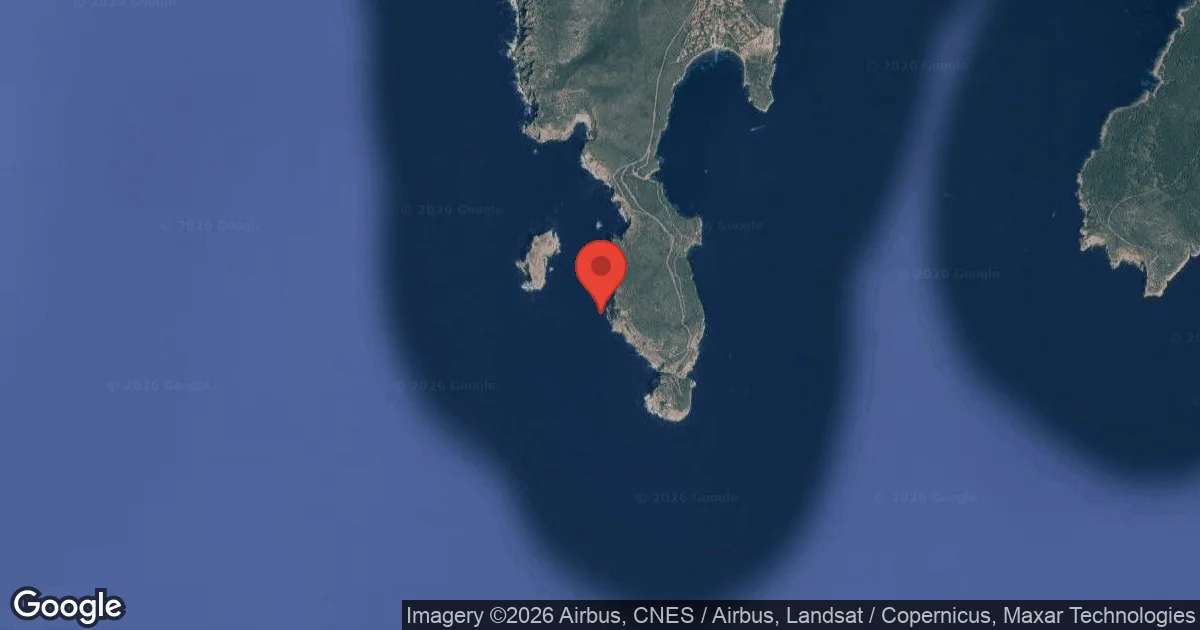
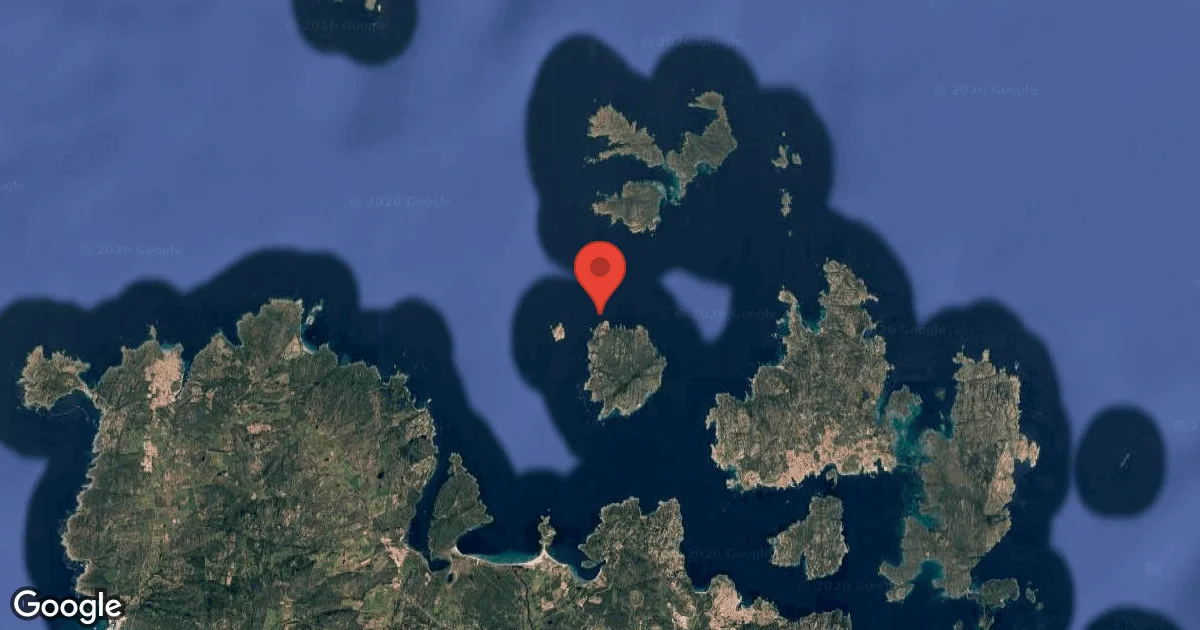
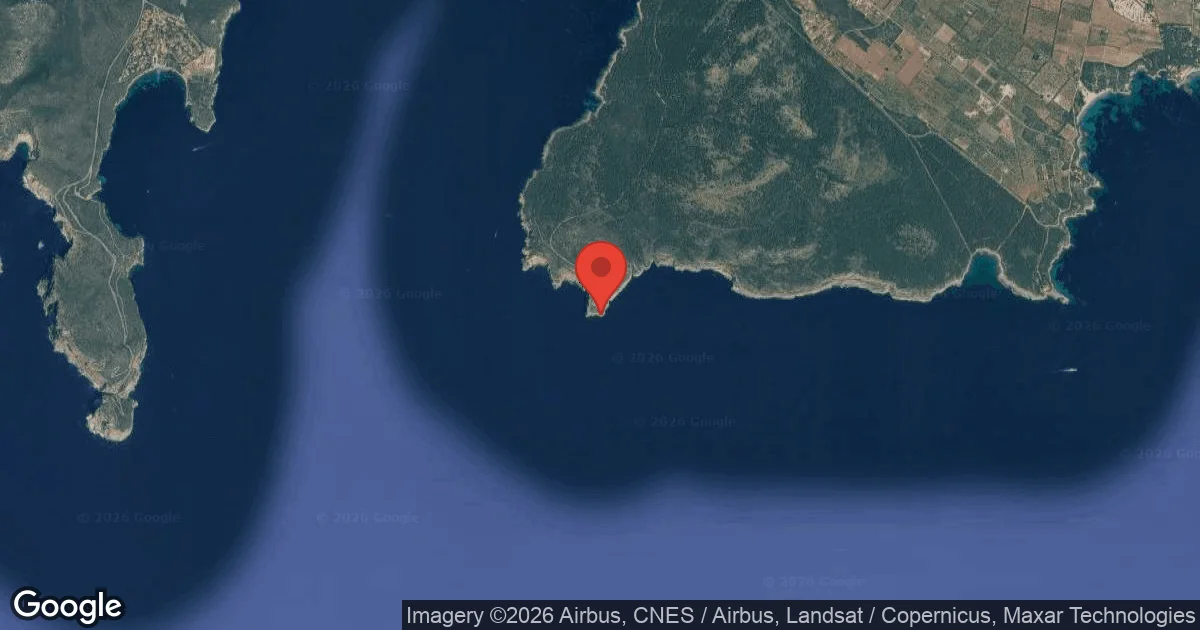
Italy’s dive sites offer a blend of natural formations and historical artifacts, providing varied exploration opportunities. Among the most compelling are locations that showcase unique geological features or significant underwater heritage, drawing divers to their depths.
Christ of the Abyss, situated near Portofino, is an emotionally powerful dive. This bronze statue of Jesus Christ rests at 15-16 meters (49-52 ft) in the Bay of San Fruttuoso, surrounded by gentle currents and soft coral growth. Fish dart between rocky outcrops, creating a peaceful, reflective experience for divers.
Sardinia hosts the Nereo Cave, one of the Mediterranean’s largest sea caves, near Alghero. This extensive cave system spans over 300 meters (984 ft) with passages reaching depths of 33 meters (108 ft). Its walls are adorned with red coral, sponges, and gorgonians, providing shelter for groupers, lobsters, and moray eels. Due to its overhead environment and varying visibility, this site is best suited for those with cave or deep diving experience.
Off Sicily’s Egadi Islands, the Cala Minnola Roman shipwreck offers a journey into ancient maritime trade. Resting at approximately 27 meters (89 ft) deep, this well-preserved wreck features amphorae and other trade goods. The isolation of the site ensures low diver traffic and good visibility, providing a quiet setting for seasoned explorers. Diving here typically requires a licensed guide.
The Underwater Archaeological Park of Baia, near Naples, is often referred to as the “Atlantis of Rome.” Here, history and marine exploration converge, with ruins resting in calm, shallow waters of 5-8 meters (16-26 ft). Highlights include a submerged nymphaeum of Emperor Claudius and the Villa Protiro, complete with frescoes. The site boasts excellent visibility, making it accessible for divers of various skill levels, though a licensed guide is often required.
Best Time to Dive in Italy
The optimal period for diving in Italy generally spans from May to October, offering the most favorable conditions for underwater exploration. During these months, water temperatures are at their warmest, visibility is typically clear, and marine life is more active.
Specifically, the months of June to September represent the peak season, when visibility can extend up to 30 meters (100 ft). Air temperatures during this prime window range from 20-30°C (68-86°F), contributing to comfortable surface intervals. While the waters are generally calm, some areas may experience stronger currents, a factor to consider when planning dives.
August can be a particularly busy month for popular coastal and island destinations, so divers seeking quieter experiences might prefer the shoulder seasons of May, June, September, and October. Throughout this extended period, major airports in cities like Rome and Palermo remain accessible, with ferries consistently connecting to prime diving islands such as Sardinia, Sicily, and Elba.
Monthly Sea Temperatures
Diver comfort in Italy is significantly influenced by seasonal sea temperatures, which dictate appropriate wetsuit choices. During the prime diving months from May to October, water temperatures are generally warm, ranging from 20-27°C (68-81°F). This comfortable range often permits the use of 3-5mm wetsuits.
In the height of summer, specifically July and August, temperatures can climb to a maximum of 29°C (85°F) in some areas. These warmer conditions allow for thinner wetsuits or even shorties for many divers. This period is ideal for those who prefer warmer water diving.
However, outside this peak season, temperatures decrease. Winter months see water temperatures drop to below 10°C (50°F), necessitating dry suits or very thick wetsuits for cold-water diving enthusiasts. The overall annual range typically falls between 15°C (59°F) and 26°C (79°F), requiring divers to plan their thermal protection accordingly throughout the year.
| Jan | Feb | Mar | Apr | May | Jun | Jul | Aug | Sep | Oct | Nov | Dec | |
|---|---|---|---|---|---|---|---|---|---|---|---|---|
| Max | 15° | 14° | 14° | 17° | 22° | 27° | 26° | 27° | 25° | 23° | 20° | 18° |
| Avg | 13° | 13° | 13° | 15° | 18° | 22° | 24° | 24° | 23° | 20° | 18° | 15° |
| Min | 12° | 13° | 13° | 13° | 15° | 18° | 22° | 22° | 21° | 18° | 16° | 13° |
Dive Conditions
Italy's dive conditions vary significantly across its regions, requiring different skill levels and preparation, primarily due to fluctuations in visibility and currents. Visibility is generally good, averaging 20 meters (70 ft), and can extend beyond 30 meters (100 ft) during the summer months from June to September. Protected marine areas like those around the Egadi Islands often present clear visibility and mild conditions, making them suitable for newer divers.
However, some dive sites present more challenging conditions. Locations with overhead environments, such as the Nereo Cave, can have varying visibility and often require specific experience in cave diving. Similarly, deeper sites may experience reduced light penetration, influencing overall visibility and necessitating proper lighting equipment.
Currents are another critical factor for divers to consider. While many sites offer calm or gentle currents, such as around the Christ of the Abyss, other areas are known for strong marine currents. Parts of Elba Island and Sardinia’s Southern Coast, for example, frequently experience significant water movement. Divers exploring these regions or deep sites like those around Ventotene should be comfortable with currents and possess the necessary technical skills to navigate them safely. Preparing for these variable conditions is essential for a successful dive experience.
Marine Life Highlights
Most Mentioned Species
Marine life in Italy varies across dive locations, with different species appearing depending on environment and conditions. The species highlighted here are the most frequently associated with dive sites in our data, offering a realistic overview of what divers are most likely to encounter.
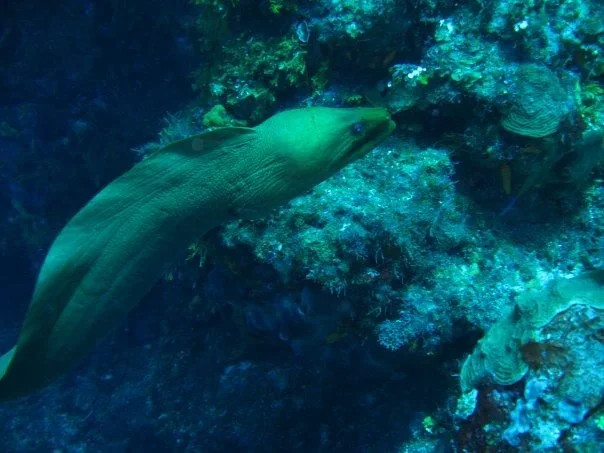
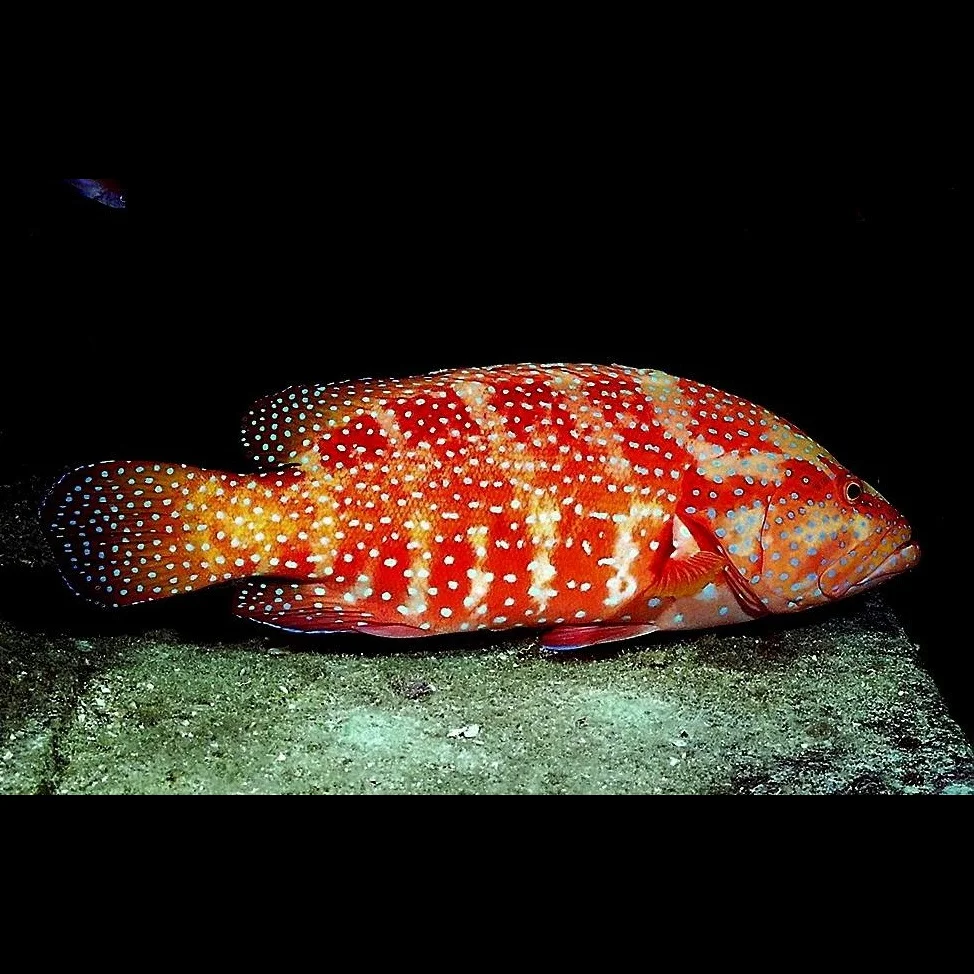
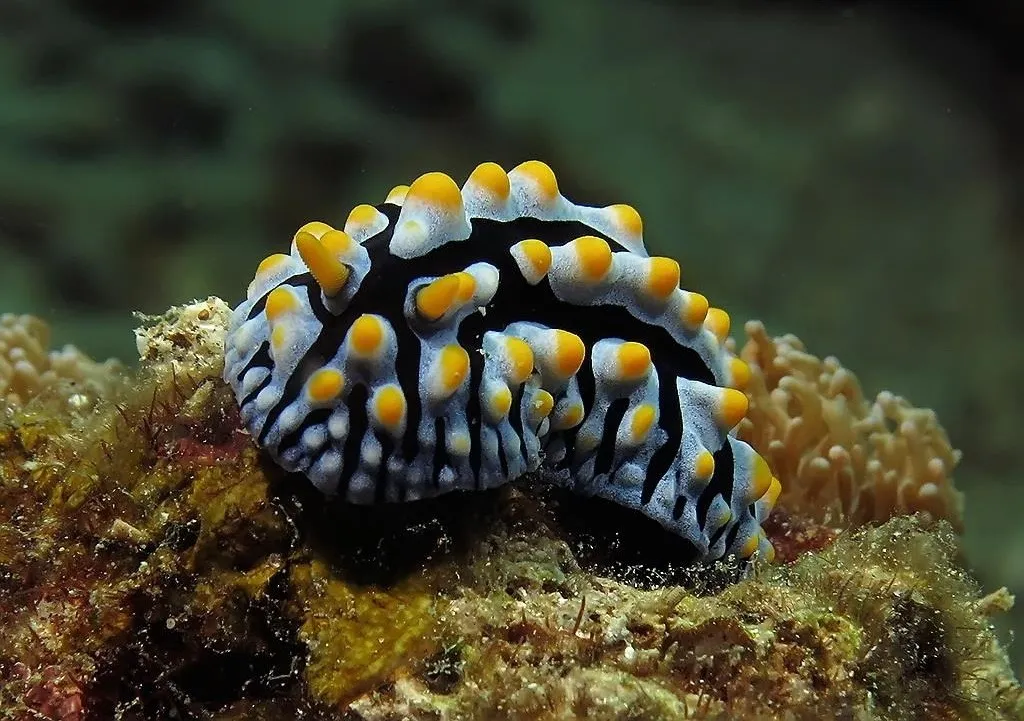
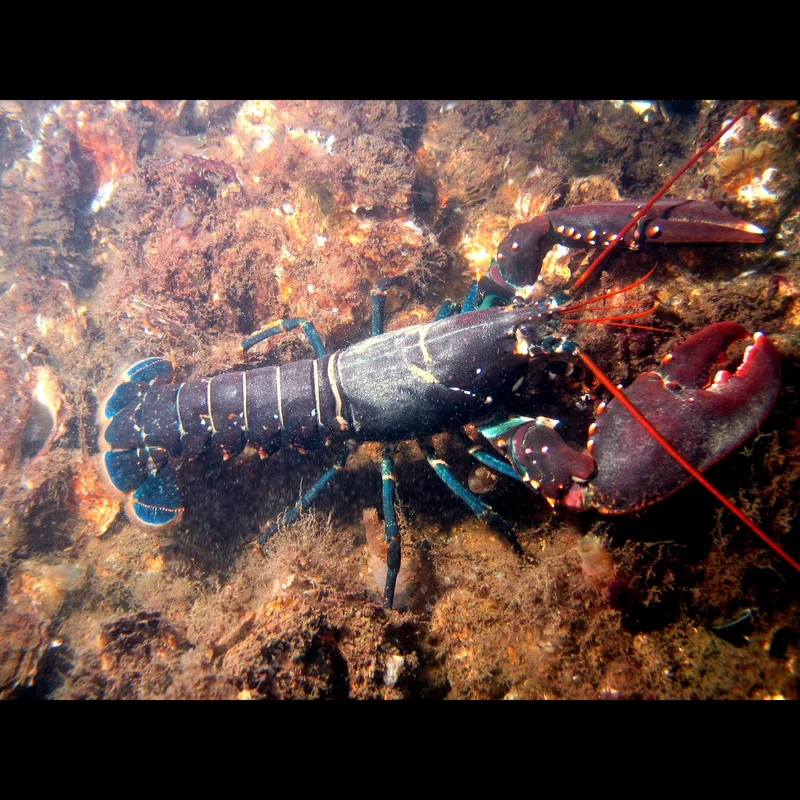
Italy's diverse marine habitats support a wide array of life, from extensive seagrass meadows to dramatic rocky reefs and secluded cave dwellings. Divers exploring the shallow seagrass beds may encounter colorful fish, various crustaceans, and occasionally sea turtles, which frequent these foraging grounds.
Rocky reefs and outcrops are particularly rich ecosystems, providing shelter for octopuses, moray eels, and groupers. Schools of barracuda and damselfish are also common sights around these structures. Specific macro life, including nudibranchs, shrimps, and seahorses, can be observed with keen eyes, particularly in areas with volcanic topography like the Aeolian Islands.
Caves, such as the Nereo Cave, host specialized communities of lobsters, sponges, and vibrant red gorgonians. Deeper crevices within these formations may reveal amberjacks and larger groupers. Additionally, protected marine areas, like those in Liguria, can offer seasonal sightings of pelagic fish and even dolphins, adding to the richness of the Italian underwater experience.
Regions for Diving
Exploring Italy's underwater landscapes requires understanding the access points and unique characteristics of its key diving regions.
Sicily, a large island, serves as a significant diving hub. Travelers typically arrive at Catania–Fontanarossa (CTA), Palermo (PMO), or Trapani (TPS) airports, with local roads and ferry connections providing access to coastal dive centers. Destinations include the Egadi Islands, known for their marine reserves around Favignana, Levanzo, and Marettimo, offering underwater caves and swim-throughs. The Cala Minnola Roman shipwreck, at 27 meters (89 ft) deep off Levanzo, provides a historical dive in clear, calm waters. Ustica, another Sicilian destination, boasts a marine reserve with caves like Grotta Azzurra, where seahorses can be found. Temperatures here range from 20-27°C (68-81°F) during the May-October prime season, with good visibility, making it suitable for various skill levels.
Sardinia, located off Italy's northeastern coast, is reached via mainland ferries. This island is celebrated for its exceptional visibility and diverse marine life. The La Maddalena marine protected area features secluded bays, granite rock formations, and sites like Grotta del Capitano. Near Alghero, the Nereo Cave, a vast sea cave system, offers exploration to 33 meters (108 ft), adorned with red coral and sponges. Sardinia’s southern coast is known for deep World War II wrecks, such as the Santa Rita at 46 meters (151 ft) and the Entella at 40 meters (131 ft), both requiring advanced certification due to strong marine currents.
Elba Island, part of the Tuscan Archipelago, is another premier destination, accessible by ferry from the Tuscan coast. It is particularly appealing for wreck enthusiasts, featuring sites like the Elviscot wreck, a small cargo ship at just 12 meters (39 ft) deep, ideal for relaxed exploration. Other dives include Roman cargo wrecks near Procchio. Elba's combination of historical wrecks, volcanic seabeds, and strong marine currents creates a dramatic setting beneath the waves, with clear water conditions.
Travel & Passport Guide
Travel Basics
Trip Planning
Safety & Diving Considerations
Diving in Italy presents varying certification and experience requirements, depending on the complexity of the site. While many shallower reef and coastal dives are suitable for Open Water certified divers, more challenging sites demand higher levels of experience and training. This distinction is crucial for diver safety and enjoyment.
For instance, deeper wrecks, extensive cave systems, and certain archaeological sites typically require an Advanced Open Water or technical certification. Sites like Nereo Cave, with its overhead environment and depths reaching 33 meters (108 ft), are best for those with specific cave or deep diving experience, demanding excellent buoyancy control and navigation skills. Similarly, exploring the deep WWII wrecks off Sardinia’s southern coast, some resting at 40-46 meters (131-151 ft), necessitates technical diving gear and comfort with depth and strong currents.
Additionally, many archaeological sites, such as the Underwater Archaeological Park of Baia and the Cala Minnola Roman shipwreck, mandate diving with a licensed guide. This ensures not only safety but also provides historical context and protection for the delicate submerged heritage. Divers must never touch, move, or remove any artifacts or marine creatures. For emergencies, a hyperbaric chamber is available in Palermo, providing an essential safety resource.
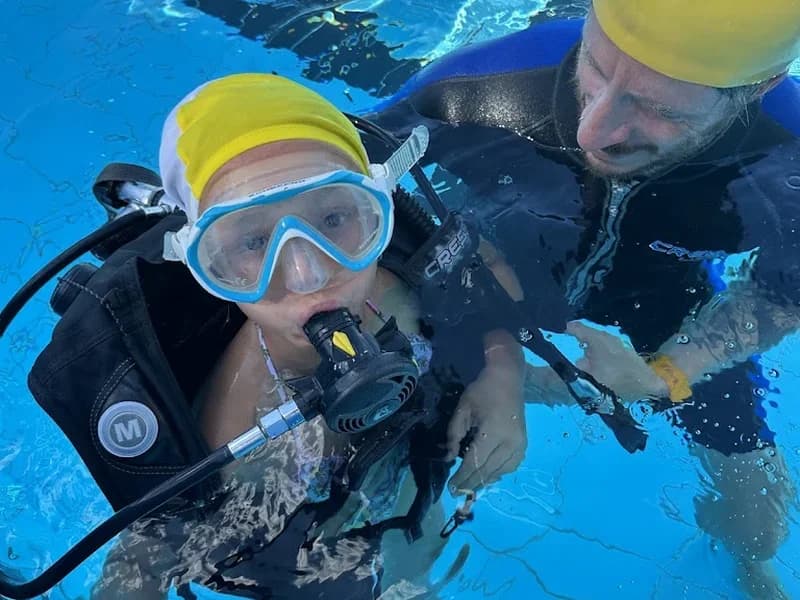
Dive Centers in Italy
View all 116 dive centers

Frequently Asked Questions
What are the general diving conditions in Italy?
Visibility in Italy generally averages 20 meters (70 ft) and can extend beyond 30 meters (100 ft) during peak summer months. While many areas feature calm or gentle currents, such as around the Christ of the Abyss, certain regions like Sardinia's Southern Coast or Elba Island can present strong marine currents, requiring divers to be comfortable with such conditions. Dive sites vary from shallow archaeological parks to deep wrecks and extensive cave systems.
When is the best time to plan a diving trip to Italy?
The optimal period for diving in Italy is from May to October, with peak visibility occurring between June and September. During these months, air temperatures range from 20-30°C (68-86°F), and water temperatures are comfortable, typically between 20-27°C (68-81°F), reaching up to 29°C (85°F) in July and August. This period offers the clearest waters and most active marine life, though August can be busy.
What types of marine life can divers expect to see in Italy?
Italy's diverse underwater habitats, including seagrass meadows, rocky reefs, and caves, support a variety of species. Divers frequently encounter colorful fish, octopuses, moray eels, groupers, barracuda, and damselfish. Macro life like nudibranchs, shrimps, and seahorses can be found, particularly around volcanic areas. Protected marine parks also host crustaceans, sea turtles, and various sponges, with seasonal sightings of pelagic fish.
Are there any specific certification requirements for diving in Italy?
While many sites are suitable for Open Water divers, some of Italy's more challenging dives, such as deep wrecks, extensive cave systems like Nereo Cave, and certain archaeological sites, require advanced certification or technical diving experience. Dives exceeding 35-40 meters (115-130 ft) demand comfort with depth, currents, and technical skills. Specific archaeological sites, including Baiae and Cala Minnola, mandate diving with a licensed guide.
Which major diving regions are easily accessible in Italy?
Italy offers several accessible diving regions. Sicily is reached via major airports in Catania, Palermo, or Trapani, with ferries connecting to dive destinations like the Egadi Islands and Ustica. Sardinia and Elba Island are also well-served by ferries from the mainland. These transport links facilitate access to diverse sites, from historical wrecks to vibrant marine protected areas across the Tyrrhenian and Mediterranean seas.