
Diving at Portus Julius (Italy)
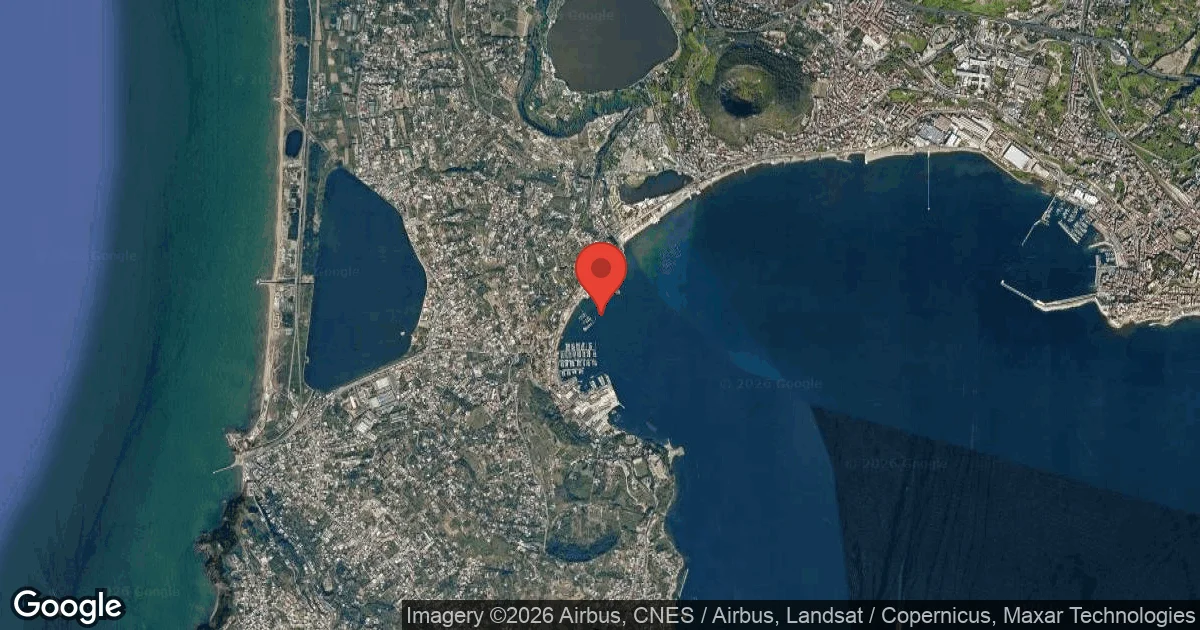
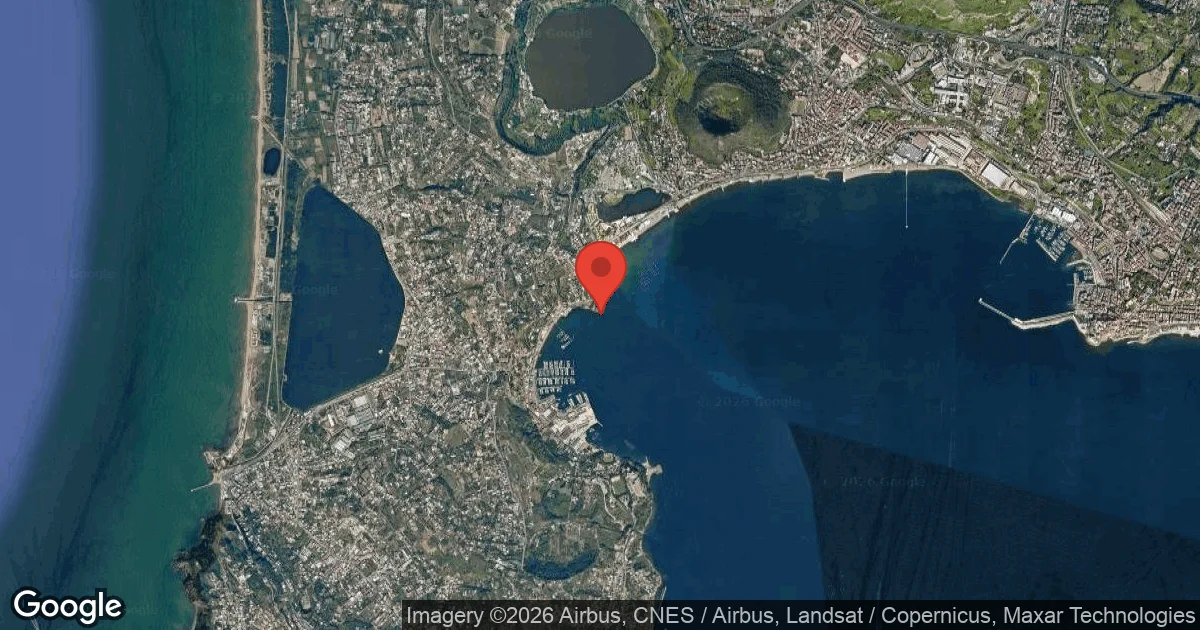
Beneath the Gulf of Naples, submerged ruins of Portus Julius unfold as a historical canvas for divers. This ancient Roman port, now an underwater archaeological park, rests on a sandy bottom scattered with debris. Divers encounter a mosaic of structural remains, offering a glimpse into a once-grand maritime complex.
Evening condition tracking at Portus Julius features an air temperature of 25.5°C. We have recorded wave heights measuring 0.4 m during this period. These figures outline the environmental parameters currently present.
Dive Site Location & Key Facts
Dive Site Overview
Commissioned in 37 BC by Marco Vipsanio Agrippa, Portus Julius served as a crucial arsenal for the Miseno fleet during the Roman civil war. Historically connected by a navigable canal to the lakes of Lucrino and D'averno, its remains today narrate a story of significant geological subsidence that gradually led to its submersion.
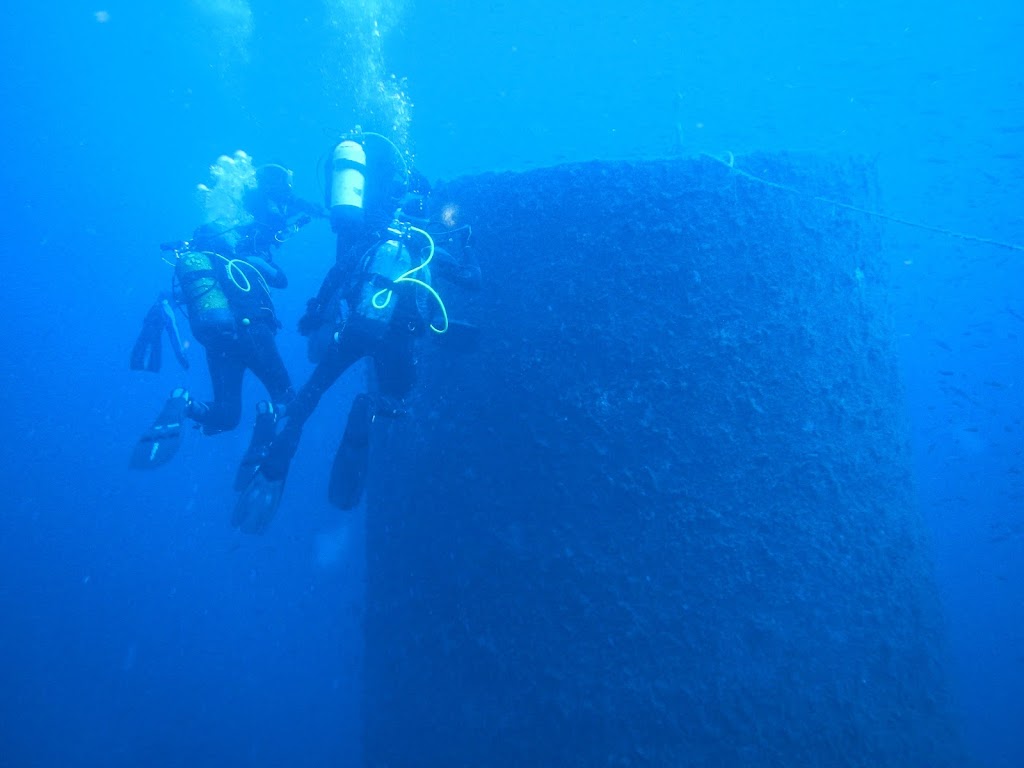
Exploring this site, divers find it resting on a sand and debris bottom, primarily composed of ceramic fragments, tiles, bricks, and sections of collapsing wall structures. Many of these walls, built in opus reticulatum and latericium, are still preserved at considerable lengths. Visible remnants include ancient floors, fragmented columns, and various marble pieces that once constituted the bustling port.
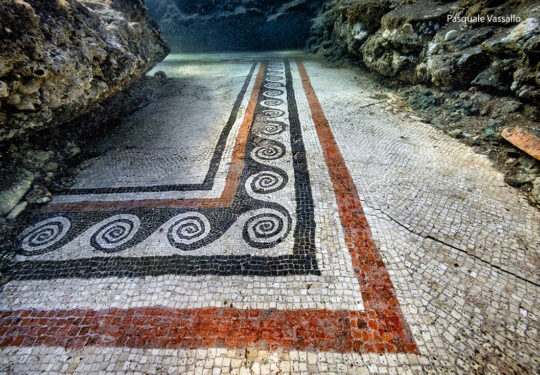
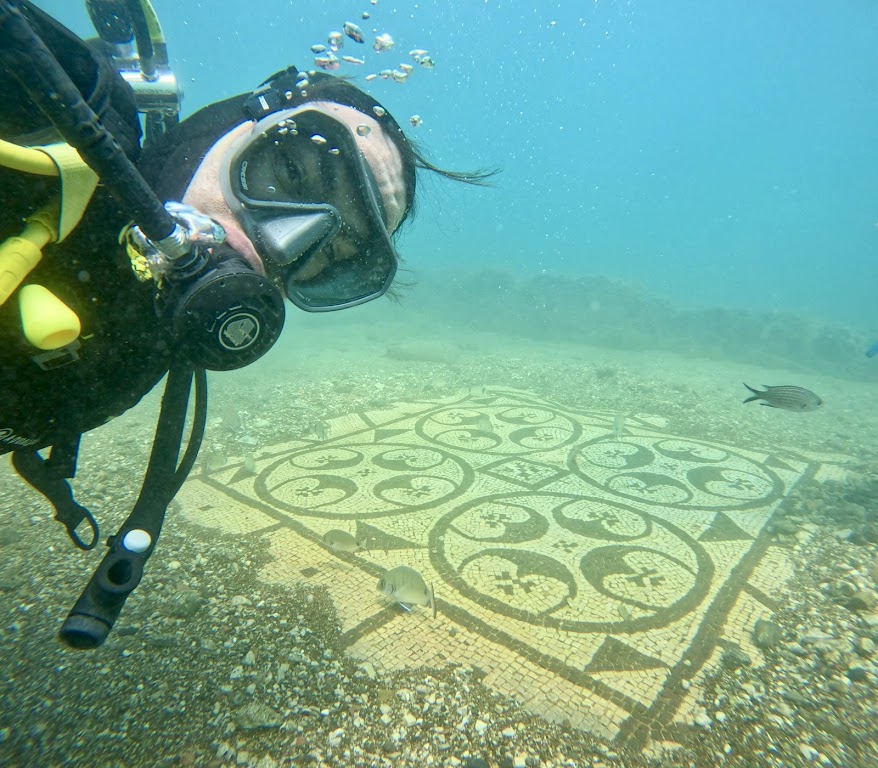
Particularly compelling are the numerous mosaic and cocciopesto floors, adorned with white limestone tesserae forming decorative geometric patterns, found remarkably intact across expansive areas. These features provide a tangible connection to Roman engineering and artistry.
Exploring the site, which lies at depths ranging from 3 m (10 ft) to 5 m (16 ft), reveals the infrastructure of a strategic ancient harbor, transforming the dive into an immersive journey through submerged history and architecture.
Conditions are Good
Optimal conditions expected
Current conditions near Portus Julius show 26° air, 27° sea temperature, 0.4 m waves, and 35 km/h wind. Forecast data is refreshed regularly to ensure accuracy.
Best Time to Dive
Planning a dive to Portus Julius is best during the warmer months, particularly from May to October, when air temperatures are most favorable. June consistently shows an 'Excellent' dive score, with air temperatures averaging 24°C (75°F) and minimal rain at about 1.6 mm. From July through September, conditions are also 'Good', with average air temperatures around 23-27°C (73-81°F) and very low rainfall, typically under 4 mm per month. During these months, wave heights are generally lower, contributing to calmer surface conditions. While specific water temperature data is not consistently reported, warm air temperatures of summer months typically correspond with comfortable Mediterranean water temperatures. Winter months, from November to April, still often provide 'Good' dive scores, but cooler air temperatures ranging from 11-15°C (52-59°F) and slightly higher average wave heights make surface conditions less consistently calm. Rainfall increases during late autumn and winter, which can affect visibility.
PEAK SEASON SCORE
Scores combine air & water temps, waves, wind & rainfall for overall conditions.
BEST MONTHS TO DIVE
Monthly records compiled from satellite and marine observation nodes over the last 3 years. Data provided by Open-Meteo and MET Norway.
Dive Experience & Conditions
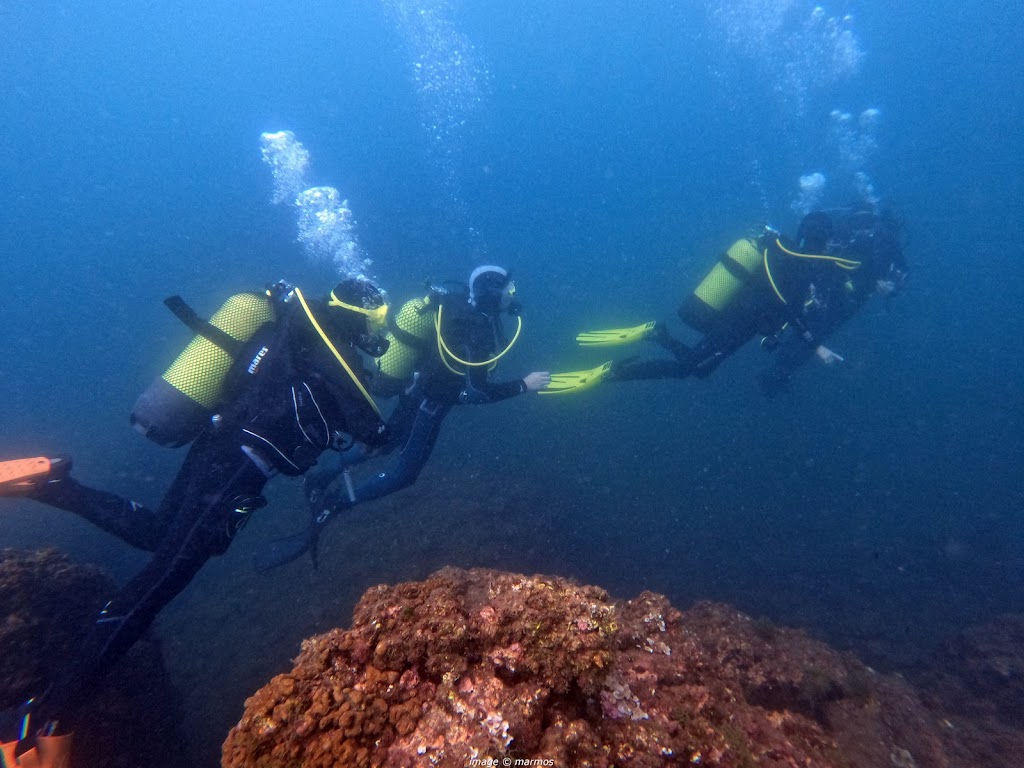
Underwater, Portus Julius presents a remarkably preserved archaeological park, albeit one transformed by centuries of submersion. Divers navigate relatively shallow waters, with depths between 3 m (10 ft) and 5 m (16 ft), allowing for extended bottom times and thorough exploration. Boat is the primary method of entry. Visibility varies depending on recent weather and sediment disturbance, but it's generally good enough to appreciate expansive architectural features. You'll observe numerous floors, both intricate mosaics and cocciopesto, with white limestone tesserae forming distinct geometric patterns. Often found preserved over surprisingly large surfaces, these provide stunning detail. Collapsed wall structures, some still standing to significant lengths, create natural ravines and passages. Careful buoyancy control is required to avoid disturbing the sand and debris bottom and to protect fragile ceramic fragments and ancient structural remains.
Dive Difficulty & Safety Guidelines
Diving at Portus Julius requires certified divers to possess good buoyancy control, given the shallow depths and delicate nature of the archaeological remains. Maintaining precise trim helps protect ancient floors, columns, and fragments from accidental contact or sediment disturbance. A protected marine area, this site mandates strict adherence to archaeological diving protocols; touching, collecting, or altering artifacts is strictly prohibited.
Divers should remain aware of their surroundings, particularly when navigating between submerged wall structures. No specific hazards beyond general Mediterranean diving considerations are reported.
Always dive with a reputable local guide who understands the site's layout and regulations to ensure both diver safety and artifact preservation.
Recommended Equipment
- Dive Computer
- DSMB
This gear list is based on verified equipment signals for Portus Julius, Italy. Always confirm final gear choices with your dive operator, guide, or liveaboard.
Recommended Dive Suit
Temperatures look set to gradually increase over the next several days. A warming trend is expected over the next few days.
Thermal protection such as 2-3mm shorty or light wetsuit is commonly used in similar temperatures.
At Portus Julius, the water is currently sitting around 27°C (80°F). Surface air temperatures are resting at 26°C (78°F).
Emergency & Medical Support
Essential information to help you plan your dive trip to Portus Julius.

Hyperbaric chambers are a critical part of dive safety infrastructure. Availability varies significantly by region, and not all dive areas have immediate access.
Before diving, it's recommended to:
- confirm nearest medical facilities
- check emergency procedures with local dive operators
- ensure dive insurance covers evacuation if required
Divers Alert Network
Diving emergency assistance available through DAN Europe.
+39 0642115685- 24/7 emergency hotline
- Diving medical assistance
- Evacuation coordination
Emergency contacts are provided for reference. Always verify local emergency services before diving.
Closest Listed Hyperbaric Chambers
Showing listed hyperbaric chamber facilities within 200 km of this dive site.
Distances are approximate straight-line distances and may not reflect emergency travel time.
IPER SRL
POZZUOLI (NA), Italy•Approx. 2 km straight-line
IPER SRL
Information is provided for reference and planning purposes only. Dive Navigator does not verify operational status, staffing, availability, or quality of care at listed facilities. In an emergency, contact local emergency services, DAN, your dive operator, or the chamber directly. Do not travel to a facility without calling ahead.
ISTITUTO PARTENOPEO DI RIABILITAZIONE - IPAR
Napoli, Italy•Approx. 9 km straight-line
ISTITUTO PARTENOPEO DI RIABILITAZIONE - IPAR
Information is provided for reference and planning purposes only. Dive Navigator does not verify operational status, staffing, availability, or quality of care at listed facilities. In an emergency, contact local emergency services, DAN, your dive operator, or the chamber directly. Do not travel to a facility without calling ahead.
Centro Iperbarico Policlinico Federico II Napoli
ICU CapableNapoli, Italy•Approx. 12 km straight-line
Centro Iperbarico Policlinico Federico II Napoli
ICU CapableInformation is provided for reference and planning purposes only. Dive Navigator does not verify operational status, staffing, availability, or quality of care at listed facilities. In an emergency, contact local emergency services, DAN, your dive operator, or the chamber directly. Do not travel to a facility without calling ahead.
Marine Life at Portus Julius
The submerged architecture of Portus Julius, while primarily an archaeological destination, actively supports a diverse marine ecosystem. Within the ravines and crevices of ancient walls, often softened by luxuriant algae growth, various plant and small animal organisms thrive.
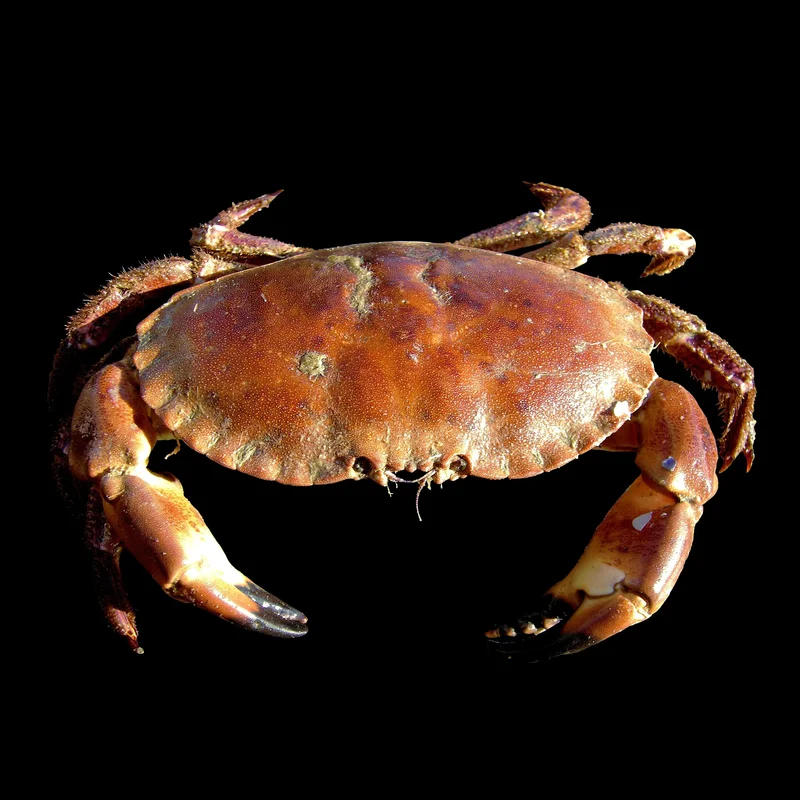
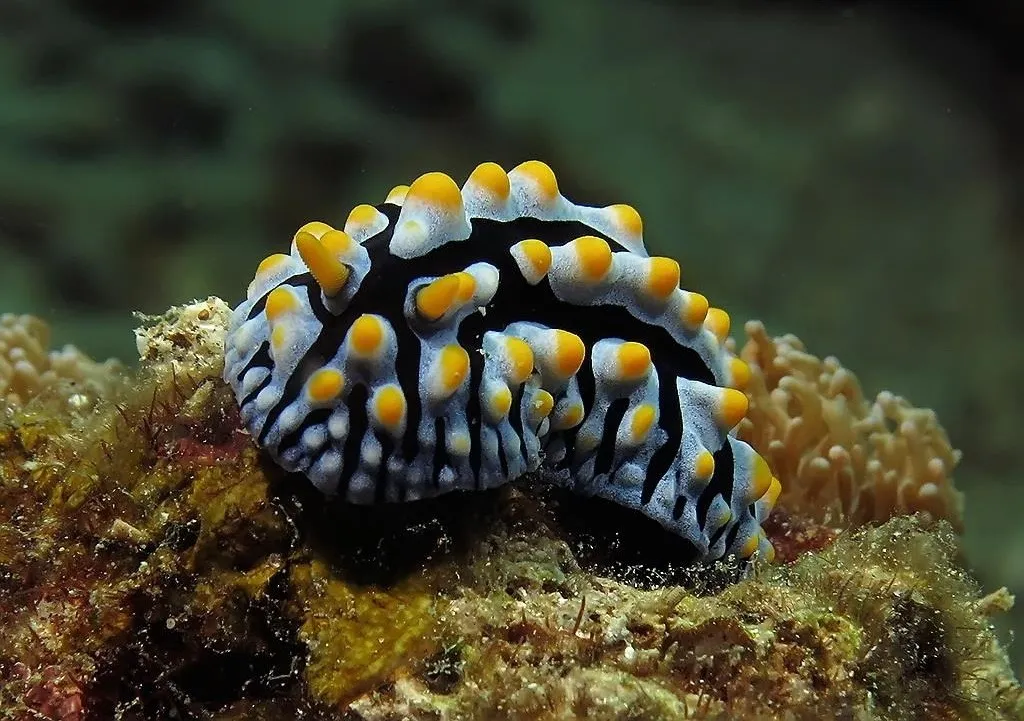
Divers may observe multiple species of fish seeking shelter among the ruins, alongside nudibranchs, crabs, and other invertebrates adapting to this environment. The historical infrastructure subtly provides a vital habitat for local species, demonstrating nature's capacity to reclaim and integrate with submerged human history, creating a compelling visual contrast.
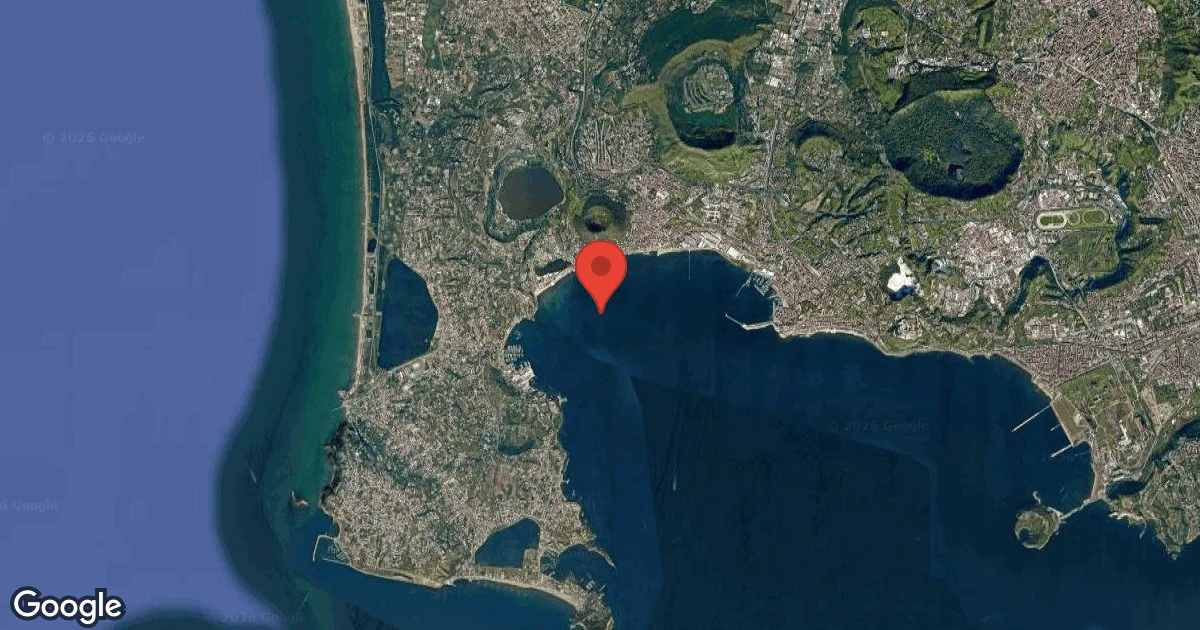
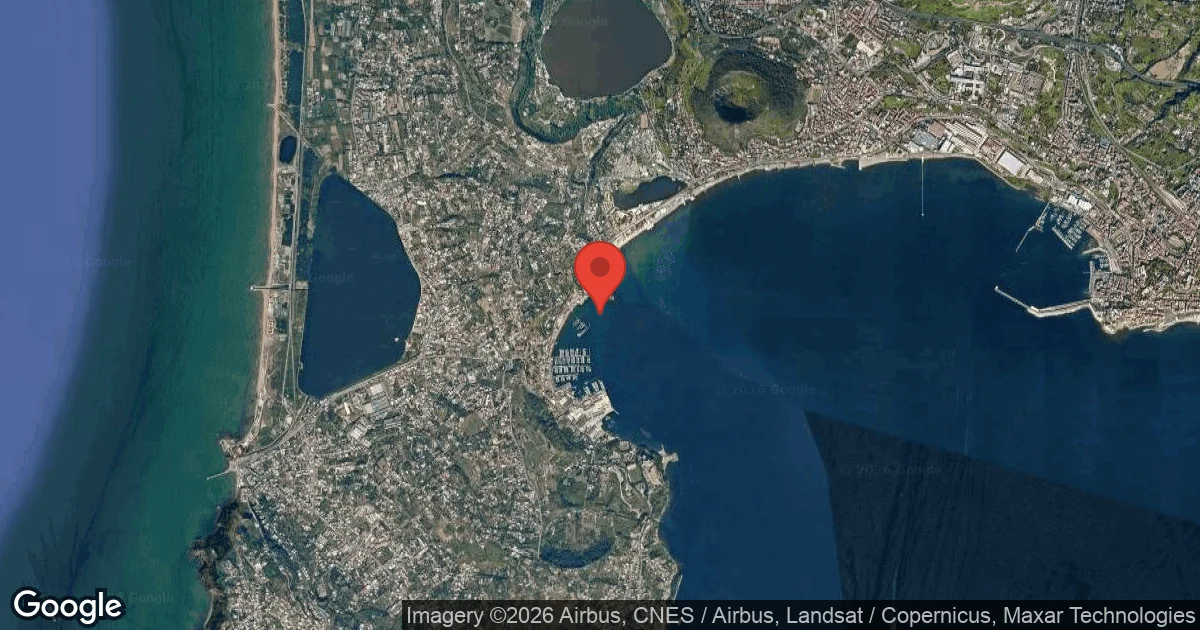
Dive Sites Near Portus Julius
View all dive sites in ItalyDiscover more underwater gems in this area.
Dive Centers Near Portus Julius
Today: 08:00 - 20:00
Nearest Airports
Nearest airports to help plan travel to this dive area.
Search Flights
Check available flights and routes on Expedia, using the nearby airports listed in this section.
Search Flights on ExpediaFrequently Asked Questions
What is the main attraction of diving Portus Julius?
Exploring the extensive submerged ruins of an ancient Roman port is the primary attraction. Divers observe well-preserved mosaic floors, structural walls, and remnants of a vital naval arsenal. The site provides a compelling experience, blending archaeological exploration with an immersive dive through history.
What depth is the Portus Julius site?
The site is quite shallow, with depths typically ranging from 3 to 5 meters (10-16 ft). This makes it accessible for various certification levels and allows for extended bottom times.
Is this site suitable for beginner divers?
While the shallow nature of the site makes it generally accessible, good buoyancy control is essential to protect the fragile archaeological remains. Beginner divers with proficient buoyancy skills and proper guidance from a local professional can enjoy the site.
What kind of artifacts can be seen underwater?
Divers will encounter ceramic fragments, tiles, bricks, and substantial sections of ancient walls. A highlight includes numerous well-preserved mosaic and cocciopesto floors, featuring intricate geometric patterns made from white limestone tesserae.
Are there any restrictions on diving at Portus Julius?
Yes, as a protected marine archaeological area, strict rules apply. Divers are prohibited from touching, collecting, or otherwise disturbing any artifacts or structures. It's crucial to follow all local guidelines and dive with an authorized guide.
What are the visibility conditions like at Portus Julius?
Visibility at the site can vary. It largely depends on recent weather patterns and any sediment disturbance, but it's generally good enough to clearly view the architectural features. Calm conditions usually lead to better visibility.
How do I access the Portus Julius dive site?
Access to the Portus Julius dive site is primarily by boat. Local dive centers in the Baia area typically arrange excursions to this archaeological park.
Planning to dive Portus Julius?
Send one inquiry and receive offers directly from the best verified local dive operators.
Conditions are Good
Optimal conditions expected
Current conditions near Portus Julius show 26° air, 27° sea temperature, 0.4 m waves, and 35 km/h wind. Forecast data is refreshed regularly to ensure accuracy.