
Diving at Secca Dei Due Balconi (Italy)
Navigating Secca dei due balconi presents challenges for divers, as its deep walls plunge to 47 m (154 ft) and visibility is frequently impaired by fine silt and marine traffic. Currents often sweep through the site, necessitating careful dive planning. Though demanding, this submerged ridge near Arenzano, Italy, rewards experienced divers with a vibrant, intricate ecosystem.
Tonight's objective overview for Secca Dei Due Balconi shows an air temperature of 24°C. The measured surface conditions include wave heights around 0.6 m. This environmental data is logged for the close of the day.
Dive Site Location & Key Facts
Dive Site Overview
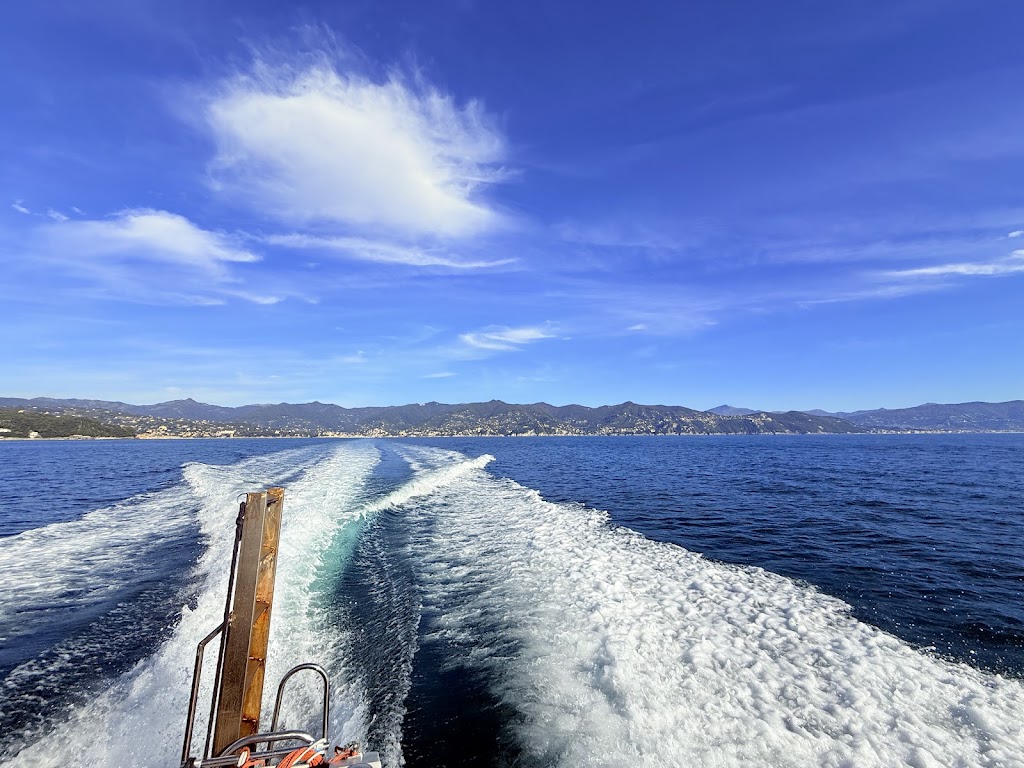
Secca dei due balconi unfolds as a breathtaking, vibrant oasis, often overshadowed by the nearby Amoco Milford Haven wreck. Located just minutes by dinghy from the port of Arenzano, this site is a spectacle of rare beauty, a silent forest where red and yellow Paramuricea clavata gorgonians flourish alongside white Gorgonia flabellum.
Its morphology consists of low, closely spaced rocks and vertical walls that rise dramatically from a sandy bottom at 47 m (154 ft) to shallower sections around 38 meters. These solid, hard rock substrates provide a perfect foundation for the extensive gorgonian colonies. Descending the fixed buoy line, typically anchored in the deeper areas, divers can explore the secca's amplitude, which spans approximately two kilometers.
The site is a true testament to marine life's resilience, acting as a vibrant underwater garden in waters often influenced by coastal activity. Its unique name originated from a local fisherman, Mirò, who aligned two prominent land-based balconies to mark his abundant fishing spot.
Conditions are Excellent
07:00 - 14:00
Optimal conditions expected
Current conditions near Secca Dei Due Balconi show 24° air, 26° sea temperature, 0.6 m waves, and 15 km/h wind. Forecast data is refreshed regularly to ensure accuracy.
Best Time to Dive
Optimal diving conditions at Secca dei due balconi typically occur in June and August, when the site consistently receives an 'Excellent' dive score. During these summer months, air temperatures are comfortably warm, averaging 22.5°C (72°F) in June and 25.5°C (78°F) in August, with minimal rainfall. Wave heights are generally lower, averaging around 0.5 m (1.6 ft), and wind speeds are also at their lowest, reducing surface chop. Other months, particularly April through May and September through October, offer 'Good' diving scores, though air temperatures cool to around 14-17.5°C (57-64°F) in spring and 17-20.5°C (63-69°F) in autumn. While specific water temperature data is not consistently reported for all months, a July immersion noted 17°C (63°F) at depth, suggesting cooler conditions in deeper sections even during summer. Visibility varies depending on conditions, often benefiting from calmer seas.
PEAK SEASON SCORE
Scores combine air & water temps, waves, wind & rainfall for overall conditions.
BEST MONTHS TO DIVE
Monthly records compiled from satellite and marine observation nodes over the last 3 years. Data provided by Open-Meteo and MET Norway.
Dive Experience & Conditions
Descending into the secca, divers often encounter water that feels thick with suspended particles, at times reducing visibility dramatically, even down to a meter. This frequent turbidity is caused by the fine silt from the seabed, agitated by constant boat traffic and marine currents. Easily found currents can make navigation more demanding, particularly across the secca's fluctuating topography, which spans recreational depth ranges into the deeper end of the spectrum. The environment below can appear opaque and somewhat subdued, requiring good lighting to fully appreciate the colors. Despite these conditions, the secca's extensive coverage of gorgonians appears healthy, with polyps extended, indicating a rich planktonic environment. While there is a fixed line traversing the center, its vastness encourages exploration, making careful buoyancy and situational awareness crucial.
Dive Difficulty & Safety Guidelines
Diving Secca dei due balconi demands advanced skills or the presence of an experienced guide due to its depth and variable conditions. The site's depth profile extends well into the technical diving range, requiring advanced planning for extended bottom times. Currents are common, and visibility can be significantly reduced, sometimes to a meter, requiring strong navigational skills.
Divers exploring the full breadth of the secca may need to deploy a reel to avoid disorientation amidst its undulating terrain. Using twin cylinders (bibombola) or a rebreather is advised for satisfactory bottom time at these depths.
Conversely, single-cylinder dives will result in much shorter bottom times. Adhere to your specific training agency's recommendations for gas mixes, which might include light trimix, air, and appropriate decompression gases.
Recommended Equipment
- Dive Computer
This gear list is based on verified equipment signals for Secca Dei Due Balconi, Italy. Always confirm final gear choices with your dive operator, guide, or liveaboard.
Recommended Dive Suit
For dives of average duration, 3mm wetsuit usually provides sufficient protection from heat loss. A hood or vest is suggested for sensitive divers due to surface winds.
Current readings at Secca Dei Due Balconi show water temperatures near 26°C (78°F). Surface air temperatures are resting at 24°C (75°F).
Weather projections show fairly stable environmental conditions ahead.
Emergency & Medical Support
Essential information to help you plan your dive trip to Secca dei due balconi.

Hyperbaric chambers are a critical part of dive safety infrastructure. Availability varies significantly by region, and not all dive areas have immediate access.
Before diving, it's recommended to:
- confirm nearest medical facilities
- check emergency procedures with local dive operators
- ensure dive insurance covers evacuation if required
Divers Alert Network
Diving emergency assistance available through DAN Europe.
+39 0642115685- 24/7 emergency hotline
- Diving medical assistance
- Evacuation coordination
Emergency contacts are provided for reference. Always verify local emergency services before diving.
Closest Listed Hyperbaric Chambers
Showing listed hyperbaric chamber facilities within 200 km of this dive site.
Distances are approximate straight-line distances and may not reflect emergency travel time.
Unità Operativa di Medica Iperbarica
24/7 ListedICU CapableGenova, Italy•Approx. 22 km straight-line
Unità Operativa di Medica Iperbarica
24/7 ListedICU CapableInformation is provided for reference and planning purposes only. Dive Navigator does not verify operational status, staffing, availability, or quality of care at listed facilities. In an emergency, contact local emergency services, DAN, your dive operator, or the chamber directly. Do not travel to a facility without calling ahead.
Ospedale di Vaio - AUSL Parma
24/7 ListedICU CapableFidenza (Pr), Italy•Approx. 118 km straight-line
Ospedale di Vaio - AUSL Parma
24/7 ListedICU CapableInformation is provided for reference and planning purposes only. Dive Navigator does not verify operational status, staffing, availability, or quality of care at listed facilities. In an emergency, contact local emergency services, DAN, your dive operator, or the chamber directly. Do not travel to a facility without calling ahead.
CE.M.I.S. Centro Medicina Iperbarica e Subacquea
Massa, Italy•Approx. 118 km straight-line
CE.M.I.S. Centro Medicina Iperbarica e Subacquea
Information is provided for reference and planning purposes only. Dive Navigator does not verify operational status, staffing, availability, or quality of care at listed facilities. In an emergency, contact local emergency services, DAN, your dive operator, or the chamber directly. Do not travel to a facility without calling ahead.
Marine Life at Secca Dei Due Balconi
A tapestry of red and yellow Paramuricea clavata gorgonians adorns the secca, creating stunning underwater forests that are particularly dense on the subvertical walls of the south side. White Gorgonia flabellum also thrives here.
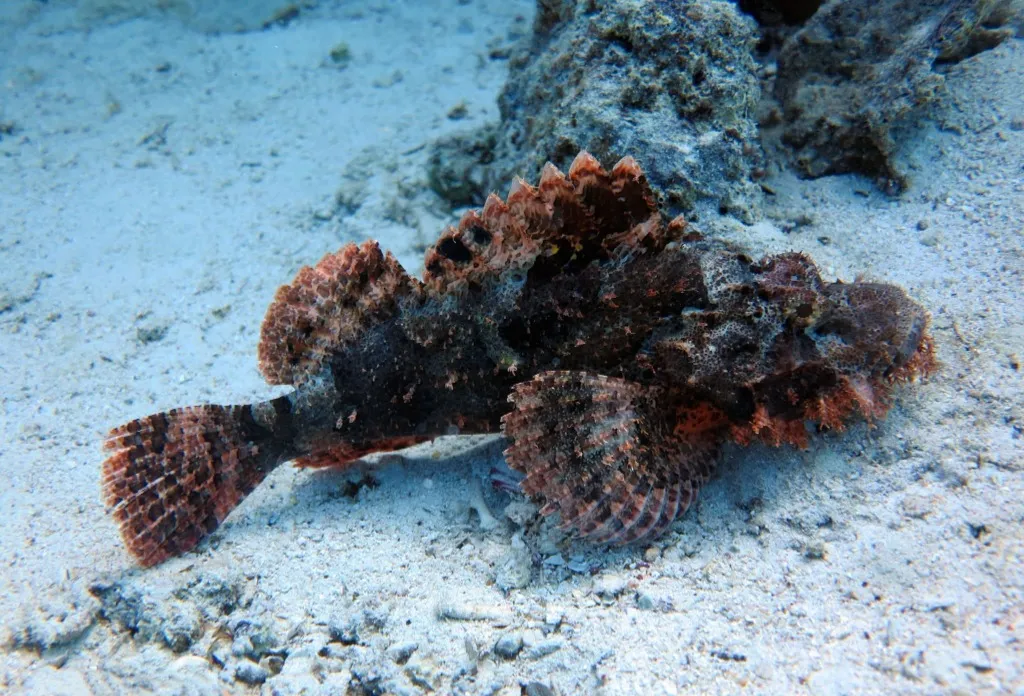
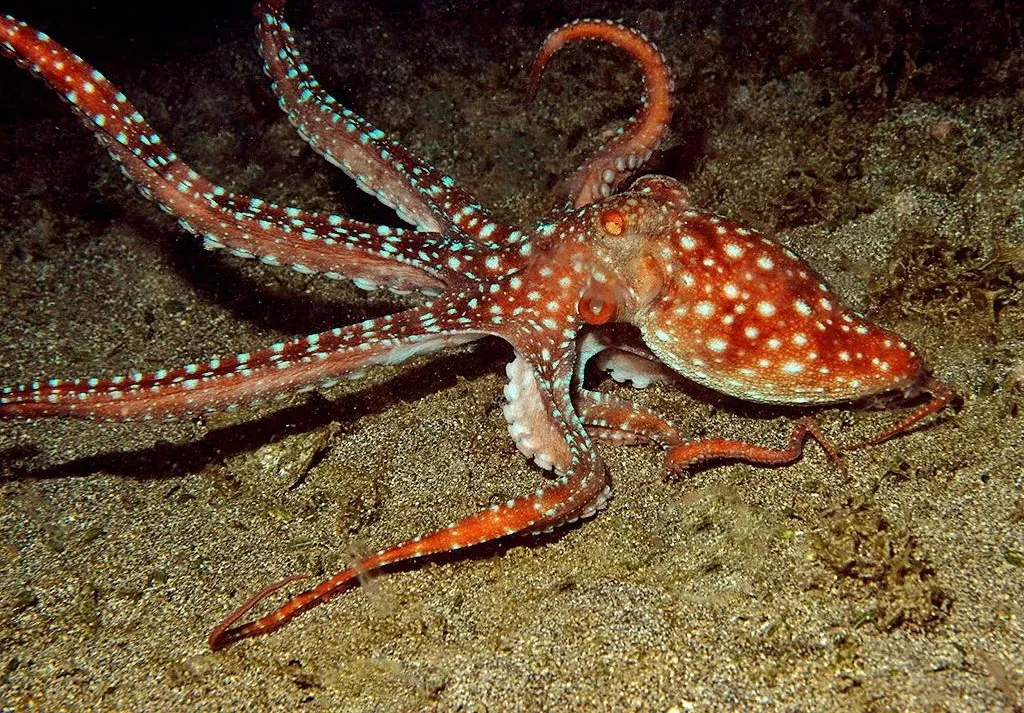
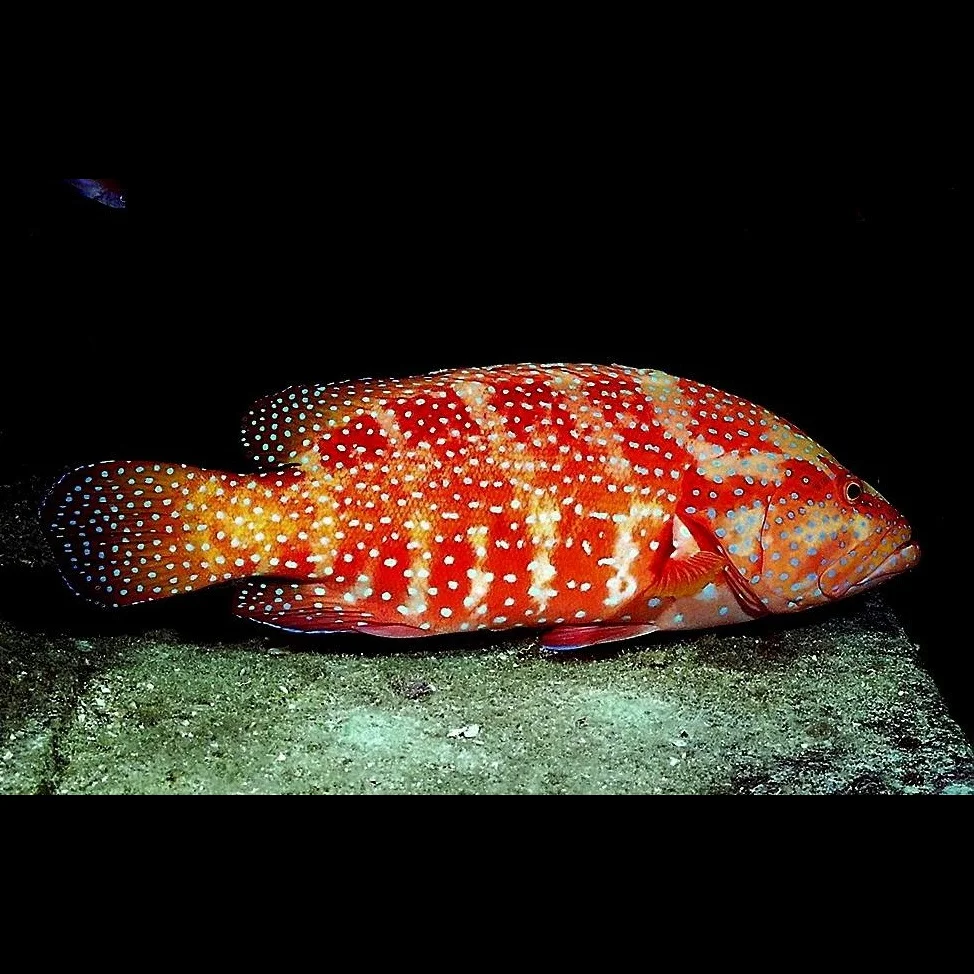
Among these vibrant corals, divers frequently observe various fish species like saraghi (sea bream), cernie (groupers), and orate (gilt-head bream). Octopuses, scorpionfish, and musdee find refuge in the rocky crevices.
Anthias anthias add flashes of color, while between March and June, gattucci (catsharks) are known to deposit their eggs among the gorgonian branches. Large Sarcotragus spinosulus sponges mimic soft rocks, and yellow Aplysina cavernicola colonies color the northern slopes, showcasing a rich coralligenous community.

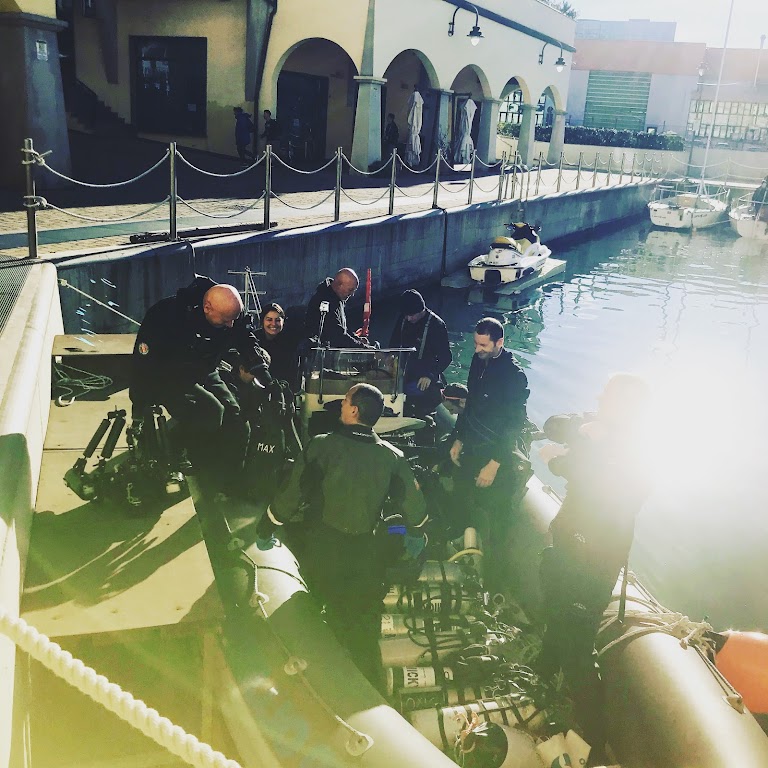
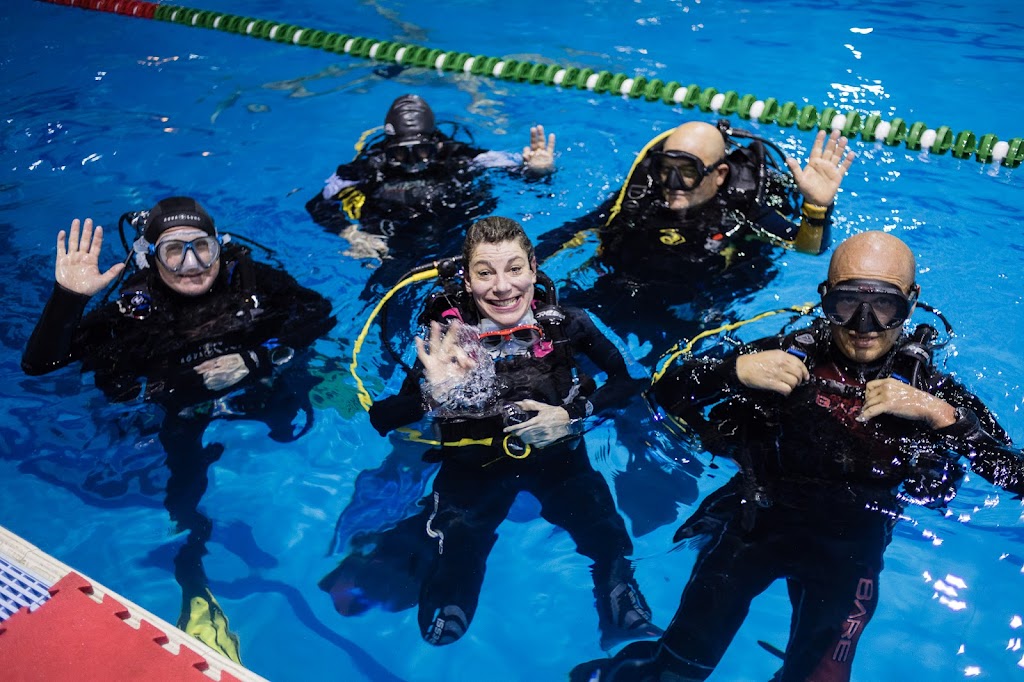
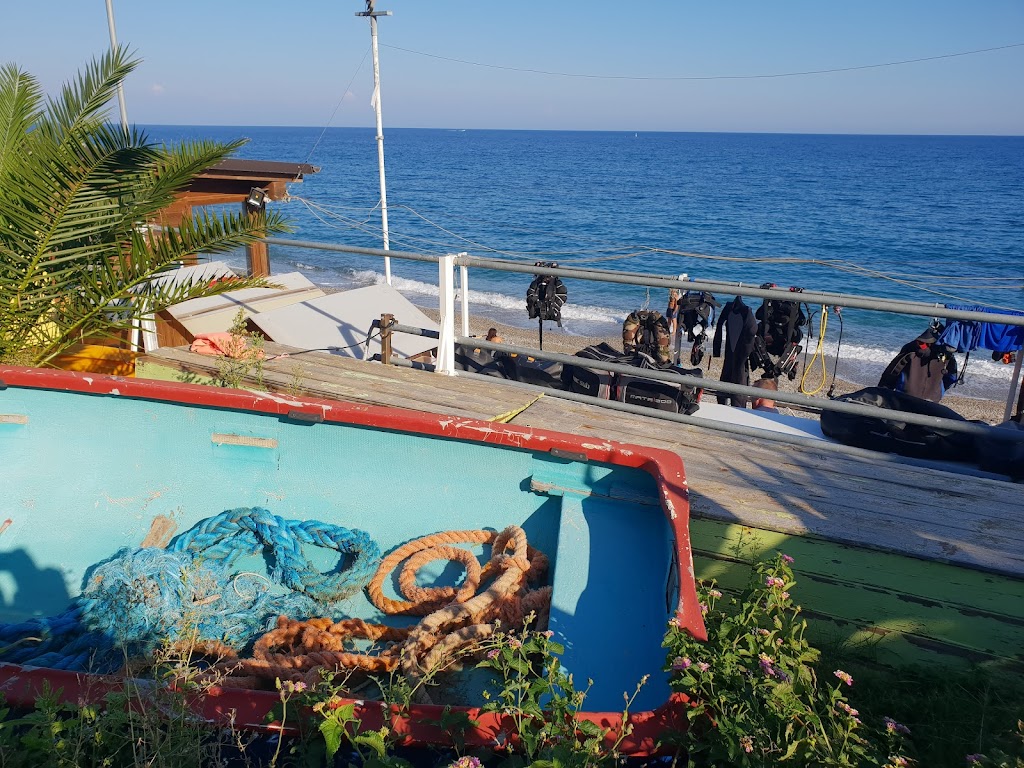
Dive Centers Near Secca Dei Due Balconi
Today: 08:30 - 18:00
Nearest Airports
Nearest airports to help plan travel to this dive area.
Search Flights
Check available flights and routes on Expedia, using the nearby airports listed in this section.
Search Flights on ExpediaFrequently Asked Questions
What is the origin of the name 'Secca dei due Balconi'?
The name, meaning 'Reef of the Two Balconies,' comes from a local fisherman named Mirò. He used the alignment of two specific balconies on land as a visual reference point to locate this productive fishing spot at sea.
What is the typical depth range for a dive at this site?
The Secca dei due balconi site primarily sits in the deeper recreational to technical range, extending from approximately 37 m (121 ft) to its maximum depth of 47 m (154 ft). Its structure includes vertical walls rising from a sandy bottom up to shallower rock formations.
What are the main challenges for divers at Secca dei due balconi?
Primary challenges include often-turbid water with reduced visibility, frequently encountered currents, and the significant depth of the dive. These factors necessitate good navigation skills and appropriate dive planning.
What unique marine life can be seen here?
The secca is especially known for its extensive and healthy gorgonian forests, including rare bicolored red and yellow Paramuricea clavata, and white Gorgonia flabellum. Divers can also spot a variety of fish, octopuses, and catsharks, particularly during their egg-laying season.
What dive equipment is generally recommended for Secca dei due balconi?
Given the depth and potential for cooler water, a semi-dry or drysuit is recommended. For sufficient bottom time, especially for exploring the full site, twin cylinders or a rebreather are often advised.
How do divers navigate the site?
A fixed buoy line is often present, with its anchor in deeper sections, providing a descent and ascent reference. However, due to the secca's breadth and undulating terrain, divers are encouraged to use a reel for broader exploration.
Which diving centers operate trips to Secca dei due Balconi?
Several diving centers in the area offer immersions to Secca dei due balconi. These include Haven Diving Arenzano, Tek diving Arenzano, Centro immersioni Tigullio, and Libeccio.
Planning to dive Secca Dei Due Balconi?
Send one inquiry and receive offers directly from the best verified local dive operators.
Conditions are Excellent
07:00 - 14:00
Optimal conditions expected
Current conditions near Secca Dei Due Balconi show 24° air, 26° sea temperature, 0.6 m waves, and 15 km/h wind. Forecast data is refreshed regularly to ensure accuracy.