
Diving at Cape Hedo Dome (Japan)
Cape Hedo Dome presents a formidable dive experience for advanced divers seeking a challenge. This site features the iconic "Hedo Air Dome," an underwater stalactite cave where it's possible to surface inside. It's often considered one of Okinawa's more demanding dives, requiring excellent buoyancy control and comfort with overhead environments. Drift diving is a standard approach here, emphasizing the need for proficient skills.
Evening condition tracking at Cape Hedo Dome features an air temperature of 28.5°C. We have recorded wave heights measuring 1 m during this period. These figures outline the environmental parameters currently present.
Dive Site Location & Key Facts
Dive Site Overview
The core of diving at Cape Hedo centers on its eponymous Dome, a massive air pocket cavern nestled inside a cliff, exclusively accessible from underwater. Divers typically enter around 15 m (45 ft) and can surface within this chamber, where a distinct mix of salt and fresh water creates noticeable thermoclines, often visible as hazy layers.
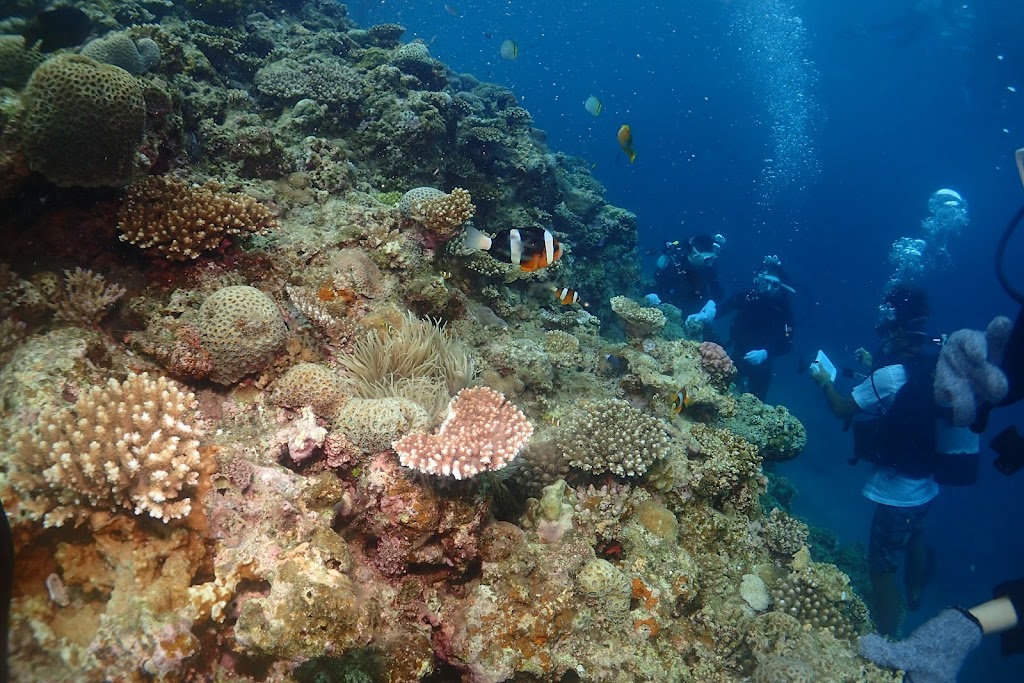
Giant stalactites descend impressively from the limestone ceiling here, a testament to geological time. Beyond this captivating space, the site presents dramatic wall dives and intricate underwater topography, shaped by relentless ocean forces. Between 5-15 m (15-50 ft), the constantly moving ocean currents have carved out massive crevasses and arches, forming a complex network of passages that provide crucial hideaways for various fish species.
Deeper, around 20 m (65 ft), impressive, human-sized hard corals thrive, diligently filtering the water and creating dense habitats. Descending to max depths of 30 m (100 ft) along the walls, keen divers might spot Giant Trevally actively hunting smaller prey in the shadows, particularly where the current flows.
This entire environment strongly reflects its limestone geology, showcasing natural underground structures formed by the gradual dissolution and re-precipitation of rock over millennia, making each contour part of a larger ancient process.
Conditions are Moderate
Optimal conditions expected
Current conditions near Cape Hedo Dome show 29° air, 29° sea temperature, 1.8 m waves, and 27 km/h wind. Forecast data is refreshed regularly to ensure accuracy.
Best Time to Dive
Seasonal shifts dictate the optimal time for diving Cape Hedo Dome, offering varied conditions throughout the year. The summer months, particularly June and September, often yield the highest dive scores, indicating more favorable conditions. During this period, average air temperatures range from a warm 26.5°C (80°F) in June to 28.5°C (83°F) in September, with water temperatures typically between 25-29°C (77-84°F). Wave heights are also generally lower in summer, around 0.9-1.2 m (3-4 ft), which is advantageous for boat access and drift dives. In contrast, winter months (December-March) feature cooler water temperatures of 20-23°C (68-73°F) and higher average wind speeds, with waves potentially reaching 1.9 m (6.2 ft), making for a more challenging experience.
PEAK SEASON SCORE
Scores combine air & water temps, waves, wind & rainfall for overall conditions.
BEST MONTHS TO DIVE
Monthly records compiled from satellite and marine observation nodes over the last 3 years. Data provided by Open-Meteo and MET Norway.
Dive Experience & Conditions
Currents are a defining feature of diving at Cape Hedo, often strong and requiring that all dives be conducted as drift dives. Divers must feel comfortable and competent with drift diving techniques; if you're not, consider discussing this with your operator for potential training dives or alternative site recommendations. Visibility is generally excellent, with reports indicating ranges from 15-30 m (45-100 ft) under good conditions. Depths range from 15 m (45 ft) at the dome's entrance to 30 m (100 ft) for the main attractions, with some impressive drop-offs extending to 40 m (130 ft). Inside the Hedo Dome, the unique blend of salt and fresh water can create noticeable thermoclines.
Dive Difficulty & Safety Guidelines
Approaching Cape Hedo Dome demands a high level of diver proficiency and preparedness. A minimum certification of Advanced Open Water (AOWD) is mandatory, often paired with a prerequisite of 30-50 logged dives, depending on the chosen operator. Divers must possess excellent buoyancy control, which is critical for navigating both the cavern environment and the standard drift diving conditions.
Comfort in dark and overhead circumstances is also essential when exploring the dome itself. Because of the sometimes strong currents, being proficient in drift diving techniques isn't just recommended, it's a requirement for safe enjoyment of this site.
Given the boat journey to the site, taking seasickness medication is highly advisable for those prone to motion sickness.
Recommended Equipment
Overhead environment. Do not enter beyond training and gas planning limits.
Current and surface separation risk. Local briefing strongly recommended.
- Dive Computer
- DSMB
- Primary & Backup Lights
- Reel / Spool
- Cutting Tool
This gear list is based on verified equipment signals for Cape Hedo Dome, Japan. Always confirm final gear choices with your dive operator, guide, or liveaboard.
Recommended Dive Suit
In these water temperatures, 2-3mm shorty or light wetsuit is a common choice for recreational diving. A hood or vest is suggested for sensitive divers due to surface winds. Longer dive profiles can make thermal protection more important than short exploratory dives.
At the moment, divers exploring Cape Hedo Dome will likely experience water temperatures near 29°C (84°F). Surface air temperatures are resting at 29°C (83°F).
Weather models indicate a small drop in surface temperatures later this week. Cooler days are ahead; you might want a warmer option for later in the week. Bringing an additional thermal layer can be helpful if conditions change.
Emergency & Medical Support
Essential information to help you plan your dive trip to Cape Hedo Dome.

Hyperbaric chambers are a critical part of dive safety infrastructure. Availability varies significantly by region, and not all dive areas have immediate access.
Before diving, it's recommended to:
- confirm nearest medical facilities
- check emergency procedures with local dive operators
- ensure dive insurance covers evacuation if required
Divers Alert Network
Diving emergency assistance available through DAN Japan.
+81338124999- 24/7 emergency hotline
- Diving medical assistance
- Evacuation coordination
Emergency contacts are provided for reference. Always verify local emergency services before diving.
Marine Life at Cape Hedo Dome
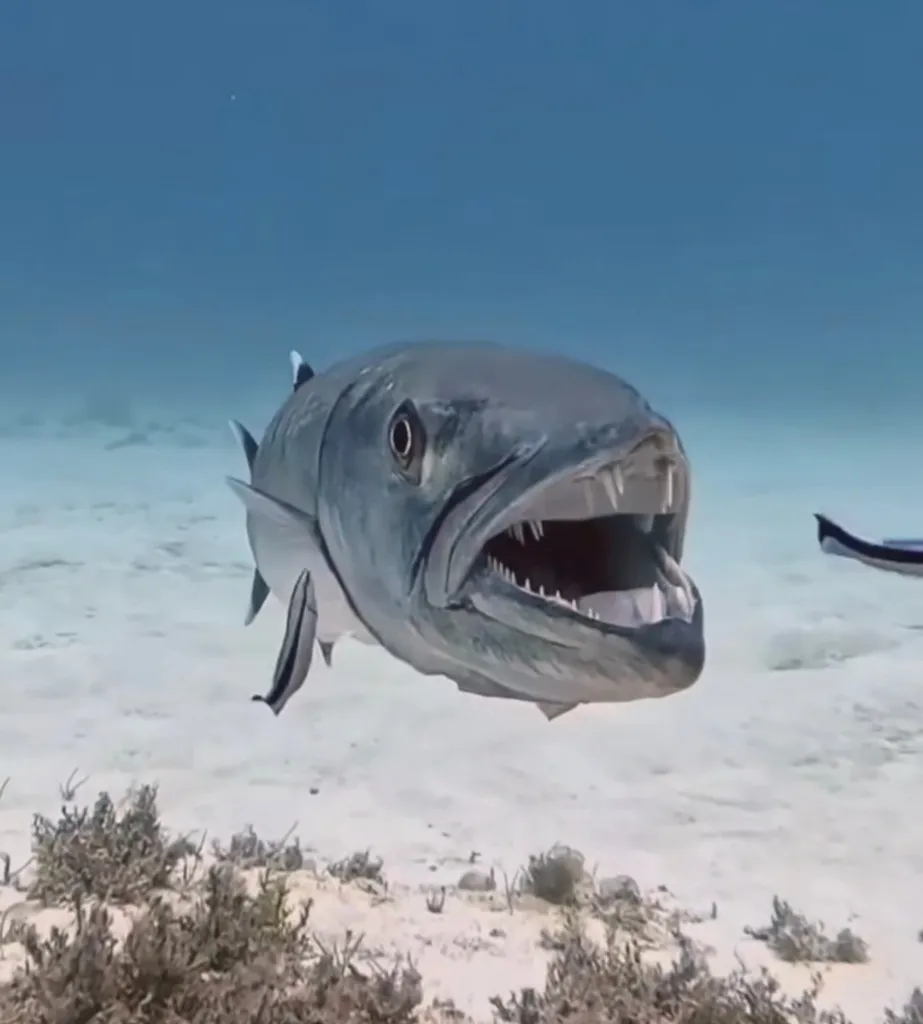
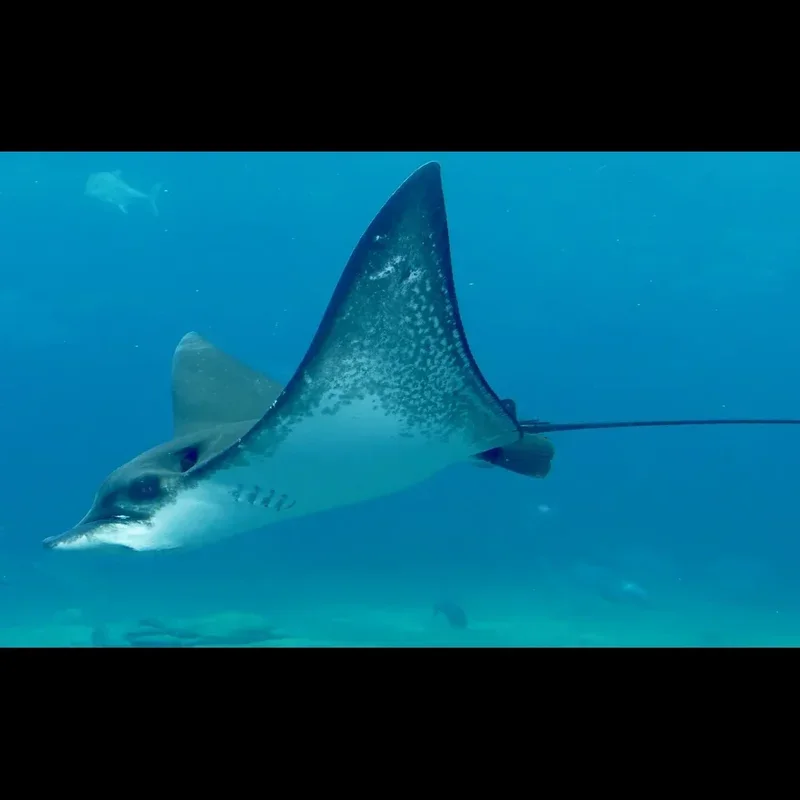
The diverse underwater landscape of Cape Hedo provides a rich habitat, supporting a variety of captivating marine species. Divers frequently encounter turtles, barracudas, and majestic eagle rays patrolling the open blue.
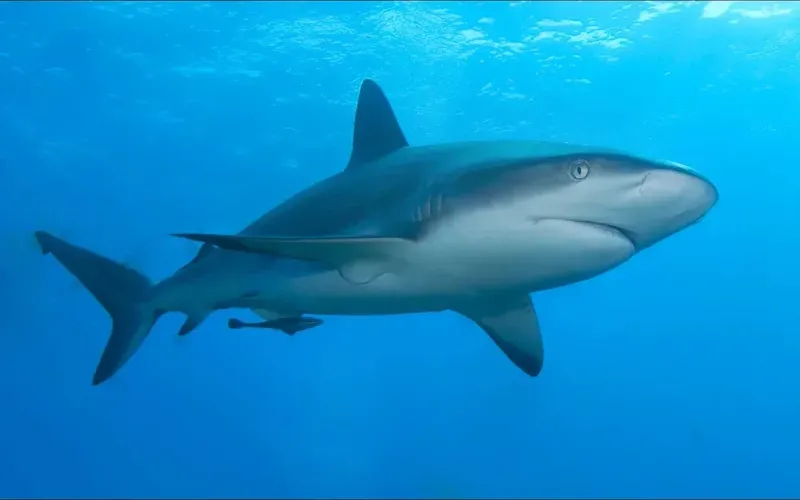
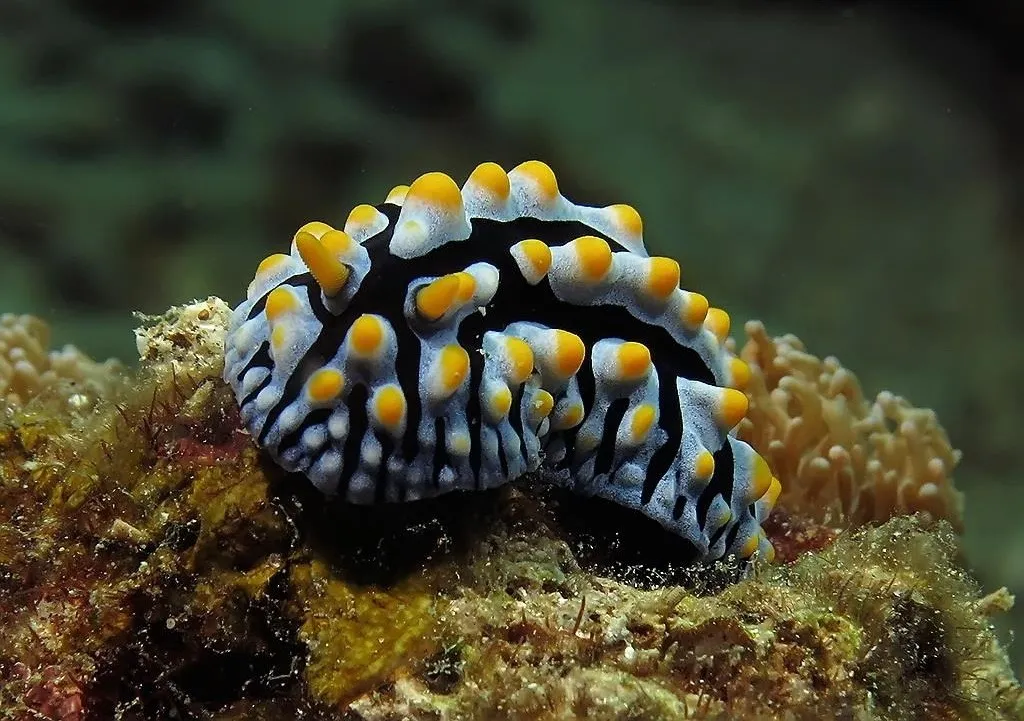
Schools of tuna are a common sight, and occasionally, larger pelagics such as white tip and black tip reef sharks can be spotted in the deeper waters. Closer to the intricate limestone structures and corals, smaller inhabitants like pygmy seahorses, lionfish, and various nudibranchs find refuge.
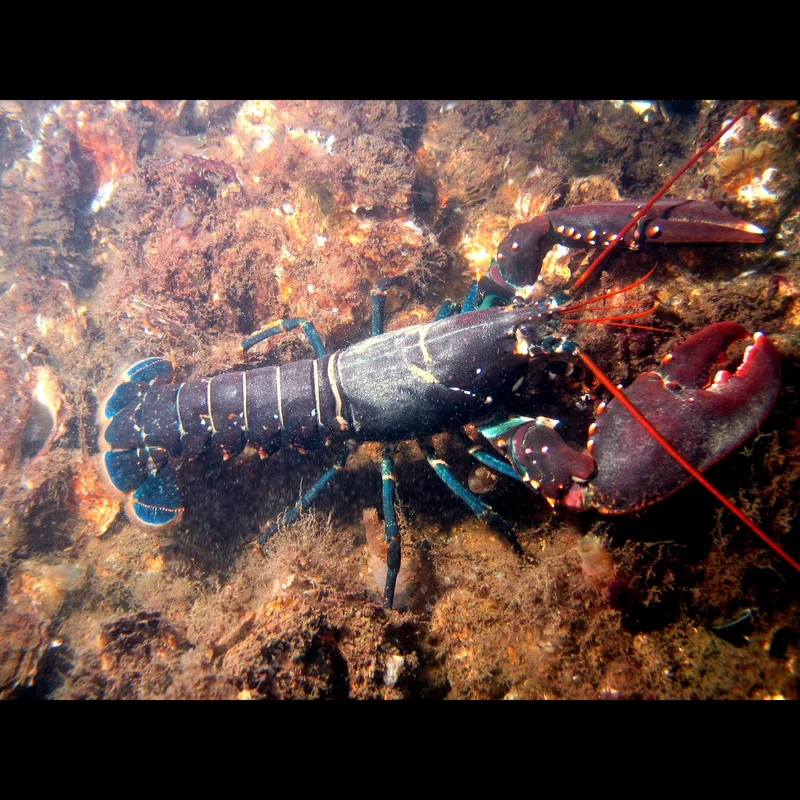
Lobsters often inhabit the numerous hideaways created by the site's massive crevasses and arches, while the wall dives are particularly known for vibrant sea-fan corals and a range of gobies, including the decorated gobies.
Dive Centers Near Cape Hedo Dome

Today: 09:00 - 17:00
Nearest Airports
Nearest airports to help plan travel to this dive area.
Search Flights
Check available flights and routes on Expedia, using the nearby airports listed in this section.
Search Flights on ExpediaFrequently Asked Questions
What is the main attraction at Cape Hedo Dome?
The primary draw is the Hedo Dome, a large air pocket cavern located inside a cliff, accessible only by diving. Divers can surface inside to observe giant stalactites and experience unique thermoclines.
What depth range does Cape Hedo Dome offer?
Depths generally range from 15 m (45 ft) at the dome entrance to over 30 m (100 ft) on the walls and drop-offs. Some areas extend deeper, reaching up to 40 m (130 ft).
What level of diving experience is required for Cape Hedo Dome?
A minimum of Advanced Open Water (AOWD) certification is required, along with a significant number of logged dives, typically 30-50, and excellent buoyancy control. Comfort with drift diving and overhead environments is also essential.
Are the currents strong at this dive site?
Yes, strong currents are a common feature at Cape Hedo Dome, making drift diving the standard practice. Divers should be well-prepared and comfortable with drift diving techniques.
What marine life can I expect to see?
Divers may encounter turtles, barracudas, eagle rays, and schools of tuna. Closer to the reef, pygmy seahorses, lionfish, nudibranchs, and lobsters are common, with occasional sightings of white tip and black tip reef sharks.
Can I surface inside the Hedo Dome?
Yes, divers can surface within the Hedo Dome, which is an air pocket cavern. Inside, expect a visible mix of salt and fresh water and impressive stalactites.
What are the water temperatures like?
Water temperatures vary seasonally, typically ranging from 25-29°C (77-84°F) in summer to 20-23°C (68-73°F) in winter. Thermoclines can also be felt inside the dome due to the mix of salt and fresh water.
Planning to dive Cape Hedo Dome?
Send one inquiry and receive offers directly from the best verified local dive operators.
Conditions are Moderate
Optimal conditions expected
Current conditions near Cape Hedo Dome show 29° air, 29° sea temperature, 1.8 m waves, and 27 km/h wind. Forecast data is refreshed regularly to ensure accuracy.