
Diving at Kubbar Island (Kuwait)
Approaching Kubbar Island, divers gain their first impression of a substantial reef system in Kuwait. This easily accessible island, Kuwait's closest major reef to Kuwait City, presents an immediate opportunity to explore an extensive underwater landscape. Initial views often reveal diverse coral structures, hinting at the vast reef network surrounding the island. Expect a brief boat journey to this popular local dive destination.
Evening condition tracking at Kubbar Island features an air temperature of 33.5°C. We have recorded wave heights measuring 0.1 m during this period. These figures outline the environmental parameters currently present.
Dive Site Location & Key Facts
Dive Site Overview
A prominent feature of Kuwait's diving landscape, Kubbar Island has long been recognized as a significant local reef system. Its convenient proximity to Kuwait City, while enhancing accessibility for many, has historically subjected the marine environment to considerable pressure.
Divers exploring the site will frequently observe visible evidence of past human interaction, including anchor scars on the seabed and localized coral impacts, which have distinctly shaped the reef's overall condition across its various sections. The underwater terrain primarily showcases robust Porites coral heads, forming resilient, dome-shaped structures that are well-adapted to the local conditions. There is, however, a consistent observation of limited Acropora corals when compared to other Gulf regions, influencing the overall reef architecture.
Visibility here often presents challenges for divers, fluctuating significantly and at times being quite restricted; this can complicate detailed observation of smaller marine life and navigation across the expansive reef structure. Despite these visible signs of historical impact and variable conditions, the island retains its status as a central and noteworthy point for recreational diving activities within Kuwait.
Its sheer size and easy access continue to draw divers seeking to explore the country's coastal waters.
Conditions are Excellent
07:00 - 14:00
Optimal conditions expected
Current conditions near Kubbar Island show 33° air, 33° sea temperature, 0.1 m waves, and 17 km/h wind. Forecast data is refreshed regularly to ensure accuracy.
Best Time to Dive
For the most comfortable diving experience at Kubbar Island, consider visiting during April, which often presents optimal conditions and earns an 'Excellent' dive score. Air temperatures during this month average around 24°C (75°F), with minimal rainfall, typically about 0.32 mm, offering pleasant surface intervals. Good diving conditions, marked with a 'Good' score, extend through many months, including March, May, and September, where air temperatures range from 19°C (66°F) to 34°C (93°F). Winds in April are manageable at around 26.4 km/h (16.4 mph) with wave heights averaging 0.5 m (1.6 ft), helping maintain more favorable sea states compared to other periods. Even in the warmer months like June, July, and August, conditions generally remain suitable for diving despite higher air temperatures, offering consistent dive opportunities for those tolerant of heat.
PEAK SEASON SCORE
Scores combine air & water temps, waves, wind & rainfall for overall conditions.
BEST MONTHS TO DIVE
Monthly records compiled from satellite and marine observation nodes over the last 3 years. Data provided by Open-Meteo and MET Norway.
Dive Experience & Conditions
Descending at Kubbar Island, divers typically explore within a recreational depth range. While specific maximum depths are not consistently reported, explorations usually remain in shallower sections, ideal for extended no-decompression dives. Many dives here involve a drift profile, moving gently along the reef with prevailing currents that vary in strength depending on tidal cycles. Expect the visibility to fluctuate significantly, sometimes being quite limited, which can impact visual range and navigation. The seabed often features scattered coral formations mixed with expansive sandy bottom sections, especially away from the main reef structure. Given the absence of specific water temperature data, local reports suggest it varies seasonally, generally being warmer during the hotter air temperature months.
Dive Difficulty & Safety Guidelines
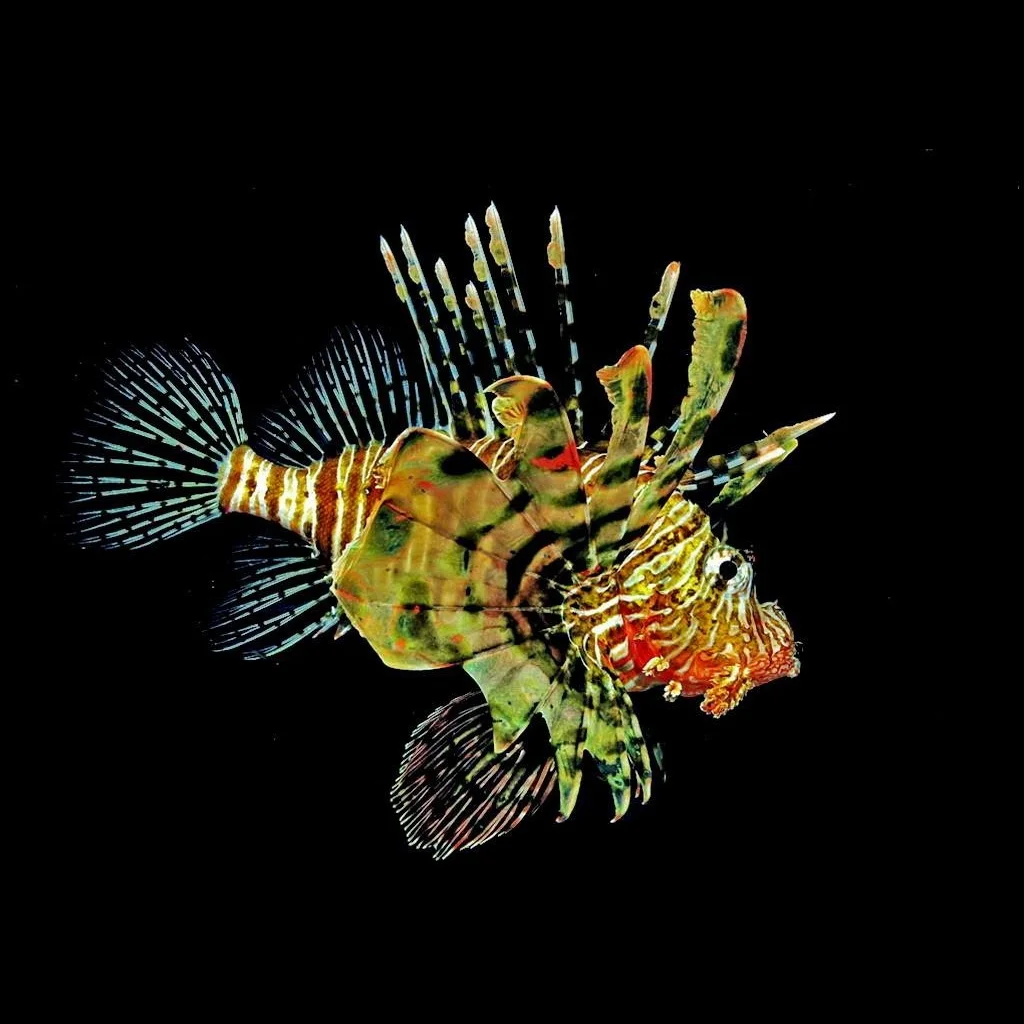
Prioritizing safety at Kubbar Island involves being acutely aware of the prevalent Military Turkeyfish, commonly known as Lionfish. These fish possess highly venomous spines; it's crucial to avoid disturbing them to prevent potential stings, which can necessitate immediate medical attention. Divers should also exercise extreme caution to prevent any further anchor damage to the reef or direct contact with corals; this site has suffered from such impacts in the past.
Always maintain proper buoyancy control and a safe distance from all marine life, ensuring minimal impact on this important local dive site. Planning your dive with a reputable local operator is advised, as they can provide up-to-date information on current conditions and specific site protocols.
Recommended Equipment
Current and surface separation risk. Local briefing strongly recommended.
- Dive Computer
- DSMB
- Reel / Spool
This gear list is based on verified equipment signals for Kubbar Island, Kuwait. Always confirm final gear choices with your dive operator, guide, or liveaboard.
Recommended Dive Suit
Forecast trends indicate little change in overall diving conditions during the next few days.
Two divers in the same water temperature may experience very different comfort levels.
Many divers find that dive skin or rash guard offers the right level of insulation for conditions like these. The latest environmental readings for Kubbar Island suggest water temperatures around 33°C (91°F). Surface air temperatures are resting at 33°C (92°F).
Emergency & Medical Support
Essential information to help you plan your dive trip to Kubbar Island.

Hyperbaric chambers are a critical part of dive safety infrastructure. Availability varies significantly by region, and not all dive areas have immediate access.
Before diving, it's recommended to:
- confirm nearest medical facilities
- check emergency procedures with local dive operators
- ensure dive insurance covers evacuation if required
Divers Alert Network
Diving emergency assistance available through DAN World.
+1-919-684-9111- 24/7 emergency hotline
- Diving medical assistance
- Evacuation coordination
Emergency contacts are provided for reference. Always verify local emergency services before diving.
Marine Life at Kubbar Island
Upon entering the waters around Kubbar Island, smaller fish species are immediately apparent. Rabbit fish, displaying various colors and patterns, are a frequent sight throughout the reef.
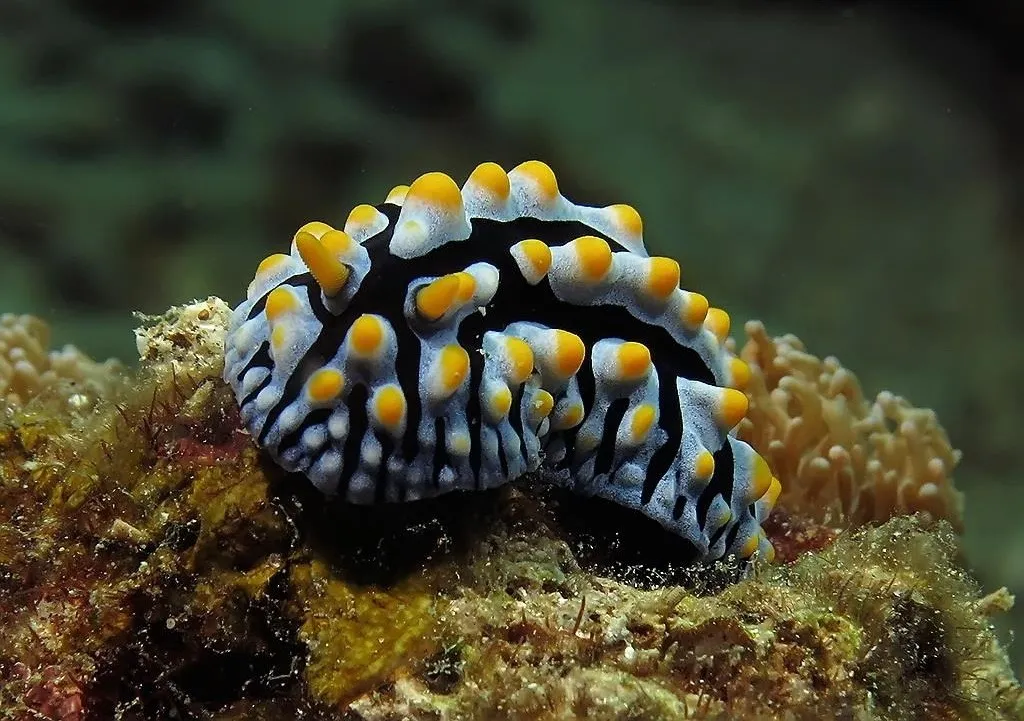
Divers should keep an eye out for Picasso Triggerfish, often seen navigating the coral formations, adding to the reef's active feel. Occasional Nudibranchs can be spotted if one examines the corals closely, revealing small macro life.
A notable presence on the reef is the Military Turkeyfish, or Lionfish, which are common but require careful observation due to their venomous nature. Larger or pelagic fish sightings are generally rare at this location, with the focus primarily on reef inhabitants.

Dive Centers Near Kubbar Island
Today: 10:00 - 22:00
Nearest Airports
Nearest airports to help plan travel to this dive area.
Search Flights
Check available flights and routes on Expedia, using the nearby airports listed in this section.
Search Flights on ExpediaFrequently Asked Questions
What is the typical depth range for diving at Kubbar Island?
Diving at Kubbar Island typically occurs within recreational limits, often in shallower sections of the reef. Specific maximum depths are not consistently reported, but most explorations remain within standard no-decompression limits.
What kind of coral formations can be found here?
The reef at Kubbar Island primarily features Porites coral heads, forming a significant portion of the underwater landscape. There is, however, a surprising lack of Acropora corals compared to other reef systems in the region.
Are there any hazards to be aware of when diving?
Divers should be cautious of Military Turkeyfish, or Lionfish, which are common and possess venomous spines. It's best to observe them from a distance without disturbing them to avoid potential stings.
Is visibility generally good at Kubbar Island?
Visibility at Kubbar Island is not consistently reported as excellent and can often be quite limited. Conditions vary depending on factors like weather and tides, so divers should be prepared for potential lower visibility.
What types of fish are commonly seen on this reef?
You'll frequently encounter smaller fish, particularly various types of rabbit fish. Picasso Triggerfish are also a common sight, and if you're observant, you might spot Nudibranchs among the corals.
What are the common dive types practiced at Kubbar Island?
Common dive types include reef dives, exploring the extensive coral structures. Drift diving is also a popular method, allowing divers to move along the reef with the prevailing currents.
Planning to dive Kubbar Island?
Send one inquiry and receive offers directly from the best verified local dive operators.
Conditions are Excellent
07:00 - 14:00
Optimal conditions expected
Current conditions near Kubbar Island show 33° air, 33° sea temperature, 0.1 m waves, and 17 km/h wind. Forecast data is refreshed regularly to ensure accuracy.