
Diving in Kuwait
Diving across Kuwait is defined by variation, with sites offering different conditions depending on their setting. We currently track 4 dive locations in our database for Kuwait. This supports planning across different types of dive environments.
Diving in Kuwait offers a contrast between exploring historical wrecks and investigating the natural seabeds of the Arabian Gulf. While not extensively documented, dive sites frequently feature both artificial reefs and intriguing shipwrecks. This allows for a varied underwater experience. Access to the country's diving opportunities is straightforward, typically through Kuwait International Airport (KWI).
Dive Map of Kuwait
Diving activity in this country is not extensively documented at a national level. Most available information focuses on specific locations rather than broad regional patterns. A dive map would typically illustrate key areas like Kuwait City and the surrounding islands, including notable sites such as Failaka Island, Kubbar Island, and Qarouh Island, guiding divers to these concentrated points of interest within the Arabian Gulf.
Dive Sites to Explore
View all 4 sites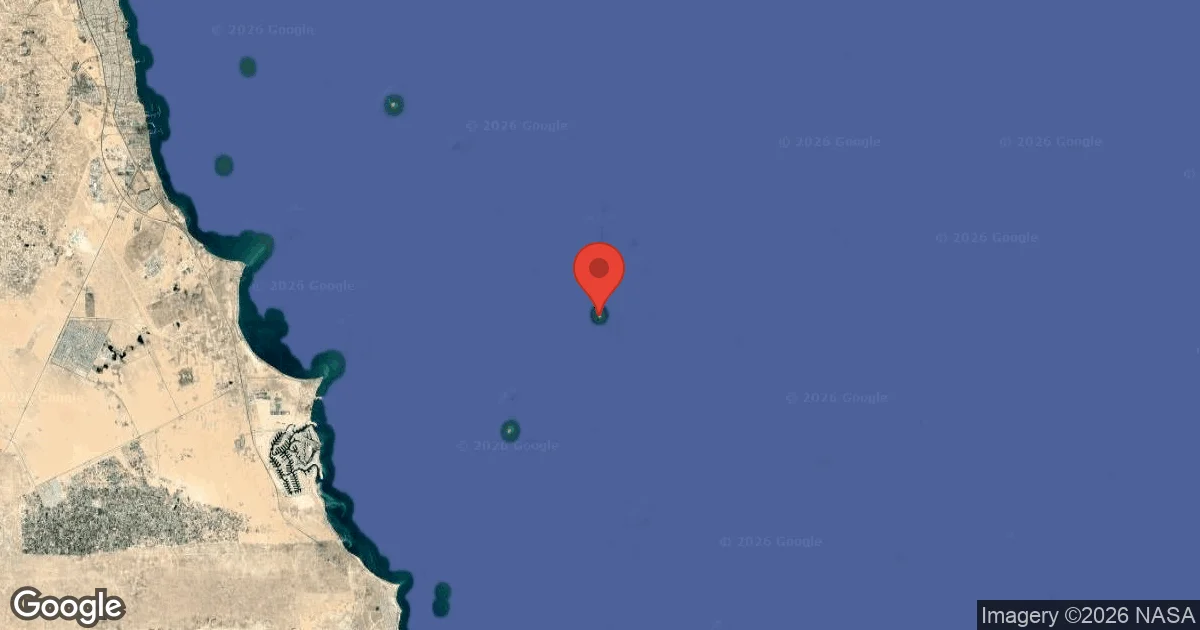
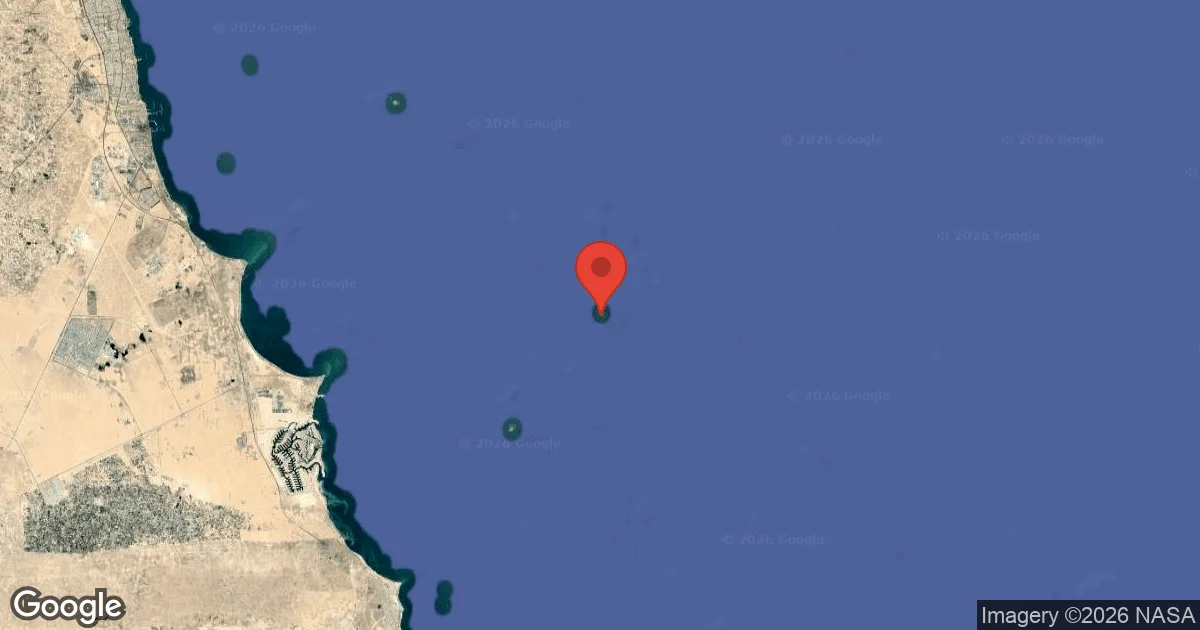
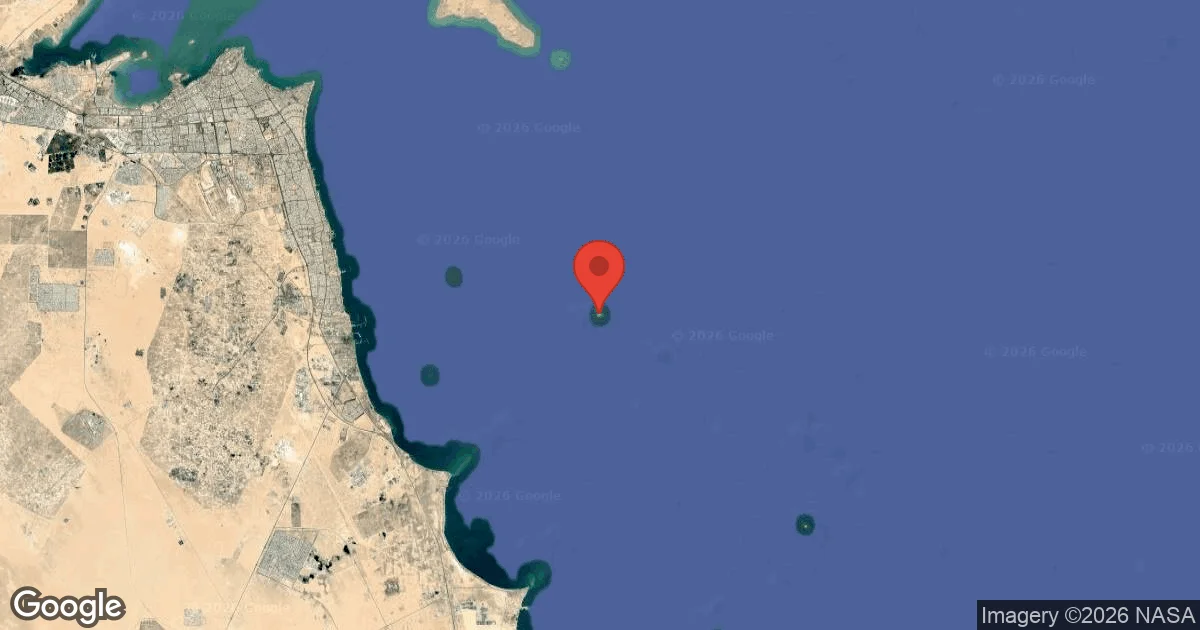
Exploring dive sites in Kuwait often centers around its islands and the vicinity of Kuwait City. Failaka Island, situated near Kuwait City, features artificial reefs, wrecks, and sandy seabeds. Further out, sites around Kubbar Island and Qarouh Island are popular for weekend trips. The Mughsail Wreck, located near Kuwait's southern coast, is another notable shipwreck site. Visibility across these areas typically ranges from 5 to 20 meters, with better clarity experienced during cooler months.
Best Time to Dive in Kuwait
The optimal time for diving in Kuwait is generally from October to April. This period avoids the extreme summer heat, which can necessitate diligent hydration on boats. During these cooler months, visibility is typically at its best, ranging from 5 to 20 meters. While currents are generally mild, they can disturb the soft seabed, reducing visibility, a factor that occasionally leads to cancelled trips. This seasonal preference balances water conditions with surface comfort.
Monthly Sea Temperatures
Sea temperatures in Kuwait exhibit notable extremes throughout the year, influencing diving comfort. During the summer months, particularly in August, water temperatures can reach up to 30°C (86°F). Conversely, winter conditions see temperatures drop, with December often being the coldest, where water can be around 22°C (72°F). Some reports indicate even colder winter lows of 10-14°C (50-57°F), making thermal protection essential during these periods.
| Jan | Feb | Mar | Apr | May | Jun | Jul | Aug | Sep | Oct | Nov | Dec | |
|---|---|---|---|---|---|---|---|---|---|---|---|---|
| Max | 19° | 17° | 20° | 24° | 30° | 31° | 33° | 34° | 32° | 31° | 27° | 23° |
| Avg | 16° | 16° | 18° | 22° | 27° | 30° | 31° | 32° | 31° | 29° | 24° | 20° |
| Min | 14° | 14° | 16° | 19° | 23° | 29° | 29° | 31° | 29° | 26° | 21° | 17° |
Dive Conditions
Dive conditions in Kuwait can be quite variable, particularly concerning visibility and currents. While currents are generally mild, the soft seabed is easily disturbed, leading to a significant reduction in visibility. This disturbance can cause visibility to drop considerably, even leading to trip cancellations. Typically, visibility ranges from 5 to 20 meters, with clearer conditions observed during the cooler months.
Marine Life Highlights
Most Mentioned Species
Marine life in Kuwait varies across dive locations, with different species appearing depending on environment and conditions. The species highlighted here are the most frequently associated with dive sites in our data, offering a realistic overview of what divers are most likely to encounter.
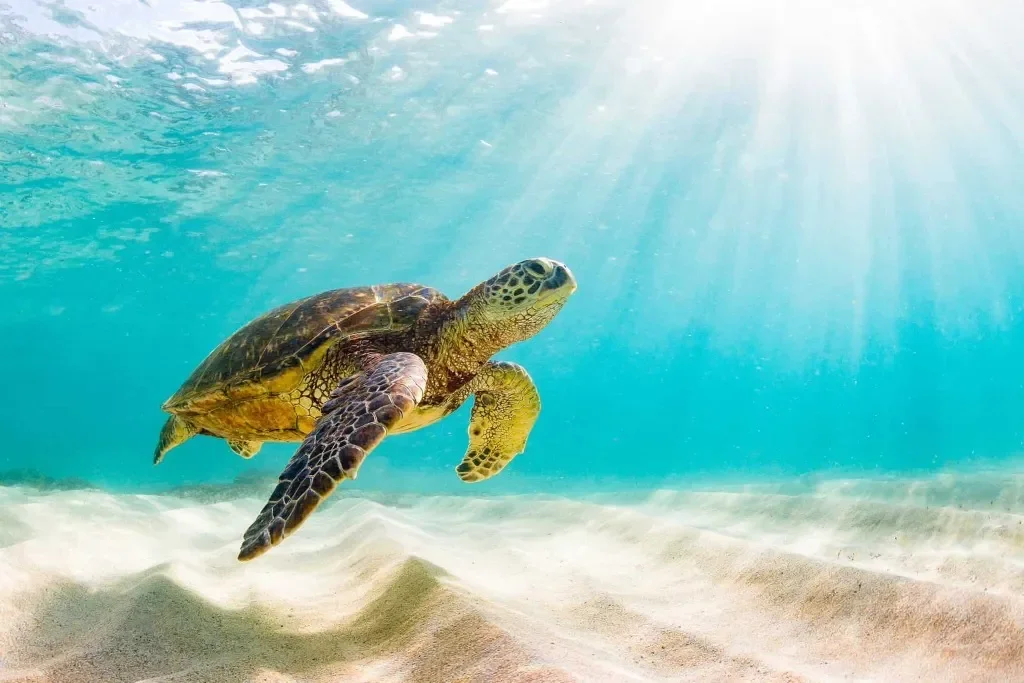
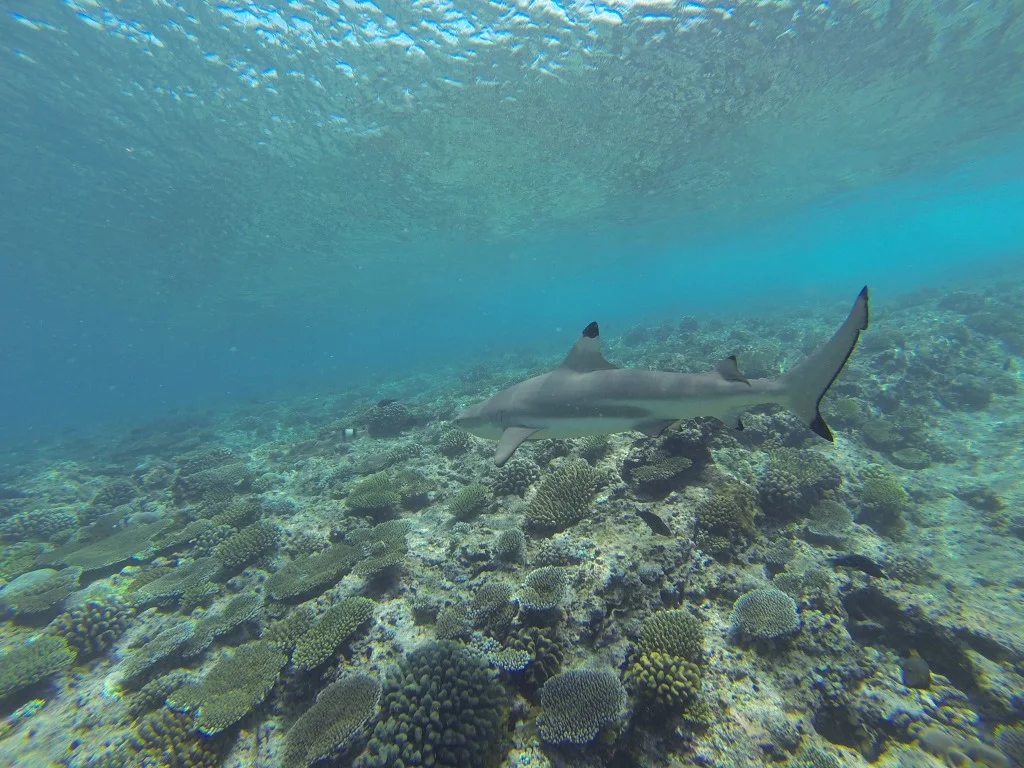
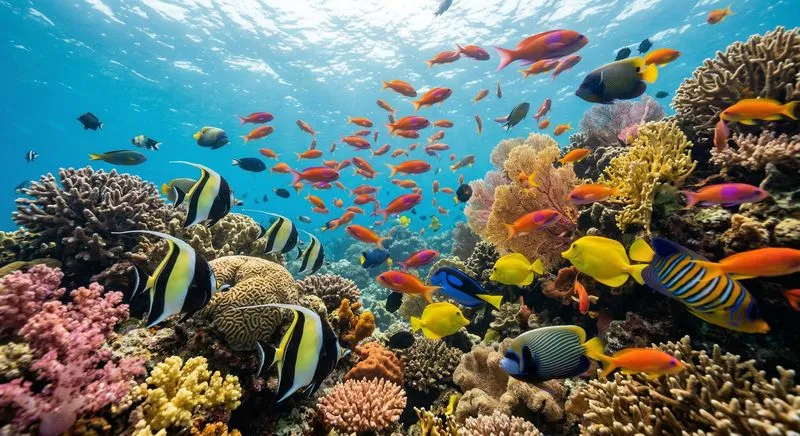
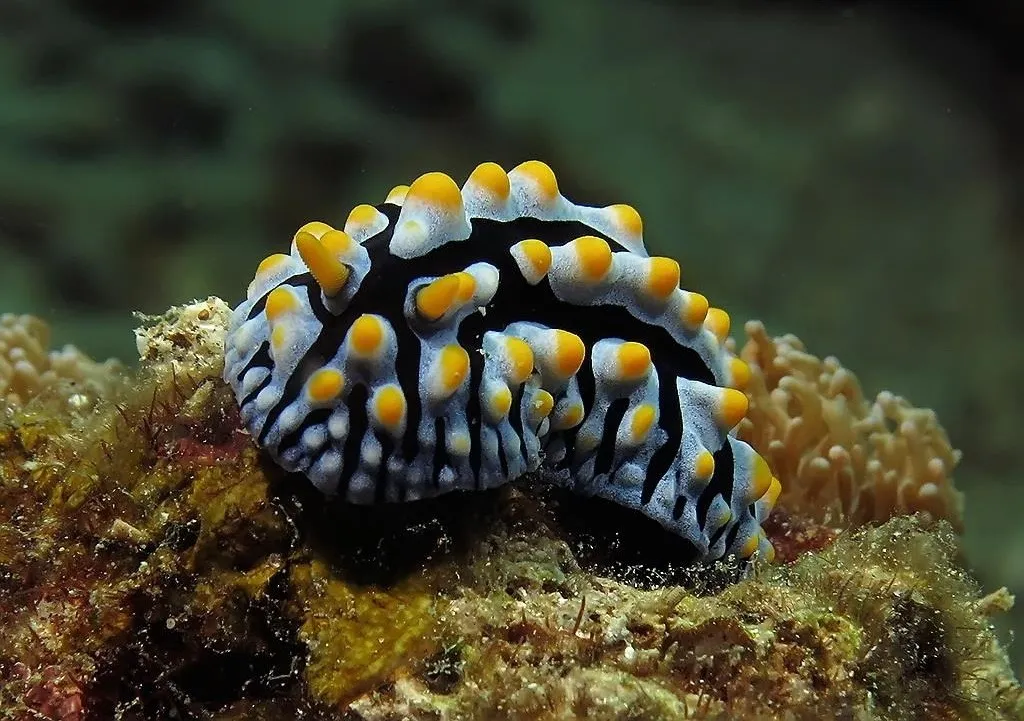
Marine life in Kuwait thrives across various habitats, including artificial reefs, wrecks, and sandy seabeds. Divers might encounter a range of species, from the elusive Octopus and graceful Stingray, often found near the bottom, to various colorful reef fish. Larger species such as barracudas and Napoleon wrasse can also be spotted. The waters are also home to sea turtles, including hawksbill turtles, along with smaller creatures like nudibranchs and lionfish, contributing to the diverse ecosystems.
Regions for Diving
Diving regions in Kuwait are primarily accessed by boat, with most sites located over an hour's journey from shore. Trips often depart from areas around Kuwait City, serving as the main hub. From here, divers can reach sites like Failaka Island, known for its artificial reefs and wrecks. Further boat travel extends to the popular Kubbar Island and Qarouh Island, which are frequent weekend destinations. The Mughsail Wreck is situated near the southern coast, requiring specific boat arrangements. During the best diving season from October to April, water temperatures range from 22-30°C (72-86°F), and visibility typically spans 5 to 20 meters.
Travel & Passport Guide
Travel Basics
Trip Planning
Safety & Diving Considerations
Diving safety in Kuwait involves adhering to local regulations and being aware of operational considerations. Divers are expected to respect designated protected zones and avoid disturbing marine life. Some wreck sites may require advanced certification due to their complexity. Operational safety can be affected by above-water conditions, which might prevent boats from departing the port. Additionally, high-speed boat journeys to dive sites can impact hearing, and staying hydrated is crucial due to the heat, even when on the water. While specific details on recompression chambers aren't provided, divers should confirm emergency protocols with their chosen dive operator.
Dive Centers in Kuwait
View all 13 dive centers


Frequently Asked Questions
When is the best time to dive in Kuwait?
The optimal period for diving in Kuwait is from October to April. During these months, water temperatures typically range from 22°C (72°F) to 30°C (86°F), and visibility is generally clearer, ranging from 5 to 20 meters.
What marine life can divers expect to see?
Divers in Kuwait's waters may encounter a variety of species, including stingrays, octopuses, sea turtles, and colorful reef fish. Barracudas, nudibranchs, lionfish, and eels are also commonly observed around the dive sites.