
Diving at Berlabuh (Malaysia)
Prepare for a dive that engages varying skill sets, adapting from vibrant shallower reefs to significant depths. Berlabuh presents an intriguing combination of sloping coral gardens and dramatic underwater architecture, transitioning to deeper sandy expanses dotted with large boulders. While some areas are approachable for training, the site's full potential, including drift diving in stronger currents, generally suits experienced divers ready for diverse marine encounters.
As evening covers Berlabuh, the local air temperature is measured at 26°C. The current wave height at the surface is recorded at 0.3 m. These late-day readings characterize the surface conditions for the night.
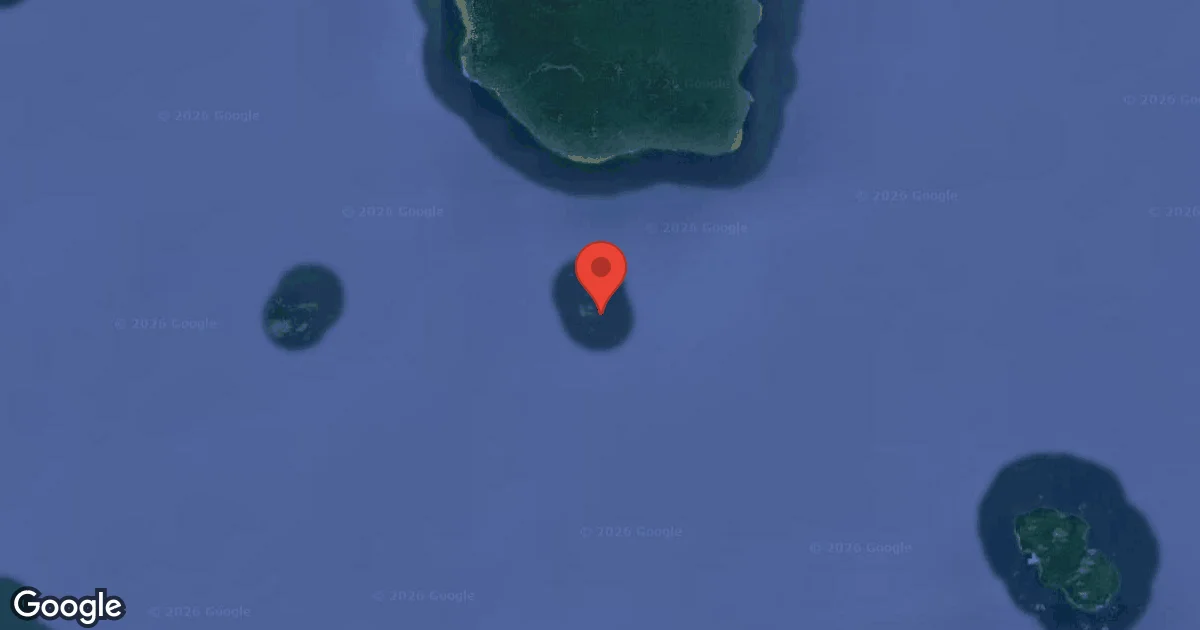
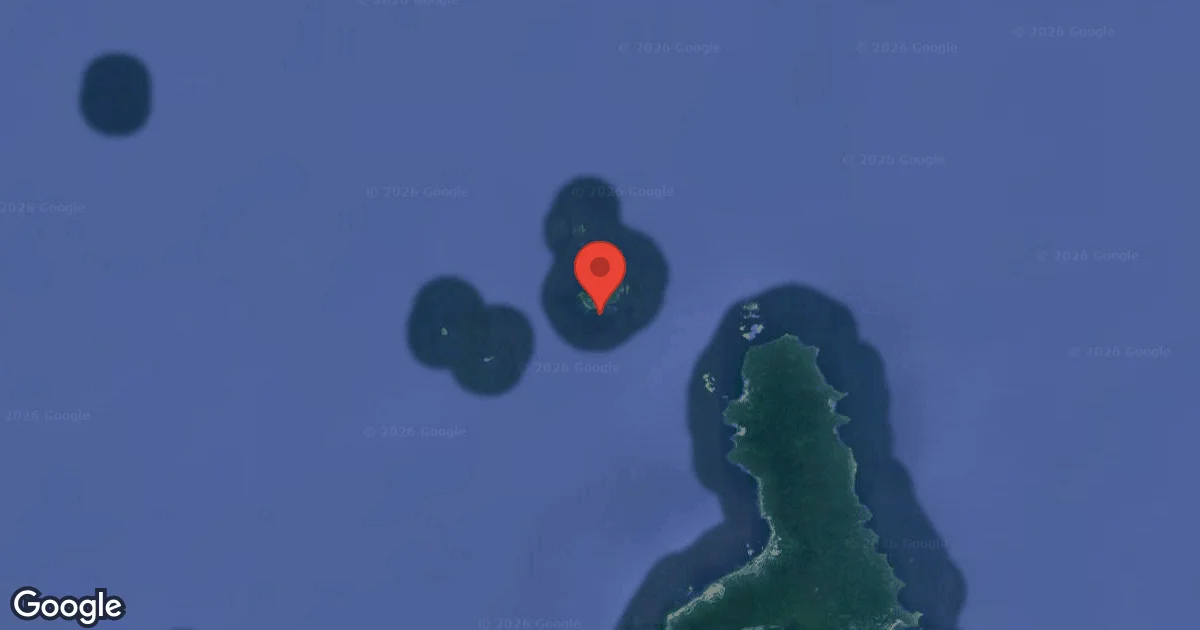
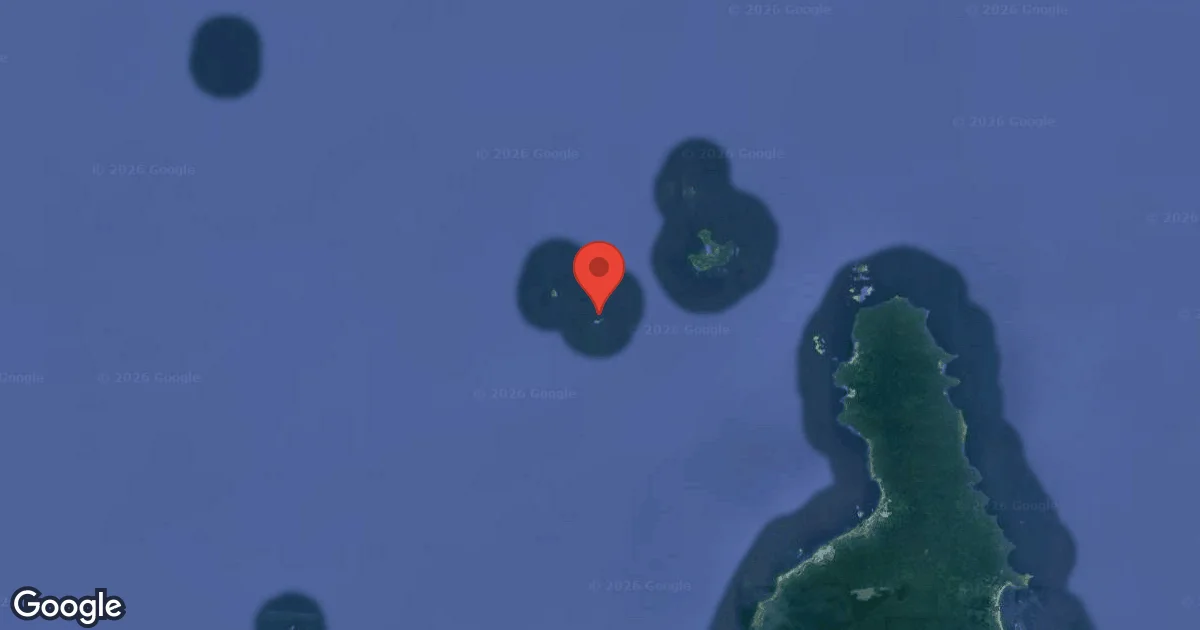
Dive Site Location & Key Facts
Dive Site Overview
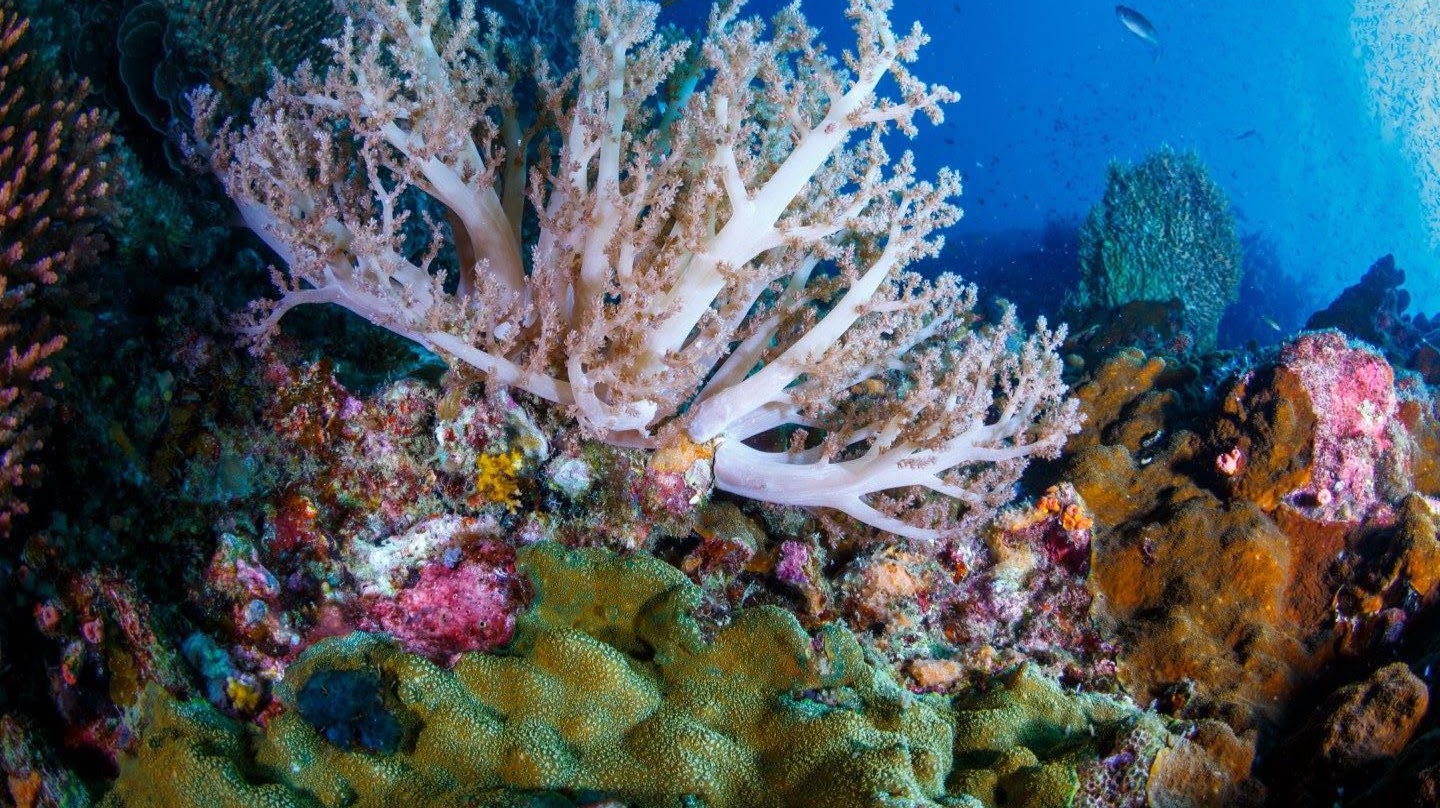
Exploring Berlabuh reveals a truly multifaceted underwater environment, promising varied exploration. Much of this site begins with a gentle sloping coral reef, a lively ecosystem that commences at approximately 5 meters and gradually deepens.
This reef transitions into expansive sandy areas around 16 meters, which continue their descent towards the site's maximum depths. Around 28 meters / 91 feet, impressive large boulders create interesting topographical features. Another prominent area, typically reached via a 10-minute boat ride south of Juara Bay, reveals a dramatic composition of rocky formations and towering marine walls.
Structures like these dominate the scene between 10 and 18 meters, then drop off significantly, with walls reaching depths beyond 30 meters. Currents are variable; they can be minimal or occasionally strong, presenting opportunities for drift diving along more exposed sections.
This blend of coral slopes, sandy bottoms, and deep rock formations characterizes Berlabuh as a compelling reef and ocean dive for those seeking diverse underwater scenery.
Conditions are Good
Optimal conditions expected
Current conditions near Berlabuh show 26° air, 29° sea temperature, 0.6 m waves, and 27 km/h wind. Forecast data is refreshed regularly to ensure accuracy.
Best Time to Dive
Planning your visit for optimal diving at Berlabuh generally points to April, May, and October, when the dive score rates as 'Excellent'. During these months, wind speeds are typically lower, leading to calmer surface conditions. Air temperatures remain consistently warm, averaging around 28-29°C / 82-84°F, while rainfall is relatively low. Shoulder months from March, June, July, August, and September also offer 'Good' diving, with similar warm air temperatures and manageable wave heights. A dive during the period from November to February, however, might involve encountering more dynamic conditions. December and January see increased rainfall, averaging around 10-11 mm, alongside higher wave heights and stronger winds, which can lead to more challenging diving and a 'Moderate' dive score. Visibility can vary significantly outside the peak season due to these weather patterns.
PEAK SEASON SCORE
Scores combine air & water temps, waves, wind & rainfall for overall conditions.
BEST MONTHS TO DIVE
Monthly records compiled from satellite and marine observation nodes over the last 3 years. Data provided by Open-Meteo and MET Norway.
Dive Experience & Conditions
Your descent into Berlabuh typically begins over a gently sloping coral reef, where shallower zones down to 18 meters provide a visually rich introduction. Progressing deeper, the environment shifts; reef structures transition into larger rocky formations and eventually into impressive marine walls that extend beyond 30 meters / 100 feet. Around 16 meters, the reef yields to sandy patches, which continue to deepen, eventually leading to areas with substantial boulders found at approximately 28 meters. Currents here can be a defining factor, sometimes presenting a mild drift and at other times intensifying into strong flows suitable for experienced drift diving. Variable currents mean vigilance is necessary, but they can also carry nutrients that attract diverse marine life. This mix of structures from coral slopes to deep walls and sandy flats requires adaptable diving techniques.
Dive Difficulty & Safety Guidelines
Considering safety at Berlabuh, a primary aspect is the potential for strong and unpredictable currents, particularly along deeper drop-offs and marine walls. Conditions here, while sometimes offering exhilarating drift opportunities, necessitate excellent buoyancy control and careful dive planning, especially when navigating around the deeper 30-meter-plus areas.
Divers should always carry a surface marker buoy (SMB) and know how to deploy it, especially if drift diving is anticipated. Varied depths, ranging from 5 meters in the shallows to over 30 meters, mean that proper training for deep diving is advisable for those exploring the full extent of the site.
Pay close attention to your dive leader's briefing, especially regarding current patterns and entry/exit procedures. Always dive within your certification limits and stay aware of your buddy's presence.
Recommended Equipment
- Dive Computer
- DSMB
This gear list is based on verified equipment signals for Berlabuh, Malaysia. Always confirm final gear choices with your dive operator, guide, or liveaboard.
Recommended Dive Suit
Divers planning relaxed exploration may appreciate the warmth of dive skin or rash guard. Divers often notice that perceived temperature can feel cooler during deeper or longer dives.
The waters surrounding Berlabuh are currently maintaining temperatures close to 29°C (85°F). Surface air temperatures are resting at 26°C (79°F).
Weather projections show fairly stable environmental conditions ahead.
Emergency & Medical Support
Essential information to help you plan your dive trip to Berlabuh.

Hyperbaric chambers are a critical part of dive safety infrastructure. Availability varies significantly by region, and not all dive areas have immediate access.
Before diving, it's recommended to:
- confirm nearest medical facilities
- check emergency procedures with local dive operators
- ensure dive insurance covers evacuation if required
Divers Alert Network
Diving emergency assistance available through DAN World.
+1-919-684-9111- 24/7 emergency hotline
- Diving medical assistance
- Evacuation coordination
Emergency contacts are provided for reference. Always verify local emergency services before diving.
Marine Life at Berlabuh
Expect a diverse array of marine life at Berlabuh, supported by its varied underwater landscape across coral slopes, sandy bottoms, and rocky walls. In shallower reef areas, divers can observe numerous macro species, often found amongst intricate coral formations and boulder fields.
As topography descends into deeper sandy expanses and around large boulders at 28 meters, conditions become suitable for encountering larger pelagic species. The site is noted for sightings of both macro life, which thrives in protected reef crevices, and occasional presence of larger ocean dwellers, which pass through the more open water and deeper sections. Keeping an eye on different habitat zones can reveal a surprising variety of aquatic residents.

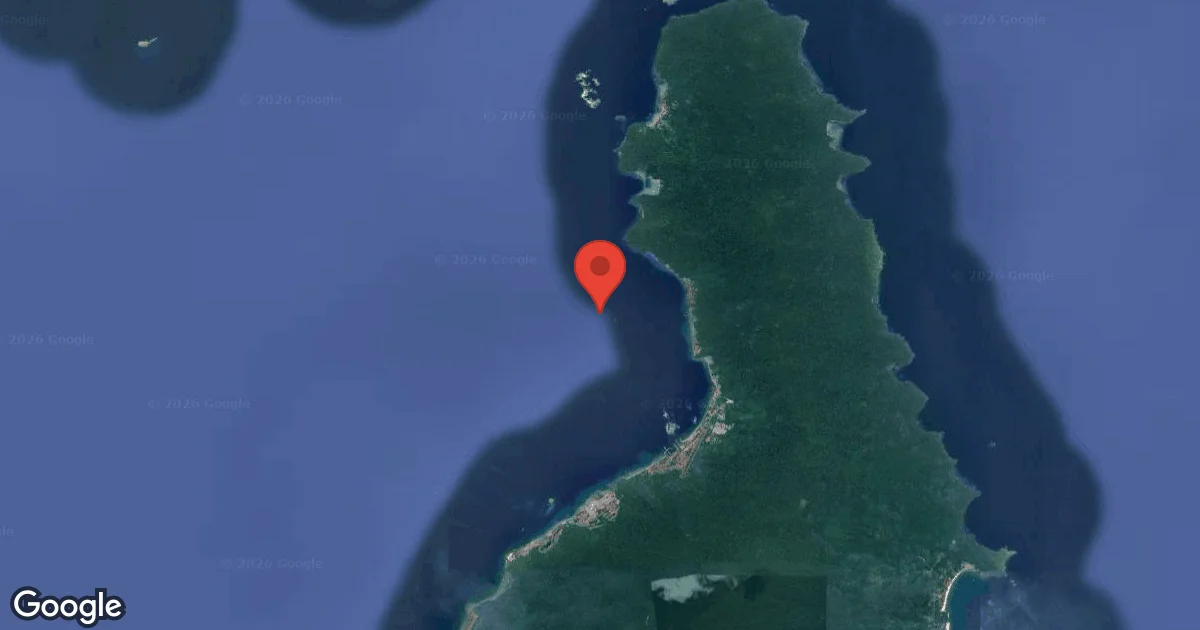
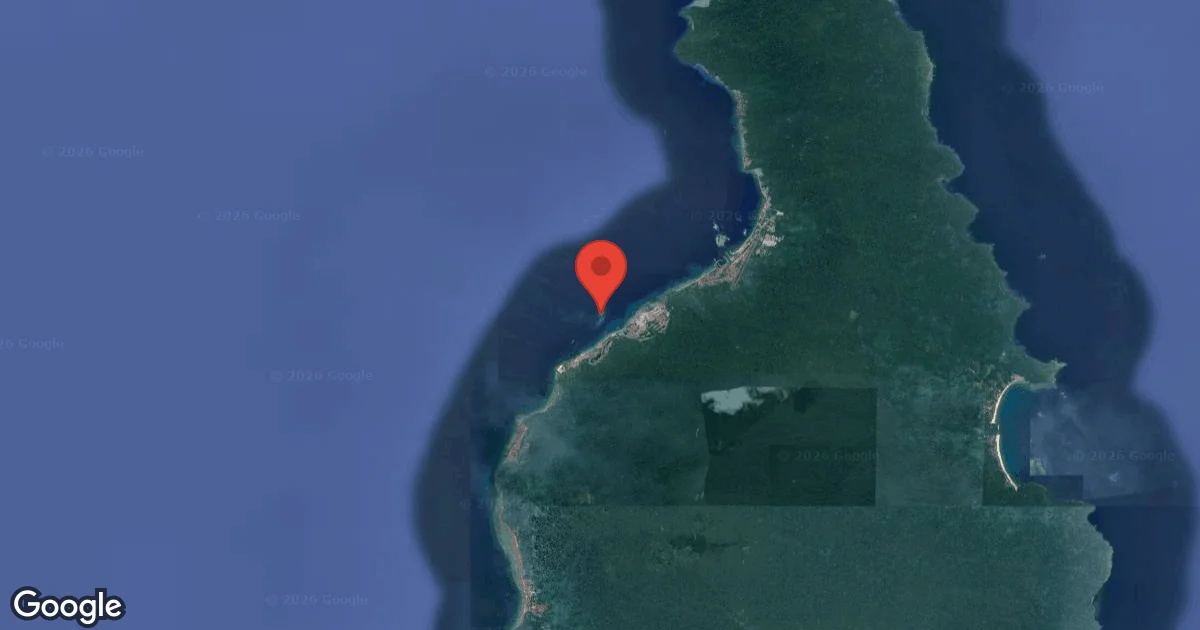
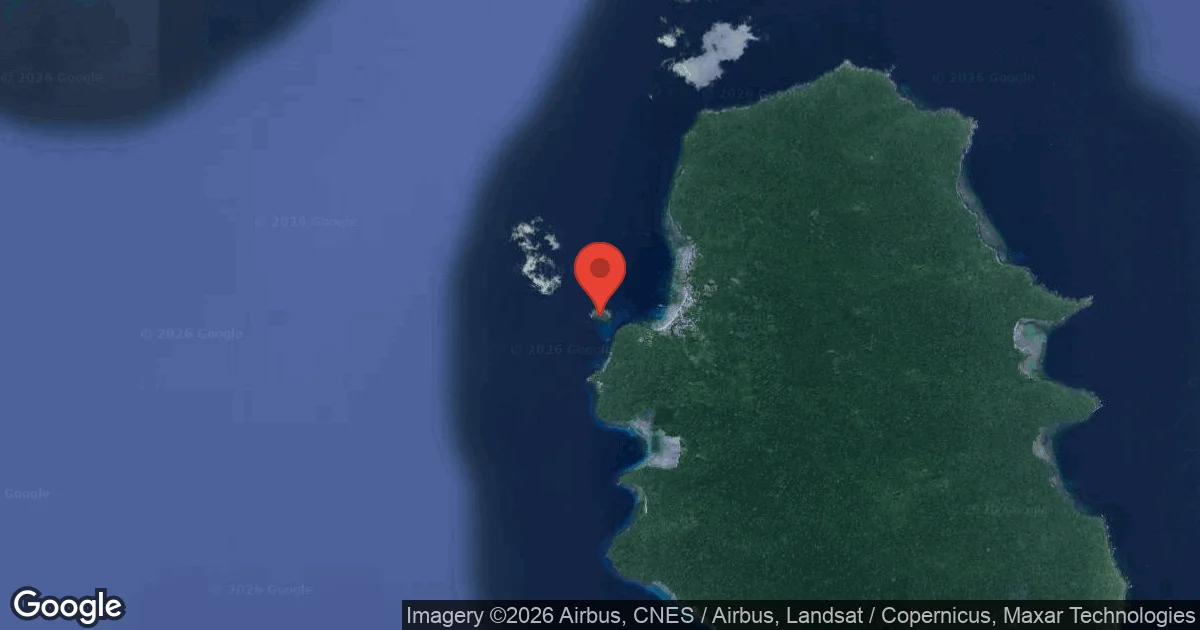
Dive Sites Near Berlabuh
View all dive sites in MalaysiaDiscover more underwater gems in this area.
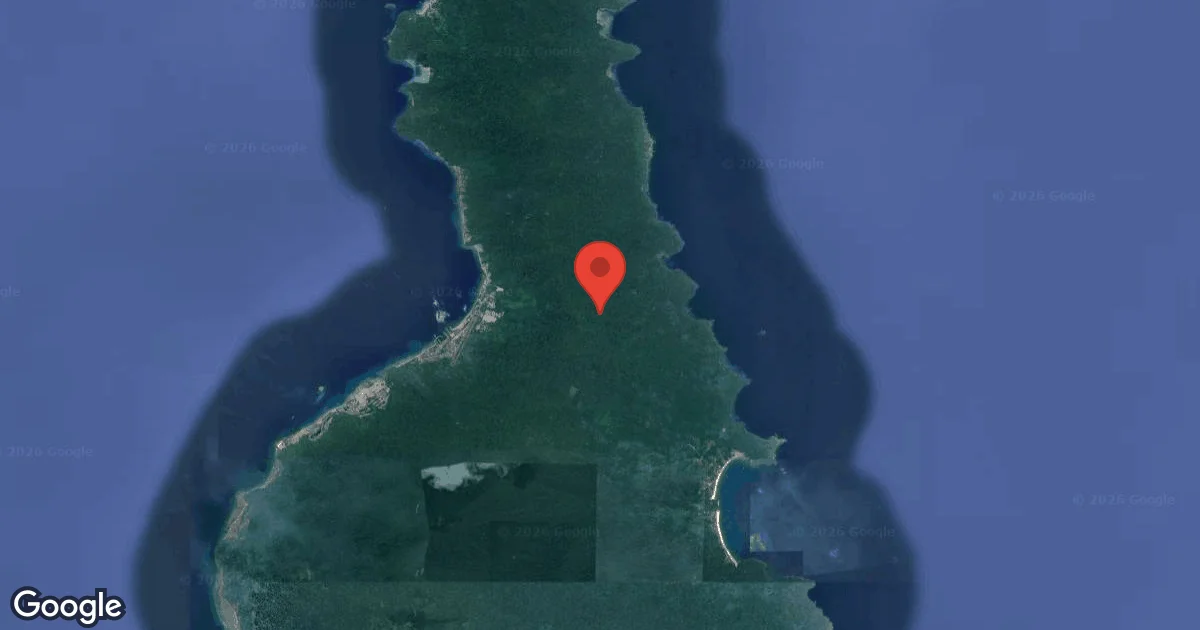
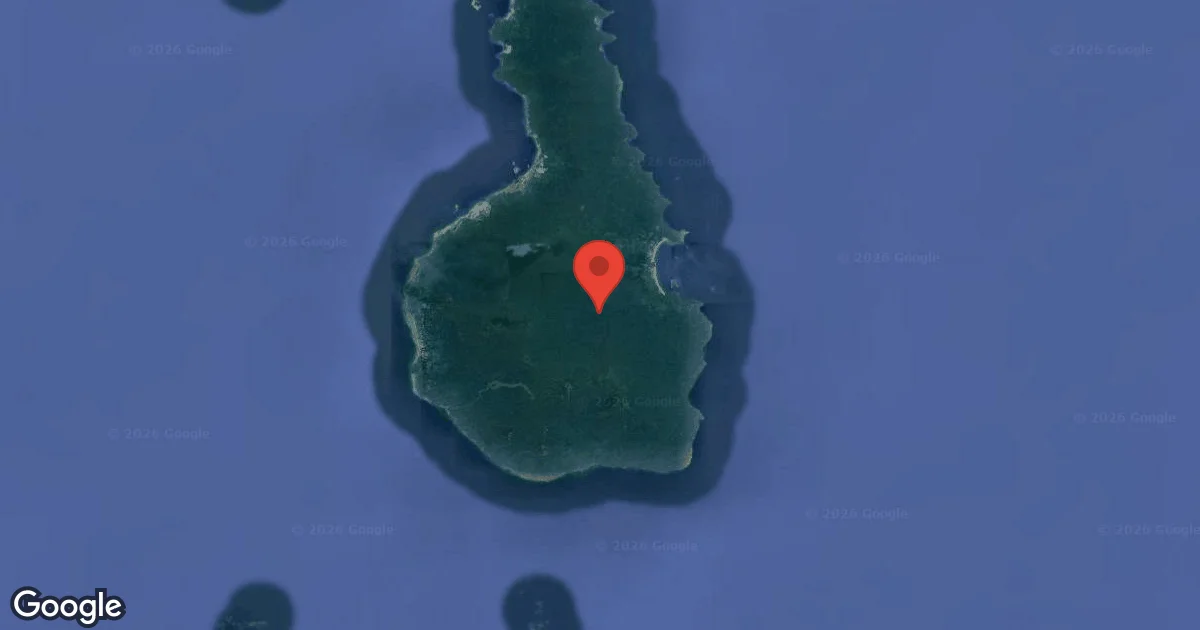
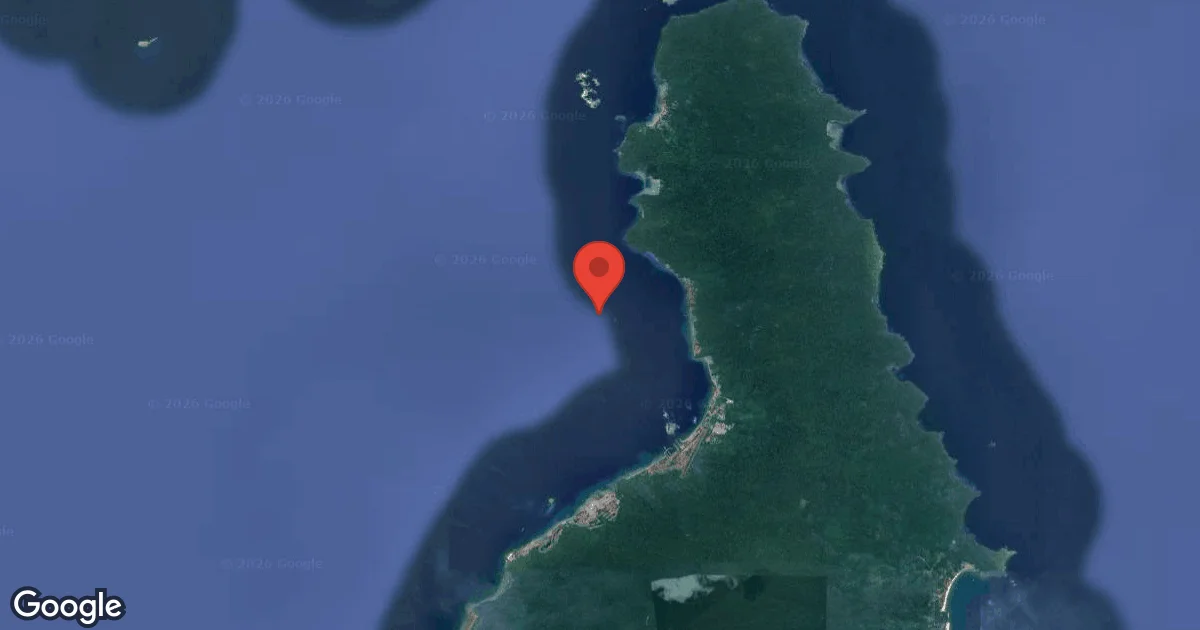
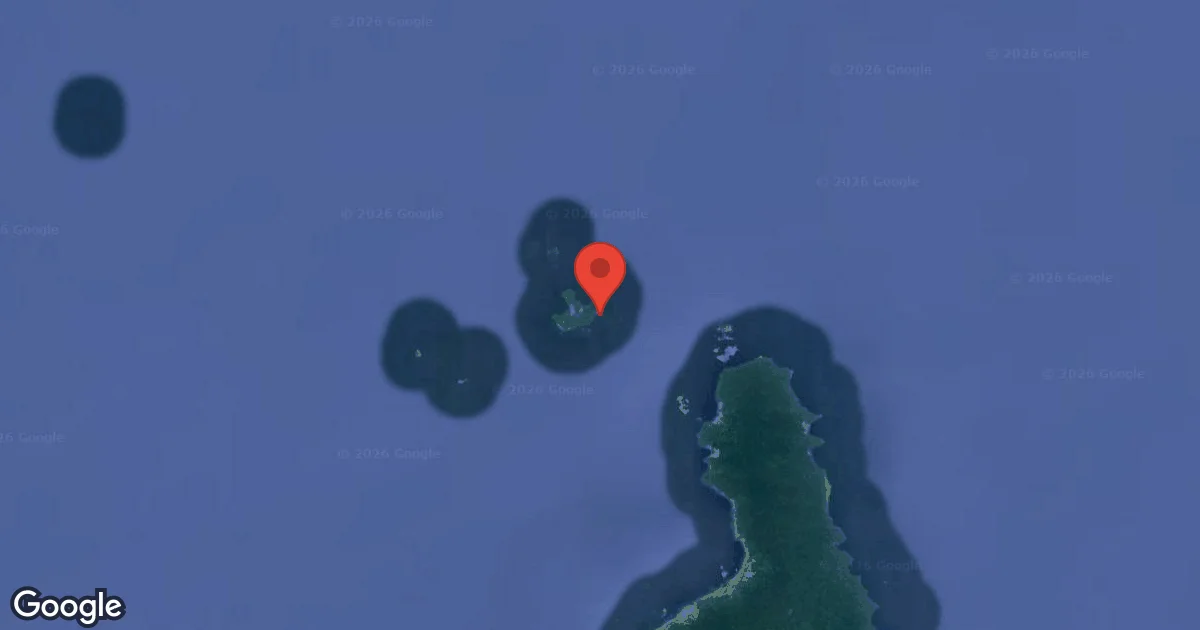
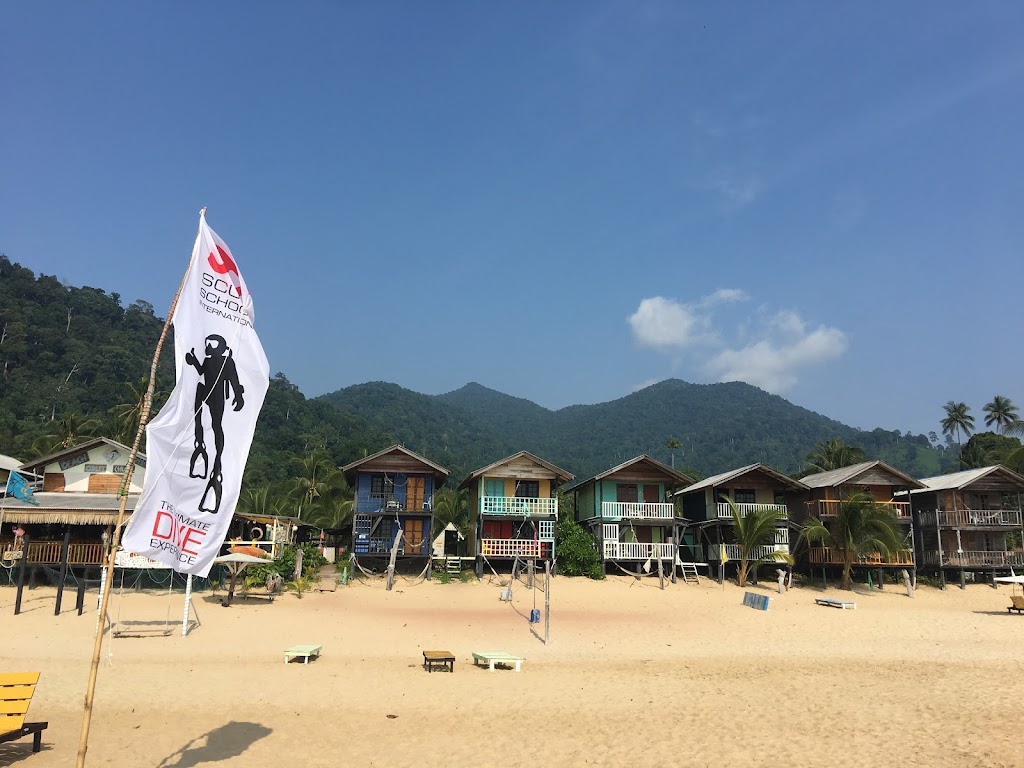
Dive Centers Near Berlabuh
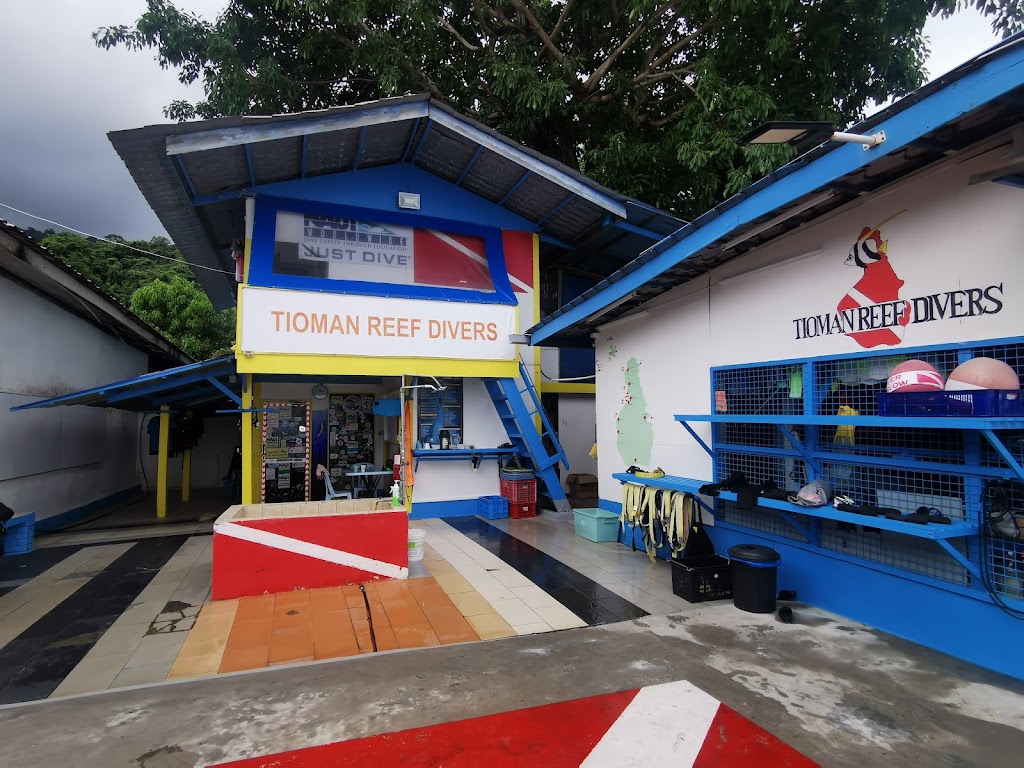
Today: 08:00 - 17:45
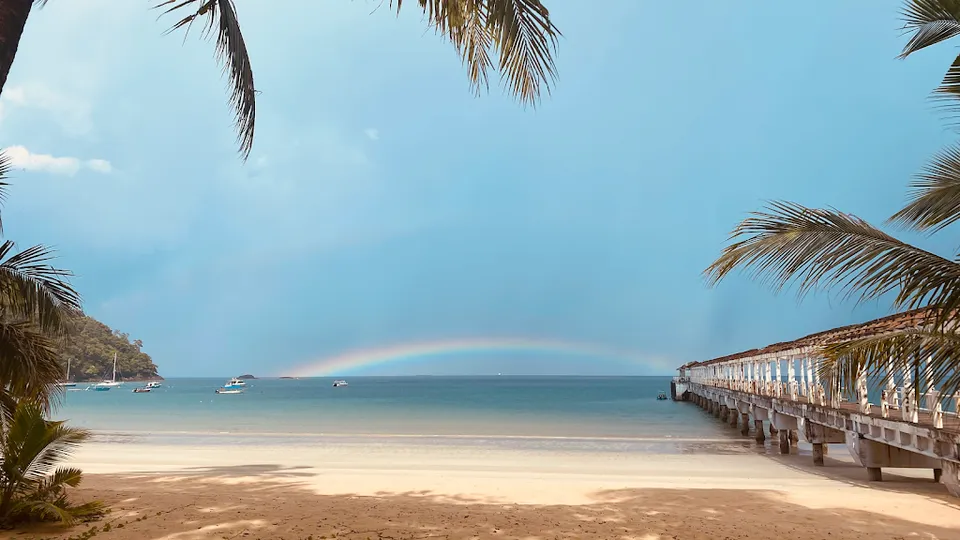

Nearest Airports
Nearest airports to help plan travel to this dive area.
Search Flights
Check available flights and routes on Expedia, using the nearby airports listed in this section.
Search Flights on ExpediaFrequently Asked Questions
Is Berlabuh suitable for beginners?
Berlabuh offers varied conditions. While its shallower coral reefs (5-18m) can accommodate entry-level training, the deeper sections with potential strong currents and depths beyond 30m are best suited for experienced divers. Divers should assess their skill level against specific dive plan details.
What is the maximum depth at Berlabuh?
The site features areas that descend to approximately 28 meters / 91 feet, characterized by large boulders. Other sections, particularly those with marine walls, can reach depths exceeding 30 meters.
Are currents usually strong at Berlabuh?
Currents at Berlabuh vary. They can sometimes be strong, particularly along drop-offs and deeper walls, creating opportunities for drift diving. Conditions are not consistently reported as strong, but vigilance is advised.
What types of marine life can be seen?
Berlabuh is known for both macro and pelagic marine life. The coral and boulder formations host various macro critters, while the deeper and more open water sections may reveal larger ocean species.
How do divers access the Berlabuh dive site?
Berlabuh is accessed by boat. It's typically a 10-minute boat ride south of Juara Bay, making it relatively convenient for operators in that area.
Is wreck diving training available at Berlabuh?
One source indicates Berlabuh is suitable for wreck diving training. While the primary site described is a reef and rock formation, this suggests certain areas or adjacent features might be utilized for such training.
Planning to dive Berlabuh?
Send one inquiry and receive offers directly from the best verified local dive operators.
Conditions are Good
Optimal conditions expected
Current conditions near Berlabuh show 26° air, 29° sea temperature, 0.6 m waves, and 27 km/h wind. Forecast data is refreshed regularly to ensure accuracy.