
Diving at Batu Malang (Malaysia)
Descending into Batu Malang's waters, divers immediately encounter a vibrant, shallow reef ecosystem. An intricate landscape of medium-sized boulders rests upon each other, creating interesting topographical features. An initial plunge provides quick access to a network of hard coral formations, signaling the start of an engaging underwater journey that prioritizes exploration over depth.
As evening covers Batu Malang, the local air temperature is measured at 28°C. The current wave height at the surface is recorded at 0.3 m. These late-day readings characterize the surface conditions for the night.
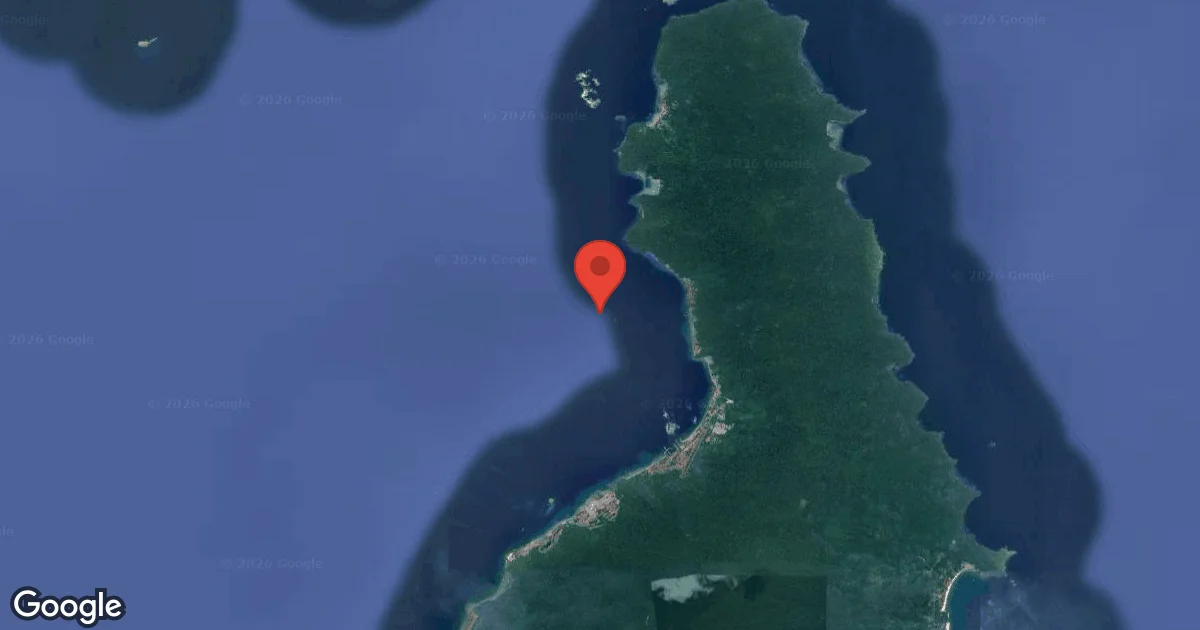
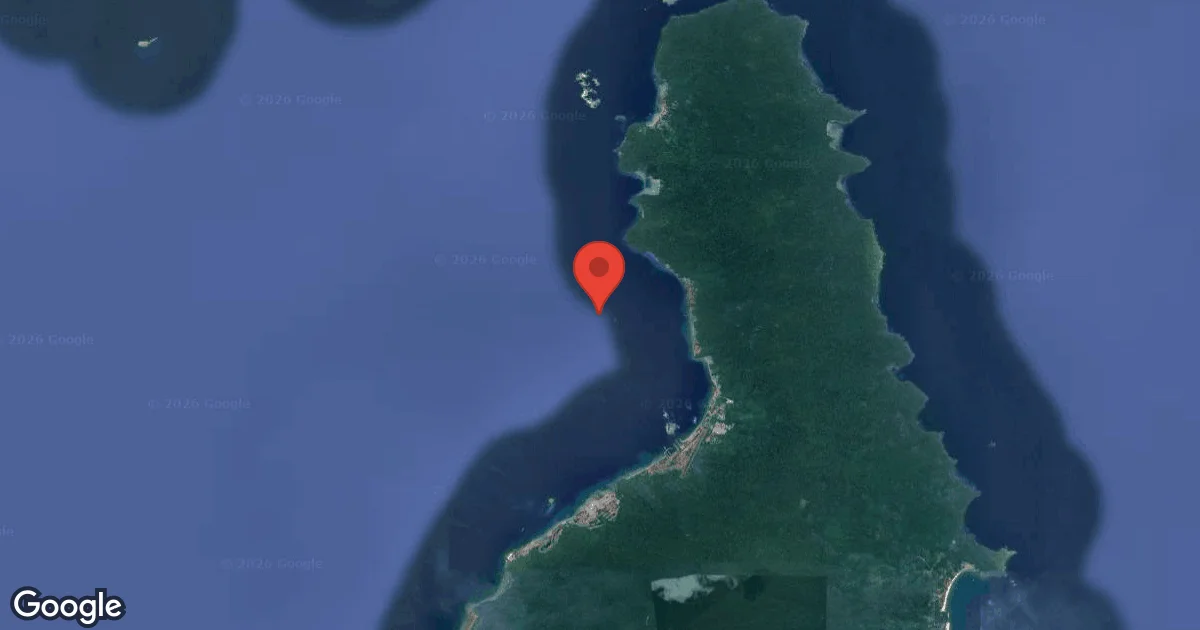
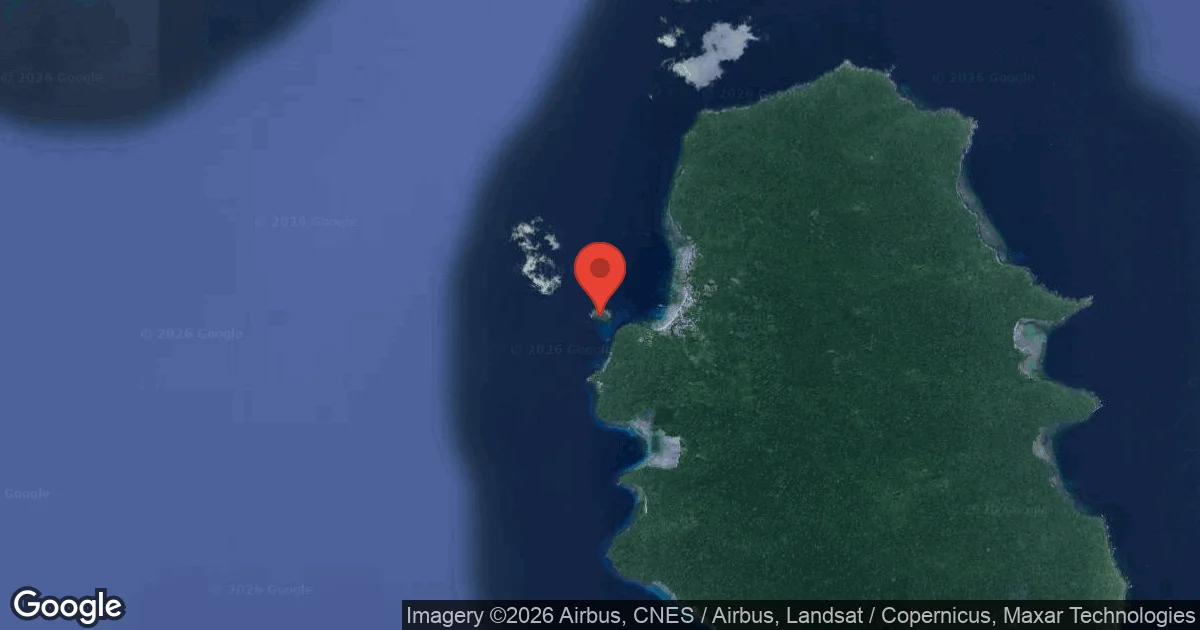
Dive Site Location & Key Facts
Dive Site Overview
Batu Malang, affectionately known as 'Unlucky Rock' by some, is an engaging dive site located off Tioman Island, Malaysia. Its topography is defined by large, stacked boulders that create a captivating maze of swim-throughs and sheltered canyons.
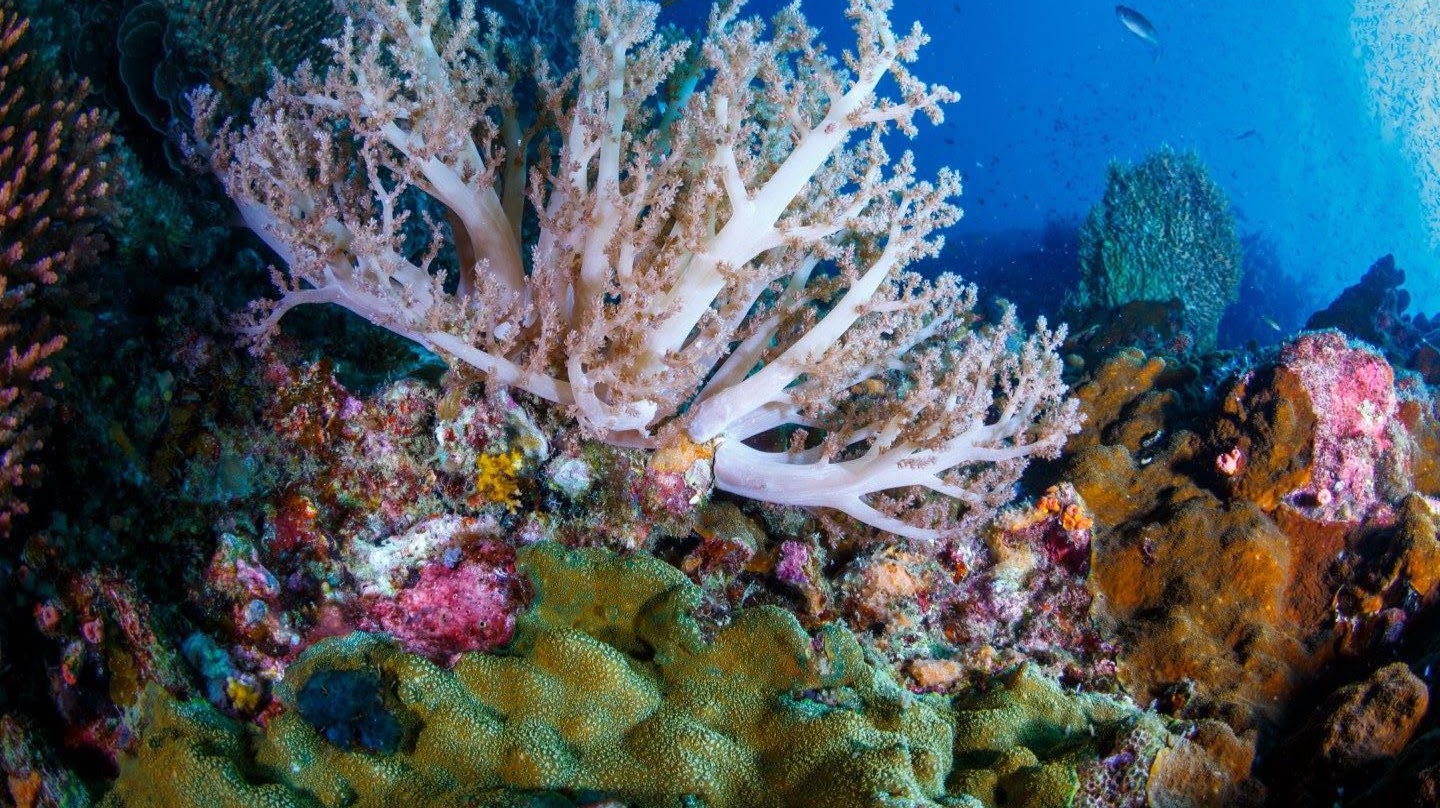
These formations are adorned with a variety of hard and soft corals, including striking table and staghorn species, thriving on rocky outcrops. With a reported maximum depth of around 10 m (30 ft) for general diving, though some areas may extend to 16m, the site is relatively shallow. This allows for extended bottom times and makes it a popular choice for a second dive of the day, enabling detailed observation of its rich macro life.
Furthermore, boulder formations often provide natural protection from stronger currents, contributing to its reputation as an accessible spot for beginner divers and a favored location for macro photography.
Conditions are Good
07:00 - 14:00
Optimal conditions expected
Current conditions near Batu Malang show 28° air, 30° sea temperature, 0.4 m waves, and 25 km/h wind. Forecast data is refreshed regularly to ensure accuracy.
Best Time to Dive
Optimal diving conditions at Batu Malang generally align with the months offering excellent visibility and calmer seas. Periods from April to October typically provide the most favorable environment, characterized by minimal rain, lower wave heights, and consistently high dive scores. During these months, average air temperatures range from 28.5-29°C (April-May) and 28.5°C (August-October), suggesting warm and stable water conditions. Rain averages are lowest from June to October, significantly reducing runoff and contributing to clearer waters. Specifically, June records only 2.22mm of rain, while wave heights remain under 0.5m (1.6 ft) through April, May, June, August, September, and October. An extended window of calm conditions and clear waters promises the best chances for prime underwater viewing, enhancing the experience of navigating the site's intricate coral structures.
PEAK SEASON SCORE
Scores combine air & water temps, waves, wind & rainfall for overall conditions.
BEST MONTHS TO DIVE
Monthly records compiled from satellite and marine observation nodes over the last 3 years. Data provided by Open-Meteo and MET Norway.
Dive Experience & Conditions
Current dynamics at Batu Malang are typically mild, as the site's unique boulder formations offer considerable natural shelter. While small currents may be present occasionally, the intricate structure generally provides a calm diving experience, making it particularly inviting for less experienced divers. With its shallow nature, typically reaching a maximum of around 10 m (30 ft) for recreational dives, the site allows for longer bottom times and relaxed exploration. Air temperature hovers consistently between 26-29°C (79-84°F) throughout the year, implying warm and comfortable water temperatures suitable for tropical diving. Visibility can be excellent during the dry season, allowing sunlight to penetrate the shallow depths and illuminate the vibrant corals.
Dive Difficulty & Safety Guidelines
While specific hazards for Batu Malang are not consistently reported in available datasets, general safe diving practices are crucial for this type of reef environment. Divers should maintain excellent buoyancy control to avoid contact with the delicate hard and soft corals that populate the boulders and swim-throughs. Intricate topography, while captivating, requires attention to navigation, especially within the tighter passages under rock formations.
Always dive with a qualified guide familiar with the site to safely explore its unique features. Although the site generally offers protection from currents, conditions can vary, so assessing the sea state before entry is always a prudent step.
Recommended Equipment
- Dive Computer
This gear list is based on verified equipment signals for Batu Malang, Malaysia. Always confirm final gear choices with your dive operator, guide, or liveaboard.
Recommended Dive Suit
Comfort levels can also depend on how active a diver is during the dive.
Divers exploring Batu Malang today will likely encounter water temperatures close to 30°C (85°F). Surface air temperatures are resting at 28°C (82°F). When water temperatures fall within this range, many divers dive comfortably with dive skin or rash guard.
Conditions are expected to stay fairly consistent in the days ahead.
Due to technical issues with our weather providers, live updates are temporarily delayed. The data above reflects the conditions at the time of the last successful fetch.
Emergency & Medical Support
Essential information to help you plan your dive trip to Batu Malang.

Hyperbaric chambers are a critical part of dive safety infrastructure. Availability varies significantly by region, and not all dive areas have immediate access.
Before diving, it's recommended to:
- confirm nearest medical facilities
- check emergency procedures with local dive operators
- ensure dive insurance covers evacuation if required
Divers Alert Network
Diving emergency assistance available through DAN World.
+1-919-684-9111- 24/7 emergency hotline
- Diving medical assistance
- Evacuation coordination
Emergency contacts are provided for reference. Always verify local emergency services before diving.
Marine Life at Batu Malang
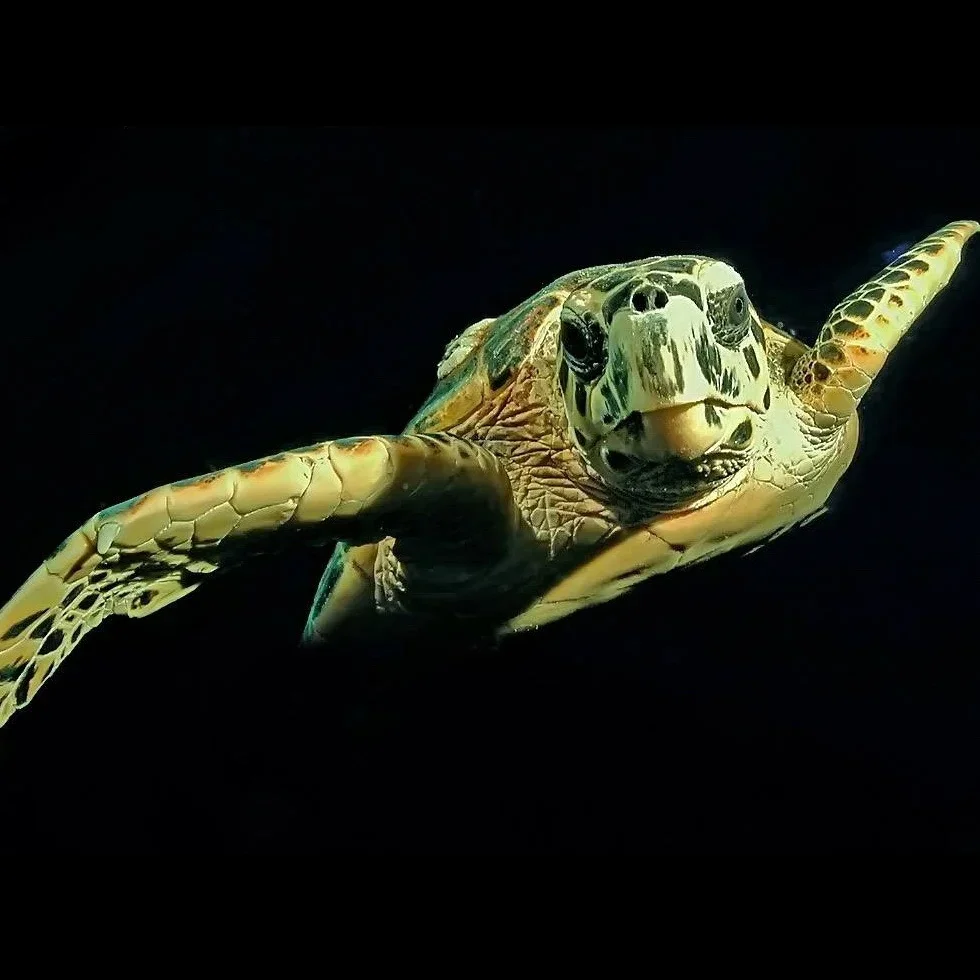
Batu Malang's underwater landscape, with its rocky outcrops and sheltered spaces, provides an ideal habitat for diverse marine life. Keen observers frequently spot hawksbill turtles gracefully navigating the reef.
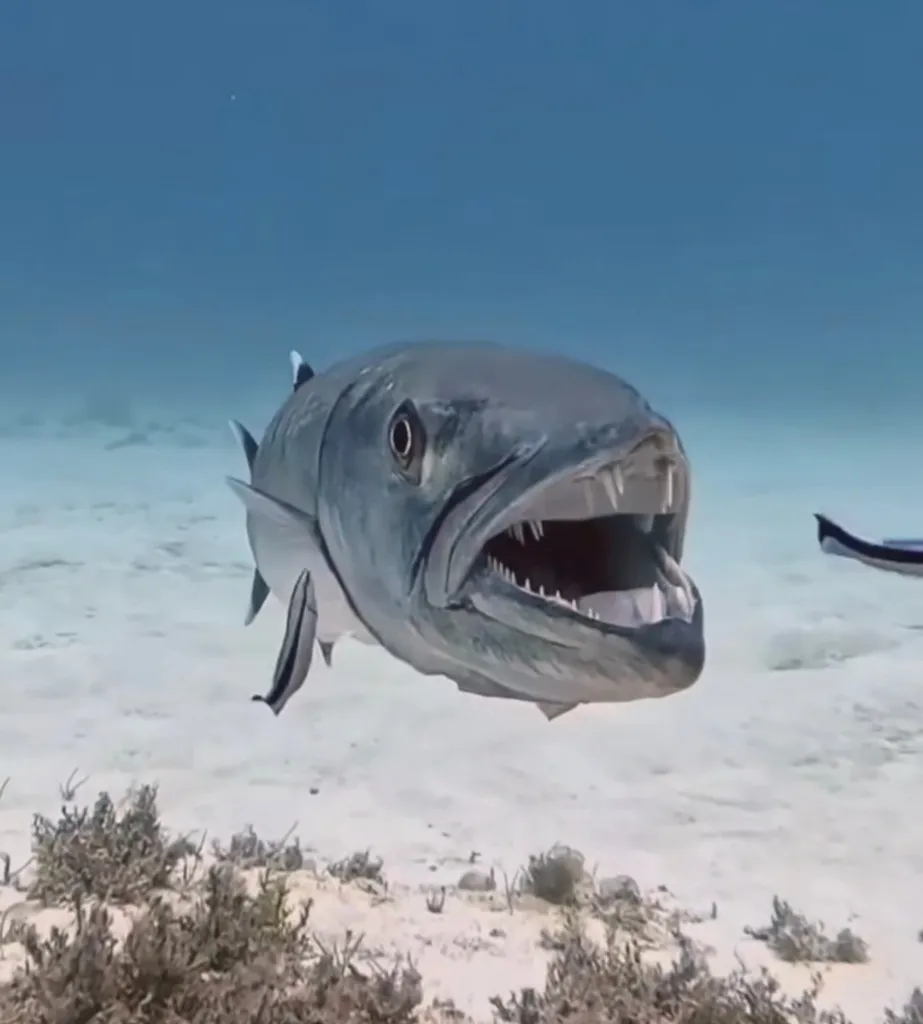
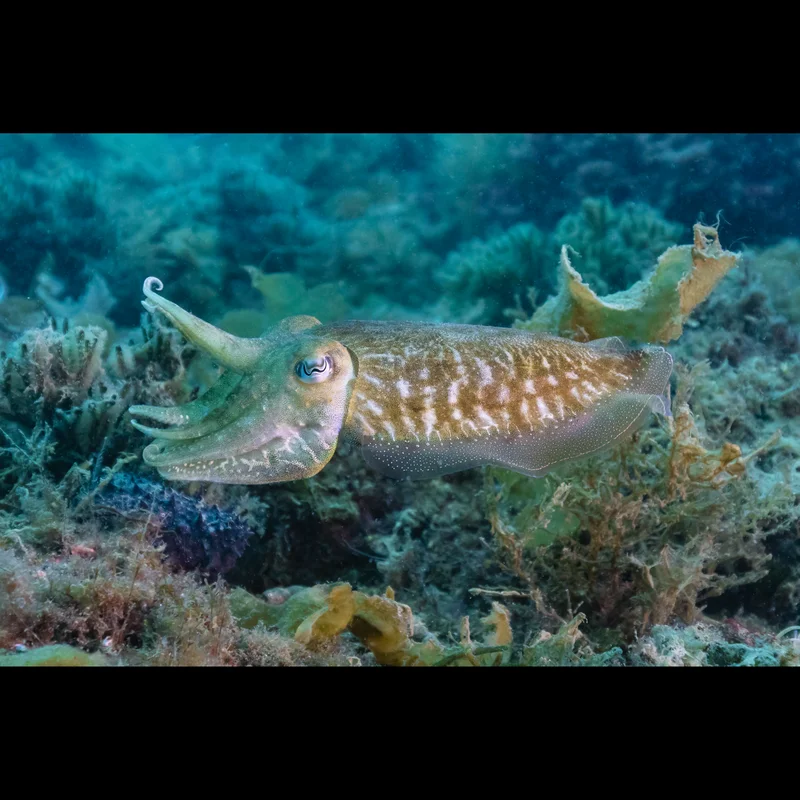
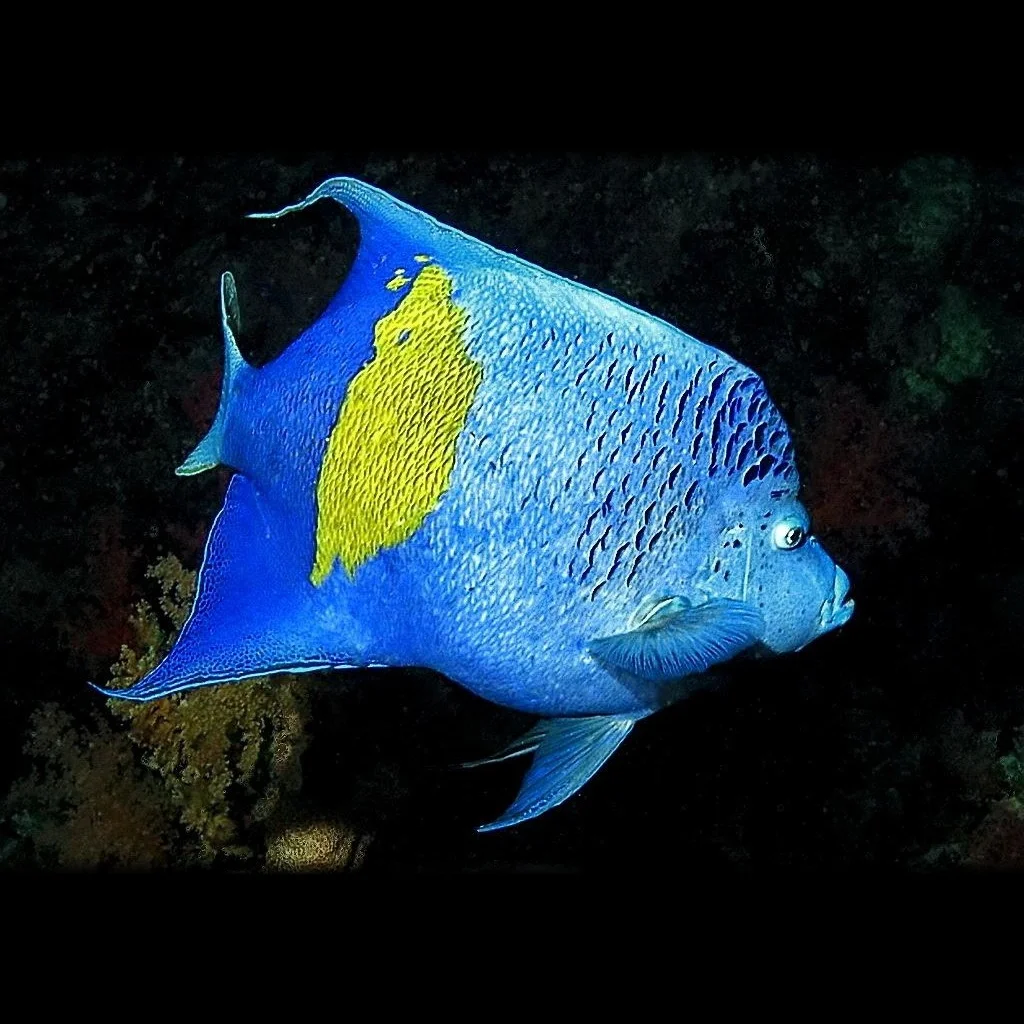
Colorful corals are home to anemonefish, while curious cuttlefish are often seen camouflaging themselves against the seabed. Within the canyons and under the boulders, divers might encounter barracudas and angelfish.
Noted for its fantastic nudibranch population, the site adds bursts of color and intricate patterns to the vibrant reef.
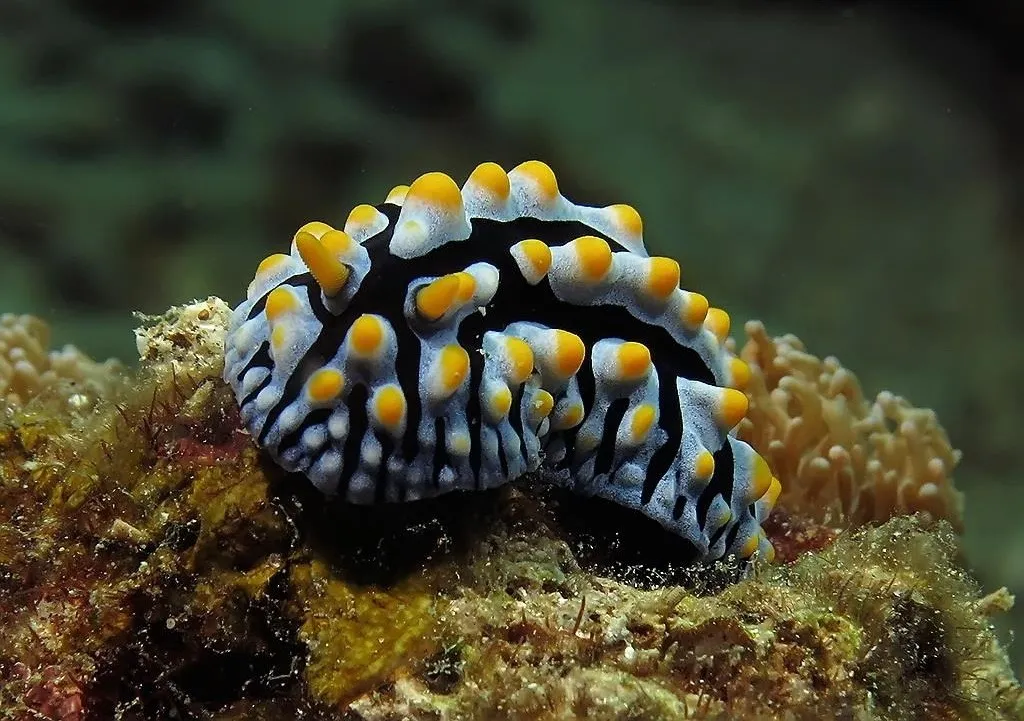
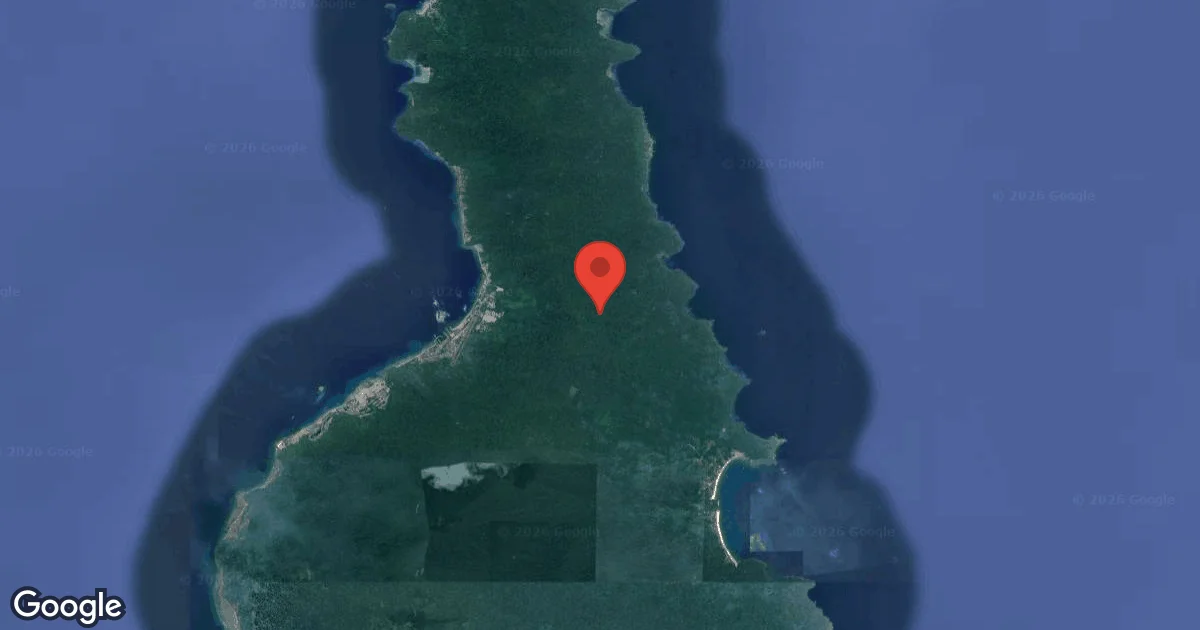
Dive Sites Near Batu Malang
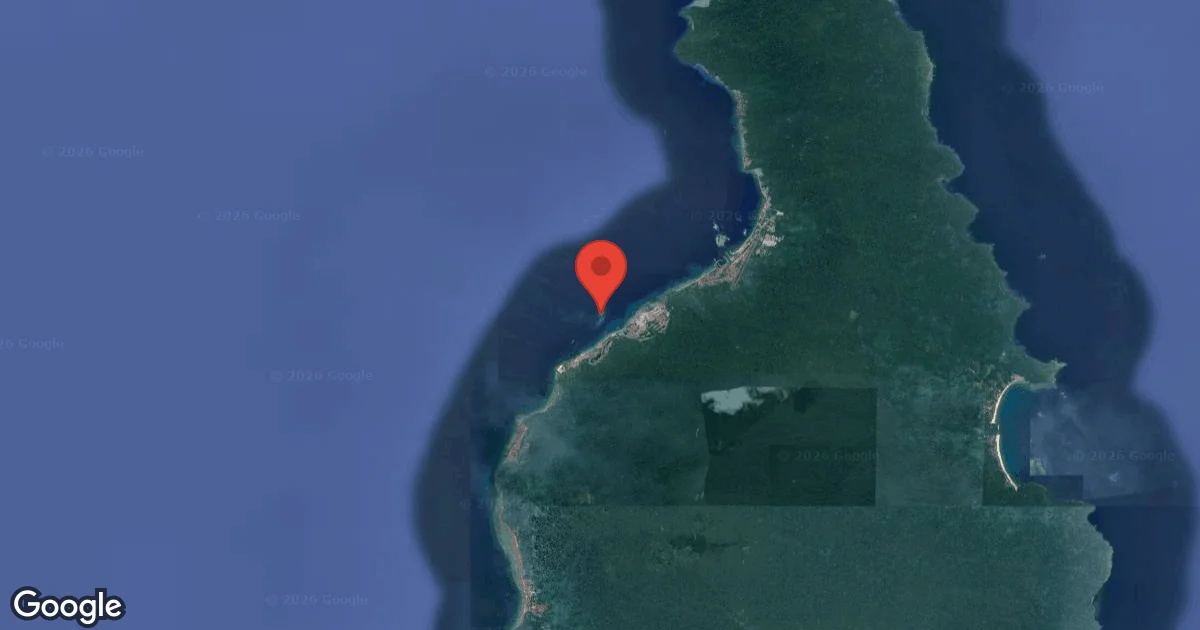
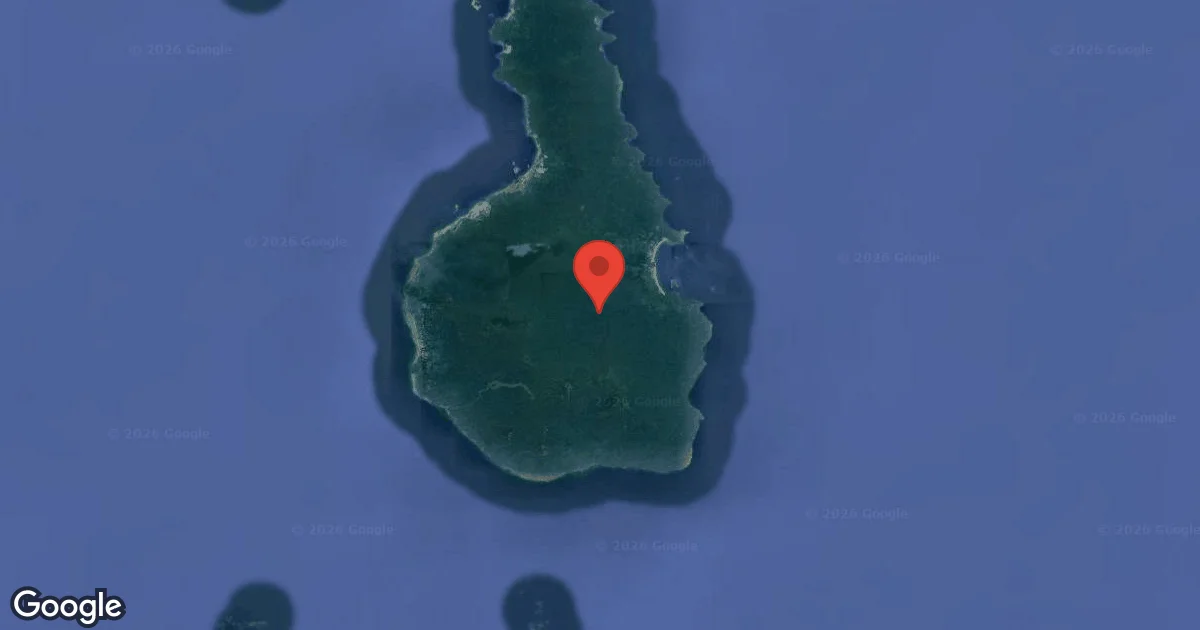
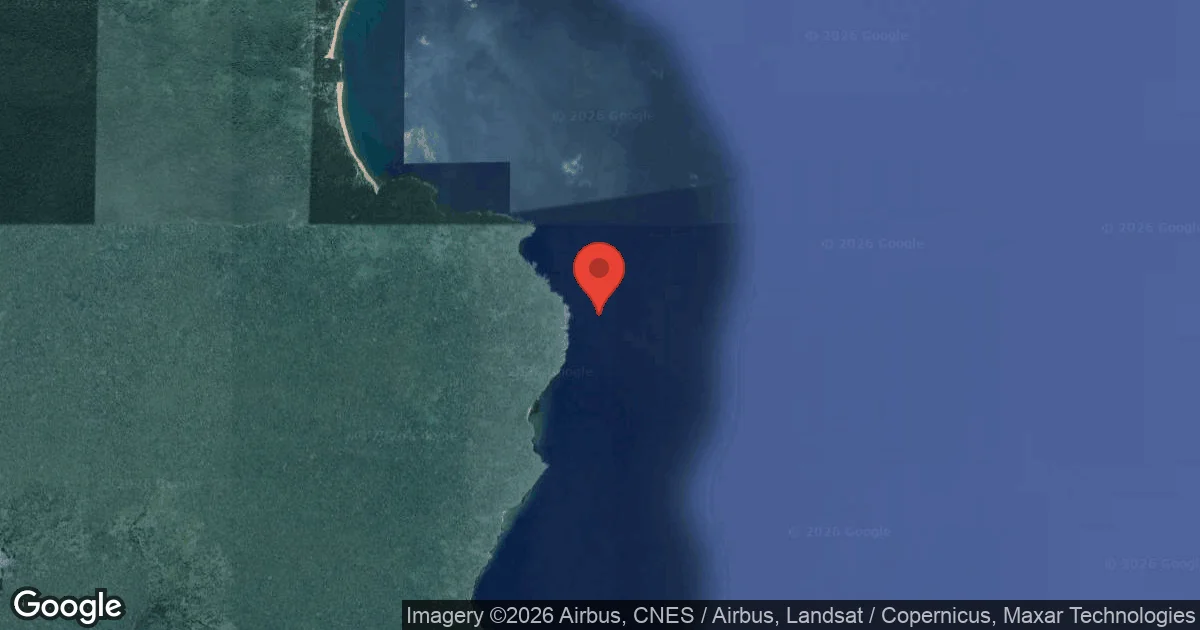
View all dive sites in MalaysiaDiscover more underwater gems in this area.
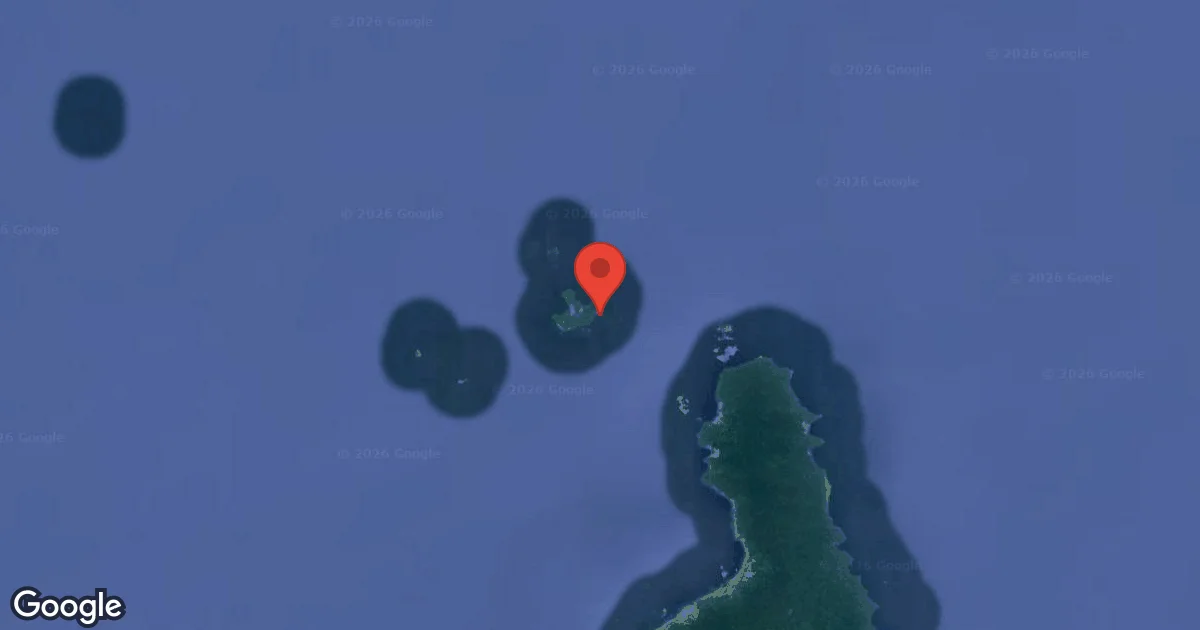
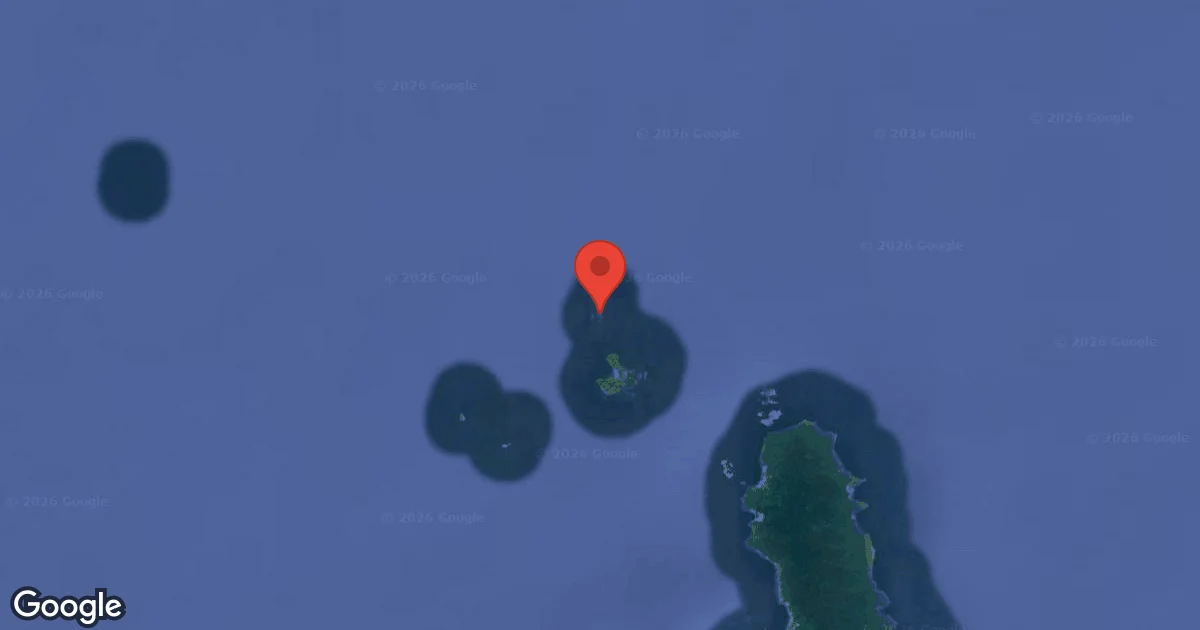
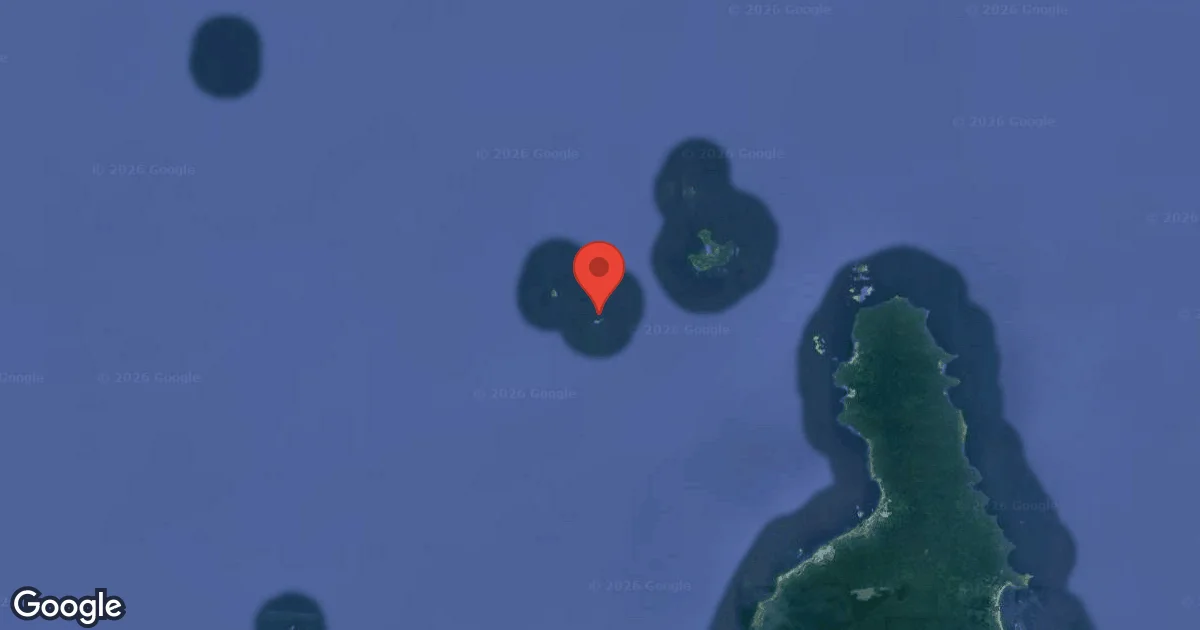
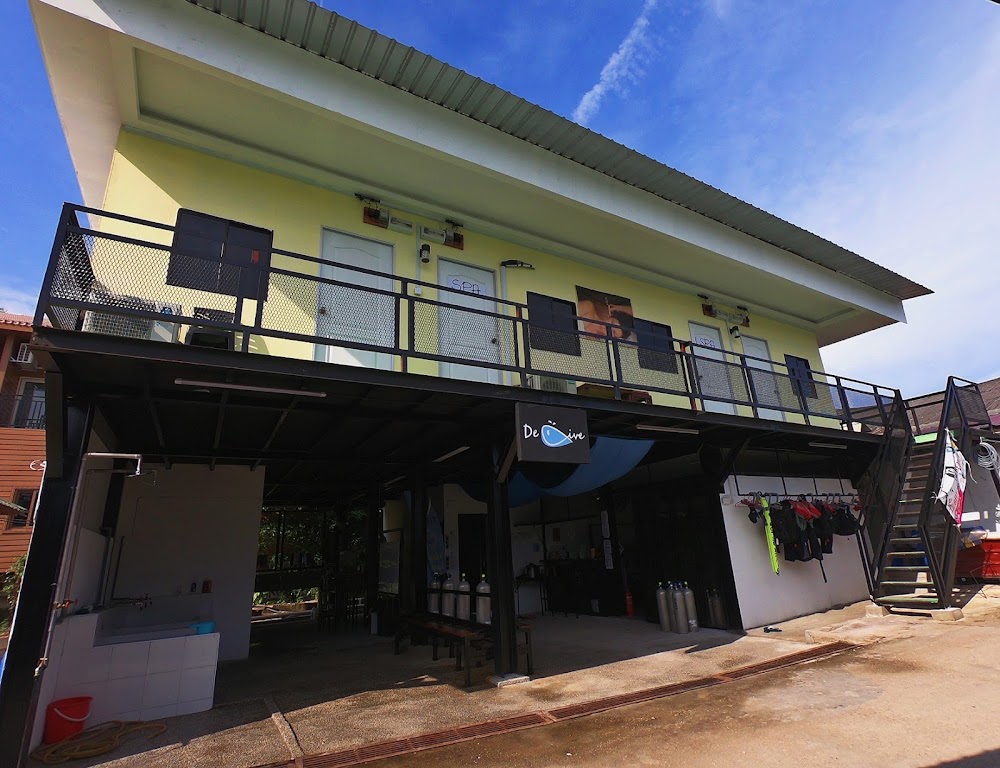
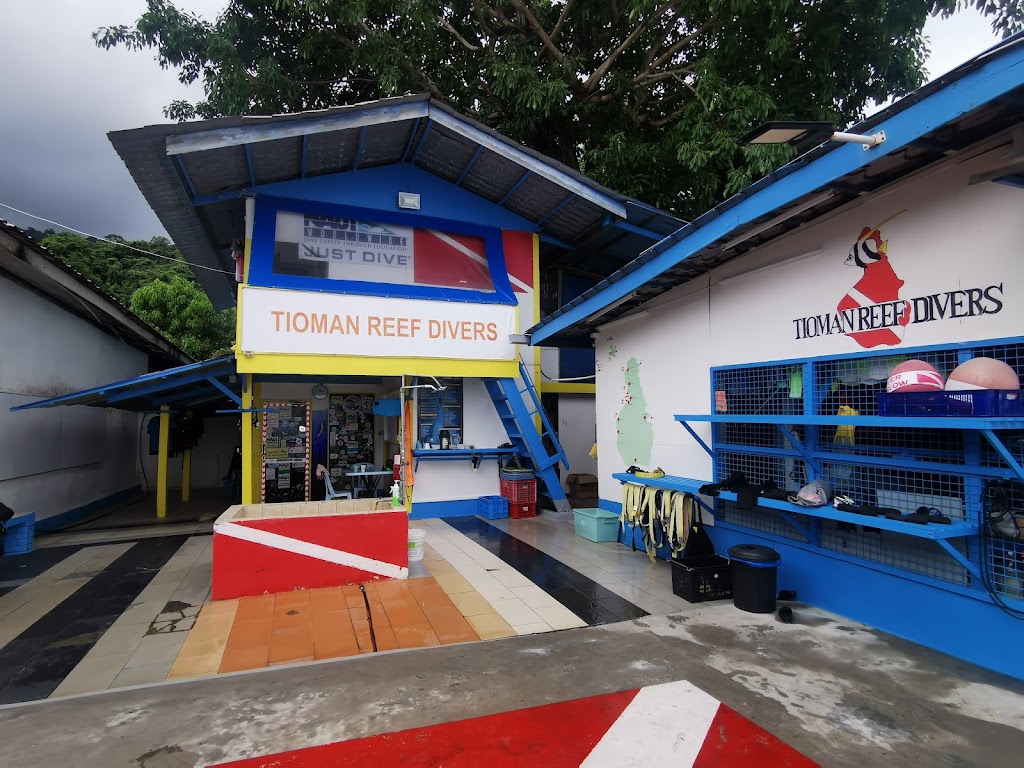
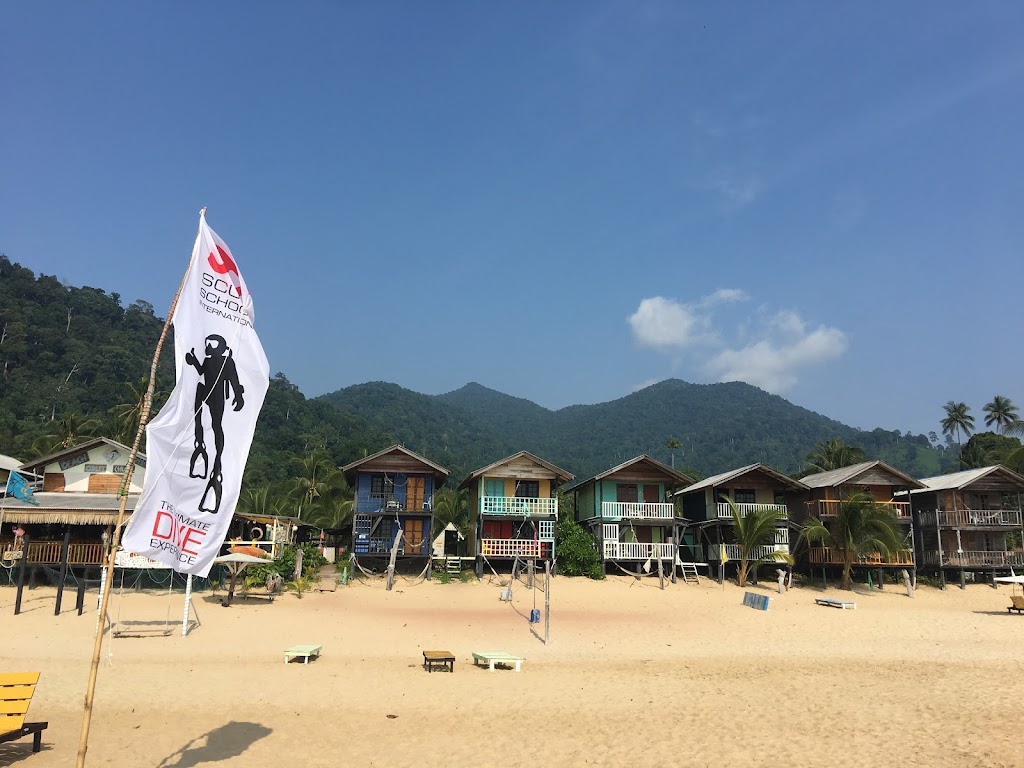
Dive Centers Near Batu Malang
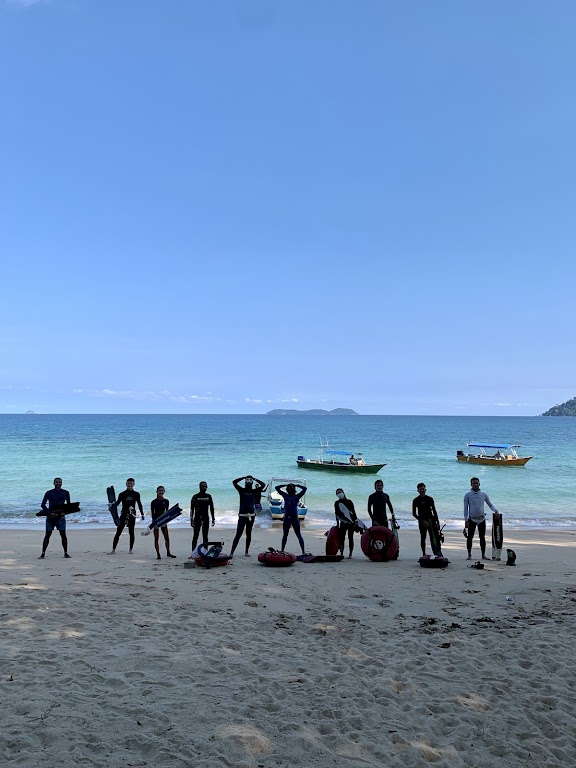
Today: 08:00 - 18:00

Nearest Airports
Nearest airports to help plan travel to this dive area.
Search Flights
Check available flights and routes on Expedia, using the nearby airports listed in this section.
Search Flights on ExpediaFrequently Asked Questions
What is the maximum depth at Batu Malang?
Batu Malang is a relatively shallow dive site. Reported maximum depths typically range around 10 m (30 ft) for general recreational diving, though some areas can extend a bit deeper, up to 16m.
Is Batu Malang suitable for beginner divers?
Yes, Batu Malang is considered an easy dive site. Its shallow depths and typically mild currents make it well-suited for beginners, buoyancy training, and entry-level courses.
What kind of marine life can I expect to see?
Divers often encounter hawksbill turtles, anemonefish, and cuttlefish here. The site is also noted for its diverse nudibranchs, barracudas, and angelfish, inhabiting the coral-covered boulders.
Are there strong currents at Batu Malang?
The unique configuration of Batu Malang's large boulders often provides natural protection from currents. While small currents may sometimes be present, it's generally considered a calm site.
Is Batu Malang a good spot for snorkeling?
Yes, its shallow depths and protected nature make Batu Malang popular for snorkeling. The vibrant corals and marine life are easily visible from the surface, especially in good conditions.
What are the best months to dive here for visibility?
The best months for excellent visibility and calm conditions typically run from April through October. This period sees minimal rain and lower wave heights, enhancing the underwater experience.
Planning to dive Batu Malang?
Send one inquiry and receive offers directly from the best verified local dive operators.
Conditions are Good
07:00 - 14:00
Optimal conditions expected
Current conditions near Batu Malang show 28° air, 30° sea temperature, 0.4 m waves, and 25 km/h wind. Forecast data is refreshed regularly to ensure accuracy.