
Diving at Fan Canyon (Malaysia)
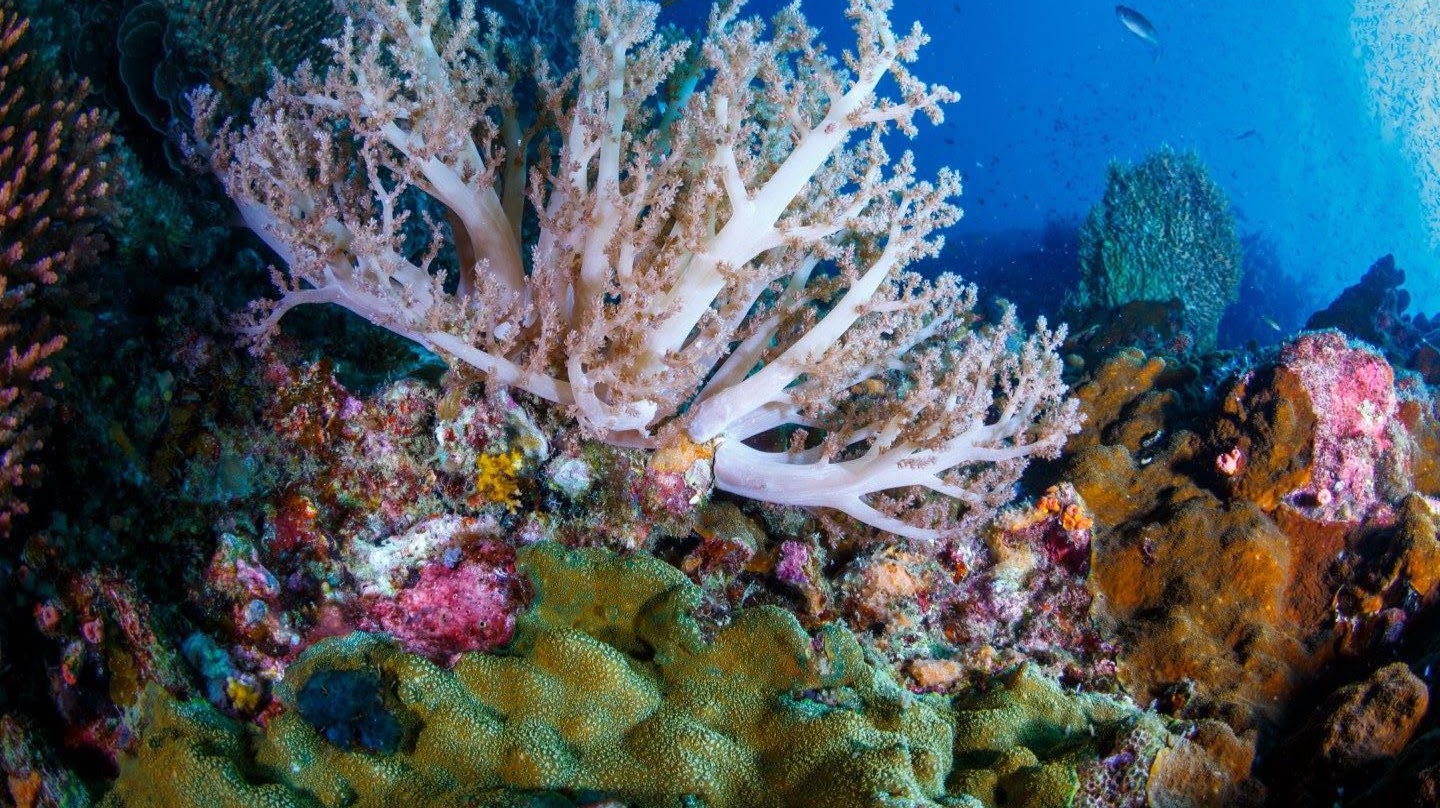
Fan Canyon stands out as a destination for macro enthusiasts, boasting an exceptional diversity of nudibranchs and flatworms. This site also delivers vibrant reef scenes, where colorful hard and soft corals shelter a rich variety of fish. Divers frequently encounter a range of reef inhabitants here, from smaller, delicate species to occasional larger marine visitors, making it a dynamic underwater environment.
As evening covers Fan Canyon, the local air temperature is measured at 29°C. The current wave height at the surface is recorded at 0.3 m. These late-day readings characterize the surface conditions for the night.
Dive Site Location & Key Facts
Dive Site Overview
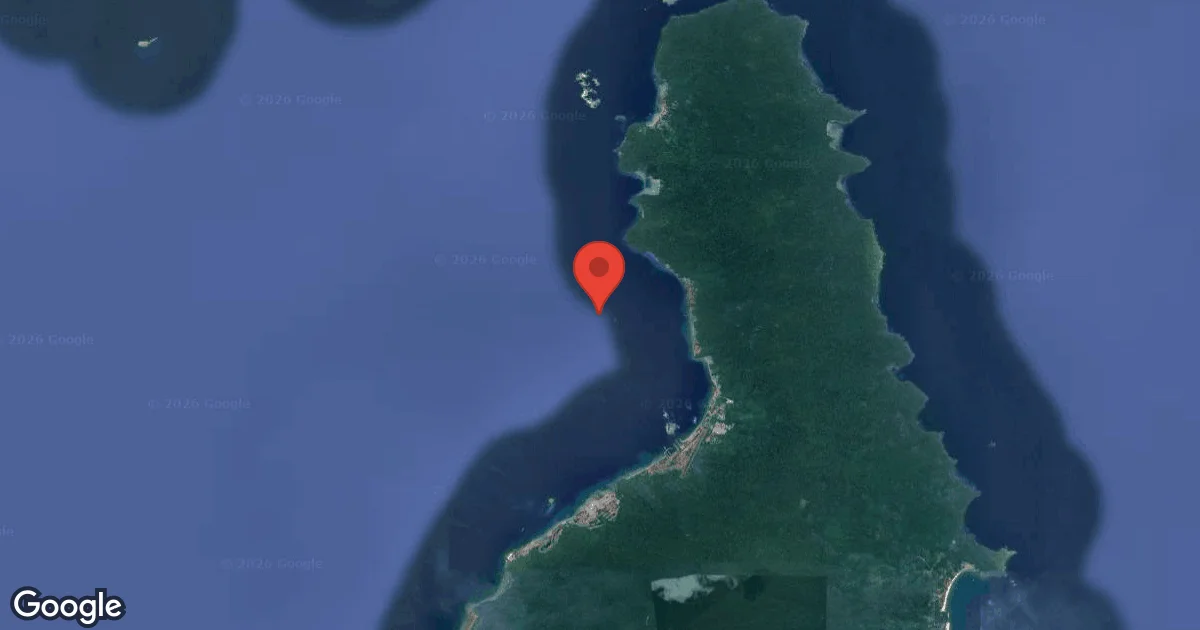
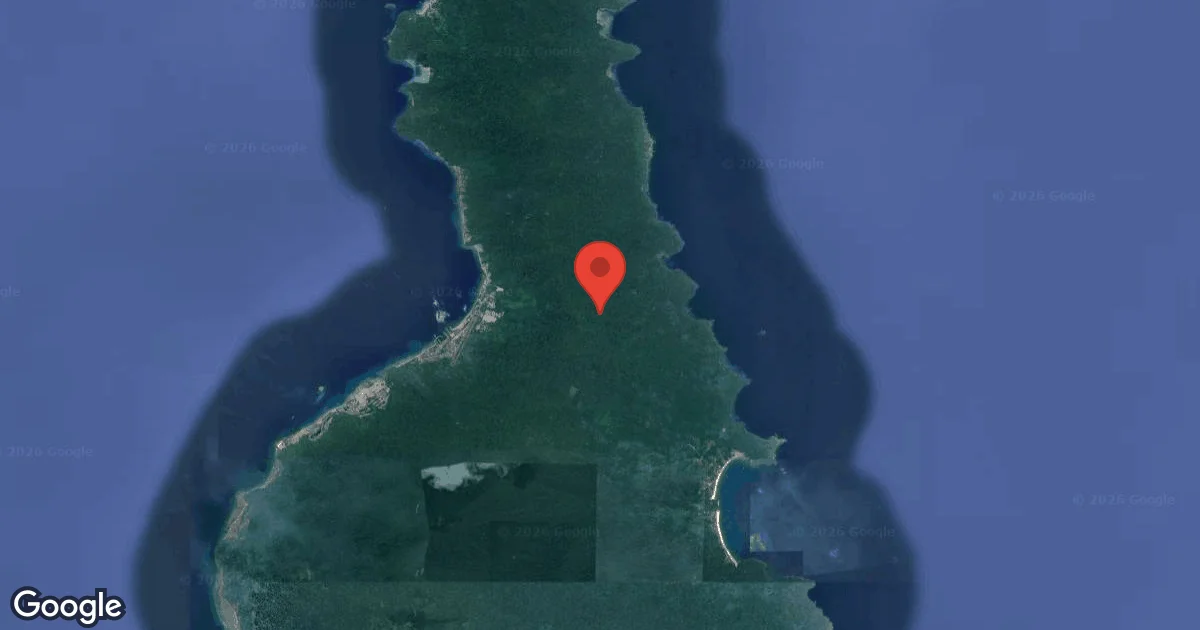
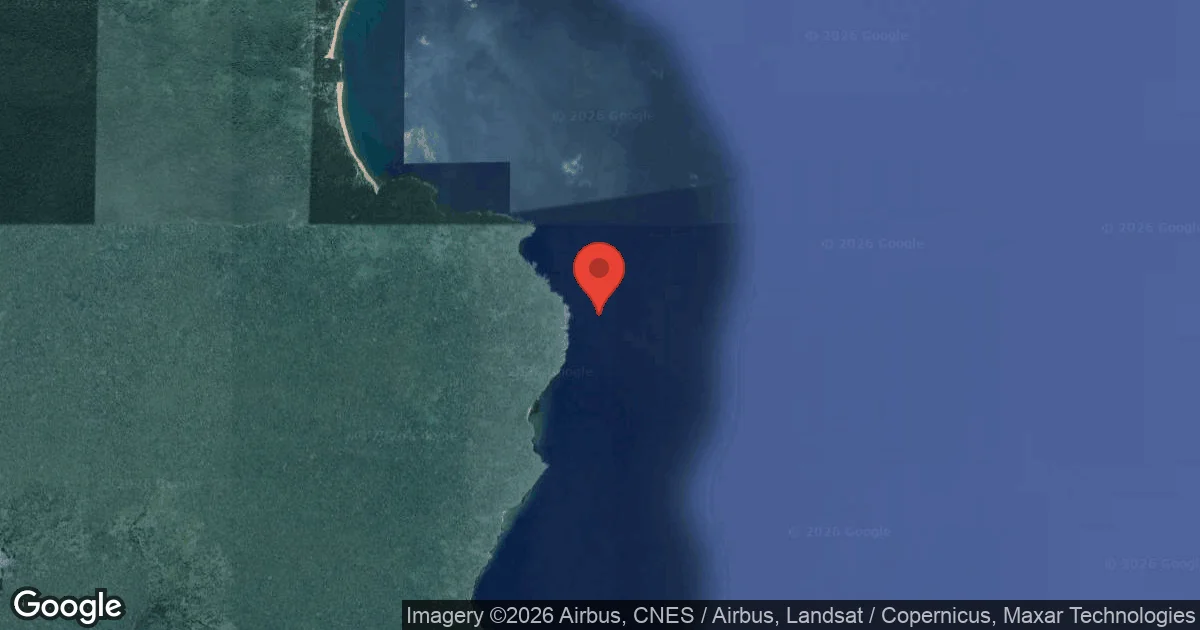
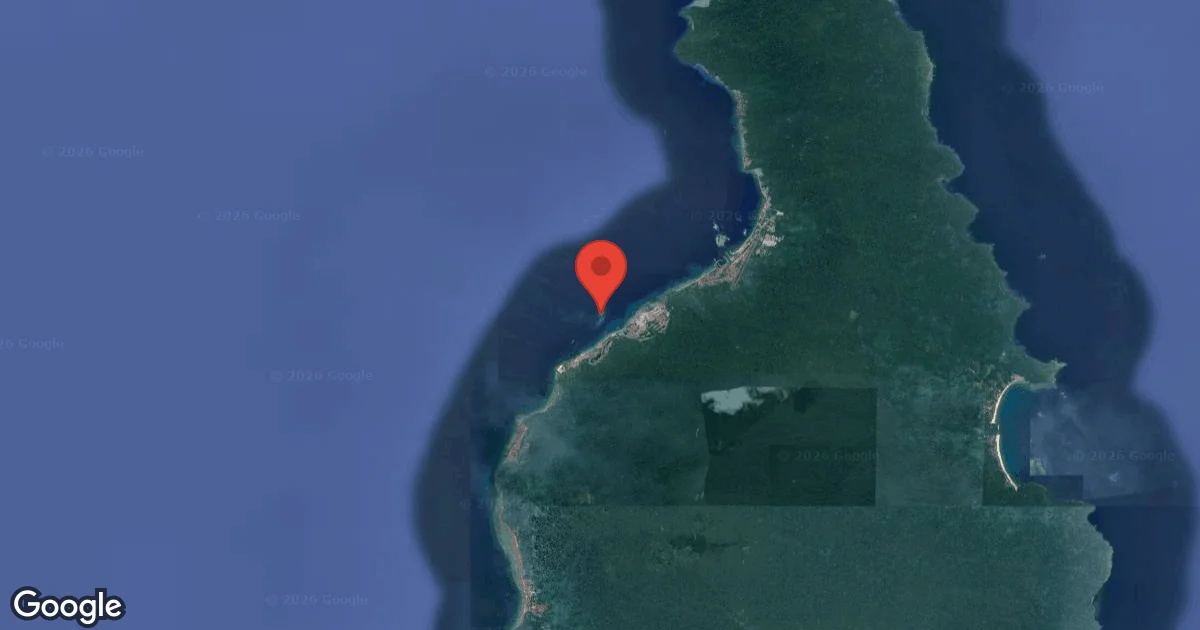
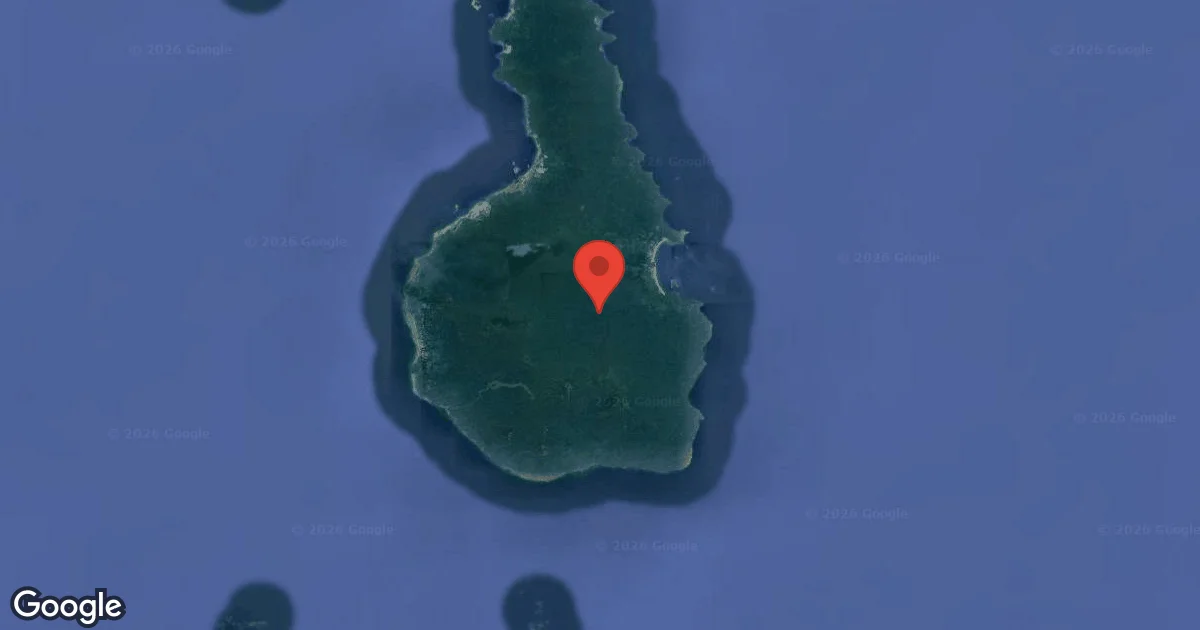
Descending into Fan Canyon reveals a landscape sculpted by nature, beginning from Genting Bay on Coral Island. The dive follows a sloped reef edge that gradually deepens to a maximum of 30 m / 100 ft.
Along this descent, divers navigate among majestic granite rock boulders, which are so thoroughly covered in a vibrant tapestry of soft corals that the underlying geological structure is frequently obscured. The site’s namesake, Fan Canyon, lies nestled between some of these impressive rock formations; its walls are densely adorned with large, beautiful gorgonian sea fans, creating a distinctive visual appeal.
Further into the dive, at approximately 16 meters, a narrow, captivating tunnel provides an engaging swim-through experience, often teeming with thousands of tiny anchovies. This complex depth profile and intricate structural composition make it a particularly rewarding and stimulating dive for advanced certified divers, offering both macro and wide-angle photographic opportunities.
Conditions are Excellent
07:00 - 14:00
Optimal conditions expected
Current conditions near Fan Canyon show 29° air, 30° sea temperature, 0.5 m waves, and 28 km/h wind. Forecast data is refreshed regularly to ensure accuracy.
Best Time to Dive
Optimizing for visibility, the months from April to October typically present excellent diving conditions at Fan Canyon. During this period, the region experiences consistently lower wave heights, often below 0.5 meters, and minimal rainfall, generally under 4 mm per month. Air temperatures hover pleasantly between 28-29°C / 82-84°F. While water temperature data isn't consistently reported, these stable atmospheric and sea surface conditions usually correlate with outstanding underwater visibility, frequently exceeding 20 meters / 65 feet. Although February and March are also considered good, offering slightly higher rainfall and wave action, the mid-year months generally provide the calmest and clearest experiences.
PEAK SEASON SCORE
Scores combine air & water temps, waves, wind & rainfall for overall conditions.
BEST MONTHS TO DIVE
Monthly records compiled from satellite and marine observation nodes over the last 3 years. Data provided by Open-Meteo and MET Norway.
Dive Experience & Conditions
Initiating a dive at Fan Canyon often involves a boat entry, leading to a descent that guides divers along the reef's natural slope. Currents here are typically weak or light, contributing to a relaxed exploration of the site's intricate topography. As divers reach average depths of 22 meters, the vibrant ecosystem of the lower reef edge comes into full view, defined by granite boulders blanketed in diverse soft corals. Deeper sections can extend to about 30 meters. A highlight for many is the narrow tunnel at approximately 16 meters, a passage that requires good buoyancy control to navigate through the dense schools of anchovies.
Dive Difficulty & Safety Guidelines
Approaching Fan Canyon requires careful consideration, as its classification as an advanced dive site underscores the need for experience and skill. Navigating the narrow canyon, particularly amidst the delicate gorgonian sea fans, demands precise buoyancy control to prevent accidental contact and preserve the fragile corals. Entry into the tightest sections of the canyon is generally discouraged to protect this sensitive ecosystem.
The site's structures, including the tunnel, necessitate attentive diving practices. Adhering to responsible diving guidelines ensures both diver safety and the continued health of this vibrant reef.
Recommended Equipment
- Dive Computer
- DSMB
This gear list is based on verified equipment signals for Fan Canyon, Malaysia. Always confirm final gear choices with your dive operator, guide, or liveaboard.
Recommended Dive Suit
Divers planning relaxed exploration may appreciate the warmth of dive skin or rash guard. Divers often notice that perceived temperature can feel cooler during deeper or longer dives.
The waters surrounding Fan Canyon are currently maintaining temperatures close to 30°C (86°F). Surface air temperatures are resting at 29°C (84°F).
Conditions are expected to stay fairly consistent in the days ahead.
Emergency & Medical Support
Essential information to help you plan your dive trip to Fan Canyon.

Hyperbaric chambers are a critical part of dive safety infrastructure. Availability varies significantly by region, and not all dive areas have immediate access.
Before diving, it's recommended to:
- confirm nearest medical facilities
- check emergency procedures with local dive operators
- ensure dive insurance covers evacuation if required
Divers Alert Network
Diving emergency assistance available through DAN World.
+1-919-684-9111- 24/7 emergency hotline
- Diving medical assistance
- Evacuation coordination
Emergency contacts are provided for reference. Always verify local emergency services before diving.
Marine Life at Fan Canyon
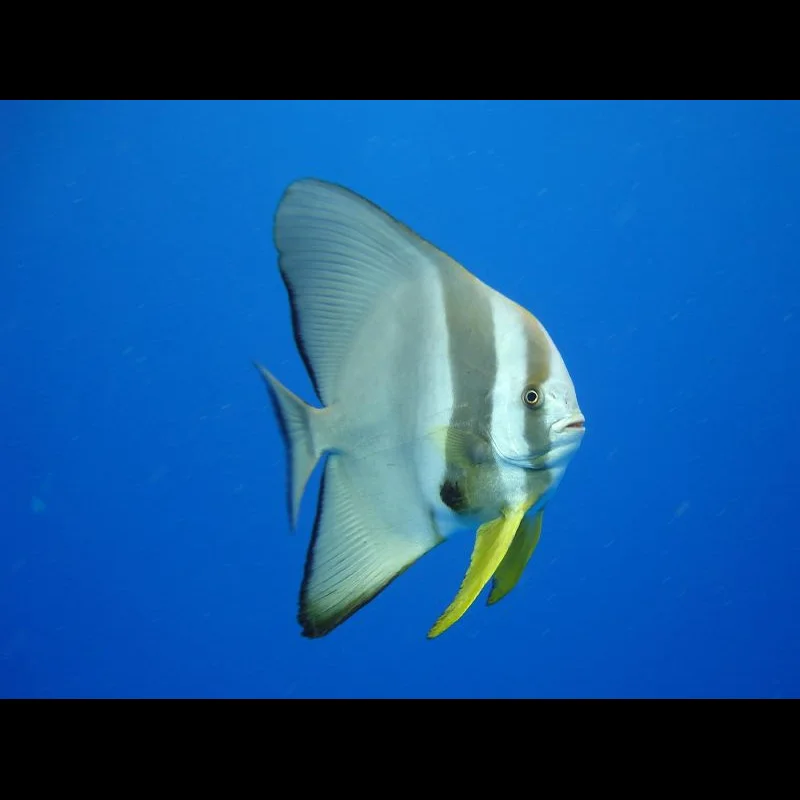
Upon entering Fan Canyon, divers are often immediately struck by the sheer variety of nudibranchs and flatworms adorning the coral-covered rocks. The site is a vibrant hub for reef fish, with angel fish, batfish, fusiliers, and puffer fish commonly observed.
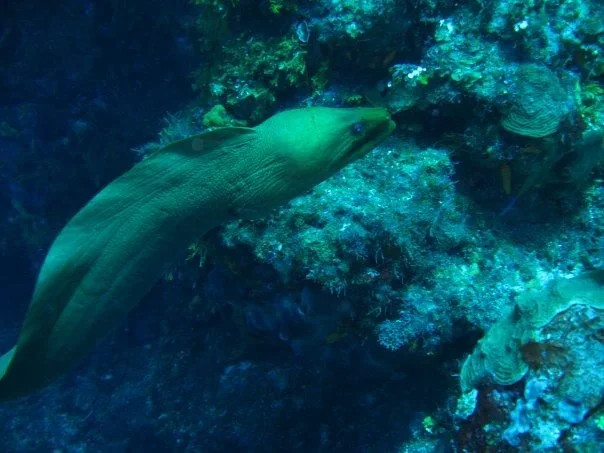
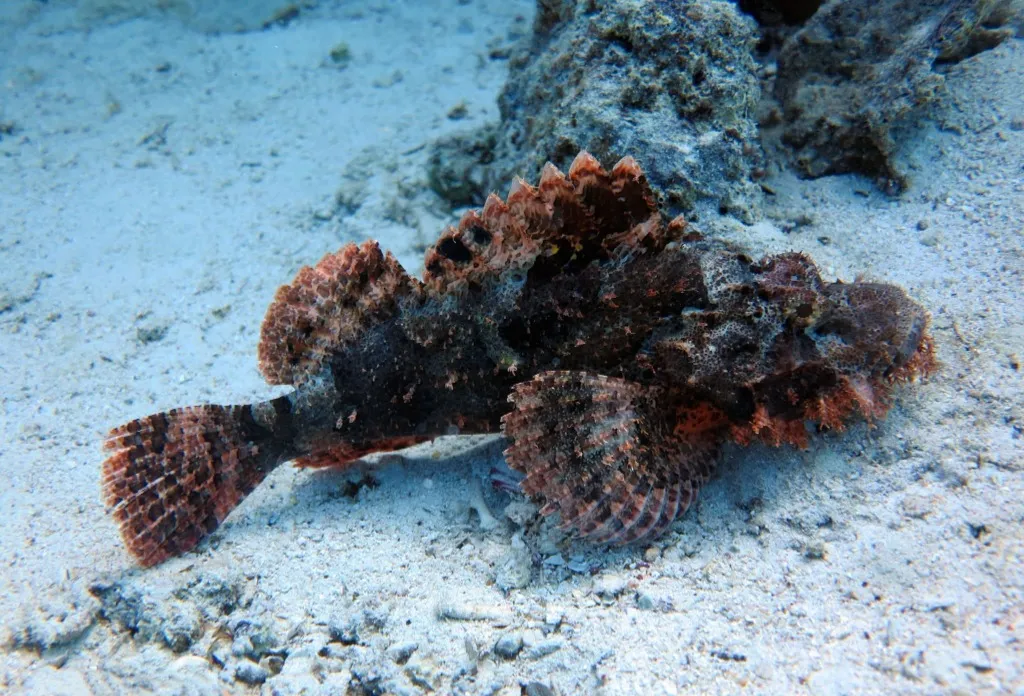
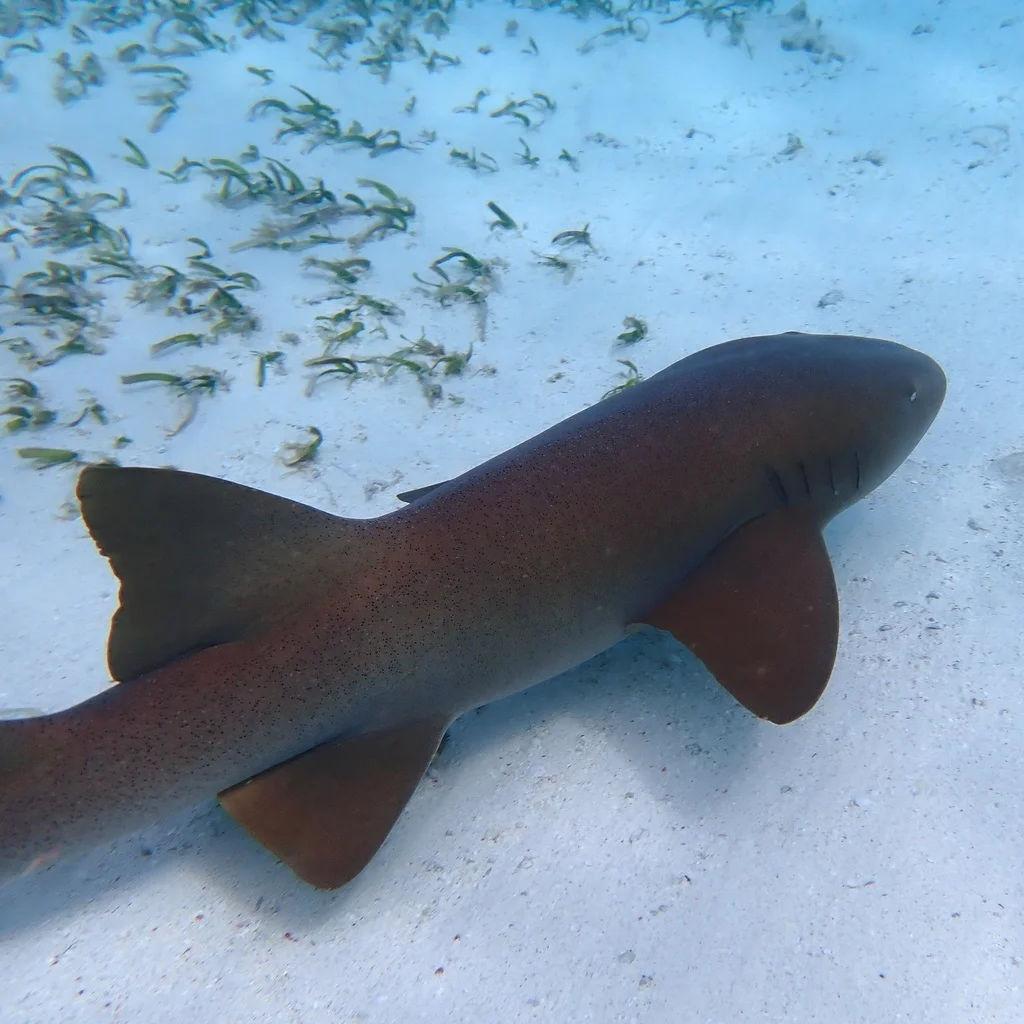
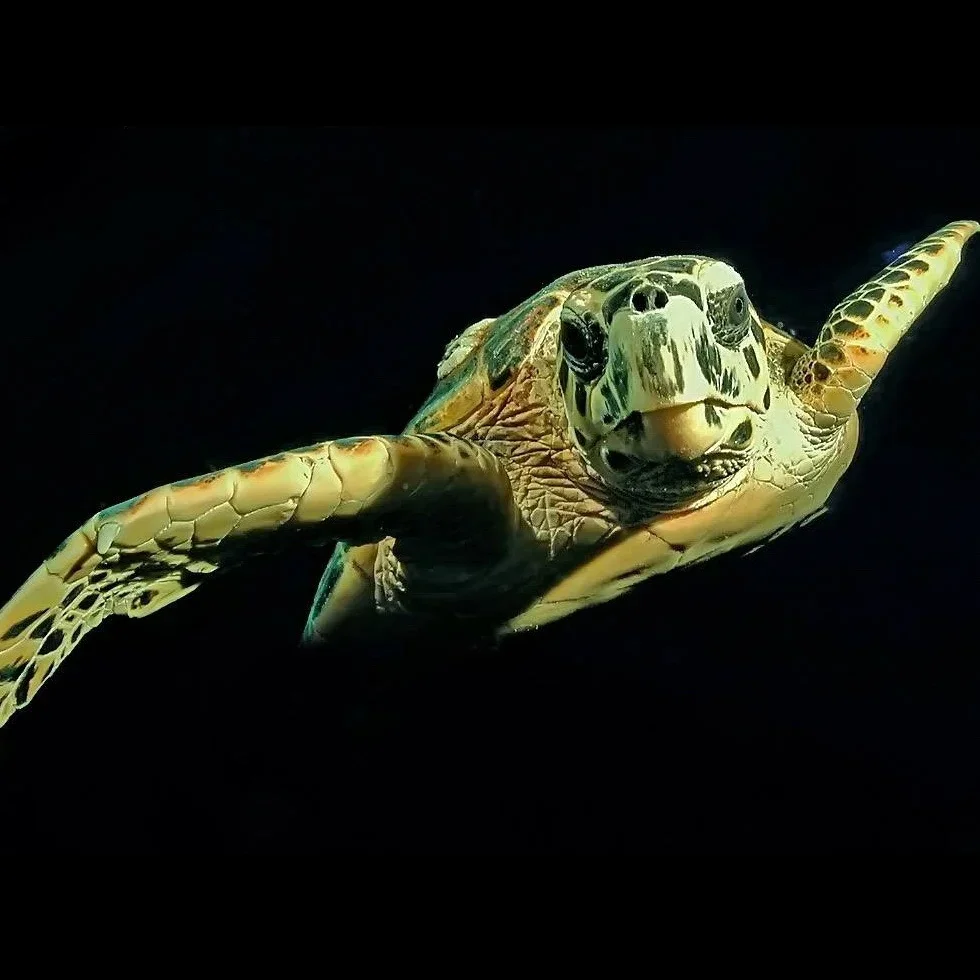
Keep an eye out for scorpionfish, nurse sharks, stingrays, and moray eels navigating the reef. Lucky divers might also encounter hawksbill turtles gracefully gliding through the water, or spot green turtles among the corals.
The site’s gorgonian sea fans provide shelter for a myriad of smaller creatures, making every glance into the reef a discovery.
Dive Sites Near Fan Canyon
View all dive sites in MalaysiaDiscover more underwater gems in this area.
Dive Centers Near Fan Canyon
Today: 08:00 - 18:00

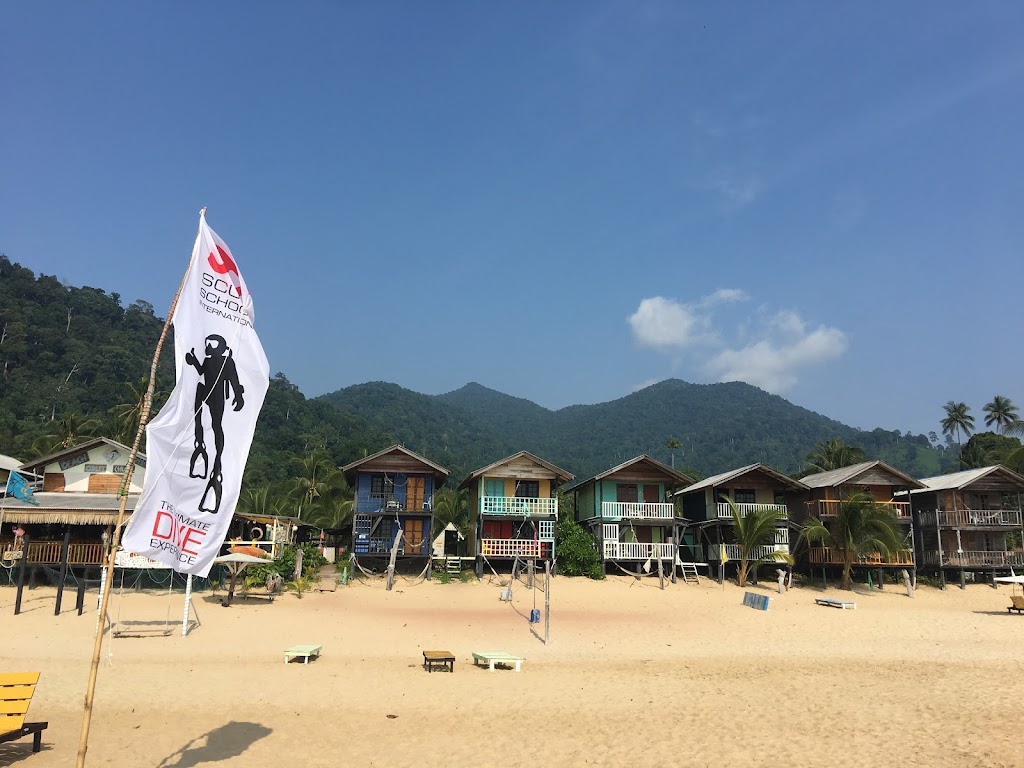
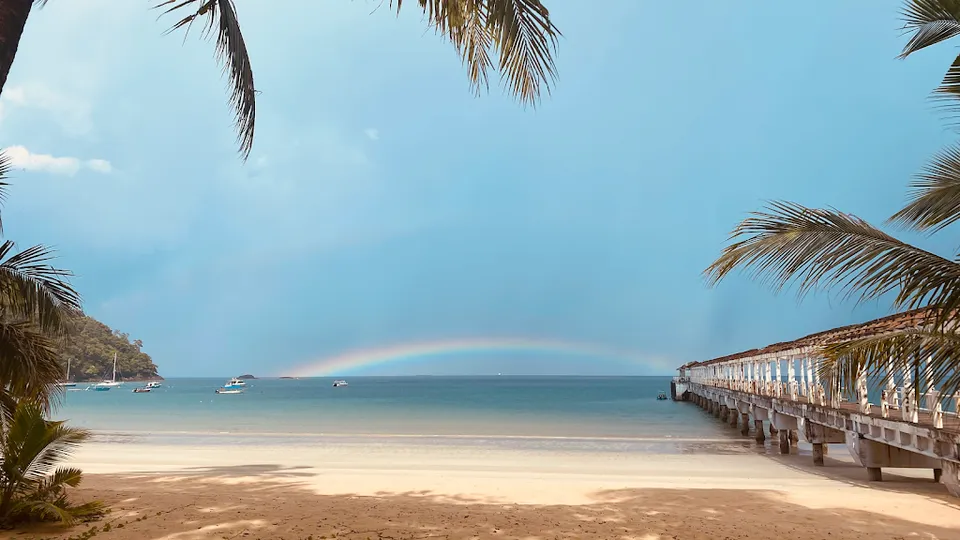
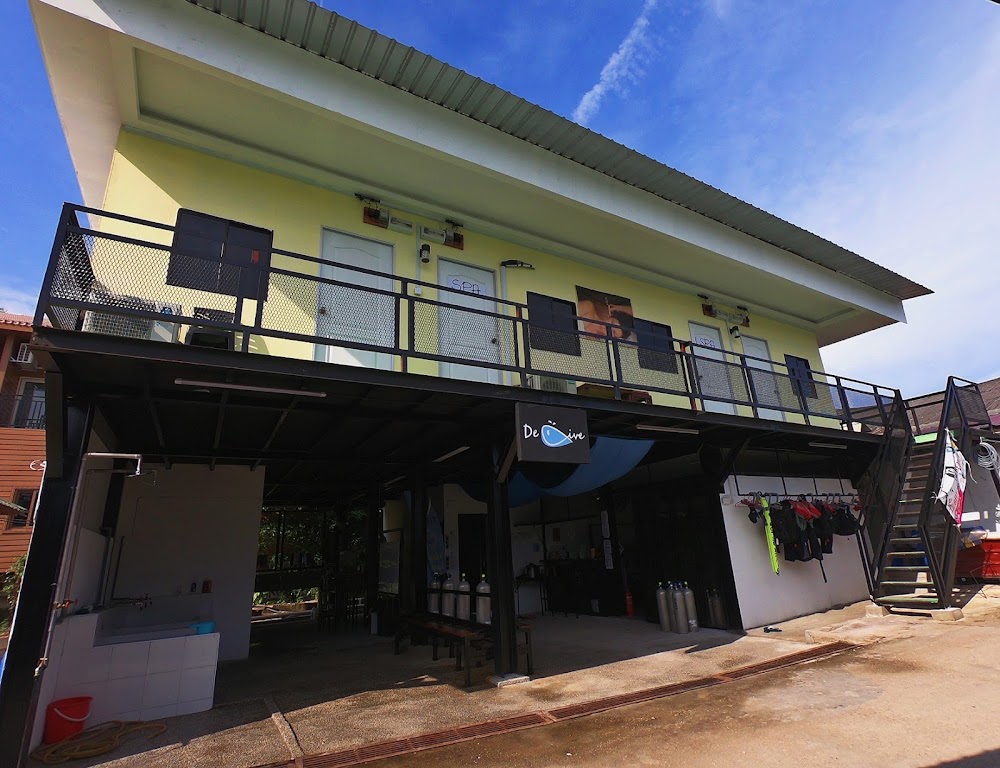
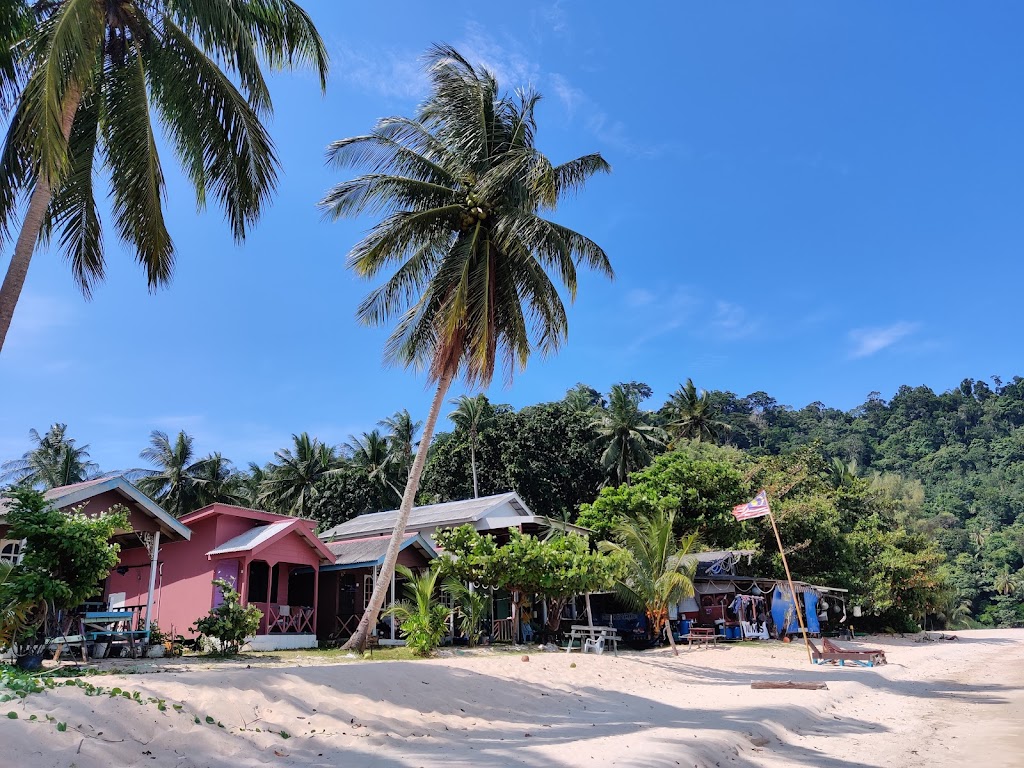
Nearest Airports
Nearest airports to help plan travel to this dive area.
Search Flights
Check available flights and routes on Expedia, using the nearby airports listed in this section.
Search Flights on ExpediaFrequently Asked Questions
What certification level is recommended for Fan Canyon?
Fan Canyon is classified as an advanced dive site. Its intricate topography, varying depths, and the presence of a narrow swim-through tunnel necessitate good buoyancy control and experience.
What is the typical depth range for diving at Fan Canyon?
The dive site starts from a sloped reef edge, gradually deepening. Divers can explore areas from the shallow reef down to a maximum of 30 meters, with a notable tunnel around 16 meters.
Are there strong currents at Fan Canyon?
Currents at Fan Canyon are generally reported as weak or light. This allows for a more relaxed exploration of the site's detailed coral formations and resident marine life.
What kind of marine life can I expect to see?
The site is particularly rich in macro life, including numerous nudibranchs and flatworms. Divers also frequently encounter reef fish like angelfish, batfish, fusiliers, pufferfish, and sometimes larger creatures such as nurse sharks or hawksbill turtles.
Is Fan Canyon suitable for underwater photography?
Yes, Fan Canyon is highly suitable for photography. It offers excellent opportunities for macro shots of nudibranchs and small reef inhabitants, as well as wider scenes of coral-covered boulders and dense gorgonian sea fans.
When is the best time of year to dive Fan Canyon?
Optimal diving conditions, characterized by excellent visibility and calm seas, are typically found from April to October. During these months, wave heights are consistently low and rainfall is minimal.
Is buoyancy control important at this site?
Precise buoyancy control is crucial at Fan Canyon, especially when navigating the narrow canyon sections and the swim-through tunnel. This helps protect the delicate gorgonian sea fans and other fragile corals from accidental contact.
Planning to dive Fan Canyon?
Send one inquiry and receive offers directly from the best verified local dive operators.
Conditions are Excellent
07:00 - 14:00
Optimal conditions expected
Current conditions near Fan Canyon show 29° air, 30° sea temperature, 0.5 m waves, and 28 km/h wind. Forecast data is refreshed regularly to ensure accuracy.