
Diving at Tanjung Lagoon (Malaysia)
Tanjung Lagoon offers divers an approachable reef environment, often characterized by moderate depths and generally calm conditions, making it a suitable location for new divers to develop their skills. It provides an opportunity for those looking to practice buoyancy control and navigation in a relaxed setting. While it may not present the most challenging dives, its accessibility makes it a practical choice for honing fundamental diving techniques before exploring more demanding sites.
As evening covers Tanjung Lagoon, the local air temperature is measured at 25.5°C. The current wave height at the surface is recorded at 1.2 m. These late-day readings characterize the surface conditions for the night.
Dive Site Location & Key Facts
Dive Site Overview
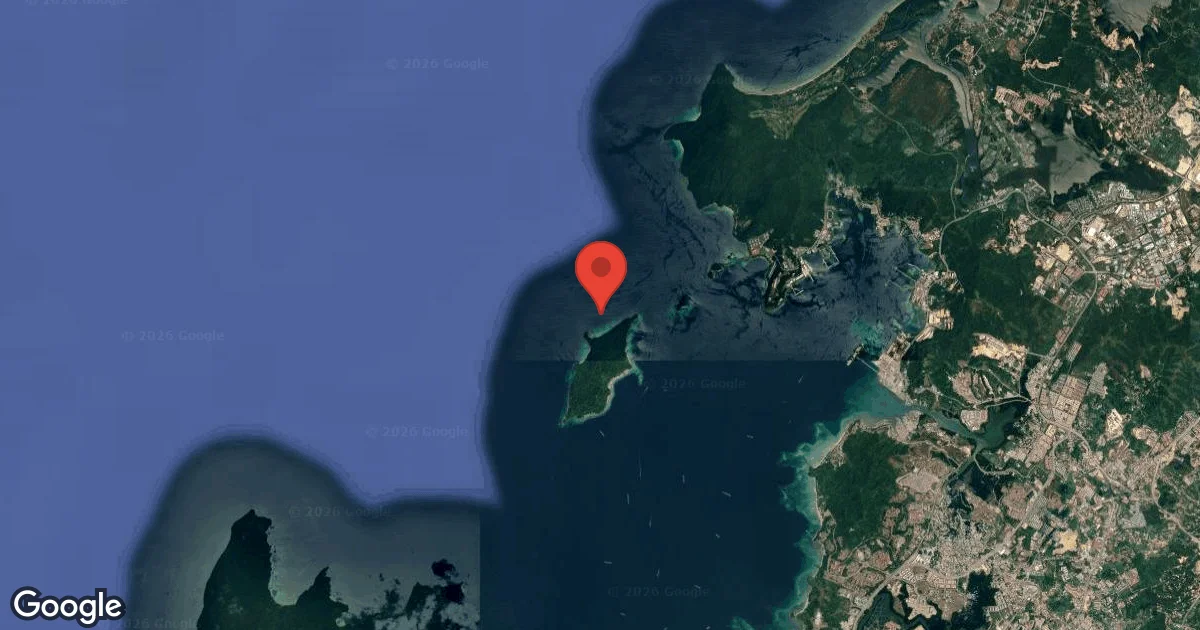
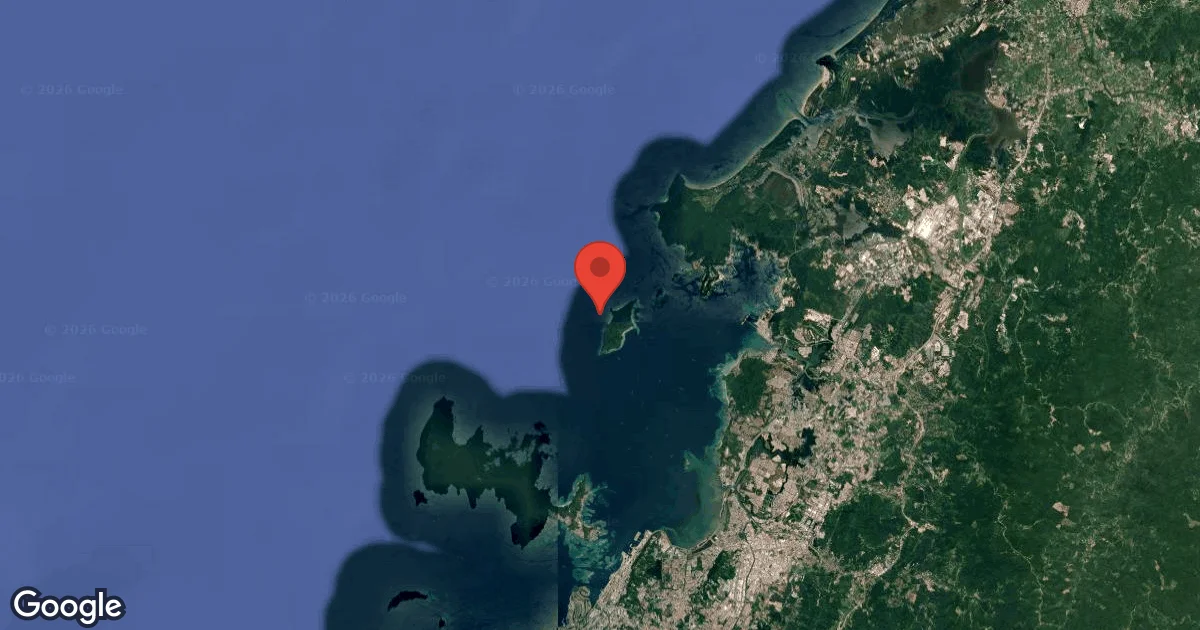
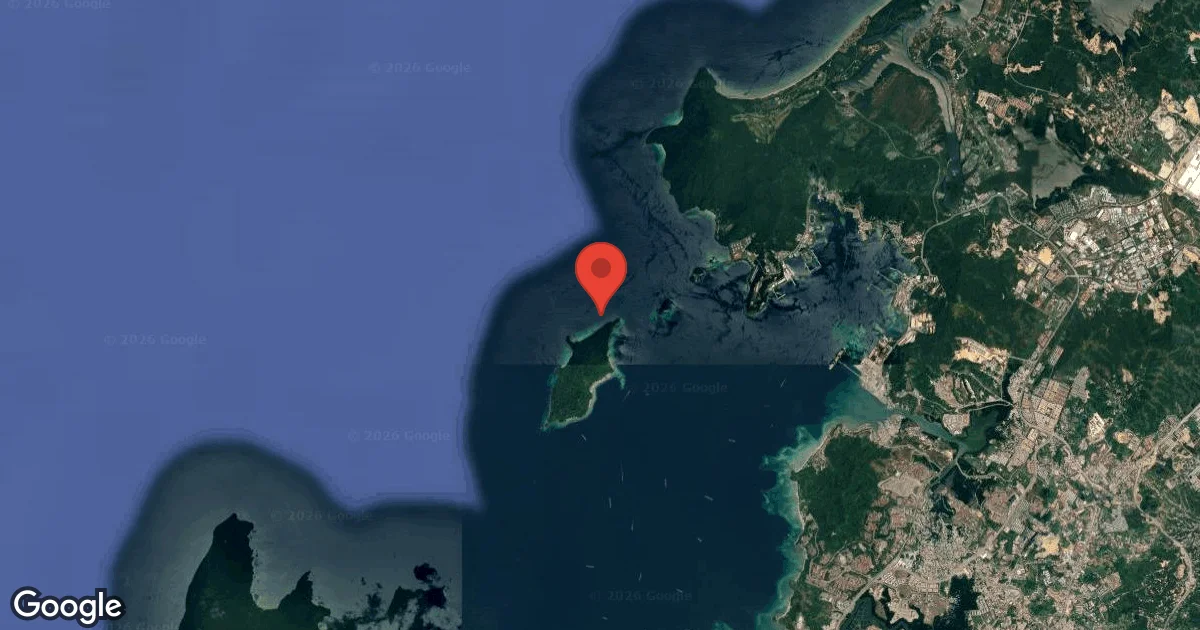
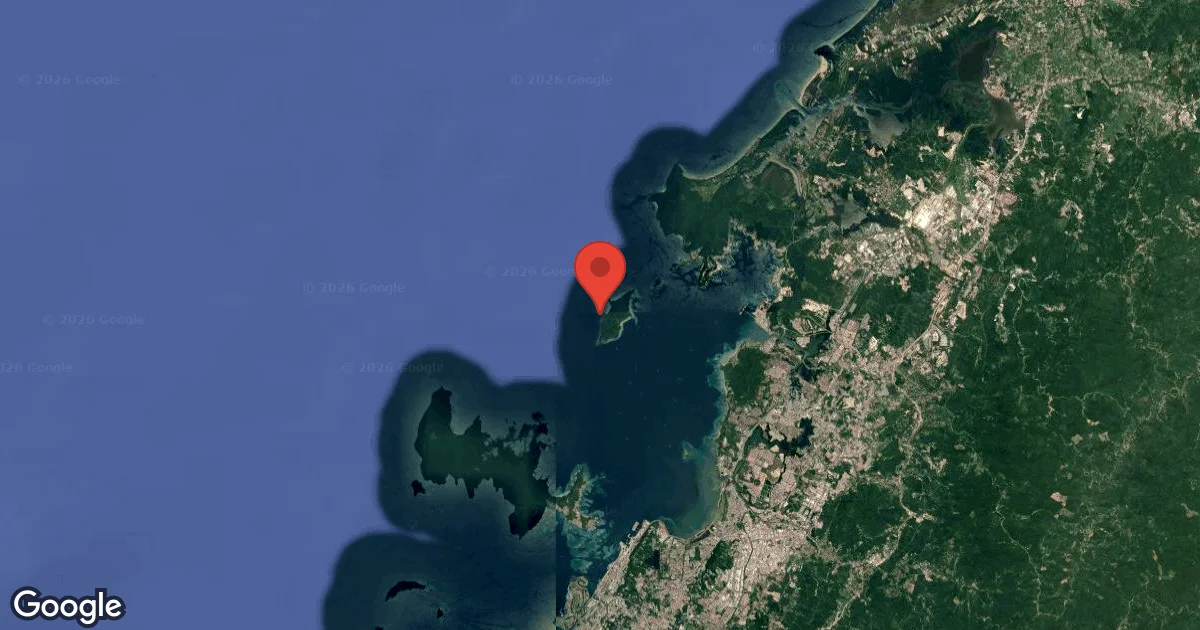
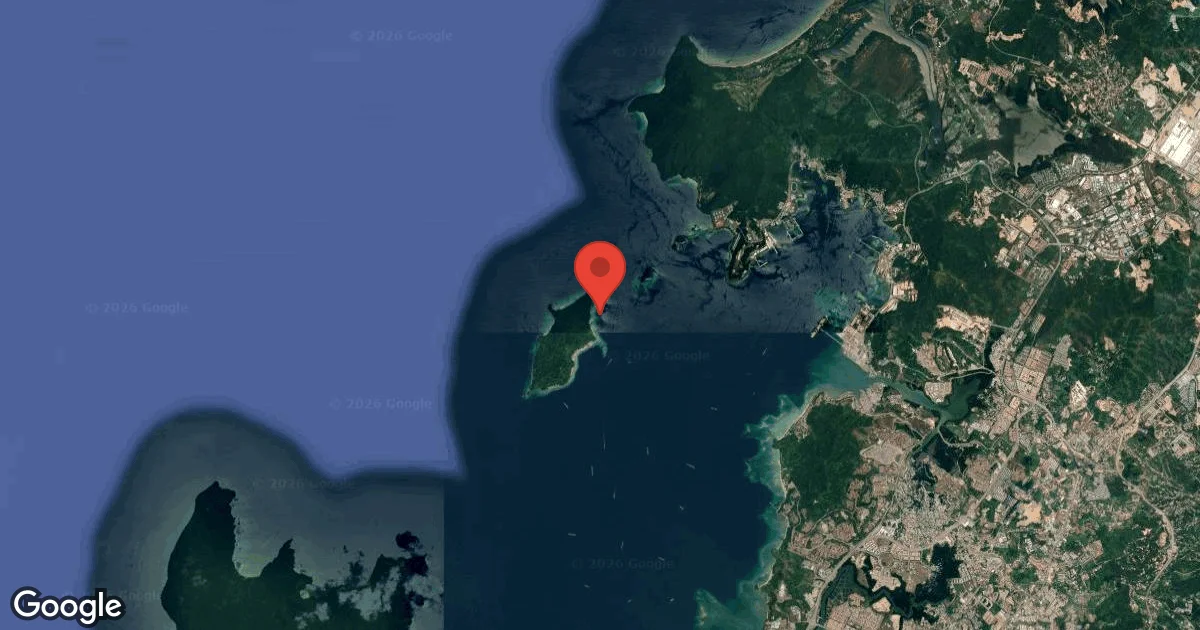
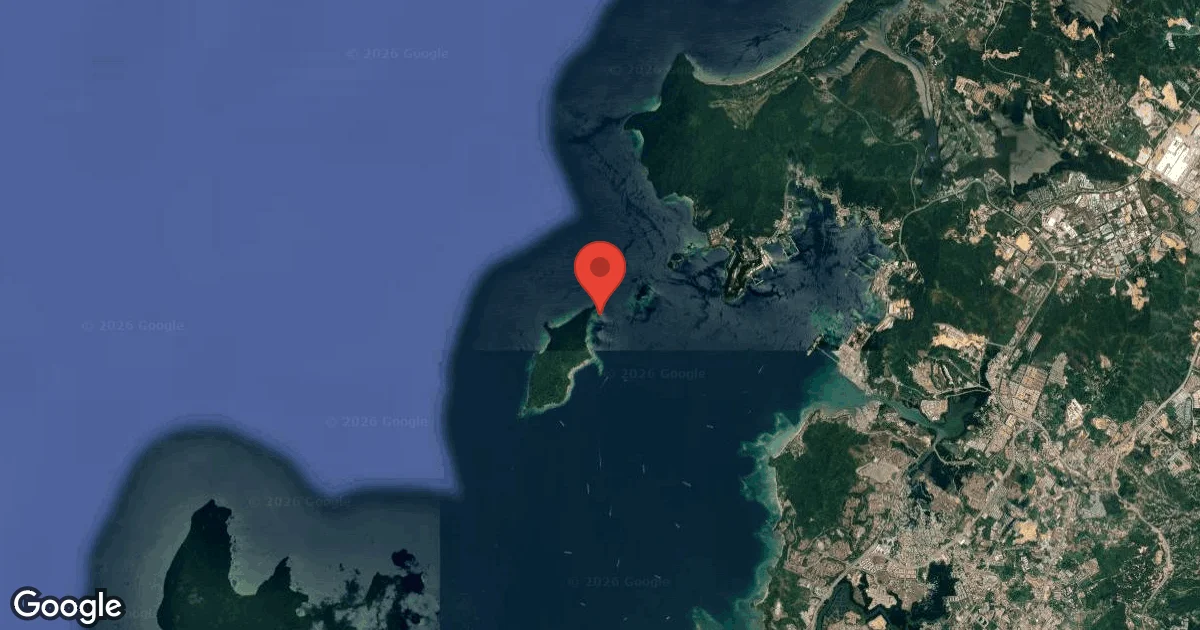
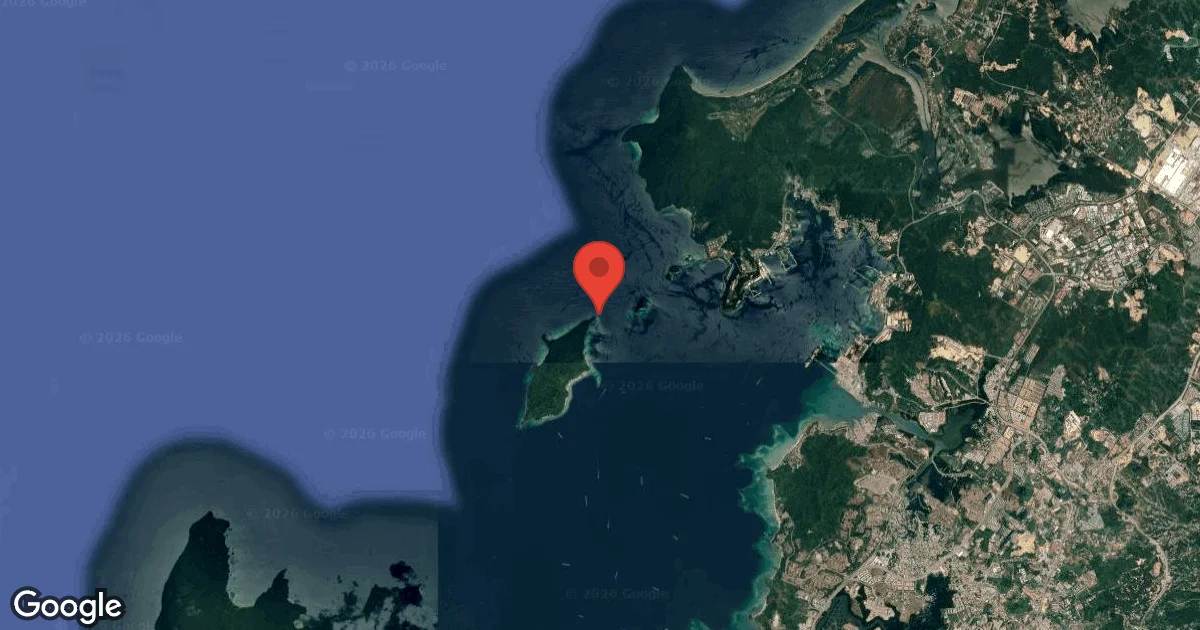
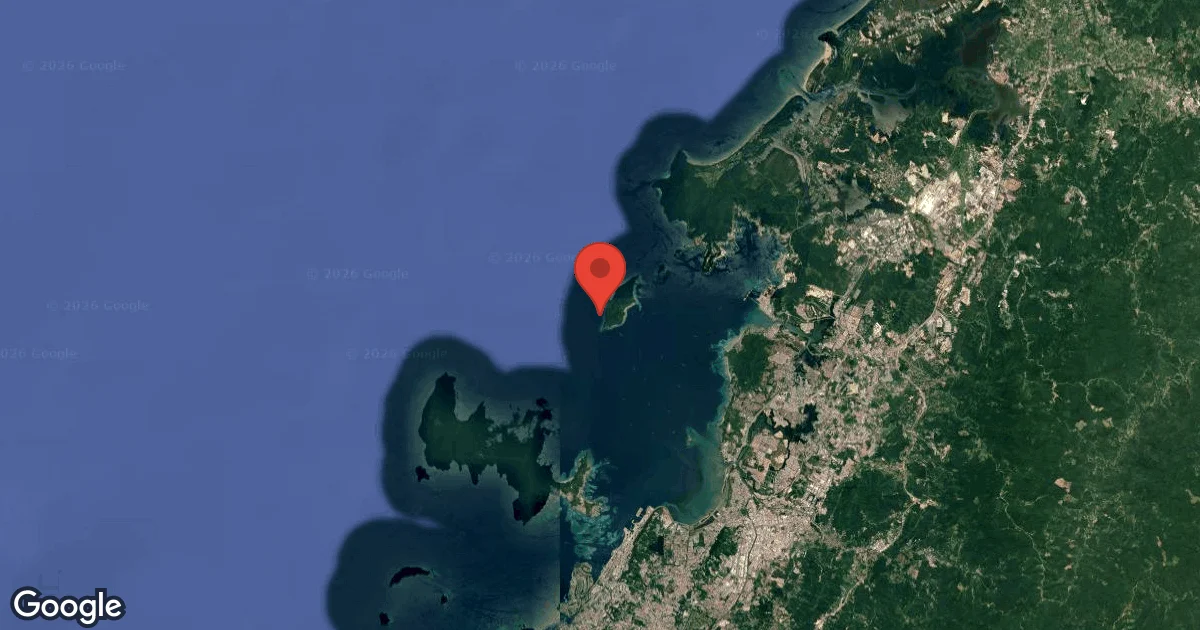
Positioned within Malaysia's Tunku Abdul Rahman National Park, this reef dive site has garnered recognition for its local ecosystem. The general structure often consists of gently sloping reefs and scattered coral bommies that create an easily navigable environment for divers to explore.
While precise historical data specific to Tanjung Lagoon is somewhat limited, observations from similar adjacent sites suggest certain areas have recently experienced increased visitor traffic. This can, at times, place stress on fragile marine environments, particularly on certain coral formations.
However, dedicated local dive operations consistently play a crucial role in conservation efforts, frequently organizing reef clean-ups and coral planting initiatives to help mitigate these potential impacts and foster marine health. The site typically presents an accessible reef environment, with reported average depths around 18 m (59 ft) in the broader region, making it a comparatively shallow dive ideal for extending bottom time.
Divers navigating these waters can generally anticipate a serene underwater journey, as strong currents are not typically a significant concern here. This calm characteristic, often found in sites closer to the mainland, contributes to a relaxed atmosphere, suitable for honing buoyancy, practicing navigation, and observing smaller reef inhabitants without the demands of more challenging conditions.
Conditions are Excellent
07:00 - 14:00
Optimal conditions expected
Current conditions near Tanjung Lagoon show 25° air, 31° sea temperature, 0.7 m waves, and 20 km/h wind. Forecast data is refreshed regularly to ensure accuracy.
Best Time to Dive
Planning your dive around the typical climate patterns can enhance the experience at Tanjung Lagoon, with conditions generally favorable across much of the year. Air temperatures remain consistently warm, averaging between 26°C (79°F) and 27°C (81°F) throughout the months. Monthly rainfall varies, with higher averages observed in May and the September to November period, though these are typically not prohibitive. Wave heights are often lower from April to May, suggesting calmer surface conditions during these months. Overall dive scores indicate 'Good' to 'Excellent' conditions from February through August, with April often rating highest, providing the most stable and enjoyable conditions for exploration.
PEAK SEASON SCORE
Scores combine air & water temps, waves, wind & rainfall for overall conditions.
BEST MONTHS TO DIVE
Monthly records compiled from satellite and marine observation nodes over the last 3 years. Data provided by Open-Meteo and MET Norway.
Dive Experience & Conditions
Entering the water at Tanjung Lagoon often feels like stepping into a gentle, unhurried environment. Divers frequently experience a generally calm underwater setting, as strong currents are not typically reported, simplifying navigation and allowing for more relaxed observation of marine life. This calm atmosphere makes it an ideal spot for divers refining their buoyancy control or for those seeking a tranquil exploration. Maximum depths for the region range to around 24 m (79 ft), with an average closer to 18 m (59 ft) across local reef sites, accommodating both newer and more experienced divers. Visibility at the site can vary and is not consistently reported as excellent; its proximity to the mainland sometimes influences water clarity, which can range from moderate to good depending on recent weather and tides. Water temperatures are generally warm, typically fluctuating between 22-27°C (72-81°F), aligning with tropical Malaysian waters, ensuring comfortable dive conditions throughout the year.
Dive Difficulty & Safety Guidelines
Approaching any dive at Tanjung Lagoon requires a mindful adherence to general diving safety and marine etiquette. Always conduct thorough buddy checks and ensure your equipment is in optimal condition before entering the water. Given the reef environment, maintaining proper buoyancy control is essential to avoid accidental contact with delicate corals and other marine life.
Divers should be aware that local dive centers often advocate for responsible diving practices, encouraging visitors to minimize their impact on the underwater ecosystem. Planning your dive within your certification limits and consulting with local dive operators about current conditions remains a fundamental expert tip for a safe and enjoyable experience.
Recommended Equipment
- Dive Computer
This gear list is based on verified equipment signals for Tanjung Lagoon, Malaysia. Always confirm final gear choices with your dive operator, guide, or liveaboard.
Recommended Dive Suit
Conditions in the coming days are expected to stay within a similar temperature range.
Factors such as dive duration, depth, and activity level can influence how warm a diver feels underwater. Stronger winds may also make surface intervals feel cooler than usual.
Dive skin or rash guard typically balances flexibility and thermal protection in these temperatures. Strong winds are present; please take strong precautions against rapid cooling during surface intervals. The surrounding waters at Tanjung Lagoon are currently registering temperatures of roughly 31°C (88°F). Surface air temperatures are resting at 25°C (78°F).
Emergency & Medical Support
Essential information to help you plan your dive trip to Tanjung Lagoon.

Hyperbaric chambers are a critical part of dive safety infrastructure. Availability varies significantly by region, and not all dive areas have immediate access.
Before diving, it's recommended to:
- confirm nearest medical facilities
- check emergency procedures with local dive operators
- ensure dive insurance covers evacuation if required
Divers Alert Network
Diving emergency assistance available through DAN World.
+1-919-684-9111- 24/7 emergency hotline
- Diving medical assistance
- Evacuation coordination
Emergency contacts are provided for reference. Always verify local emergency services before diving.
Marine Life at Tanjung Lagoon
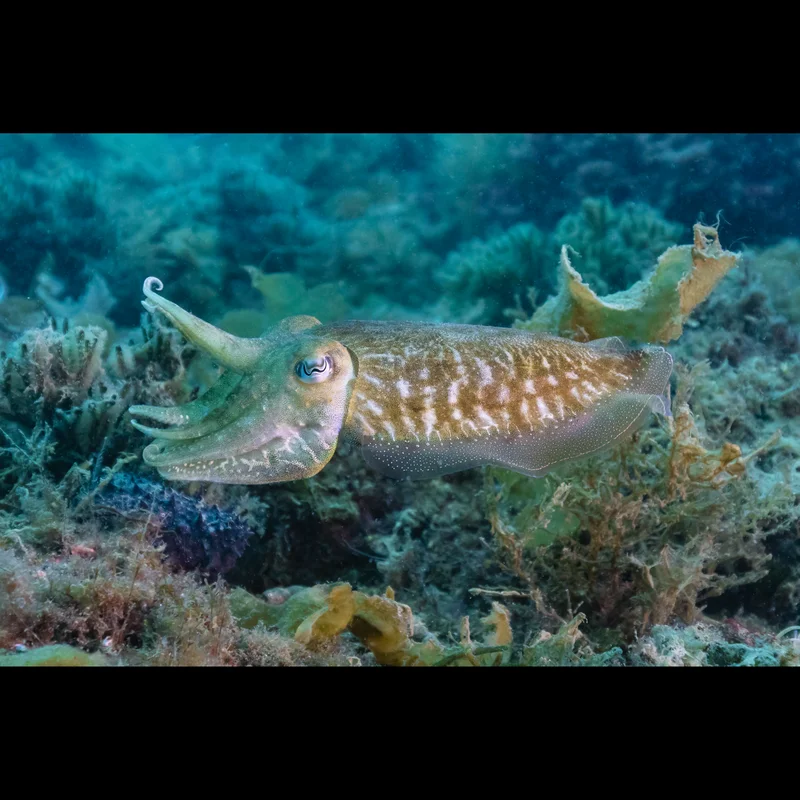
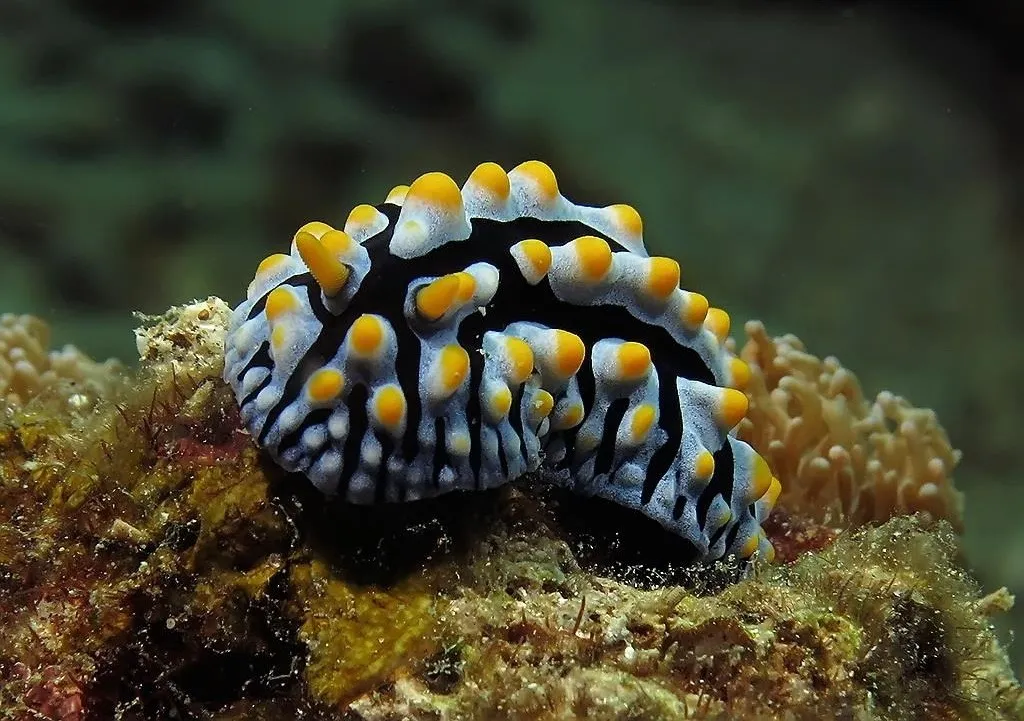
The reefs at Tanjung Lagoon offer a consistent display of common tropical coral reef inhabitants. Divers may encounter a variety of reef fish darting amongst the corals, along with occasional sightings of nudibranchs and cuttlefish navigating the reef structure.
While not guaranteed, reports indicate the possibility of observing sharks and various species of turtles. Very rarely, and if conditions align, a whale shark might even make an appearance, though this is considered an exceptionally uncommon event. The site provides ample opportunities to observe the typical diversity of a healthy reef ecosystem.

Dive Sites Near Tanjung Lagoon
View all dive sites in MalaysiaDiscover more underwater gems in this area.
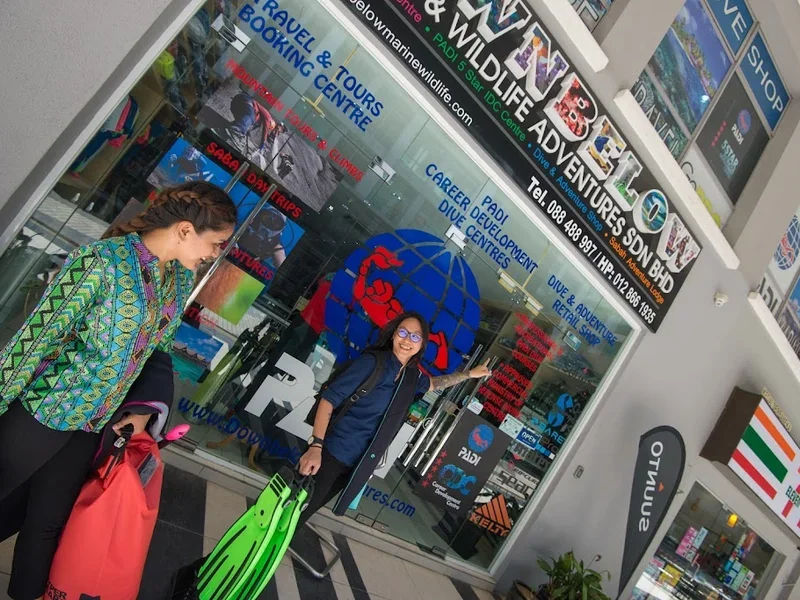
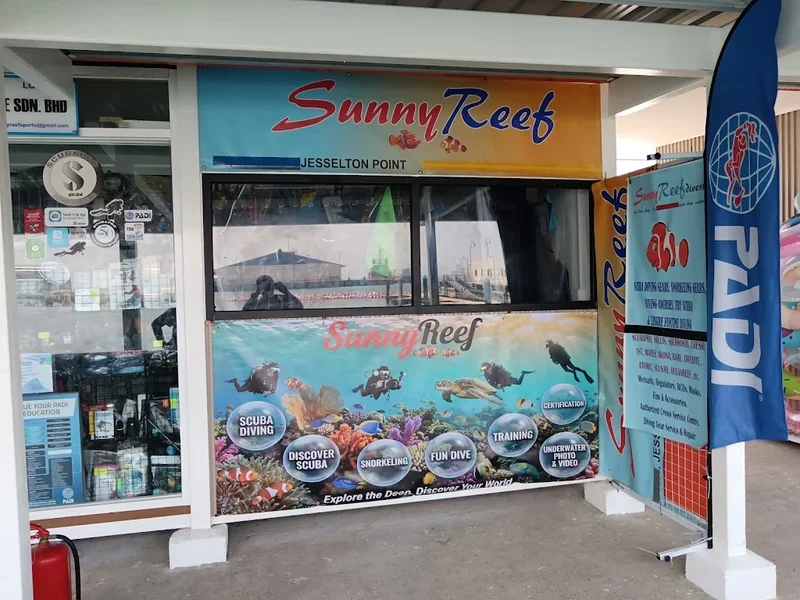
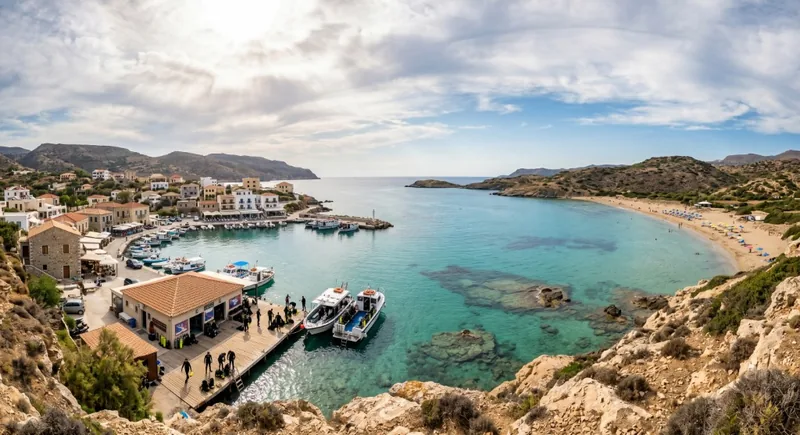
Dive Centers Near Tanjung Lagoon
Nearest Airports
Nearest airports to help plan travel to this dive area.
Search Flights
Check available flights and routes on Expedia, using the nearby airports listed in this section.
Search Flights on ExpediaFrequently Asked Questions
What is the typical depth range for diving at Tanjung Lagoon?
Dives at Tanjung Lagoon generally explore a maximum depth of approximately 24 m (79 ft), with many reef areas averaging around 18 m (59 ft). It's considered a relatively shallow dive site, suitable for various skill levels.
What are the common marine life sightings?
Divers frequently encounter a range of reef fish, nudibranchs, and cuttlefish. There are also possibilities of spotting turtles and various types of sharks. Whale shark sightings are exceptionally rare.
Is Tanjung Lagoon suitable for new divers?
Yes, its moderate depths and generally calm conditions, with a noted absence of strong currents, make it a favorable site for new divers to develop and practice their skills.
What is the visibility like at the dive site?
Visibility at Tanjung Lagoon can vary and is not consistently reported as excellent. Its proximity to the mainland is sometimes cited as a factor influencing water clarity.
Are there strong currents to be aware of?
No, strong currents are generally not reported at Tanjung Lagoon. Divers can typically expect a calm underwater experience, making it a relaxed environment for exploration.
What is the best time of year to dive at Tanjung Lagoon?
The period from February through August generally offers 'Good' to 'Excellent' diving conditions. April is often highlighted as a prime month due to lower wave heights and stable weather, enhancing the dive experience.
Are there any conservation efforts associated with the dive site?
Yes, local dive centers often play an active role in conservation. They organize beach clean-ups and coral planting initiatives to protect the fragile marine ecosystem surrounding the island and similar sites in the region.
Planning to dive Tanjung Lagoon?
Send one inquiry and receive offers directly from the best verified local dive operators.
Conditions are Excellent
07:00 - 14:00
Optimal conditions expected
Current conditions near Tanjung Lagoon show 25° air, 31° sea temperature, 0.7 m waves, and 20 km/h wind. Forecast data is refreshed regularly to ensure accuracy.