
Diving at Red Bay (Malta)
For divers exploring Malta's underwater world, Red Bay, or Xatt l-Ahmar, consistently presents a diverse range of opportunities. Here, an extensive array of submerged attractions awaits, from a natural wall reef to several significant wrecks. The site accommodates a broad spectrum of certifications, allowing for both advanced wreck exploration and more relaxed reef dives. Expect a compelling blend of natural topography alongside purposeful artificial reefs.
Tonight's objective overview for Red Bay shows an air temperature of 26°C. The measured surface conditions include wave heights around 0.3 m. This environmental data is logged for the close of the day.
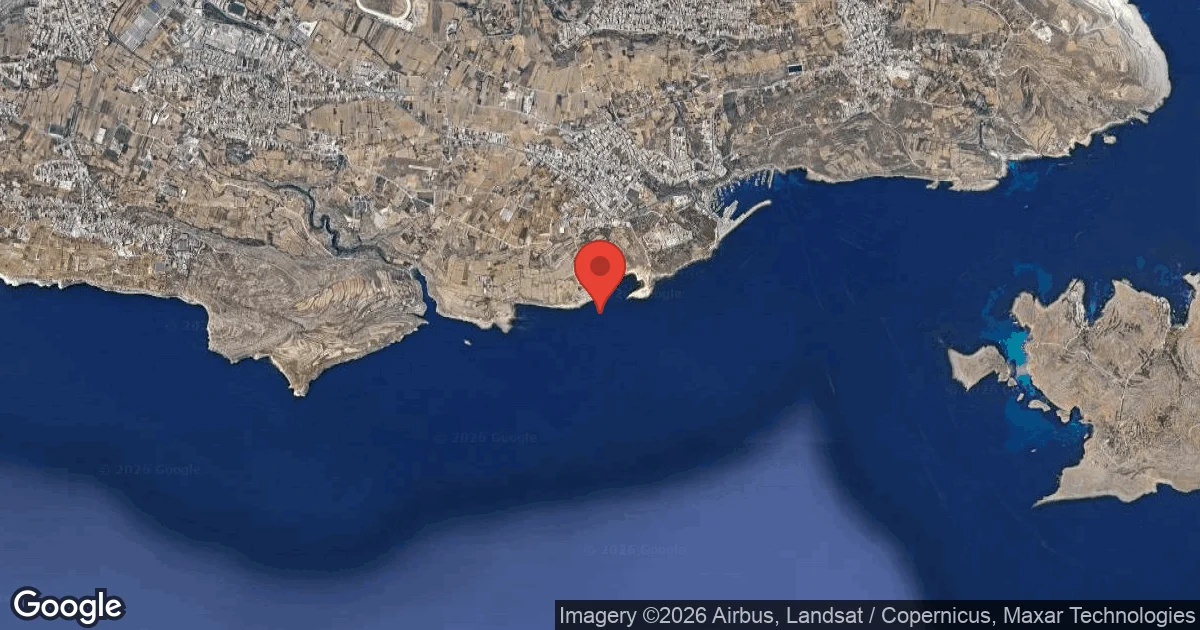
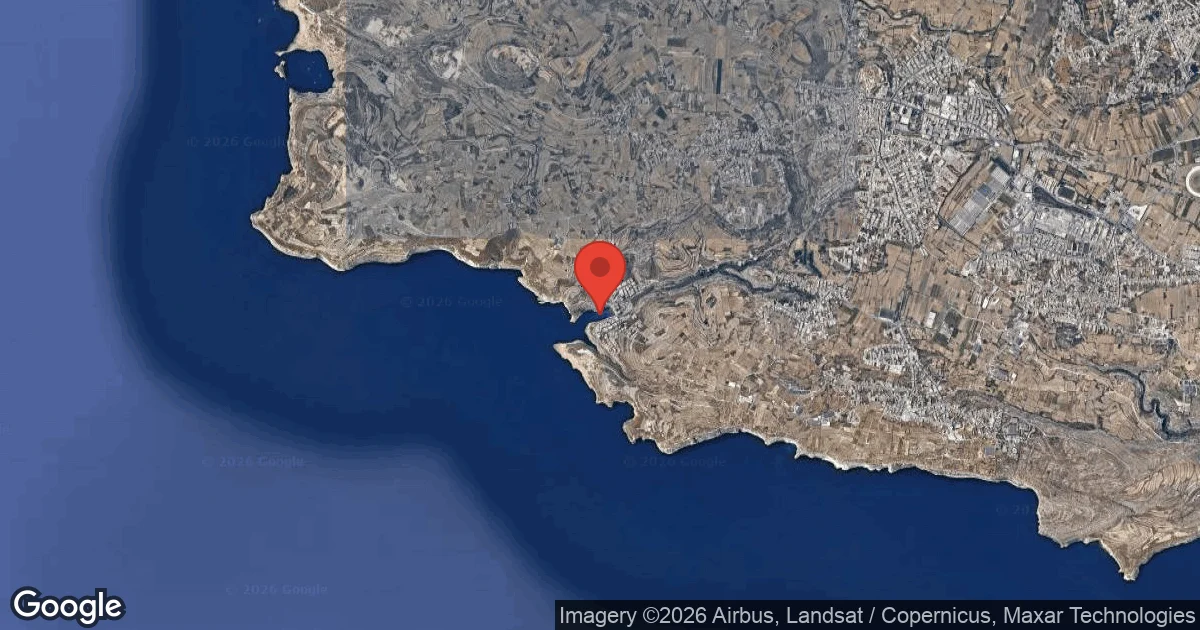
Dive Site Location & Key Facts
Dive Site Overview
Red Bay's underwater topography is shaped by an impressive collection of diveable features. A prominent wall reef, interspersed with accessible caves, establishes a natural boundary, gradually transitioning into a shallow bay area.
This shallower zone proves ideal for less experienced divers or training sessions. However, deep wrecks truly define the site's appeal, including the MV Cominoland, MV Karwela, and MV Xlendi, all intentionally scuttled as artificial reefs.
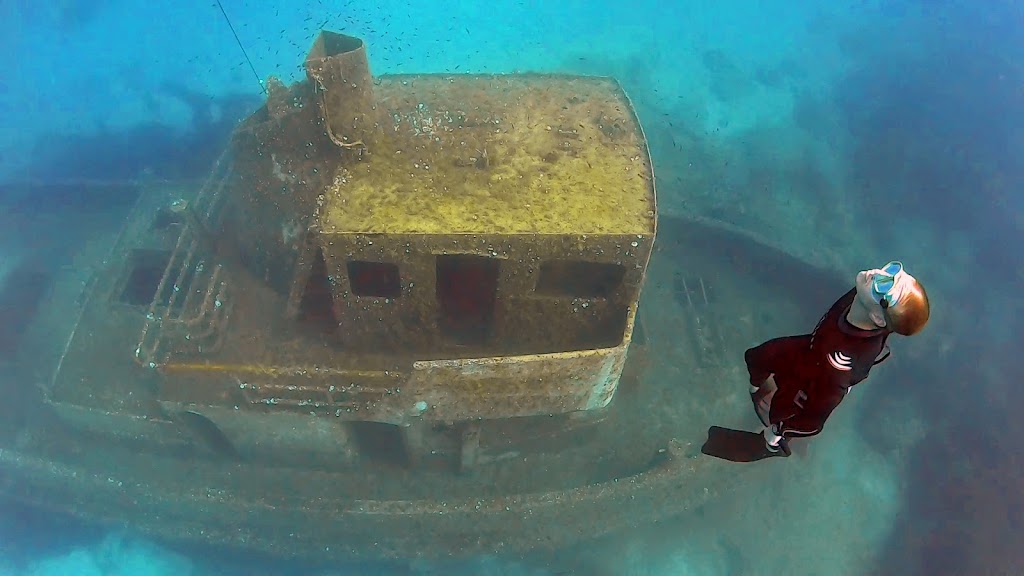
Passenger ferry MV Karwela, measuring 50 m (164 ft), and tourist cruise ship MV Cominoland, at 40 m (131 ft), both sit upright around 40 m (131 ft) depth, having been purposefully sunk in 2006. Another significant wreck, the 80 m (262 ft) ro-ro ferry MV Xlendi, scuttled in 1999, rests upside down at 42 m (138 ft).
Expanding wreck diving opportunities further, the 60 m (197 ft) oil tanker Hephaestus was added in 2022. Each wreck offers unique exploration possibilities, from superstructure penetration on the upright vessels to navigating the inverted layout of the Xlendi, attracting divers with varied technical interests and experience.
Conditions are Excellent
07:00 - 14:00
Optimal conditions expected
Current conditions near Red Bay show 26° air, 29° sea temperature, 0.3 m waves, and 15 km/h wind. Forecast data is refreshed regularly to ensure accuracy.
Best Time to Dive
Planning your visit for optimal conditions means aiming for months when underwater visibility is typically at its clearest. The period from May through October generally offers 'Good' dive scores, coinciding with lower average wave heights, reduced wind speeds, and minimal rainfall. Air temperatures during these months are comfortably warm, ranging from around 19°C (66°F) in May up to 26.5°C (80°F) in August. While specific water temperature data isn't consistently reported, Mediterranean waters warm considerably during this peak season, typically peaking in late summer. Winter months, from November to April, see 'Moderate' dive scores with higher average wave heights, stronger winds, and increased rain, which can impact underwater clarity. July and August often present the calmest surface conditions.
PEAK SEASON SCORE
Scores combine air & water temps, waves, wind & rainfall for overall conditions.
BEST MONTHS TO DIVE
Monthly records compiled from satellite and marine observation nodes over the last 3 years. Data provided by Open-Meteo and MET Norway.
Dive Experience & Conditions
Accessing Red Bay involves a medium shore entry, leading into a sheltered shallow bay. This area provides an ideal environment for beginner divers or those undergoing training, allowing for comfortable acclimatization. Venturing further, divers encounter the more challenging conditions of the deeper wreck sites. The presence of multiple wrecks, some lying at depths up to 42 m (138 ft), demands appropriate advanced certification and experience. Even seasoned divers appreciate the ability to thoroughly explore the structural details of these vessels, such as the Rozi shipwreck's anchor at 32 m (105 ft), without quickly exceeding no-decompression limits due to the manageable depths of the wreck interiors themselves.
Dive Difficulty & Safety Guidelines
Diving at Red Bay requires careful consideration of depth and certification levels. While the shallow bay and reef areas are suitable for beginners, exploring the wrecks demands advanced training due to their considerable depths, some reaching over 40 m (131 ft). Divers should always plan their gas consumption meticulously, especially when considering additional swimming time to features like specific wreck anchors.
The buddy system is crucial for all dives, and divers should be prepared for potential currents, which vary depending on local weather conditions. Maintaining awareness of your surroundings and respecting depth limits are paramount for a safe experience here.
Recommended Equipment
Overhead environment. Do not enter beyond training and gas planning limits.
- Dive Computer
- Primary & Backup Lights
- Reel / Spool
- Cutting Tool
This gear list is based on verified equipment signals for Red Bay, Malta. Always confirm final gear choices with your dive operator, guide, or liveaboard.
Recommended Dive Suit
In conditions like these, many divers prefer diving with dive skin or rash guard.
Current readings at Red Bay show water temperatures near 29°C (84°F). Surface air temperatures are resting at 26°C (79°F).
Forecast models indicate that diving conditions should remain largely unchanged.
Due to technical issues with our weather providers, live updates are temporarily delayed. The data above reflects the conditions at the time of the last successful fetch.
Emergency & Medical Support
Essential information to help you plan your dive trip to Red bay.

Hyperbaric chambers are a critical part of dive safety infrastructure. Availability varies significantly by region, and not all dive areas have immediate access.
Before diving, it's recommended to:
- confirm nearest medical facilities
- check emergency procedures with local dive operators
- ensure dive insurance covers evacuation if required
Divers Alert Network
Diving emergency assistance available through DAN Europe.
+39 0642115685- 24/7 emergency hotline
- Diving medical assistance
- Evacuation coordination
Emergency contacts are provided for reference. Always verify local emergency services before diving.
Closest Listed Hyperbaric Chambers
Showing listed hyperbaric chamber facilities within 200 km of this dive site.
Distances are approximate straight-line distances and may not reflect emergency travel time.
Gozo
24/7 ListedICU CapableVictoria, Malta•Approx. 5 km straight-line
Gozo
24/7 ListedICU CapableInformation is provided for reference and planning purposes only. Dive Navigator does not verify operational status, staffing, availability, or quality of care at listed facilities. In an emergency, contact local emergency services, DAN, your dive operator, or the chamber directly. Do not travel to a facility without calling ahead.
Hyperbaric Unit - Mater Dei Hospital
24/7 ListedICU CapableMsida, Malta•Approx. 23 km straight-line
Hyperbaric Unit - Mater Dei Hospital
24/7 ListedICU CapableInformation is provided for reference and planning purposes only. Dive Navigator does not verify operational status, staffing, availability, or quality of care at listed facilities. In an emergency, contact local emergency services, DAN, your dive operator, or the chamber directly. Do not travel to a facility without calling ahead.
Marine Life at Red Bay
Observing the marine life around Red Bay often begins with the smaller, more intricate residents. Divers frequently discover squid eggs, especially in sheltered areas or on wreck structures.
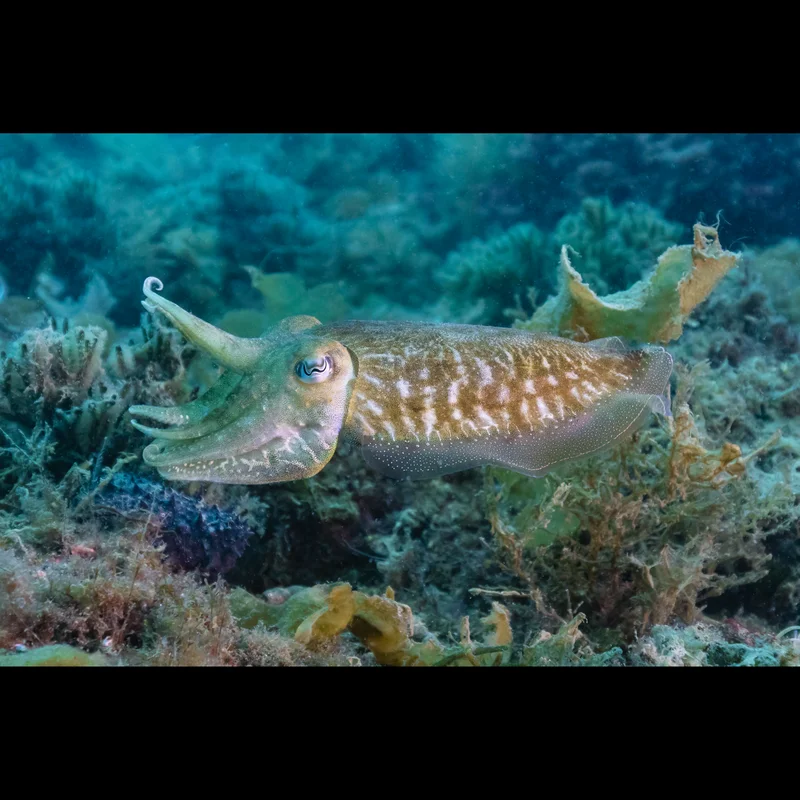
Occasional sightings include larger specimens like cuttlefish or even the elusive john dory. During springtime, Malta's waters can experience mauve stinger jellyfish blooms, adding a dynamic, if cautious, element to the dive.
The wrecks themselves act as artificial reefs, attracting various species and providing abundant opportunities for macro photography.

Dive Sites Near Red Bay
View all dive sites in MaltaDiscover more underwater gems in this area.
Dive Centers Near Red Bay

Today: 08:30 - 17:00
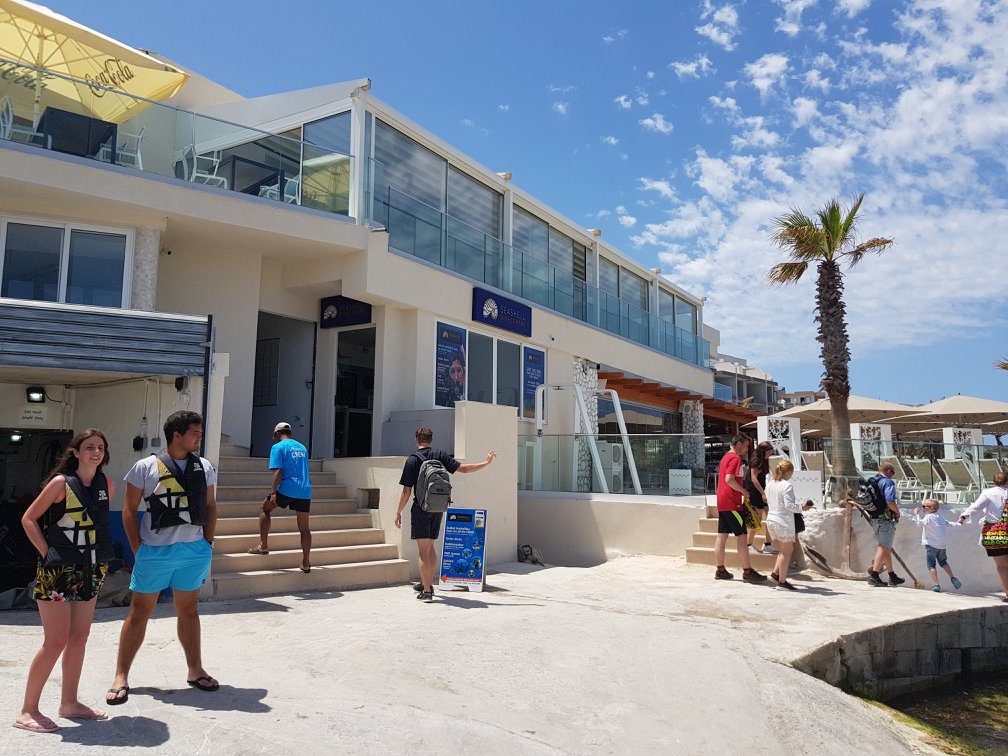
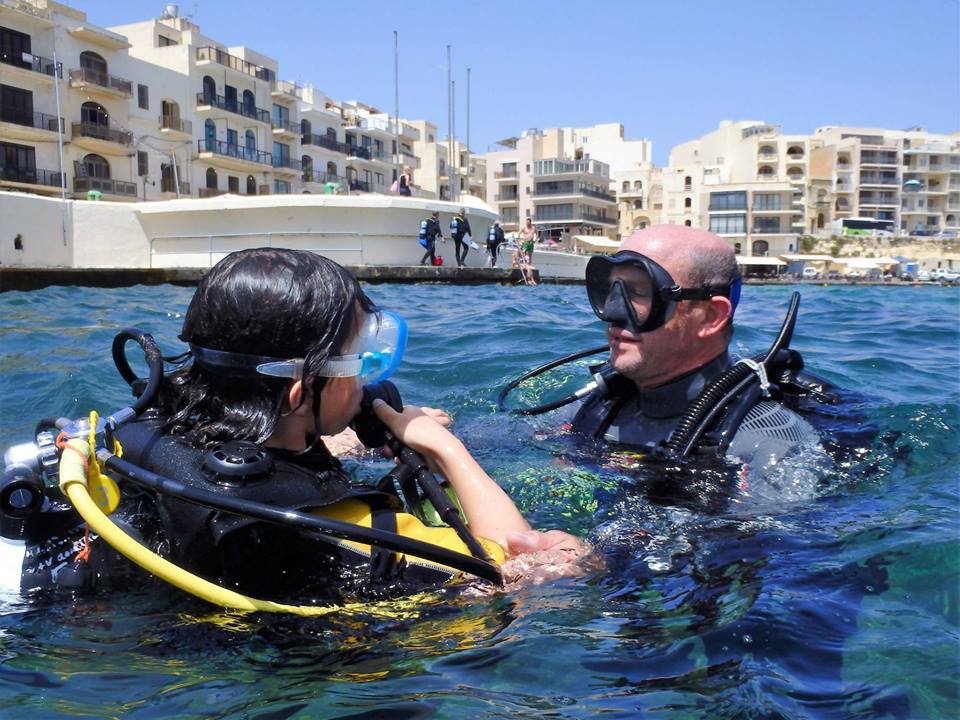
Nearest Airports
Nearest airports to help plan travel to this dive area.
Search Flights
Check available flights and routes on Expedia, using the nearby airports listed in this section.
Search Flights on ExpediaFrequently Asked Questions
What kind of dive sites are available at Red Bay?
Red Bay offers a diverse range of dive sites, including a wall reef, several natural caves, a shallow bay, and four major shipwrecks: the MV Cominoland, MV Karwela, MV Xlendi, and the oil tanker Hephaestus.
What are the typical depths for diving at Red Bay?
Depths vary significantly. The shallow bay and reef areas are typically around 15 m (50 ft). The prominent wrecks generally range from 40 m (131 ft) to 42 m (138 ft) for the main structures, requiring appropriate certification.
Is Red Bay suitable for beginner divers?
Yes, the shallow bay and reef sections are considered suitable for beginners. However, exploring the deeper wrecks requires advanced certifications due to the depths involved.
What marine life can I expect to see?
Divers may encounter a variety of marine life, including squid eggs on wreck features, cuttlefish, and occasionally more unusual sightings like the john dory. Seasonal jellyfish blooms can also occur.
When is the best time of year to dive Red Bay?
The months from May to October offer the best diving conditions, with 'Good' dive scores due to calmer seas, lower wind speeds, and minimal rainfall, contributing to better underwater visibility.
How do I access the dive sites at Red Bay?
Red Bay offers medium shore access to its various dive sites. While convenient, some deeper wreck explorations might benefit from boat access to save bottom time.
Planning to dive Red Bay?
Send one inquiry and receive offers directly from the best verified local dive operators.
Conditions are Excellent
07:00 - 14:00
Optimal conditions expected
Current conditions near Red Bay show 26° air, 29° sea temperature, 0.3 m waves, and 15 km/h wind. Forecast data is refreshed regularly to ensure accuracy.