
Diving at Karwela (Malta)
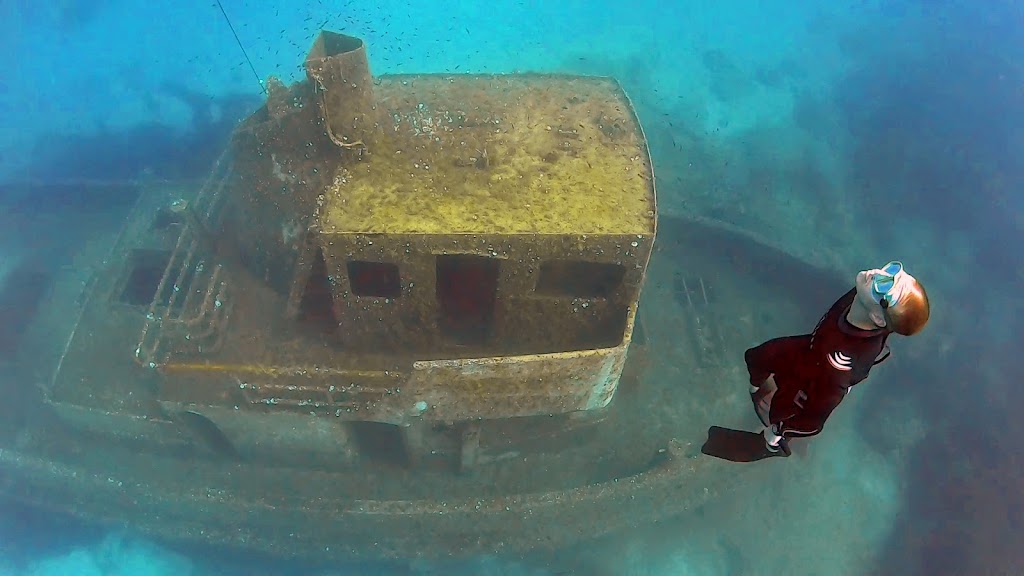
The MV Karwela, a former Captain Morgan Cruises passenger vessel, was intentionally scuttled on August 12, 2006. An artificial reef and compelling dive site off the coast of Gozo, Malta, was created. Originally ferrying passengers around the Grand Harbour and to Comino, the vessel now rests upright on a sandy bottom, providing a substantial historical structure for certified divers.
As evening covers Karwela, the local air temperature is measured at 26.5°C. The current wave height at the surface is recorded at 0.3 m. These late-day readings characterize the surface conditions for the night.
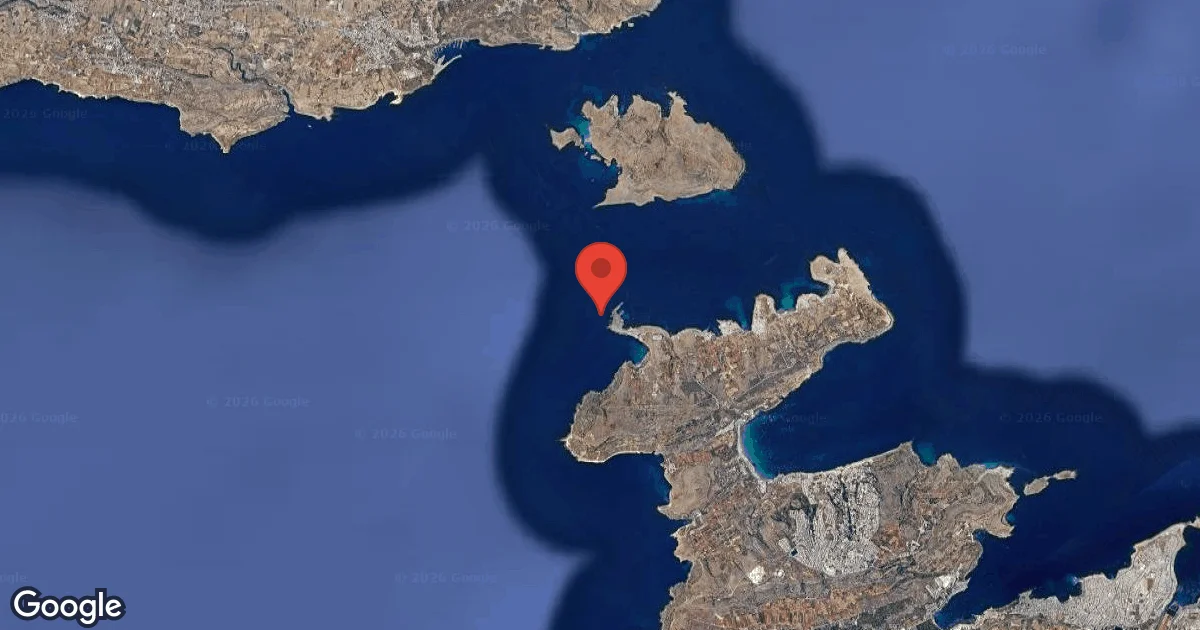
Dive Site Location & Key Facts
Dive Site Overview
Resting perfectly upright on a sandy bottom off Gozo's southern coast, the MV Karwela wreck spans approximately 50 m / 164 ft in length. This former Captain Morgan Cruises passenger ferry, intentionally scuttled in August 2006, was prepared with large openings along its sides before deployment, making its three decks safely accessible for exploration.
The top deck and captain's cabin begin at around 30 meters; its bow lies deeper, and the stern settles near the maximum depth of the wreck. An intact structure, including the bridge and staircase, provides divers with extensive opportunities to navigate the exterior and interior. A distinctive feature inside is the grand staircase, which leads to the lower deck and is often highlighted by porthole light, presenting an engaging photographic subject.
Descending to the wreck, typically from shore, reveals the vessel in its entirety, serving as a prominent artificial reef in the Xatt l-Aħmar area alongside other significant wrecks. An immersive experience awaits those comfortable with deeper profiles.
Conditions are Good
Optimal conditions expected
Current conditions near Karwela show 27° air, 28° sea temperature, 0.3 m waves, and 28 km/h wind. Forecast data is refreshed regularly to ensure accuracy.
Best Time to Dive
Optimal visibility for diving the Karwela wreck typically aligns with warmer, drier months in Malta, from late spring through early autumn. Between May and October, average air temperatures range comfortably from 19-26.5°C / 66-80°F. Rainfall during this period is consistently minimal, often less than 1.2 mm / 0.05 inches per month, with some months recording near zero precipitation. Such conditions generally promote calmer sea states and reduced particulate matter in the water, directly contributing to enhanced underwater clarity and a brighter dive environment. Conversely, winter months, like January, typically experience higher average rainfall, around 3.0 mm / 0.12 inches, and cooler air temperatures of about 15.5°C / 60°F. Seasonal shifts can sometimes impact visibility and surface conditions.
PEAK SEASON SCORE
Scores combine air & water temps, waves, wind & rainfall for overall conditions.
BEST MONTHS TO DIVE
Monthly records compiled from satellite and marine observation nodes over the last 3 years. Data provided by Open-Meteo and MET Norway.
Dive Experience & Conditions
Exploring the Karwela wreck demands a deep diving certification due to its considerable depth; the top deck is encountered at significant depths, with the wreck extending to its deepest points. Divers exploring the interior will find ample opportunities across its three decks, including the grand staircase. While accessible through pre-cut openings, penetration diving necessitates advanced training, ideally a Wreck Diver specialty, to safely navigate the interior. Resting on a sandy bottom, a small amount of silt exists inside, requiring careful buoyancy control to avoid disturbing it and preserving visibility. Approaching this site is regularly done as a shore dive, though boat access is also an option, particularly for managing gas consumption at depth.
Dive Difficulty & Safety Guidelines
Diving the Karwela wreck, particularly when considering penetration, requires adherence to specific safety protocols. Given the depths involved, proper deep diving training and extensive experience are essential. Divers attempting to enter the wreck should possess a Wreck Diver specialty, understanding inherent risks associated with overhead environments, potential silt-out conditions, and limited exits.
Maintaining precise buoyancy control is crucial both around and inside the wreck to prevent disturbing the minimal silt layer and preserving visibility for yourself and others. Always plan your dive carefully, monitor gas consumption, and dive within certification limits with a qualified buddy. Decompression procedures may be necessary depending on bottom time.
Recommended Equipment
Deep dive hazard. Increased narcosis and gas consumption risk.
Overhead / entanglement risk. Wreck penetration requires proper training.
- Dive Computer
- DSMB
- Primary & Backup Lights
- Wreck Reel
- Cutting Tool
This gear list is based on verified equipment signals for Karwela, Malta. Always confirm final gear choices with your dive operator, guide, or liveaboard.
Recommended Dive Suit
For dives of average duration, 2-3mm shorty or light wetsuit usually provides sufficient protection from heat loss.
Divers entering the water at Karwela today can expect temperatures near 28°C (83°F) beneath the surface. Surface air temperatures are resting at 27°C (80°F).
Weather projections show fairly stable environmental conditions ahead.
Emergency & Medical Support
Essential information to help you plan your dive trip to Karwela.

Hyperbaric chambers are a critical part of dive safety infrastructure. Availability varies significantly by region, and not all dive areas have immediate access.
Before diving, it's recommended to:
- confirm nearest medical facilities
- check emergency procedures with local dive operators
- ensure dive insurance covers evacuation if required
Divers Alert Network
Diving emergency assistance available through DAN Europe.
+39 0642115685- 24/7 emergency hotline
- Diving medical assistance
- Evacuation coordination
Emergency contacts are provided for reference. Always verify local emergency services before diving.
Closest Listed Hyperbaric Chambers
Showing listed hyperbaric chamber facilities within 200 km of this dive site.
Distances are approximate straight-line distances and may not reflect emergency travel time.
Gozo
24/7 ListedICU CapableVictoria, Malta•Approx. 5 km straight-line
Gozo
24/7 ListedICU CapableInformation is provided for reference and planning purposes only. Dive Navigator does not verify operational status, staffing, availability, or quality of care at listed facilities. In an emergency, contact local emergency services, DAN, your dive operator, or the chamber directly. Do not travel to a facility without calling ahead.
Hyperbaric Unit - Mater Dei Hospital
24/7 ListedICU CapableMsida, Malta•Approx. 24 km straight-line
Hyperbaric Unit - Mater Dei Hospital
24/7 ListedICU CapableInformation is provided for reference and planning purposes only. Dive Navigator does not verify operational status, staffing, availability, or quality of care at listed facilities. In an emergency, contact local emergency services, DAN, your dive operator, or the chamber directly. Do not travel to a facility without calling ahead.
Marine Life at Karwela
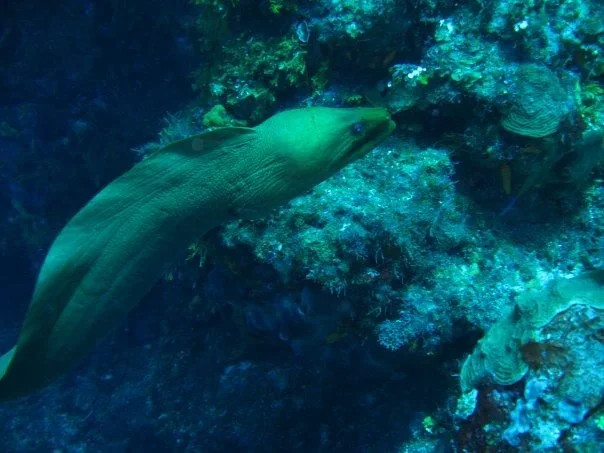
The Karwela wreck, settled on the sandy bottom, has become an established artificial reef where marine growth gradually covers its structure. Within various openings and sheltered crevices, divers may encounter Moray Eels, often observed peeking from their spots.
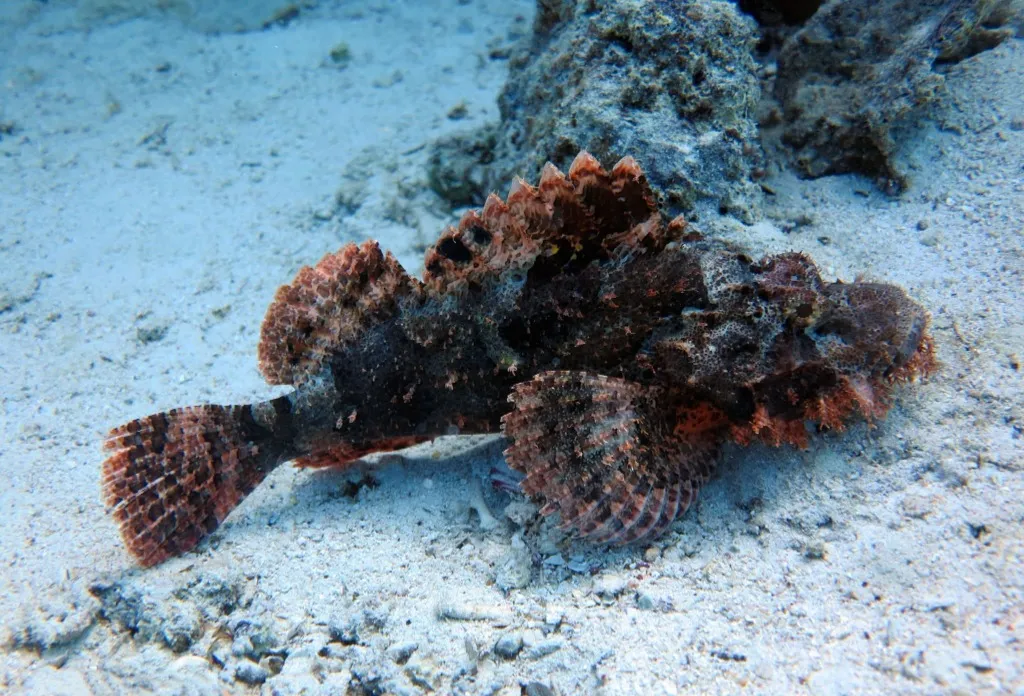
Scorpionfish are also reported to frequent the wreck, blending into the encrusted surfaces. Its integrity, even with increasing marine growth, supports a modest but noticeable community, offering glimpses of common Mediterranean reef inhabitants navigating the artificial landscape.
Dive Sites Near Karwela
View all dive sites in MaltaDiscover more underwater gems in this area.
Dive Centers Near Karwela
Today: 08:30 - 17:00
Nearest Airports
Nearest airports to help plan travel to this dive area.
Search Flights
Check available flights and routes on Expedia, using the nearby airports listed in this section.
Search Flights on ExpediaFrequently Asked Questions
What is the maximum depth of the MV Karwela wreck?
The Karwela wreck reaches a maximum depth of 42 m / 138 ft. Its upper decks are found at shallower depths, starting around 30 meters, with other sections lying deeper.
Is the MV Karwela wreck suitable for beginner divers?
No, due to its depth, the Karwela is better suited for experienced divers holding a Deep Diving certification. Specialized training is recommended for safety.
Can divers penetrate the MV Karwela wreck?
Yes, the wreck was prepared with large openings for safe penetration across its three decks. Divers require appropriate wreck diving training and experience for interior exploration.
What is the most notable feature of the wreck?
The grand staircase inside the wreck is considered its most iconic feature. It offers striking photographic opportunities and leads to the lower deck, illuminated by portholes.
Where is the MV Karwela wreck located?
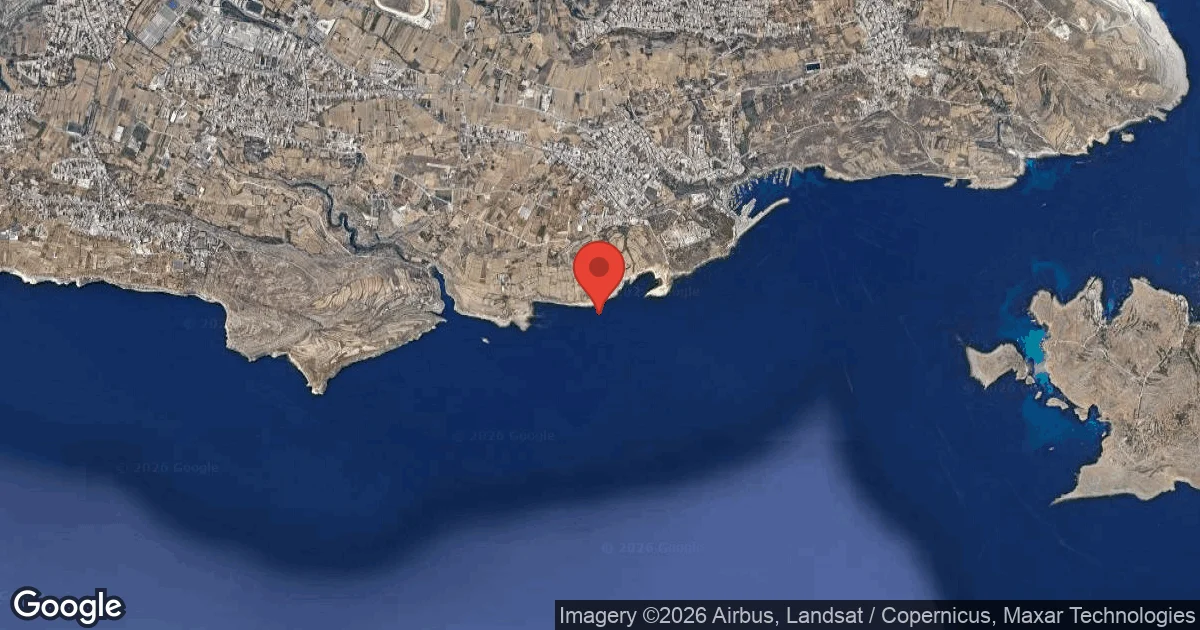
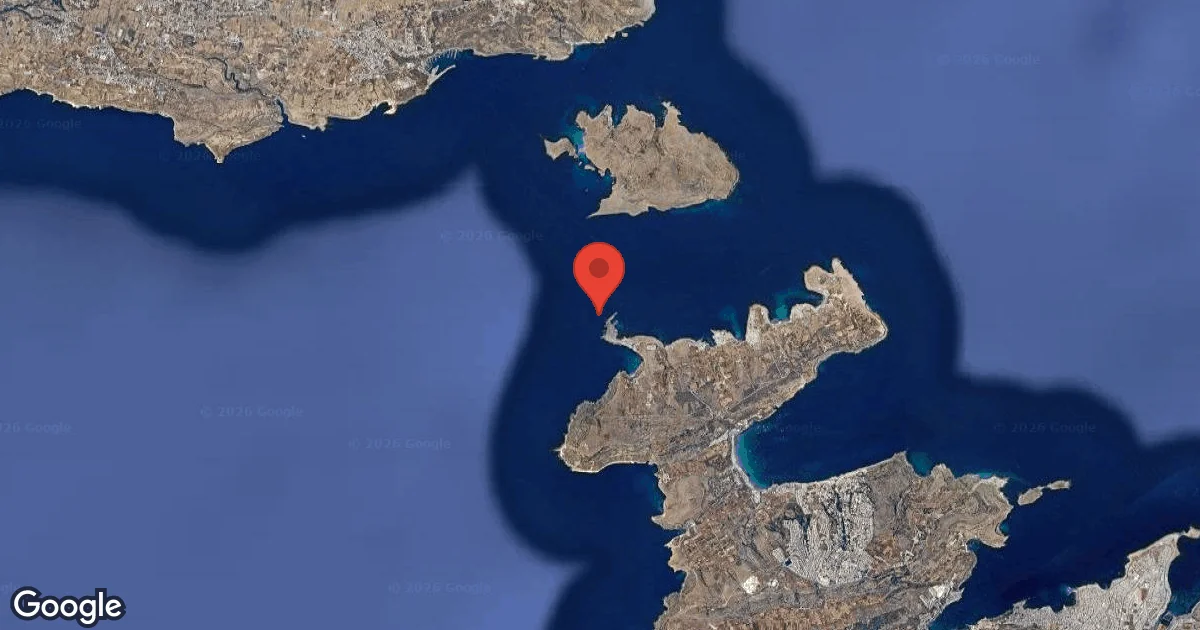
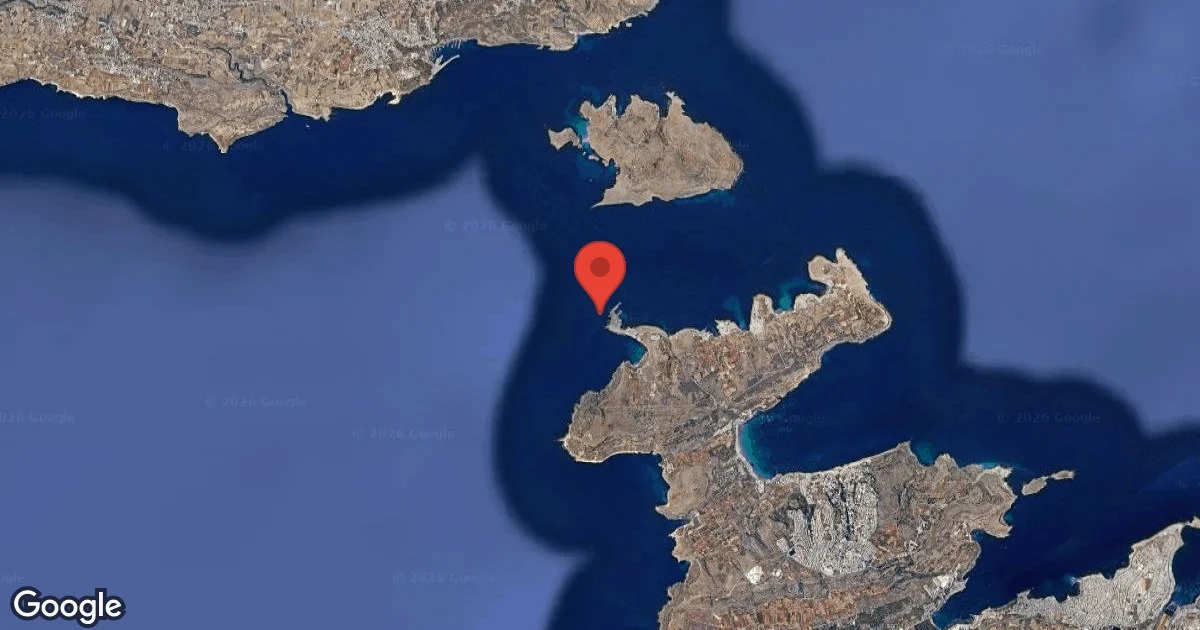
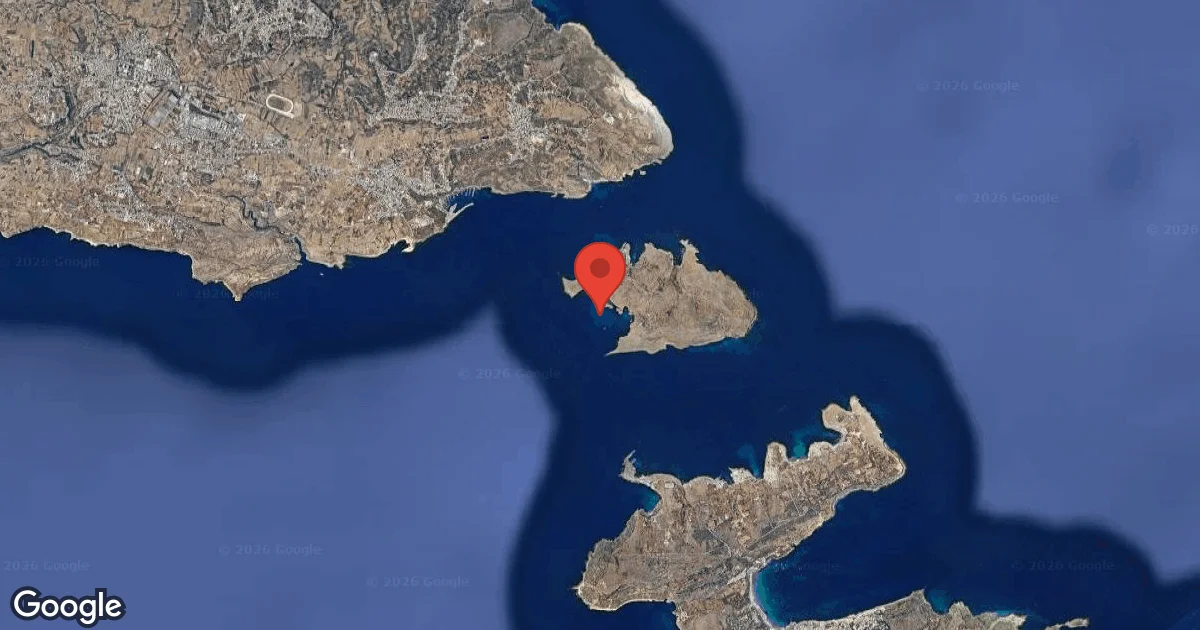
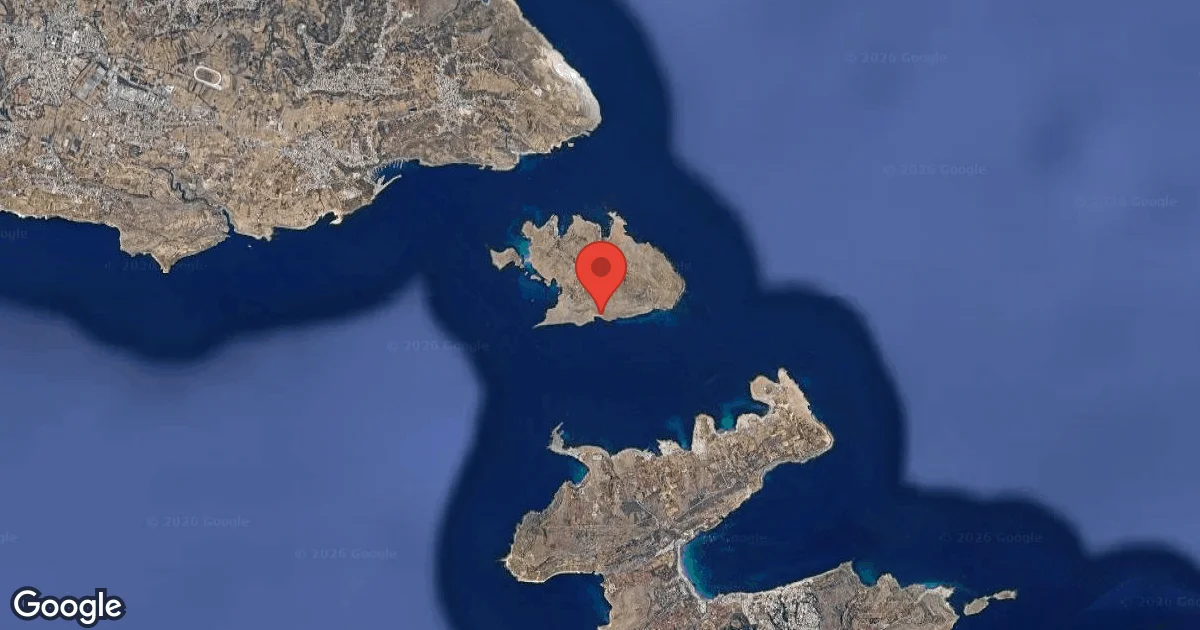
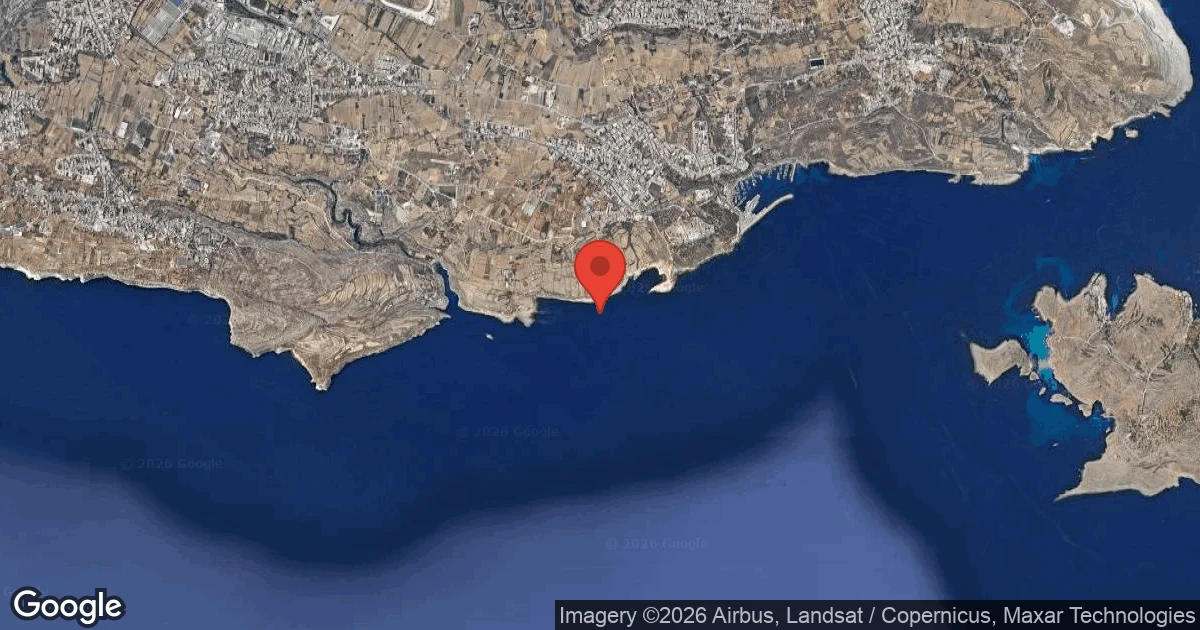
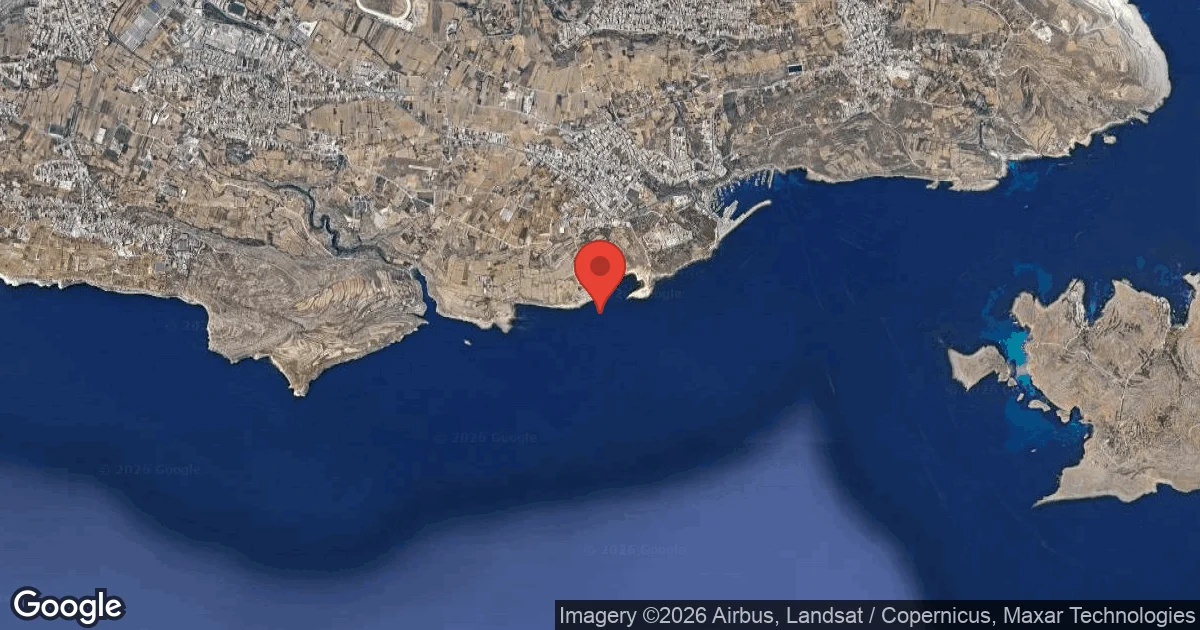
The wreck lies off the coast of Xatt l-Aħmar, on Gozo's southern side, near Mgarr harbor. This area hosts several notable wrecks.
Are there other wrecks near the MV Karwela?
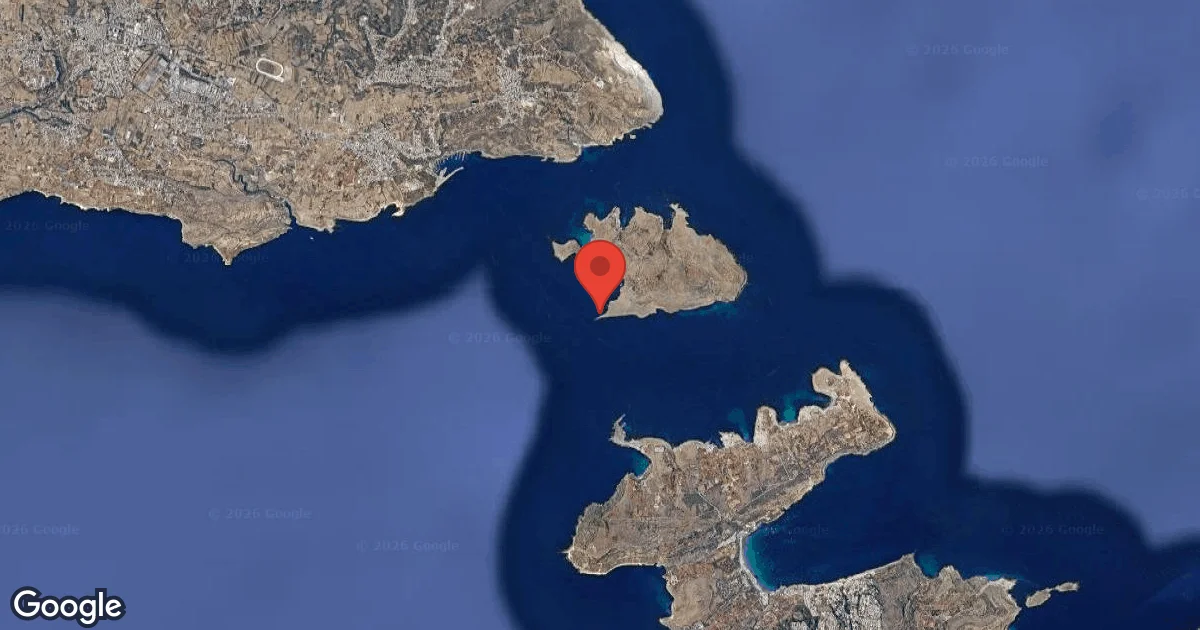
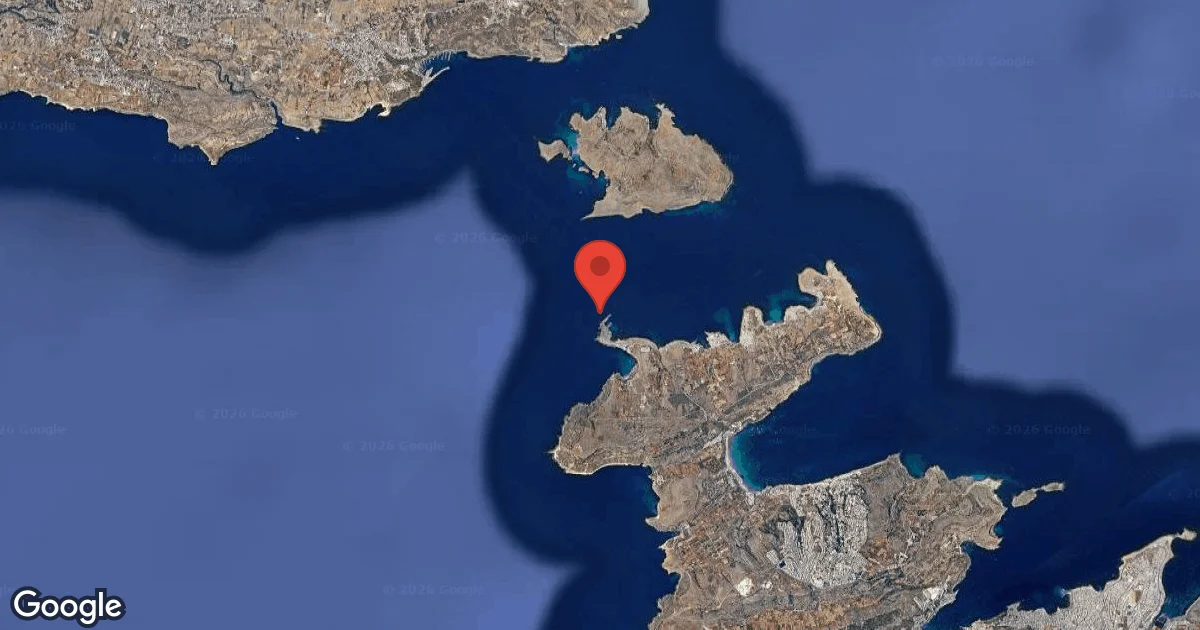
Yes, the MV Cominoland, MV Xlendi, and MT Hephaestus wrecks are also nearby in the Xatt l-Aħmar area. This allows divers to explore multiple sites on a single trip.
Planning to dive Karwela?
Send one inquiry and receive offers directly from the best verified local dive operators.
Conditions are Good
Optimal conditions expected
Current conditions near Karwela show 27° air, 28° sea temperature, 0.3 m waves, and 28 km/h wind. Forecast data is refreshed regularly to ensure accuracy.