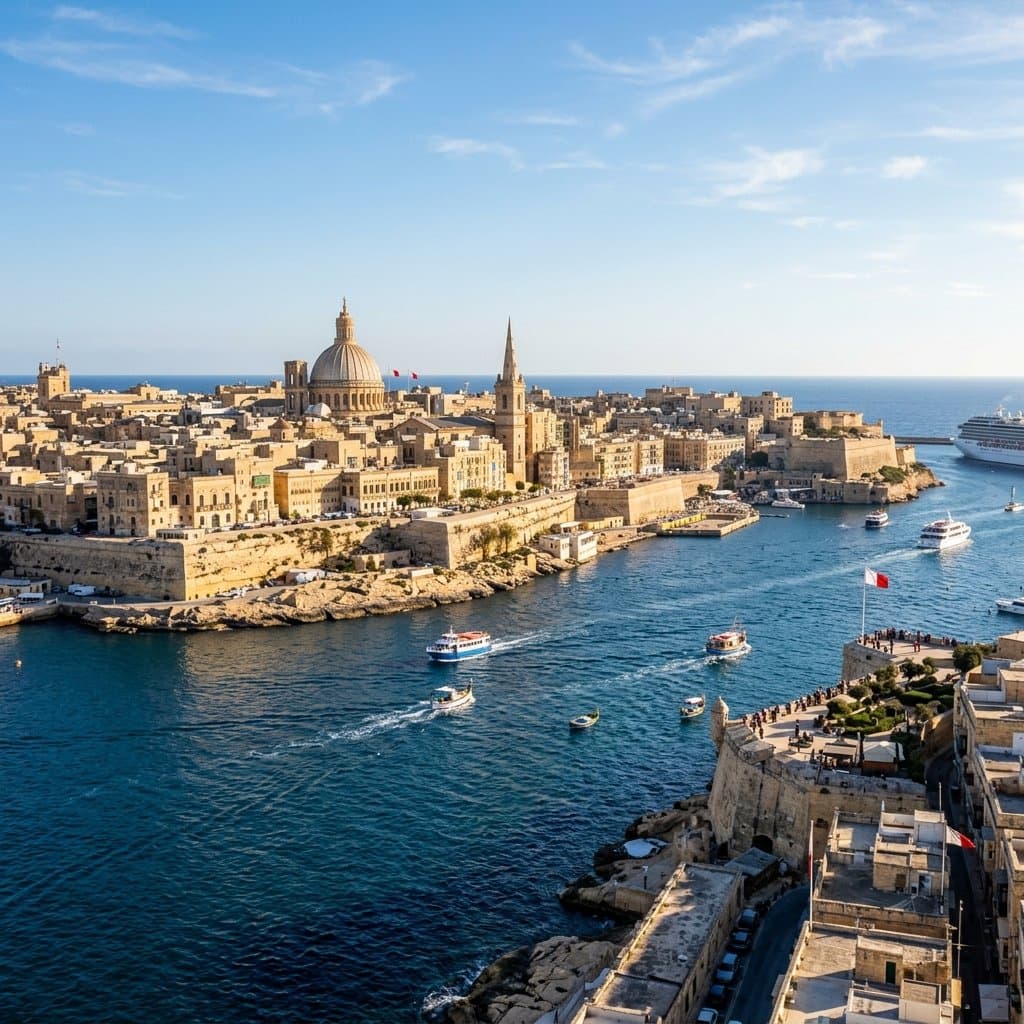
Diving in Malta
Malta features a variety of dive sites, where conditions depend on both environmental factors and site characteristics. We currently feature 78 mapped dive sites across Malta.
The Maltese archipelago, comprising Malta, Gozo, and Comino, presents a distinctive geological formation that extends far beneath the Mediterranean surface. This creates a compelling underwater topography, characterized by extensive cave systems, dramatic archways, and sheer walls. These natural structures are complemented by numerous historical wrecks from both World War I and II, alongside intentionally scuttled vessels that now form artificial reefs.
Underwater exploration here caters to a broad spectrum of divers, from those seeking introductory experiences in sheltered bays to advanced enthusiasts navigating deep historical sites. Conditions are consistently good, with water visibility often reaching 30 to 40 meters (100 to 130 ft). This clarity allows for detailed appreciation of the varied dive sites.
Within these diverse environments, divers frequently encounter octopuses, groupers, barracudas, and moray eels. Seahorses and various nudibranchs also inhabit the reefs and wrecks, adding to the allure of underwater observation across these islands.
Dive Map of Malta
Understanding the geographical distribution of dive sites across the three Maltese islands is key to planning an itinerary. The main island of Malta functions as the primary access point, providing numerous shore and boat diving options directly from its coasts. Its developed infrastructure supports convenient daily excursions to a variety of nearby locations.
For exploring Gozo's distinct underwater attractions, divers typically undertake a short ferry journey from Malta. Gozo offers both shore and boat diving, featuring sites such as the Blue Hole. Comino, the smallest island, is accessed exclusively by boat, often as part of a dedicated day trip to its extensive cave systems and unique pinnacles.
This island-hopping strategy facilitates a dynamic dive experience, enabling the combination of different site types within a relatively compact area. Efficient planning around these access methods ensures a comprehensive exploration of the Maltese archipelago's varied underwater offerings.
Dive Sites to Explore
View all 78 sites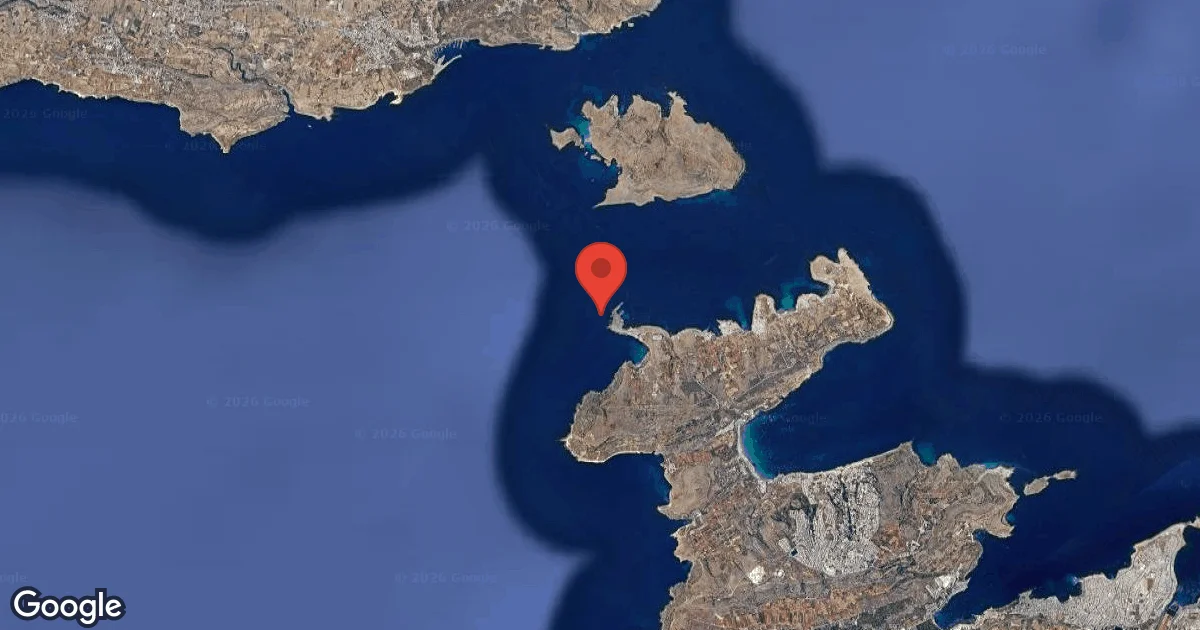
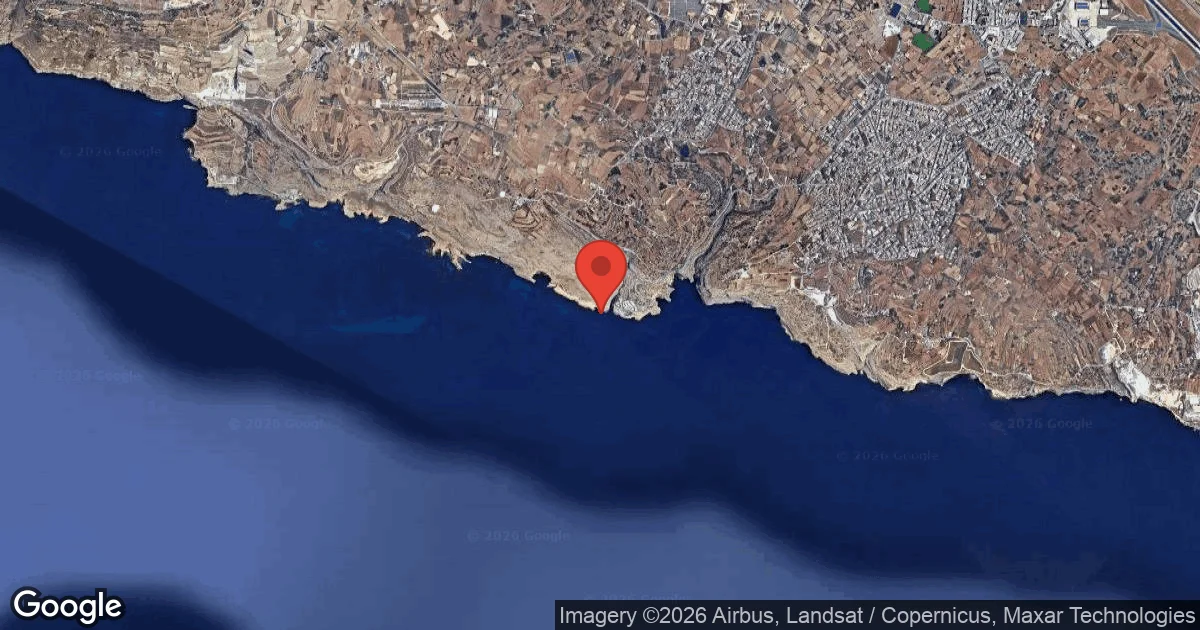
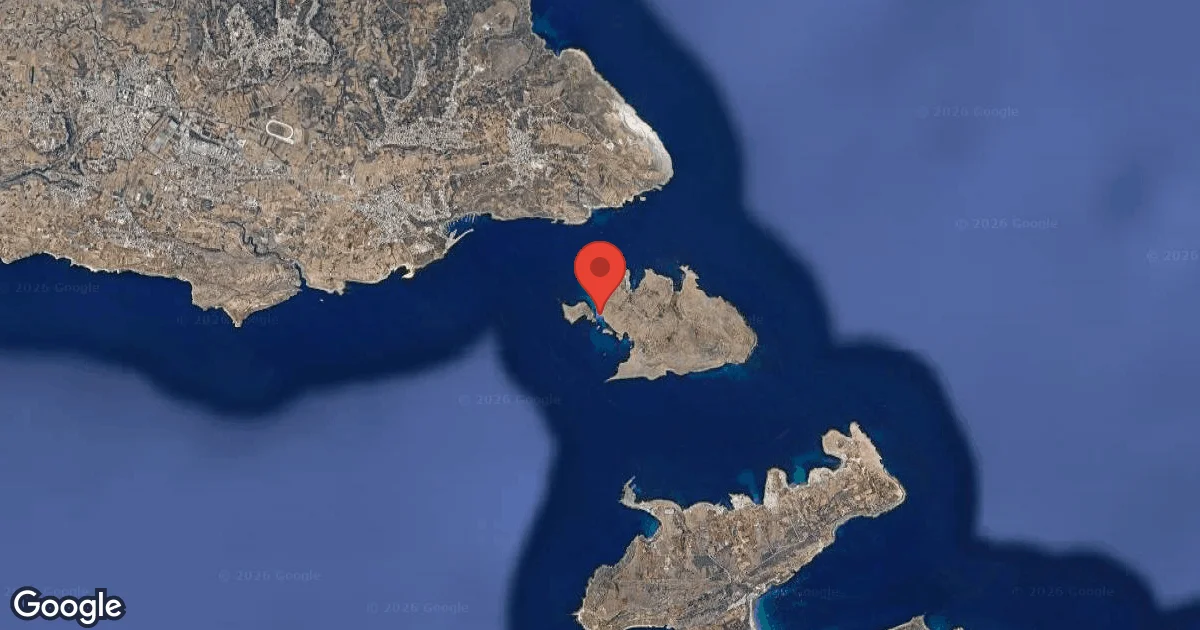
Malta's dive sites span a significant depth range, providing options for every certification level, from shallow, sheltered training areas to deep, challenging wreck penetrations. Beginners can find ideal conditions in places like Għar Lapsi on Malta’s southwest coast, a shallow reef known for its cave system, or Xlendi Bay in Gozo, which offers easy entry and fascinating underwater topography.
Moving to intermediate depths, the Ċirkewwa area on Malta’s northwest tip is a popular zone. Here, the P29 patrol boat rests upright at approximately 34 meters (112 ft), a 52-meter (170 ft) former coast guard vessel scuttled as a dive site. Nearby, the MV Rozi tugboat offers another engaging wreck for advanced divers. In Gozo, the Xatt l-Aħmar Wrecks, including the MV Karwela and MV Cominoland, lie around 38-40 meters (125-130 ft) deep, providing artificial reefs with a variety of marine life.
For technical divers, Malta's waters hold a collection of deep historical wrecks. The Schnellboot S-31, a WWII German torpedo boat, lies at 66 meters (217 ft), while the Fairey Swordfish airplane is found at 70 meters (230 ft). The HMS Stubborn, a British S-class submarine, rests at about 56 meters (184 ft) off Qawra. These deeper sites promise unique historical exploration, often with excellent visibility that can reach 30 to 40 meters (100 to 130 ft), making them accessible for divers with appropriate training and experience.
Best Time to Dive in Malta
The ideal time for a dive trip to Malta is often shaped by personal preferences for water conditions and marine encounters throughout the year. While diving is possible year-round, each season offers a distinct experience for visitors.
Summer, from June to August, features the warmest sea temperatures and excellent visibility, making it a popular period for general diving and observing common reef species. Conversely, the cooler winter months, November to March, are often favored by experienced divers seeking quieter wreck sites and the potential for larger pelagic sightings away from peak crowds.
Autumn, spanning September and October, presents a favorable balance, with water temperatures remaining warm and visibility still excellent, drawing many divers who appreciate good conditions with fewer visitors. Spring, in April and May, also provides pleasant conditions, with waters warming and crowds reduced. Throughout the year, visibility consistently ranges from 20 to 40 meters (65 to 130 ft), ensuring clear views of the diverse underwater environment.
Monthly Sea Temperatures
Selecting appropriate exposure protection for diving in Malta is directly linked to the seasonal variations in sea temperature. During the warmest period from July to September, water temperatures range from 24-28°C (75-82°F), making a 3-5mm wetsuit or a shorty suitable for most divers.
As spring approaches, from April to June, temperatures are cooler, typically between 17-21°C (63-70°F). A 5-7mm wetsuit is generally recommended for comfort during these months. In autumn, from October to November, the sea gradually cools to 20-23°C (68-73°F), where a 5-7mm wetsuit or a semi-dry suit would be appropriate.
The coolest conditions are found in winter, from November to March, when temperatures drop to 14-16°C (57-61°F). Divers during this period might opt for a drysuit or a very thick wetsuit to ensure thermal comfort. Overall, Malta's sea temperatures range from a low of 14°C (57°F) to a high of 28°C (82°F) across the year.
| Jan | Feb | Mar | Apr | May | Jun | Jul | Aug | Sep | Oct | Nov | Dec | |
|---|---|---|---|---|---|---|---|---|---|---|---|---|
| Max | 17° | 16° | 17° | 18° | 21° | 26° | 27° | 28° | 27° | 25° | 23° | 20° |
| Avg | 16° | 15° | 15° | 16° | 19° | 23° | 26° | 26° | 26° | 23° | 21° | 18° |
| Min | 15° | 15° | 14° | 15° | 16° | 20° | 24° | 24° | 24° | 22° | 19° | 16° |
Dive Conditions
The underwater environment in Malta provides conditions that facilitate a wide array of diving experiences, from novice training to advanced wreck exploration. Visibility here is consistently excellent, often ranging from 20 to 40 meters (65 to 130 ft), frequently surpassing 30 meters (100 ft), particularly around Gozo. This clarity significantly enhances the appreciation of the expansive underwater topography and the marine life inhabiting it.
Currents in Maltese waters are typically weak or mild. This generally calm environment presents minimal challenges for most dives, making it highly unlikely for divers to encounter strong currents, except possibly on deeper, more exposed wreck sites located further offshore. Such stability allows for relaxed diving and extends the suitability of many sites to all certification levels, including beginners.
The presence of numerous calm, sheltered entry points across the islands further boosts accessibility and safety, especially for new divers or those undergoing training. These predictable conditions ensure a comfortable and rewarding underwater experience, supporting a broad spectrum of diving activities throughout the archipelago.
Marine Life Highlights
Most Mentioned Species
Marine life in Malta varies across dive locations, with different species appearing depending on environment and conditions. The species highlighted here are the most frequently associated with dive sites in our data, offering a realistic overview of what divers are most likely to encounter.
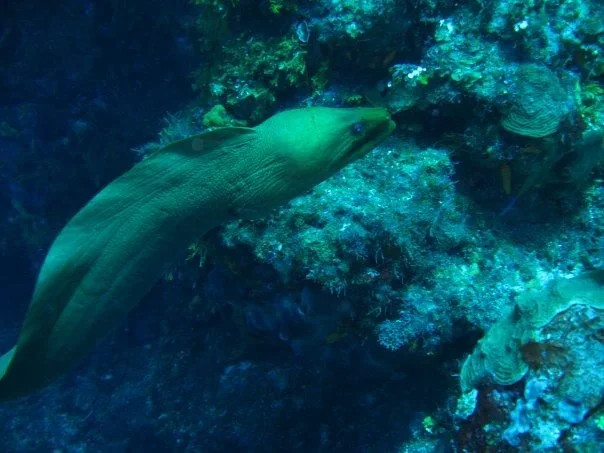
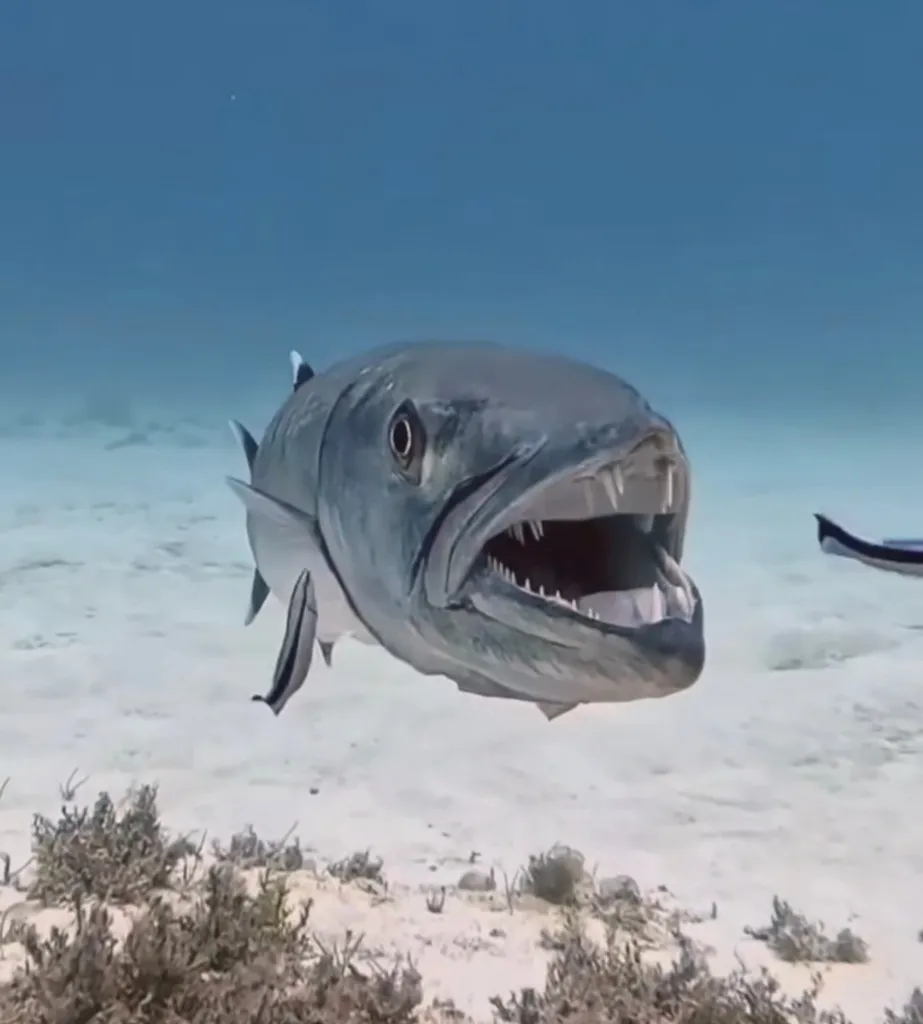
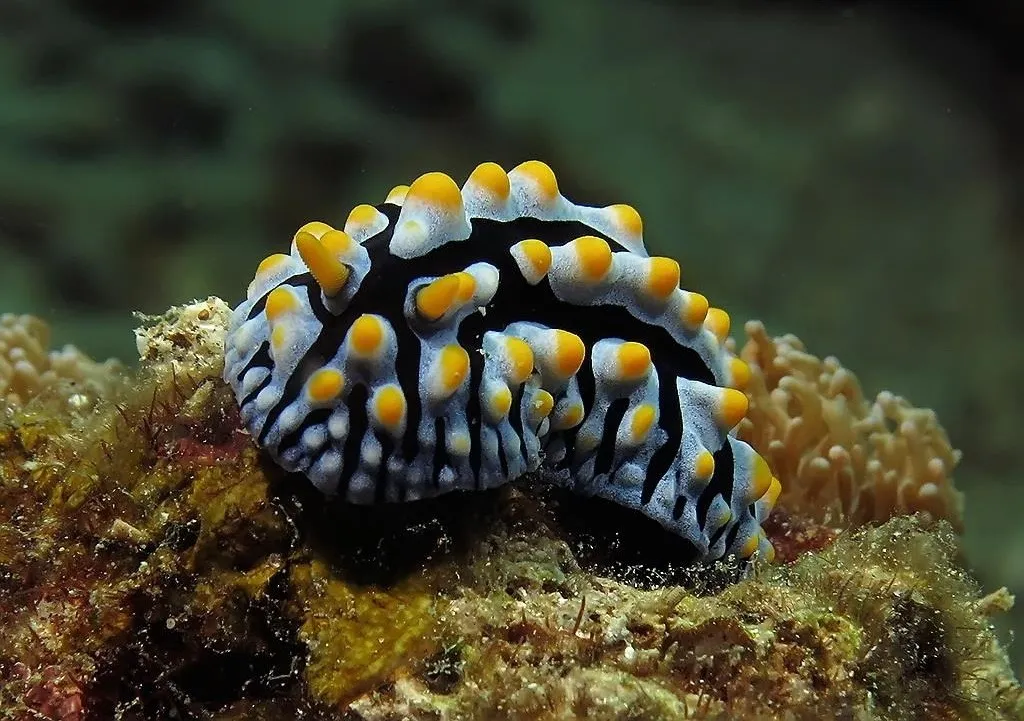
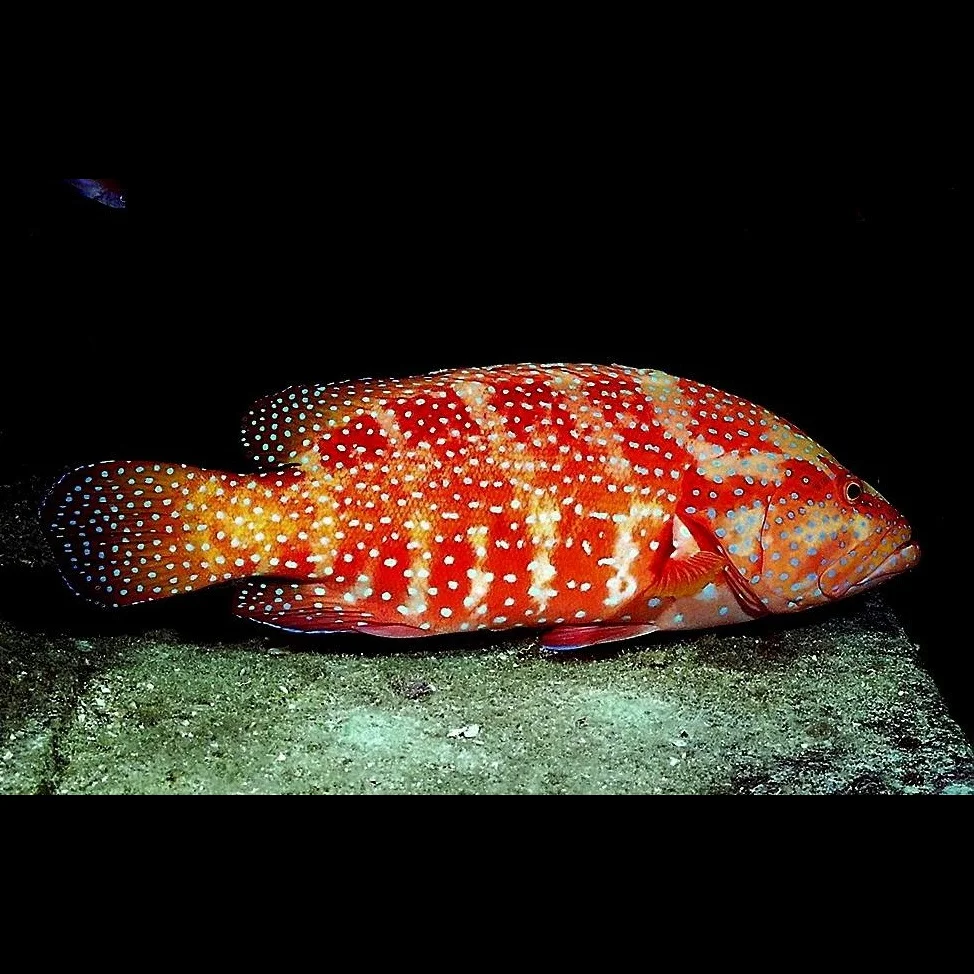
Diver encounters in Malta's waters typically feature a variety of Mediterranean species inhabiting its reefs, caves, and wrecks. Octopuses are commonly spotted, often camouflaged within crevices, while groupers and barracudas patrol the reefs and wrecks. Moray eels can be observed lurking in rocky formations and within ship structures.
Macro enthusiasts will find a selection of nudibranchs, sponges, and colorful coral-like tubeworms. Other frequent sightings include schools of bream, damselfish, parrotfish, and wrasses. On night dives, the experience transforms with the appearance of nocturnal creatures like hunting moray eels, cuttlefish, and spiny lobsters, alongside the occasional bioluminescent plankton sparkles.
While rays and tuna are less common, they are occasionally sighted. Sharks and turtles are rare encounters in these waters. The diverse underwater environment provides ample opportunities for observing both reef inhabitants and those species that seek refuge in the artificial structures of the wrecks.
Regions for Diving
Exploring Malta's dive regions offers a progression through diverse underwater landscapes, starting with the main island and extending to its smaller counterparts. The main island of Malta is the most frequented, providing numerous shore and boat dives. Eastern Malta, encompassing destinations like Marsaskala, St. Thomas Bay, and St. Peter’s Pool, features a mix of reefs and coastal formations. On Malta's northwest tip, Ċirkewwa is a popular area, known for sites such as the P29 patrol boat and the MV Rozi wreck, both accessible to advanced divers. The island's southwest coast, including Wied iż-Żurrieq, is home to the impressive Um El Faroud Wreck, a 115-meter (377 ft) tanker resting upright.
Moving to Gozo, accessible by ferry, divers discover equally compelling sites. Dwejra is notable for its Blue Hole, a natural sinkhole offering a unique entry to the Mediterranean, and the remnants of the Azure Window. Xlendi Bay on Gozo’s southwest coast provides an easy yet fascinating dive, ideal for beginners. Off Gozo’s southern coast at Xatt l-Aħmar, three scuttled wrecks, the MV Karwela, MV Cominoland, and the MV Xlendi, form artificial reefs at depths around 38-40 meters (125-130 ft). Visibility around Gozo is often noted as being particularly good, contributing to the appeal of sites like Reqqa Point with its dramatic swim-throughs and caverns.
The smallest island, Comino, requires boat access but rewards divers with unique experiences. The Santa Maria Caves, a cluster of at least 10 interconnected caverns, offer shallow yet beautiful swim-throughs. Lantern Point, a pinnacle dive at Comino's southwest tip, is known for its distinctive underwater architecture. Each island presents a distinct character, ensuring a comprehensive diving itinerary for those exploring the Maltese archipelago.
Travel & Passport Guide
Travel Basics
Trip Planning
Safety & Diving Considerations
Diver safety in Malta is reinforced by both natural environmental factors and established operational measures. The overall stability of the underwater environment plays a significant role, as currents are generally weak. This means divers rarely encounter challenging conditions, with stronger currents typically limited to specific deeper wreck sites. Such predictable calm contributes to a secure and manageable diving experience for all levels.
Furthermore, Malta is considered a very safe destination for dive education, with numerous sheltered sites ideal for introductory courses. Dive centers across the islands are known for operating with experienced, certified instructors and maintaining small group sizes. This approach ensures personalized attention and strict adherence to safety protocols, fostering confidence in the underwater environment.
Support infrastructure also contributes to safety; Malta is equipped with a hyperbaric chamber, providing essential medical facilities for diving-related incidents. These combined elements—stable natural conditions, professional dive operations, and accessible medical support—make Malta a reliable choice for both recreational and technical diving.
Dive Centers in Malta
View all 30 dive centers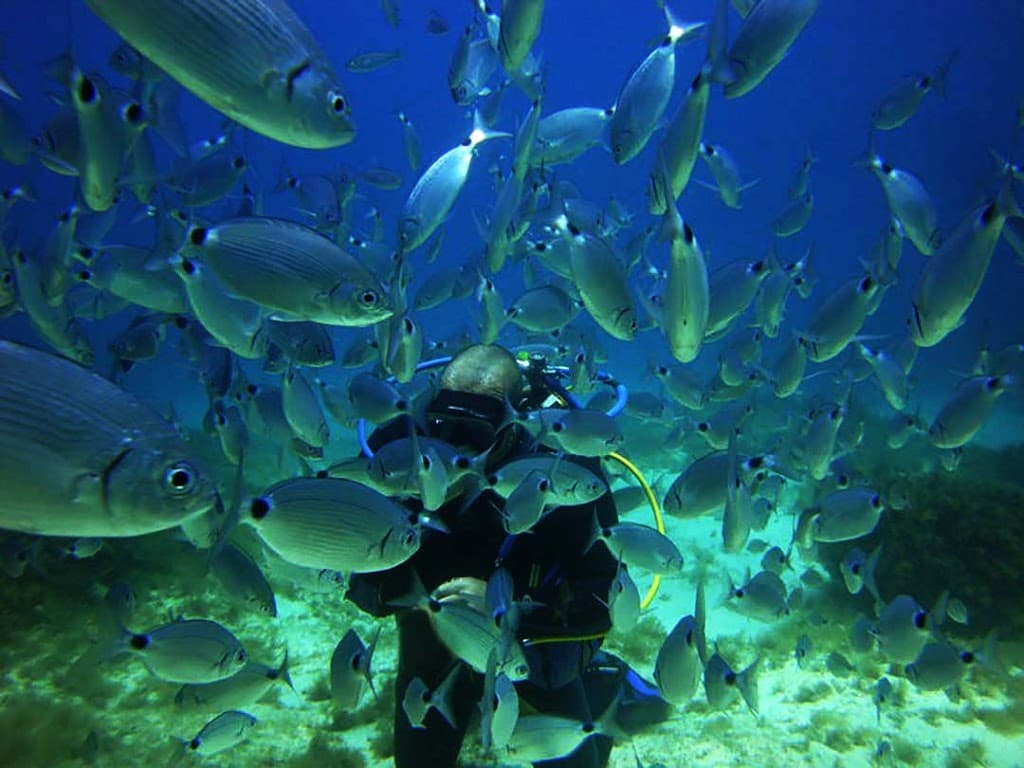
Frequently Asked Questions
What is the best time of year to dive in Malta?
The peak diving season in Malta runs from April to October. Summer (June-August) offers the warmest waters, 24-28°C (75-82°F), and excellent visibility. Autumn (September-October) is often considered ideal, with still-warm seas around 20-23°C (68-73°F) and fewer crowds. Winter diving (November-March) is possible, with cooler waters, 14-16°C (57-61°F), and quieter wreck sites.
What types of dive sites can I explore in Malta?
Malta offers a diverse range of dive sites. You can explore numerous historical World War I and II wrecks, including submarines and airplanes, alongside intentionally scuttled ships and patrol boats that serve as artificial reefs. Natural formations such as extensive cave systems, dramatic archways, and wall dives are also prominent, particularly around Gozo and Comino.
What marine life can I expect to see while diving in Malta?
Divers often encounter octopuses, groupers, barracudas, and moray eels. Seahorses, cuttlefish, and various nudibranchs are also common sightings on the reefs and wrecks. Schools of bream, damselfish, parrotfish, and wrasses inhabit the waters. For macro enthusiasts, there are sponges, corals, and tubeworms. Rays and tuna are occasionally spotted, though sharks and turtles are rare.
What are the typical water temperatures in Malta?
Water temperatures in Malta range significantly throughout the year. In winter (November-March), temperatures are coldest, averaging 14-16°C (57-61°F). Spring (April-June) sees temperatures rise to 17-21°C (63-70°F). Summer (July-September) boasts the warmest waters, 24-28°C (75-82°F), while autumn (October-November) cools to 20-23°C (68-73°F).
Is Malta suitable for beginner divers?
Yes, Malta is highly suitable for beginner divers. Many sites, such as Xlendi Bay in Gozo and Anchor Bay on the main island, offer calm, sheltered entry points and shallow depths ideal for training. The generally weak currents and excellent visibility contribute to a safe and comfortable learning environment, supported by experienced and certified instructors.
What is the visibility like in Malta's waters?
Visibility in Malta is consistently excellent, often ranging from 20 to 40 meters (65 to 130 ft). It frequently exceeds 30 meters (100 ft), particularly around the island of Gozo. This high clarity allows divers to fully appreciate the extensive underwater landscapes, including both natural formations and the numerous historical and artificial wrecks.