
Diving at Sirena Hole (Montenegro)
Montenegro's rich diving history encompasses a growing number of captivating sites, with Sirena Hole emerging as a noteworthy destination for those seeking unique underwater topography. Dive operators locally recognize it as a top Montenegrin coast site; its designation as a 'vertical tunnel' or 'Mermaid Hall' speaks to its distinct geological character. Experienced divers are drawn by the challenge and allure of its deep, pass-through cave structure.
As evening covers Sirena Hole, the local air temperature is measured at 24.5°C. The current wave height at the surface is recorded at 0.1 m. These late-day readings characterize the surface conditions for the night.
Dive Site Location & Key Facts
Dive Site Overview
Sirena Hole presents as a striking pass-through underwater cave, a vertical corridor plunging dramatically into Montenegrin depths. A unique geological feature, it initiates descent at approximately 5 m / 16 ft, inviting divers into an impressive natural formation.
This true cavern's passage simultaneously guides exploration downwards through its compelling structure. Divers navigate the main corridor, observing intricate rock formations and characteristic shifts in light. While natural light filters into upper segments, earning its local moniker 'Mermaid Hall', extended verticality and considerable depth necessitate reliable underwater lights.
These are crucial for thorough exploration and safe navigation through more profound sections. Passage culminates at an exit point situated around 30 meters, leading back into open water.
The site's absolute deepest reported point extends to 32 m / 105 ft. A deep, overhead environment significantly distinguishes Sirena Hole from typical open-water reef dives, offering focused exploration.
Good buoyancy control and an appreciation for its unique topography are demanded, providing an engaging journey for those prepared to venture into its distinctive verticality.
Conditions are Excellent
07:00 - 14:00
Optimal conditions expected
Current conditions near Sirena Hole show 25° air, 27° sea temperature, 0.1 m waves, and 14 km/h wind. Forecast data is refreshed regularly to ensure accuracy.
Best Time to Dive
Optimizing visibility for this unique cave environment means planning a dive during the calmer summer months, typically from June through August, when dive conditions consistently receive an 'Excellent' rating. During this peak period, average air temperatures range between 24-27°C / 75-81°F, complemented by significantly reduced wave heights, often below 0.5 meters. Rainfall is minimal, rarely exceeding 5 mm per month, which helps maintain clearer water conditions. While these months offer the most favorable experience, the dive scores remain 'Good' from February through October, indicating a prolonged season suitable for exploring the site, though visibility may vary outside of summer's peak.
PEAK SEASON SCORE
Scores combine air & water temps, waves, wind & rainfall for overall conditions.
BEST MONTHS TO DIVE
Monthly records compiled from satellite and marine observation nodes over the last 3 years. Data provided by Open-Meteo and MET Norway.
Dive Experience & Conditions
Approaching Sirena Hole, divers find an environment where current dynamics are generally reported as absent within the vertical passage itself. This offers a stable and controlled setting for exploration once inside. Such stability is crucial given the site's nature, specifically catering to experienced divers. A recommended certification level of CMAS** or AOWD (Advanced Open Water Diver) and above is advisable, reflecting proficiency in buoyancy and navigation required for overhead environments. Water temperatures inside the cave tend to mirror typical Mediterranean seasonal patterns, varying throughout the year. While natural light filters into initial sections of this vertical corridor, true intricacies and deeper segments require mandatory use of reliable underwater lights. Lights are essential not just for safety and navigation through the extended passage but also for revealing unique rock formations and subtle life adapted to reduced light. A rewarding challenge awaits those prepared for a contained yet expansive overhead experience, demanding careful planning and execution.
Dive Difficulty & Safety Guidelines
Given its nature as a pass-through underwater cave, safety at Sirena Hole demands adherence to specific protocols. Primary hazard lies in its overhead environment and depth, requiring divers to possess appropriate training, such as Advanced Open Water Diver certification or higher, including specific cave diving experience if pursuing extensive penetration.
Mandatory use of reliable underwater lights is crucial for illumination and safety, even where natural light is present. Planning dives with a knowledgeable local operator is essential, ensuring proper guidance and familiarity with site's unique characteristics and potential challenges.
Recommended Equipment
Deep dive hazard. Increased narcosis and gas consumption risk.
Overhead environment. Do not enter beyond training and gas planning limits.
- Dive Computer
- DSMB
- Primary & Backup Lights
- Reel / Spool
- Cutting Tool
This gear list is based on verified equipment signals for Sirena Hole, Montenegro. Always confirm final gear choices with your dive operator, guide, or liveaboard.
Recommended Dive Suit
Forecast conditions over the next few days suggest temperatures will remain relatively stable.
Two divers in the same water temperature may experience very different comfort levels.
Many divers find that 2-3mm shorty or light wetsuit offers the right level of insulation for conditions like these. The surrounding waters at Sirena Hole are currently registering temperatures of roughly 27°C (80°F). Surface air temperatures are resting at 25°C (76°F).
Emergency & Medical Support
Essential information to help you plan your dive trip to Sirena hole.

Hyperbaric chambers are a critical part of dive safety infrastructure. Availability varies significantly by region, and not all dive areas have immediate access.
Before diving, it's recommended to:
- confirm nearest medical facilities
- check emergency procedures with local dive operators
- ensure dive insurance covers evacuation if required
Divers Alert Network
Diving emergency assistance available through DAN Europe.
+39 0642115685- 24/7 emergency hotline
- Diving medical assistance
- Evacuation coordination
Emergency contacts are provided for reference. Always verify local emergency services before diving.
Marine Life at Sirena Hole
Sirena Hole's primary allure is its geological formation, characterized by a captivating vertical tunnel and cave structure rather than prominent large marine life. While specific species highlights for the interior are not consistently reported, cave environments often host smaller, specialized organisms adapted to reduced light.
Surrounding reef areas, which give way to the cave's entrance and exit, may exhibit typical Mediterranean reef inhabitants. However, focus of this dive remains firmly on the unique underwater landscape itself.
Dive Sites Near Sirena Hole
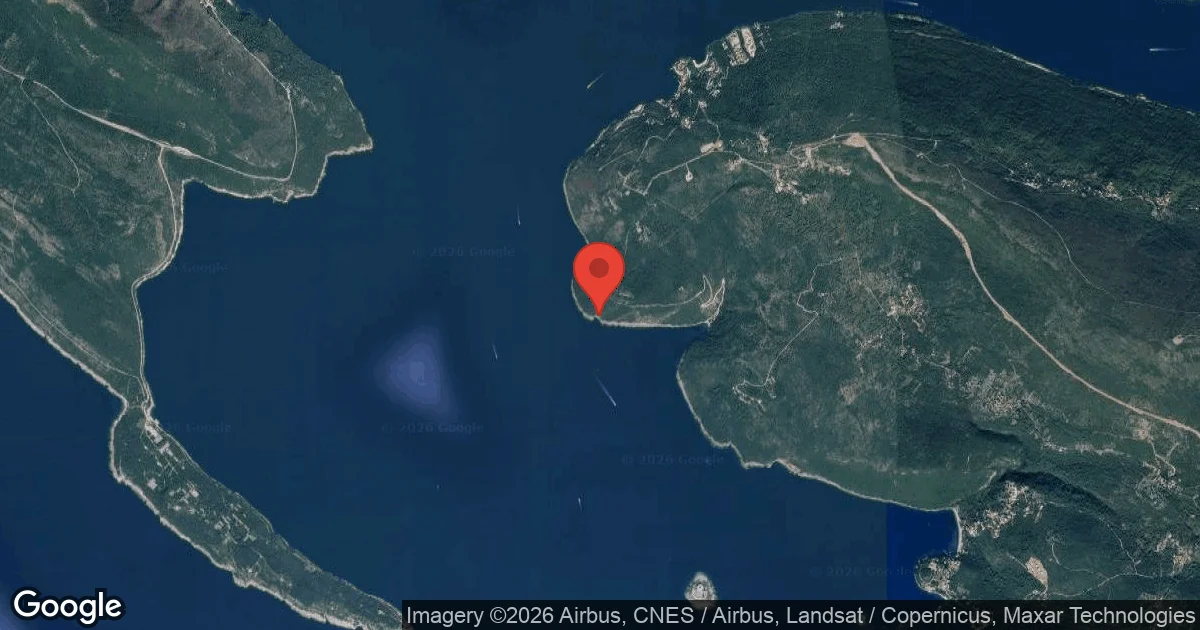
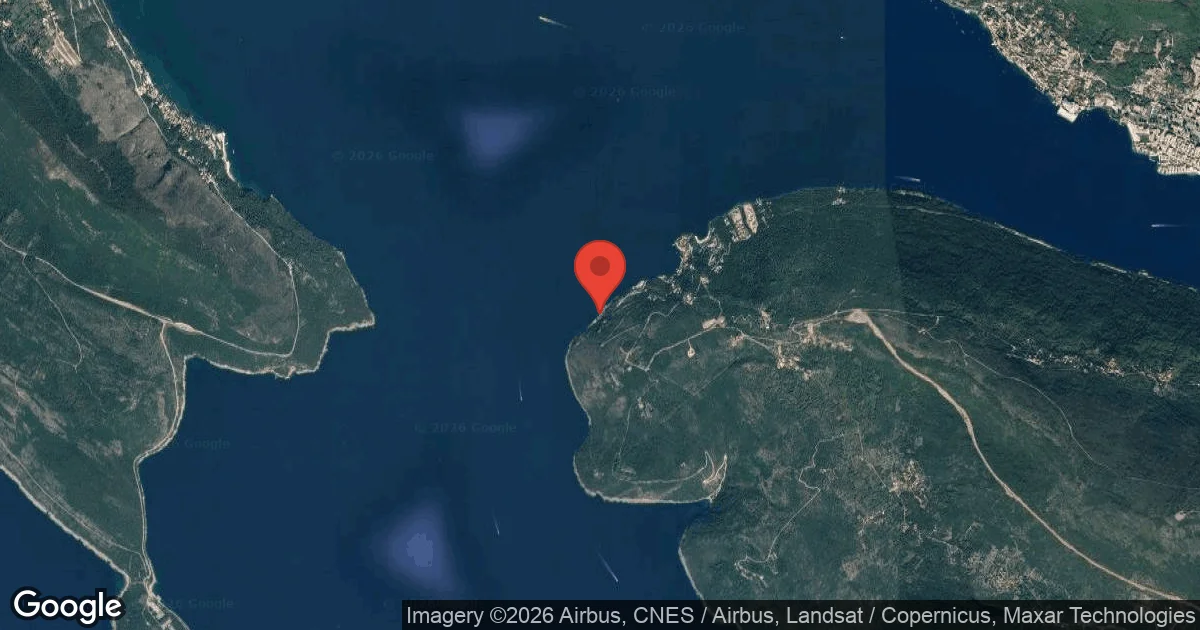
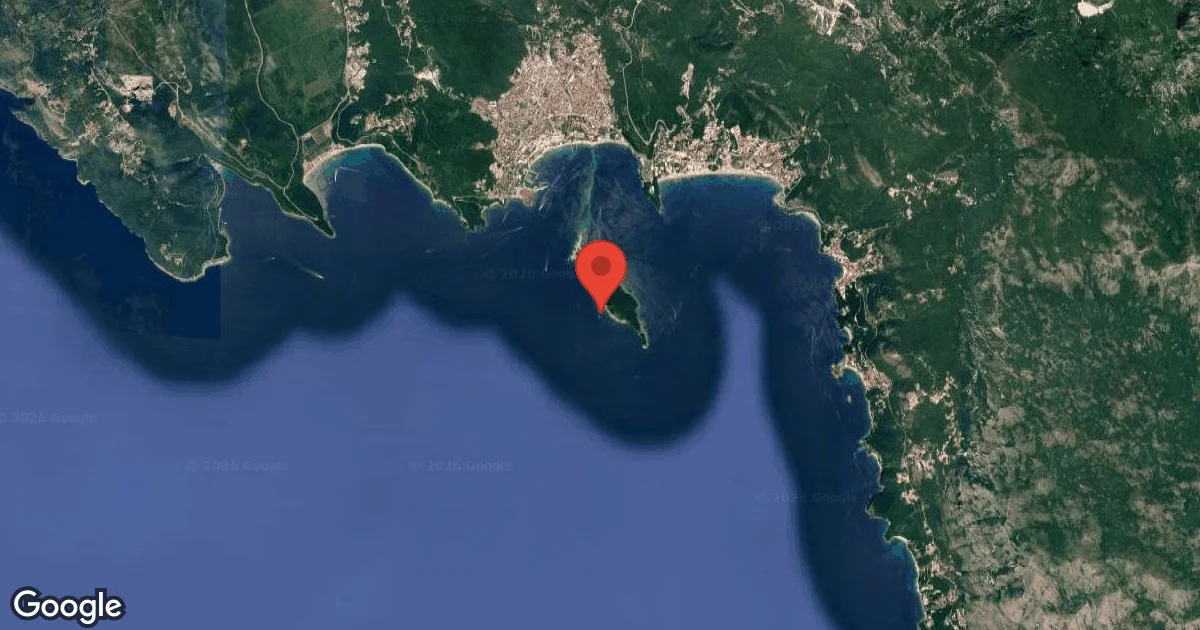
View all dive sites in MontenegroDiscover more underwater gems in this area.
Dive Centers Near Sirena Hole
Nearest Airports
Nearest airports to help plan travel to this dive area.
Search Flights
Check available flights and routes on Expedia, using the nearby airports listed in this section.
Search Flights on ExpediaFrequently Asked Questions
Who is Sirena Hole suitable for?
Intended for experienced divers, a minimum certification of CMAS** or AOWD (Advanced Open Water Diver) is recommended, given its deep and overhead environment.
What kind of dive is Sirena Hole?
It is primarily a pass-through underwater cave dive, often described as a vertical corridor. It combines elements of a channel and a reef dive as well.
What is the typical depth range for this dive?
Divers typically enter around 5 meters, with the exit situated near 30 meters. Maximum reported depth for the site reaches just over 30 meters.
Are there strong currents in Sirena Hole?
Currents within the Sirena Hole itself are not consistently reported, suggesting a generally calm environment inside the vertical passage once accessed.
Is special equipment required for this dive?
Yes, despite some natural light, reliable underwater lights are mandatory for safety and to properly explore the cave's features. Other cave diving equipment may be recommended by local guides.
When is the best time to dive Sirena Hole?
The optimal period is from June to August, when air temperatures are highest and weather conditions are calm, contributing to excellent visibility. Good diving conditions extend from February through October.
What marine life can be seen at Sirena Hole?
The site's main attraction is its unique geological structure. While prominent large marine life encounters are not the focus, the surrounding reef may host typical Mediterranean species, and specialized small organisms might inhabit the cave.
Planning to dive Sirena Hole?
Send one inquiry and receive offers directly from the best verified local dive operators.
Conditions are Excellent
07:00 - 14:00
Optimal conditions expected
Current conditions near Sirena Hole show 25° air, 27° sea temperature, 0.1 m waves, and 14 km/h wind. Forecast data is refreshed regularly to ensure accuracy.