
Diving at Reef Galiola (Montenegro)
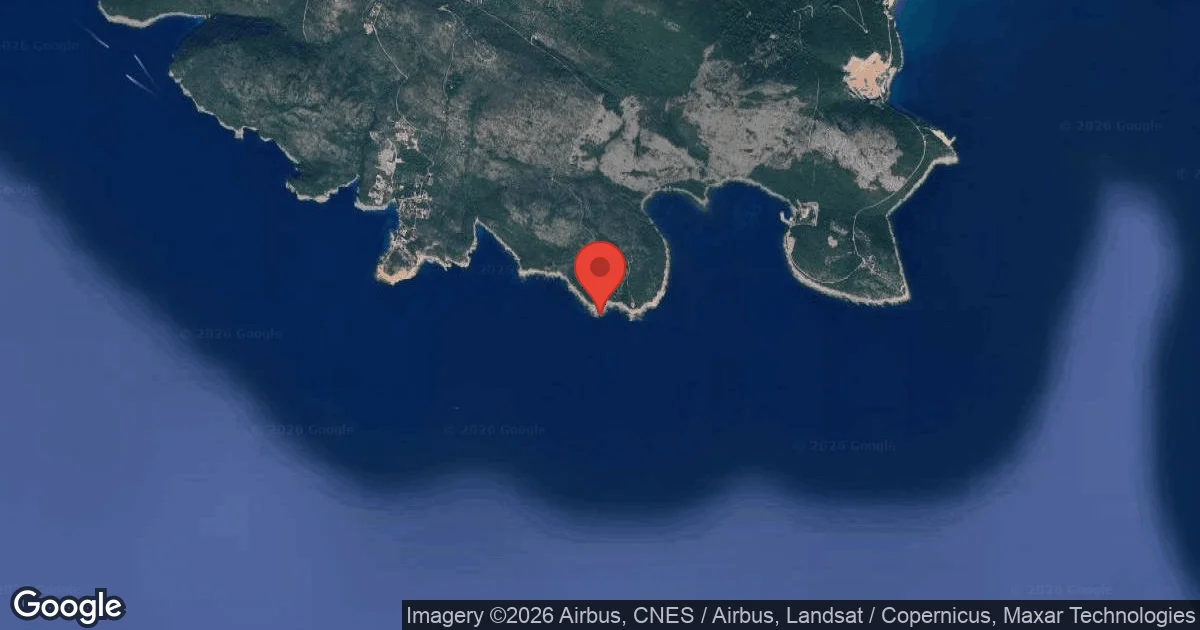
Reef Galiola, located behind St. Nicola Island, holds a silent testament to past conflicts. At its deeper reaches, historical remnants like an old avio bomb from WW2 and an underwater mine from WW1 rest on the sandy bottom. These artifacts lie near the reef's maximum depth, adding a layer of historical intrigue for appropriately certified divers. Exploring this site means engaging with both natural reef structures and submerged history, offering a somber backdrop to the vibrant marine environment.
As evening covers Reef Galiola, the local air temperature is measured at 26.5°C. The current wave height at the surface is recorded at 0.2 m. These late-day readings characterize the surface conditions for the night.
Dive Site Location & Key Facts
Dive Site Overview
Galiola reef distinguishes itself with a striking pyramidal shape and a notably interesting underwater topography. Its main highlights include two prominent vertical tunnels, frequently called 'chimneys,' which divers can safely explore.
This dynamic site starts near the surface, descending to a maximum reported depth of 27-30 meters (89-100 ft). Divers explore the reef's structure, including these unique vertical holes that allow for through-passage. Visibility generally ranges between 10-20 meters (33-66 ft), providing clear views of the topographical features.
Water temperatures typically fluctuate from 18-27°C (64-81°F), varying with the season and prevailing weather conditions. A typical dive here lasts approximately 40-55 minutes, depending on individual air consumption and overall conditions.
Exploring Galiola provides a blend of structural exploration and encounters with varied marine life, making it a compelling dive for those seeking distinct underwater landscapes. Its design permits exploration by divers across different certification levels.
Conditions are Good
Optimal conditions expected
Current conditions near Reef Galiola show 26° air, 27° sea temperature, 0.1 m waves, and 18 km/h wind. Forecast data is refreshed regularly to ensure accuracy.
Best Time to Dive
The optimal time for diving Galiola reef largely depends on prevailing surface conditions and water temperatures. Months like June, July, and August typically offer the calmest surface conditions, with average wave heights around 0.4-0.5 meters (1.3-1.6 ft) and lower wind speeds, contributing to an 'Excellent' dive score. During this period, rain is minimal, averaging 2-5 mm (0.08-0.2 in) per month. Water temperatures are generally at their warmest from late spring through early autumn, ranging from 18-27°C (64-81°F). Later in the year, around November to March, average wave heights increase to 0.9-1.1 meters (3-3.6 ft), and rainfall is more frequent. While diving is possible year-round, the warmer months from June to September provide the most consistently favorable weather and sea conditions for comfort and visibility.
PEAK SEASON SCORE
Scores combine air & water temps, waves, wind & rainfall for overall conditions.
BEST MONTHS TO DIVE
Monthly records compiled from satellite and marine observation nodes over the last 3 years. Data provided by Open-Meteo and MET Norway.
Dive Experience & Conditions
The dive at Galiola often begins in shallower waters, gradually descending as divers circle the main rock formation. The site presents a distinct depth profile, with the reef's top accessible near the sea surface. As one explores downwards, the maximum depth can be around 27 meters (89 ft), where historical artifacts may be observed. A notable part of the experience involves following the rock wall, which eventually leads to a small underwater cave at approximately 14 meters. From this cave, the ascent continues vertically into a narrow tunnel, around 8-9 meters long, which opens up at roughly 5 meters. This area is ideal for a safety stop, and divers can further explore the reef's top if air allows. Visibility typically ranges from 10-18 meters (33-59 ft), offering clear views, and sea currents are generally negligible, making for a steady dive.
Dive Difficulty & Safety Guidelines
Approaching Galiola reef requires adherence to specific certification requirements, with Open Water Diver (OWD) certification as a minimum prerequisite for diving the chimneys. To explore the deeper sections, particularly near the historical mine or avio bomb at 27 meters (89 ft), Advanced Open Water Diver (AOWD) certification is necessary. When navigating the vertical tunnels, or 'chimneys,' divers should proceed in a single-file formation due to their design.
It's crucial to consult with local dive operators; they adjust dive plans based on your certification and current conditions. Always monitor your air consumption and bottom time, and ensure you maintain appropriate buoyancy control, especially within confined spaces.
Planning your dive within your experience and training limits will ensure a safe and enjoyable exploration of Galiola's unique topography.
Recommended Equipment
- Dive Computer
- DSMB
This gear list is based on verified equipment signals for Reef Galiola, Montenegro. Always confirm final gear choices with your dive operator, guide, or liveaboard.
Recommended Dive Suit
Current diving conditions indicate water temperatures around 27°C (80°F) at Reef Galiola. Surface air temperatures are resting at 26°C (79°F).
Conditions are expected to stay fairly consistent in the days ahead.
Most divers would typically feel comfortable using 2-3mm shorty or light wetsuit in these conditions. Dive depth and duration can significantly affect perceived warmth.
Emergency & Medical Support
Essential information to help you plan your dive trip to reef Galiola.

Hyperbaric chambers are a critical part of dive safety infrastructure. Availability varies significantly by region, and not all dive areas have immediate access.
Before diving, it's recommended to:
- confirm nearest medical facilities
- check emergency procedures with local dive operators
- ensure dive insurance covers evacuation if required
Divers Alert Network
Diving emergency assistance available through DAN Europe.
+39 0642115685- 24/7 emergency hotline
- Diving medical assistance
- Evacuation coordination
Emergency contacts are provided for reference. Always verify local emergency services before diving.
Marine Life at Reef Galiola
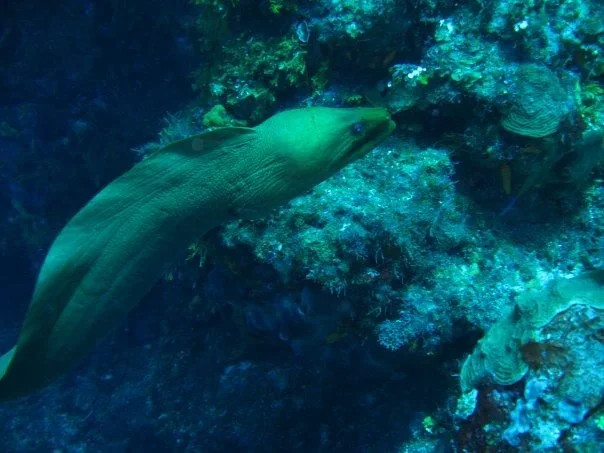
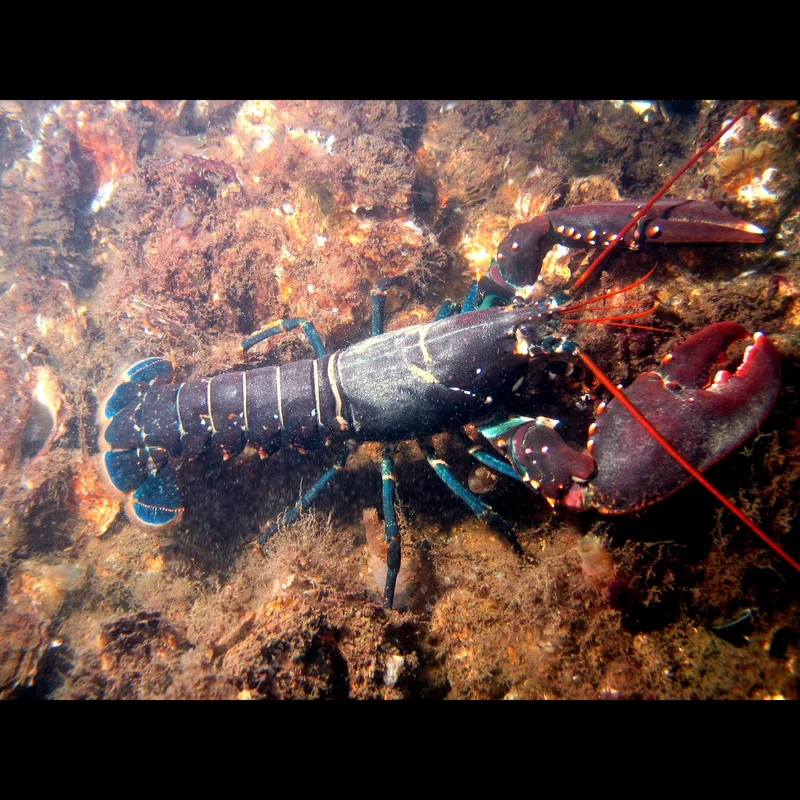
Galiola reef's intricate underwater landscape provides habitat for a variety of marine species. Along the rock wall, divers may encounter lobsters, moray eels, and small shrimps nestled within crevices.
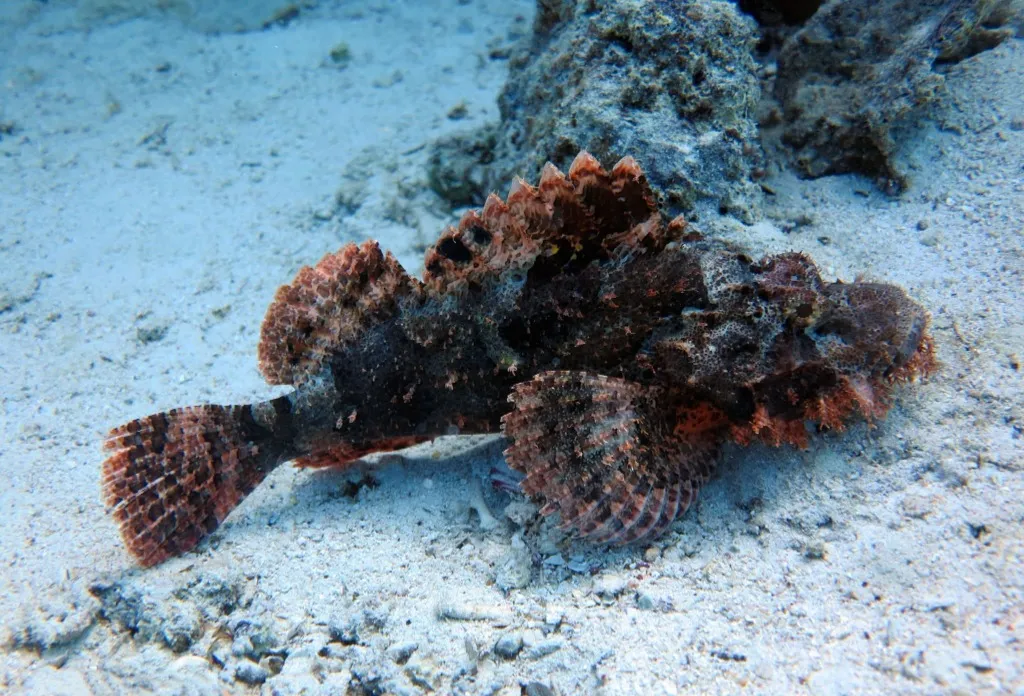
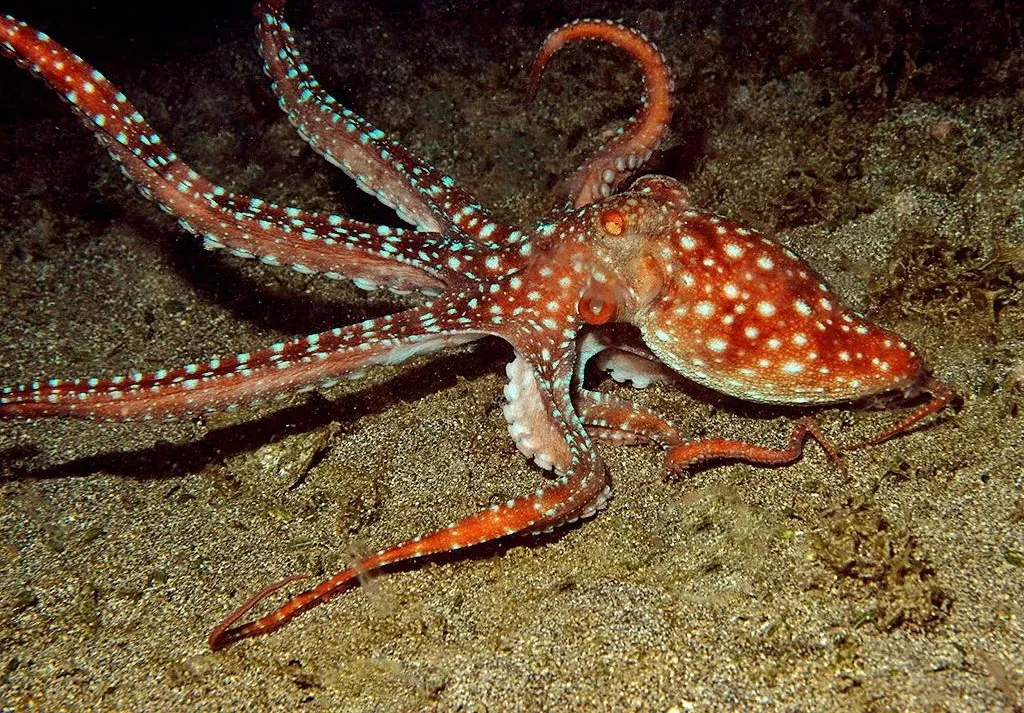
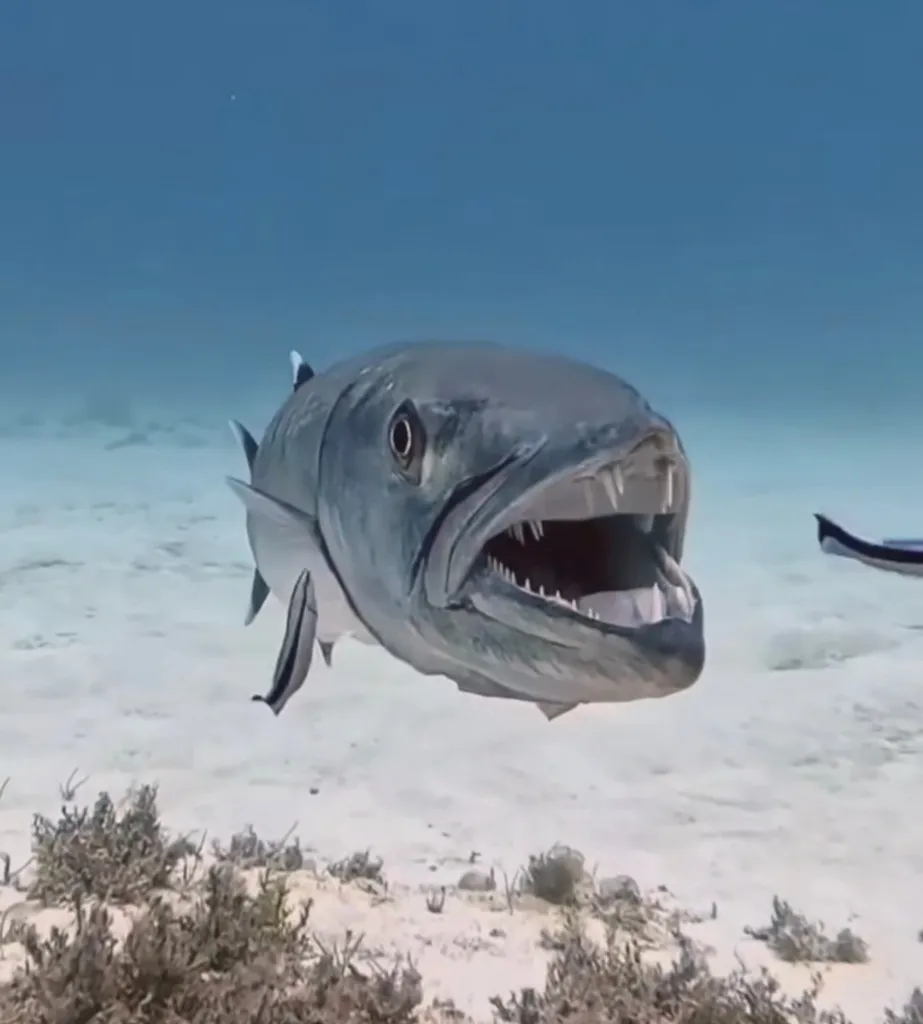
Inside the small cave at approximately 14 meters, scorpionfish are frequently observed, often blending seamlessly with the rock. Moving across the reef, octopuses, barracudas, sea bream, mullet, and parrotfish can be seen, adapting to the dynamic environment.
While less common, fortunate divers might also spot rays in the vicinity, adding to the site's rich biodiversity.
Dive Sites Near Reef Galiola
View all dive sites in MontenegroDiscover more underwater gems in this area.
Dive Centers Near Reef Galiola
Today: Open 24 hours
Nearest Airports
Nearest airports to help plan travel to this dive area.
Search Flights
Check available flights and routes on Expedia, using the nearby airports listed in this section.
Search Flights on ExpediaFrequently Asked Questions
What defines Galiola reef as a dive site?
Galiola is a pyramidal reef structure known for its interesting underwater topography. Its main features include two vertical tunnels, often called 'chimneys,' which divers can safely explore.
What is the maximum depth divers can reach at Galiola?
The maximum depth at Galiola reef is reported to be between 27-30 meters (89-100 ft). Dive plans are often adjusted based on individual certification levels and comfort.
What certification level is required to dive Galiola?
An Open Water Diver (OWD) certification is the minimum prerequisite for general exploration and diving the chimneys. For deeper sections, such as those near historical artifacts at 27 meters, Advanced Open Water Diver (AOWD) certification is recommended.
What marine life might I see at Galiola?
Divers often encounter lobsters, moray eels, octopuses, and barracudas. Scorpionfish are frequently spotted within the small cave at 14 meters, and other fish like sea bream and mullet also inhabit the reef.
Are there specific guidelines for diving the tunnels/chimneys?
Yes, the vertical tunnels, or 'chimneys,' are typically narrow and designed for a single diver in line. Maintaining good buoyancy and following your dive guide are essential when navigating these sections.
What are the typical visibility and water temperature ranges?
Visibility at Galiola generally ranges between 10 and 20 meters (33-66 ft), providing clear views. Water temperatures vary seasonally, typically from 18-27°C (64-81°F).
Is Galiola also known as 'The Pyramid' dive spot?
Yes, Galiola is often referred to as 'The Pyramid' due to its distinct pyramidal shape and interesting underwater topography. Both names refer to the same location behind St. Nicola Island.
Planning to dive Reef Galiola?
Send one inquiry and receive offers directly from the best verified local dive operators.
Conditions are Good
Optimal conditions expected
Current conditions near Reef Galiola show 26° air, 27° sea temperature, 0.1 m waves, and 18 km/h wind. Forecast data is refreshed regularly to ensure accuracy.