
Diving at Submarine Tunel (Montenegro)
Former Yugoslav military structures mark the Submarine tunel site, originally designed as a covert submarine cover. Divers explore a substantial tunnel, approximately 50 m (164 ft) long and 7 m (23 ft) wide, showcasing impressive wartime engineering. Extending beyond the primary tunnel, a network of underground passages links to coastal fortifications. Connected areas historically housed equipment such as fuel storage and ventilation systems, crucial for supporting submarine operations.
Tonight's objective overview for Submarine Tunel shows an air temperature of 25.5°C. The measured surface conditions include wave heights around 0.1 m. This environmental data is logged for the close of the day.
Dive Site Location & Key Facts
Dive Site Overview
Diving into the Submarine tunel provides a distinctive experience, blending historical exploration with observations of natural marine life. Once top-secret military installations designed to conceal submarines, these formidable tunnels are now accessible for certified divers.
Traversing the main passage, divers encounter an artificial structure that has gracefully transitioned into a vibrant home for various Adriatic species. A primary tunnel stretches approximately 50 meters in length and measures about 7 meters wide, allowing for comfortable navigation. Exploration often begins in shallower sections, leading to depths around 8 m (26 ft) within the central parts.
Beyond this main thoroughfare, an extensive complex of surrounding underground areas awaits, which once supported submarine operations with fuel storage and ventilation systems. Navigating these connected passages offers glimpses into wartime engineering prowess.
Deeper, more intricate sections extend the adventure, inviting discovery of the broader historical footprint. Observing how marine organisms have colonized the artificial walls and floors adds a fascinating ecological layer to this journey through a substantial piece of naval history, creating a subaquatic environment unlike traditional reef dives.
Exploring this site requires careful buoyancy control, allowing appreciation of structural integrity and the life it now supports.
Conditions are Excellent
07:00 - 14:00
Optimal conditions expected
Current conditions near Submarine Tunel show 25° air, 27° sea temperature, 0.2 m waves, and 22 km/h wind. Forecast data is refreshed regularly to ensure accuracy.
Best Time to Dive
Optimizing a visit to Submarine tunel depends heavily on desired surface conditions and overall comfort, influencing the entire dive experience. From June through September, a consistent 'Excellent' dive score prevails, benefiting from the warmest air temperatures, ranging from 22.5°C to 27.5°C (82°F)to 81.6°F). During this peak period, wave heights are typically minimal, generally remaining below 0.5 m (1.6 ft), and rainfall is at its lowest, often less than 5 mm (0.2 in). These calm surface conditions are particularly advantageous for entering and exiting an overhead environment, enhancing diver safety and comfort. Shoulder seasons, including May and October, also present 'Good' diving opportunities. Air temperatures remain comfortable then, typically around 18-19°C (64-66°F), accompanied by moderate wave activity. Even in these transitional months, the site often provides a sheltered diving experience, making it a reliable choice when planning your trip.
PEAK SEASON SCORE
Scores combine air & water temps, waves, wind & rainfall for overall conditions.
BEST MONTHS TO DIVE
Monthly records compiled from satellite and marine observation nodes over the last 3 years. Data provided by Open-Meteo and MET Norway.
Dive Experience & Conditions
Navigating an artificial cave structure forms the core of the Submarine tunel dive. Within the main tunnel, average depths remain around 8 meters, making it approachable for many recreational divers. However, conditions near entrance and exit points often lead to deeper sections, with reported depths ranging between 25 and 30 meters. Good visibility generally prevails throughout the tunnel system, though external factors or diver presence can influence clarity. Currents aren't consistently reported as a significant concern here, suggesting a largely calm environment for exploration. This site is best characterized as a nature/cave dive, highlighting its unique blend of man-made structures and the surrounding marine environment.
Dive Difficulty & Safety Guidelines
Diving at Submarine tunel requires divers to possess at least an Open Water Diver certification, as it involves navigating an overhead environment. While the main tunnel is accessible, exploration of the more intricate underground passages and deeper sections may benefit from advanced training such as a Cavern Diver certification. Safety protocols are crucial, especially when exploring enclosed spaces.
Divers should always plan their dive within no-decompression limits and closely monitor air consumption and depth. Given the confined nature of some areas, maintaining proper buoyancy control and awareness of one's surroundings helps prevent accidental contact with the structure or marine life. Diving with a local guide familiar with the site is highly recommended.
Recommended Equipment
Overhead environment. Do not enter beyond training and gas planning limits.
- Dive Computer
- DSMB
- Primary & Backup Lights
- Reel / Spool
- Cutting Tool
This gear list is based on verified equipment signals for Submarine Tunel, Montenegro. Always confirm final gear choices with your dive operator, guide, or liveaboard.
Recommended Dive Suit
According to recent observations, water temperatures near Submarine Tunel are approximately 27°C (81°F). Surface air temperatures are resting at 25°C (78°F).
Environmental conditions appear stable for the near future.
In water temperatures like these, 2-3mm shorty or light wetsuit typically offers sufficient warmth for most recreational dives. Some divers naturally tolerate cooler water better than others.
Due to technical issues with our weather providers, live updates are temporarily delayed. The data above reflects the conditions at the time of the last successful fetch.
Emergency & Medical Support
Essential information to help you plan your dive trip to Submarine tunel.

Hyperbaric chambers are a critical part of dive safety infrastructure. Availability varies significantly by region, and not all dive areas have immediate access.
Before diving, it's recommended to:
- confirm nearest medical facilities
- check emergency procedures with local dive operators
- ensure dive insurance covers evacuation if required
Divers Alert Network
Diving emergency assistance available through DAN Europe.
+39 0642115685- 24/7 emergency hotline
- Diving medical assistance
- Evacuation coordination
Emergency contacts are provided for reference. Always verify local emergency services before diving.
Marine Life at Submarine Tunel
Submarine tunel provides an unexpected habitat for various marine species within its historical, submerged walls. Divers frequently observe different kinds of colorful soft corals and diverse sponges adhering to the artificial surfaces, transforming the former military structure.
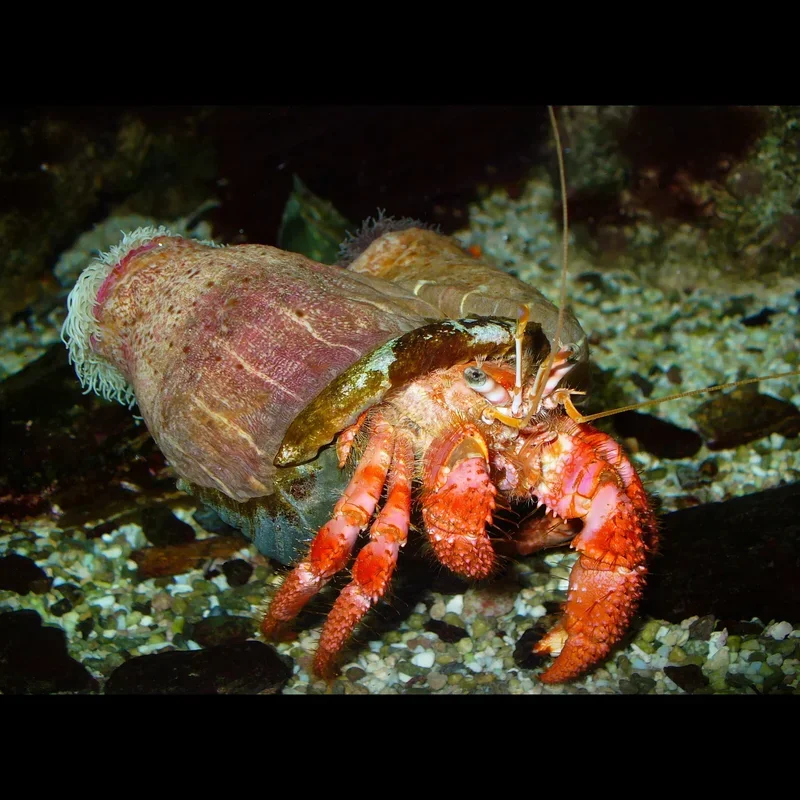
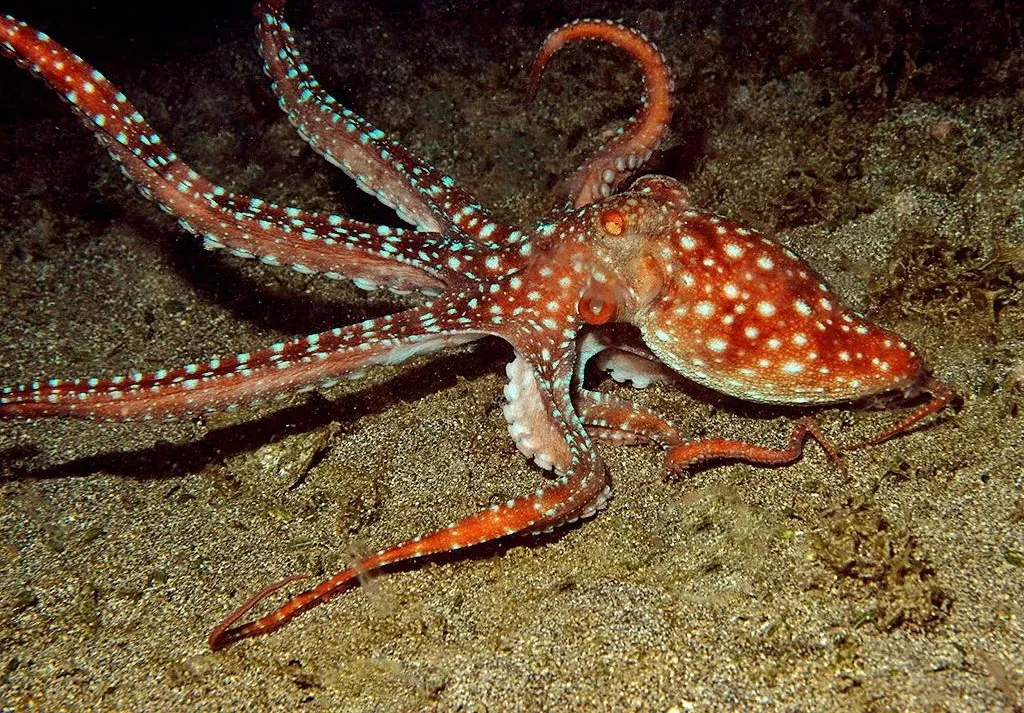
Octopuses are commonly sighted, often expertly camouflaged among the tunnel's crevices and rocky formations. Hermit crabs and stone crabs diligently navigate the floor and walls, adding persistent activity to the site's ecological interest.
Fire worms have also been noted, their vibrant forms contributing to the diversity of invertebrate life within this unique and somewhat sheltered underwater environment.
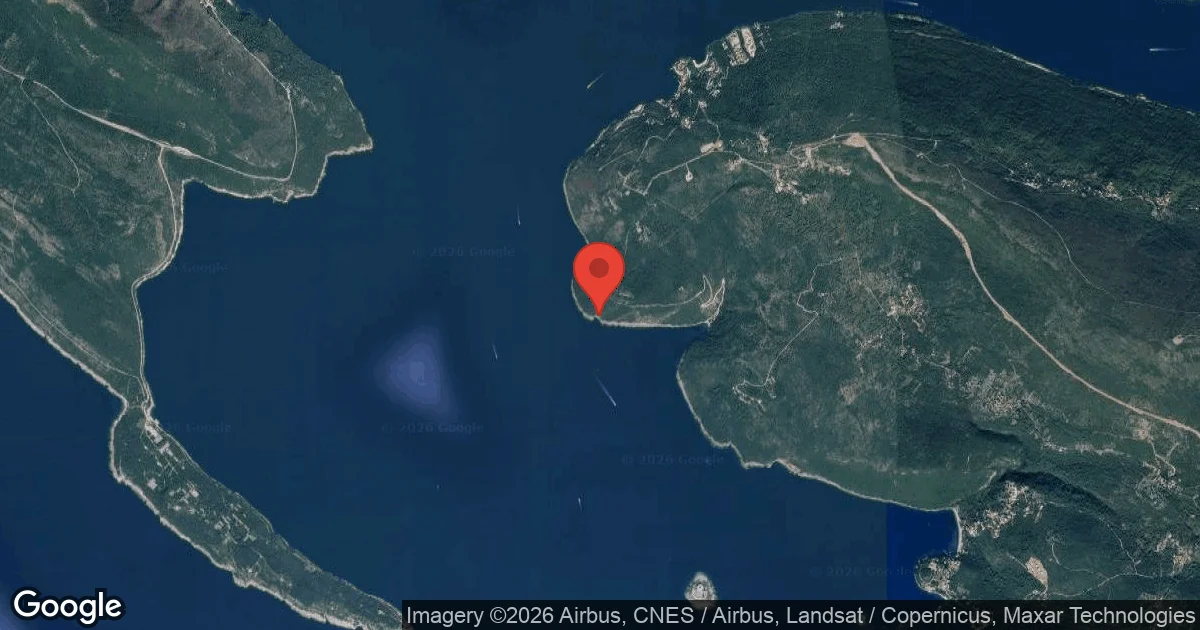
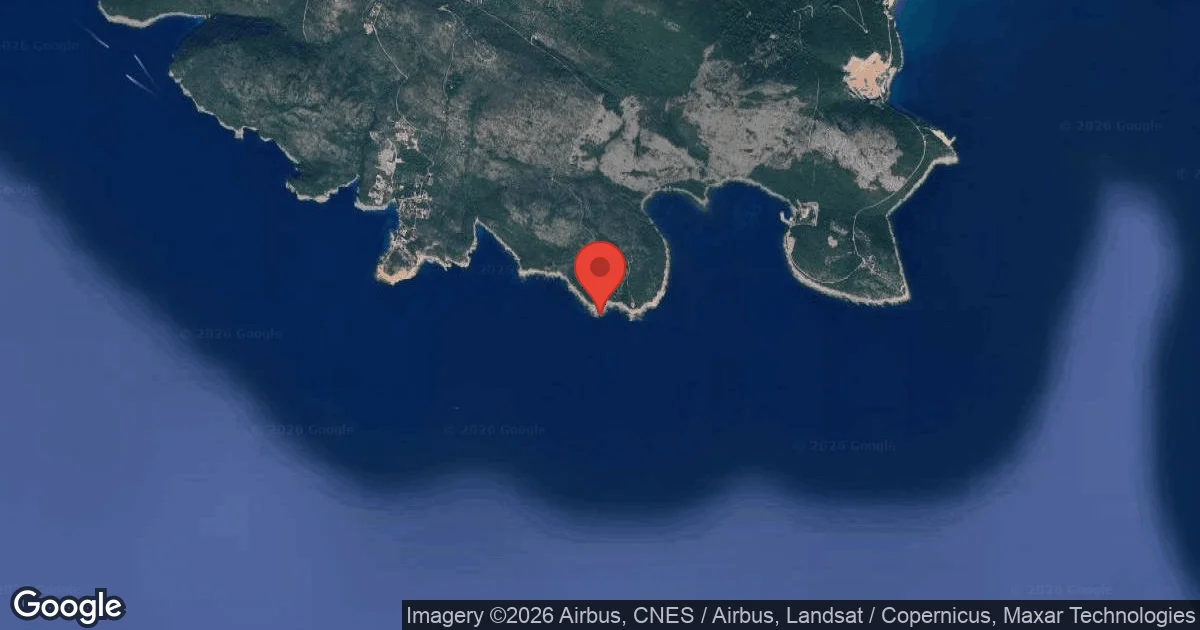
Dive Sites Near Submarine Tunel
View all dive sites in MontenegroDiscover more underwater gems in this area.
Dive Centers Near Submarine Tunel

Nearest Airports
Nearest airports to help plan travel to this dive area.
Search Flights
Check available flights and routes on Expedia, using the nearby airports listed in this section.
Search Flights on ExpediaFrequently Asked Questions
What is the primary depth range for diving the Submarine tunel?
The main submarine tunnel typically has an average depth of 8 m (26 ft). However, near the entrance and exit, the maximum depth can extend to 25-30 m (82-100 ft), depending on the specific area being explored.
What kind of certification is needed to dive here?
A minimum of an Open Water Diver (OWD) or CMAS* certification is generally required. For exploring the deeper or more complex sections, additional training like a Cavern Diver certification may be beneficial.
Are there strong currents inside the tunnel?
Currents are not consistently reported as a significant factor within the Submarine tunel dive site. This suggests that divers generally experience calm conditions during their exploration of the tunnel.
What marine life can be observed in the Submarine tunel?
Divers can expect to encounter various corals, sea sponges, octopuses, and hermit crabs within the tunnel. Stone crabs and fire worms are also among the common sightings here.
Is special equipment required for this dive?
Yes, underwater lights or torches are considered essential equipment for this dive due to the dark, enclosed nature of the tunnels. This enhances visibility and allows for better observation of the marine environment.
What is the best time of year to dive at Submarine tunel?
The months from June to September are considered excellent for diving, offering warm air temperatures and minimal rainfall. May and October also provide good conditions with comfortable temperatures and calm seas.
Is this dive suitable for beginners?
While the average depth of 8 m (26 ft) in the main tunnel is suitable for Open Water Divers, the overhead environment means some level of comfort and experience in enclosed spaces is advisable. Always dive with a qualified guide.
Planning to dive Submarine Tunel?
Send one inquiry and receive offers directly from the best verified local dive operators.
Conditions are Excellent
07:00 - 14:00
Optimal conditions expected
Current conditions near Submarine Tunel show 25° air, 27° sea temperature, 0.2 m waves, and 22 km/h wind. Forecast data is refreshed regularly to ensure accuracy.